SO FAR: March 1859. An elderly Sibsey farm labourer, William Stevenson, has been found dead in a ditch, his head destroyed by repeated blows from a blunt object. Three local men have been arrested on suspicion of his murder. One has been released without charge, but William Pickett and Henry Carey have been accused of the murder.
Their motive for killing William Stevenson? He was hardly a rich man, but on his return from Boston market he had a few shillings in his pocket and, incredible though it may seem, it was for these pieces of silver that he was repeatedly battered about the head and thrown in a ditch to die.
The sequence of events when people were suspected of murder back in the day was that there would be a coroner’s inquest where the cause of death would be established and – assuming there were suspects identified – a jury would, provided they were convinced that there was a case to answer, send the case on to magistrates. The magistrates court would normally be a repeat version, but with the case focusing on the suspect(s) rather than the victim. The final element in the trilogy was the Assize Court. This would be held four times a year, and almost always in the county town, and presided over by a senior judge. This arrangement meant that key witnesses for both prosecution and defence had to give their evidence three times, the only difference being that in the Assize Court the cross examination by barristers would be more incisive.
So it was that Carey and Pickett, having been in custody since late March finally had their day in court in late July, in front of Mr Justice Williams at Lincoln Assizes. By this time, Pickett had decided his best defence was to claim that he had been a reluctant partner in the fatal enterprise, and he feared Carey’s violence more than he feared justice. Given no other choice, Pickett was reduced to making a counter claim against his associate, but neither the judge nor the jury were convinced. Readers of The Lincolnshire Chronicle of the morning of 29th July were informed:
“Long before the Judge took his seat on the bench this morning, the Court was crowded to excess. Every avenue by which it was hoped that access to it could be gained was also besieged by an anxious crowd. The bench, as yesterday, was filled with ladies, and a hoarse murmur pervaded the court, as of parties expectant of some great exhibition. His Lordship took his seat on the bench precisely at half-past nine o’clock. The prisoners, on their appearance in the dock, presented the same appearance as on the previous day, save that their countenances seemed more anxious and worn. His lordship at once summed up. The pith of his lordship’s address to the jury was, that there could be no doubt,from the confession of both prisoners that they were present on the dreadful occasion, and, therefore, all the evidence given was superfluous. Each prisoner accused the other of striking the blow by which William Stevenson met his death.”
“The learned counsel for Picket bad endeavoured to show that Pickett was merely an accessory after the fact, and he, therefore, went into the evidence against prisoner. He pointed out that Pickett had given two different accounts of the place where he spent the night of the murder. Before proceeding to read Pickett’s statement, his lordship explained the law with respect to such confessions. The jury might believe all or any part of it they pleased. They should also read that part of the evidence which tended to show that the deed was done more than one person. With regard to Pickett’s confession, his lordship remarked that had that prisoner been a mere innocent stander-by while Stevenson was knocked down, he might have interfered, and there would have been two to one. He put it to the jury whether they could believe that he was reduced by terror to the state of inaction he describes. Tbe jury, amid the breathless silence of the crowded court, returned a verdict of GUILTY of WILFUL MURDER against both the prisoners, and the learned Judge, having assumed the black cap, proceeded to pass upon them the sentence of DEATH. The prisoners, who heard their doom with little emotion, were then removed. This concluded the criminal business of the Assizes, and the court rose.”
The hanging of Carey and Pickett on the morning of 5th August 1859, conducted by William Askern and the Horncastle cobbler William Marwood was the the last public hanging at Lincoln.
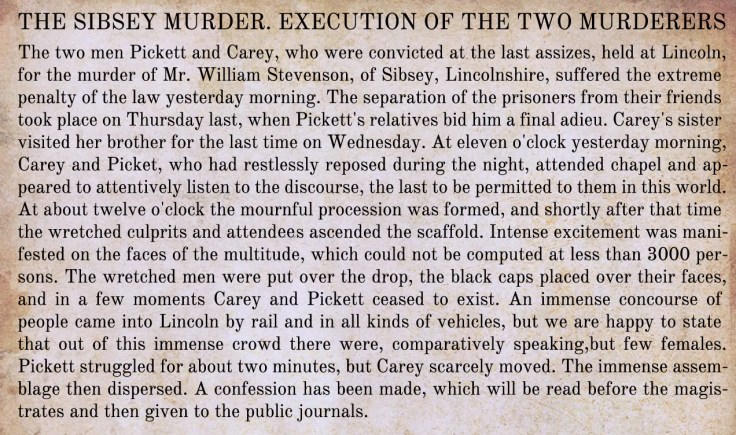
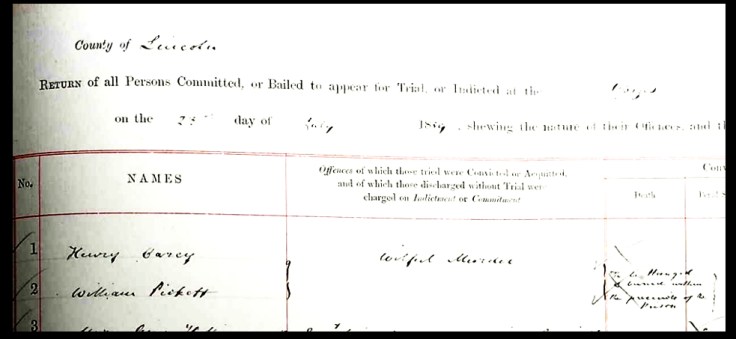
The names of Carey and Pickett remain inscribed in the judicial records while their victim, William Stevenson, was interred in the churchyard of St Margaret’s Sibsey, a few days after his brutal murder.
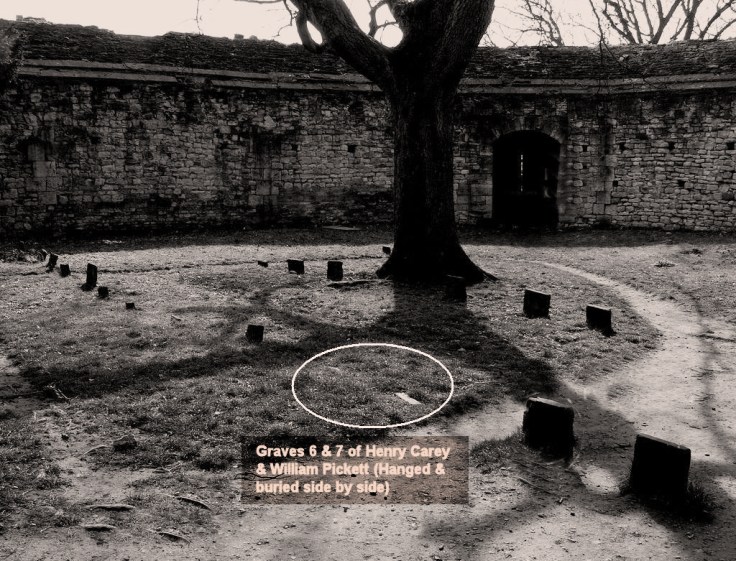
Criminals executed at Lincoln were interred with little ceremony in a tiny walled garden in the Lucy Tower. I am grateful for Alan Robinson for allowing me to use his photograph of the the last resting place of Henry Carey and William Pickett.
As a mundane comment on the price of justice, the Stamford Mercury of 21st October 1859 reported:

FOR MORE HISTORICAL LINCOLNSHIRE MURDERS
click on the image below

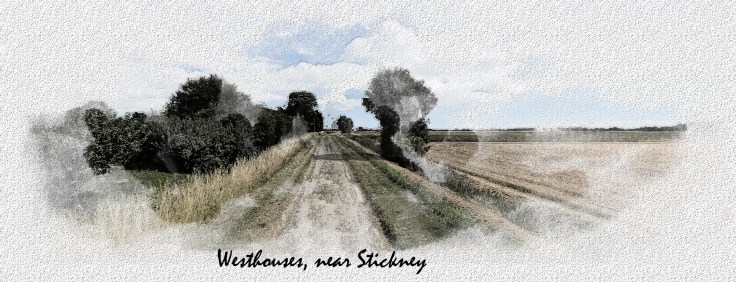




 Tim Yates’s life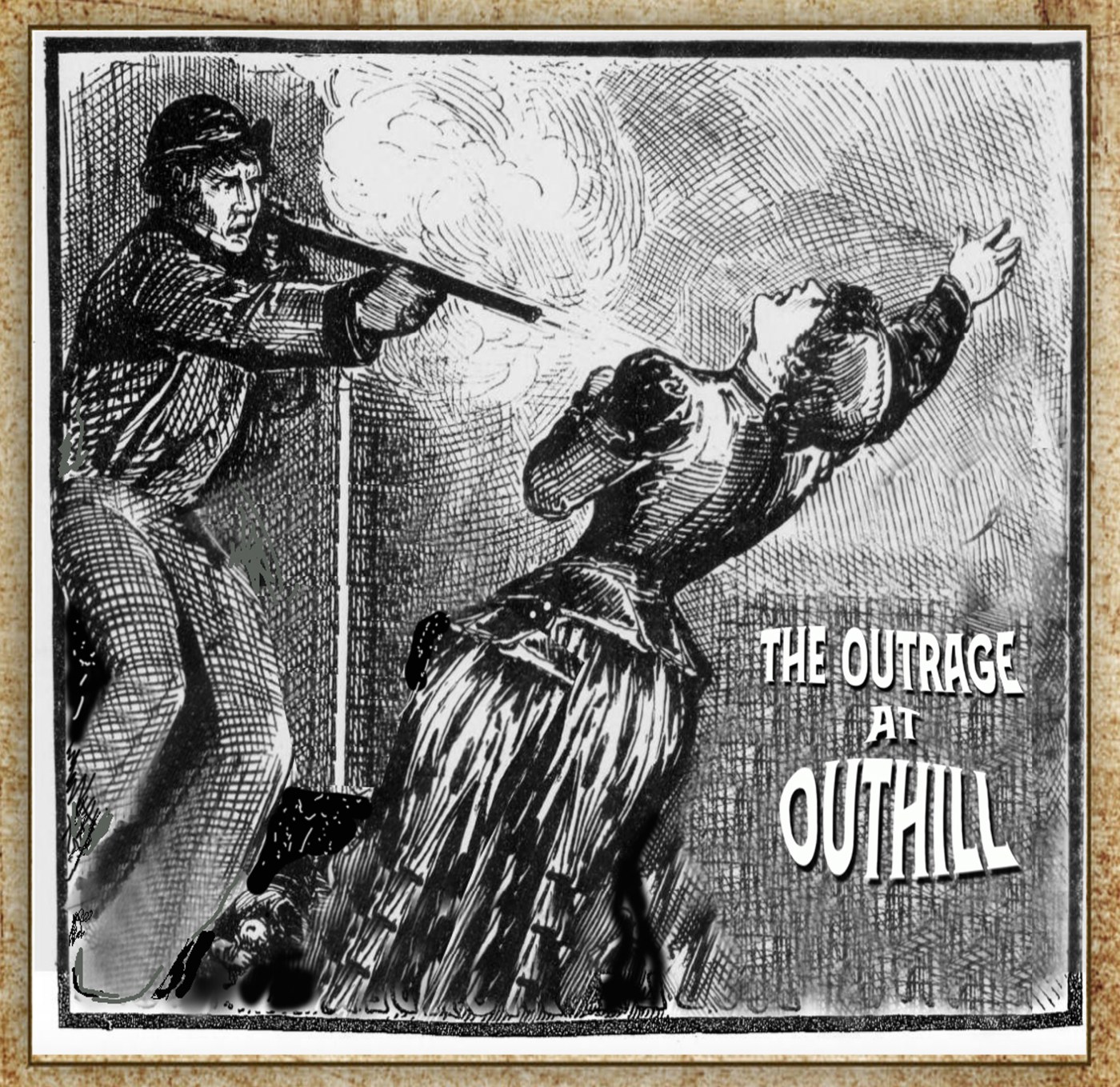

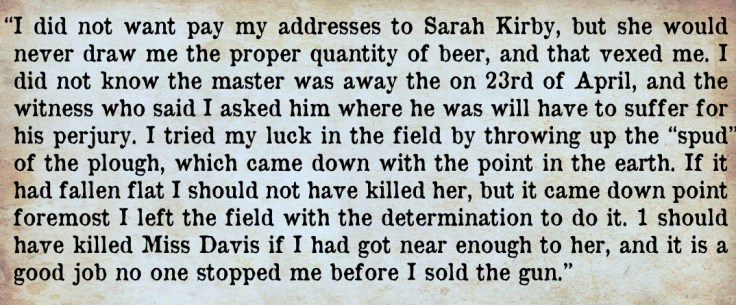
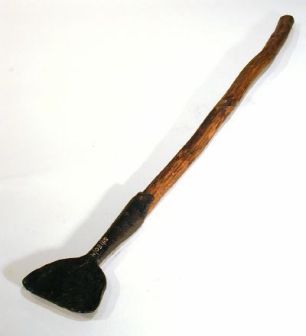 SO FAR: 23rd April, 1862, rural Warwickshire, and a 21 year old ploughman, George Gardner, employed by farmer Davis Edge at Outhill Farm, near Studley, has shot 24 year-old Sarah Kirby, employed by Edge as a domestic servant. Gardner’s peculiar state of mind before killing Sarah Kirby could almost be described as existential, in that it seemed to recognise neither logic nor the law – just his own obsession. He did, however, seem to have acknowledged the presence of chance. He had been uncertain that morning about killing Sarah Kirby, so he adopted a rural version of tossing a coin. Ploughmen used a hand-tool known as a “spud”. It was basically a flat blade, usually mounted on a wooden handle, (left} and used for clearing earth from the blades of the plough. Gardner decided to toss the tool in the air, and if it landed blade first, then Sarah Kirby would die. It did, and so did the young woman.
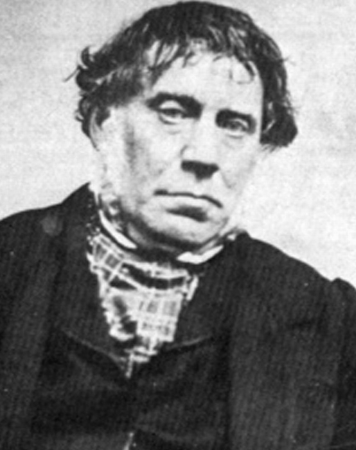 Gardner had one further misfortune. His executioner was none other than George Smith (right), a former criminal and noted drunk, known – with rough humour – as The Dudley Throttler. This was to be a public execution, and a perfectly respectable form of cheap entertainment at the time. A reporter described the scene: