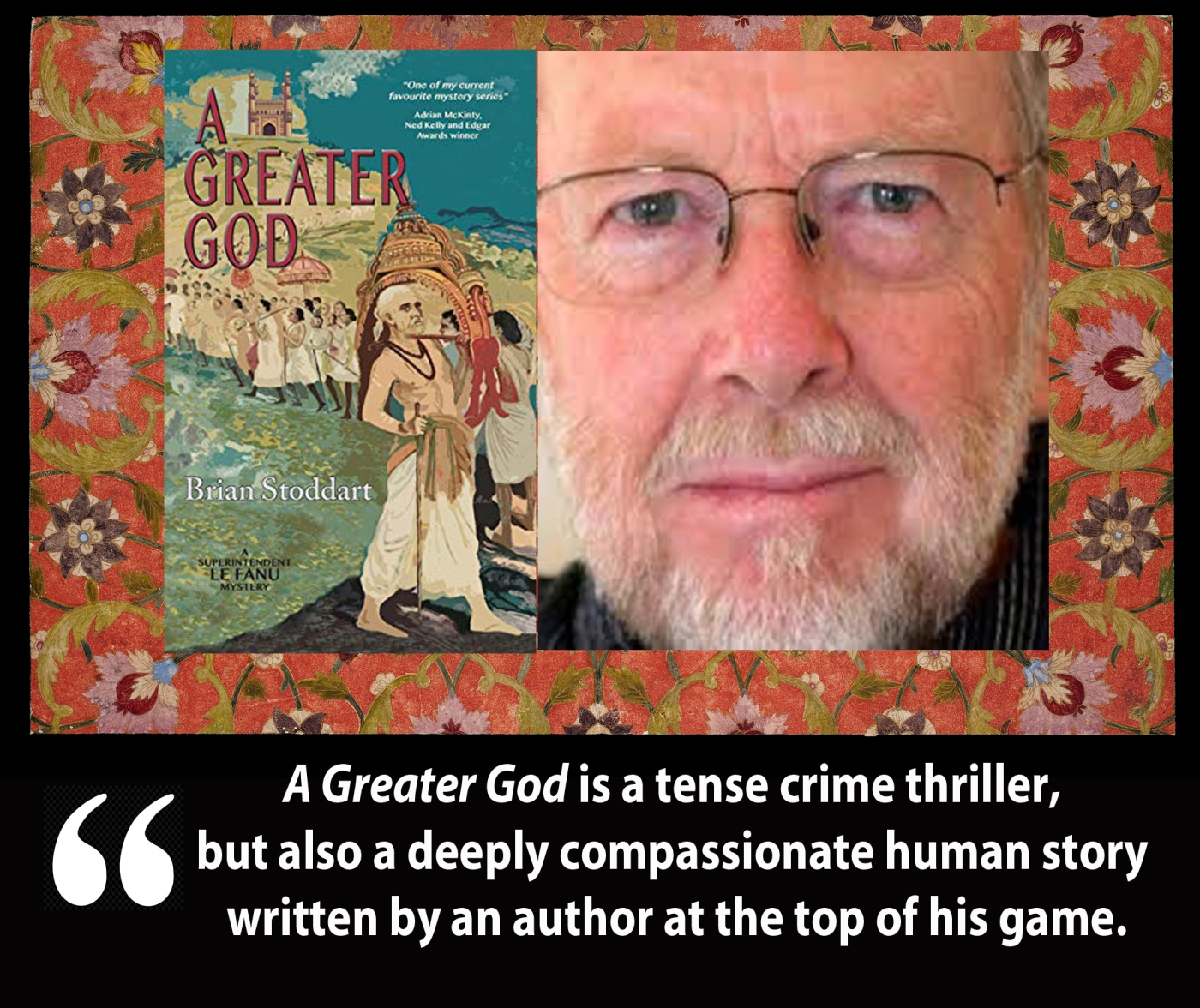

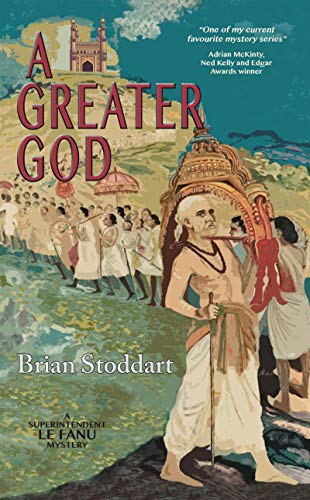
 Superintendent Christian Le Fanu makes a welcome return in A Greater God, the fourth in the excellent series of historical crime novels by Brian Stoddart. The previous novel, A Straits Settlement, saw Le Fanu playing away from home in Penang, but now he has returned to his adopted home of Madras. His colleagues Mohammad Habibullah and Jackson Caldicott are relieved to see him, because in his absence the Inspector General of Madras Police, the incompetent and choleric Arthur Jepson, has been creating havoc with his hardline racist approach to policing.
Habibullah and Caldicott normally have a harmonious and respectful relationship, but Le Fanu senses a change. Habibullah is becoming increasingly concerned about the worsening status of his fellow Muslims and this has created tension with Caldicott. This adds to Le Fanu’s sense of unease about the wisdom of his return to Madras. While in Penang, he has fallen in love with Jenlin Koh, a beautiful Chinese woman and has been offered a lucrative job in the Straits Settlements. As the behaviour of Jepson becomes more erratic another piece of bad news adds to Le Fanu’s problems: his former lover, Ro McPhedren, from whom he has parted relatively amicably, has been stricken with typhoid in Hyderabad and is not expected to survive.
For good or ill, events soon jolt Le Fanu out of his introspective mood. A Muslim community has been violently attacked, probably by Hindu extremists, and it looks as if Habibullah’s worst fears are being realised. When nationalist agitators converge on Madras for a planned assault, a disastrous intervention by Jepson leaves police officers dead. Le Fanu’s military experience, cool head and excellent leadership is needed to resolve the situation, albeit temporarily, but the prospect of serious bloodshed between Muslims and Hindus remains a frightening possibility unless wiser heads prevail.
Le Fanu is no Boys’ Own hero: he has a physical revulsion and genuine terror of bloodshed, and this makes his courage under fire even more remarkable. I can’t think of another writer, unless it is the inestimable Chris Nickson with his ‘hear-it, breathe-it, smell-it’ series of Leeds novels, who brings history to life with as much élan as Brian Stoddart. His 1920s India is announced not so much with a trumpet as a fanfare. Where he excels is not so much in the details of sensory perception (although they are strong) but in the portrayal of the infinitely complex social nuances, not only between the Indians and the British, but those between British people of different backgrounds, education and aspirations.
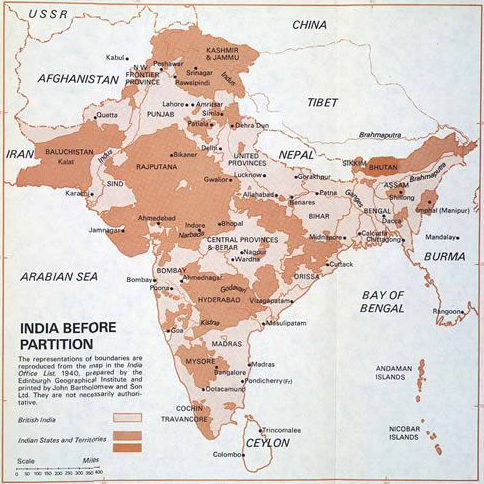
Stoddart knows India, just as we know that the cloud-capped towers, the gorgeous palaces, the solemn temples and the whole insubstantial pageant of British India did, eventually fade. But did they leave ‘not a wrack behind’? There were decent men like the fictional Le Fanu. There were men and women who, maybe through pragmatism, perhaps through enlightenment, realised that in the end a nation of people with minds every bit as quick and aspirations just as heartfelt as those of their colonial rulers, would emerge and cast off recent history like an old and threadbare coat.
The divisions between Britain and its former subjects in India are largely a thing of the past: sadly, what divides Hindu and Muslim within the pages of A Greater God is a more formidable beast and one that has yet to be slain. Add proud Sikhs into the mix, and there remains a conflict which, while it currently appears to be only embers of a former fire, there remains the fear that it can still burst into violent flames.
A Greater God is a tense crime thriller, but also a deeply compassionate human story written by an author at the top of his game. It is published by Selkirk International, and will be out on 30th November.
We also have a feature on the author, and clicking the blue link will take you to it.


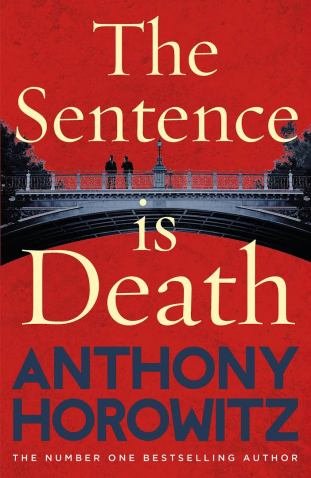 For those of you who are unfamiliar with the first book in this series, The Word Is Murder (and you can read my review
  The abundance of questions will give away the fact that this is a tremendous whodunnit. Horowitz (right) tugs his forelock in the direction of the great masters of the genre and, while we don’t quite have the denouement in the library, we have a bewildering trail of red herrings before the dazzling final exposition. But there is more. Much, much more. Horowitz’s portrayal of himself is beautifully done. I have only once brushed shoulders with the gentleman at a publisher’s bash, so I don’t know if the self-effacing tone is accurate, but it is warm and convincing. More than once he finds himself the earnest but dull Watson to Hawthorne’s ridiculously clever Holmes.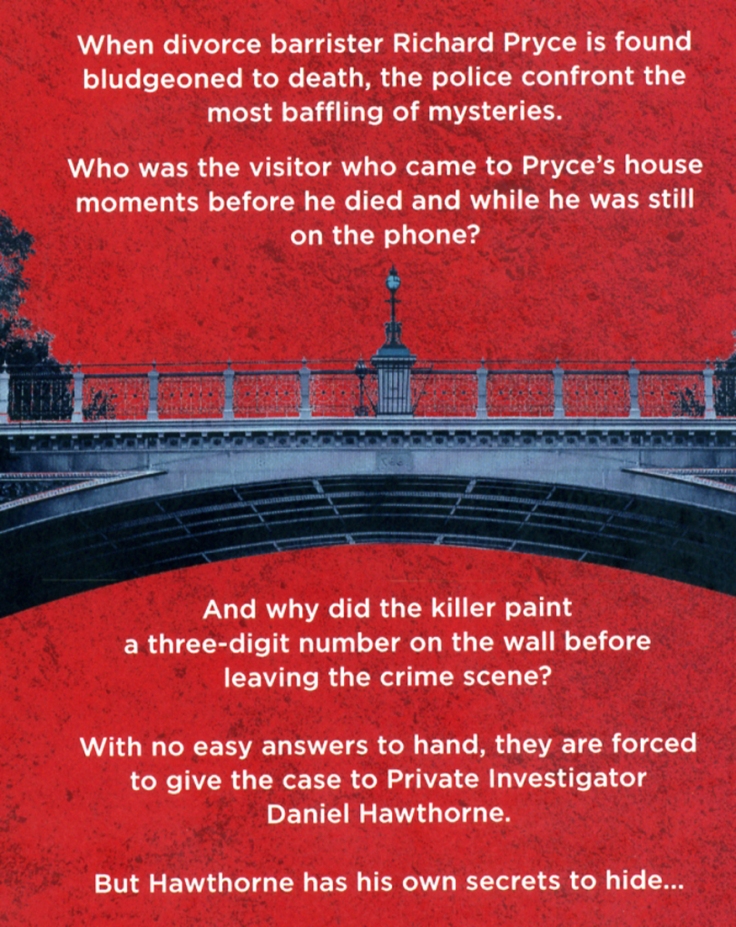
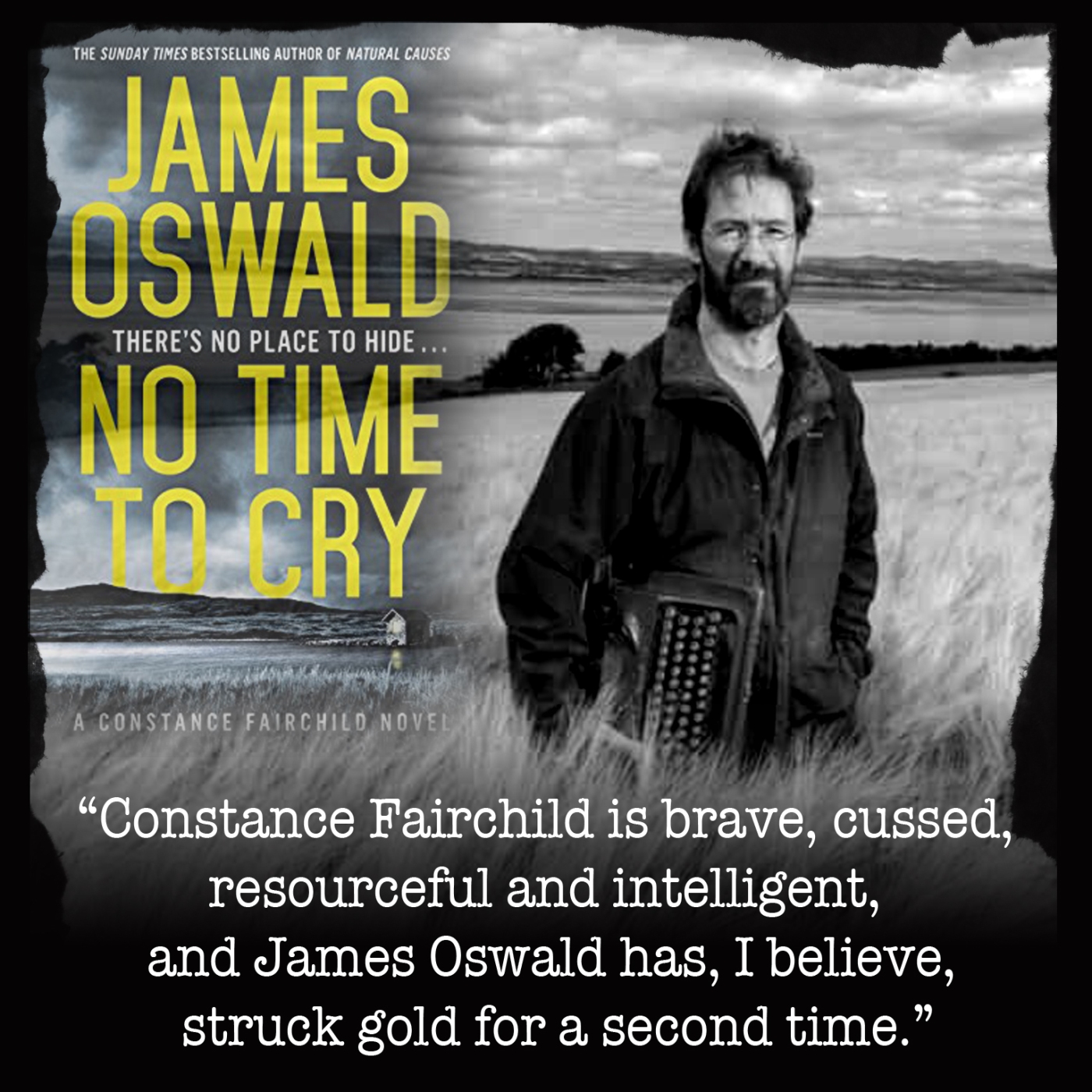

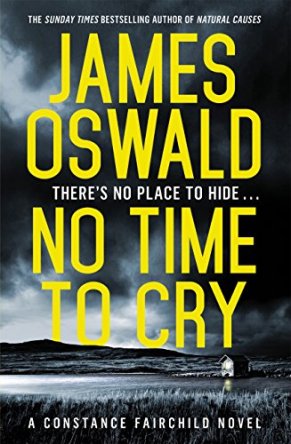 James Oswald’s Tony McLean has not met with a Reichenbach Falls accident, but at the end of


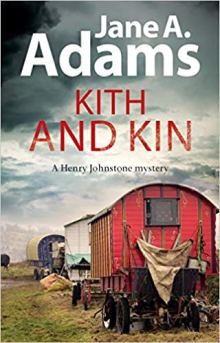 Coming across a very, very good book by an author one has never encountered before and then realising that she has been around for a while is a shock to the system, and if the downside is that the experience further highlights one’s own ignorance, then the blessing is that as a reviewer and blogger, there is something new to shout about. Jane A Adams made her debut with The Greenway back in 1995, and has been writing crime fiction ever since, notably with four-well established mystery series featuring Mike Croft, Ray Flowers, Naomi Blake and Rina Martin. She began the saga of London coppers Henry Johnstone and Micky Hitchens in 2016, with The Murder Book. Their latest case is Kith and Kin.
 The period is set to perfection, and Adams (right) skilfully combines past, present and future. The past? There can scarcely have been a man, woman or child who escaped the malign effects of what politicians swore would be the war to end wars. The present? 1928 saw devastating flooding on the banks of the River Thames, a book called Decline And Fall was published, and in Beckenham, not a million miles away from where this novel plays out, Robert ‘Bob’ Monkhouse was born. The future? Johnstone’s sister, who has married into money, has a head on her shoulders, and senses that in the financial world, a dam is about to break – with devastating effects.
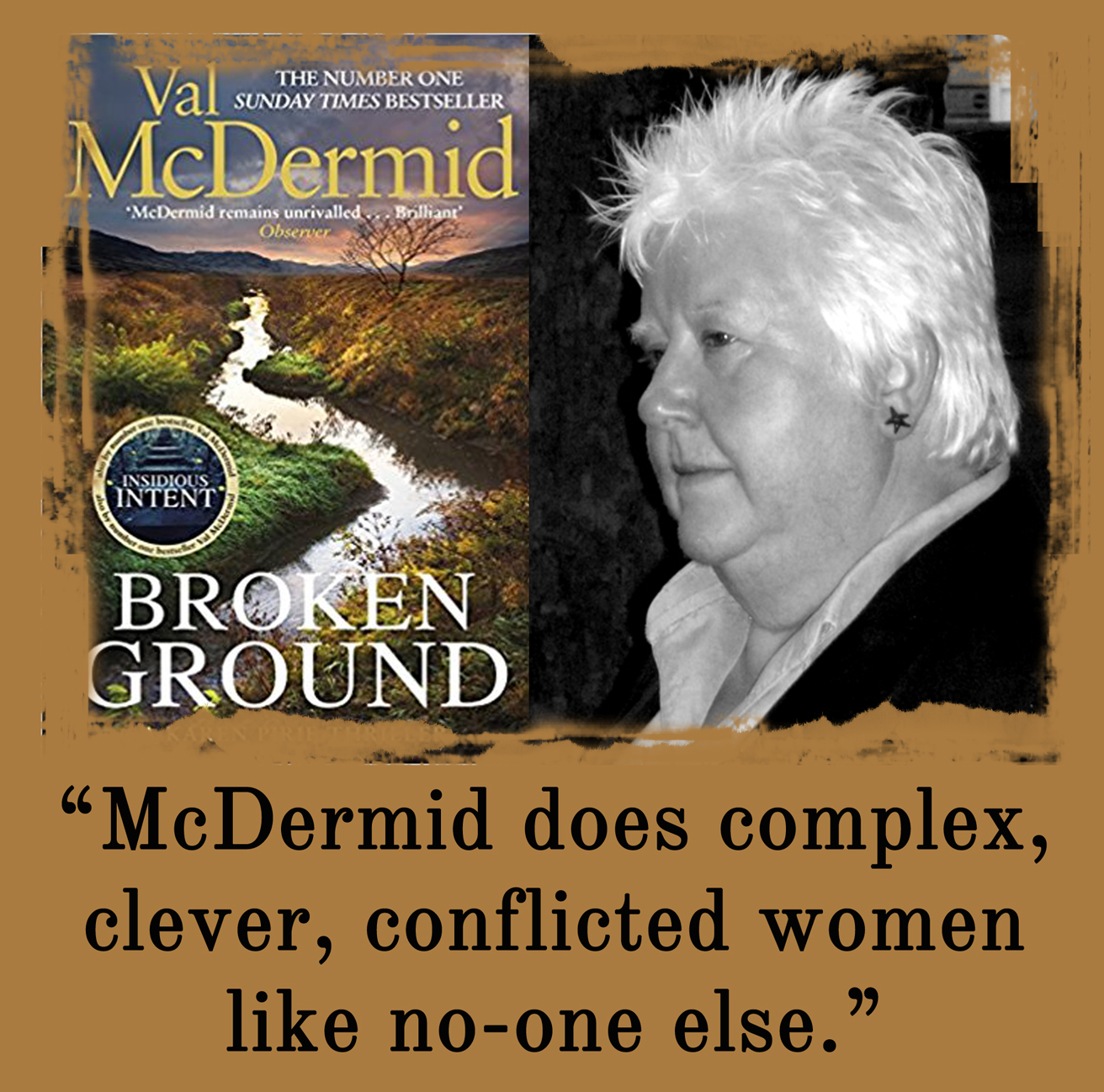

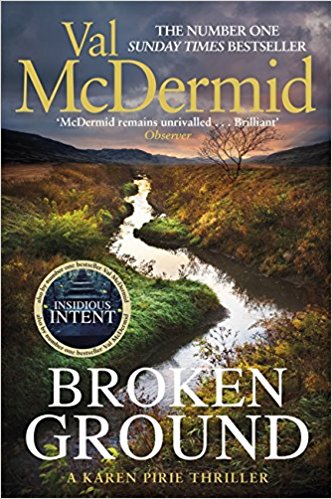 The Body In The Bog is a nicely alliterative strapline normally used to liven up reports of archaeologists discovering some centuries-old corpse in a watery peat grave. The deaths of these poor souls does not usually involve an investigation by the local police force, but as Val McDermid relates, when the preserved remains are wearing expensive trainers, it doesn’t take the tenant of 221B Baker Street to deduce that the chap was not executed as part of some arcane tribal ritual back in the tenth century.
 If music halls were still in vogue, McDermid would be the dextrous juggler, the jongleur who defies gravity by keeping several plot lines spinning in the air; spinning, but always under her control. There is the Nike bog body, a domestic spat which ends in savagery, a cold-case rape investigation which ends in a very contemporary tragedy, and an Assistant Chief Constable who is more concerned about her perfectly groomed press conferences that solving crime. They say that the moon has a dark side, and so does Edinburgh: McDermid (right) takes us on a guided tour through its majestic architectural and natural scenery, but does not neglect to pull away the undertaker’s sheet to reveal the squalid back alleys and passageways which lurk behind the grand Georgian facades. We slip past the modest security and peep through a crack in the door at a meeting in one of the grander rooms of Bute House, the official residence of Scotland’s First Minister, even getting a glimpse of the good lady herself, although McDermid is far too discreet to reveal if she approves or disapproves of Ms Sturgeon.
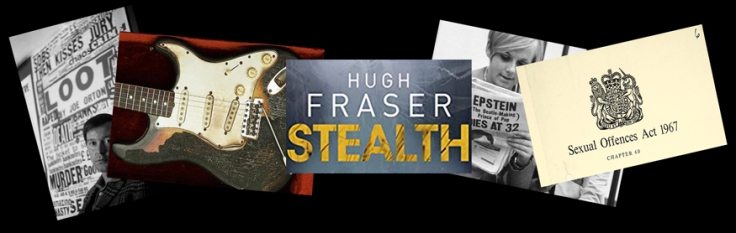
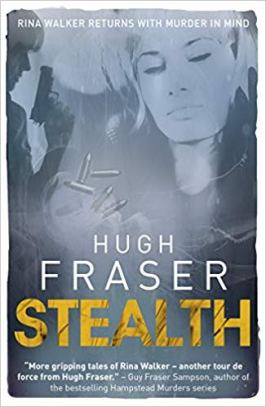 London in 1967 seems to have been an exciting place to live. A play by a budding writer called Alan Aykbourne received its West End premier, Jimi Hendrix was setting fire to perfectly serviceable Fender Strats, The House of Commons passed the Sexual Offences Act decriminalising male homosexuality and Joe Orton and Kenneth Halliwell featured in a murder-suicide in their Islington flat. This is the backdrop as Hugh Fraser’s violent anti-heroine Rina Walker returns to her murderous ways in Stealth, the fourth novel of a successful series.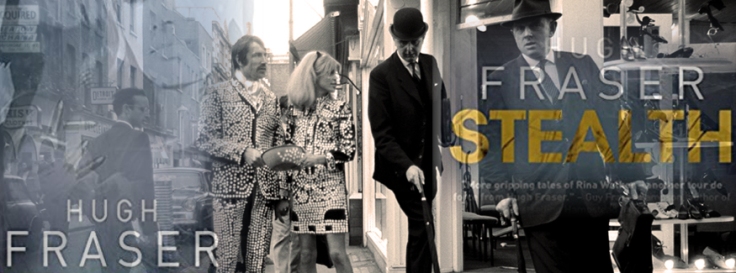

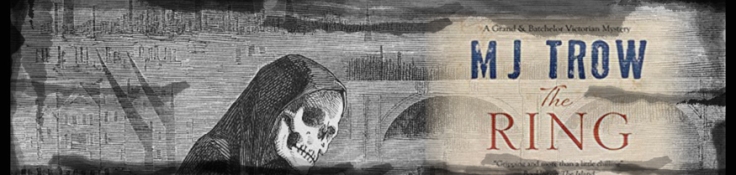
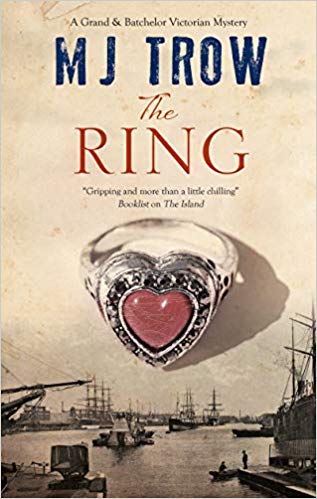 The River Thames plays a central part in The Ring. Although Joseph Bazalgette’s efforts to clean it up with his sewerage works were almost complete, the river was still a bubbling and noxious body of dirty brown effluent, not helped by the frequent appearance of human bodies bobbing along on its tides. In this case, however, we must say that the bodies come in instalments, as someone has been chopping them to bits. PC Crossland makes the first grisly discovery:
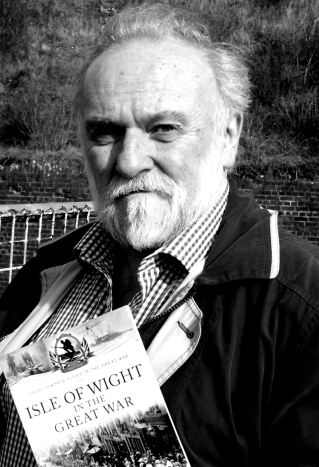 MJ Trow (right) has been entertaining us for over thirty years with such series at the Inspector Lestrade novels and the adventures of the semi-autobiographical school master detective Peter Maxwell. Long-time readers will know that jokes are never far away, even when the pages are littered with sudden death, violence and a profusion of body parts. Grand and Batchelor eventually solve the mystery of what happened to Emilia Byng, both helped and hindered by the ponderous ‘Daddy’ Bliss and a random lunatic, recently escaped from Broadmoor. Trow writes with panache and a love of language equalled by few other British writers. His grasp of history is unrivalled, but he wears his learning lightly. The Ring is a bona fide crime mystery, but the gags are what lifts the narrative from the ordinary to the sublime:


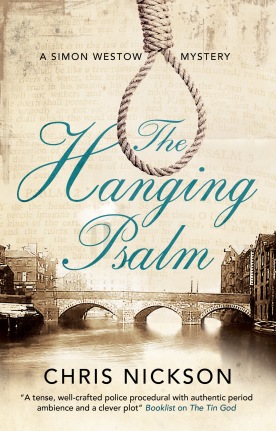 Nickson’s latest book introduces a new character, Simon Westow, who walks familiar streets – those of Leeds – but our man is living in Georgian times. England in 1820 was a kingdom of uncertainty. Poor, mad King George was dead, succeeded by his fat and feckless son, the fourth George. Veterans of the war against Napoleon, like many others in later years, found that their homeland was not a land fit for heroes. The Cato Street conspirators, having failed to assassinate the Cabinet, were executed.

 With that grim discovery acting as a starting pistol, debut author Robert Scragg (left) starts a middle-distance race to discover who murdered Natasha Barclay. For she is the person, identified by simply reading the opened mail strewn around the tomb-like flat, and checking rental records, whose hand lies in the freezer drawer.
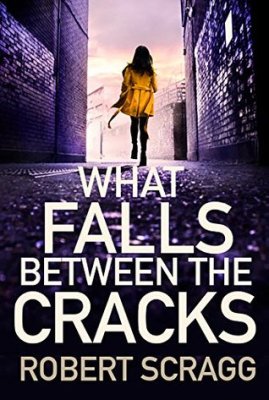 If ever there were an single implausible plot device, it might be the premise that a suburban London flat, complete with a severed hand sitting quietly in a freezer compartment, could remain untouched, unvisited and unnoticed for over thirty years. It is, however, a tribute to Robert Scragg’s skill as a storyteller that this oddity was so easily forgotten. The dialogue, the twists and turns of the plot, and the absolute credibility of the characters swept me along on the ride. Porter and Styles have made an impressive debut, and the author may well have elbowed them into that crowded room full of other fictional police partners. They are all out there; Bryant & May, Zigic & Ferrera, Rizzoli & Isles, Wolfe & Goodwin, Morse & Lewis, Jordan & Hill, Kiszka and Kershaw – watch out, you have company!


 fullybooked2017