
Honest broker that I am, and the modern equivalent of Robespierre in my sea-green incorruptibility, I must declare an interest here. I am an unashamed and avid fan of anything written by Chris Nickson. I hope that if he did write a duff book – or chapter – or page – or sentence – I would say so. Happily, that dilemma is one that I have yet to face.
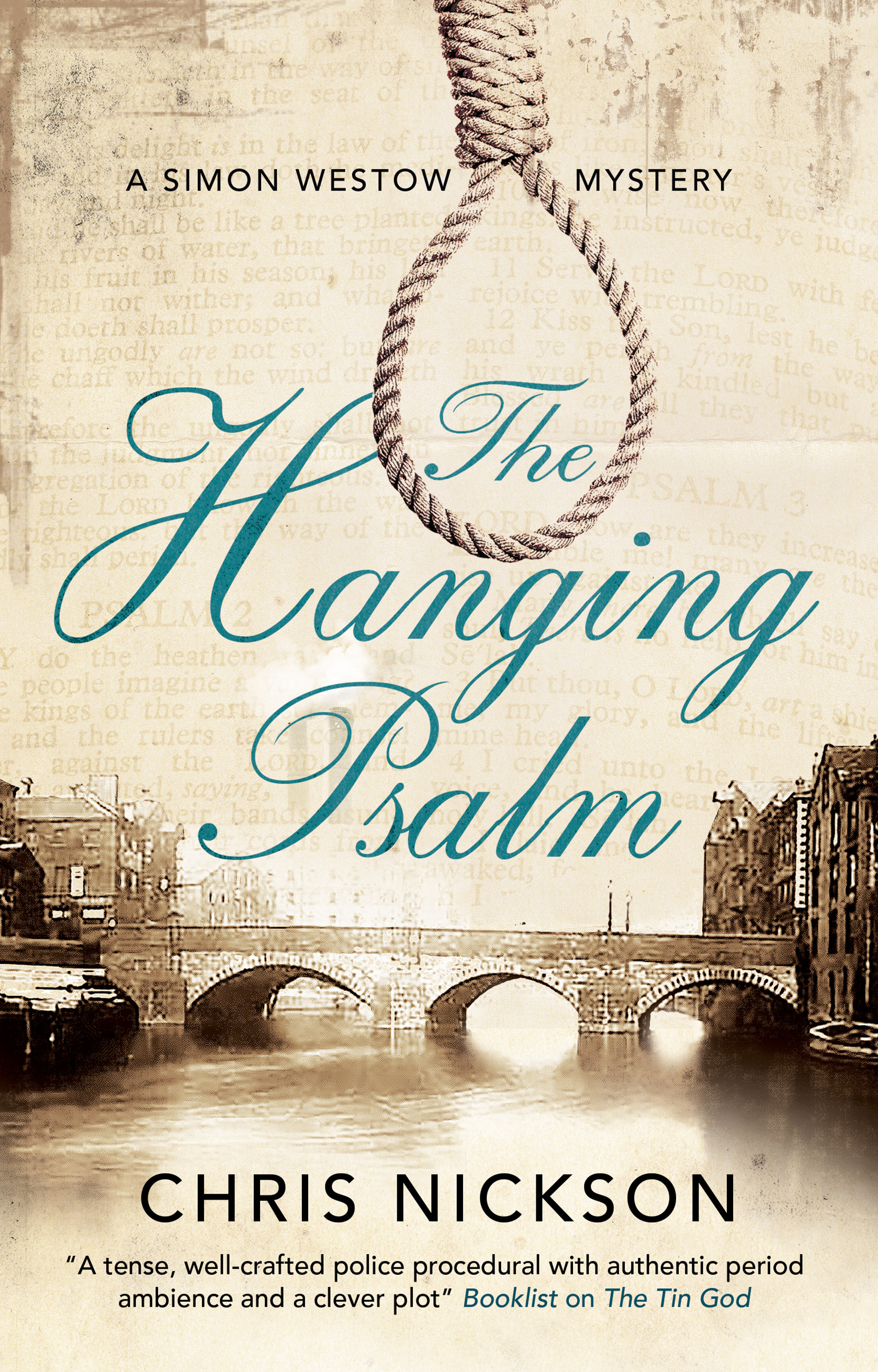 Nickson’s latest book introduces a new character, Simon Westow, who walks familiar streets – those of Leeds – but our man is living in Georgian times. England in 1820 was a kingdom of uncertainty. Poor, mad King George was dead, succeeded by his fat and feckless son, the fourth George. Veterans of the war against Napoleon, like many others in later years, found that their homeland was not a land fit for heroes. The Cato Street conspirators, having failed to assassinate the Cabinet, were executed.
Simon Westow is a thief-taker. These days, he might be a bounty hunter or a PI. There is no established official police force, merely a Constable who is neither use nor ornament.
“The constable. It was a name rather than a job. A position. All the ceremony and the money that went with the post, but none of the work. Cecil Freeman had been part of the council long enough to earn the sop, a nest to gild his retirement. He supervised the watch, old men who covered the different wards of Leeds and hobbled a mile rather than risk a fight.”
Westow is a tradesman, just like a plumber. He is paid by results, and when he is tasked with finding the kidnapped daughter of a prominent mill owner, it poses no major problem and the young woman is soon found and returned to her family. But – and it is a huge ‘but’ – Westow and his ally, a wraith-like and embittered girl of the streets called Jane, learn that there is much more to the kidnapping than meets the eye. Their nemesis is a vengeful and resourceful man called Julius White, who has returned from a seven year transportation sentence to settle scores with those who put him on the prison ship sailing to Australia.
Samuel Johnson said, “When a man is tired of London, he is tired of life,” but Nickson has eyes and ears only for Leeds. I am always drawn to writers who make a vivid sense of place a major character in their novels, hence my fascination with the London of Christopher Fowler, Jim Kelly’s Fenland and the brooding hills of the Welsh Marches as portrayed by Phil Rickman. Nickson, and his Leeds across the generations, is up there with the best. Think of the subtleties of a Rembrandt portrait, every line and wrinkle faithfully reproduced, but also think of that great painter’s warmth and the deep compassion of his vision.
Nickson employs a simple but astonishingly effective plot device, that readers of his novels will recognise. A crime is committed. The perpetrator is either unknown, or a known villain who has gone to ground in the alleys and ginnels of Leeds. The central character, be it Richard Nottingham, Tom Harper, Lottie Armstrong or Dan Armstrong, must then call in favours, walk the streets, mingle with pub low-life or knock on the front doors of posh houses in search of information. This enables Nickson to bring Leeds to life across the centuries, its dark places with poverty so intense that it reeks, and those airy vaulted buildings where men of property and money take their leisure and talk business.
The author is also a highly respected music journalist, and he will be aware that the great Woody Guthrie said something along the lines of, “I only use three chords; maybe four, if I’m trying to impress a girlfriend.” Nickson is equally parsimonious with his prose. There are no flounces, no frills and no flourishes but, maybe because of this economy, there is memorable poetry, albeit bleak, such as when he describes the ‘fallen women’ of Leeds.
“Too many were desperate. All it took was the promise of a meal and a bed. And then enough gin and laudanum to dull the pain of living and the agony men inflicted. If a few died, there was ample room for the burials. Girls without names, without pasts; no one would ever ask questions.”
Westow’s pursuit of Julius White is thrilling stuff. The ex-convict’s desire for revenge has created a fire, and the character forged in its flames emerges as the embodiment of evil. Maybe it’s just me, but this novel casts a more sombre shadow than previous Nickson Leeds novels. Westow certainly carries deep psychological scars from his institutional upbringing, and Jane is a very dark, complex and troubled soul.
The Hanging Psalm is published by Severn House and will be available from 28th September. In case you are puzzled by the price on the Amazon listing, you need to know that the publishers sell mainly to public libraries, so check that your own library has this book on its acquisition list.
If you are new to the books of Chris Nickson, then click the blue link to discover why I am such an admirer.

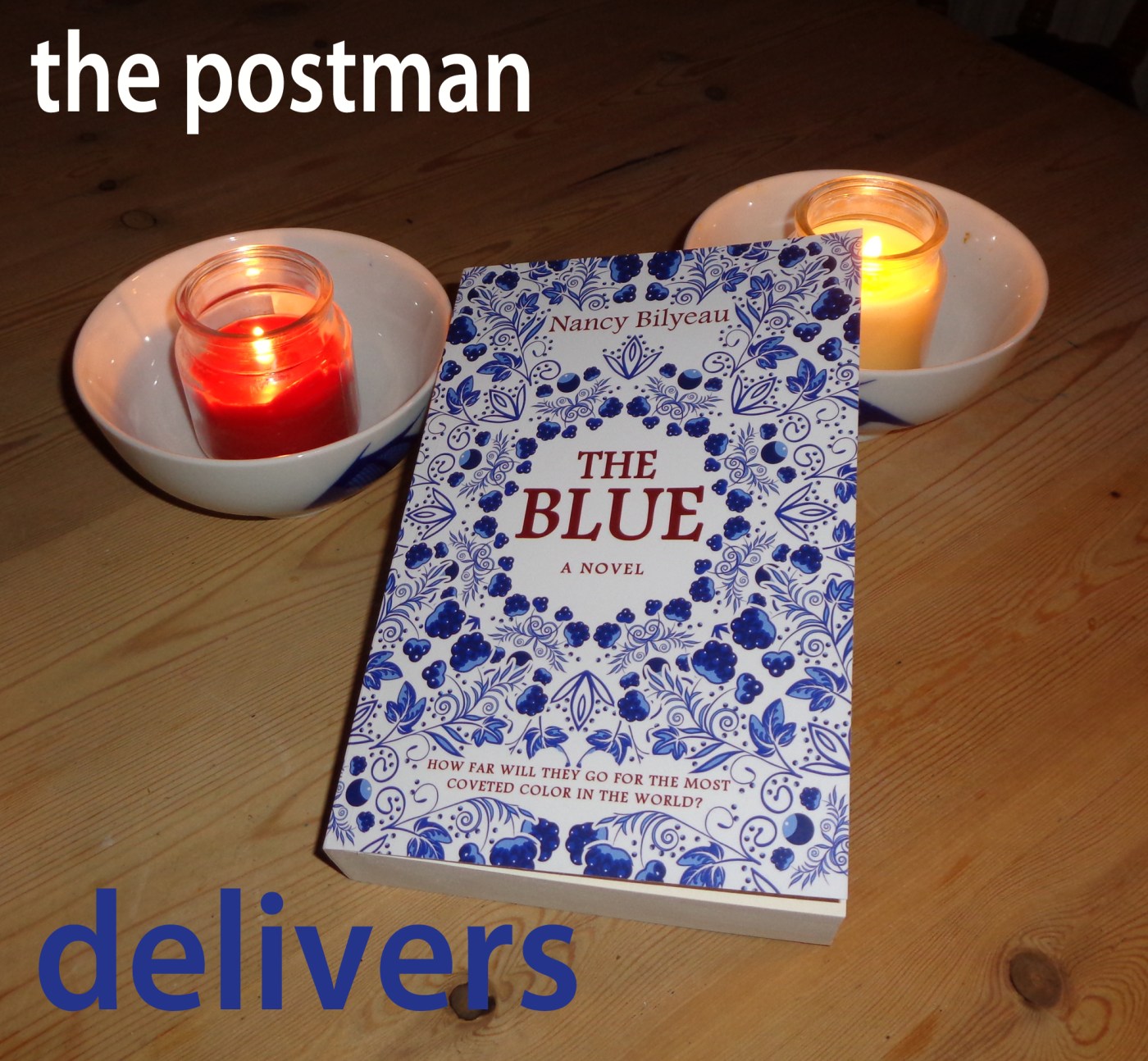

 The Blue by Nancy Bilyeau is a perfect novel for those long winter evenings, even though The Great Darkness is getting slightly shorter as each day passes. Lovers of historical adventure and romance should find plenty to engage them in this story of Genevieve Planché, a young and rebellious Huguenot artist on a quest for a colour: the most exquisite shade of blue.
 Her ambition is to travel to Venice to learn the secrets of Tintoretto, Veronese and Giorgioni, but her only chance is in the hands of an urbane – but possibly dangerous – English aristocrat, Sir Gabriel Courtenay.
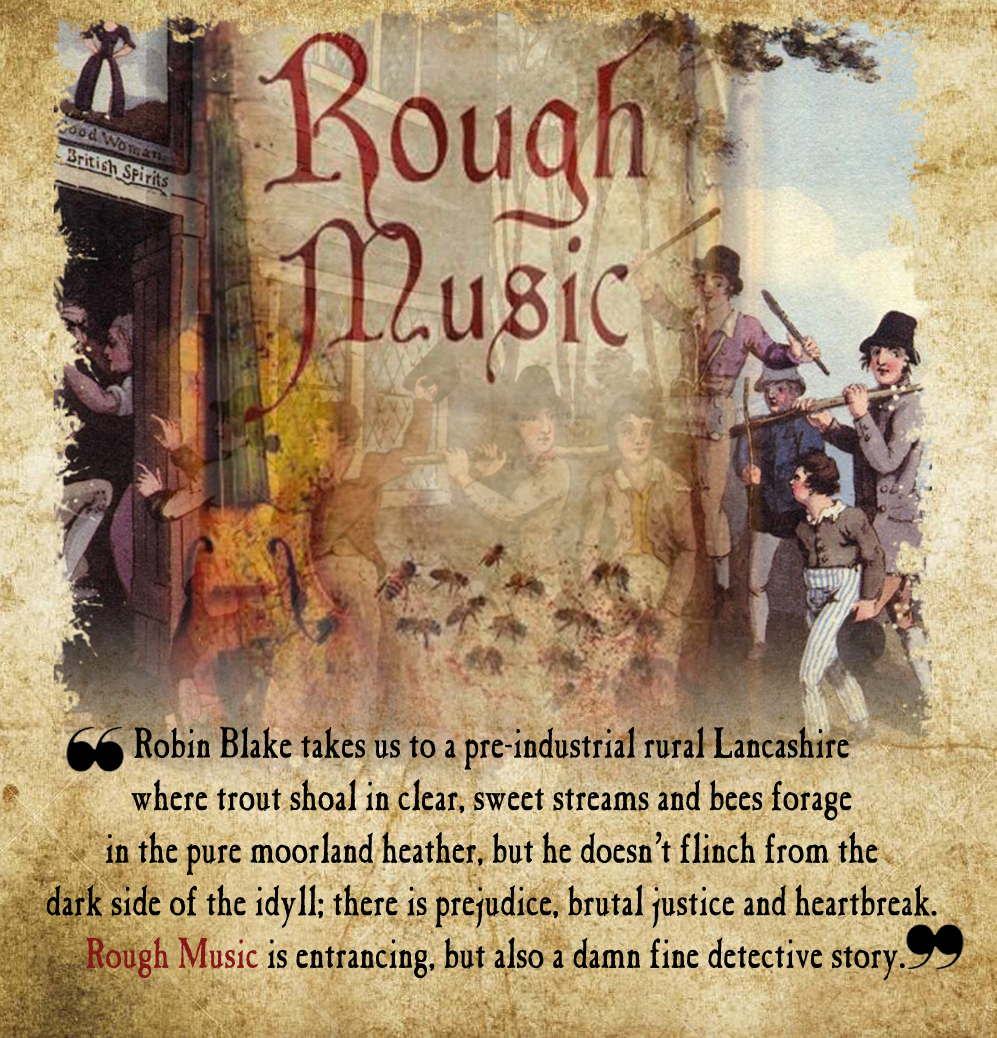

 Robin Blake (left) introduced us to Preston coroner Titus Cragg and his physician friend Luke Fidelis in A Dark Anatomy back in 2015, and the pair of eighteenth century sleuths are back again with their fifth case, Rough Music.
 Titus Cragg with his wife and child have retreated from Preston to escape the ravages of a viral illness which has claimed the lives of many infants. They have fetched up in a rented house in Accrington, then little more than a scattering of houses beside a stream. Cragg is drawn into the investigation of how it was that Anne Gargrave died at the hands of her fellow villagers, but his work is complicated by a feud between two rival squires, a mysterious former soldier who may have assumed someone else’s identity, and the difficulty created by Luke Fidelis becoming smitten by the beguiling – but apparently mistreated – wife of a choleric and impetuous local landowner.
 I have to admit to a not-so-guilty-pleasure taken from reading historical crime fiction, and I can say with some certainty that one of the things Robin Blake does so well is the way he handles the dialogue. No-one can know for certain how people in the eighteenth century- or any other era before speech could be recorded – spoke to each other. Formal written or printed sources would be no more a true indication than a legal document would be today, so it is not a matter of scattering a few “thees” and “thous” around. For me, Robin Blake gets it spot on. I can’t say with authority that the way Titus Cragg talks is authentic, but it is convincing and it works beautifully.

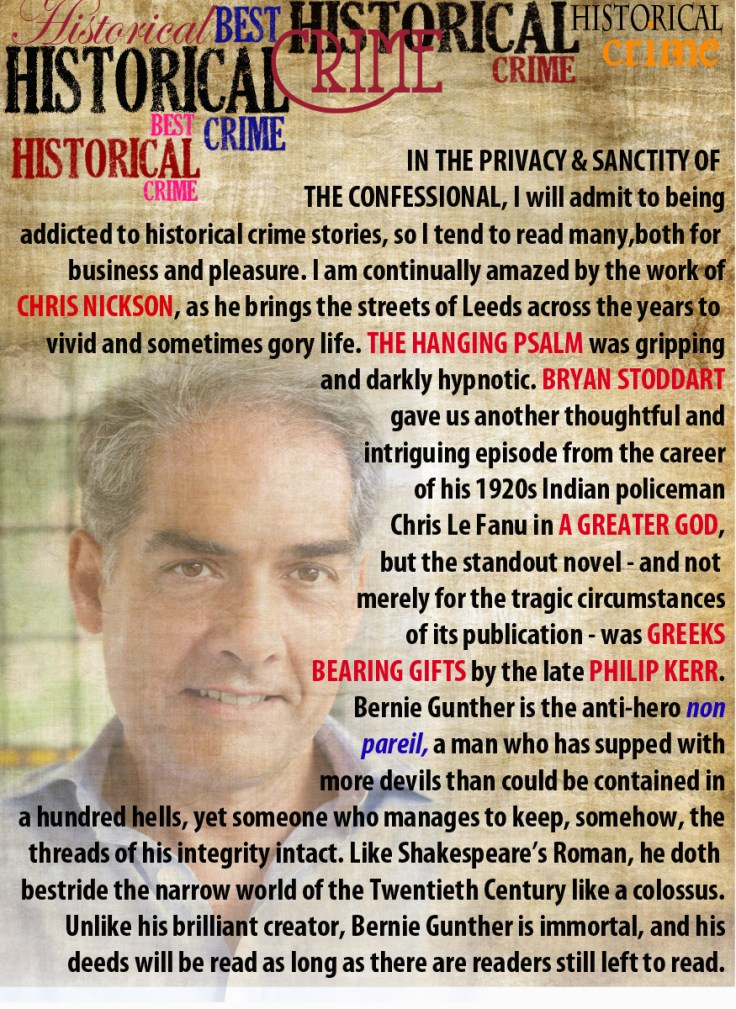

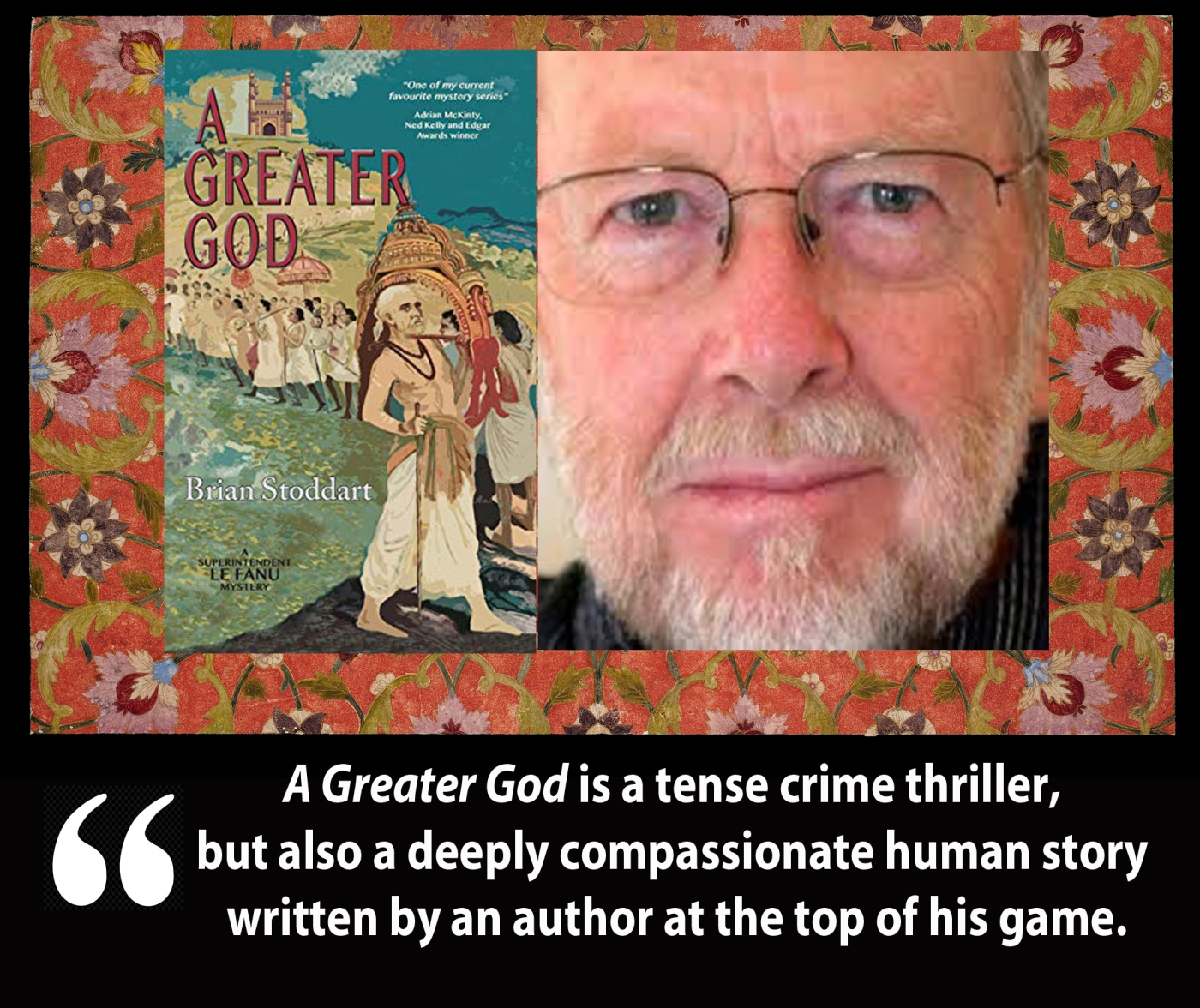
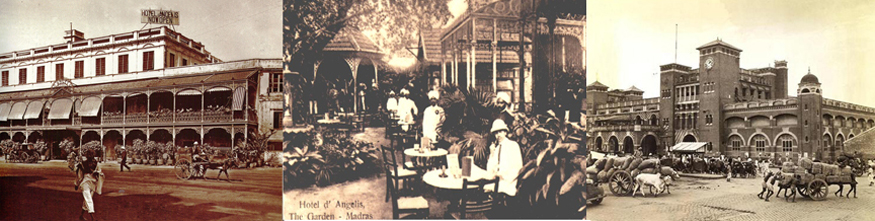
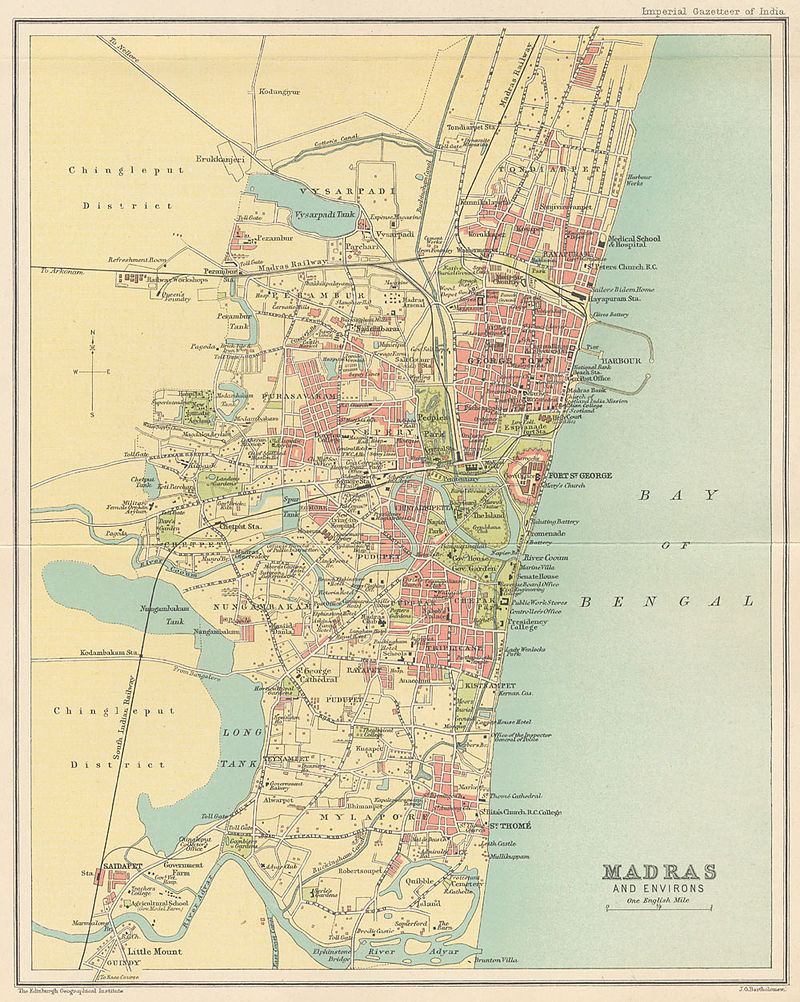
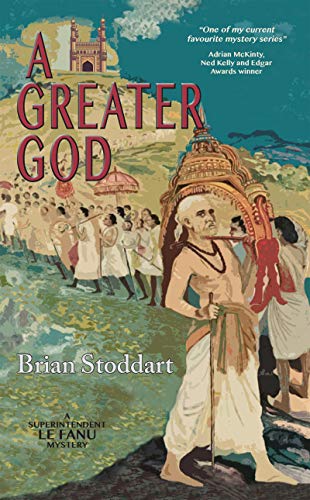 Superintendent Christian Le Fanu makes a welcome return in A Greater God, the fourth in the excellent series of historical crime novels by Brian Stoddart. The previous novel,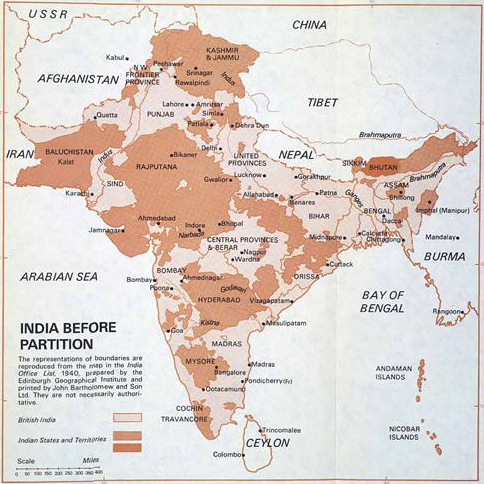
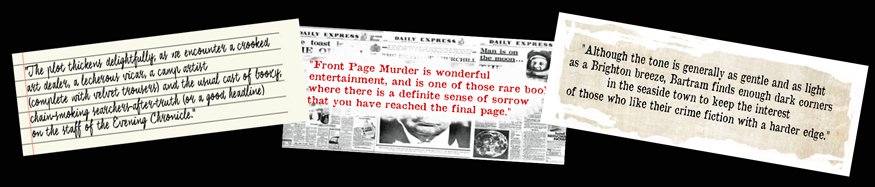
 Peter Bartram (left) is an old school journalist who has turned his life’s work into an engaging crime series set in 1960s Brighton, featuring the resourceful reporter on the local paper, Colin Crampton. Peter now reveals how he came to invent his alter ego. You can read reviews of three Crampton of The Chronicle novels by clicking the title links below.
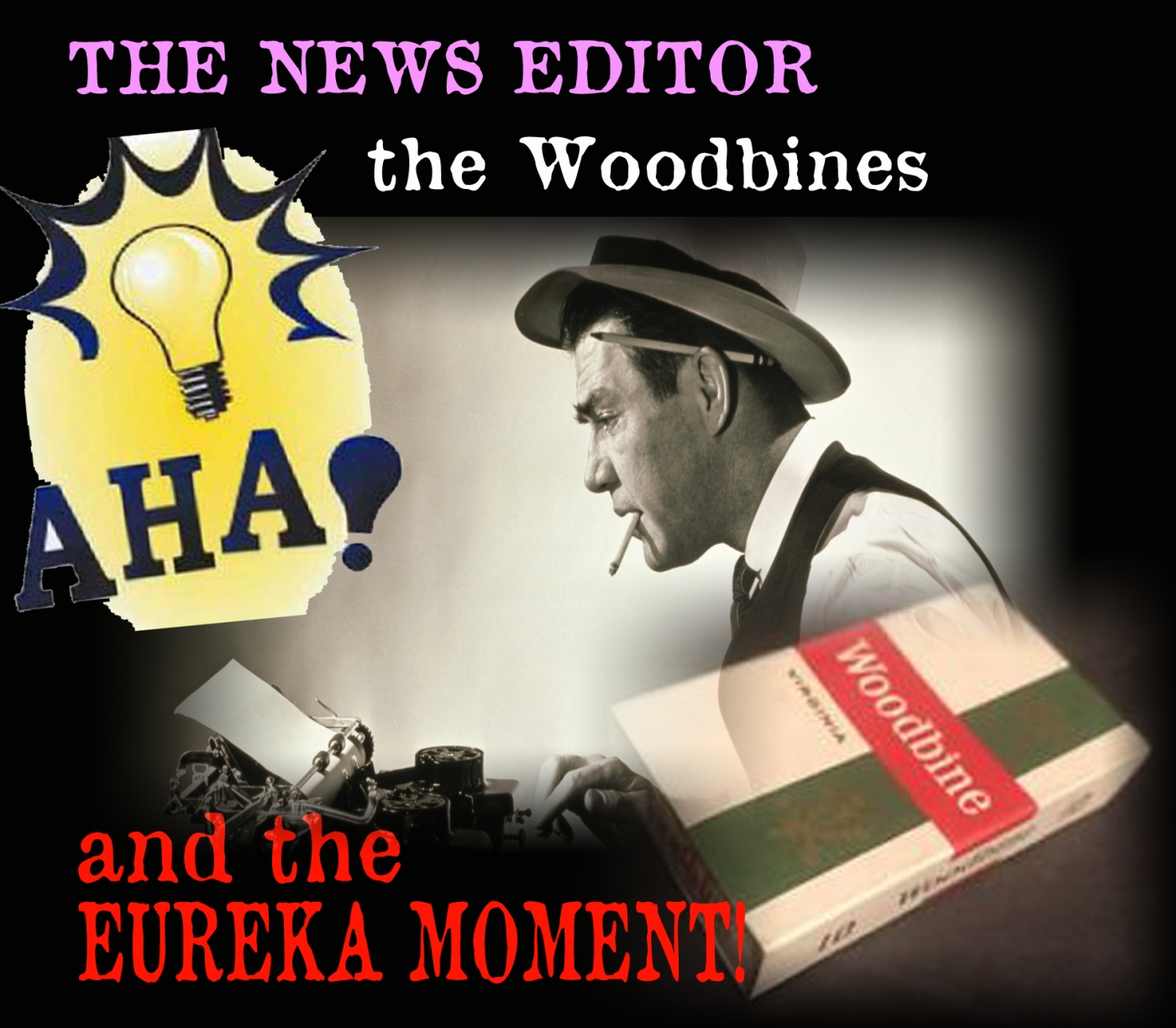
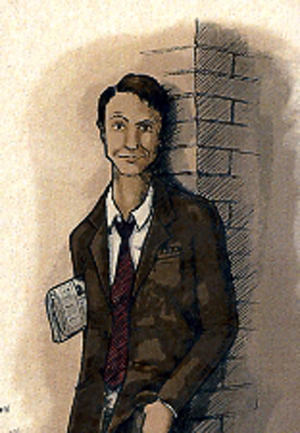 And that was when I remembered my first news editor. I never saw him without a Woodbine hanging off his lower lip. And so Frank Figgis, news editor of the Evening Chronicle, was born. Of course, there was still lots to think about – especially more regular characters. But with Colin (right) and Frank I felt I was on my way. Both of them have big roles to play – along with other regulars, especially Colin’s girlfriend Shirley Goldsmith – in the latest tale The Mother’s Day Mystery.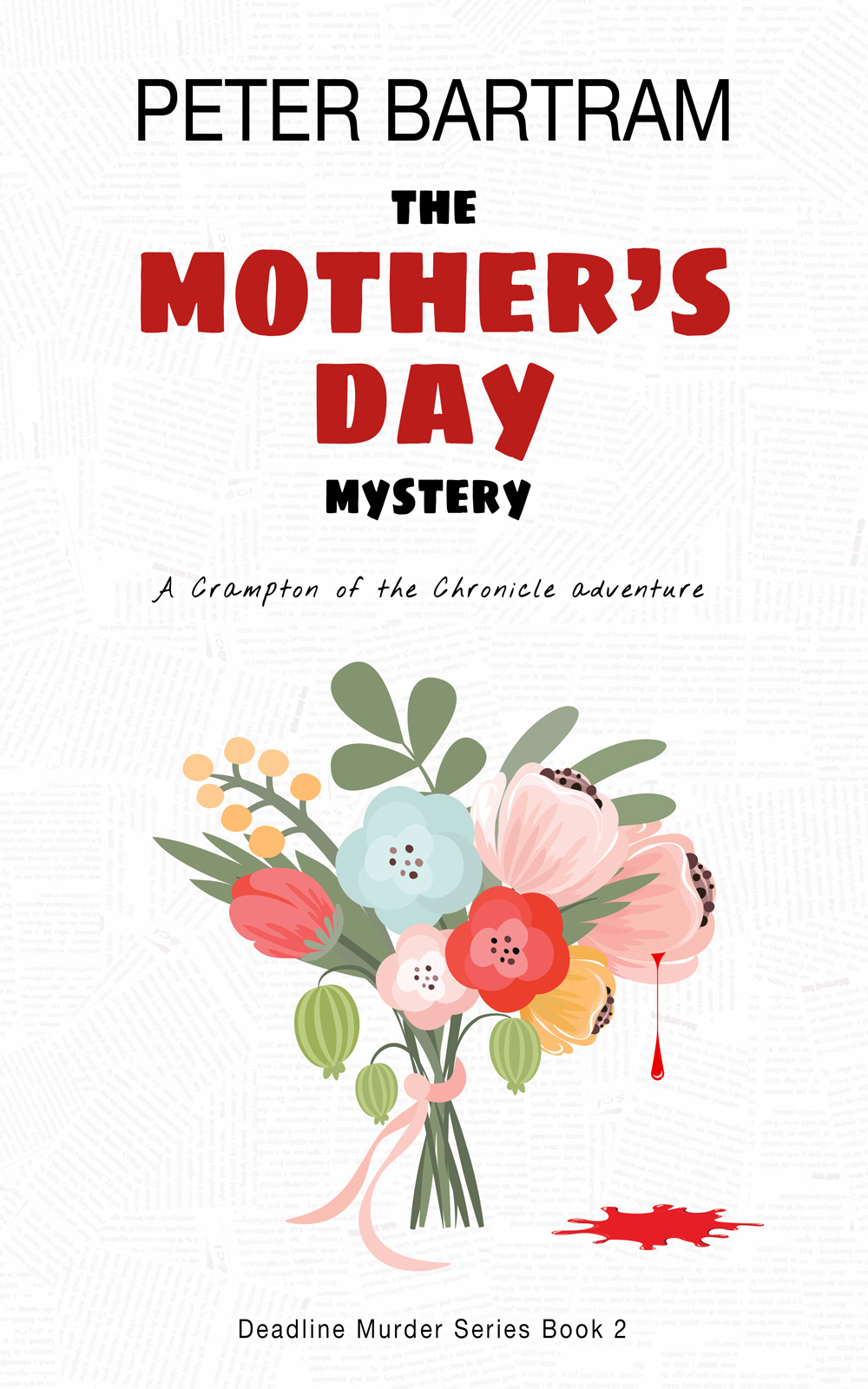

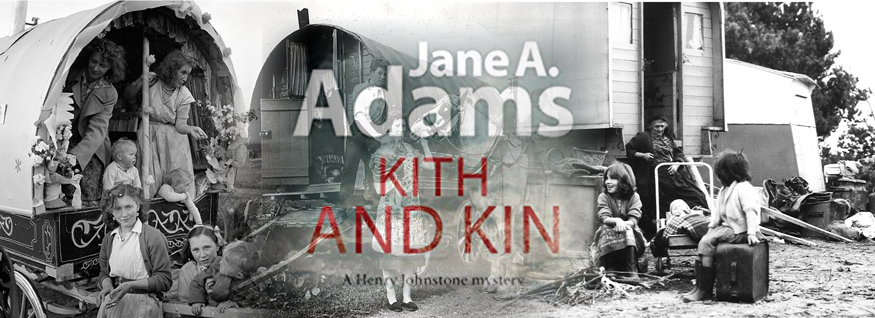
 Coming across a very, very good book by an author one has never encountered before and then realising that she has been around for a while is a shock to the system, and if the downside is that the experience further highlights one’s own ignorance, then the blessing is that as a reviewer and blogger, there is something new to shout about. Jane A Adams made her debut with The Greenway back in 1995, and has been writing crime fiction ever since, notably with four-well established mystery series featuring Mike Croft, Ray Flowers, Naomi Blake and Rina Martin. She began the saga of London coppers Henry Johnstone and Micky Hitchens in 2016, with The Murder Book. Their latest case is Kith and Kin.
 The period is set to perfection, and Adams (right) skilfully combines past, present and future. The past? There can scarcely have been a man, woman or child who escaped the malign effects of what politicians swore would be the war to end wars. The present? 1928 saw devastating flooding on the banks of the River Thames, a book called Decline And Fall was published, and in Beckenham, not a million miles away from where this novel plays out, Robert ‘Bob’ Monkhouse was born. The future? Johnstone’s sister, who has married into money, has a head on her shoulders, and senses that in the financial world, a dam is about to break – with devastating effects.

 The River Thames plays a central part in The Ring. Although Joseph Bazalgette’s efforts to clean it up with his sewerage works were almost complete, the river was still a bubbling and noxious body of dirty brown effluent, not helped by the frequent appearance of human bodies bobbing along on its tides. In this case, however, we must say that the bodies come in instalments, as someone has been chopping them to bits. PC Crossland makes the first grisly discovery:
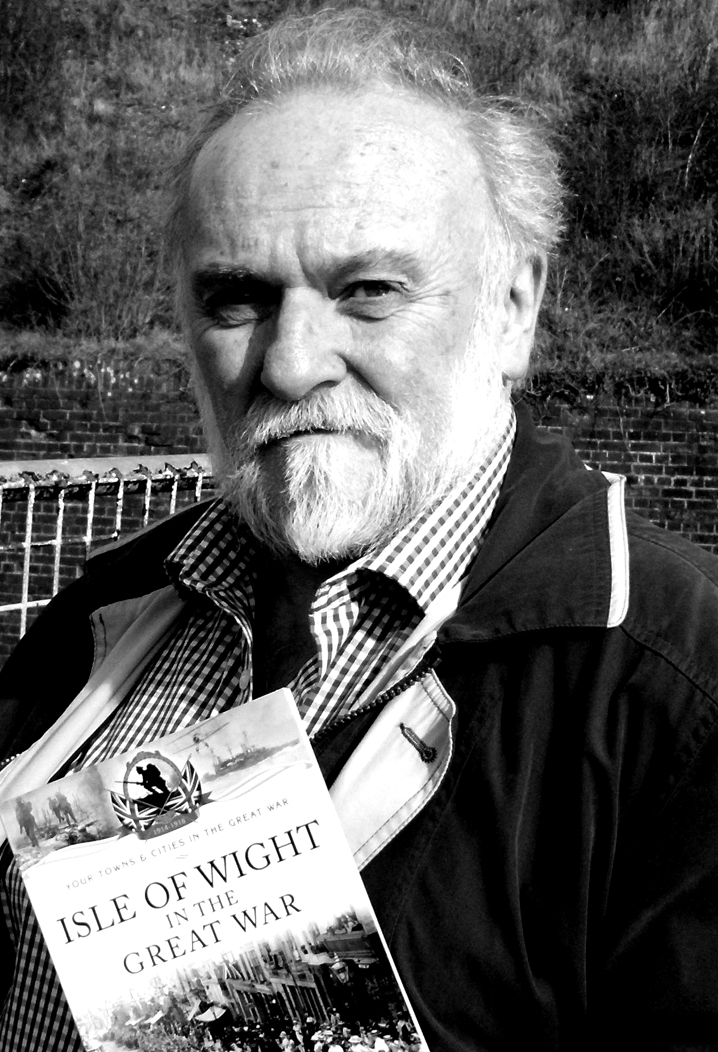 MJ Trow (right) has been entertaining us for over thirty years with such series at the Inspector Lestrade novels and the adventures of the semi-autobiographical school master detective Peter Maxwell. Long-time readers will know that jokes are never far away, even when the pages are littered with sudden death, violence and a profusion of body parts. Grand and Batchelor eventually solve the mystery of what happened to Emilia Byng, both helped and hindered by the ponderous ‘Daddy’ Bliss and a random lunatic, recently escaped from Broadmoor. Trow writes with panache and a love of language equalled by few other British writers. His grasp of history is unrivalled, but he wears his learning lightly. The Ring is a bona fide crime mystery, but the gags are what lifts the narrative from the ordinary to the sublime: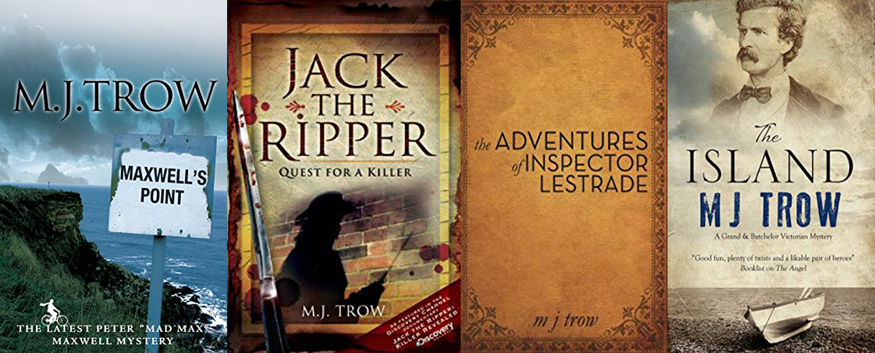

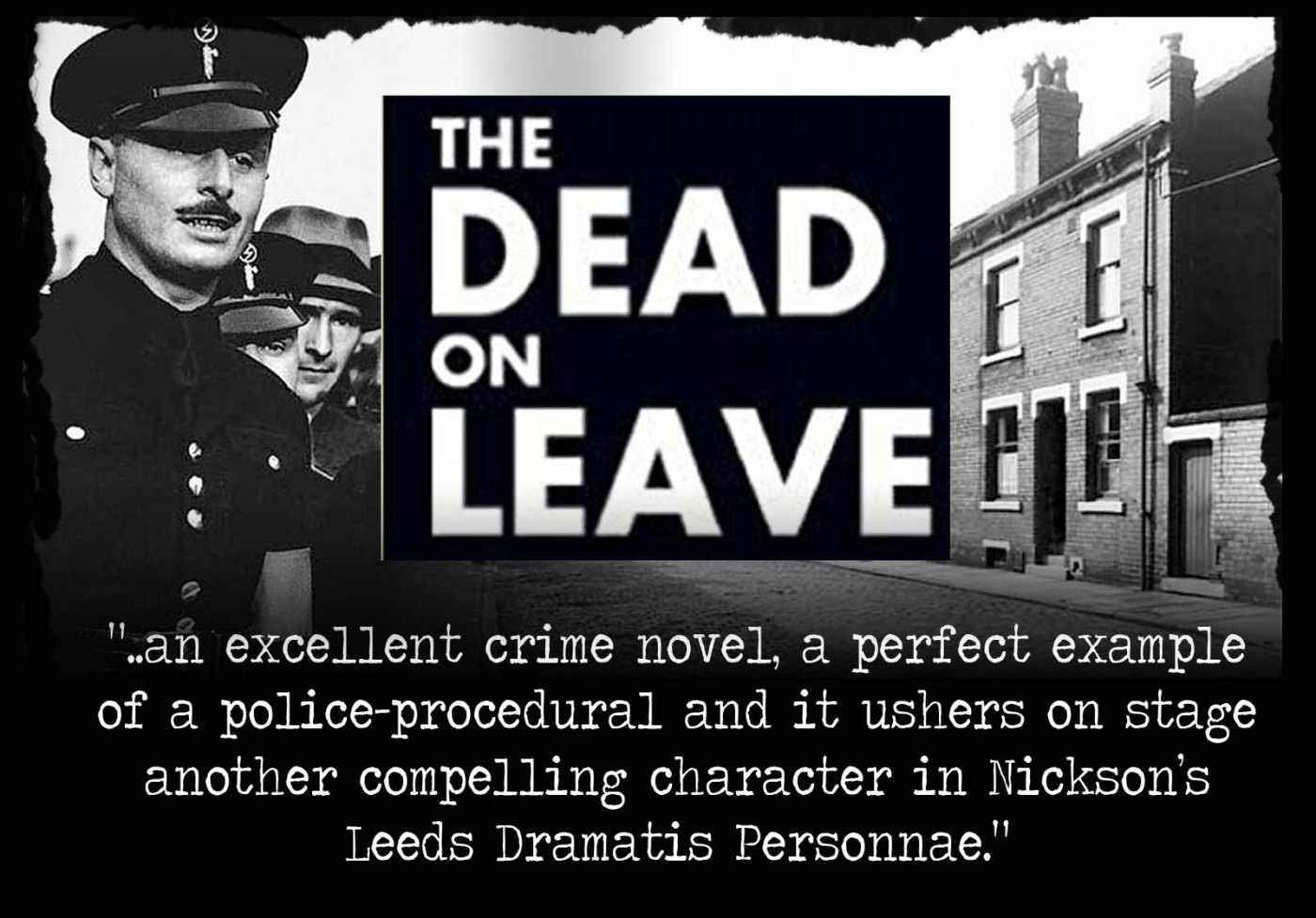
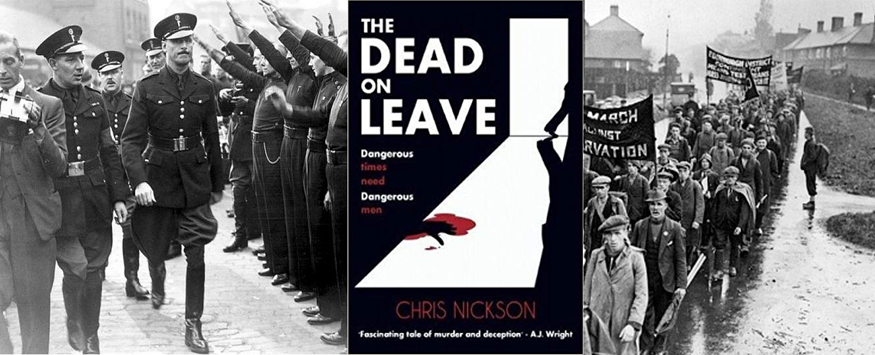
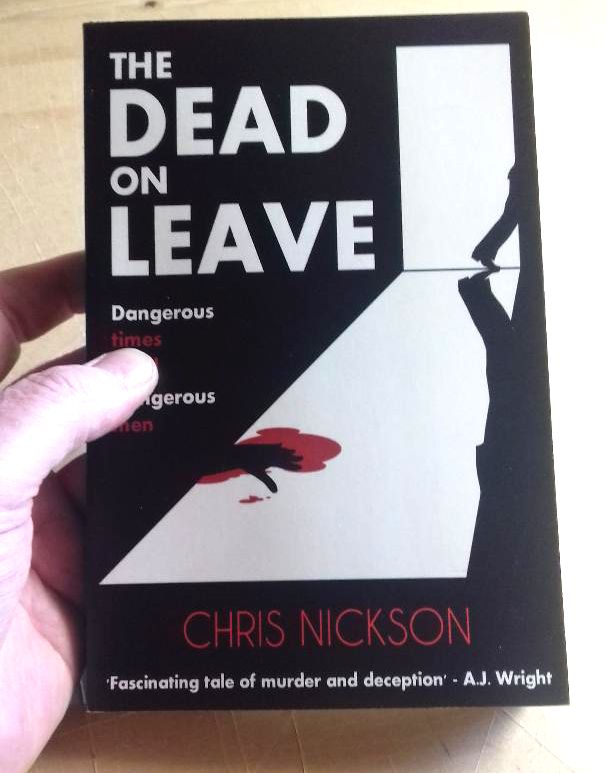 It appears the dead man is a would-be follower of Sir Oswald Mosley, charismatic leader of the British Union of Fascists and, after an appearance in Leeds by Mosley and his Blackshirts turns into a riot, it is tempting for the police to think that the murder is politically inspired. As Raven tries to make sense of the killing, he has his own demons to face. Like many other Yorkshiremen, Raven is a Great War veteran, even though his war was brief and horrific. Only able to see active service in the dog-days of the conflict, he was unlucky enough to be close to a fuel dump which was hit by a stray shell. There’s a line from a song about that war, which goes,
 The Dead On Leave is very bleak in places. Hope is in short supply among the working people in Leeds, and men have no qualms about building a wooden platform for Moseley to rant from, because a job is a job; consciences are a luxury way beyond the reach of folk whose families have empty bellies. Nickson (right) is a writer, with social justice at the front of his mind and he wears his heart on his sleeve. I doubt that he and I agree on much in today’s political world, but I can think of no modern British author who writes with such passion and fluency about historical social issues.


