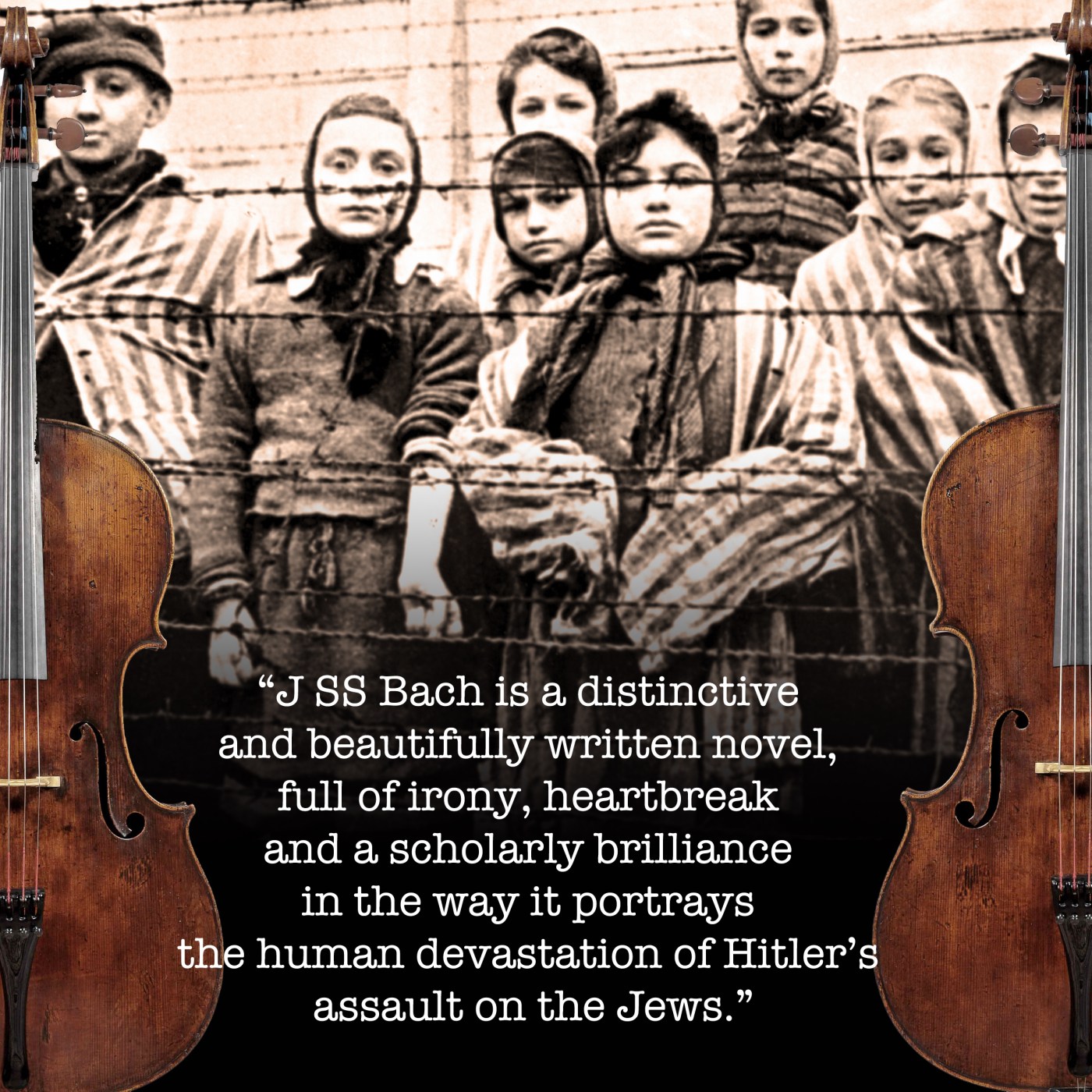

 his is not a conventional crime novel. There are victims, for sure, and perpetrators of terrible acts which still, when described, take the breath away in their depravity and cold, organised manifestation of evil. English academic Martin Goodman (right)
  has written a starkly brilliant account of Nazi oppression in Central Europe in the late 1930s. He achieves his broad sweep by, paradoxically focusing on the fine detail. One family. One teenage boy, Otto Schalmek. One fateful knock on the door while Vienna and most of Austria are waving flags to welcome ‘liberation’ in the shape of the Anschluss.
 The Schalmek family are Jewish. That is all that needs to be said. The family becomes just a few lines on a ledger – immaculately kept – which records the ‘resettlement’ of Jewish families. Otto is taken to Dachau and then to Birkenau. His ability as a cellist precedes him, and he is sent to play in the house of Birchendorf, the camp Commandant. His wife Katja is the artistic one, and her husband merely seeks to keep her entertained by using Schalmek as a kind of performing monkey who plays Bach suites on the cello in between sanding floors and mopping up shit in the latrines.
he great irony is that Katja is unable to hear Schmalek’s artistry. She is, quite literally, deaf to the Baroque intricacies being played on the stolen Stradivarius. She is, however able to hear through her fingertips as she places her hands on the cello while Schalmek plays. She is pregnant, and although her other senses cause her to be repelled by the captive cellist’s physical state, there is an almost erotic connection between the two.
History, in the shape of Hitler’s madness and the relentless march of the Red Army, intervenes, and the death camps are liberated. Birchendorf is captured and arraigned for war crimes, while his wife and their young daughter manage to lose themselves in the flood of genuine refugees from the devastation caused by war. They manage to escape to a new life in Australia, while Schalmek also survives but goes on to become a revered composer whose rare performances are cherished by the international concert-goers.
 oodman’s book spans the years and the continents. Having been shown the shattering of the Schalmek family we go from the Nuremburg trials to late 1940s Canada and then, via Sydney in the 1960s, on to 1990s California, where Katja’s grand-daughter Rosa, an eminent writer and musicologist, seeks an audience with the elusive and very private genius Otto Schalmek. Rosa Cline is determined to write the definitive biography of Otto Schalmek, but their relationship takes an unexpected turn.
Another fine novel which walks the same bloodstained roads is A Lily of The Field by John Lawton. Again we have a teenage Jewish musician, also a cellist, who is dragged from the family home in Vienna and sent to the death camps. Like Goodman’s Otto Schalmek, Meret Voytek survives in hell due to her musical brilliance. Her Nazi captors may be brutal murderers, but they are not artistic philistines. There, the resemblance between the novels ends. Voytek is saved by Russians who intercept the Death March from Auschwitz, but her post-war life becomes entangled with Cold War espionage.
 is a distinctive and beautifully written novel, full of irony, heartbreak and a scholarly brilliance in the way it portrays the human devastation of Hitler’s assault on the Jews. Yes, there is the almost obligatory account of the depravity and sheer horror of the camps, but Goodman also brings a sense of great intimacy and a telling focus on the small personal tragedies and discomforts – an interrupted family meal, a tearful and hurried “goodbye”, and a new grandchild never to be cuddled by grandparents. Crime fiction? Probably not, in the scheme of things. Thrilling, often painful, and full of psychological insight? Certainly. J SS Bach is published by Wrecking Ball Press and is out now.

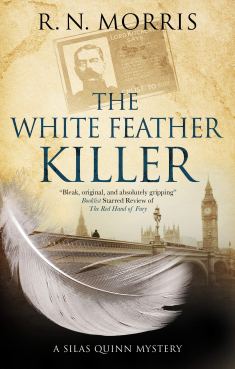 I’m a great fan of historical crime fiction, particularly if it is set in the 19th or 20th centuries, but I will be the first to admit that most such novels tend not to veer towards what I call The Dark Side. Perhaps it’s the necessary wealth of period detail which gets in the way, and while some writers revel in the more lurid aspects of poverty, punishment and general mortality, the genre is usually a long way from noir. That’s absolutely fine. Many noir enthusiasts (noiristes, perhaps?) avoid historical crime in the same way that lovers of a good period yarn aren’t drawn to existential world of shadows cast by flickering neon signs on wet pavements. The latest novel from RN Morris, The White Feather Killer is an exception to my sweeping generalisation, as it is as uncomfortable and haunting a tale as I have read for some time.
 f Morris were to have a specialised subject on Mastermind, it might well be London Crime In 1914, as the previous books in the DI Silas Quinn series, Summon Up The Blood (2012), Mannequin House (2013), Dark Palace (2014) and The Red Hand Of Fury (2018) are all set in that fateful year. Silas Quinn, like many of the best fictional coppers, is something of an oddball. While not completely misanthropic, he prefers his own company; his personal family life is tainted with tragedy; he favours the cerebral, evidence-based approach to solving crimes rather than the knuckle-duster world of forced confessions favoured by his Scotland Yard colleagues.
 orris takes his time before giving us a dead body, but his drama has some intriguing characters. We met Felix Simpkins, such a mother’s boy that, were he to be realised on the screen, we would have to resurrect Anthony Perkins for the job. His mother is not embalmed in the apple cellar, but an embittered and waspish German widow, a failed concert pianist, a failed wife, and a failed pretty much everything else except in the dubious skill of humiliating her hapless son. Central to the grim narrative is the Cardew family. Baptist Pastor Clement Cardew is the head of the family; his wife Esme knows her place, but his twin children Adam and Eve have a pivotal role in what unfolds. The trope of the hypocritical and venal clergyman is well-worn but still powerful; when we realise the depth of Cardew’s descent into darkness, it is truly chilling.
 Historical novels come and go, and all too many are over-reliant on competent research and authentic period detail, but Morris (right) plays his ace with his brilliant and evocative use of language. Here, Quinn watches, bemused, as a company of army cyclists spin past him:
 uinn has to pursue his enquiries in one of the quieter London suburbs, and makes this wry observation of the world of Mr Pooter – quaintly comic, but about to be shattered by events:


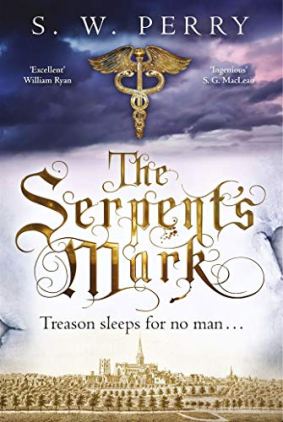 London, 1591. Queen Elizabeth has ruled England for over three decades, but the religious fires lit by her father and then – literally – stoked by the Catholic zealots driven on her half-sister Mary, may just be glowing embers now, but the mutual fear and bitterness between followers of the Pope and members of the English church are only ever a breath away from igniting more conflict. Just a few short miles from England’s eastern coast, war still rages between the rebels of The Seventeen Provinces of The Low Countries and the armies of King Philip of Spain.
 This is a riveting and convincing political thriller that just happens to be set in the sixteenth century. The smells and bells of Elizabethan England are captured in rich and sometime florid prose, while Nicholas and Bianca are perfect protagonists; she, passionate, instinctive and emotionally sensitive; he, brave, resourceful and honest, but with the true Englishman’s reluctance to seize the romantic moment when he should be squeezing it with all his might. SW Perry (right) has clearly done his history homework and he takes us on a fascinating tour through an Elizabethan physic garden, as well as letting us gaze in horror at some of the superstitious nonsense that passed for medicine five centuries ago.
 is a reference to the Rod of Asclepius, which was a staff around which a serpent entwined itself. This Greek symbol has always been associated with healing and medicine, existing even in our time as the badge of the Royal Army Medical Corps. SW Perry’s novel is published by Corvus and


 Note:
Note: 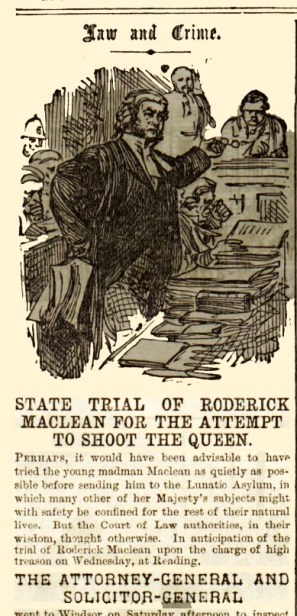 Also on the run is a man convicted of attempting to assassinate Queen Victoria. Sentenced to life imprisonment on the grounds that he was mad,
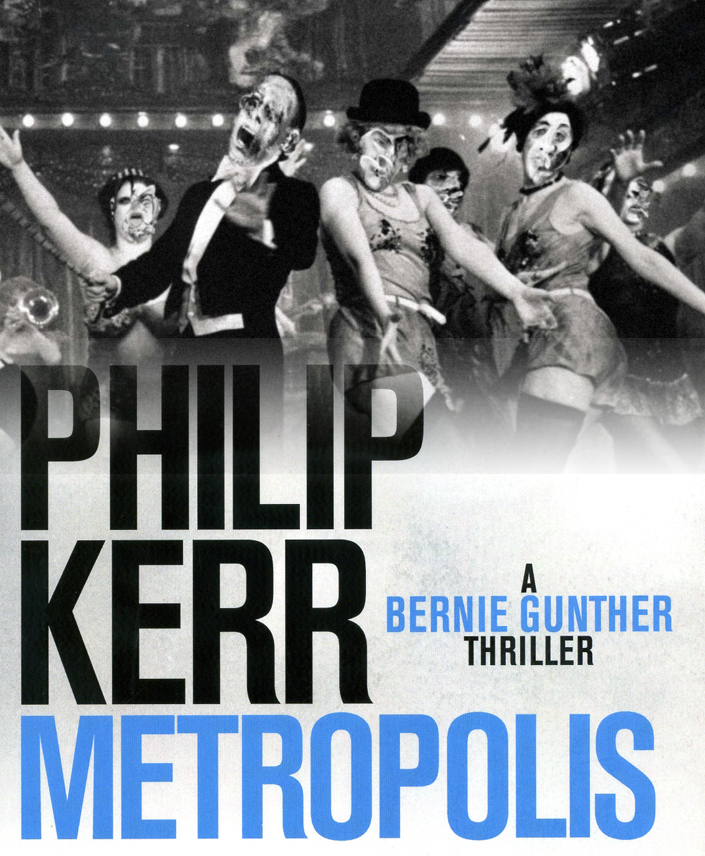

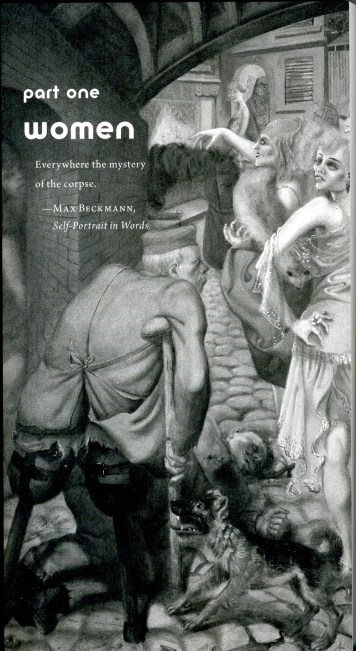 First up, Metropolis is a bloody good detective story. Philip Kerr gives us a credible copper, he lets us see the same clues and evidence that the central character sees and, like all the best writers do, he throws a few false trails in our path and encourages us to follow them. We are in Berlin in the late 1920s. A decade after the German army was defeated on the battlefield and its political leaders presided over a disintegrating home front, some things are beginning to return to normal. Yes, there are crippled ex-soldiers on the streets selling bootlaces and matches, and there are clubs in the city where the determined thrill-seeker can indulge every sexual vice known to man – and a few practices that surely have their origin in hell. The bars, restaurants and cafes of Berlin are buzzing with talk of a new political party, but this is Berlin, and Berliners are much too sophisticated and cynical to do anything other than mock the ridiculous rhetoric coming from the National Socialists. Besides, most of them are Bavarians and since when did a Bavarian have either wit, word or worth?
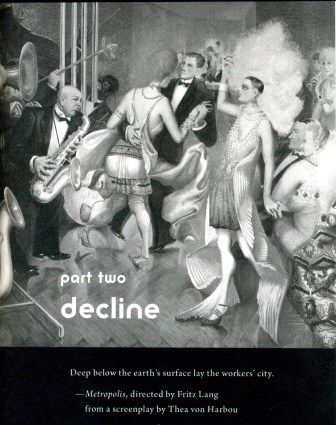 Metropolis sees Gunther in pursuit of a Berlin Jack The Ripper who is certainly “down on whores.” Four prostitutes are killed and scalped, but when the fifth girl to die is the daughter of a well-connected city mobster, her death is a game-changer, and Gunther suddenly has a whole new world of information and inside knowledge at his fingertips. He is drawn into another series of killings, this time the shooting of disabled war veterans. Are the two sets of murders connected? When the police receive gloating letters, apparently from the perpetrator, does it mean that someone from the emergent extreme right wing of politics is, as they might put it, “cleaning up the streets”?
 Mölbling helps Gunther disguise himself as one of the disabled ex-soldiers, as he reluctantly accepts the role in order to attract the killer who, in his letters to the cops, signs himself Dr. Gnadenschuss. Gunther’s trap eventually draws forth the predator, but not in the way either he or his bosses might have anticipated.
 Harper lives above a city pub, the Victoria. His wife, Annabelle, is the landlady, but she is also a fiercely determined advocate of women’s rights, and she has made waves by being elected to the local Board of Guardians, a largely male-dominated organisation which is tasked with administering what, in the dying years of Queen Victoria’s reign, passed for social care. When the brother of Harper’s one-time colleague, Billy Reed, commits suicide the death is dismissed, albeit sadly, as commonplace, but Reed believes that his brother’s death is due to something more sinister, and he asks Harper to investigate.


 Forced to play cherchez-la-femme, the detectives stumble down one blind alley after another, but as they do so they learn a few home truths about the fate of the young men who went to fight in the war-to-end-all-wars, and returned home to find that their birthplace was not the ‘land fit for heroes’ glibly promised by politicians. There is a peacetime army with no place for young officers whose courage was welcome in the trenches, but whose humble upbringing is now seen as an embarrassment as the cigars are lit, and the port passed in the correct direction at mess dinners. Such young men, not all heroes, but men nevertheless, are forced to find civilian employment which is neither honest, decent nor lawful.
 Graham Ison is a master story-teller. The Hardcastle books contain no literary flourishes or stylistic tricks – just credible characters, excellent period detail and an engaging plot. Cosy? Perhaps, in the sense that we know how Hardcastle and his officers are going to react to any given situation, and their habits and small prejudices remain unchanged. Comfortable? Only because novels don’t always need to shock or challenge; neither do they always benefit from graphic descriptions of the damage humans can sometimes inflict on one another. Ison (right) credits his readers with having imaginations; he never gilded the lily of English life in the earlier Hardcastle cases which took place during The Great War, and he doesn’t start now, nearly a decade after the final shots were fired. The suffering and trauma of those four terrible years didn’t end at the eleventh hour on that eleventh day; they cast a long and sometimes baleful shadow which frames much of the action of this novel.
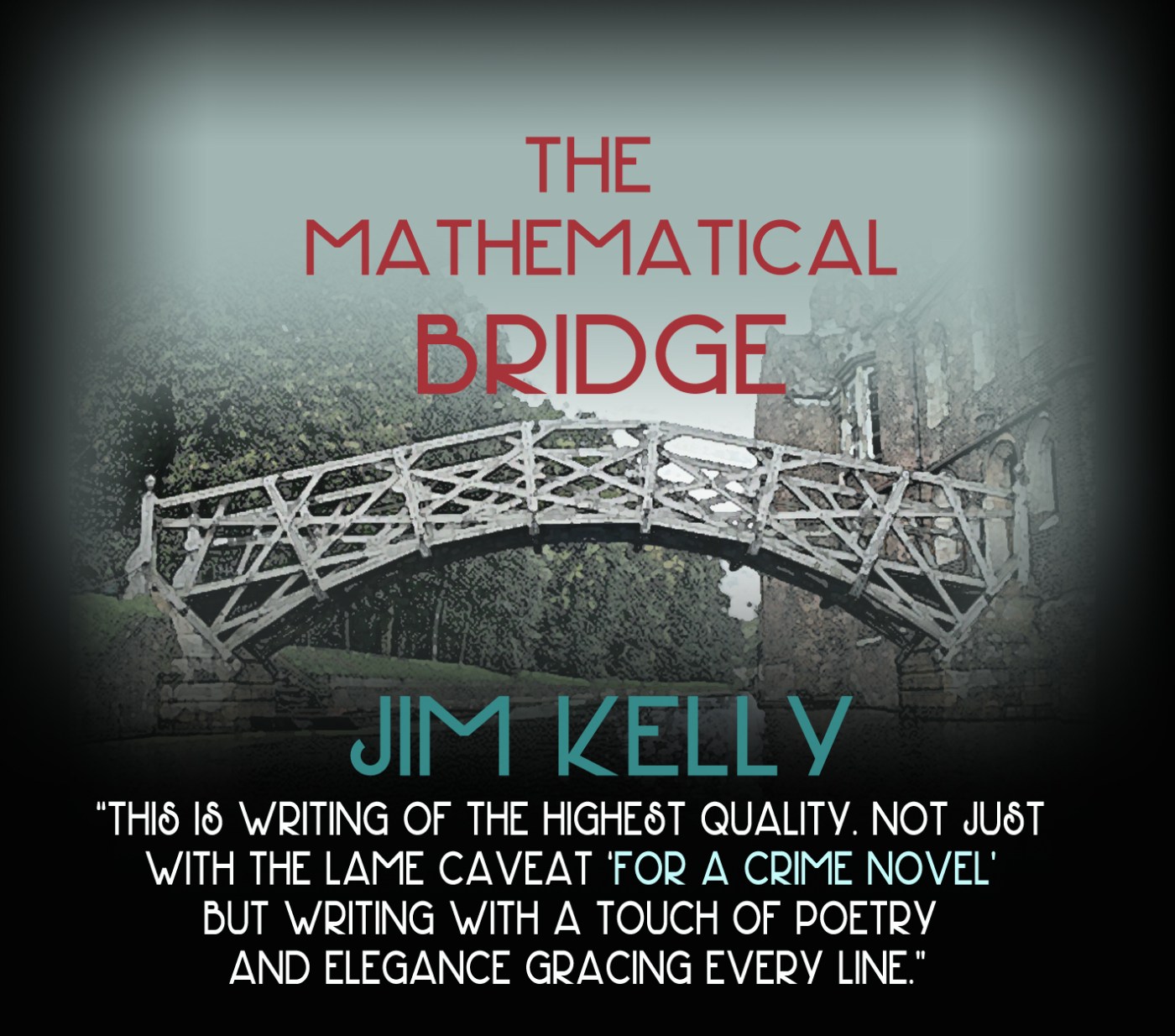
 “Begin as you mean to go on” says the old adage, and Jim Kelly sets himself a hard task with the brilliant and evocative first paragraph of The Mathematical Bridge. The beautiful use of language aside, Kelly’s first 126 words convey a wealth of information. A country at war. Midwinter. A city preparing for an attack from the air. A policeman out and about when honest men are abed.
 This is writing of the highest quality. Not just with the lame caveat ‘for a crime novel’ but writing with a touch of poetry and elegance gracing every line. Even when the crime is solved, the perpetrators are behind bars, and the delightfully complex contradictions of the plot have been explained, Kelly (right) still has the emotional energy to give us a last scene which manages to be poignant but, at the same time, life-affirming.


