
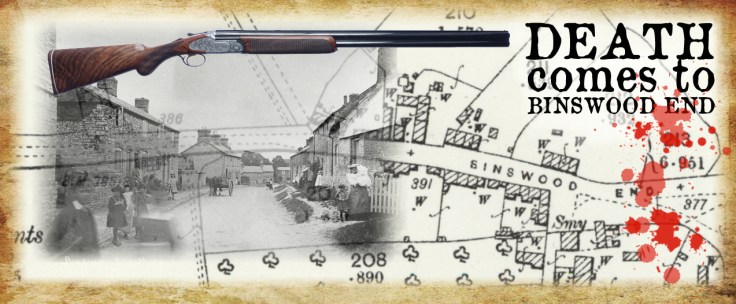
I’ll be quite upfront. I am in my seventies and most people consider me a reactionary. I rant on with the best (or worst) of them about the decline in modern morality and the collapse of traditional family values, but as I research these old murder cases, it becomes increasingly apparent that the ‘good old days’ of sound and stable families may be something of a false recollection. This case involves a terrible murder in the village of Harbury in September 1922. The victim was a 24 year-old woman called Rosilla Patience Borton.
Rosilla was born in 1898, and she first appears on public records in the census of 1901. She is living in Cross Green, Bishop’s Itchington a member of a large household headed by William Freeman, and his wife Rachel. Seven of the ten children have the Freeman surname, while Alice Violet (9) Arthur Henry (7) and Rosilla share the surname Constable. Rosilla is described as ‘daughter of the wife’. William Freeman, like many other men in the village was a stone quarryman. So, already, there is something of a puzzle. It seems that Rachel Freeman had a dalliance with someone called Christopher Constable, long enough to produce three children. Constable, incidentally, died in 1898 at the age of 35. Whatever the truth, we mustn’t ponder too long, because there are more mysteries ahead.

In the summer of 1915, Rosilla married Edward James Borton. He and his family are listed in the 1911 census as living in Binswood End, Harbury (above) He was 18 years senior to Rosilla, and died at the age of 36 in April 1917. Rosilla may have mourned his passing, but she was young, and had cause to hope that her best years were yet to come. In January 1918, Rosilla married William Rider, again a much older man. He was a chimney sweep and window cleaner who lived in Rugby. He was, to put it mildly, a ‘wrong ‘un’. It transpired that he had never divorced his first wife, who was still alive. The home, in Pennington Street, Rugby (below), which Rosilla joined, already had two young women in residence. One was Rider’s daughter by his legal wife, and two were the fruits of Rider’s relationship with yet another woman.

It was not a happy house, at least for Rosilla, as Rider had started knocking her about. To make matters even worse, Rider seems to have tired rather quickly of his new ‘wife’ and instead began making advances to Rosilla’s half-sister Harriet. Harriet was born in 1906, so she was only just ‘of age’ by the time Rosilla was killed, and it seems she had fallen under Rider’s spell some time before this.
Rosilla had, on several occasions fled the house in Rugby to seek refuge with her mother who, by this time was living in Binswood End, Harbury. Was this the same house previously occupied by the Borton family? I can’t answer that question, sadly.
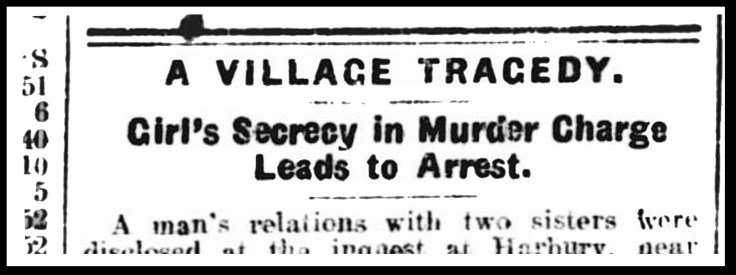
The Gloucester Echo of 11th September 1922 carried this chilling story:
FOLLOWING, IN PART TWO
A murder
Trial and conviction
A job for Mr John Ellis



 L. M. (Mark) Weeks is a Senior Counsel and former Partner in the global law firm of Orrick, Herrington & Sutcliffe LLP. He has practiced law in New York and Tokyo for more than 30 years and served as Managing Partner of Orrick’s Tokyo office from 2007-17. Mark speaks, reads and writes fluent Japanese. In addition to his work at Orrick, Mark has done pro bono work with young HIV+ parents, indigent criminal defendants, and fisheries conservation organizations. Mark’s passion is tournament fly fishing for tarpon and record chasing. A traveling angler, he has fished all over the world. He was born in Anchorage, Alaska, and raised in Nampa, Idaho. Bottled Lightning is his debut novel, and will be available on 13the June.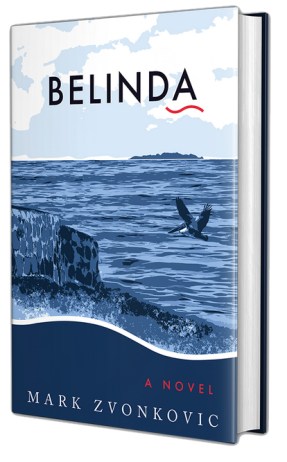
 Mark Zvonkovic

 Confession time: while I have read and enjoyed previous novels by mesdames Massen, Perks and Spain, Andrea Mara is a new name to me. Turns out she is a compatriot of Jo Spain, also lives in Dublin’s fair City, and her previous novel All Her Fault was a bestseller. So, the loss is all mine. In Hide and Seek, it’s worst nightmare time, especially if you are a parent or, like me, a grandparent. The back-story is that little Lily Murphy goes missing from her Dublin suburb and is never found. Years later, Joanna moves into what was Lily’s home and from here, things just become more scary and spine tingling. This will be published by Bantam Press
  Eve Hunter is well established now in the sharp-elbowed assembly of fictional Detective Inspectors. Her beat is The Granite City of Aberdeen. I reviewed – and enjoyed – two earlier novels,
  Heidi Perks is another writer whose previous books
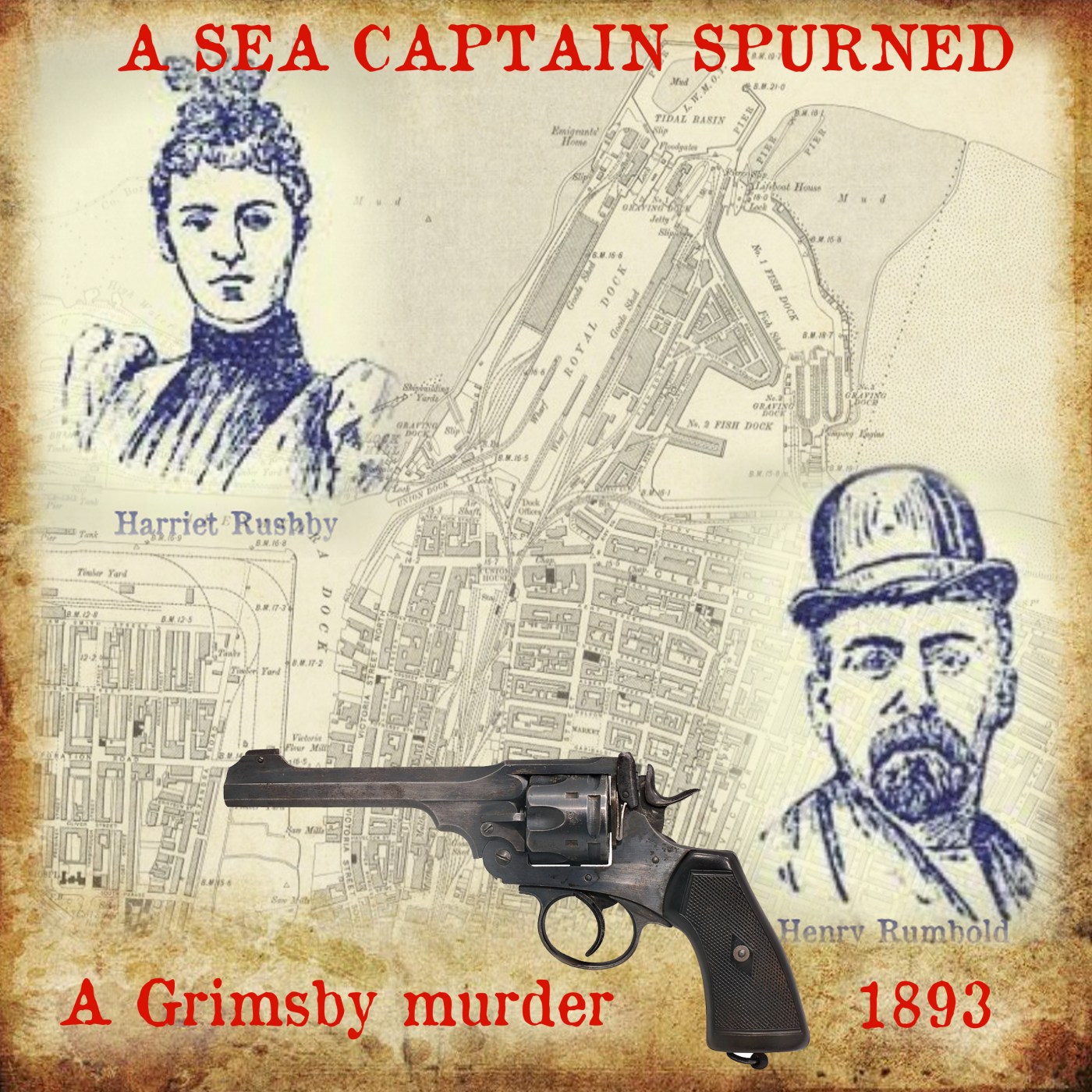


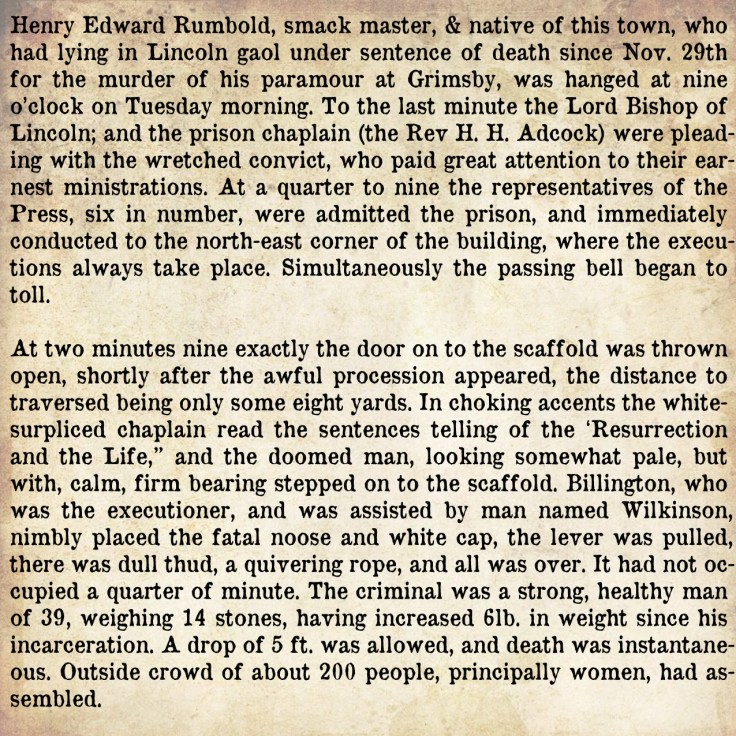
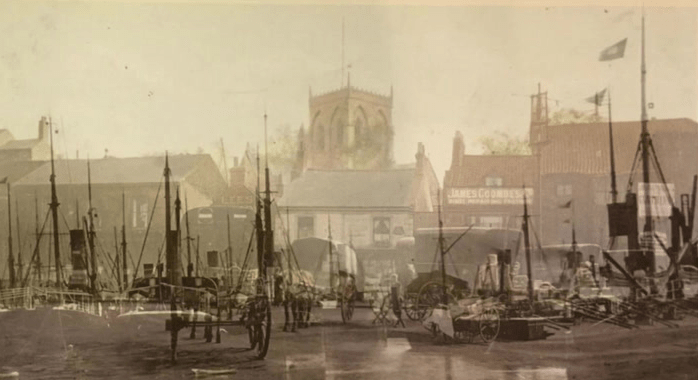
 The early life *(see footnote) of Harriet Rushby has been difficult to trace. One newspaper report says that she was 24 in 1893, while another says she was 20. There is a death record for December 1893, where a Harriet Rushby was buried in Caistor, aged 22, and a census record for 1881 which gives us a Harriet Rushby living in Lower Burgess Street with her grandparents, but she is listed as being born in 1874.
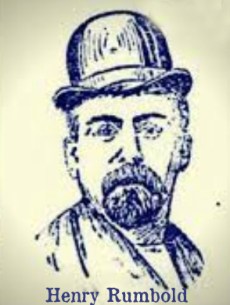 Henry Rumbold proved just as problematic, until I realised that his actual surname was Rumbell, and that his family were well known seafarers from Yarmouth. On the night of Sunday 3rd April 1881 he was listed in the census as being on board the ship Tempus Fugit, moored off the Suffolk Coast. It looks as though he was described as Master, while his younger brother Walter was Mate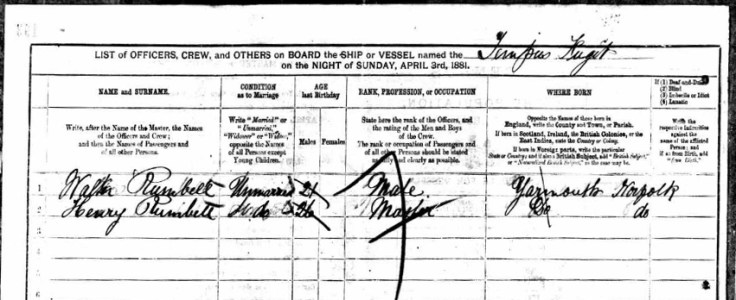

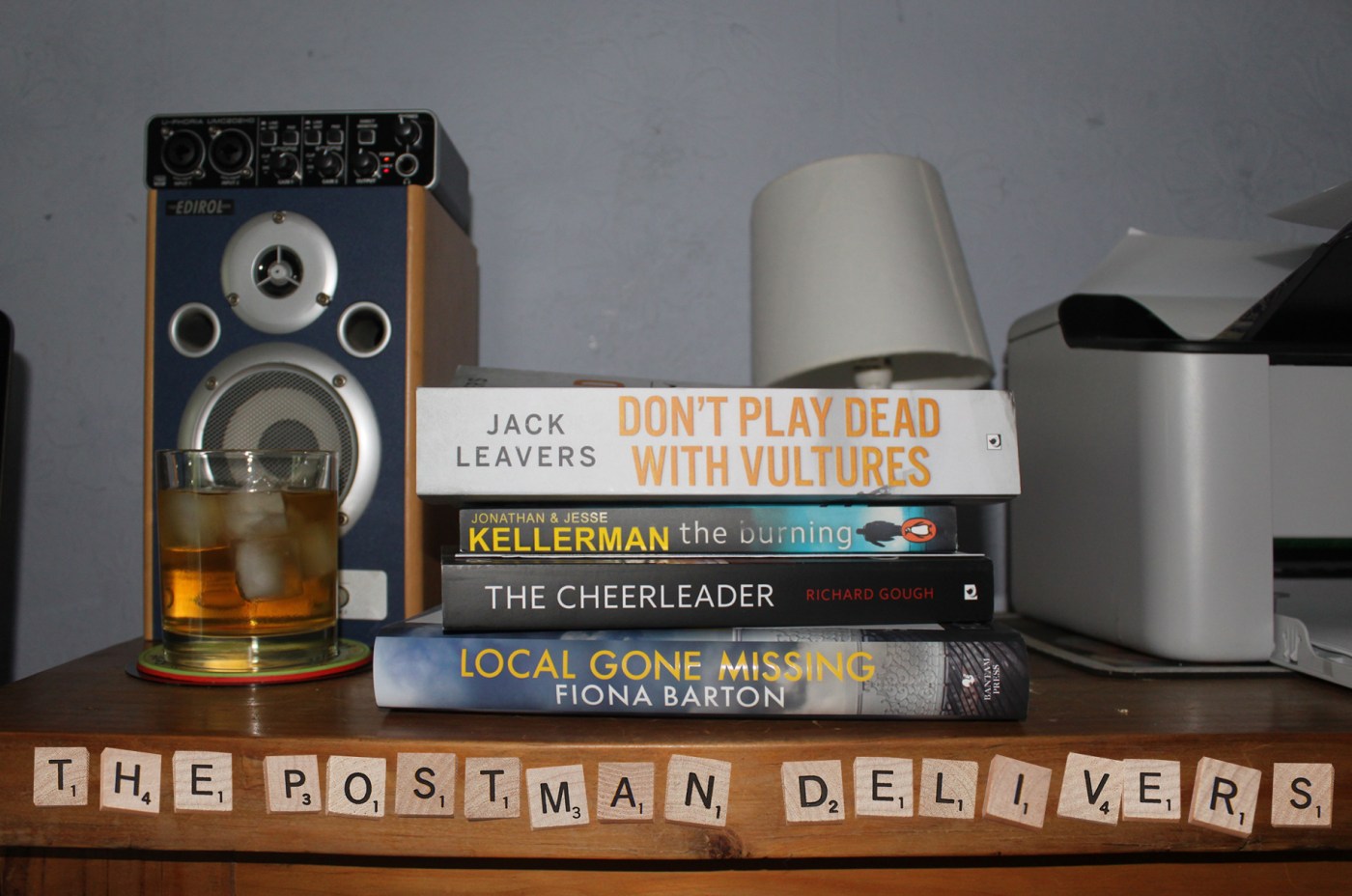
 Those of us who are lucky enough to be sent printed copies of novels for review almost certainly have “keepers” – books which don’t go off to friends, free libraries or charity shops once they are read. Looking across at my shelves, I see books by












 fullybooked2017