Corrupted is the fourth novel in the 1960s London crime series written by Simon Michael. Its predecessors were The Brief (2015), An Honest Man (2016) and The Lighterman (2017). Each has, as its central character, Charles Holborne. Corrupted is good – very good – but let’s first take a look at the real life events which form the backdrop to the story.

Whichever definition you choose, it is hard to escape the conclusion that the Kray twins and their misdeeds have become the stuff of legend. The villains who were minor fragments in their constellation have made an honest living – of a sort – by producing ghost-written autobiographies. There are popular websites which are nothing more than broadside ballads featuring the Bethnal Green brothers. The real life twins Gary and Marin Kemp played them on the wide screen, as did – more convincingly – a doppleganger Tom Hardy. They even appeared, as the Piranha Brothers, in a Monty Python sketch, although some would argue that this owed more to the equally diabolical Richardson brothers, inimical foes of Reg and Ron from south of the river. Authors such as Jake Arnott and John Lawson have used the twins in novels, and Simon Michael has added his four penn’orth with his Holborne stories.
Holborne was born Horowitz, son of an East End Jewish tailor. After an adventure-strewn youth working as a lighterman on the bustling River Thames in post-1945 London, he has become a successful barrister, having anglicised his name to smooth his way through the distinctly sniffy – and anti-semitic – world of London’s law chambers. Existing readers of the series will know that our man has already crossed swords with the dangerous and vengeful Krays.
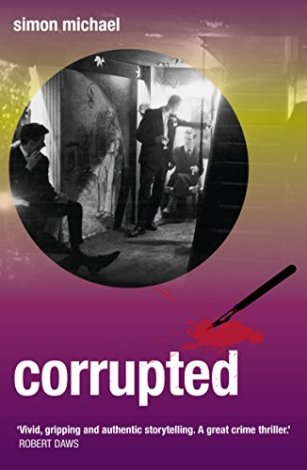 It is 1964, and Alec Douglas-Home’s Conservative government is on its last legs. The sex scandals which brought down his predecessor Harold Macmillan may have faded, but another one threatens to be just as explosive. Holborne is persuaded to defend a teenage boy accused of murdering one of the Krays’ stooges, but the fact that the youngster is what we would now call a rent boy sees Holborne accused of bringing his chambers into disrepute.
As Holborne digs deeper into the affair, he realises he is touching the tip of a scandal which, if exposed, will have devastating political consequences. The fact that important figures in both the Conservative party and the Labour opposition are involved means that the barrister is pitting himself not just against Reg and Ron Kray, but the entire British establishment.
Corrupted is a brilliant piece of historical crime fiction, and the court room scenes, which are both intriguing and authentic, are informed by Simon Michael’s career and experience as a barrister in the criminal courts. Many real life figures play a part in the drama: the Krays – particularly the psychotic Ron – are totally convincing; Bob Boothby and Tom Driberg, both dripping corruption, send a shiver of revulsion down the spine, while the larger-than-life figure of Lord ‘the Blessed Arnold’ Goodman is horribly oily and manipulative.
 Charles Holborne is a powerful and attractive central figure, but he is far from perfect. His chaotic private life reveals both passion and weakness. His judgement of human character also leaves something to be desired, as Simon Michael (right) shows, with a delicious and unexpected plot twist in the final pages of the novel. Corrupted is published by Urbane Publications and will be available on 21st June.
Simon Michael’s website is here, and you can follow the link to read the Fully Booked review of The Lighterman

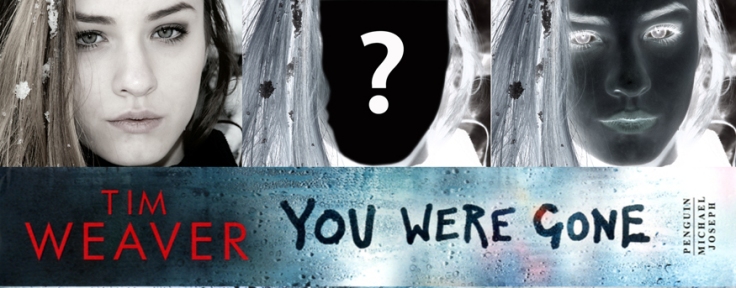
 But he has, as far as is possible, moved on. He has an unexpected family in the form of a daughter from an early relationship, and he keeps his chin up and his eyes bright. Because to do otherwise would mean self destruction, and he owes the physically absent but ever-present spirit of Derryn that much. His world, however, and such stability as he has been able to build into it, is rocked on its axis when a woman turns up at a West End police station claiming to be his wife. Derryn. Dead and buried these nine years. Her fragile remains consigned to the earth. He sees the woman through a viewing screen at the police station and he is astonished. In front of him sits his late wife, the love of his life, and the woman for whom he has shed nine years of tears.
 So many questions. The answers do come, and the whole journey is great fun – but occasionally nerve racking and full of tension. Tim Weaver (right) has crafted yet another brilliant piece of entertainment, and placed a further brick in the wall built for people who know that there is nothing more riveting, nothing more calculated to shut out the real world and nothing more breathtaking than a good book.

 While Elder whittles away his time helping out the local police force with difficult cases, and his wife gets on with her own life, Katherine is eking out an existence in a North London flat share, trying to hide the scars – both real and figurative – of her abduction. She has taken to modelling for life drawing classes in an effort to pay the rent independent of her mother’s generosity, and this has led her into a relationship with a highly respected artist whose career is on a definite upward surge.
 Body and Soul also takes an unflinching look at how love in itself is sometimes not enough – or possibly too much. I read elsewhere that this is to be John Harvey’s last novel. If this is the case then regret is permissible, but dismay would be churlish. We can only thank John Harvey (right) for his matchless legacy. Body and Soul is published by William Heinemann,


 As McCallum investigates the tragedy, it becomes clear that the ship was sabotaged. But what was within its cargo that made someone think it imperative that it should never reach its destination? A party of British soldiers are on hand determined to guard the scene of the wreck from inquisitive eyes, but who is the man named Beck who is pretending to be an army officer, but is so obviously not a military man?
 If your knowledge of that period of American history is sketchy, than fret ye not. Pattison (right) provides a wealth of detail about real life events which were taking place during McCallum’s fictional quest to clear his name. I use the word ‘quest” advisedly, as the novel has a distinct Lord of The Rings feeling – “Roads go ever on”.


 Colin’s day has already been bad enough. He has been summoned to the office of Frank Figgis, the News Editor, and given a daunting task. The newspaper’s Editor, Pope by name (dubbed “His Holiness”, naturally) has a brother called Gervaise. Gervaise is in trouble. He has been mixing with some rather unsavoury characters, namely the adherents of Sir Oscar Maundsley, the aristocratic former fascist leader. Interned by Churchill during the war, he now dreams of Making Britain Great Again.
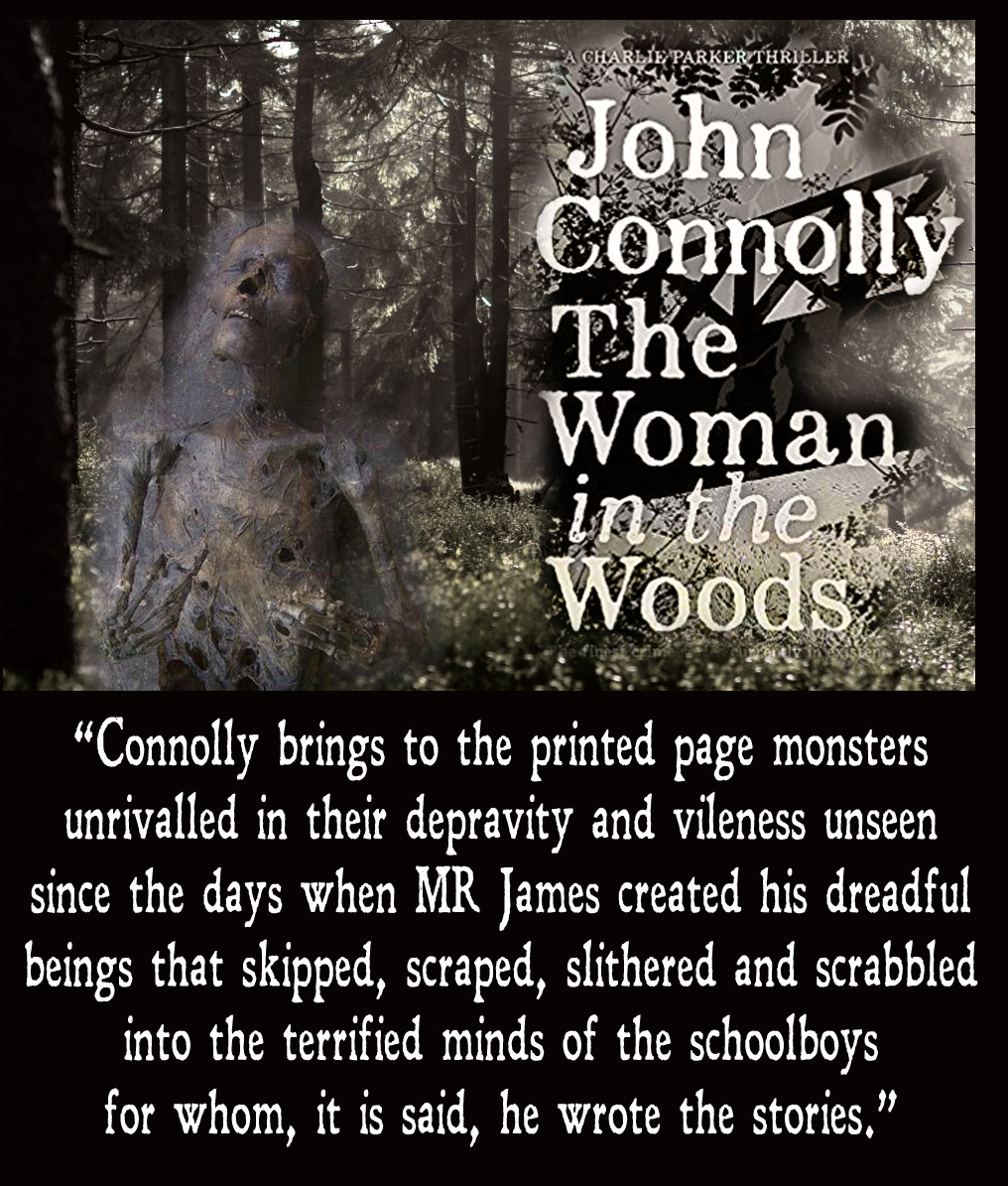

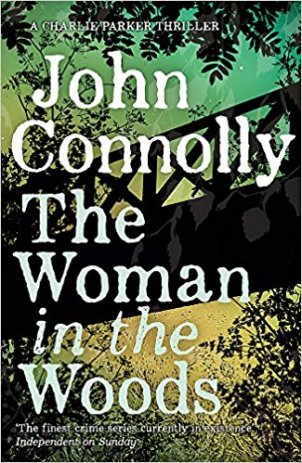 In the dark woods of Maine a tree gives up the ghost and topples to the ground. As its roots spring free of the cold earth a makeshift tomb is revealed. The occupant was a young woman. When the girl – for she was little more than that – is discovered, the police and the medical services enact their time-honoured rituals and discover that she died of natural causes not long after giving birth. But where is the child she bore? And why was a Star of David carved on the trunk of an adjacent tree? Portland lawyer Moxie Castin is not a particularly devout Jew, but he fears that the ancient symbol may signify something damaging, and he hires PI Charlie Parker to shadow the police enquiry and investigate the carving – and the melancholy discovery beneath it.
 In another life John Connolly would have been a poet. His prose is sonorous and powerful, and his insights into the world of Charie Parker – both the everyday things he sees with his waking eyes and the dark landscape of his dreams – are vivid and sometimes painful. Connolly’s villains – and there have been many during the course of the Charlie Parker series – are not just bad guys. They do dreadful things, certainly, but they even smell of the decaying depths of hell, and they often have powers that even a gunshot to the head from a .38 Special can hardly dent.
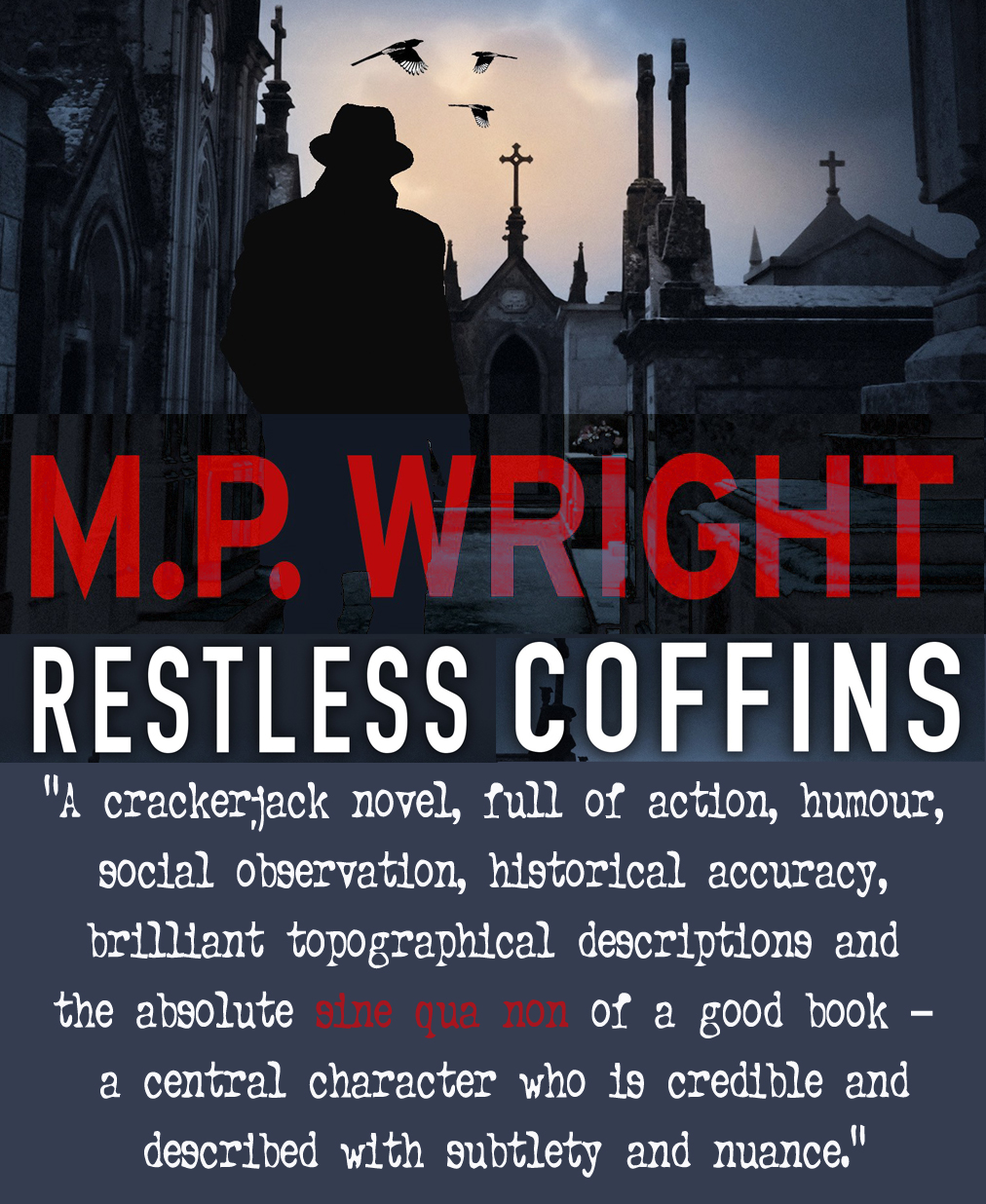
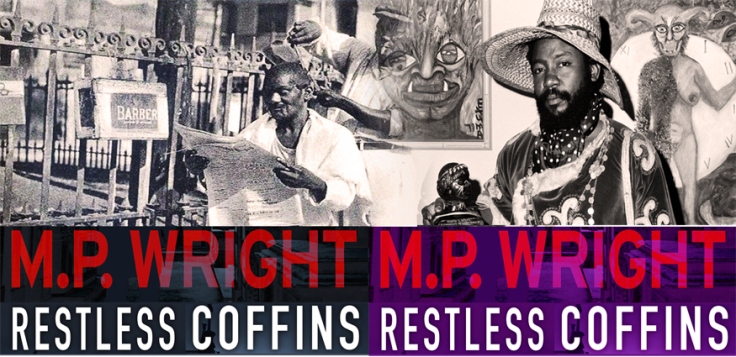
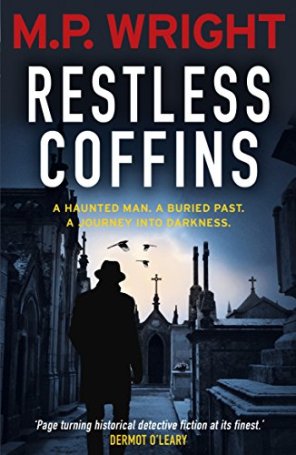 Ellington, broke and broken-hearted has ended up in 1960s Bristol, where he uses his police training to eke out a living as a private investigator. When he receives the news that his only sister, Bernice, has died in Barbados, he is compelled to return home to wind up her affairs. Hovering in the background, however, is Ellington’s violent criminal cousin Victor, who has reappeared after rumours of his tumbling to his death on the rocky slopes of Bristol’s Clifton Gorge prove to be greatly exaggerated. When Ellington arrives in New York after the first leg of his journey home, he rapidly realises that ‘born-again’ Vic is involved in something much more dangerous – and potentially lethal – than his previous mildly illegal entrepreneurship within the West Indian community in Bristol.
 Wright has made the decision to phonetically transcribe all the dialogue between the main characters in his books. I have to admit that in Heartman it was a source of irritation to me, but such is the pace and vigour of the action in Restless Coffins that it didn’t seem to matter as much this time around. The new ‘crime’ of Cultural Appropriation seems to me to be one of the most pointless, misguided and irrelevant of fashionable 21st century dogmas, so you will hear no complaint from me about a white Englishman writing a novel with an almost entirely black cast, complete with speech patterns, vocabulary and inflections.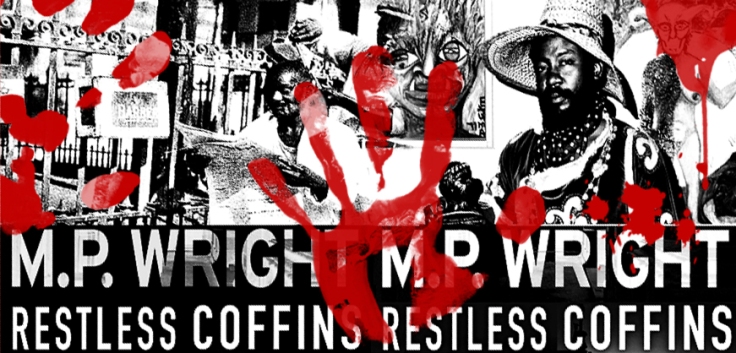
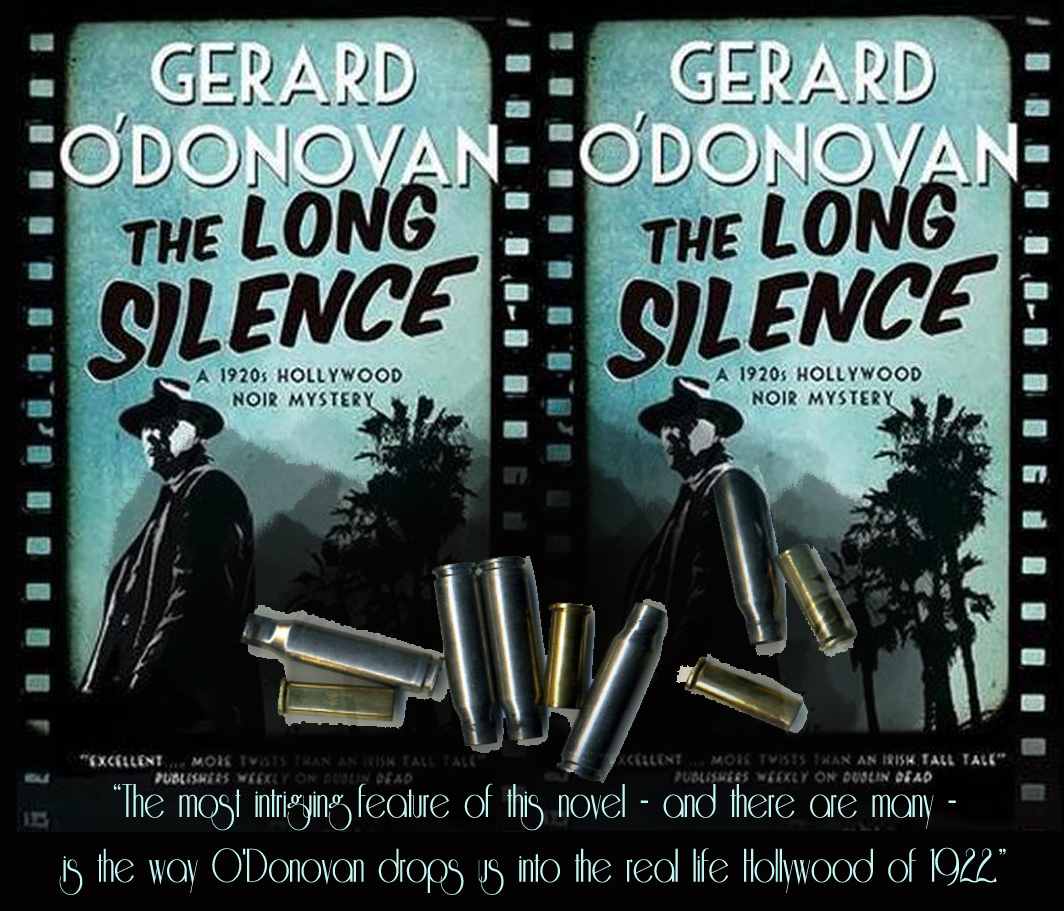
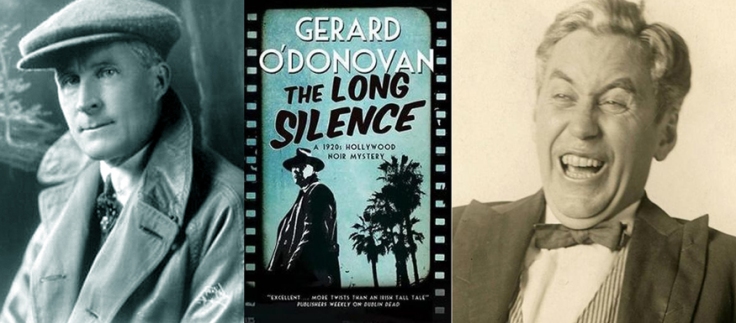
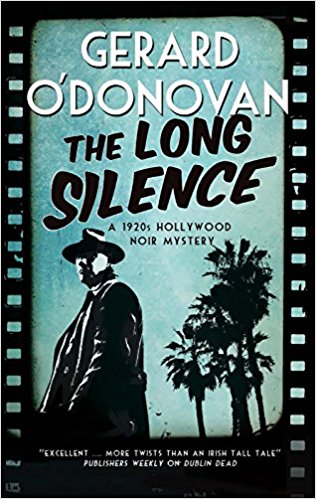 The most intriguing feature of this novel – and there are many – is the way O’Donovan drops us into the real life Hollywood of 1922. I knew something about the demise of Roscoe ‘Fatty’ Arbuckle, was aware of Mack Sennett and, of course, the names Douglas Fairbanks and Mary Pickford resonate with people of my generation who are reasonably well-read. But I had neither heard of – nor seen pictures of – Mabel Normand and, thanks to the wonders of Google, I could see instantly how she was able to mesmerise a generation of movie goers and readers of magazines. Those eyes! Tom Collins tells us about them quite early in the book.
 This is a cracker of a book. To the casual observer, looking on from the safe distance of the best part of a century, Hollywood in the 1920s appears innocent and other-worldly. We might smile at the fluttering eyelashes and coy gestures of the female stars, and the black-and-white (both figuratively and literally) lack of ambiguity of the male heroes and villains but in reality the movie world was just as venal, corrupt and hard nosed as it is today. Gerard O’Donovan (right) lifts the stone from the ground and we see all manner of unpleasant – and deadly – creatures scurrying around in the unwelcome light. The first pages of the book might suggest that Tom Collins has told us all that he has to say, but I hope this is not the case. The Long Silence is published by Severn House, is available now in hardback and will be
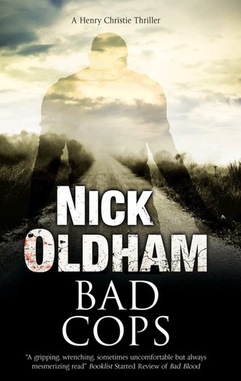 His resolve weakens, however, when he is visited by two of his more senior officers, his own Chief Constable and the newly appointed boss of the Central Yorkshire force, John Burnham. The Yorkshire police has suffered a disastrous inspection, and Burnham has been appointed to cleanse the Augean Stables.
 Oldham (right) is a retired copper himself, so readers are guaranteed procedural details which are described with total authenticity, whether they be the smelly reality of unmarked police cars used for observation, complete with the detritus of discarded fast food wrappers and the inevitable flatulent consequences, and an intriguing – and quite scary – use for Blutac and two pence pieces.