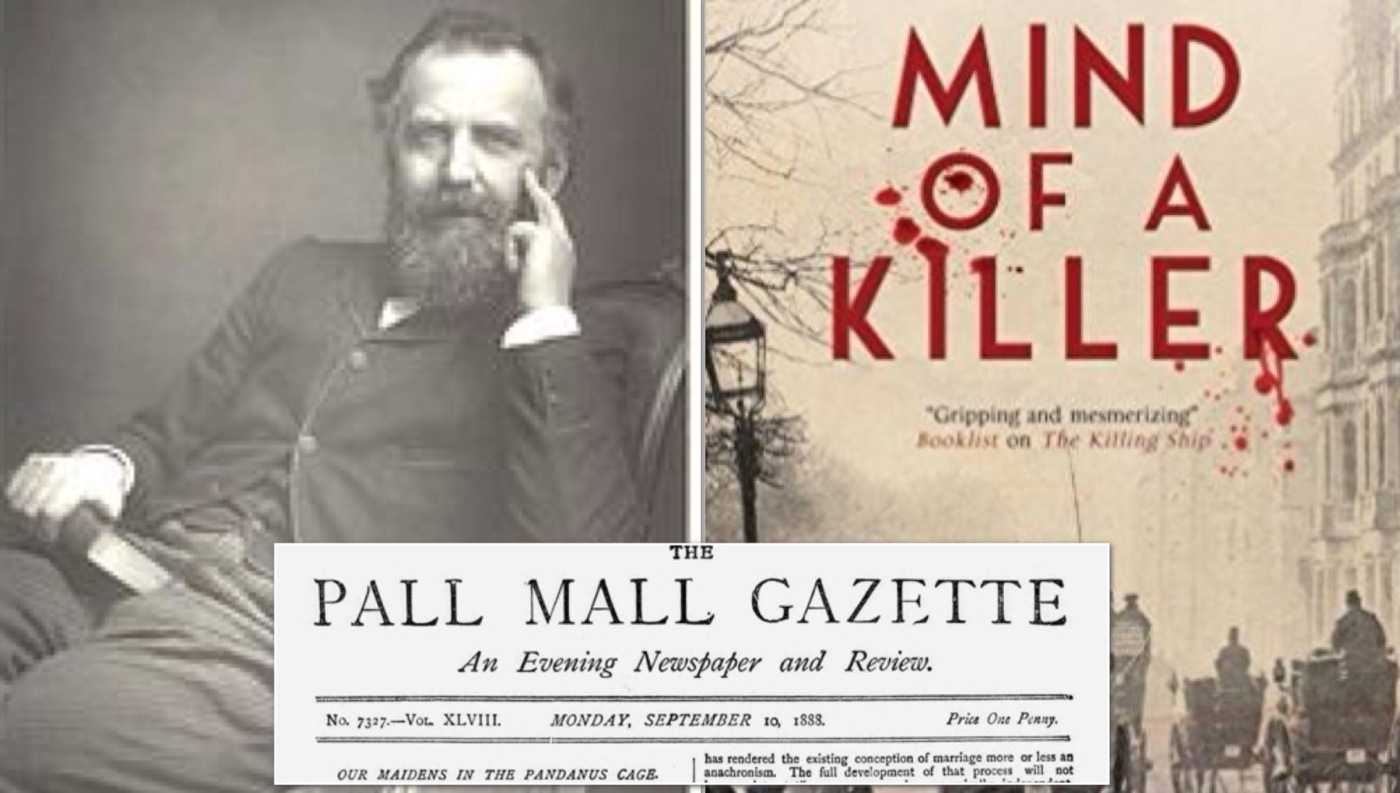
We are in London and it is the Spring of 1862. William Ewart Gladstone is two years into his second spell as British Prime Minister, The Irish Question dominates domestic politics and the campaigning journalist WT Stead is deputy editor of the evening newspaper The Pall Mall Gazette. Among his journalists is Alec Lonsdale, younger son of the Vicar of Raunds and brother of the prominent barrister, James Lonsdale.
Alec, on his way home from an unsuccessful attempt to interview the director of the Zoological Gardens, chances upon a very public emergency. A terraced house is ablaze, and its occupant – a Mr Donovan – has perished in the fire. When his body is hauled from the wreckage his head has been destroyed, but further examination reveals the astonishing fact that part of his brain – the cerebrum – has been surgically removed.
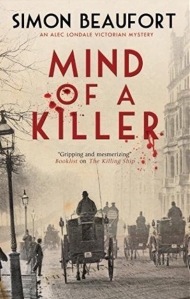 Simon Beaufort provides an exhilarating and madcap journey through the contrasting mileus of Victorian London. We experience gentlemen’s clubs with their subtle ambience of brandy and fine cigars, the visceral stench of low-life pubs and doss houses and the clatter of the hot lead printing presses of a vibrant daily newspaper. Lonsdale – with the assistance of Hulda Friedrichs, a fiercely independent early feminist journalist – painstakingly uncovers a nightmarish plot hatched by scientists who are obsessed with eugenics, and believe that the future of the human race depends on selective breeding and the suppression of ‘the undeserving poor’.
Alec Lonsdale is a thoroughly admirable hero who is as handy with his fists as he is with his pen. Most of the staff at the Pall Mall Gazette are actual historical figures, beautifully researched and described. We have gore, mortuary scenes, fights a-plenty, scrupulous period detail and also a sly sense of fun as we observe the elaborate formal minuet of courtship, particularly between Alec and his future sister-in-law Anne. Eventually the conspiracy is exposed by Alec and Hulda, but not before we have an exuberant reprise of the ‘mad scientist’ trope.
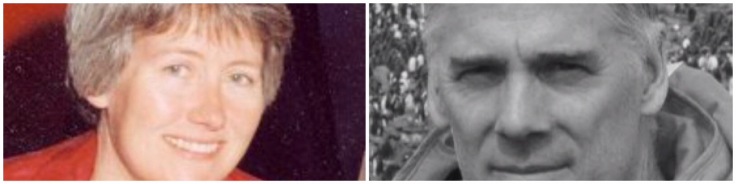
Simon Beaufort? Simon is a ‘they’ rather than a ‘he’. Beau Riffenburgh is a Californian born and bred, an expert in polar exploration, and an American Football coach. His wife – and writing partner – is none other than Liz Cruwys, better known as Susanna Gregory, best-selling author of many historical novels featuring medieval investigator Matthew Bartholemew. Mind Of A Killer is published by Severn House, came out in hardback just before Christmas 2017, and is now available in Kindle.

 Outraged leading articles appear in local newspapers, but someone believes that the sword – or something equally violent – is mightier than the pen, and a homemade bomb destroys a church hall just before Annabelle Harper is due to speak to her supporters. The caretaker is tragically killed by the explosion, and matters go from bad to worse when more bombs are found, and several of the women candidates are threatened.




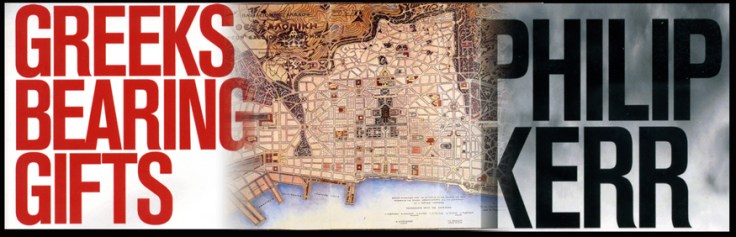
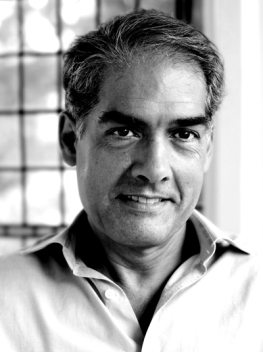 “One of the greatest anti-heroes ever written,” says Lee Child of Bernie Gunther, the world weary, wise-cracking former German cop, and sometime acquaintance of such diverse historical characters as Reinhard Heydrich, Joseph Goebbels, Eva Peron and William Somerset Maugham. I was several chapters into this, the latest episode in Gunther’s career, when I heard the dreadful news of the death of his creator, Philip Kerr (left) at the age of 62. “No age at all,” as the saying goes.
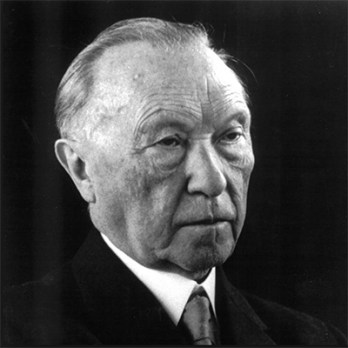 Hitler could certainly have taken a lesson from the Old Man (Adenauer, left) It was not the men with guns who were going to rule the world but businessmen …. with their slide rules and actuarial tables, and thick books of obscure new laws in three different languages.”

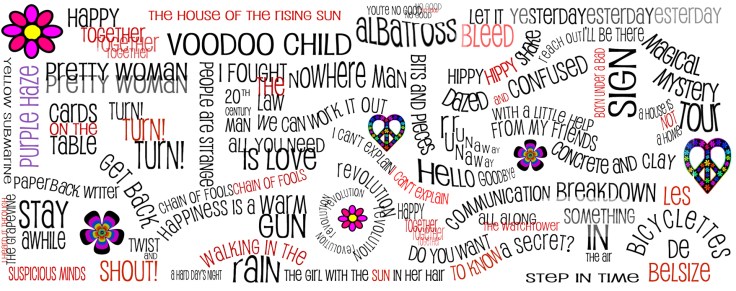
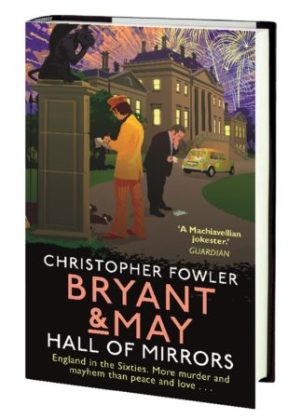 If a more extraordinary duo of fictional detectives exists than Christopher Fowler’s Bryant & May, then I have yet to discover them. The peculiar pair return in Hall of Mirrors for their fifteenth outing, and this time not only are they far from their beloved London, but we see a pair of much younger coppers on their beat in the 1960s. Fowler’s take on the period is typified by each of the fifty chapters of the novel bearing the title of a classic pop hit. We are also reminded of the strange fashions of the day.


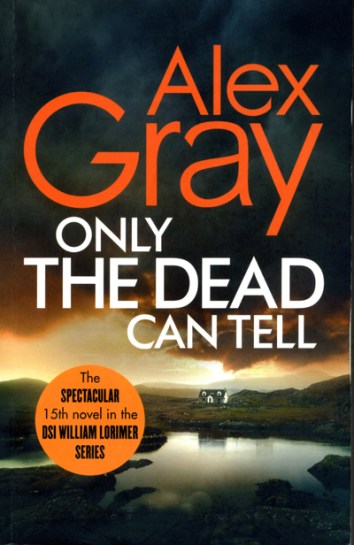 Lorimer has become bogged down in a partially – and only partially – successful investigation into murder, prostitution and people trafficking based in Aberdeen. In the Granite City some entrepreneurs, denied a living by the decline in the oil and gas industries, have taken to trading in other commodities – human lives. However, to borrow the memorable line from The Scottish Play, Lorimer’s team have “scotch’d the snake, not kill’d it.” The head of the gang responsible for taking young and innocent Romany women from impoverished Slovakian villages, and setting them to work in Scottish brothels is known only as “Max”. The very mention of his name is enough to silence witnesses, even those who have every reason to long for his downfall. But how – if at all – is Max connected to Peter Guilford, arrested for his wife’s murder, but now beaten within an inch of his life while on remand in Glasgow’s Barlinnie prison?
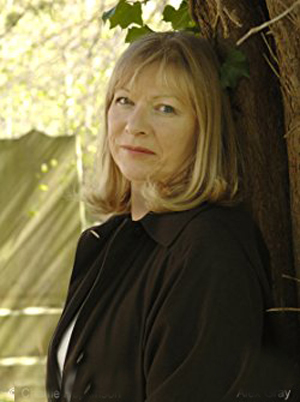 The British police procedural – the Scottish police procedural, even – is a crowded field, and each author and their characters tries to bring something different to choosy readers. Where Alex Gray (right) makes her mark, time and time again, is that she is unafraid to show the better things of life, the timeless touches of nature in a summer garden, or the warmth of affection between characters, particularly, of course, the bond between William and Margaret Lorimer. Here is one such moment:
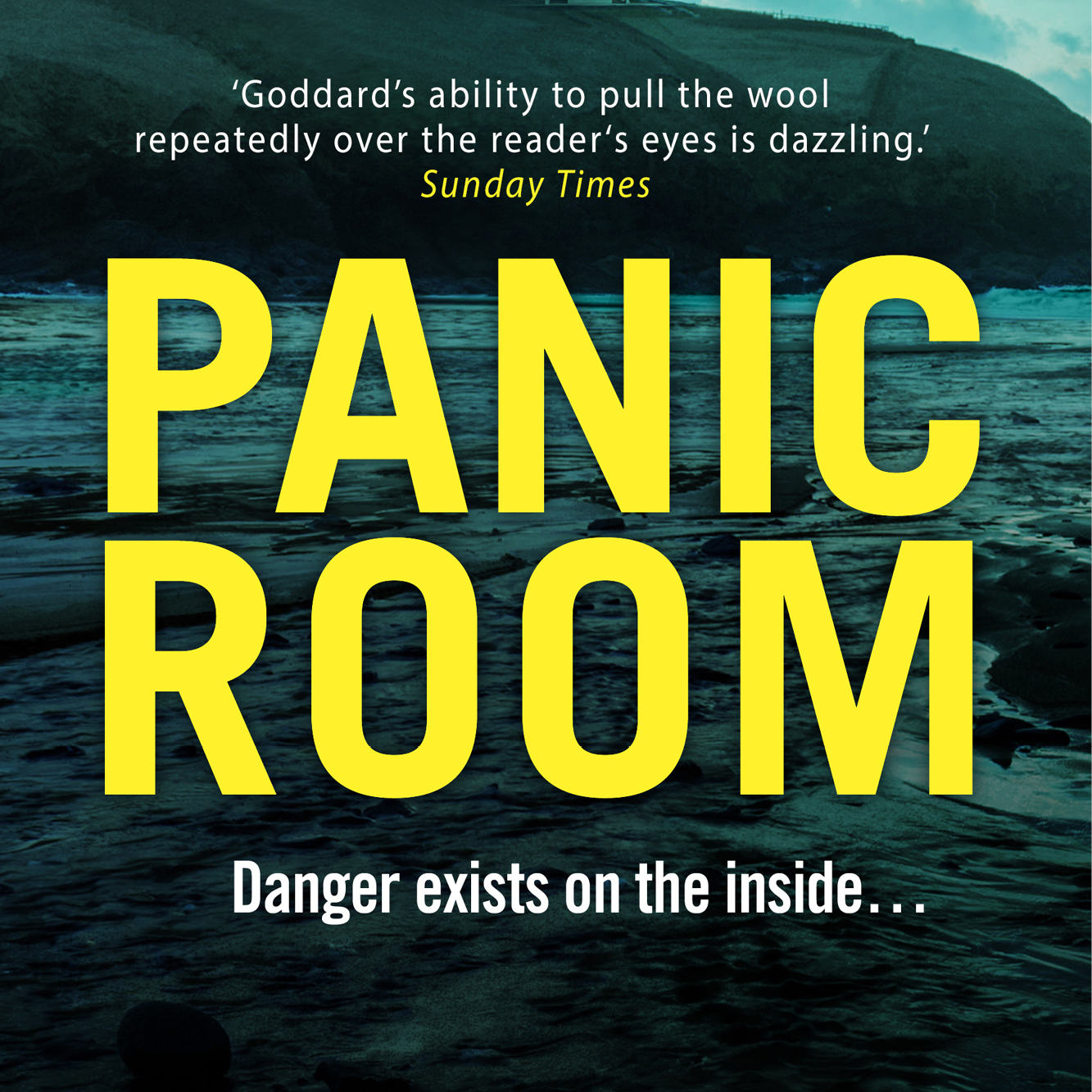
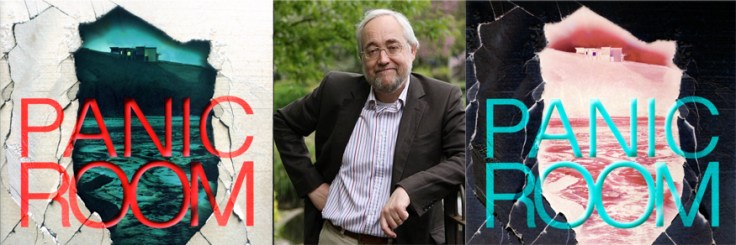
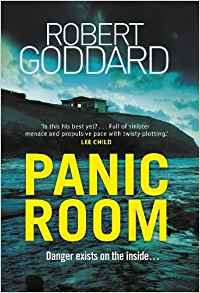 Don Challenor is what Monty Python might have called at ex-estate agent. He is no more. He has over-egged his last pudding and hyped up his last hovel. The prestigious London property sellers Mendez Chinnery have, as the saying goes, let him go. He has been, to quote the late lamented Alan Clark, economical with the actualité once too often. He is at that stage of life when it is becoming harder and harder to slip into a new job. Not only is he sans employment, but he is also sans wife. Fran has married again and is still lawyering away, but with a new husband and his children. Challenor is surprised, then, when she makes contact to offer him a cash in hand one-off job. It sounds simple. He is to travel down to Cornwall, assess an executive-style property, and present her with a glowing file which will attract well-heeled buyers like moths to a flame. The house, Wortalleth West, was formerly owned by millionaire businessman Jack Harkness, but it has now been signed over to his former wife as part of a divorce settlement.


 Thor scrapes by as a barman in a local pub, and has a rudimentary bedsit over the local post office, but his world is turned on its head when he discovers that someone is trying to kill him. Not without taking a knock or two, Thor survives, and concludes that the attempts on his life are connected to the efforts of developers to buy up his patch of the Loxley land to add to a much bigger chunk of Crook territory. The result will be thousands of newcomers to the area, complete with pressing demands for new schools, new infrastructure and new services.
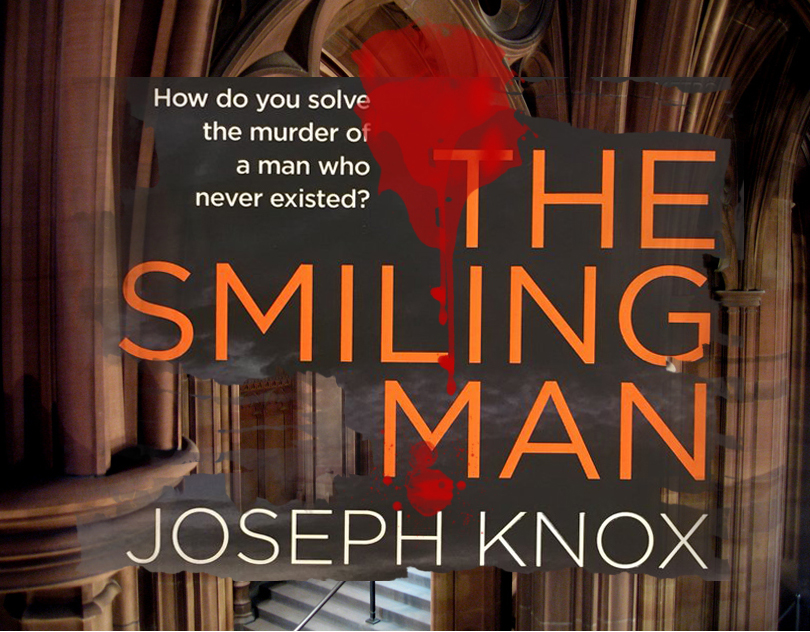

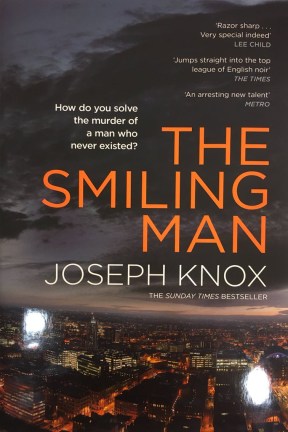 This is all too much like hard work for Sutcliffe, but despite warnings from his saturnine superior, Superintendent Parr, Waits digs deeper. He uncovers a labyrinthine series of connections between an absent solicitor doing his rich-white-man things among the bar girls of Thailand, an apparently gay businessman and his estranged wife, the corpse (now renamed The Smiling Man), and another hotel room, its floor saturated with pint after pint of human blood.
 This is little short of a modern masterpiece. You might imagine Joseph Knox (right) to be a weathered, life-weary cynical misanthrope, hunched in a corner of the pub, savouring a roll-up, rather like a latter day Derek Raymond, but anyone who has had the privilege of meeting Joseph will know that this is far from the case. He is well versed in the art of Noir, though, as he revealed when he spoke to us around the time that his first novel, Sirens, was published.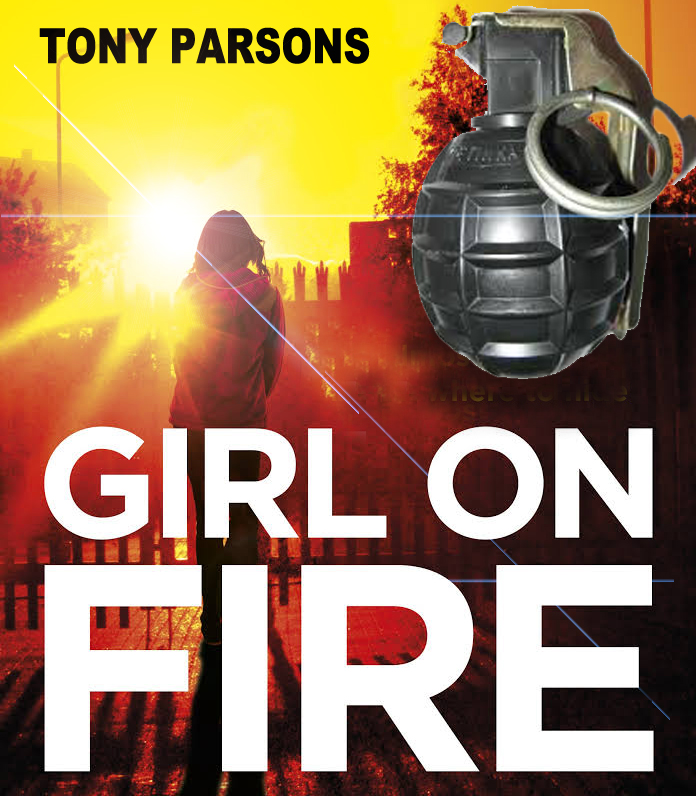

 Wolfe survives, and shoulders his way into the hit team which raids a nondescript terraced house in Borodino Street in East London. Their target? To capture two Pakistani brothers who have adapted simple commercially available drones into weapons of terror. Needless to say, the raid does not go according to plan. The lead police officer is shot dead at the outset, by one of the brothers disguised in a niqab. He is eventually shot dead, as is the remaining brother. But there are questions raised about the death of the latter. Was he shot as he was trying to surrender, or was he simply assassinated by a vengeful police marksman? And where are the two ex-Croatian hand grenades which informers say had been sold to the Khan brothers?
 The novel frequently holds you by the hand – no, make that puts you in an arm lock – and takes you to places you would rather not go. Parsons (right) is not someone with a well stocked cupboard full of tea lights, bunches of flowers and anodyne pleas for togetherness. He is not going to link arms with anyone and place these tributes at scenes of murder and carnage. Least of all will he, via Max Wolfe, be tweeting Je Suis Borodino Street any time soon. Some might say that for a humble DC, Max Wolfe certainly seems to get about a bit, but this is an irrelevant criticism, because what he thinks and sees are essential to the story. Wolfe is a a man of deep compassion and perception. Not only is his narrative reliable – it is painfully accurate and candid. Readers have, of course, the option of averting their gaze or thinking about gentle deaths in Cotswold villages, solved by avuncular local bobbies. Those who choose not to turn away from this brutal autopsy of Britain – and specifically London – in 2018 will not, I suggest, feel rejuvenated, life-enhanced or particularly optimistic by the end of this novel. Rather, they will follow the emotional journey of the celebrated wedding guest:


