

Brighton copper Roy Grace seems to have been with us for ever. Since Peter James introduced him in 2005 there have been sixteen episodes in the career of the resolutely honest and decent man who shares none of the character faults of some of his fictional contemporaries. Yes, there was the protracted mystery of his missing wife – now solved, thank goodness – but Grace has few demons; certainly none that involve drink, drugs, dodgy tastes in music or sexual fallibility. Neither is Roy Grace, perceptive and intuitive though he may, cursed with second sight or prone to supernatural whimsies.
So what keeps him as a permanent resident in the crime fiction best-seller charts? It hasn’t hurt that Peter James has pretty much patented the use of that potent four-letter word DEAD in his titles. Simple, Looking Good, Not … Yet, At First Sight are just a few of the the inventive titles James has used. I’ll answer my own question with a simple reply. Peter James is a bloody good writer. End of.
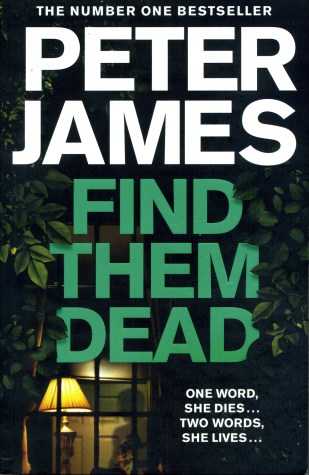 Strangely though, Find Them Dead sees Roy Grace rather in the background. He binds the narrative together by his presence, of course he does, but he mostly takes a back seat in this tale of drug dealers, bent lawyers and jury-nobbling. He has returned to Sussex after a spell working with the Metropolitan Police in London. The sheer depth and depravity of London’s crime has been an eye-opener, but the south coast is not without its villains.
A Brighton solicitor called Terence Gready – what a wonderful Dickensian name – has been arrested on suspicion of being near the top of a multi-million pound drug ring. His favourite modus operandi has been importing the pharmaceuticals packed into bodywork cavities of fake classic cars. His main man on the ground has also been arrested and Gready is in grave danger of spending the rest of his life in jail.
The spine of Find Them Dead concerns the ordeal of Meg Magellan, a middle-aged widow who has been summoned for jury service in the trial of Terence Gready. The bent solicitor is not quite at the apex of his organisation; his bosses believe that his downfall would also implicate them,and so they they target the jury – Meg in particular – in whose hands Gready’s fate lies.
Meg’s daughter is on a gap-year jaunt to Ecuador, and it is by threatening her that the bad guys hope to persuade Meg to emulate Henry Fonda’s Davis in the 1957 classic Twelve Angry Men. If Meg can persuade her fellow jurors that Gready is innocent, then all will be well. If she fails, then Laura will never leave Ecuador alive.
James ratchets up the tension with the true zeal of a torturer. As Grace – and his long term offsiders Norman Potting and Glenn Branson try to get to the bottom of who knows what in the case, we tread a tightrope of anxiety where it is never clear what the next step will bring.
Find Them Dead is published by Macmillan and is out now.





 This is a very different Rob Parker (left) from the previous novels of his that have come my way.

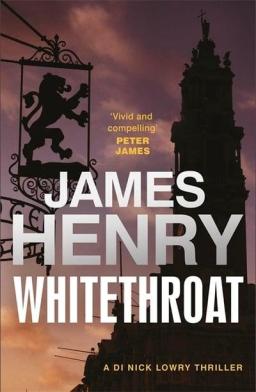 Essex has become something of a trigger word in recent years, conjuring up images such as lavish mansions owned by London gangsters and dumb bottle-blondes with their perma-tanned, medallioned boyfriends. James Henry, however, takes us back forty years to the 1980s. DI Nick Lowry and his boss, Chief Superintendent Sparks, inhabit a police HQ which leaks, has rotten floorboards, and is maybe only months away from the demolishers’ wrecking ball. Sparks contemplates his desk:
 The plot is the least important part of this fine novel, but it unfolds gradually. The woman whose favours are being fought over by the duellists is not a woman at all, but a fifteen year-old schoolgirl, the daughter of a local businessman. He, in turn, has unfinished business with a local enrepreneur, and business that dates back to a racial attack three decades earlier. We are in a world of simmering resentment born out of old slights, and the result? The proverbial dish that is best served cold.



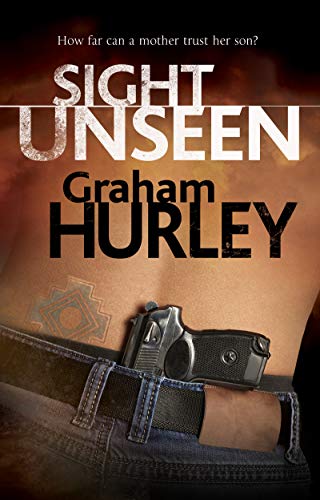





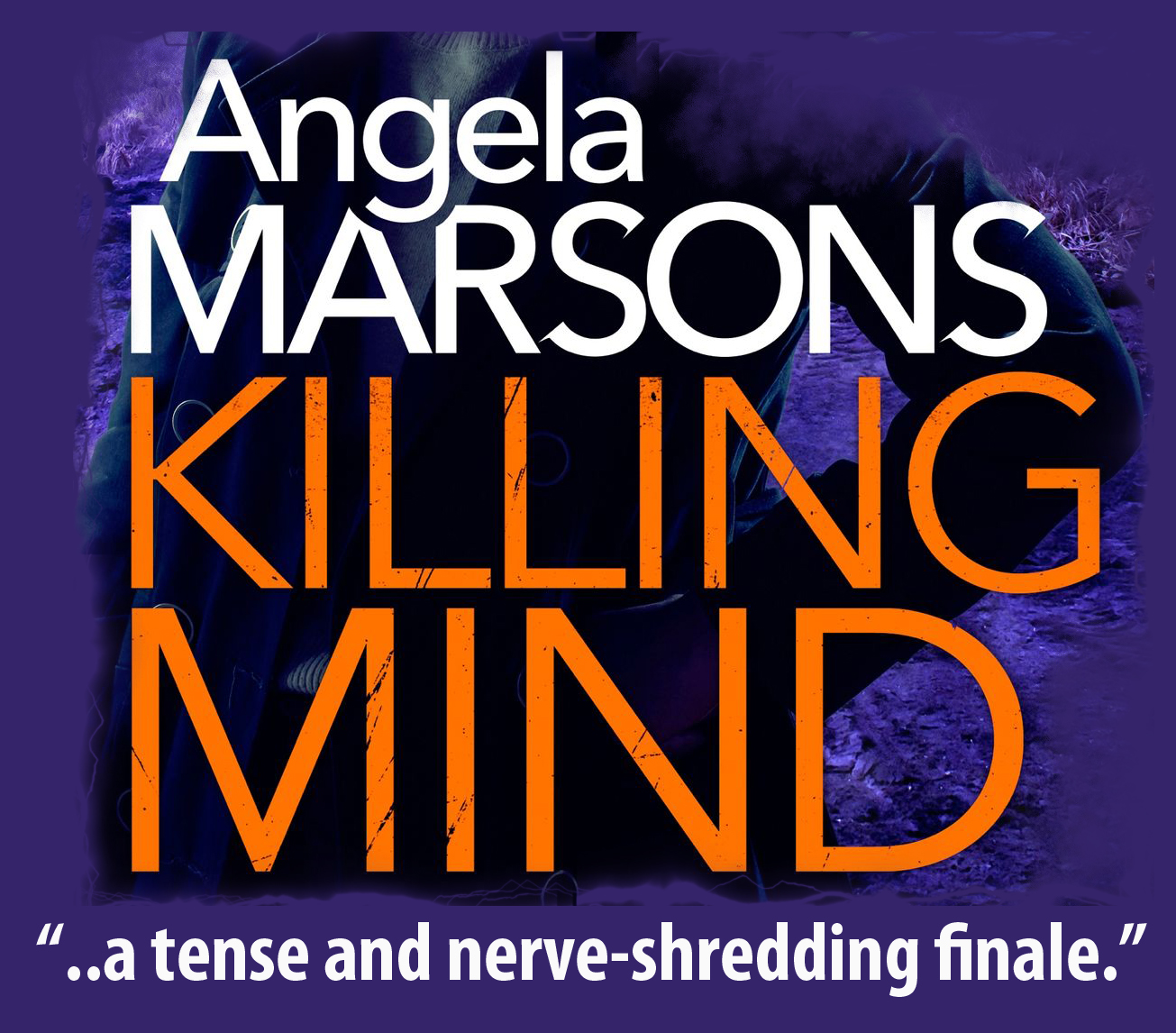

 came late to the party regarding Angela Marsons and her Kim Stone series of police procedurals set in England’s West Midlands, but I thoroughly enjoyed
 eanwhile, Stone’s assistant, DS Bryant, has his own fixation to deal with. He was involved in the capture, trial and conviction of a notorious killer, Peter Drake, and has become involved with Richard Harrison, father of one of Drake’s victims. A previously unrepentant Drake has, suspiciously, turned over a new leaf in jail and has become a model prisoner, thus transforming his application for parole from a forlorn hope into a distinct probability. Both Harrison and Bryant are powerless to prevent Drake’s release. Both have a sense of foreboding about what may follow.
 hen Stone makes the decision to send one of her younger officers into Unity Farm, posing as a distressed and unhappy young woman, things do not turn out according to plan and Marsons orchestrates a tense and nerve-shredding finale to the book. When the murderer is unmasked, it came as a cleverly constructed surprise. Killing Mind is published by Bookouture, and


 fullybooked2017