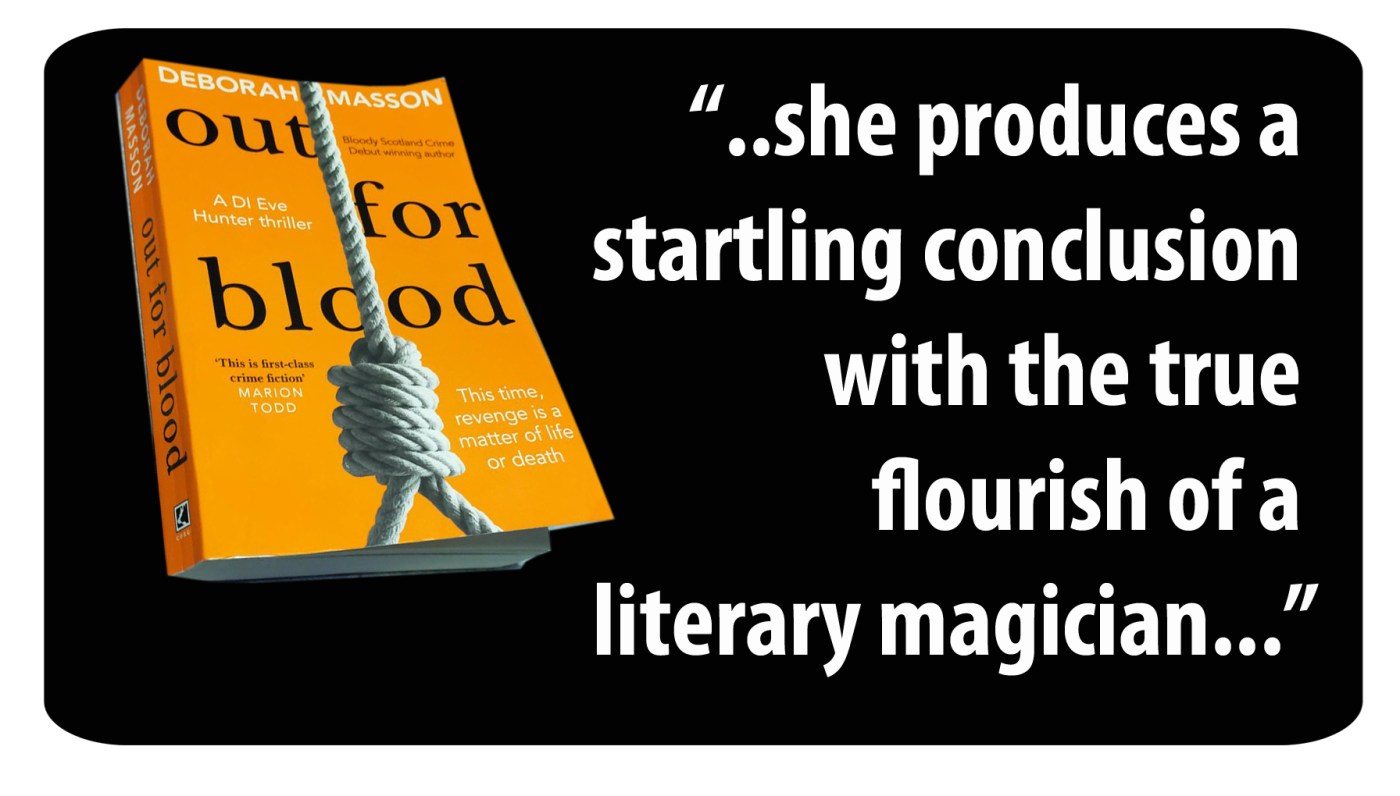

Aberdeen, Scotland.The Granite City. To say that Police Scotland’s DI Eve Hunter has baggage would be something of an understatement. Physically and mentally damaged by a ruinous encounter with a notorious crime family, she is only allowed back to work on the understanding that she undergoes tortuous (for her) therapy sessions with Dr Shetty, the police psychologist. We first met Hunter in Hold Your Tongue, and you can read that review by clicking the link.
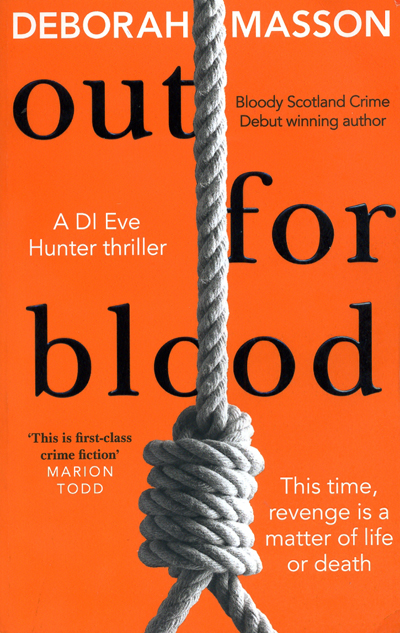 We start with two corpses. One is an unidentified young woman, strung up by her neck to a tree on a golf course. The other, a young man, is found in more comfortable surroundings – his flat – but he is equally dead. As Hunter’s team begin to investigate the cases it seems that they could not be further apart. The dead man is an old boy of one of the area’s most prestigious independent schools, and has a rich father. The girl, however, is an Eastern European prostitute. Links between the two deaths slowly turn from gossamer to steel. Was one using the other? Is it that simple? Why do the names of powerful local figures crop up over and over again on the peripheries of the case?
In some ways we are on familiar territory here. We have the classic police procedural trope of the tired and overworked detectives trying to keep their family lives on track, while still having to give everything to ‘the job’. We have some coppers who are, if not actually corrupt, downright idle, their only concern being how to protect their pension Somehow, these stresses and strains of police work come over as fresh and as harrowing as if it were the first time we had read them.
This is not the first novel in recent years to highlight the deeply unpleasant trade in human lives carried out by Eastern European criminals. I live in a town where it happens, and nothing Deborah Massen (below) has written here is in any way exaggerated or fanciful. She vividly portrays the brutality of the men – and women – who run the rackets, and the misery of the girls who become enslaved.

Masson showed in her previous book that she has a talent for having her police characters (and with them, we readers) pursue one line of enquiry, convinced that solution can only lie in that single direction, only for events to take a startling turn in another direction altogether. In proving that we are all wrong, and making the plot twist plausible, she takes a great risk, but I have to say her gamble pays off, and she produces a startling conclusion with the true flourish of a literary magician. Out For Blood is available in Kindle from Transworld Digital now, and will be out in paperback under the Corgi imprint on 10th December.


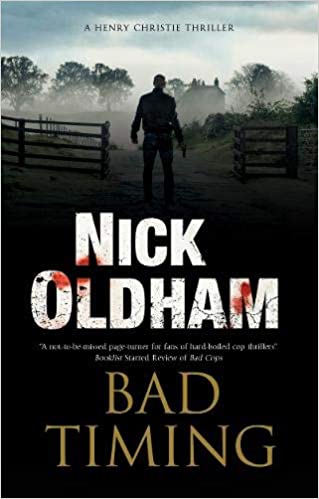


 The dead man is quickly identified as the brother of a long-disappeared Scottish public figure. Iain Auld, depending on your cultural terms of reference, did either a Reggie Perrin, John Stonehouse or Lord Lucan a decade earlier. He has officially been declared dead, but Pirie’s antennae are set all of a quiver, as her investigations into Auld’s disappearance have been fruitless.

 Kieron Coyne is playing with his mate Josh under the watchful eyes of their mothers, Cat and Maria. Cat goes off for a pee, Maria settles back on the park bench and lights a fag. One minute Kieron is there, the next he has disappeared. Josh emerges from the little wood where the boys were playing hide and seek. He neither saw nor heard anything of his friend.

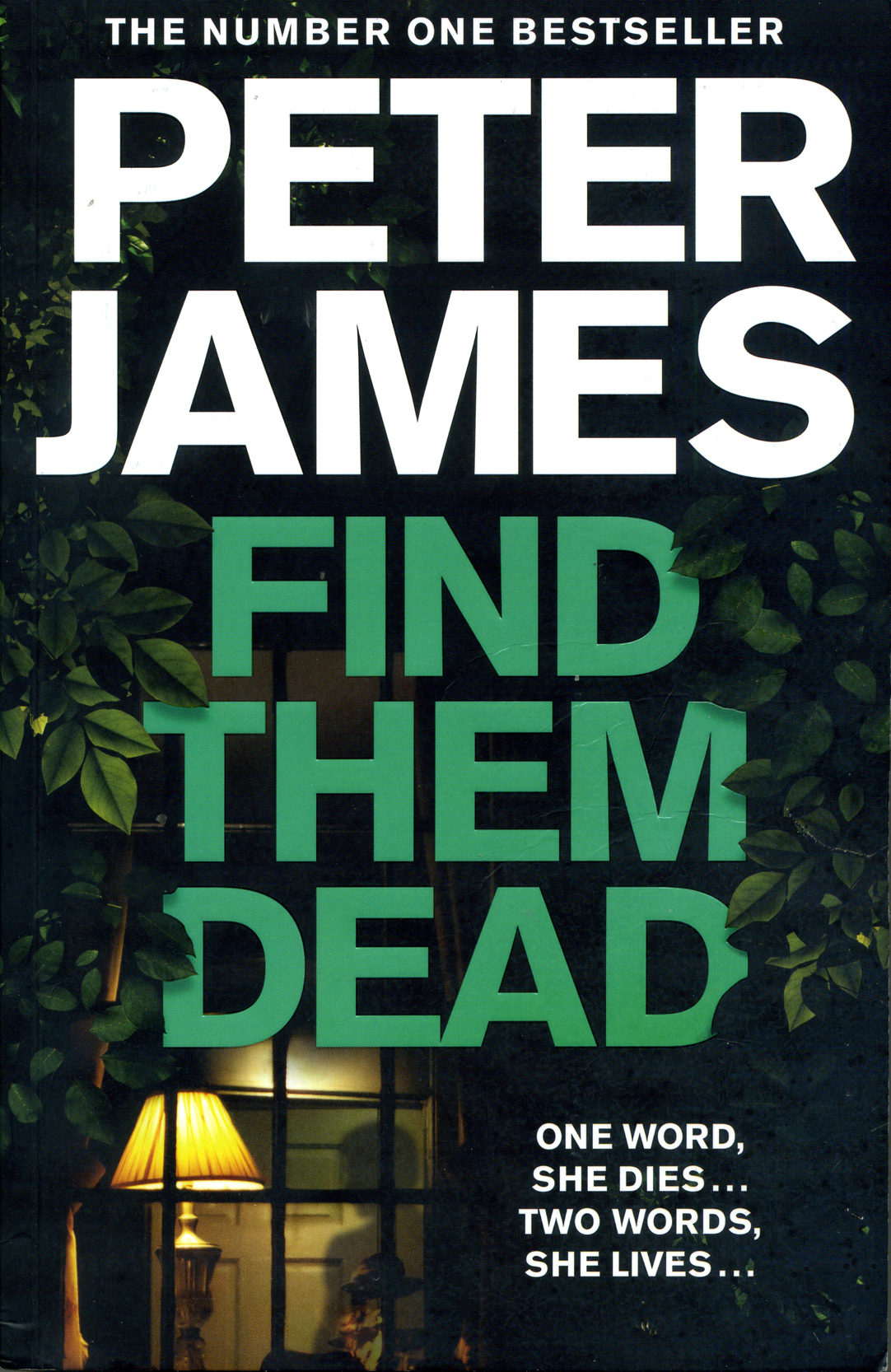 Strangely though, Find Them Dead sees Roy Grace rather in the background. He binds the narrative together by his presence, of course he does, but he mostly takes a back seat in this tale of drug dealers, bent lawyers and jury-nobbling. He has returned to Sussex after a spell working with the Metropolitan Police in London. The sheer depth and depravity of London’s crime has been an eye-opener, but the south coast is not without its villains.

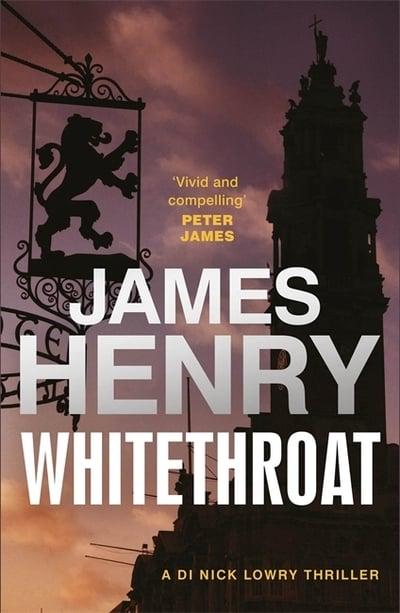 Essex has become something of a trigger word in recent years, conjuring up images such as lavish mansions owned by London gangsters and dumb bottle-blondes with their perma-tanned, medallioned boyfriends. James Henry, however, takes us back forty years to the 1980s. DI Nick Lowry and his boss, Chief Superintendent Sparks, inhabit a police HQ which leaks, has rotten floorboards, and is maybe only months away from the demolishers’ wrecking ball. Sparks contemplates his desk:
 The plot is the least important part of this fine novel, but it unfolds gradually. The woman whose favours are being fought over by the duellists is not a woman at all, but a fifteen year-old schoolgirl, the daughter of a local businessman. He, in turn, has unfinished business with a local enrepreneur, and business that dates back to a racial attack three decades earlier. We are in a world of simmering resentment born out of old slights, and the result? The proverbial dish that is best served cold.


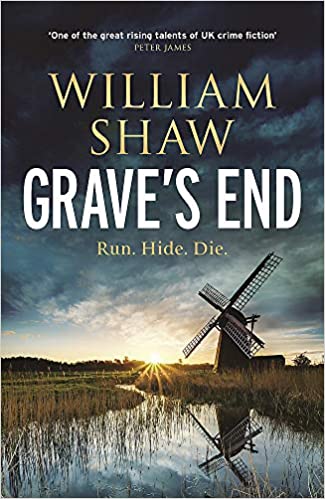


 came late to the party regarding Angela Marsons and her Kim Stone series of police procedurals set in England’s West Midlands, but I thoroughly enjoyed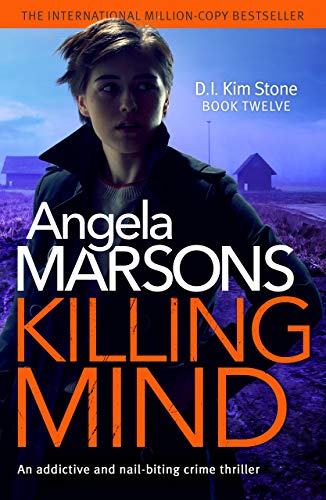
 eanwhile, Stone’s assistant, DS Bryant, has his own fixation to deal with. He was involved in the capture, trial and conviction of a notorious killer, Peter Drake, and has become involved with Richard Harrison, father of one of Drake’s victims. A previously unrepentant Drake has, suspiciously, turned over a new leaf in jail and has become a model prisoner, thus transforming his application for parole from a forlorn hope into a distinct probability. Both Harrison and Bryant are powerless to prevent Drake’s release. Both have a sense of foreboding about what may follow.
 hen Stone makes the decision to send one of her younger officers into Unity Farm, posing as a distressed and unhappy young woman, things do not turn out according to plan and Marsons orchestrates a tense and nerve-shredding finale to the book. When the murderer is unmasked, it came as a cleverly constructed surprise. Killing Mind is published by Bookouture, and




 fullybooked2017