

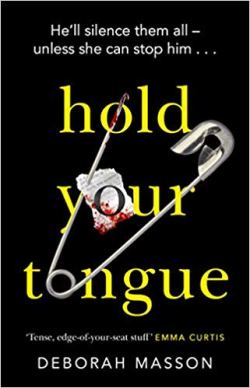
 Deborah Masson’s police procedural Hold Your Tongue is as gritty as the granite in the Aberdeen where it is set. Fictional Detective Inspectors tend to be brilliant, yet with fatal flaws; perceptive, but incapable of managing calm personal lives; honest and principled, but concealing their own dark secrets. Masson’s Eve Hunter ticks all the boxes, and adds a few of her own. She is returning to work after a catastrophic encounter with a notorious criminal family. After the son of the crime gang’s Capo sustains life changing injuries in a car chase, Johnny MacNeill has exacted brutal revenge resulting in Hunter’s partner DS Nicola Sanders being paralysed from the neck down, while Hunter herself has a permanently damaged leg and intense psychological scarring.
There is no ‘Welcome Back’ party for Hunter. There are former colleagues who blame her impulsive and driven approach to police work for what happened to Nicola Sanders. Her boss doubts she is ready for a return, particularly as her first case will be to solve the savage murder of an aspiring model, found dead in a hotel room, surrounded by an elaborate and deliberate staging of fashion magazines, make-up and mirrors. Melanie Ross’s tongue has been cut out, and taken away by her killer.
Masson makes telling use of Aberdeen itself as a baleful presence looming behind the misdeeds of its citizens. Despite the grim grandeur of its municipal buildings, the passing of the North Sea oil bonanza has left a legacy of closed shops and tatty, uncared-for neighbourhoods. A prostitute called Rosie, who is involved with one of the suspects, provides a chilling metaphor for the city:
“Rosie pulled together the edges of the flimsy unbuttoned black raincoat that she wore; it barely concealed the bony chest in a low-cut top and laddered fishnets below a skirt that could pass as easily for a belt.”
The pre-Christmas weather is vile and utterly inhospitable. The sleety rain slants down, the wind blows in squalls from the North Sea, and the grey light of dawn reveals city streets slick, wet and icy, decorated only with discarded takeaway meals, the odd abandoned high-heeled shoe, and a general air of attempts at gaiety which ended in failure.
More murders follow, and they are clearly the work of the same person. Eventually Hunter realises what the elaborate posing of the victims signifies. The killer has somehow become obsessed with the old nursery fable:
Monday’s child is fair of face
Tuesday’s child is full of grace,
Wednesday’s child is full of woe,
Thursday’s child has far to go,
Friday’s child is loving and giving,
Saturday’s child works hard for a living,
But the child who is born on the Sabbath Day
Is bonny and blithe and good and gay.
 As the killer works towards the Sabbath Day child, Hunter and her colleagues dash this way and that, always vital hours behind the murderer. Masson (right) contributes to the mayhem with some elegantly clever misdirection. Early in the piece she teases us with the suggestion that the series of murders has something to do with brothers and sisters, but even when we – and Eve Hunter – think we are close to the truth, there is one big surprise left. Hold Your Tongue is an assured and convincing debut, and I hope there will be more cases to come for Eve Hunter. The book is out now, and published by Corgi/Penguin.


 Alyssa Wyatt is pretty much your showcase American Mom. Not Middle American geographically, as she lives in New Mexico, but she ticks most of the other boxes; handsome successful husband, two teenage kids, nice house and a fulfilling career – as a cop. Like so many fictional law enforcement types, she has a dark past centred in childhood trauma, but what is done is done, and she lives for Holly, Isaac and husband Brock.
 harly Cox reveals to us the identity of the bad guy fairly early in the piece. Or, rather, she doesn’t. Over enigmatic? Quite probably, but to say more would ruin the fun. Alyssa and Cord chase their tails with more determination than success, while the sadist at the centre of the mayhem plans his next atrocity.
 on’t be misled, however, into thinking that All His Pretty Girls is Chick Lit. Yes, a female is the central character, but there’s no shortage of graphic violence and enough of the ‘mean streets’ to satisfy fans of hard-boiled crime.


 We first met London’s Detective Inspector Jake Porter and Sergeant Nick Styles in Robert Scragg’s debut novel What Falls Between The Cracks (
 orter is still haunted by the death of his wife in a hit-and-run accident and, like all good fictional DIs, he is viewed by his bosses – in particular the officious desk jockey Milburn – as mentally suspect. He is forced to go for a series of counselling sessions with the force’s tame psychologist, but after one hurried and fruitless encounter, he becomes totally immersed in a puzzling case which involves an old friend of his, Max Brennan. Brennan has arranged to meet his long-estranged father for the first time, but the older man fails to make the rendezvous. When Brennan’s girlfriend is abducted, he turns to Porter for help.
 eanwhile, Styles has a secret. His wife is expecting their first child and she has grave misgivings about her husband continuing as Porter’s partner, as their business puts them all too often – and quite literally – in the line of fire. Understandably, she recoils at the possibility of raising the child alone with the painful duty, at some point, of explaining to the toddler about the father they never knew. Styles has accepted her demand to transfer to something less dangerous, but as the Brennan Affair ratchets up in intensity, he just can’t seem to find the right moment to break the news to his boss.
 his is a well written and entertaining police procedural with all the necessary tropes of the genre – maverick cop, desk-bound boss, chaotic personal lives, grimy city background and labyrinthine plot. Naturally, Porter finally gets to the bottom of the mystery of the missing businessmen, but this point was reached with a fair few pages left to go, so clearly something else is about to happen. Sure enough, it does, and it is clever plot twist which I certainly didn’t see coming. Robert Scragg may be a relative novice in the crime fiction stakes but, to mangle a metaphor, he casts his red herrings with the ease and accuracy of an expert.


 al McDermid was anxious that over-enthusiastic reviewers and fans might give away the ending of her previous Carol Jordan and Tony Hill novel,
  After the events of which we will not speak, Jordan’s Regional Major Incident Team has been disbanded while the woman who was its beating heart and soul keeps her fragile psyche from harm by continuing to renovate her home, a former barn on a heather covered northern hillside. Visitors are few and usually unwelcome, but none more so than Tony Hill’s vindictive and manipulative mother Vanessa who, after inflicting her abrasive personality on her son in a prison visit, coerces Jordan into using her investigative skills to track down a fraudster who has conned her out of a small fortune. Only slightly less welcome is Bronwen Scott, Tony Hill’s solicitor. She also has a job for Jordan, but this time it is to establish grounds for an appeal against a murder conviction handed down to a gay man who, the jury believes, has murdered a rent boy.
 nd there is a bonus. McDermid – who, as fans of her band will know, is no mean singer – might just be performing a cover version of one of my favourite songs Save The Best For Last (below). If any potential readers are sentimental old (or young) sods like me, you will be permitted a little sniffle and a dab at a moist eye when you read the final pages.

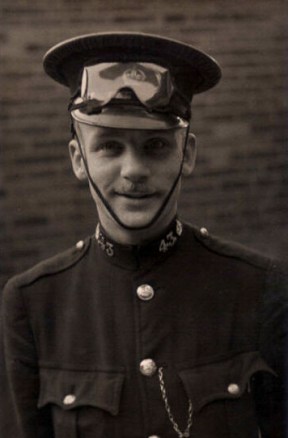 Born in the Lancashire weaving town of Nelson, Procter (left) joined the police force in nearby Halifax in 1927 and remained a serving officer until the success of his novels enabled him to write full time. In 1954 he published the first of a fifteen book series of police procedurals featuring Detective Inspector Harry Martineau. Martineau is a detective in the city of Granchester. Replace the ‘Gr’ with “M’ and you have the actual location pegged.
 tarling wastes no time in organising his next heist, and it is a daring cash grab. The victims are two hapless young clerks who work for city bookmaker Gus Hawkins. On their way to the bank with a satchel full of takings from Doncaster races, they are waylaid. Colin Lomax is coshed and left with a serious head injury but Cicely Wainwright fares even worse. Because the money bag is chained to her wrist, she is flung into the back of the getaway van and is killed by Starling as the gang make their escape over the moors to the east of the city. The bag is cut from Cicely’s wrist, and her body is dumped. Of course, this ups the stakes, much to the discomfort of Starling’s gang members, each of whom realises that they face the hangman’s noose if they are caught and convicted as accessories to murder. The hangman, by the way, is a well-known local resident:
 I was quickly hooked by this novel, for a variety of reasons. Anyone who has driven east out of Manchester in the direction of Sheffield (which makes a brief apparance as Hallam City) will recognise the changeless face of the moors, with their isolated pubs and gritstone houses clinging to the roadside. What has changed, however, is the view back towards Manchester. Where, in the early 1950s Martineau saw mill chimneys belching smoke, today we could probably, apart from the haze of vehicle emissions , see almost to the Irish Sea. We also know that Cicely Wainwright’s’s body would not be the last to be abandoned in the cottongrass, heather and bilberry of the Dark Peak.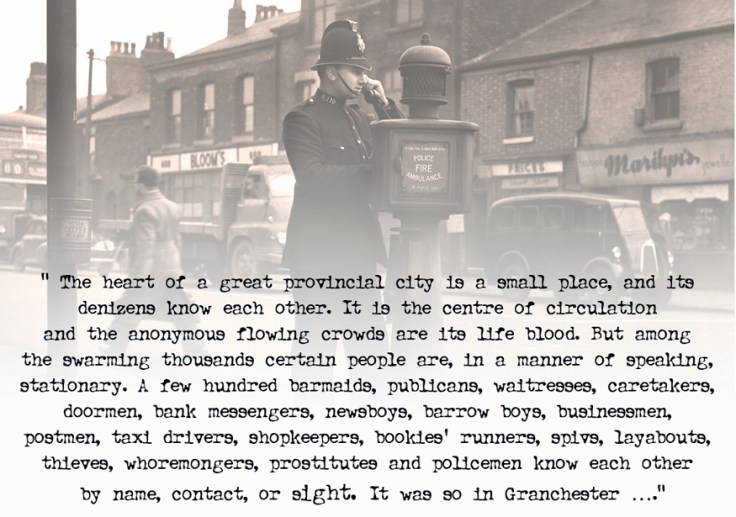


 n a fictional world overflowing with disfunctional detectives who happen to be rather good at their jobs, Joseph Knox has raised, or perhaps lowered, the bar considerably with his DC Aidan Waits. We first met Waits in
  Together with his grotesque partner and immediate boss, DI Peter Sutcliffe, Waits always gets the shitty end of the stick. ‘Sutty’ Sutcliffe is, you might say, a good old fashioned copper. Waits goes to meet him in a dingy rock-and-roll boozer:
 hy is Aidan Waits such a tortured character? Well, how long have you got? His childhood was loveless and chaotic, and spent largely in institutions where he rubbed shoulders with trainee failures, malcontents and killers. Echoing Nietzsche’s chilling remarks about the moral abyss, Waits has, more recently, gazed too long into a chasm inhabited by a repellent Manchester crime lord called Zane Carver. Carver has fed Waits’s drug habit, and the two have fought over women. Carver has a particular talent with women:
 Joseph Knox writes like an angel. Possibly an Angel of Death, but he grasps the spluttering torch of English Noir once carried by such writers as Derek Raymond, and runs with such vigour that the flame burns brightly once again. He is not without humour, and there are many – if unrepeatable – gags exchanged between the cynical cops and their low-life prey. The politically correct nature of modern policing doesn’t escape his attention, either:
 nox has his grim fun with a Manchester police force that is barely honest, city down-and-outs who have lost most of the trappings of humanity, and an infestation of tattooed, Spice-addicted thugs straight from Central Casting – with Hieronymus Bosch as the agency’s head of HR. He also leaves us with a delightfully enigmatic final few pages. The Sleepwalker is published by Doubleday and will be


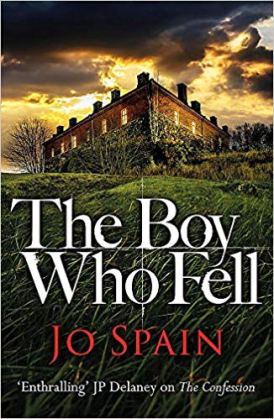 This is a chillingly clever whodunnit shot through with a caustic examination of life among the moneyed classes of contemporary Ireland, particularly Dublin’s nouveau riche and their over-indulged teenage children. Fans of Jo Spain’s DI Tom Reynolds will be overjoyed to see him return for his fifth case, and those who know the author only through her spellbinding standalone novels such as
  Jo Spain is the literary Diva of Deviousness, and while we learn early in the piece that Glenmore House has a bloody history, she waits for some while before reconnecting the earlier slaughter with the death of Luke Connolly. When she does – and Reynolds realises the connection a paragraph or three before we do – the investigation takes on a whole new slant.
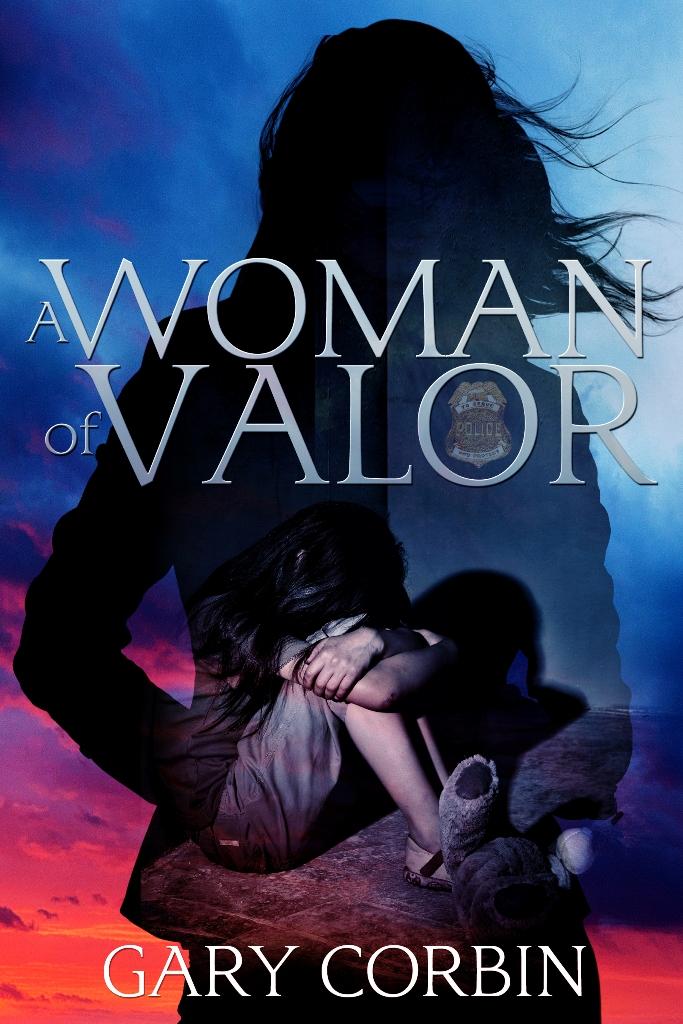

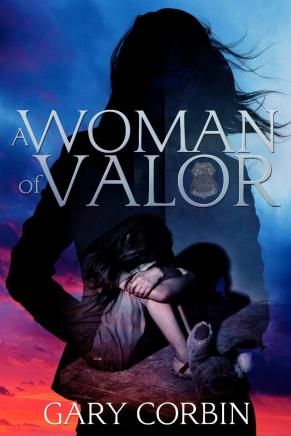 Okay, so this was the ePostman rather than the local Royal Mail employee, but US writer Gary Corbin has a new book out, and his stuff is always worth a mention.
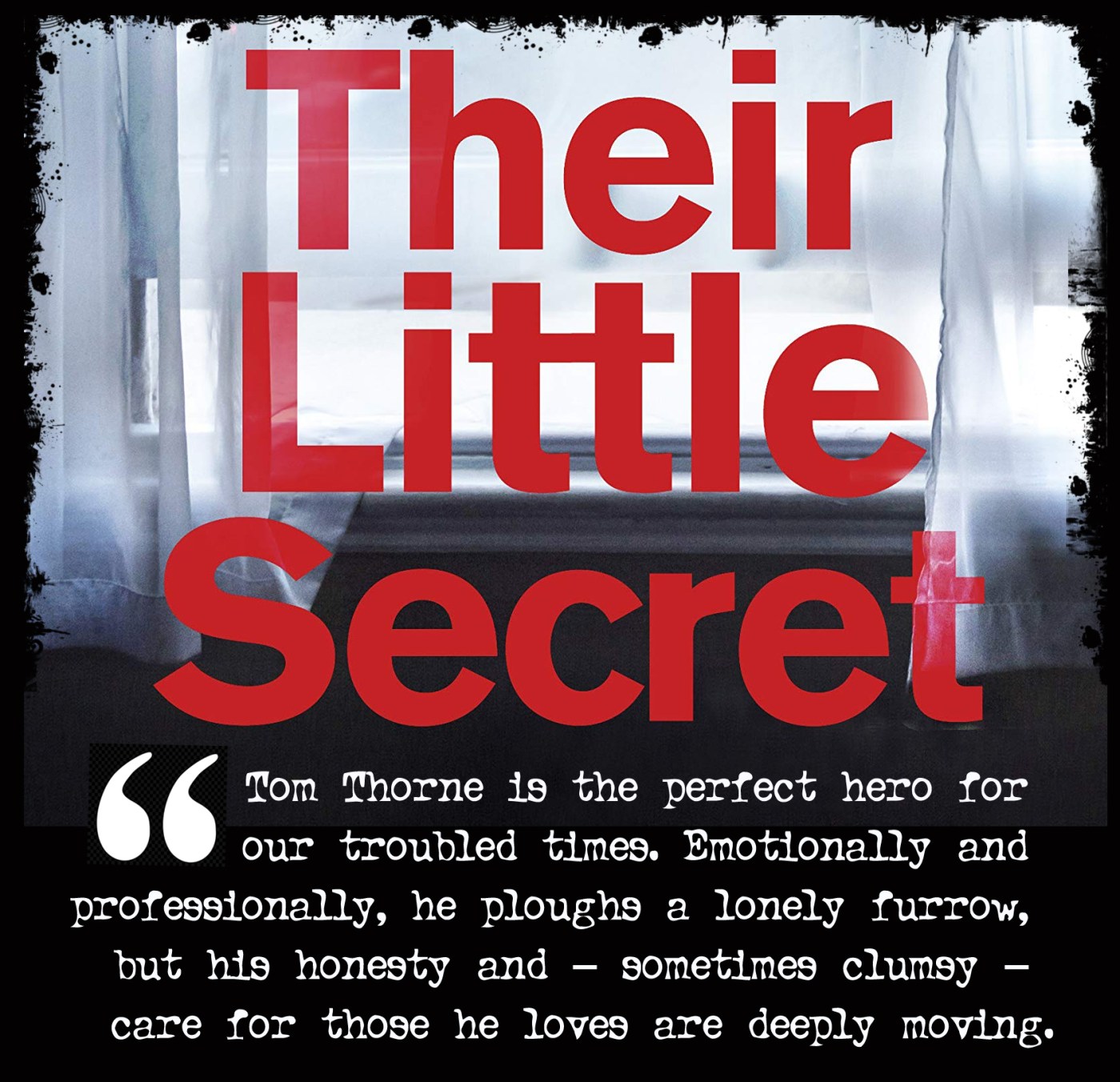

 London copper DI Tom Thorne has been entertaining us since his debut in Sleepyhead (2001). His creator, Mark Billingham, (left) has developed an enviably reliable repertory company of other players who share the stage with the main man. There is his best mate Phil Hendricks, a pathologist who, despite being gay, supporting Arsenal against Thorne’s beloved Spurs and having piercings in places where most folk don’t even have places, is the voice of sanity in Thorne’s often chaotic world. Thorne’s love interest (from whom he is currently living apart) is Helen, another police officer, but one who works in the traumatic world of child protection. Nicola Tanner is Thorne’s professional partner and they have history, but not one that either reflects on with much pleasure. Tanner’s partner Susan was brutally killed in a previous episode, and her death hangs over the pair like a pall.
 In an ostensibly unconnected narrative thread, Billingham introduces us to a Sarah, a vulnerable single mum who is anxious to gain the approval of other mums with whom she waits at the primary school gate twice each day. They seem confident, successful and financially comfortable. Sarah tries to join in with their daily sojourn at a pretentious ‘artisan’ coffee shop after the morning school run, but she still feels like the outsider. Her world is just herself and her son Jamie, and she struggles to compete with the gossip and banter that fly like sparks between Karen, Caroline, Savita and Heather. Until. Until the day when, sitting apart at her own table in HazBeanz, Sarah is chatted up by distinctly fanciable slightly older fellow. Almost instantly, Sarah finds the others anxious to swap phone numbers in return for daily updates about the new romance.


