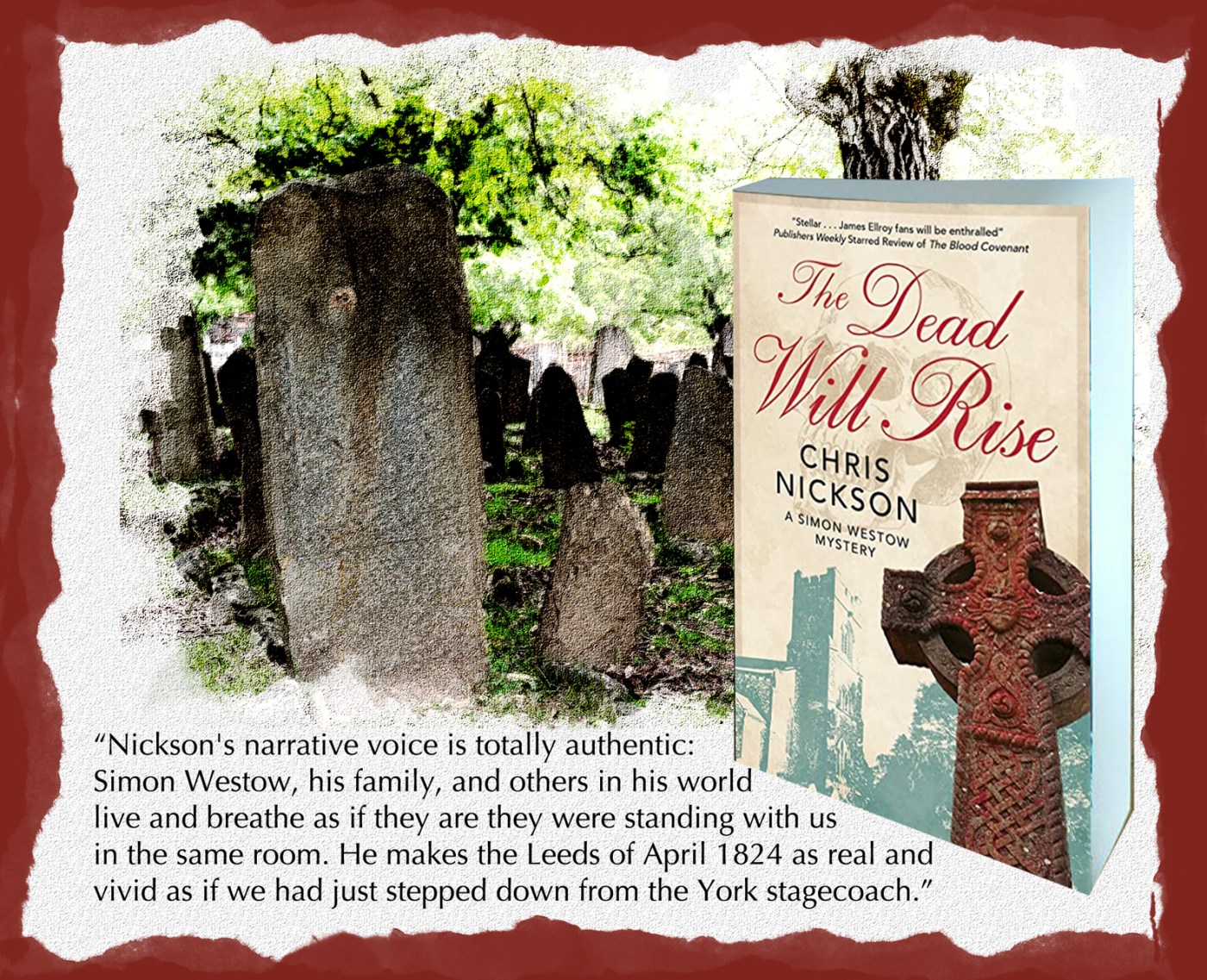

Chris Nickson is a former music journalist, and has rubbed shoulders with the Great and The Good across the history of rock music, but in these latter days he has earned a considerable reputation as a historical novelist. His books are mostly centred on Leeds, and they cover different historical periods from the 1730s to the 1950s. His latest book features Georgian thief-taker Simon Westow. Back then, there was no organised police force; the only legal officials were parish constables, who tended to be elderly, infirm and incompetent. Westow is more like the 20th century concept of a Private Eye; he recovers stolen property and catches criminals – for a fee.
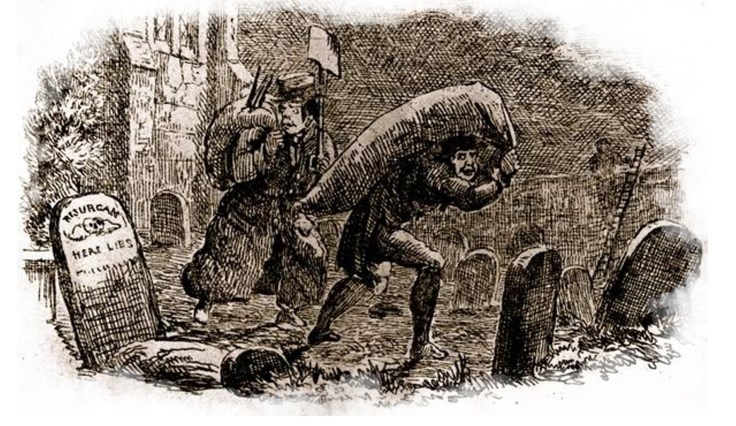
Here, he has an unusual assignment; Local factory boss Joseph Clark asks him to find the men who stole the buried corpse of Gwendolyn Jordan, the daughter of Harmony Jordan, one of his employees. The crime of body snatching is unique in that it involved acts of criminality carried out in the name – some might argue – of a greater good, that being anatomical and medical research. Westow wastes no time on moral philosophy, and with his assistant Jane he sets out to find the Resurrection Men.
Jane is, for me, the most compelling character in any of Nickson’s novels. Raped by her father, disowned by her mother, the teenager has made her living on the streets. Not in the conventional sense by selling her body, but by employing preternatural skills of awareness of danger, cunning and speed of thought; most fearsome of all is the fact that she will use her knife without a moment of compassion or hesitation. She is a stone-cold killer, as many men – now dead and buried – would testify, were they still able to.
Westow’s case load becomes more complex when he and Jane are summoned to the elegant mansion of the infamous Mrs Parker – infamous because she is renowned in Leeds for marrying a series of wealthy men, who then die, leaving her with an ever expanding fortune. Just for once, she has been bested. A lover has swindled her out of £50 – over £5000 in today’s money – and she wants recompense.
When the usually invulnerable Jane is bested by one of the thugs involved in the corpse trade, and is hurled from a bridge, she is lucky to escape with cuts and bruises. Her pride is hurt more, though, and she vows vengeance. Eventually the elusive Resurrection Men are tracked down, but Westow and his wife Rosie are convinced that there is one big player in the racket left to catch, and this leads to a thrilling – and unexpected – end to the case,
Nickson’s narrative voice is totally authentic: Simon Westow, his family, and others in his world live and breathe as if they are they were standing with us in the same room. He makes the Leeds of April 1824 as real and vivid as if we had just stepped down from the York stagecoach. The Dead Will Rise is published by Severn House and is out now.


 In far-off Norfolk, men repairing flood defences near Denver Sluice have discovered what appears to be the remains of a child inside the rotted skeleton of a boat. Hunt, accompanied by Colonel Michael Field, a grizzled veteran of Cromwell’s army, and Hooke’s niece, Grace. When the trio arrive in Norfolk, Hunt soon determines that the remains are not those of a child, but the mortal remains of Jeffrey Hudson, who was known as the Queen’s Dwarf – the Queen in question being the late Henrietta Maria (left), wife of Charles I. The situation becomes more bizarre when Hunt learns that Hudson is not dead, but living in the town of Oakham, 60 miles west across the Fens. Hunt and his companions’ journey only delivers up more mystery when they find that ‘Jeffrey Hudson’ has left the town. Hunt knows that the jolly boat* which contained the skeleton belonged to a French trader, Incasble, which worked out of King’s Lynn.
 Hunt’s odyssey continues. In King’s Lynn, Hunt and his companions are summoned to the presence of the Duchesse de Mazarin. Hortense Mancini is one of the most beautiful women in Europe. She is highly connected, but also notorious as one of Charles II’s (several) mistresses. She reveals that the mysterious dwarf – or his impersonator – may be in possession of a a legendary gemstone – the Sancy – a diamond of legendary worth, and the cause of centuries of intrigue and villainy. The Duchesse bids Harry to travel to Paris, but once there, his fortunes take a turn for the worse.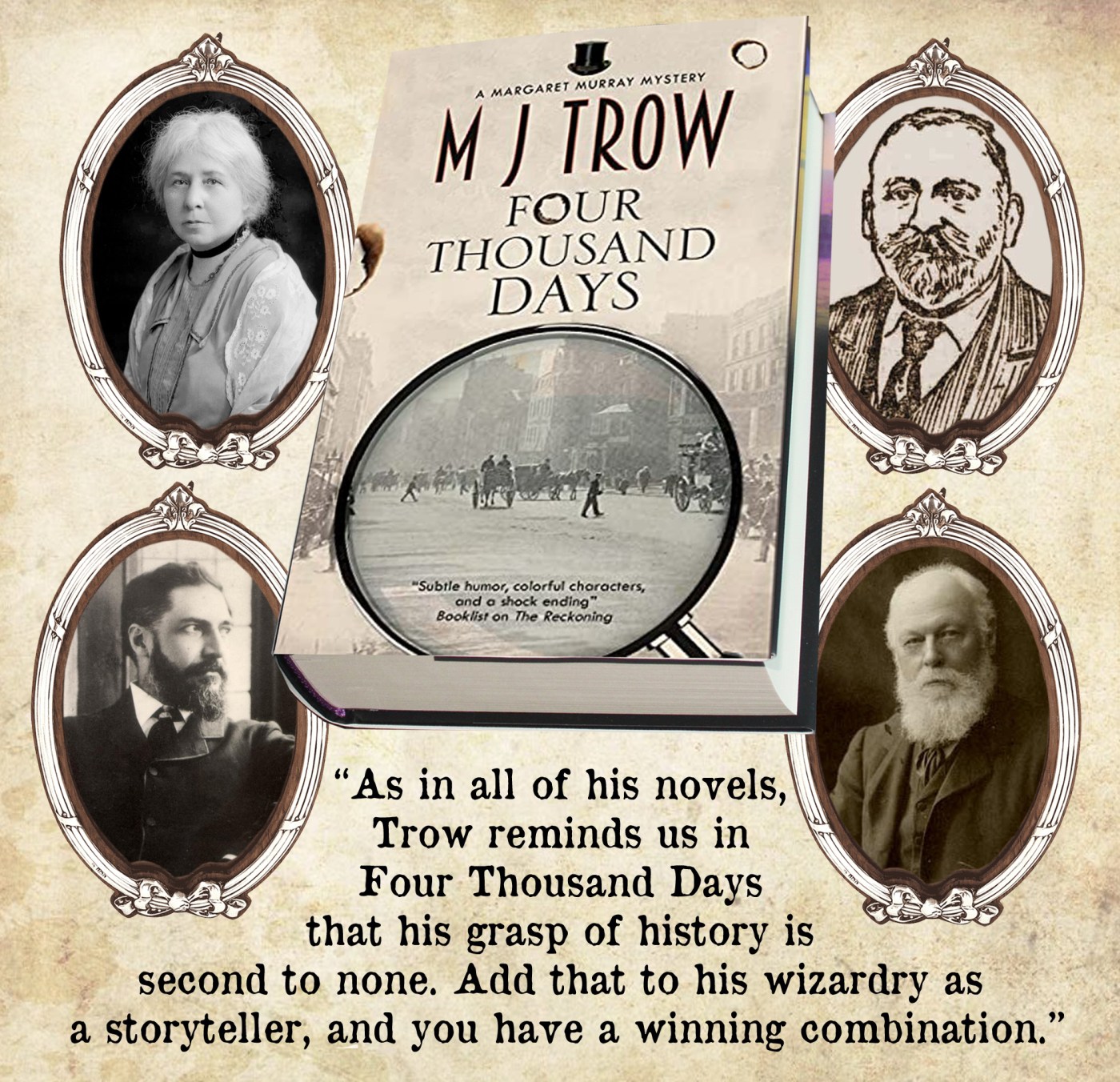






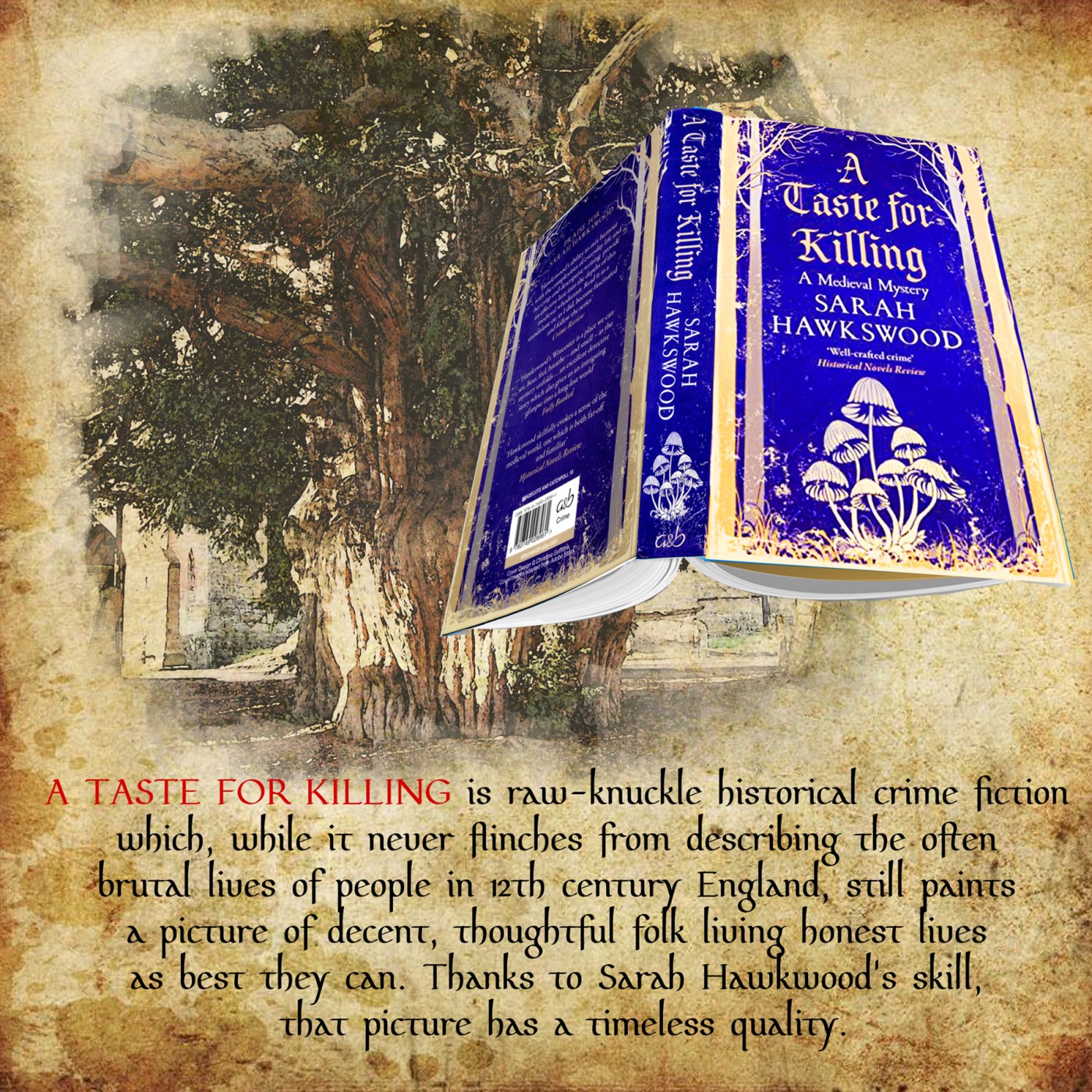

 Those of us who are lucky enough to be sent printed copies of novels for review almost certainly have “keepers” – books which don’t go off to friends, free libraries or charity shops once they are read. Looking across at my shelves, I see books by






 Jim Eldridge (left) and his aristocratic Detective Chief Inspector Edgar Saxe-Coburg are working their way around the best hotels in 1940s London, investigating murder We have had
  Lurking in the background of this tale is a man who is less than noble, but with more power than all the kings and queens sheltering in London’s best hotel suites. Henry ‘Hooky’ Morton is a London gangster who is building his empire on black market scams, the most profitable of which is his manipulation of the petrol market. We think of fuel supply – or lack of it – as a very modern problem, but in 1940, having fuel to put in your car was crucial to many organisations. Hooky Morton has a problem, though. Someone has infiltrated his gang, and is making him look stupid. Then, Hooky does something really, really stupid and, no nearer identifying the garotte killer or their motives, Saxe-Coburg becomes involved in investigating what is, for any copper, the worst crime of all.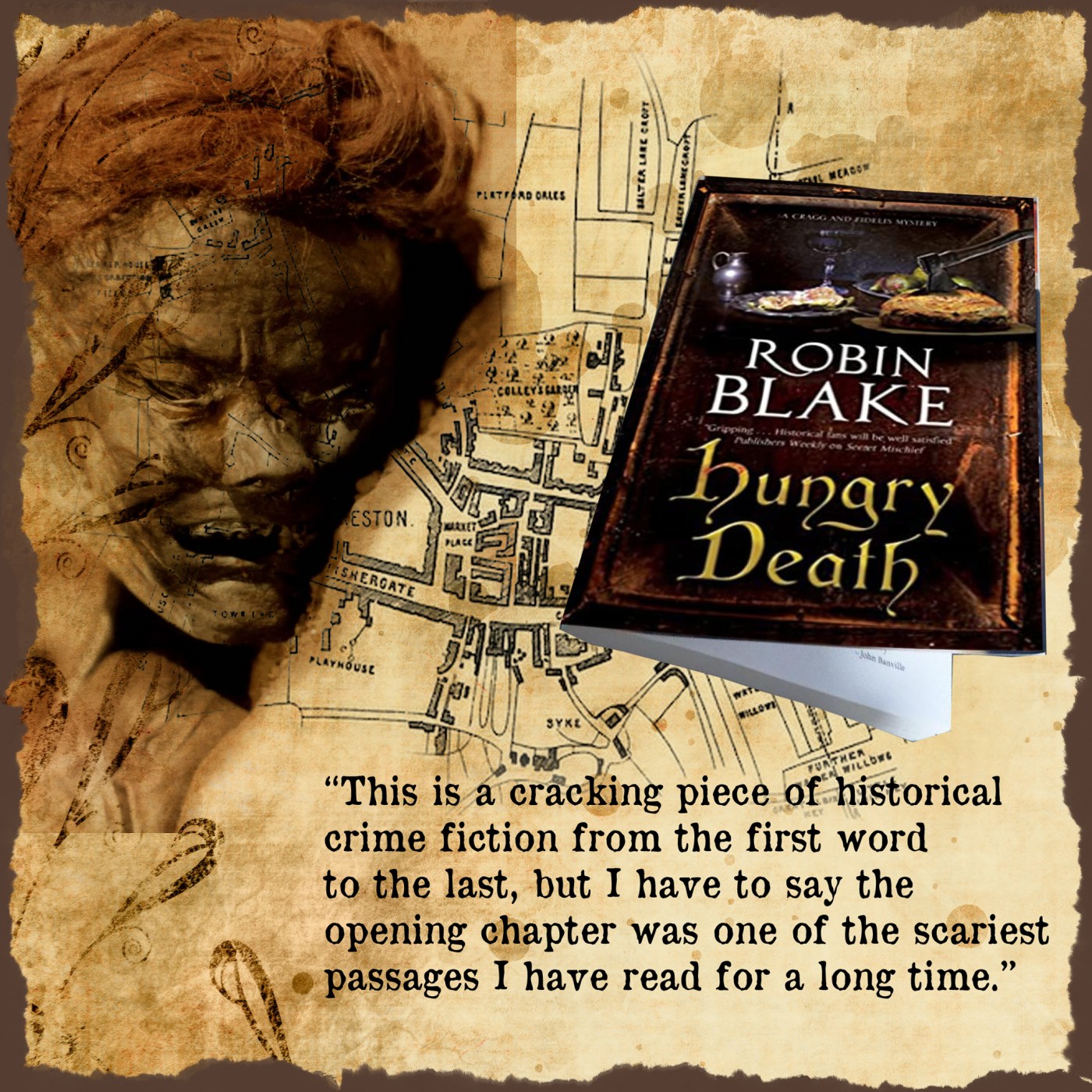

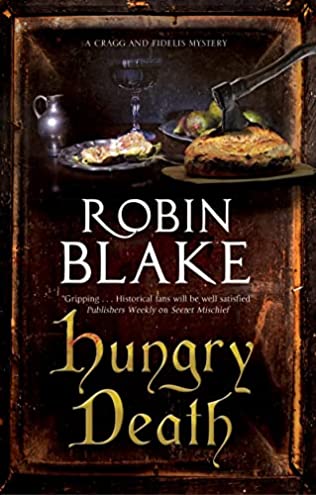 Cragg is instructed to ride out to a lonely moorland farmhouse, and what he finds surpasses any of the previous horrors his calling requires him to confront. He finds an entire family slaughtered, by whose hand he knows not, unless it was the husband of the house, himself hanging by a strap hooked over a beam. To add even more mystery to the grisly tableau, Cragg learns that the KIdd family were members of a bizarre dissenting cult which encourages its members into acts of brazen sexuality. Then, in a seemingly unconnected incident, the gardener at a nearby mansion, trying to improve the drainage under his hothouse, discovers another body. This corpse may have been in the ground for centuries, as it has been partly preserved by the peat in which it was buried. When Fidelis conducts an autopsy, however, he concludes that the body is that of a young woman, and was probably put in the ground within the last decade or so.



 fullybooked2017