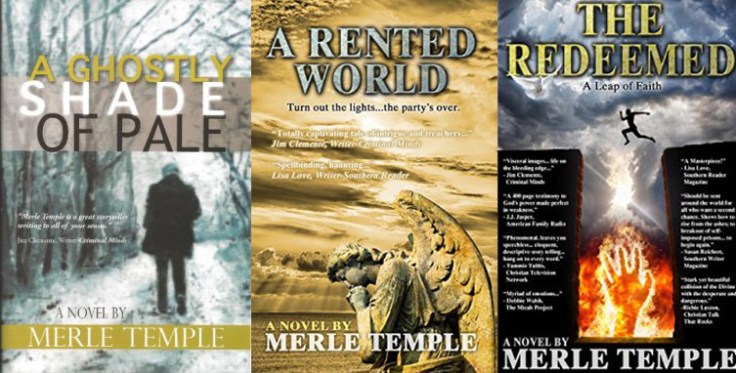
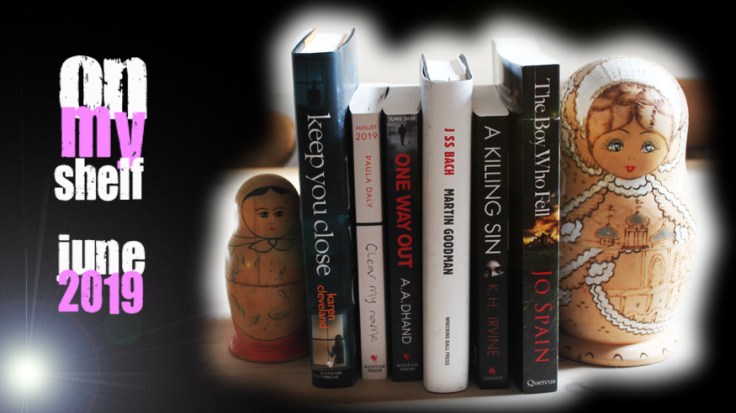
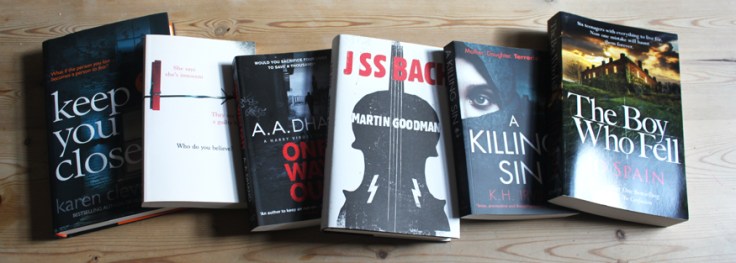
A MISCHIEVOUS BOOK PERSON on Twitter last week sought suggestions on trigger words in CriFi book titles which induce an automatic sinking feeling in the prospective reader. I weighed in with ‘Papers‘, ‘Code‘, ‘Conspiracy‘, ‘Legacy‘, ‘Ultimatum‘ and, worst of all, the one which will have me reaching for the nearest box set of DVDs or even checking out the backlog of Peppa Pig episodes I record for my granddaughter, the dreaded four-letter word ‘Girl‘. Happily, those fateful words are missing from a bumper crop of new books on my shelf.
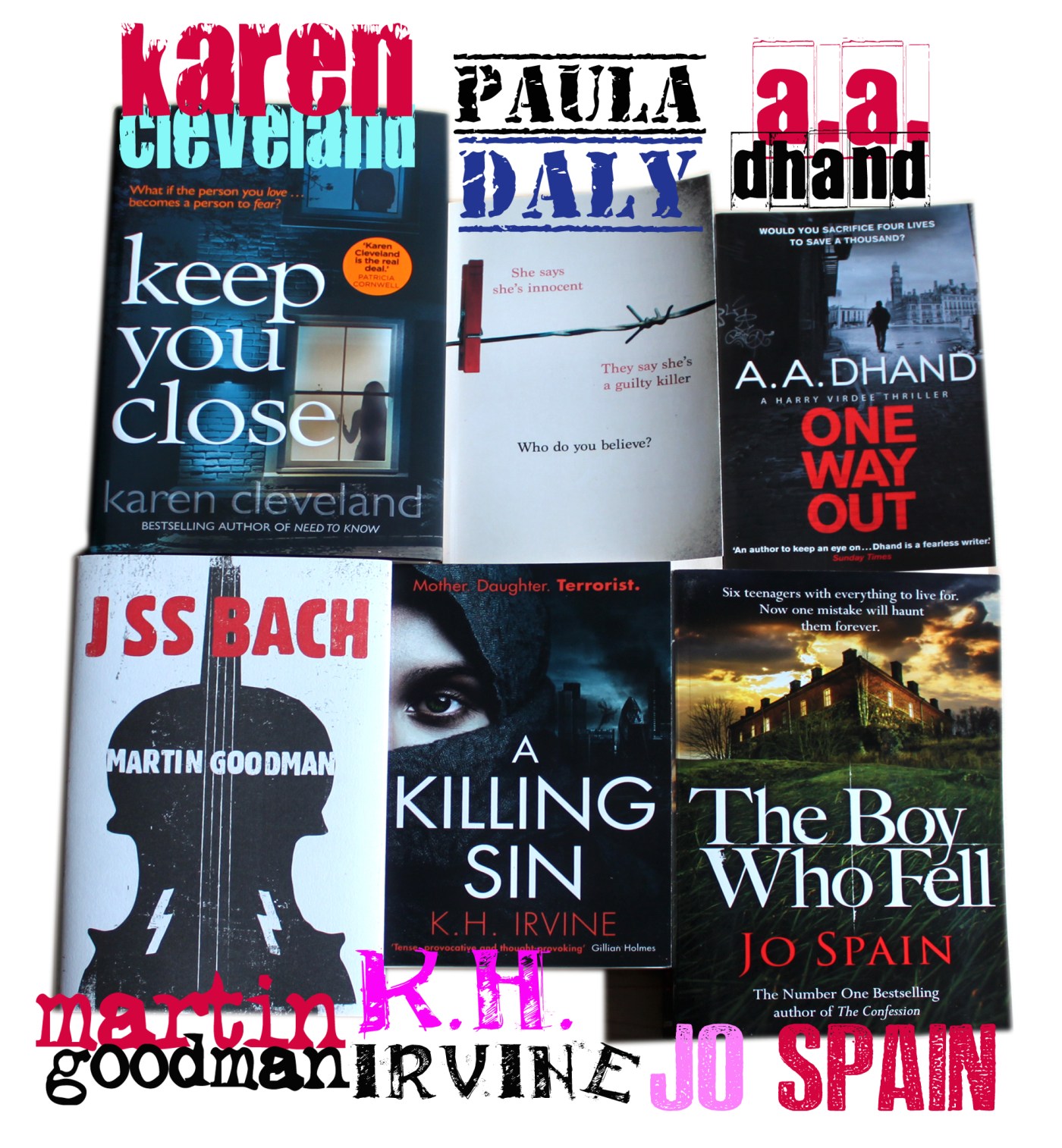
KEEP YOU CLOSE by Karen Cleveland
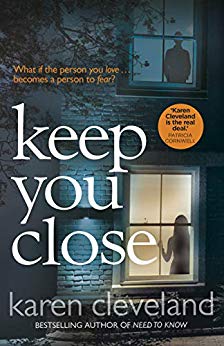 A writer who spent years working for the CIA and the FBI – as well as graduating from Trinity College Dublin and Harvard – is going to be an author to be reckoned with. Karen Cleveland’s 2018 best-seller Need To Know hit all the right buttons for readers who like psychological anxiety, tension and that delicious schadenfreude that washes over us when we watch someone’s domestic bliss unravel. Cleveland taps into her FBI background with her latest thriller, as FBI analyst Steph discovers something in her teenage son’s bedroom which turns her world on its head. This is out in Kindle on 13th June, in hardback on 27th of the month, and is published by Bantam Press.
CLEAR MY NAME by Paula Daly
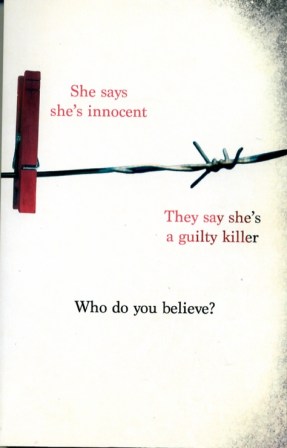 Carrie Kamara languishes in prison, sent down after an open-and-shut investigation and trial where she was convicted of murdering her husband’s mistress in a cold blooded attack fueled by humiliation and jealousy. The evidence? DNA. Conclusive, isn’t it? Or is it? Tess Gilroy is a tireless campaigner for Innocence UK, a charity which exists to overturn miscarriages of justice. When she takes on Carrie’s case she is initially swept along by her burning desire to establish the truth, but as she mines down into the detail of the case, she realises, to her horror, that she will be forced to confront some very uncomfortable issues of her own if she is to secure Carrie’s freedom. Again, this is from Bantam Press but you will have to wait until 8th August to get your hands on a copy.
ONE WAY OUT by AA Dhand
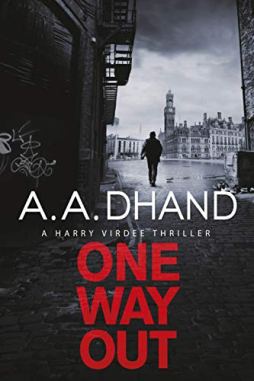 The issue of Muslims in Britain, and the extent to which they do – or don’t – integrate with mainstream non Islamic communities is a source of continuous political and social media debate where, as a rule, more heat than light is generated. Dhand has established his Bradford-based copper D.I. Harry Virdee with three previous novels, Streets of Darkness (2016), Girl Zero (2017) and City of Sinners (2018). Now, Virdee becomes personally involves in a campaign by an extreme right wing group who are targeting Muslims in the Yorkshire city of Bradford. The Patriots have one specified target, the leaders of a group of Islamic extremists known as Almukhtaroon. Virdee has to make decisions which threaten not only his own life, but the lives of his family – and the future well-being of thousands of fellow Bradford citizens. I promise I am not it the pay of Bantam Press, but this is one of theirs, too, and it will be available from 27th June.
J SS BACH by Martin Goodman
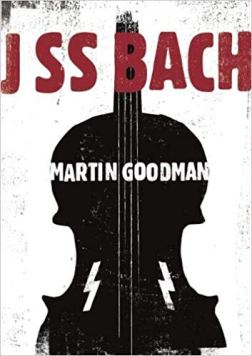 The author is a distinguished British academic who has written extensively on Roman and Jewish history. There are no Romans in his latest book – a work of fiction – but the fate of European Jews in the late 1930s is examined here in painful detail. Otto Schalmik and his family are dragged from their Vienna home and sent first to Dachau, and then to Birkenau. Due to his consummate skill as a cellist, and the intense love of Bach displayed by the camp commandant and his wife, Otto survives. Years later, when he is an internationally revered artist, his world and that of the commandant’s wife and granddaughter collide, with unexpected personal consequences. Published by Wrecking Ball Press, Martin Goodman’s novel is available now.
A KILLING SIN by KH Irvine
 Irvine’s novel, like One Way Out, visits the fraught and potentially explosive world of relations between British Muslims and their host country. Islam. Is it a religion? Certainly. Is it a race? Well. clearly not, as the faith bestrides many nationalities. Is Islam immune from criticism? Here lies the rub, explored in painful detail in this startling debut from an author who grew up in Scotland and now lives near London. The book was her 50th birthday gift to herself, believing you are never too old to try something new. Her day job has taken her to board rooms, universities and governments all over the world and has included up close and personal access to special forces. In A Killing Sin, three women from across the religious, political and racial divide in modern Britain find that their lives mesh together against the backdrop of a national political and social emergency. A Killing Sin will be published by Urbane Publications on 4th July.
THE BOY WHO FELL by Jo Spain
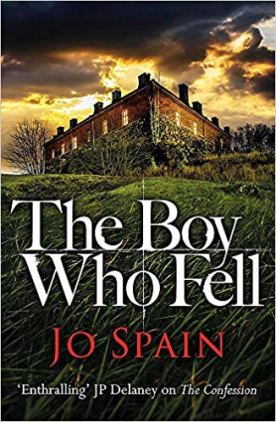 Jo Spain has a dazzling ability to write stand-alone crime novels which hit the spot every time, but she is also canny enough to know that most crime readers like a good series, and hers is right at the top of the ‘unmissable’ list of modern police procedurals. In his latest case, Dublin copper Tom Reynolds has just been promoted, but he is asked to take an interest in an uncomfortable case which is well below his new pay grade. A teenager appears to have been pushed to his death from the window of an abandoned house. The case has extra spice because the house was the scene of a savage domestic murder years earlier and the dead boy is judged by the pathologist to have been the victim of a homosexual rape shortly before his death. Reynolds takes on the case as a favour to a fellow Garda Síochána officer who is related to the mixed race teenager suspected of the rape and murder. Quercus will be publishing this latest episode in the casebook of Tom Reynolds on 27th June. For more on Jo Spain and to discover why I am a huge fan of her writing, click this link.


 It is 1965 and we are basking in the slightly faded grandeur of Brighton, on the south coast of England. The town has never quite recovered from its association, more than a century earlier, with the bloated decadence of The Prince Regent, and it shrugs its shoulders at the more recent notoriety bestowed by a certain crime novel brought to life on the big screen in 1947. Brighton has its present-day misdeeds too, and who better to write about it than the intrepid crime reporter for the Evening Chronicle, Colin Crampton?
 rampton is an enterprising and thoroughly likeable fellow, with a rather nice sports car and an even nicer girlfriend, in the very pleasing shape of Australian lass Shirley Goldsmith. Crampton is summoned to the office of his deputy editor Frank Figgis and, barely discernible amid the wreaths of smoke from his Woodbines, Figgis’s face is creased by more worry lines than usual. His problem? The Chronicle’s drama correspondent, Sidney Pinker, has been served with a libel writ for savaging, in print, a local theatrical agent called Daniel Bernstein.
 inker, by the way, is very much in the John Inman school of caricature luvvies, so those with an over-sensitive approach had better look away now. His pale green shirts, flowery cravats and patronage of certain Brighton nightspots are pure (politically incorrect) comedy.
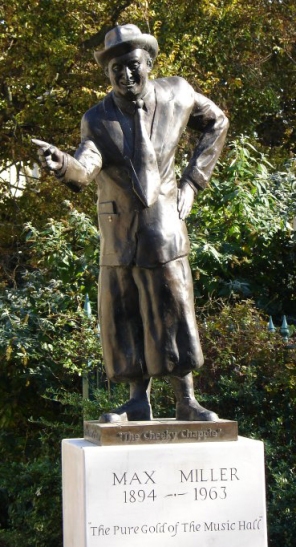 Bernstein’s murder is seen as very much open-and-shut by the Brighton coppers, but Crampton does not believe that Pinker has the mettle to commit physical violence. Instead, his investigation takes him into the rather sad world of stand-up comedians. Today, our stand-up gagsters can become millionaire celebrities, but back in 1965, the old style joke tellers with their catchphrases and patter were becoming a thing of the past, as TV satire was breaking new ground and reaching new audiences. Crampton believes that the murder of Bernstein is connected to the agent’s former association with Max Miller and, crucially, the possession of Miller’s fabled Blue Book, said to contain all of The Cheeky Chappy’s best material – and a few jokes considered too rude for polite company.
 here have been occasions – and I am not alone – when I have used the term cosy in a book review, meaning no ill-will by it, but perhaps suggesting a certain lack of seriousness or an avoidance of the grim details of crime. Are the Colin Crampton books cosy? Perhaps.You will search in vain for explorations of the dark corners of the human psyche, any traces of bitterness or the consuming powers of grief and anger. What you will find is humour, clever plotting, a warm sense of nostalgia and – above all – an abundance of charm. A dictionary defines that word as “the power or quality of delighting, attracting, or fascinating others.” Remember, though, that the word has another meaning, that of an apparently insignificant trinket, but one which brings the wearer a sense of well-being and even, perhaps, the power to produce something magical.


 ver the years, missing persons investigator David Raker has, courtesy of his creator Tim Weaver, solved some perplexing cases. There was the man who disappeared into the bowels of London’s underground railway system, the amnesiac who was found on a deserted south coast shingle beach, the straight ‘A’ student with the secret life who just vanishes and, memorably, the time his dead wife walked into a London police station and back into his life. Raker tends to be looking for troubled individuals, as in just the one person. But this time it’s different.
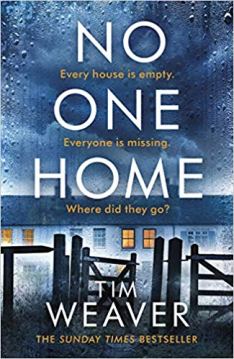 A whole village has disappeared. OK, let’s put that into context. The village is the isolated moorland community of Black Gale, and it consists of a farm and three expensive and fairly recent houses arrayed in a semi-circle around the older building. Black Gale. Population, nine souls. And on Halloween, two years since, they vanished. Into thin air. Like Prospero’s insubstantial pageant, the four families have left not a rack behind.
 aker has problems of his own, principally in the shape of his long time friend, former police officer Colm Healy. Healy featured in the very first Raker mystery Vanished (2012) and his misfortunes have been ever present over the series (No One Home is the 10th book). Healy is officially dead – and buried, He has a gravestone to prove it, but for a variety of reasons the former copper now exists under a variety of aliases, under the protection of David Raker. A persistent and intrusive journalist wants to write Raker’s life story, but also suspects the truth about Healey, and uses his knowledge in an attempt to force Raker to co-operate. Keeping the hack at bay – just – Raker begins to unpick the mystery of Black Gale.
 ans of the series will know that Tim Weaver doesn’t like Raker’s cases to be geographically confined, and so it is that the Black Gale conundrum is linked with a grisly unsolved murder in a flyblown California motel decades earlier. I say “unsolved”. The local Sheriff’s Department think the case is a wrap. They have a vic and a perp and have moved on to other things. Detective Joline Kader, however, has other ideas. She is unconvinced that the body lying face down in a bathtub of muriatic acid is simply the victim of a drug deal gone wrong, and the case stays with her over the years, right through her police career and her subsequent vocation as a college lecturer. Right up until the moment where her old obsession collides with David Raker’s fatal unpicking of a very clever and murderous conspiracy.
 No One Home is a brilliant thriller. It runs to over 500 pages, with not a single one wasted. The action is constant and the plot spins about all over the place, so you will need to be on your mettle to keep track of what is going on. Tim Weaver (right) has never been shy of creating apparently improbable conundrums for Raker to solve, and this is no exception. Suspend your disbelief for a few hours and go with the flow. I read it in three intense sessions and although I don’t use “Wow!” in normal speech, it certainly applies here. No One Home is published by Penguin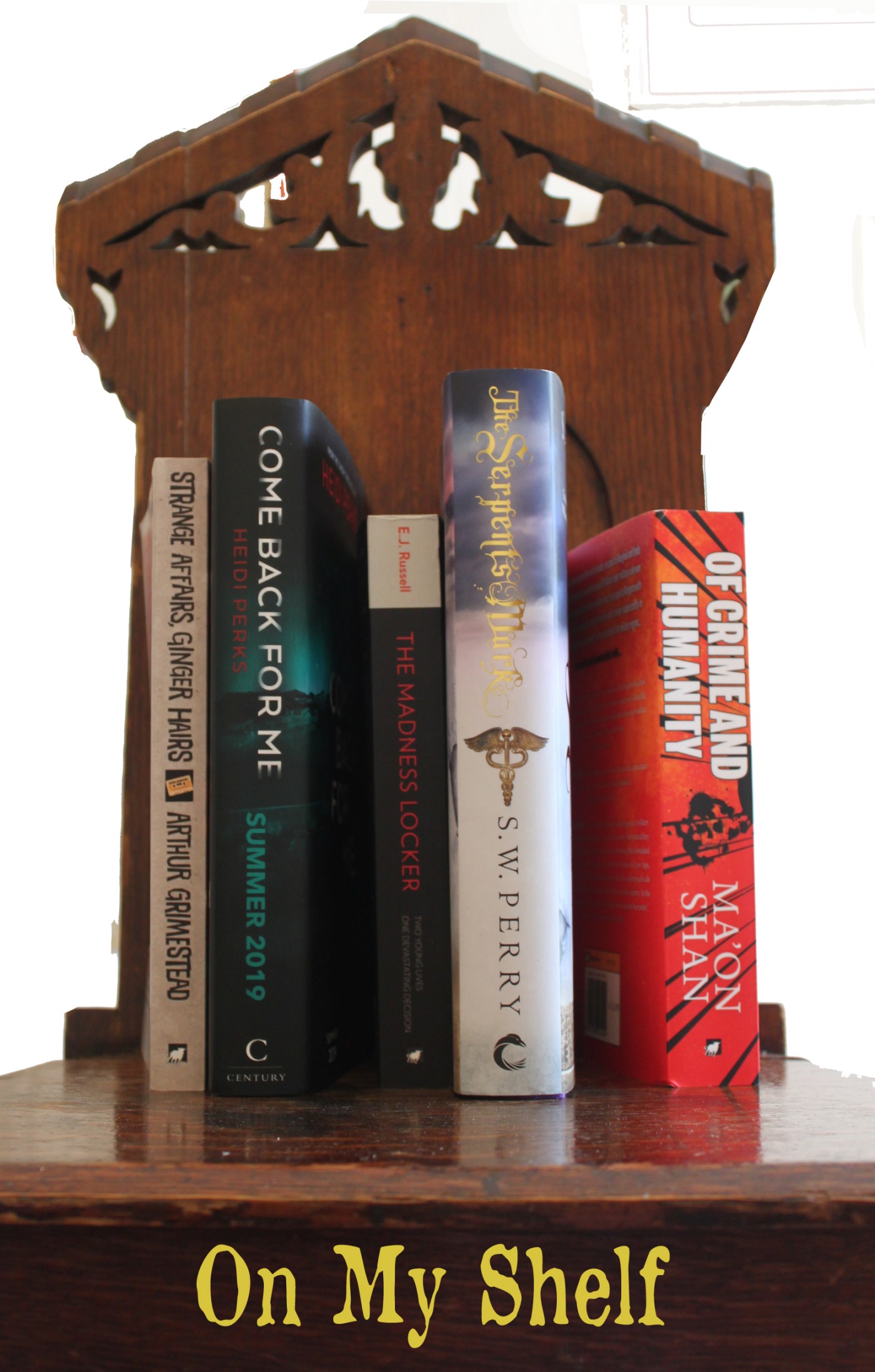
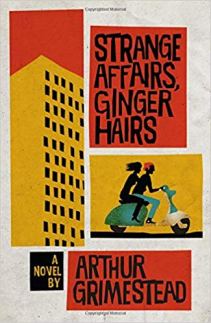 Currently lengths ahead in the Strangest Title of The Year contest, this novel is by an author who describes it, “Like the King James Bible, Strange Affairs, Ginger Hairs is a wedge of enthralling made up shit.” Set in 1990s Hull, it is the tale of an apparently mediocre northern city and an equally mediocre teenage resident, the titular Ginger, whose escape from mundanity, like that of Bilbo Baggins, is afforded by possession of a gold ring. Ginger’s ring, however, doesn’t draw him into an epic battle with Sauron and his Orcs. Rather closer to home, Ginger’s enemies are some of the meanest and most violent men Humberside has to offer. Arthur Grimestead’s novel is published by Matador and
 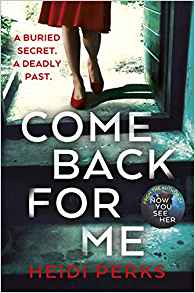 Perks is the best-selling author of Now You See Her (2018) and she follows her debut with this chilling mystery set on an island off the Dorset coast of southern England. Islands and their inhabitants tend to be, well, insular, and prone to strange happenings and dark secrets. Stella Harvey was brought up on Evergreen Island. Her family fled that home a quarter of a century ago, but when a body – long dead – is discovered in the garden of the family home, Stella is compelled to return and solve the grisly mystery. The warm and fondly remembered island atmosphere of her childhood is, however, just that, and she finds that her youthful illusions are shattered by a grim and uncompromising present.
 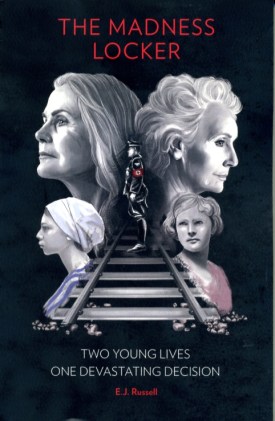 First off, it appears that EJ Russell is no relation to the EJ Russell who writes paranormal romances. This author appears to be a chap, his book is set in Australia, and is as far away from a romance as could be imagined. The story begins with the oft-told but ever horrific account of the Nazi’s attempt to cleanse their Thousand Year Reich of all undesirables, whether they be Jews, the disabled, homosexuals , Roma or those considered as of no worth to the state. A young girl survives Auschwitz – unlike her parents – but decades later seeks to avenge herself on the person she considers individually responsible for her harrowing journey into the jaws of death. Her search takes her to Australia where, in the late 1980s, the body of a widow was found dumped in a wheelie bin. Now, the police have consigned the death to their cold case files, but does the murder hold the key which will unlock Ruth’s search for the truth?
 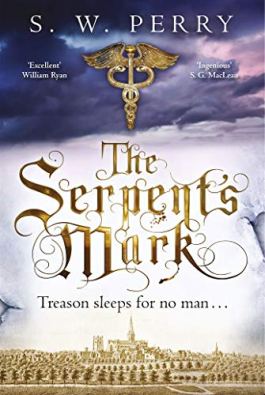 English politics? I write this at a time when the height of public disapproval seems to be typified by throwing eggs or milkshakes over people with apparently disagreeable views. Things were a little more harsh in 1591, however, and in the days of Good Queen Bess, a ‘wrong’ view was likely to result in a spell in The Tower, an unpleasant encounter in a torturer’s workshop or a sword thrust through your vitals. SW Perry returns to the turbulent London of heretics, Catholics, plotters and assorted Thames-side lowlife that he had such success with in The Angel’s Mark (2018), of which one reviewer wrote, “Wonderful! Beautiful writing, and Perry’s Elizabethan London is so skilfully evoked, so real that one can almost smell it”. Perry’s new book, once again features physician and reluctant spy Nicholas Shelby, and the all-too-real figure of the Queen’s devious spymaster Robert Cecil. The Serpent’s Mark is published by Corvus and
  The profile of the Burmese politician Aung San Suu Kyi has taken something of a battering in recent times. From the being the tiny but graceful lady with a will of iron, heroine to all seekers of democracy, her ambivalence over the mistreatment of the Rohinga people has caused some commentators to tone down their eulogies. This book, however, puts ‘The Lady’ back in the context of the Myanmar freedom struggle, and is viewed through the eyes of a young girl who, through no wish of her own, is thrust into the bloody and violent guerilla battle against a brutal military dictatorship. ‘The Lady’ herself, under house arrest, is just too much of a worldwide public figure for the Myanmar generals to do away with, while far away in the jungle, her adherents brutalise others – and themselves – in search of a notional freedom. Ma’on Shan’s novel is
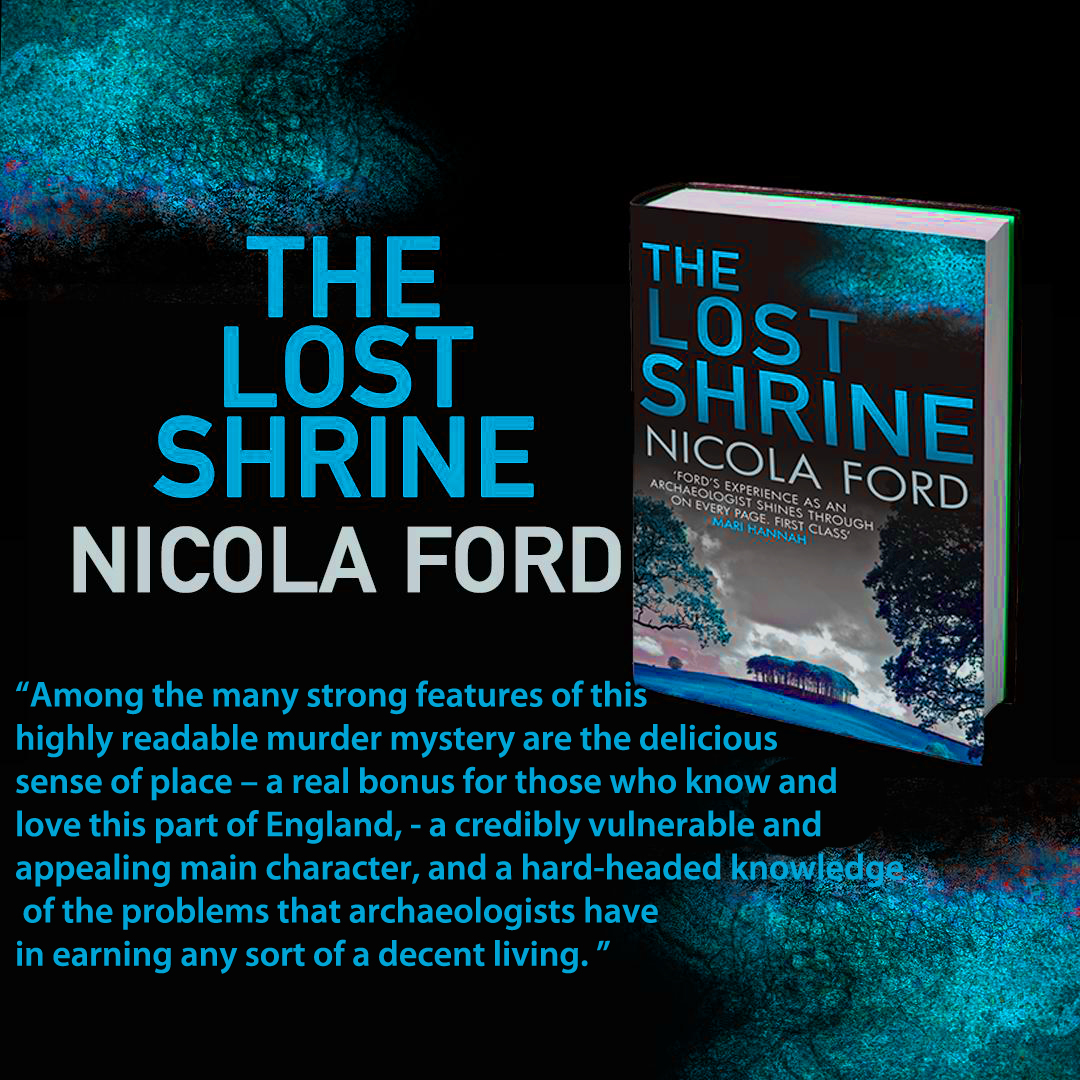

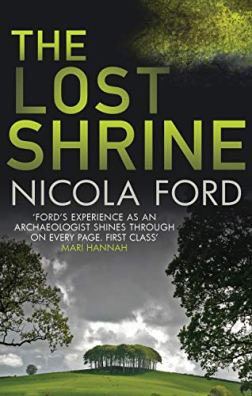 On a lonely and ancient hill in south western England, a group of amiable but earnest hippy cranks prepare to celebrate a pagan festival. What their leader finds when he climbs the hill to consummate the ritual sends him reeling and retching to his knees. There, strung up from the trees is a grisly collection of local wildlife, butchered and bloody. That is bad enough, but the centrepiece of this obscene display is – or was – human.
 ore corpses – both ancient and modern – are discovered, while Clare Hills is run ragged by a combination of unsettling discoveries about her late husband’s business affairs, and a bizarre conspiracy centred on the site, involving the dark and devious word of online antiquity sales.

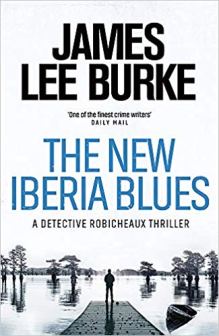 To be blunt, JLB is getting on a bit, and one wonders how long he can carry on writing such brilliant books. In the last few novels featuring the ageing New Iberia cop, there has been a definite autumnal feel, and The New Iberia Blues is no exception. Like his creator, Dave Robicheaux is not a young man, but boy, is he ever raging against the dying of the light.
 series of apparently ritualised killings baffles the police department, beginning with a young woman strapped to a wooden cross and set adrift in the ocean. This death is just the beginning, and Robicheaux – aided, inevitably, by the elemental force that is Cletus Purcel – struggles to find the killer as the manner of the subsequent deaths exceeds abbatoir levels of brutality. There is no shortage of suspects. A driven movie director deeply in hock to criminal backers, a preening and narcissistic former mercenary, a religious crazy man on the run from Death Row – you pays your money and you takes your choice. We even have the return of the bizarre and deranged contract killer known as Smiley – surely one of the most sinister and damaged killers in all crime fiction. Smiley is described as looking like a shapeless white caterpillar. Horrifically abused as a child, he is happiest when buying ice-creams for children – or killing bad people with Dranol or incinerating them with a flame thrower. Even Robicheaux’s new police partner, the fragrantly named Bailey Ribbons is not beyond suspicion.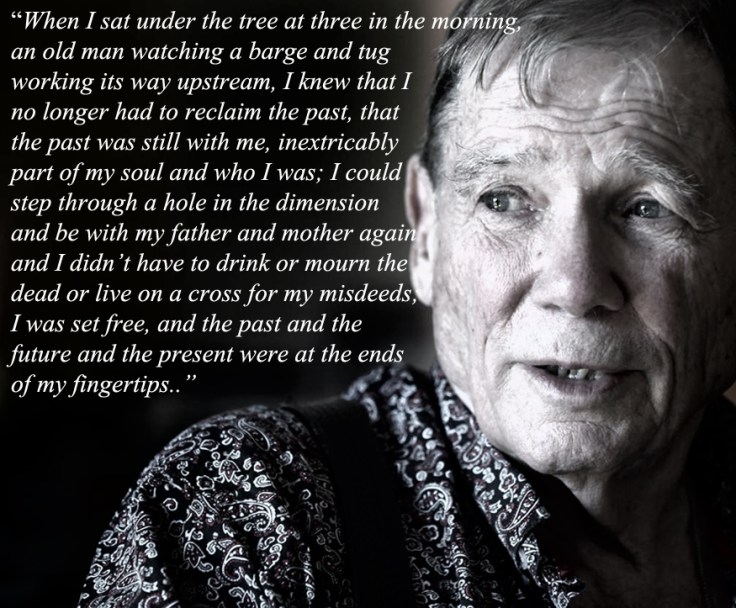
 ith writing that is as potent and smoulderingly memorable as Burke’s, the plot is almost irrelevant, but in between heartbreakingly beautiful descriptions of the dawn rising over Bayou Teche, visceral anger at the damage the oil industry has done to a once-idyllic coast, and jaw-dropping portraits of evil men, Robicheaux patiently and doggedly pursues the killer, and we have a blinding finale which takes The Bobbsey Twins back to their intensely terrified – and terrifying – encounters in the jungles of Indo China.

 Greg Iles was born in Stuttgart where his father ran the US Embassy medical clinic. When the family returned to the States they settled in Natchez, Mississippi. While studying at the University of Mississippi in Oxford, Iles stayed in a cottage where Caroline ‘Callie’ Barr Clark once lived. Callie was William Faulkner’s ‘Mammy Callie’ and different versions of her appear in several of Faulkner’s books. Iles began writing novels in 1993, with a historical saga about the enigmatic Nazi Rudolf Hess, and has written many stand-alone thrillers, but it is his epic trilogy of novels set in Natchez which, in my view, set him apart from anyone else who has ever written in the Southern Noir genre.

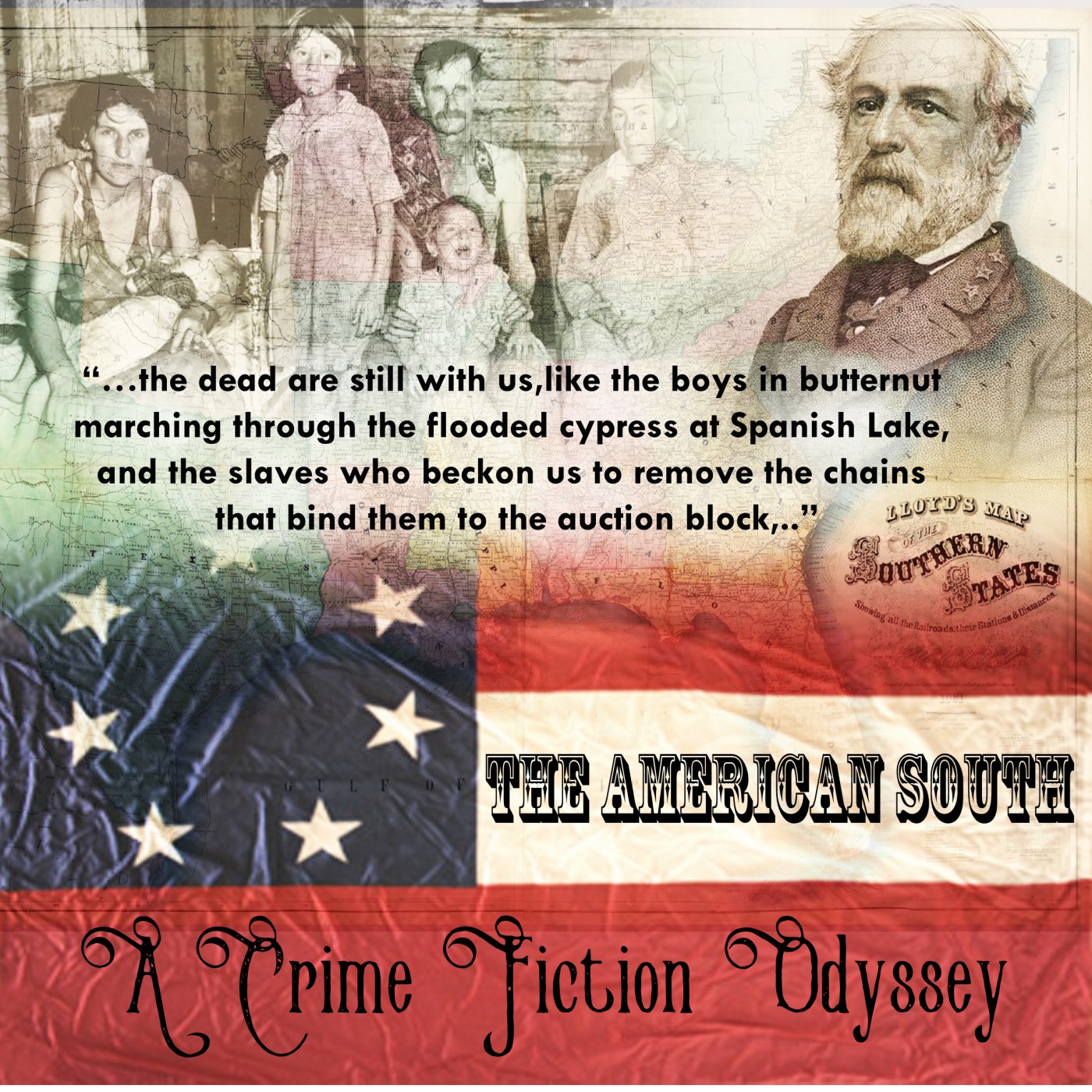
 o why are the books so good? Penn Cage is a brilliant central character and, of course, he is politically, morally and socially ‘a good man’. His personal tragedies evoke sympathy, but also provide impetus for the things he says and does. Some might criticise the lack of nuance in the novels; there is no moral ambiguity – characters are either venomous white racists or altruistic liberals. Maybe the real South isn’t that simple; perhaps there are white communities who are blameless and tolerant and shrink in revulsion from dark deeds committed by fearsome ex-military psychopaths who seek to restore a natural order that died a century earlier.

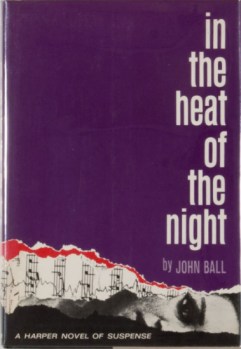 Black characters are almost always good cops or PIs themselves, like Virgil Tibbs in John Ball’s In The Heat of The Night (1965), or they are victims of white oppression. In the latter case there is often a white person, educated and liberal in outlook, (prototype Atticus Finch, obviously) who will go to war on their behalf. Sometimes the black character is on the side of the good guys, but intimidating enough not to need help from their white associate. John Connolly’s Charlie Parker books are mostly set in the northern states, but Parker’s dangerous black buddy Louis is at his devastating best in The White Road (2002) where Parker, Louis and Angel are in South Carolina working on the case of a young black man accused of raping and killing his white girlfriend.
 hosts, either imagined or real, are never far from Charlie Parker, but another fictional cop has more than his fair share of phantoms. James Lee Burke’s Dave Robicheaux frequently goes out to bat for black people in and around New Iberia, Louisiana. Robicheaux’s ghosts are, even when he is sober, usually that of Confederate soldiers who haunt his neighbourhood swamps and bayous. I find this an interesting slant because where John Connolly’s Louis will wreak havoc on a person who happens to have the temerity to sport a Confederate pennant on his car aerial, Robicheaux’s relationship with his CSA spectres is much more subtle.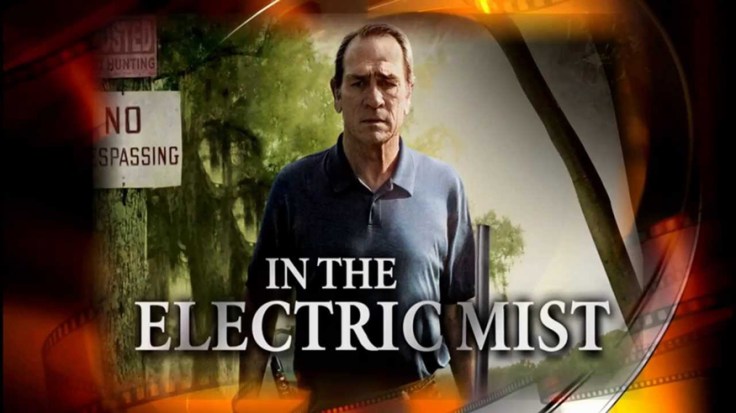
 urke’s Louisiana is both intensely poetic and deeply political. In Robicheaux: You Know My Name he writes:
 Elsewhere his rage at his own government’s insipid reaction to the devastation of Hurricane Katrina rivals his fury at generations of white people who have bled the life and soul out of the black and Creole population of the Louisian/Texas coastal regions. Sometimes the music he hears is literal, like in Jolie Blon’s Bounce (2002), but at other times it is sombre requiem that only he can hear: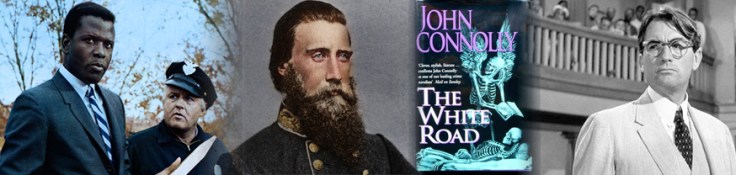

 thrown off the land due to debt. The rich seam of dirt poor and embittered whites who turn to crime in their anger and resentment has been very successfully mined by novelists. Add a touch of fundamentalist Christianity into the pot and we have a truly toxic stew, such as in Wiley Cash’s brilliant
  Her best known novel,