Here’s a quiz to test how much you know about the great consulting Detective and all things associated with him and his creator. Click the image below to make a start.


Here’s a quiz to test how much you know about the great consulting Detective and all things associated with him and his creator. Click the image below to make a start.

Some critics have compared Anthony Rhodes (1916-2004) with his more illustrious near contemporary, Evelyn Waugh. They were both Roman Catholics, although Rhodes converted late in life. Both wrote novels, biographies and travel books. Both – and this is most relevant here – wrote fictionalised accounts of their service in WW2. Waugh’s Sword of Honour trilogy – Men at Arms, Officers and Gentlemen & Unconditional Surrender – was a much more substantial achievement, but both wrote from the view of public school educated men who had gone on to higher education, in Waugh’s case Oxford, and in Rhodes’s case Royal Military College Sandhurst. The latter, of course, makes Rhodes a professional soldier, but they both wrote with a certain sardonic detachment about the war and the soldiers who served in it.
Sword of Bone begins in the early autumn of 1939 when Rhodes becomes a liaison officer for his army division. He is a gifted linguist, and he is a member of the advance party sent to France. They assemble in Southampton, then:
“At three o’clock that afternoon we embarked on a miserable grimy little cross-channel boat called The Duchess of Atholl, which had been painted a dirty grey and which, except for what appeared to be an inexplicable pair of blue knickers drying on the bridge, had little enough connection with her eponymous aristocrat.”
 His party work their way at a leisurely pace from Brittany up to the grim and grey slag heaps and factory chimneys in the region of Lille, Lens and La Bassée. His role eventually settles into that of commissioning supplies of engineering materials – principally those needed to meet a sudden demand for concrete pill boxes.
It is worth spelling out at this stage what exactly was going on in the war in Western Europe. On 3rd September 1939, Britain and France declared war on Germany as a result of Hitler’s invasion of Poland. All through that autumn, until the winter became spring, there was little or no military action on the ground. In December, British warships had engaged the German Battleship Graf von Spee, and forced it to seek refuge in the neutral port of Montivideo, where it was eventually scuttled. Back in France, the French had the largest army in Europe, the best tanks, and were convinced that the complex of fortifications known as The Maginot Line made its eastern border with Germany impregnable.
Not so secure, as Rhodes finds when he is billeted near Lille, is the border with Belgium – little more than a few strands of barbed wire and sentry boxes manned by a handful of bored soldiers. The first half of the book is a series of entertaining encounters with village Mayors, profiteering restaurateurs, blimpish Colonels and the complex hierarchies that exist between different parts of the British Army. In Rhodes’s entourage are other officers, of contrasting temperament and character. There is Stimpson, intellectual, effete, almost, and politically rather ‘unsound’.
“When the last politician has been strangled with the entrails of the last general, then, and only then, shall we have peace“, he says one evening in the Mess.
The Padre is emphatically different. He is “a man whose views on the treatment of Indians did more credit to Kipling than to his cloth.“
Rhodes catches sight of his first German (through binoculars) when he and other officers visit a Maginot fort near Veckering, in the Moselle region. Rhodes’s Major wants action:
“Quick, ” said Major Cairns, turning to a Guardsman with a rifle, “Pick him off. Quickly, man.”
“Please, ” said the subaltern, without moving, “do no such thing. Our business is to obtain information. We want prisoners, not dead men. Besides, if we fire from here, it will only give our own position away. I am afraid I must ask you not to think of firing, sir. It will only mean an immediate reply from the Boche with mortar fire.”
Major Cairns sadly put down the rifle which he had taken from the Guardsman, and we all stood by the trees looking out over the valley.”
Of course, the fun has to end sometime, and after a foray into Norway, Hitler’s forces invade Holland Belgium and France on 10th May. The citizens of Louvain and Brussels, remembering the heroics of two decades earlier, are convinced that the ‘Tommies’ will, once again, give the Boche a bloody nose. As we all know, it was not to be. The Germans have ignored the Maginot Line and are storming down through Belgium. Arras falls, and the French army – on paper, numerically and technically superior – are in headlong retreat along with their British allies. It is very much a case of “our revels now are ended” for Rhodes and his colleagues.
Sword of Bone is a little masterpiece. As it follows the fortunes of a small group of British Army officers in the early days of WW2, it records their journey from champagne and lobster lunches and a seemingly absent enemy, to the terrifying and bloodstained beaches of Dunkirk. Rhodes writes with great charm, gentle satire, pinpoint observation but with total authenticity. The book is published by the Imperial War Museum and is out now.
You can read my reviews of the other books in this excellent series by clicking the image below.


The weather is even fouler tonight than when I posted the last quiz, but hey ho! Click the image above and another quiz will open in a new tab. Enjoy.


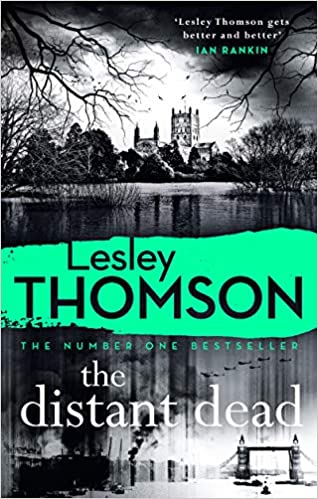
I was gifted this to review by Head of Zeus, so huge thanks to them. The Distant Dead is the eighth in a series by Lesley Thomson, so I am coming late to the party. What attracted me to the book? Two things, really. Firstly there was a mention of a WW2 element, and I am a sucker for anything war-related. Secondly, some of the action takes place in the Gloucestershire town of Tewksbury. Years ago now, a very dear friend of mine, Miles Amherst – long since gone,sadly – founded a choir school at Tewksbury Abbey. I had taught with him in Ely, but we had gone our separate ways. When the choir school was running, I was teaching in a Shropshire prep school, and I always had a half day on Mondays. It was a bit of a drive, but sometimes I used to motor down to Tewksbury, rehearse with the choir and help them sing Evensong. Afterwards was always beer, food – and an small-hours drive back to Salop.
So, happy memories, but what of the book? I am not the biggest fan of split time narratives, but many authors are, so it is what it is. In this case, at least, the connection between the narratives is clear. In Blitz-torn London, a young woman is found dead – strangled in an abandoned house. The pathologist called to the scene, and who later carries out the post mortem, is a man called Aleck Northcote. He tells the police investigating the case that the woman, Maple Greenhill was a common prostitute.
 Years later, Northcote has retired to Tewksbury, but is found dead. His wastrel son is convicted of his murder. Pretty much present day, Stella Darnell, the daughter of a policeman, now working as a contract cleaner in Tewksbury, meets a man named Roddy March who has produced a podcast about the 1963 murder of Northcote. Roddy investigates cases where he thinks the wrong person went to prison – or, in this case, the gallows. When Roddy is found murdered next to an ancient tomb in Tewksbury Abbey, Stella feels connected enough to find out the truth about how past and present have merged – with fatal consequences.
So, what exactly happened in 1940?. We know – from the prologue – that Maple Greenhill has gone into an empty house with a man friend, and that he strangles her. When her body is found, London copper George Cotton is called, but his investigation leads nowhere until a cigarette lighter is found at the scene. It is engraved with the initials AXN. Cotton puts two and two together, and assumes that the pathologist – Aleck Xavier Northcote – must have dropped it when he was called to look at the body. Then, in a separate breakthrough, a garment repair ticket is found in Maple’s coat. When Cotton visits the tailor, he is astonished to be joined by a woman who says she has lost the self-same ticket. The woman is Mrs Aleck Northcote.
Lesley Thomson switches the narratives very cleverly and poses important questions as the book progresses. Was Northcote Maple’s man-friend, and did he kill her? If he did, how then did he avoid prosecution and survive to be murdered in his own house twenty three years later? And if Giles Northcote – who had visited his father on than fateful evening to ask for money to pay off a gambling debt – didn’t kill his father, then who did? And was the killer somehow connected to the death of Maple Greenhill.
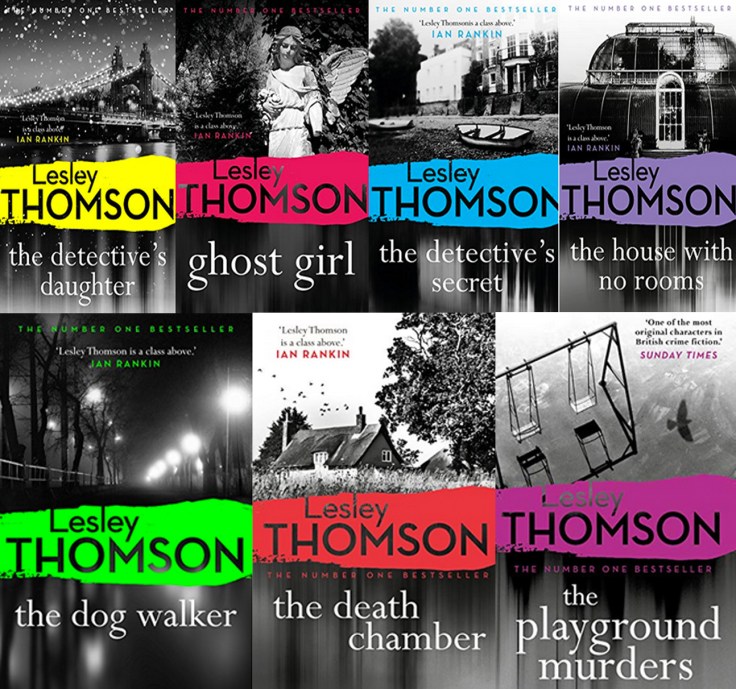
Obviously, I am not about to reveal the answer to the conundrum, but you will enjoy – as I did – how Lesley Thomson has Stella Darnell – and her companions – searching for, and then finding, the truth. The actual solution to what turns out to be multiple murders is breathtakingly complex, but this a clever, literate and totally convincing murder mystery – and thoroughly, thoroughly English. People who follow the news know that Tewksbury is notoriously susceptible to flooding, standing as it does at the confluence of the rivers Severn and Warwickshire Avon, and Lesley Thomson uses the power of the river as it hurtles over weirs and beneath bridges as a very effective metaphor for the violence in human souls. The Distant Dead is available now, and the previous books in the series are pictured below. If you click the image, you will be taken to Lesley Thomson’s website.
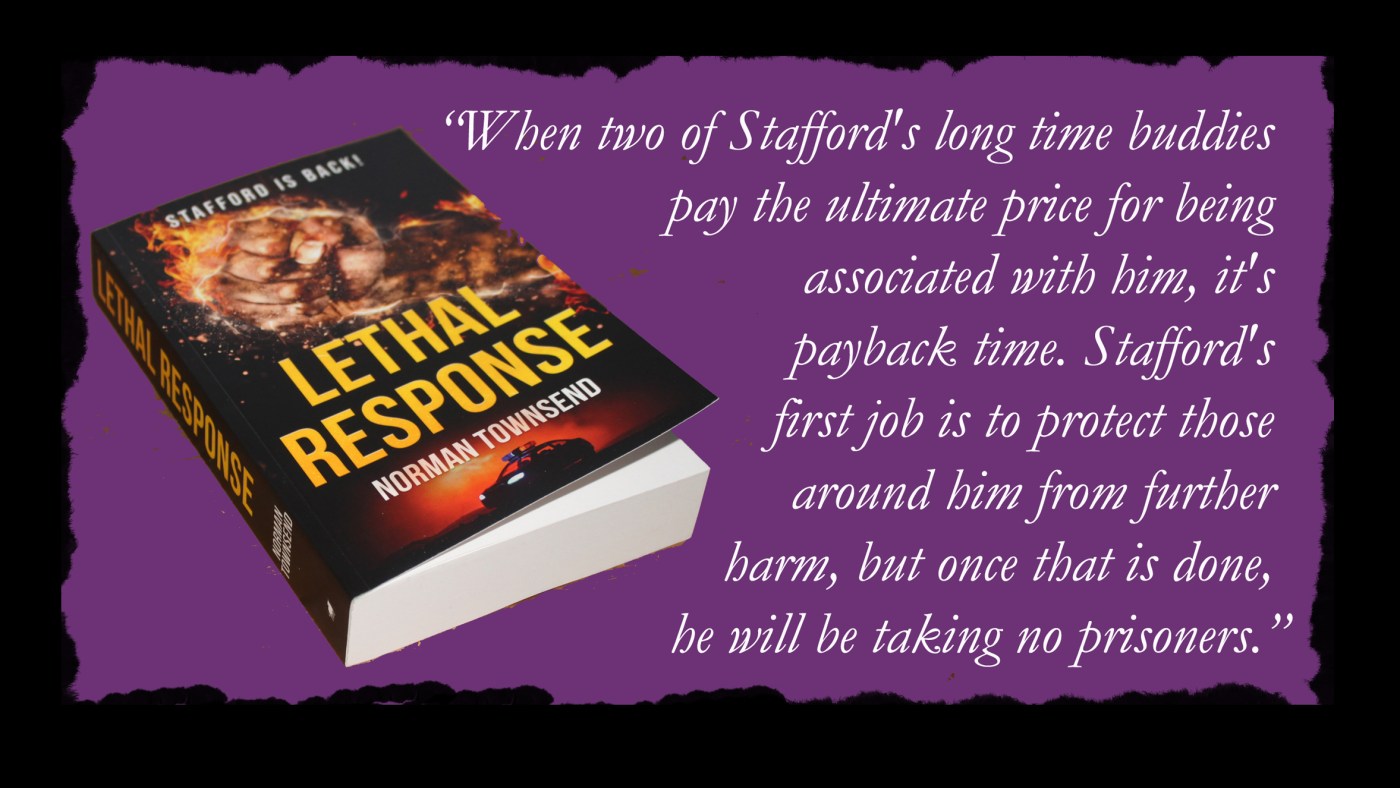

Readers first encountered Norman Townsend’s creation Paul Stafford back in 2018, in Trashed:
“Some ex-military men find that civilian life is hard to deal with, but Paul Stafford is coping well. He has used his retirement pot to start a small recycling business and everything in the scrapyard seems to be rosy, until he wins a lucrative contract to run a further five sites. What should be a business triumph turns into a nightmare for Stafford when he realises that his new sites have been previously used by a powerful criminal organisation, and the bad guys do not take kindly to their work being interrupted. Murder and violence come as second nature to them, and when his own employees begin to feel the full clout of the gangsters, Stafford must stand and fight – both for them and his own integrity.“

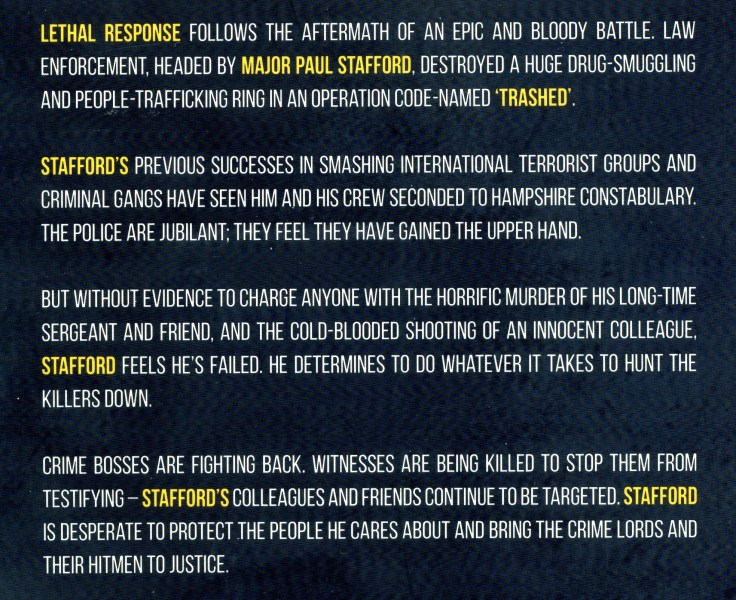
 Stafford’s triumph has won him some influential friends, but also some deadly enemies. You don’t take on powerful international criminal gangs without there being a downside, and when two of Stafford’s long time buddies pay the ultimate price for being associated with him, it’s payback time. Stafford’s first job is to protect those around him from further harm, but once that is done, he will be taking no prisoners.
Something about the author. Norman’s Amazon page says:

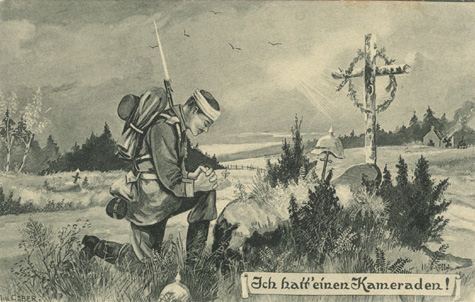
This is German, and some sources call it ‘Rommel’s Funeral March’. It may well have been played at his funeral, after he was forced to commit suicide by an increasingly unstable Hitler, but it predates the Nazi era by many, many years. Wikipedia says:
The text was written by German poet Ludwig Uhland in 1809. Its immediate inspiration was the deployment of Badener troops against the Tyrolean Rebellion. In 1825, the composer Friedrich Silcher set it to music, based on the tune of a Swiss folk song.
The words, in English, are:
I had a comrade,
You couldn’t find a better one.
The drum called to battle,
He walked by my side,
In the same pace and step.
A bullet came a-flying,
Was it aimed for me or you?
He was swept away,
He lies at my feet,
As if he were a part of me.
He reaches out for my hand,
While I was loading.
I cannot hold your hand,
Stay in eternal life
My good comrade!
I’ve included the score, below, for those who read music. I’ve scored it for brass ensemble and timpani.There are many versions of the song on YouTube, but if you want to listen to my version, click here. The sound is just synthesised, I’m afraid, but it will give you an idea of the solemn and impressive tune.


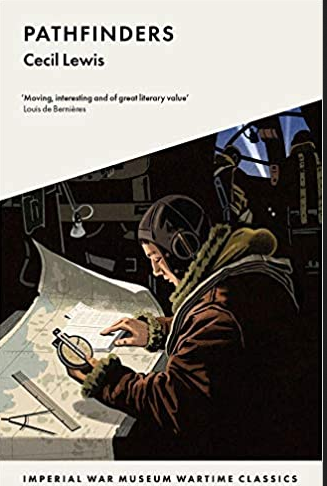
I can’t think of a publishing event over the last few years which has been more impressive than the republishing of WW2 novels by the Imperial War Museum. It has become an axiom that The Great War was identified with the poets, but what was the literary legacy of the war against Hitler? This series has confirmed that the dreadful six years of global conflict inspired some superb novels. I was born just after the war ended. My father served in the British Army throughout, and had many a tale to tell but, until recently, I had no idea of the breadth of novels written by men and women who took part in the conflict. Yes, I had read Waugh’s superb Sword of Honour trilogy and Len Deighton’s magisterial Bomber, but beyond those, very little. I have reviewed all the previous books in this series, and you can find my thoughts by clicking this link. The latest in the series is Pathfinders, first published in 1944.
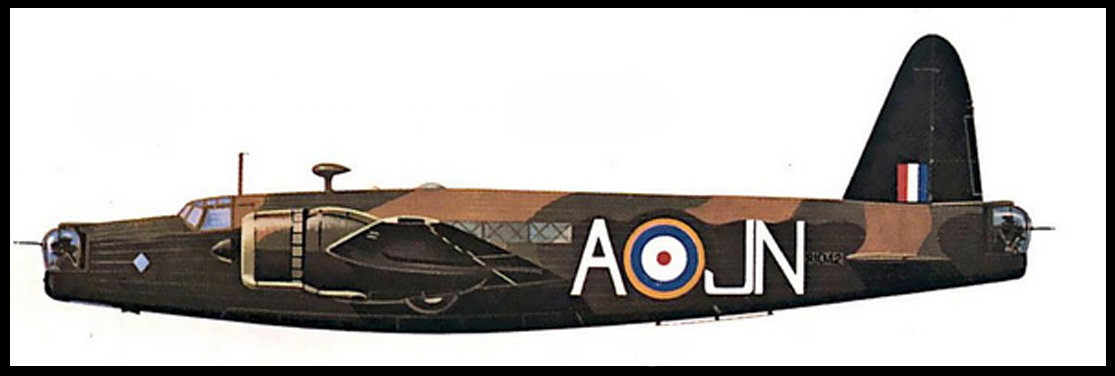
 Cecil Lewis (left) was a combat pilot in the Great War, but returned to the colours as both an instructor and an active flier in WW2. Pathfinders tells the tale of the crew of a Wellington aircraft. Perhaps unjustly, the Wellington has not captured the public imagination as much as its big sister, the Lancaster, but the Wellington was a durable workhorse that played a vital role in the work of Bomber Command. The six men who flew the aircraft in this novel each have a specific job as the aircraft goes in ahead of a bombing raid to drop incendiary flares on the ground targets so that the following planes can see when and where to unload their bombs.
A Pathfinder crew comprised pilot, co-pilot, navigator, wireless operator, front gunner and rear-gunner. Lewis structures his book around a detailed examination of each of these men, and tells us what kind of people they are. He shows us their backgrounds, their history, their loves, their losses – and their relationship to one another. Relatively little of the text deals with the actual raid the men are involved in. Instead, we have six chapters which deal with, in turn:
 Peter Morelli, co-pilot. The American-Italian is suave, debonnaire, but is aware of the struggles and prejudice faced by immigrants in a new country.
Sam Dollar, front gunner. Raised in the brutish and fundamental wilderness of the Canadian forests, Dollar has little to say, but is determined and resolute.
Benjy Lukin, wireless operator. From a Jewish family, Lukin is well-read and erudite, In a former life he was a well-respected theatre critic.
Tom Cookson, navigator. Born into a disfunctional English family, he was sent to live with relatives in New Zealand. In his late teens he built a sea-going yacht with his best friend, and survived hurricanes while sailing Dolphin from New Zealand to Suva.
‘Nobby’ Bligh, tail gunner. A London lad, he resolve to fight back against the Nazis after a Luftwaffe bomb demolished his father’s bakery, trapping and killing the older man beneath tons of collapsed masonry. At home, his wife is dying of leukemia.
Hugh Thornly, pilot. An Oxbridge man of genteel birth, he was determined to become either a philosopher or a politician, but then the war intervened. His wife Helen – the daughter of a distinguished General, is expecting their second child.

After the biographies, though, Lewis returns – with devastating effect – to the matter in hand. The night raid on Kiel starts well, but then the German defences on the ground and in the air take their toll, and the final stages of the Wellington’s mission are as terrifying a description of the price of war as you will ever read.
Many will have read Lewis’s Sagittarius Rising, his classic account of the war in the air between 1914 and 1918. This wasn’t published until 1936, so there had been a considerable time lapse between his experiences and the book’s publication. Pathfinders is, by contrast, nearly contemporary. How do the two books compare? Does the unusual narrative structure of the later book work? I have to say that for the sheer white knuckle terror of flying flimsy and totally vulnerable aircraft, nothing could beat Sagittarius Rising for its sense of immediacy. As for the structure of Pathfinders, military history buffs may find the central section a rather long diversion from the matter in hand. Personally, I stuck with it, and felt that knowing the six men in person, as it were, made the eventual outcome even more poignant.
In the bitterest of ironies, the military part of Pathfinders begins and ends not in the air or on the runway from which P for Pathfinder took off and landed, but in the sea. To say more would be a spoiler, but I can say that this is a deeply moving and memorable account of brave men having to find a resolution between the horrific carnage their weapons were creating – and the greater long-term good. The only consolation, in human terms, that one can draw from this book, is that in the last few pages, we have a reversal of the solemn words of the Anglican burial sentences:
“In the midst of death we are in life”
Pathfinders is published by the Imperial War Museum and is out now.

It’s like the middle of winter here in the Fens, so lets imagine a log fire crackling and a glass of something that both cheers AND inebriates close to hand. Here’s a little quiz to test your Cri-Fi knowledge. No prizes, except the smug feeling you’ll get when you answer the questions correctly. Click the big image above, and you will be whisked away to the quiz page.
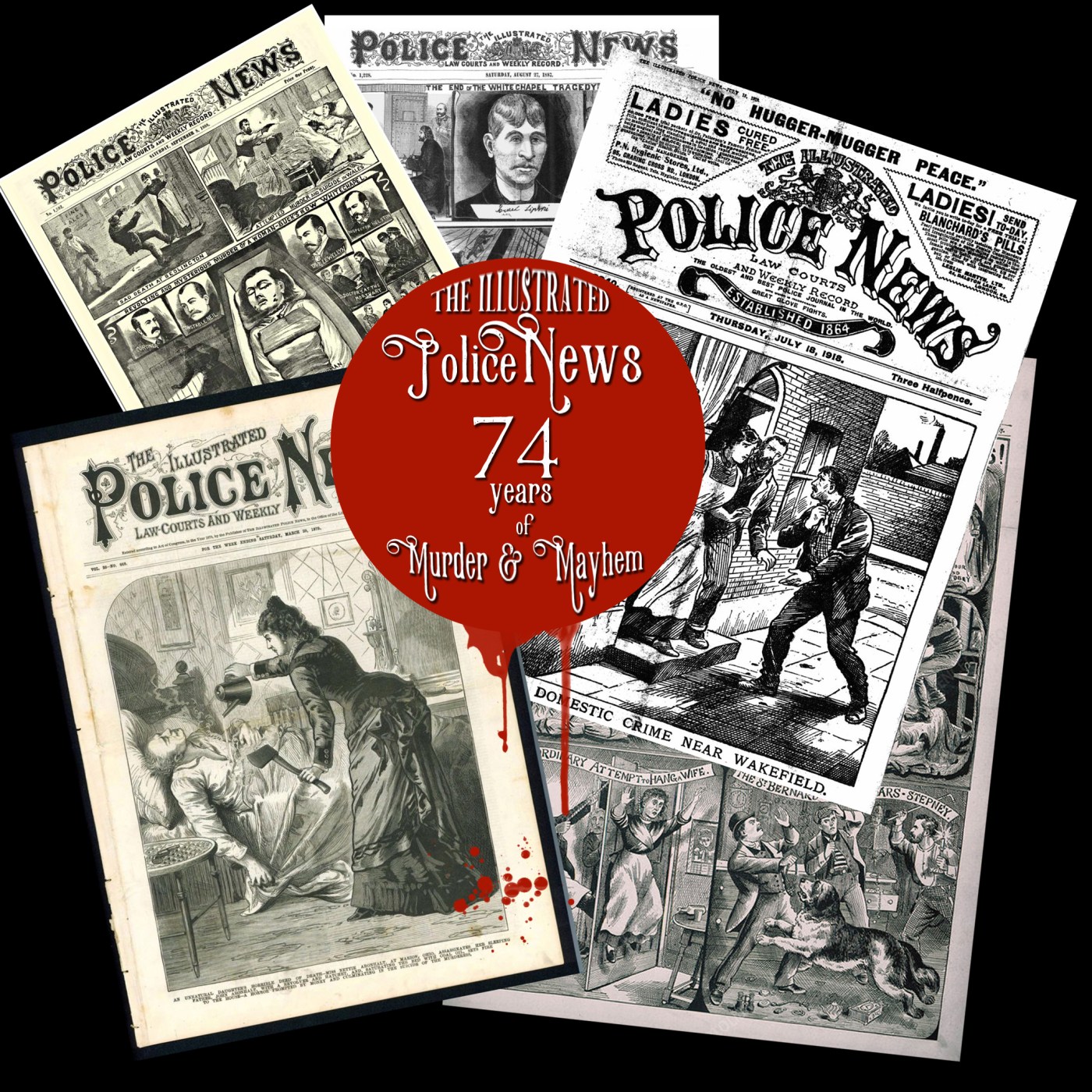
In Britain today, the print media faces an uncertain future due to the intense competition from broadcast news and the immediacy of social media. We still have, according to some, what is known as the gutter press. Depending on your political convictions, you can name your own suspects, but there are only a couple of titles which are regularly – and genuinely – idiotic. The word ‘tabloid’ has come to be a term of disdain, but we would do well to remember that it is, technically, simply a name for the format of the paper – a compact rectangular shape rather than the much larger broadsheet form, now all but extinct in weekday editions.
 While newspaper coverage of politics diminishes the further you go down the journalistic food chain, one subject that can always find the front page is crime, and in 1864, enterprising publishers decided to capitalise on the public’s long-standing fascination with violent death and despicable deeds by producing The Illustrated Police News. The title suggests that it was something authorised by the police themselves, but it was nothing of the sort. Ever since printing became a cheap and practical way of spreading information, spectacular crimes and, most of all, executions, had been sensationalised by broadsides (left) – usually a one-sided sheet with a stylised illustration and perhaps a doggerel poem, or dramatic description. These would be sold for pennies to the crowds who gathered in their hundreds to watch murderers meet their maker. The Illustrated Police News was a rather more comprehensive version of those macabre souvenirs.
Key to the paper’s success was its visual impact. Bear in mind that photographs in newspapers were very primitive until well into the 20th century, so TIPN employed artists who drew their impressions of crime scenes and victims. These would then be made into etchings or engravings and the plates would be inserted into the set type.
The “Freddy Starr ate my hamster” school of journalism has a long and distinguished heritage, Here, in a front page from 1871, we have a perfect blend of lurid sexual sadism, suicide and a disaster in the peaceful Suffolk town of Stowmarket.

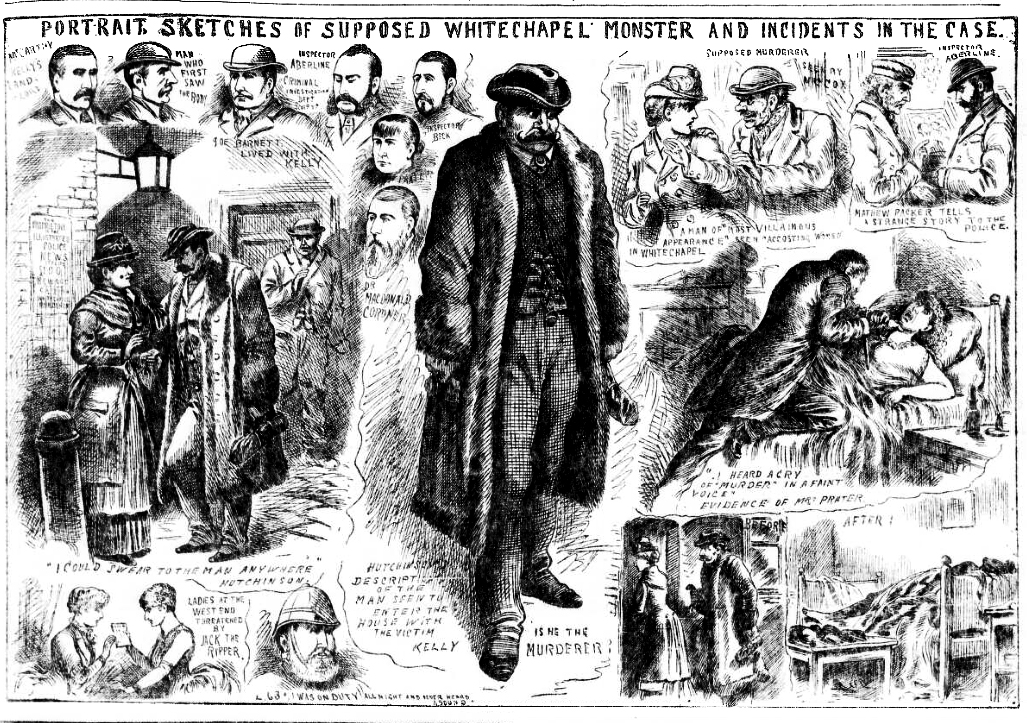
So how did TIPN treat crime cases which became nationally notorious? It had huge fun, of course, with the Whitechapel murders in 1888, and many of its illustrations have been used in books on Jack the Ripper over the years. The beauty of it, as far as TIPN was concerned, was that there was so much speculation and the police were so clueless that the artists could speculate away to their hearts’ content without fear of contradiction.
What was to become known as The Tottenham Outrage took place on 23rd January 1909, when two Latvian anarchists ambushed a car carrying wages for factory workers in Tottenham. In the lengthy pursuit of the hijackers, a policeman was shot dead and a young boy died after being hit by a stray bullet. I have covered the incident here but, needless to say, TIPN were quickly on the case.

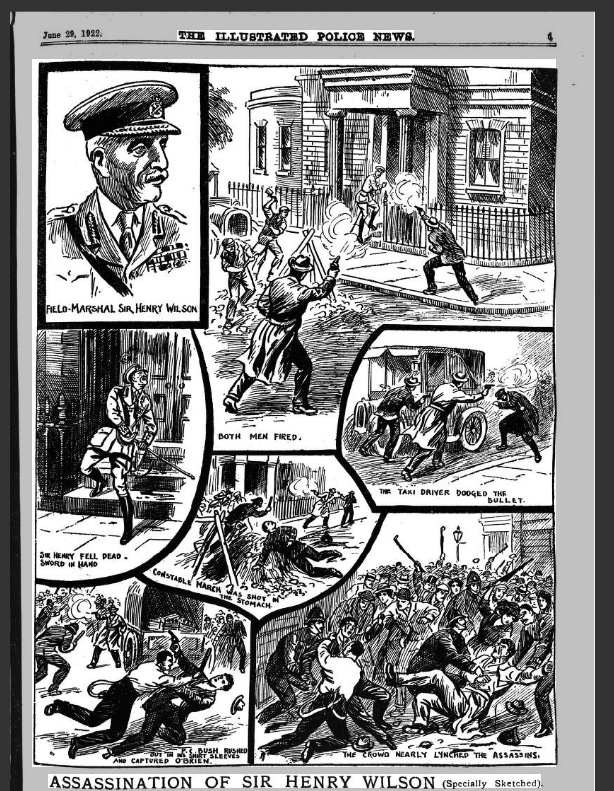
Field Marshal Sir Henry Wilson had been a senior member of the British high command in World War One, without ever having active service in the field. Born in Ireland, he was known to have Unionist sympathies, and when he was murdered by two IRA gunmen in 1922 TIPN, never less than patriotic, seized the moment.
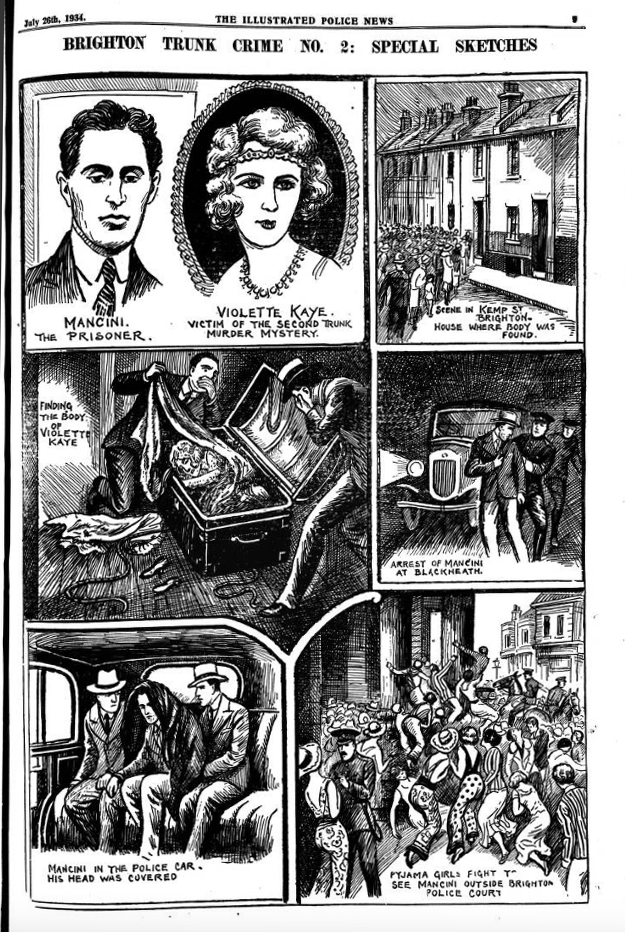
The front pages of TIPN were, of course, its main selling point, but the inside of the paper was pretty much solid reading, interspersed with occasional smaller illustrations. One of the classic full page illustrations inside the edition was in 1934 and covered what was known as The Brighton Trunk murder. A petty crook called Cecil Lewis England had adopted the name Tony Mancini, probably because it had gangsterish sound to it. He was in a relationship with a prostitute, Violette Kaye. On the 10th May she disappeared, having apparently sent a telegram to her sister in law saying that she had gone away to work in Paris. Eventually the police became suspicious and eventually discovered Kaye’s remains in a trunk owned by Mancini.
At his trial, he claimed that he had found her dead body, but concealed it, fearing he would be accused of her murder. Mancini was defended by two celebrity barristers, Quintin Hogg, better known as Lord Hailsham, and Norman Birkett, who would achieve lasting fame as the British judge at the Nuremberg trials after WW2. Astonishingly, the jury found Mancini not guilty, but In 1976 he confessed to a News of the World journalist. He explained that during a blazing row with Kaye, she had attacked him with the hammer he had used to break coal for their fire. He had wrestled the hammer from her, but when she had demanded it back, he had thrown it at her, hitting her on the left temple. A prosecution of Mancini for perjury was considered but rejected due to lack of corroboration.
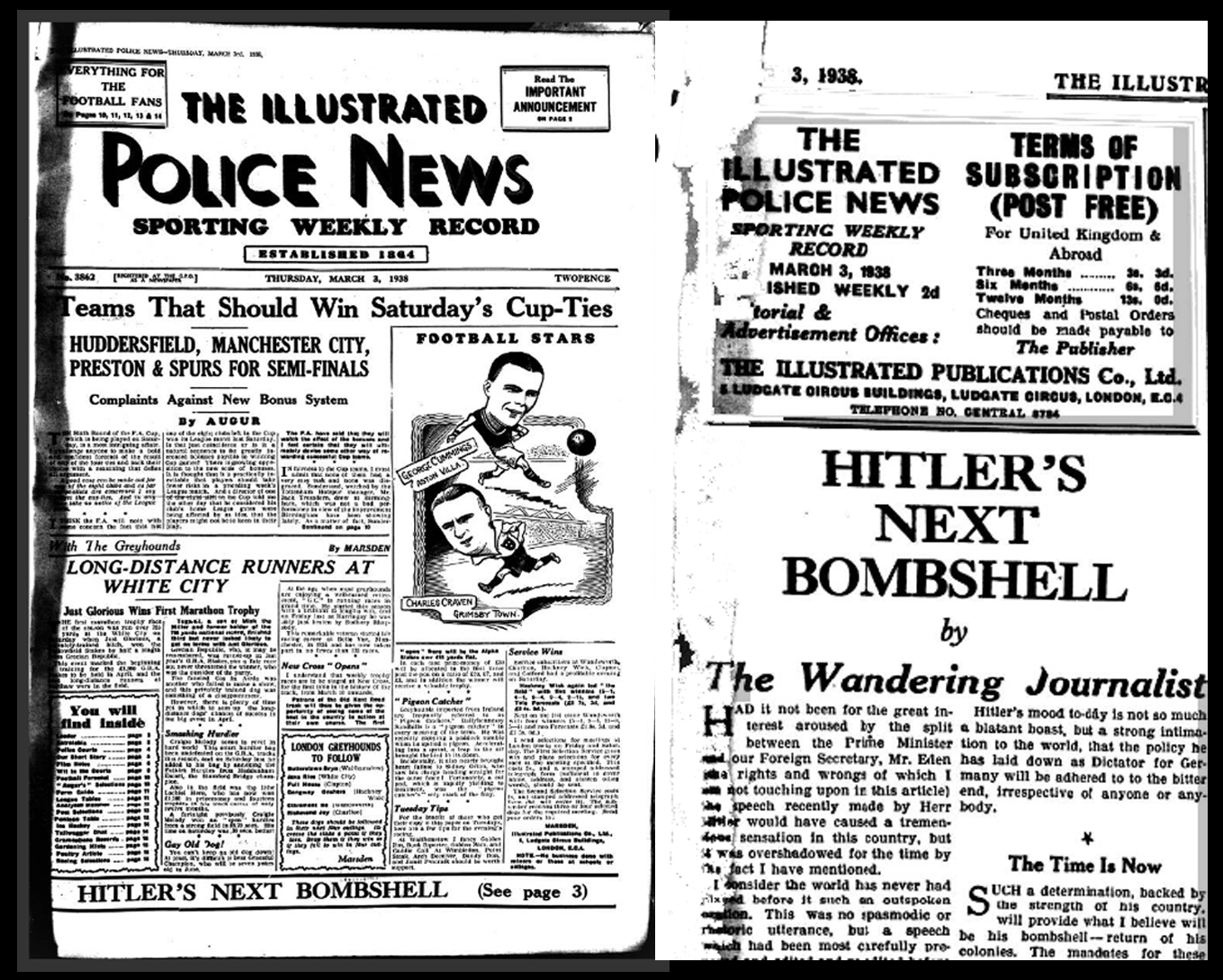
By 1938 TIPN had dramatically changed direction and had become more of a sports paper, with particular focus on racing (both horses and dogs) and football. It still had time and space, however, to report on the career of Herr Hitler. By the time Hitler plunged Europe into war in 1939 when he invaded Poland, The Illustrated Police News was itself no more, having become a victim of changing times and tastes.