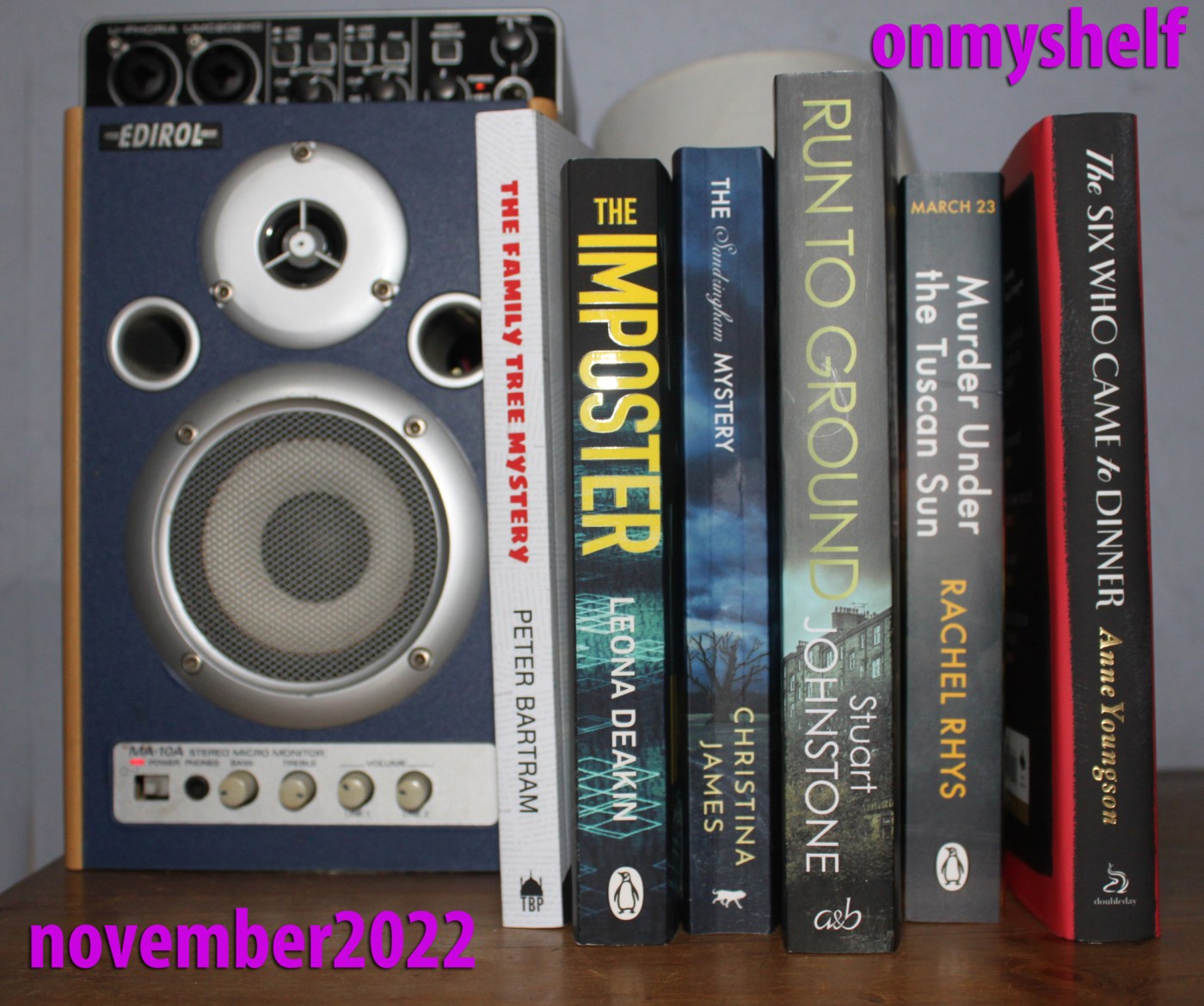

An autumn garland of goodness sits on my shelf today. Reading definitely gets easier as the days become shorter – one of the few compensations of winter.
THE FAMILY TREE MYSTERY by Peter Bartram
I love this series set in and around Brighton in the 1960s. The former journalist combines nostalgia, likeable characters, daft jokes, clever references to the politics and social habits of the time, and addictive story lines. In this latest episode the (possibly autobiographical) crime reporter for the Brighton Evening Chronicle – Colin Crampton – and his gorgeous Aussie girlfriend Shirley Goldsmith become entangled in a murder mystery involving a distant relative of Shirley’s, who is found murdered. The Family Tree Mystery is published by The Bartram Partnership, and the paperback is available now.
THE IMPOSTER by Leona Deakin
A welcome return here for Dr Augusta Bloom, a psychologist with a particular skill in solving criminal cases. In this, the fourth in the series, she is on the trail of an elusive serial killer whose victims include a stock-market trader is pushed from a high-rise balcony and falls to his death on the street below, and a member of the Saudi Royal Family, whose decomposing body is discovered in a car. This is published by Penguin and will be out in paperback on 24th November. Previous books in the series can be explored here.
THE SANDRINGHAM MYSTERY by Christina James
Mostly set in the Lincolnshire area known as South Holland, this novel also echoes a real life murder from 2012, when the remains of Latvian teenager Alisa Dmitrijeva was found on the late Queen’s estate near Sandringham. Lincolnshire copper, DI Tim Yates, becomes involved with the murder when the clothes the dead girl was wearing are identified as work-wear from a food processing factory, whose owner – Kevan de Vries – has come to the attention of the police when a pile of forged passports – and some long dead corpses – are found in the cellar of his mansion. This novel came out earlier this year, and is published by Bloodhound Books.
RUN TO GROUND by Stuart Johnstone
Tartan Noir now, with the third book by Stuart Johnstone featuring Edinburgh copper Don Colyear. Colyear has made the transition from his role as a Community Police Sergeant to a new position in Edinburgh’s CID, but the adjustment has not been easy. The workload and paperwork are one thing but being micro-managed by DCI Templeton as well is more than testing. When Colyear’s investigation into a mysterious death spirals into a complicated case centred on a massive consignment of Class A drugs, a double murder and a clash between low-level and professional criminals, his instincts are put to the test. This is from Allison & Busby, and you can get hold of a copy from 17th November.
MURDER UNDER THE TUSCAN SUN by Rachel Rhys
Scottish crime novels are routinely described as ‘gritty’, but the same adjective could never be used to describe this latest novel from Rachel Rhys. We are in post WW2 Italy, in the lush landscape of Tuscany, where the lavish villas are peopled by the rich and glamorous, including an ailing gentleman art-dealer, his dazzling niece, her handsome Fascist husband, their neglected young daughter, the housekeeper who knows everything – and Connie, the English widow working for them. But all is far from well for Connie. At night, she hears hears sinister noises and a terrible wailing inside the walls, and she fears she is losing her grip on reality. If this has whetted your appetite, then I’m afraid you will have to wait until March 2023 to find out more, but I shall be posting a full review of this Penguin publication a little nearer the time.
THE SIX WHO CAME TO DINNER by Anne Youngson
Not hardcore crime fiction, I suspect, but this collection of six linked stories includes: The village cleaning lady who holds everyone’s house-keys opens a boot to find some unexpectedly dead contents; a vengeful dinner party host serves more than just a roast to her six guests; and driven to distraction by his new young wife, a man resorts to two grisly acts, in a gripping re-imagining of a famous Irish ballad. Ripping away the polite façade of small communities, these stories of love, lies and revenge reveal the roiling emotions and frustration that can lead seemingly good people to do bad things. Rich in compassion, pathos and humour, Anne Youngson offers us her dark take on human foibles, pettiness and rivalry in this collection. My copy is a rather elegant and beautifully produced hardback. It is published by Doubleday, and is available now.





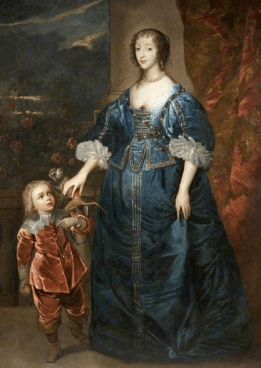 In far-off Norfolk, men repairing flood defences near Denver Sluice have discovered what appears to be the remains of a child inside the rotted skeleton of a boat. Hunt, accompanied by Colonel Michael Field, a grizzled veteran of Cromwell’s army, and Hooke’s niece, Grace. When the trio arrive in Norfolk, Hunt soon determines that the remains are not those of a child, but the mortal remains of Jeffrey Hudson, who was known as the Queen’s Dwarf – the Queen in question being the late Henrietta Maria (left), wife of Charles I. The situation becomes more bizarre when Hunt learns that Hudson is not dead, but living in the town of Oakham, 60 miles west across the Fens. Hunt and his companions’ journey only delivers up more mystery when they find that ‘Jeffrey Hudson’ has left the town. Hunt knows that the jolly boat* which contained the skeleton belonged to a French trader, Incasble, which worked out of King’s Lynn.
 Hunt’s odyssey continues. In King’s Lynn, Hunt and his companions are summoned to the presence of the Duchesse de Mazarin. Hortense Mancini is one of the most beautiful women in Europe. She is highly connected, but also notorious as one of Charles II’s (several) mistresses. She reveals that the mysterious dwarf – or his impersonator – may be in possession of a a legendary gemstone – the Sancy – a diamond of legendary worth, and the cause of centuries of intrigue and villainy. The Duchesse bids Harry to travel to Paris, but once there, his fortunes take a turn for the worse.







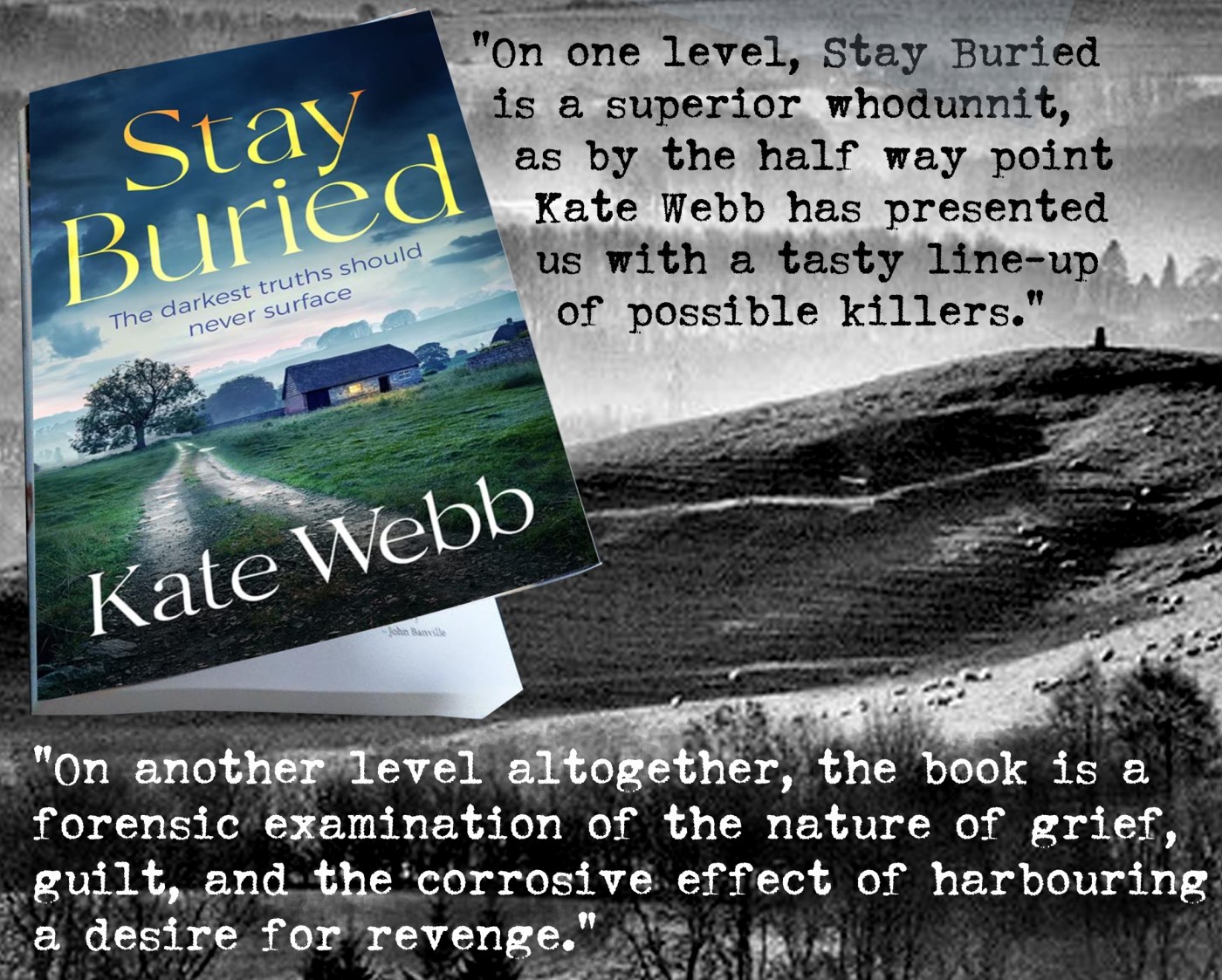

 Writing as Katherine Webb, the author (left) is a well established writer of several books which seem to be in the romantic/historical/mystery genre, but I believe this is her first novel with both feet firmly planted on the terra firma of crime fiction. Wiltshire copper DI Matthew Lockyer, after a professional error of judgment, has been sidelined into a Cold Case unit, consisting of himself and Constable Gemma Broad.