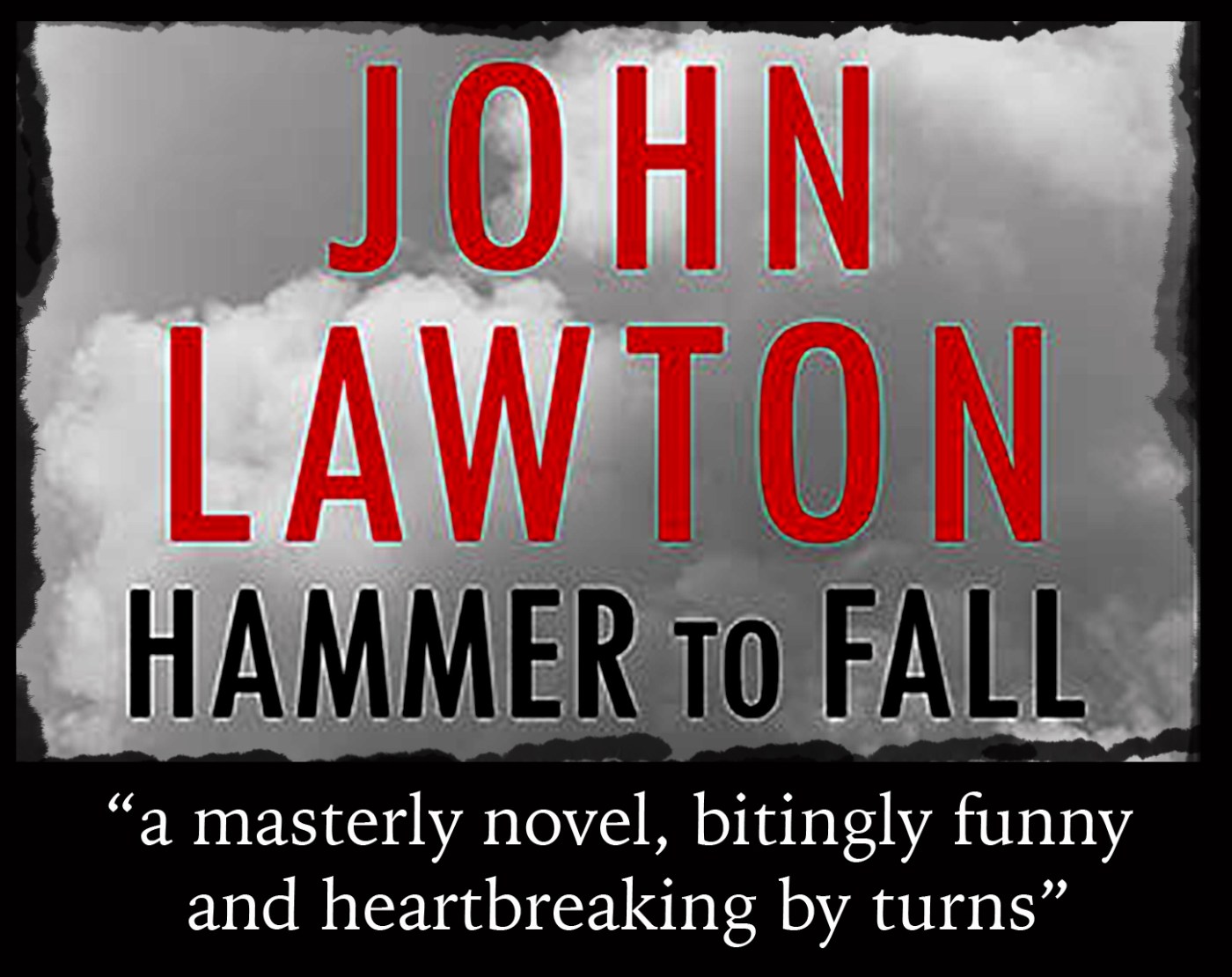

English author and screenwriter John Lawton has long been a favourite of those readers who like literary crime fiction, and his eight Frederick Troy novels have become classics. Set over a long time-frame from the early years of WW2 to the 1960s, the books feature many real-life figures or, as in A Little White Death (1998), characters based on real people, in this case the principals in the Profumo Affair. In Then We Take Berlin (2013) Lawton introduced a new character, an amoral chancer whose real surname – Holderness – has morphed into Wilderness. Joe Wilderness is a clever, corrupt and calculating individual whose contribution to WW2 was minimal, but his career trajectory has widened from being a Schieber (spiv, racketeer) in the chaos of post-war Berlin to being in the employ of the British Intelligence services.
 He is no James Bond figure, however. His dark arts are practised in corners, and with as little overt violence as possible. Hammer To Fall begins with a flashback scene,establishing Joe’s credentials as someone who would have felt at home in the company of Harry Lime, but we move then to the 1960s, and Joe is in a spot of bother. He is thought to have mishandled one of those classic prisoner exchanges which are the staple of spy thrillers, and he is sent by his bosses to weather the storm as a cultural attaché in Finland. His ‘mission’ is to promote British culture by traveling around the frozen north promoting visiting artists, or showing British films. His accommodation is spartan, to say the least. In his apartment:
“The dining table looked less likely to be the scene of a convivial meal than an autopsy.”
Some of the worthies sent to Finland to wave the British flag are not to Joe’s liking:
“For two days Wilderness drove the poet Prudence Latymer to readings. She was devoutly Christian – not an f-word passed her lips – and seemed dedicated to simple rhyming couplets celebrating dance, spring, renewal, the natural world and the smaller breeds of English and Scottish dog.It was though TS Eliot had never lived. By the third day Wilderness was considering shooting her.”
Before he left England, his wife Judy offered him these words of advice:
“If you want a grant to stage Twelfth Night in your local village hall in South Bumpstead, Hampshire, the Arts Council will likely as not tell you to fuck off …. So, if you want to visit Lapland, I reckon your best bet is to suggest putting on a nude ballet featuring the over-seventies, atonal score by Schoenberg, sets by Mark Rothko ….. Ken Russell can direct … all the easy accessible stuff …. and you’ll probably pick up a whopping great grant and an OBE as well.”
 So far, so funny – and Lawton (right) is in full-on Evelyn Waugh mode as he sends up pretty much everything and anyone. The final act of farce in Finland is when Joe earns his keep by sending back to London, via the diplomatic bag, several plane loads of …. well, state secrets, as one of Joe’s Russian contacts explains:
“The Soviet Union has run out of bog roll. The soft stuff you used to sell to us in Berlin is now as highly prized as fresh fruit or Scotch whisky. We wipe our arses on documents marked Classified, Secret and sometimes even Top Secret. and the damned stuff won’t flush. So once a week a surly corporal lights a bonfire of Soviet secrets and Russian shit.”
But, as in all good satires – like Waugh’s Sword of Honour trilogy, and Catch 22 – the laughter stops and things take a turn to the dark side. Joe’s Finnish idyll comes to an end, and he is sent to Prague to impersonate a tractor salesman. By now, this is 1968, and those of us who are longer in the tooth know what happened in Czechoslavakia in 1968. Prague has a new British Ambassador, and one very familiar to John Lawton fans, as it is none other than Frederick Troy. As the Russians lose patience with Alexander Dubček and the tanks roll in, Joe is caught up in a desperate gamble to save an old flame, a woman whose decency has, over the years, been a constant reproach to him:
“Nell Burkhardt was probably the most moral creature he’d ever met. Raised by thieves and whores back in London’s East End, he had come to regard honesty as aberrant. Nell had never stolen anything, never lied …led a blameless life, and steered a course through it with the unwavering compass of her selfless altruism.”
Hammer To Fall is a masterly novel, bitingly funny and heartbreaking by turns. I think A Lily Of The Field is Lawton’s masterpiece, but this runs it pretty damned close. It is published by Grove Press, and is out today, 2nd April 2020.

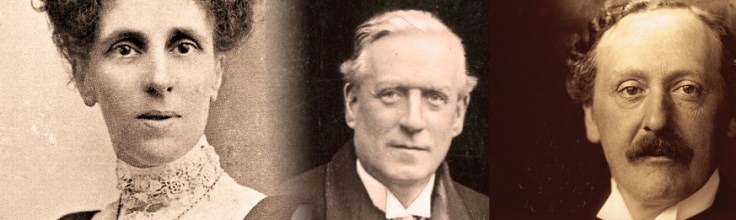
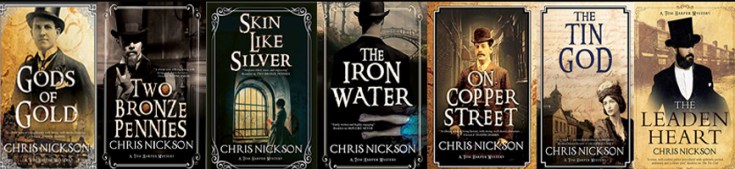
 We first met Leeds policeman Tom Harper in Gods of Gold (2014) when he was a young CID officer, and the land was still ruled by Queen Victoria. Now, in The Molten City, Harper is a Superintendent and the Queen is seven years dead. ‘Bertie’ – Edward VII – is King, and England is a different place. Leeds, though, is still a thriving hub of heavy industry, pulsing with the throb of heavy machinery. And it remains grimy, soot blackened and with pockets of degradation and poverty largely ignored by the wealthy middle classes. But there are motor cars on the street, and the police have telephones. Other things are stirring, too. Not all women are content to remain second class citizens, and pressure is being put on politicians to consider giving women the vote. Sometimes this is a peaceful attempt to change things, but other women are prepared to go to greater lengths.


 SM Hardy, aka Sue Tingey, has put together a thoroughly enjoyable and, at times, genuinely scary ghost story. The Evil Within tells the tale of Jim Hawkes, a young London banker who has an attack of conscience about the bloodthirsty nature of his trade, and tells his boss to go forth and multiply. This rush of blood to the head is not entirely unconnected to the fact that he is still grieving for his dead sweetheart, who drowned herself after breaking off their engagement in a calamitous row. Jim decides that a physical exit from London is essential, and so he takes out a short term lease on a cottage in England’s West Country.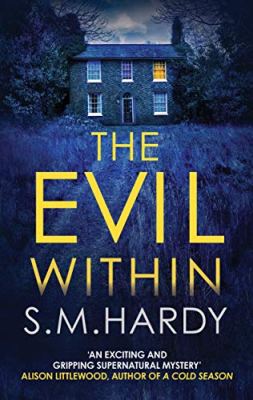

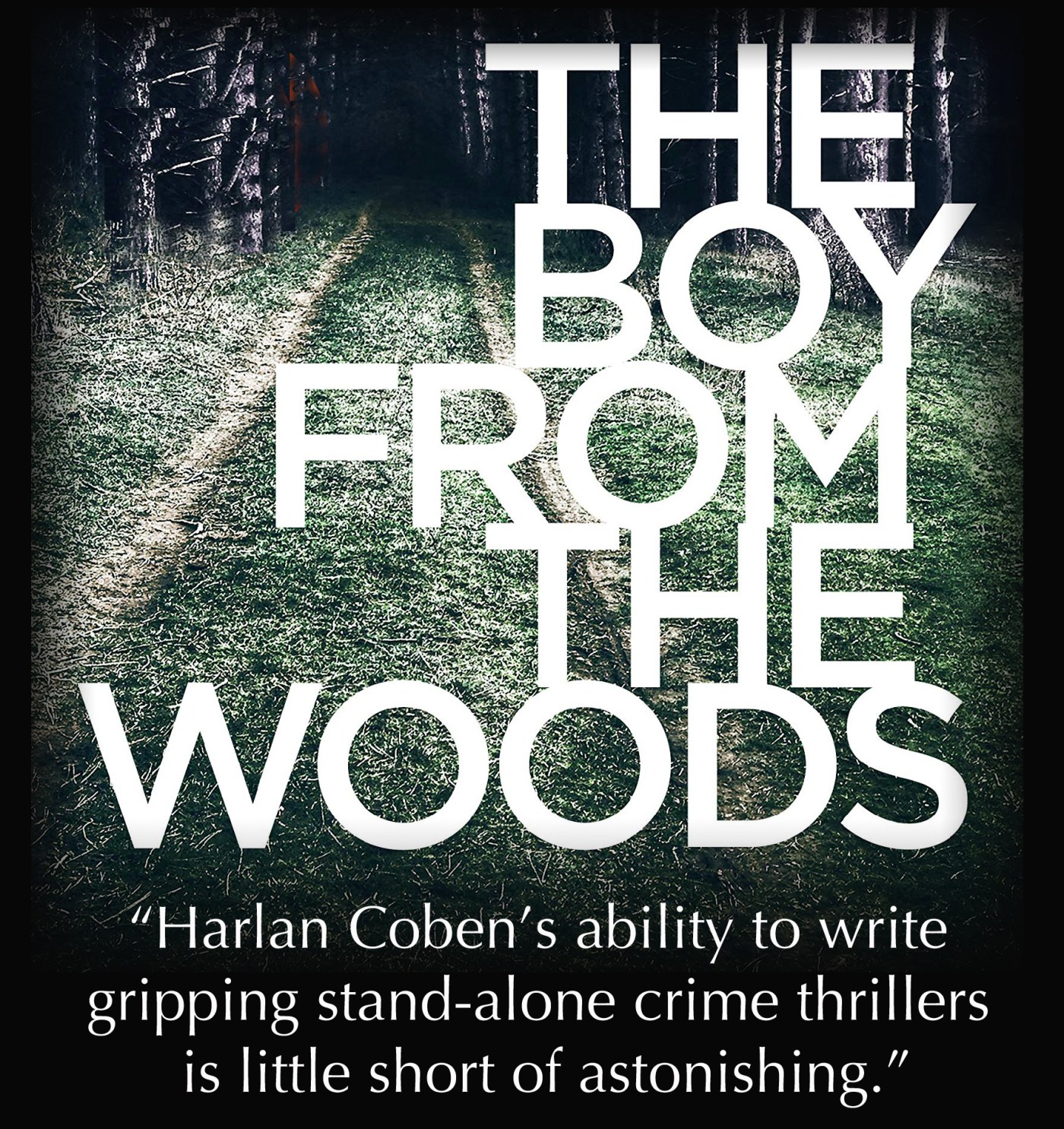


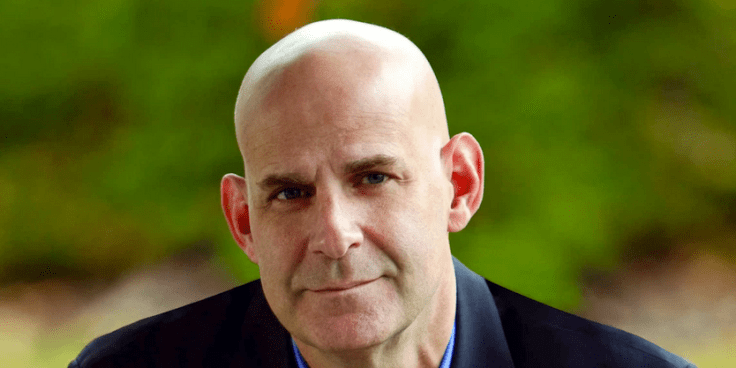


 The two women have little in common
 The structure of the book is intriguing;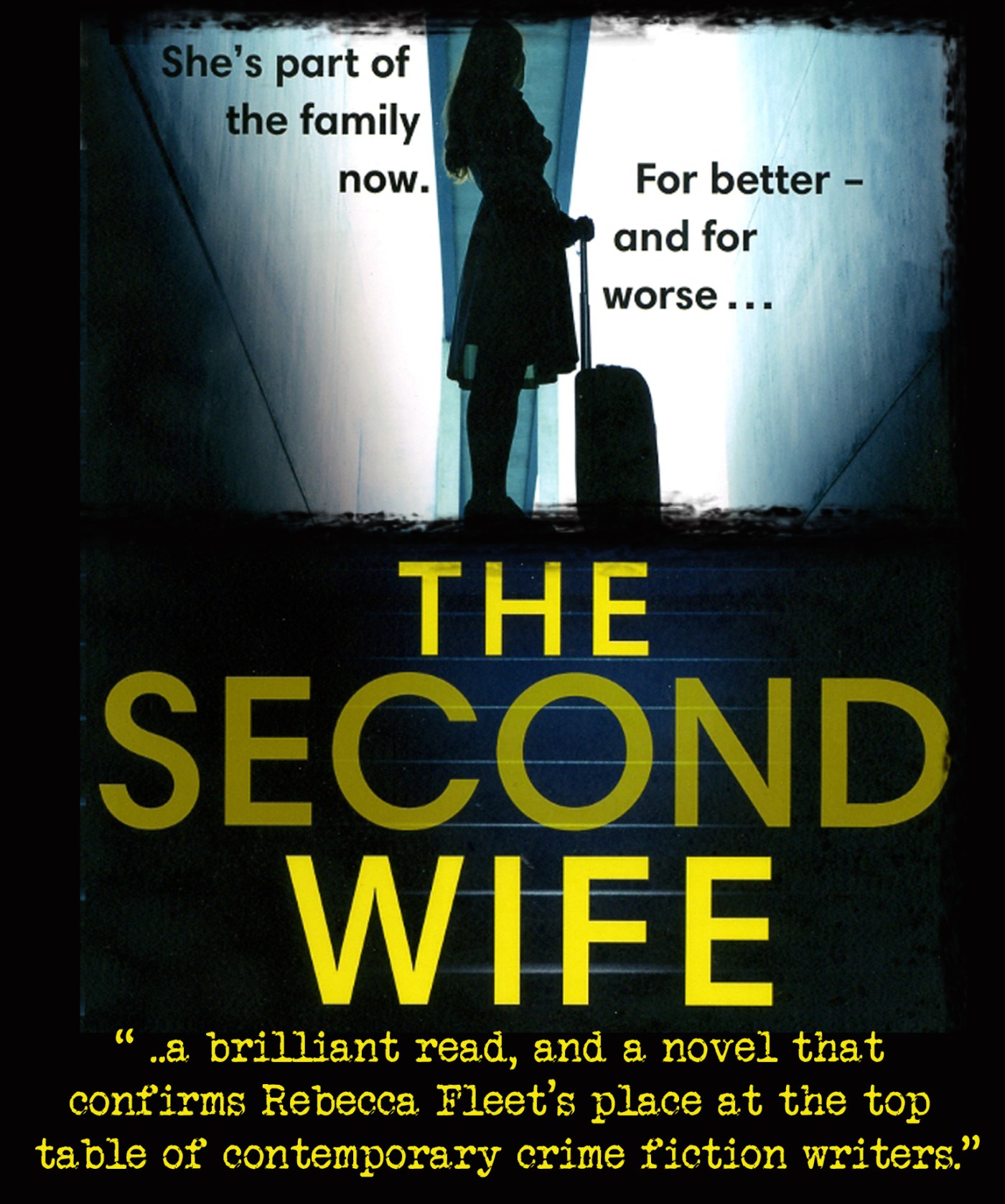

 There are three narrative viewpoints;
  Her estranged sister, Sadie,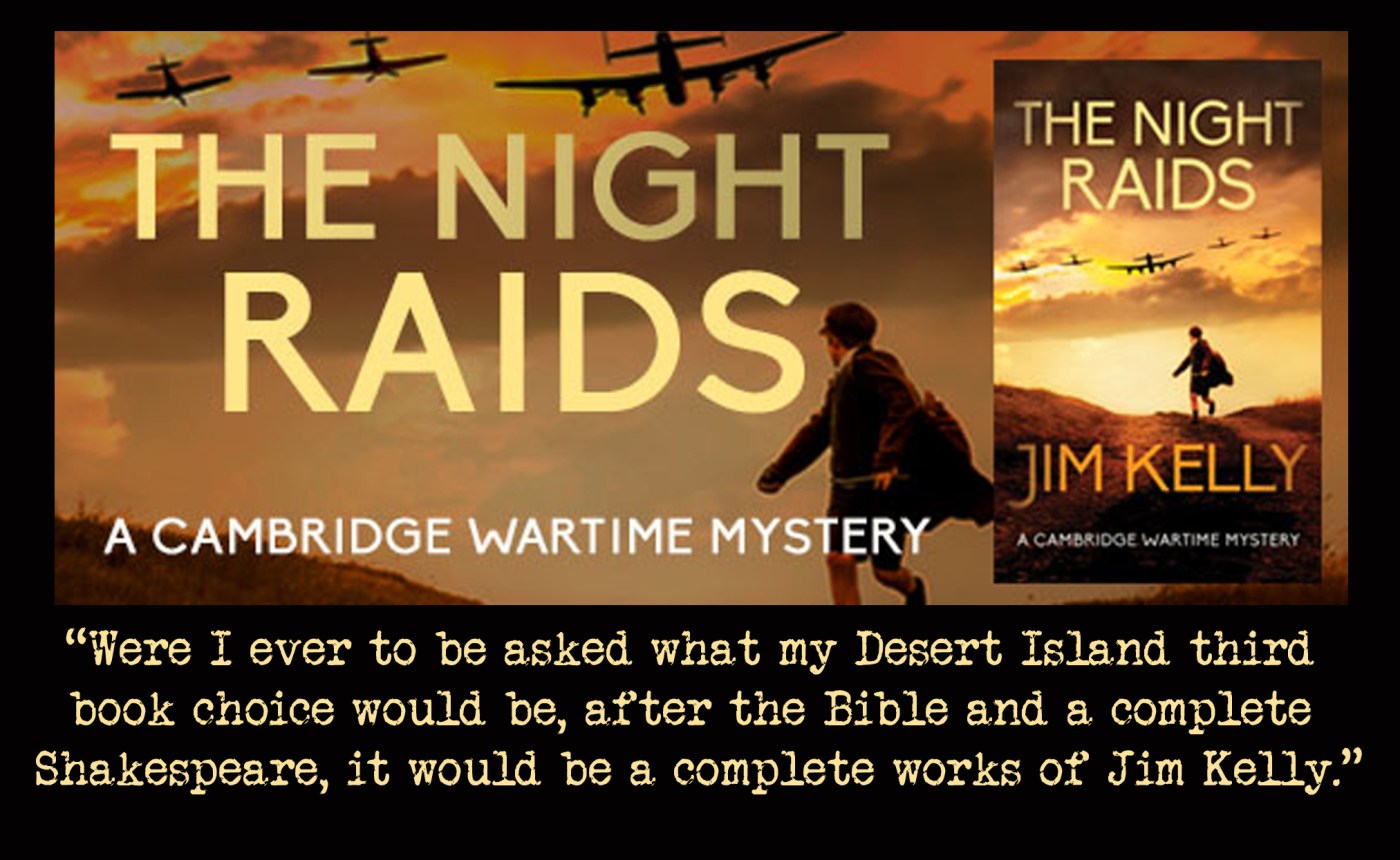
 In Night Raids we see some of the story through the eyes of a crew of a German Heinkel bomber. Their mission is to destroy an essential bridge over the river; the bridge, crucially, carries the railway taking vital men and munitions to the east coast, where invasion is a daily expectation.The bombers come over at night, and have so far failed to destroy the bridge. What they have done, however, is unload some of their bombs on residential areas of the town, and inside one of the terraced houses wrecked by the raid, Brooke finds the body of an elderly woman. Her death is clearly attributable to Hermann Goering’s Luftwaffe, but the fact that her left ring finger and middle finger have been removed with a hacksaw cannot, sadly be laid at the door of the Reichsmarschall.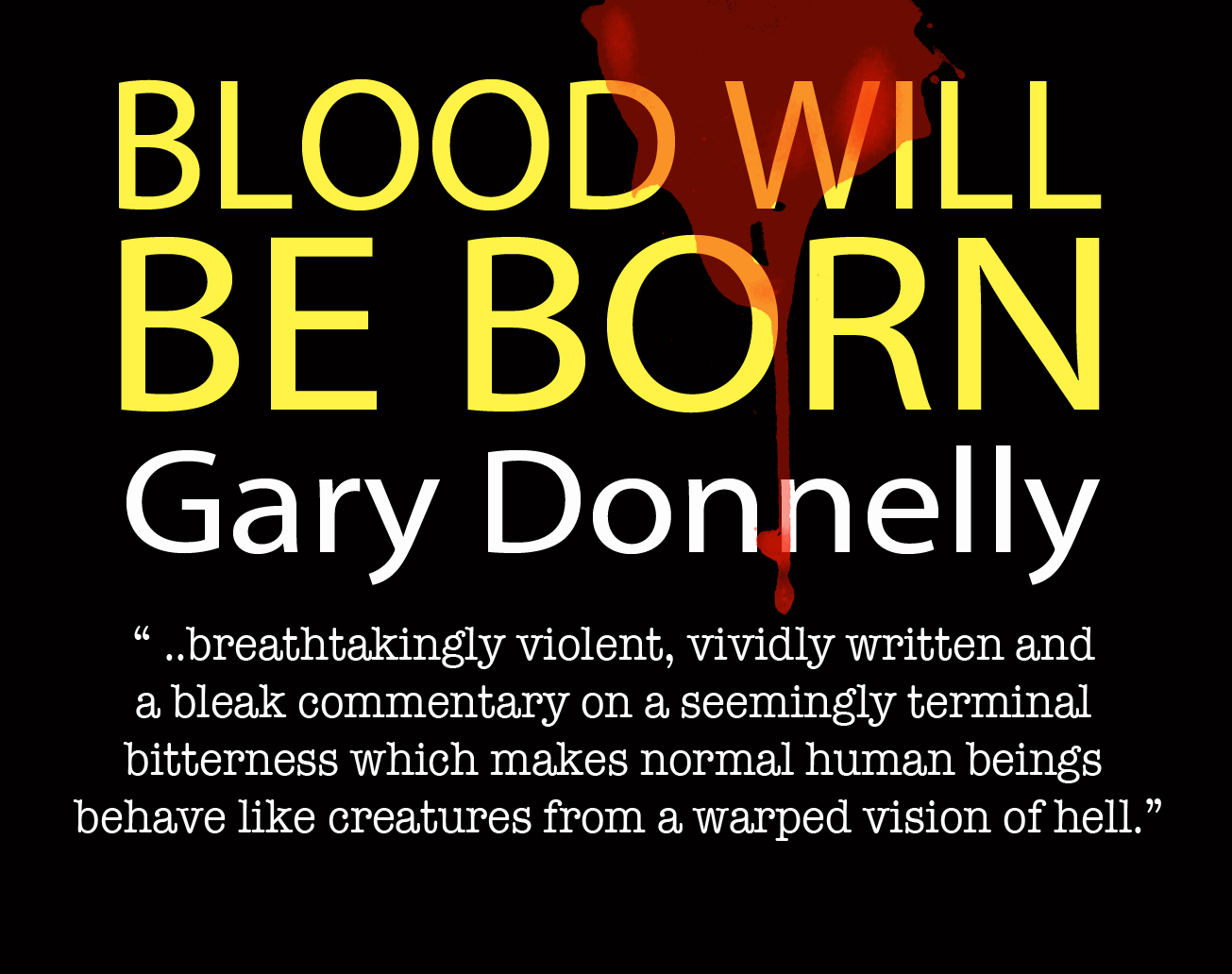

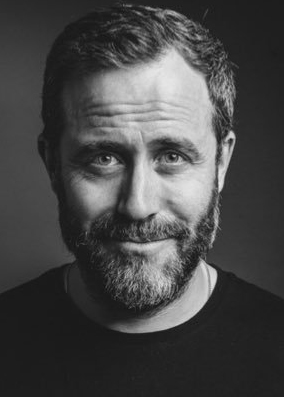 Belfast and its grim sectarian past is the epitome of noir. But, sadly, it is a non-fiction noir, as real events over the past fifty years or so would have been dismissed as preposterous had they been penned by a novelist. Such novelists would have to be writing historical fiction, though – wouldn’t they? Surely the momentous events of the spring of 1998 signaled a slow but irrevocable process of healing across the province? Gary Donnelly (left) has written a blistering debut novel Blood Will Be Born which says otherwise.
 is Belfast minder is to be DC Aoifa McCusker, an ambitious and headstrong young officer widely distrusted by her male colleagues. Even before Sheen and McCusker have the chance to discover how they each like their coffee, author Donnelly introduces us to two of the spectacularly grotesque villains of the story. First up is John Fryer, a brutal republican hitman with too many deaths to his name. Too many? Fryer’s murderous career has been haunted by a grisly mythical beast known as The Moley, who rises up from the primeval bog and is only placated by the shedding of fresh blood. Fryer is contained – for now – in a secure mental hospital.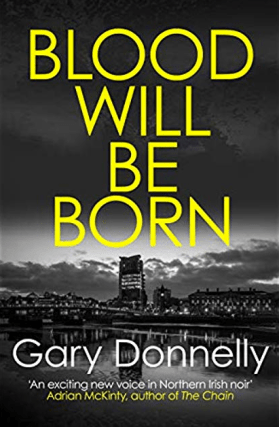
 ryer and Moore, for their own reasons, are determined to set Belfast on fire. Not the triumphalist – but literal and containable – fire of The Loyalist bonfires on the eve of 12th July, but a fire which will lay waste to the fragile peace enjoyed in the divided city. Sheen and McCuskey, with different motives, are desperate to bring down Fryer and Moore.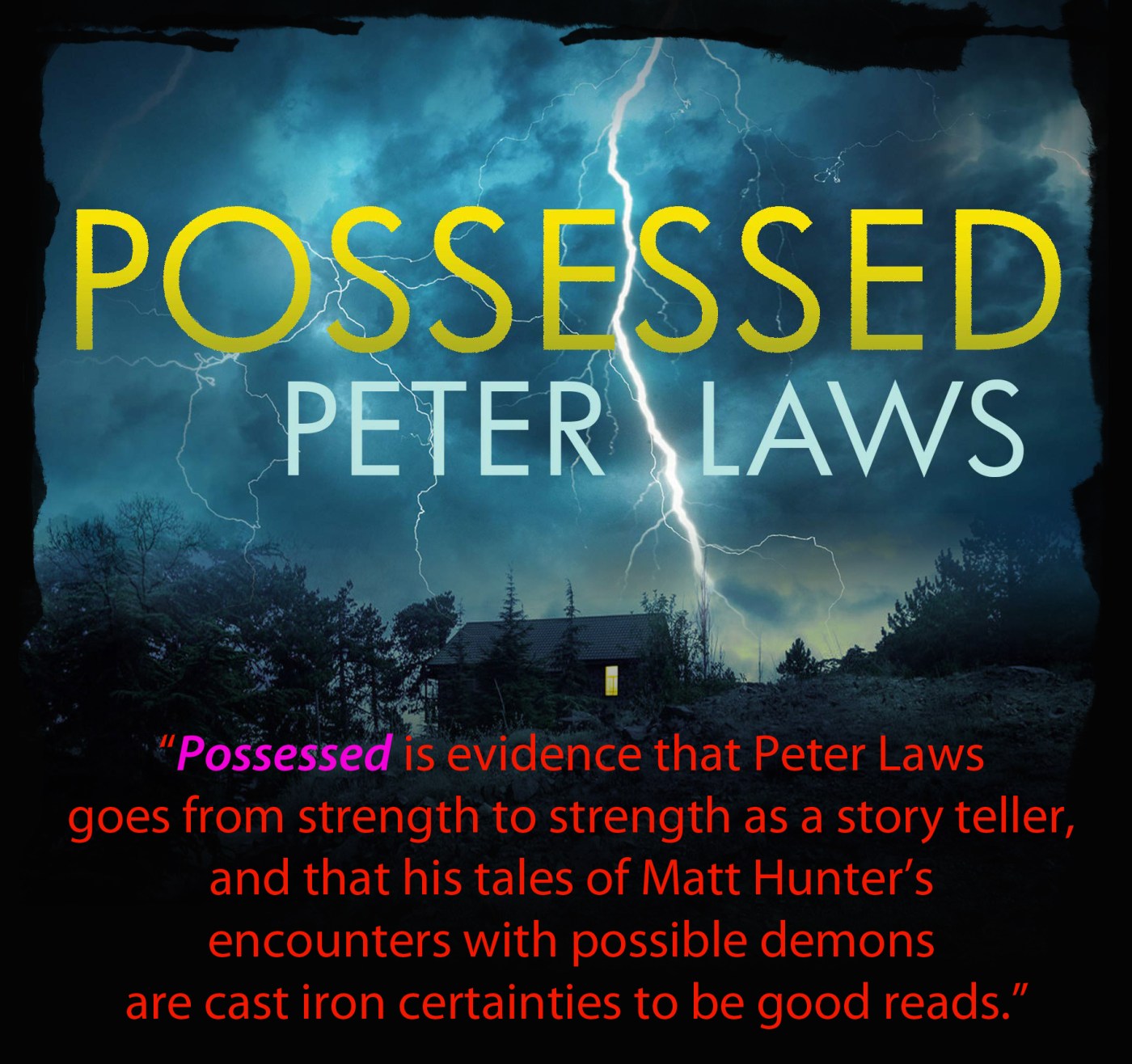
 Peter Laws introduced us to Matt Hunter in Purged (2017) and we learned that he is a former priest whose total loss of faith coincided with tragic personal events. Now, he lectures in the sociology of religion and belief systems, and has a reputation (one which does not sit lightly with him) for being the go-to guy when the police have a case which is ‘not dream’t of in our philosophy’.
 unter discovers that Riley is a devotee of a local church, one which, depending on your view might be termed either ‘charismatic’ or ‘a bunch of eyeball-rollers’. Things take a dramatic turn for the worse when Riley’s wife is discovered, horribly mutilated, in one of the customer chairs of her home hairdressing salon.
 hat happens next is violent, bloody, improbable – but totally gripping. Of course, Matt Hunter survives to return to his delightful wife and children, but not before he is forced to question his firmly-held disbelief in ‘ghoulies and ghosties, and long-leggedy beasties, and things that go bump in the night.’
 Laws (right) doesn’t exactly play it for laughs, but amid the knockabout spookery and Hunter’s own predilection for making wisecracks, there is serious stuff going on. It is worth comparing Matt Hunter with another fictional investigator of strange things – Phil Rickman’s Merrily Watkins. Like the real life Peter Laws, Merrily Watkins is a priest. Like Matt Hunter, merrily doesn’t necessarily believe in the supernatural, but she is totally convinced that some folk do.


 fullybooked2017