

 olitical disagreement in modern mainland Britain is largely non-violent, with the dishonorable exceptions of Islamic extremists and – further back – Irish Republican terror. For sure, tempers fray, abuse is hurled and fists are shaken. Just occasionally an egg, or maybe a milkshake, is thrown. You mightn’t think it, given the paroxysms of fury displayed on social media, but sticks and stones are rarely seen. Scottish writer SG MacLean in her series featuring the Cromwellian enforcer Damian Seeker reminds us that we have a violent history.
 In the last of England’s civil wars, forces opposed to King Charles 1st and his belief in the divine right of kings have won the day. 1656. Charles has been dead these seven years and his son, another Charles, has escaped by the skin of his teeth after an abortive military campaign in 1651. He has been given sanctuary ‘across the water’, but his agents still believe they can stir up the population against his father’s nemesis – Oliver Cromwell, The Lord Protector.
In London, Damian Seeker is a formidable foe to those who yearn for the return of the monarchy. He is physically intimidating, has a fearsome reputation for violence but, like many more modern heroes, Seeker has a fragile personal life. To put Seeker into a modern fictional context, he is Jack Reacher and Harry Callaghan in breeches, stockings and with leather gauntlets on his hands. He has a primed and cocked flintlock pistol by his side, but doesn’t trust modern technology. His weapons of choice are his own fists and a brutal medieval mace.
The story begins with the chance discovery of a mutilated corpse in an outhouse south of the river, in Lambeth – the seventeenth century version of 1970s Soho. The dead man was chained and appears to have been savaged by a dog, except that dogs don’t have five razor sharp claws on each paw. Seeker has to accept the impossible truth. The man has been mauled by a bear. But hasn’t bear-baiting been banned, and haven’t the remaining beasts been removed and killed? Like other practices banned by the zealous moral guardians of Cromwell’s government, bear-baiting and dog-fighting have simply – to use a totally anachronistic metaphor – slipped beneath the radar.
 hile Seeker searches for his bear, he has another major task on his hands. A group of what we now call terrorists is in London, and they mean to cut off the very head of what they view as England’s Hydra by assassinating Oliver Cromwell himself. Rather like Clint Eastwood in In The Line of Fire and Kevin Costner in The Bodyguard, Seeker has one job, and that is to ensure that the No.1 client remains secure. Of course, history
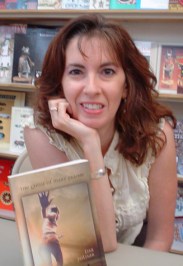
  tells us that Seeker succeeds, but along the way SG MacLean (right) makes sure we have a bumpy ride through the mixture of squalor and magnificence that is 17th century London.
McLean’s research is impeccable. She provides us with a clutch of recognisable real-life characters, and even the desperadoes who do their best to kill Cromwell are actual historical figures. She allows herself the luxury of a little what-iffery with the identity of the mysterious Boyes, ringleader of the plot, but this is all great fun and you would have to be a dull old thing not to be carried along with this excellent historical adventure.
The Bear Pit is published by Quercus and is out now. The Fully Booked review of the precious Damien Seeker novel, The Black Friar, is here.

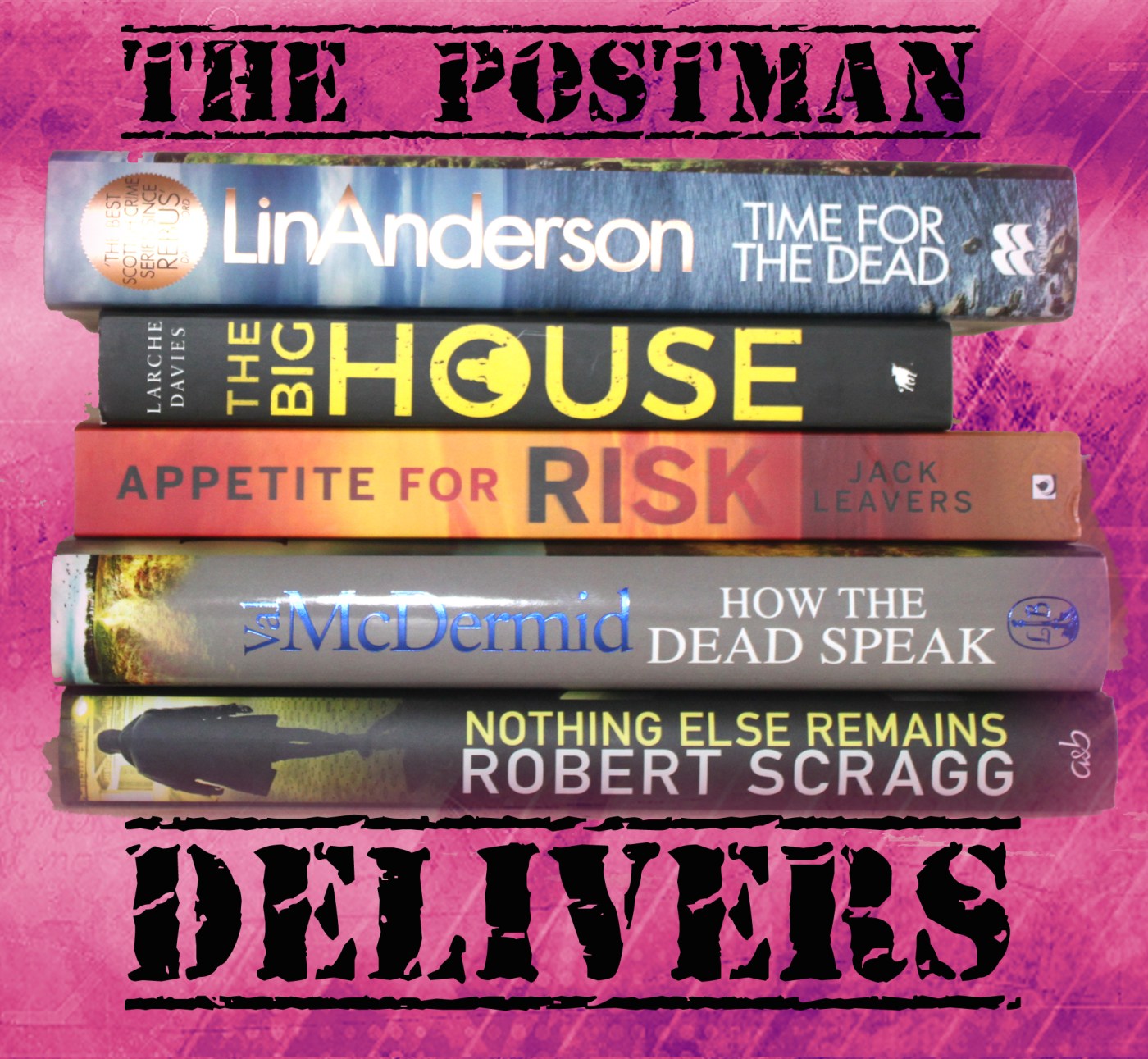

 o, it’s not the headed notepaper of a firm of dodgy solicitors, but the names of five authors whose latest books have been brought to FullyBooked Towers just in time for the holidays. OK, I’m only kidding, I’m always on holiday, but the books look pretty special.
 Is Tartan Noir a thing? Publicists say it is, so let’s go along with it for now. The investigations of forensic scientist Rhona MacLeod have proved hugely popular since her debut in 2003 with Driftnet, and now she returns for hr fifteenth outing in Time For The Dead. Readers and publishers obviously love a title which contains the ‘D’ word, and this is the seventh title in a row for Ms MacLeod which taps into this. Although Anderson was born in Greenock and now lives in Edinburgh, she loves the rugged possibilities of Scotland’s wilder places. On the Isle of Skye, it seems as though a group of army Afghanistan veterans may have gone rogue in the dark shadow of The Cuillin. A series of brutal killings – and the vanished army unit – make for Rhona’s most challenging case yet. Time For The Dead is published by Macmillan and will be on sale
 Never forget that the ability to get pleasure from books is a tremendous gift. In the world of CriFi and thrillers some like nothing better than a gritty police procedural which could be happening right on their doorstep, while others yearn for something which takes them away from the daily grind into a world which they can only imagine. Jack Leavers does just that in his tale of a former Royal Marine who has found that his particular skill-set is not much in demand at home. Instead, he goes back to the blood-soaked sands of Iraq and becomes involved in a fight to the death. This is nothing new to the battle-hardened John Pierce, but his world is turned on its head when he realises exactly who his enemies are. If you fancy this, you only have a day to wait as Book Guild Publishing will be putting it on sale
  I hope we don’t take Val McDermid for granted. She has millions of fans worldwide and has the gift of writing novel after novel, each one of which unfailingly hits the spot. This may be genius, but it’s also the result of bloody hard work and a refusal to accept second best. Like many other readers, I first came to her work via the edgy and distinctly discordant partnership of Tony Hill and Carol Jordan. Both are damaged, and both need something more than each other, but together they make a compelling CriFi partnership. This is the eleventh in the series, and begins when human remains are found in the grounds of a former convent. Apologies in advance to devout Catholics, but for me, Convents are always deeply sinister places, even without dead bodies. In order to find the truth about what appears to be a vile series of murders, Hill and Jordan are left with no alternative but to interrogate and give voice to the dead themselves. This will be available
  Scragg’s debut novel What Falls Beneath The Cracks introduced us to Detective Inspector Jake Porter and Sergeant Nick Styles. You can click on


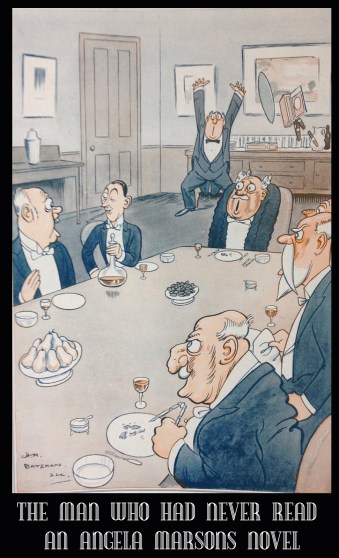 I’m new to the Angela Marsons Kim Stone series, which is good a cue as any to adapt a cartoon by one of my favourite illustrators, HM Bateman. It is clear that the Kim Stone novels, which began in 2015 with Silent Scream are hugely popular and although her millions of existing readers will not give a hoot what I think, I can now see why.
 Unsurprisingly, her chosen mode of transport is a powerful Kawasaki motorbike, the ultimate solo kick where all that exists is the rushing road, the wind and the scream of the engine:
 Marsons (left) takes us down and dirty into the visceral world of police work:
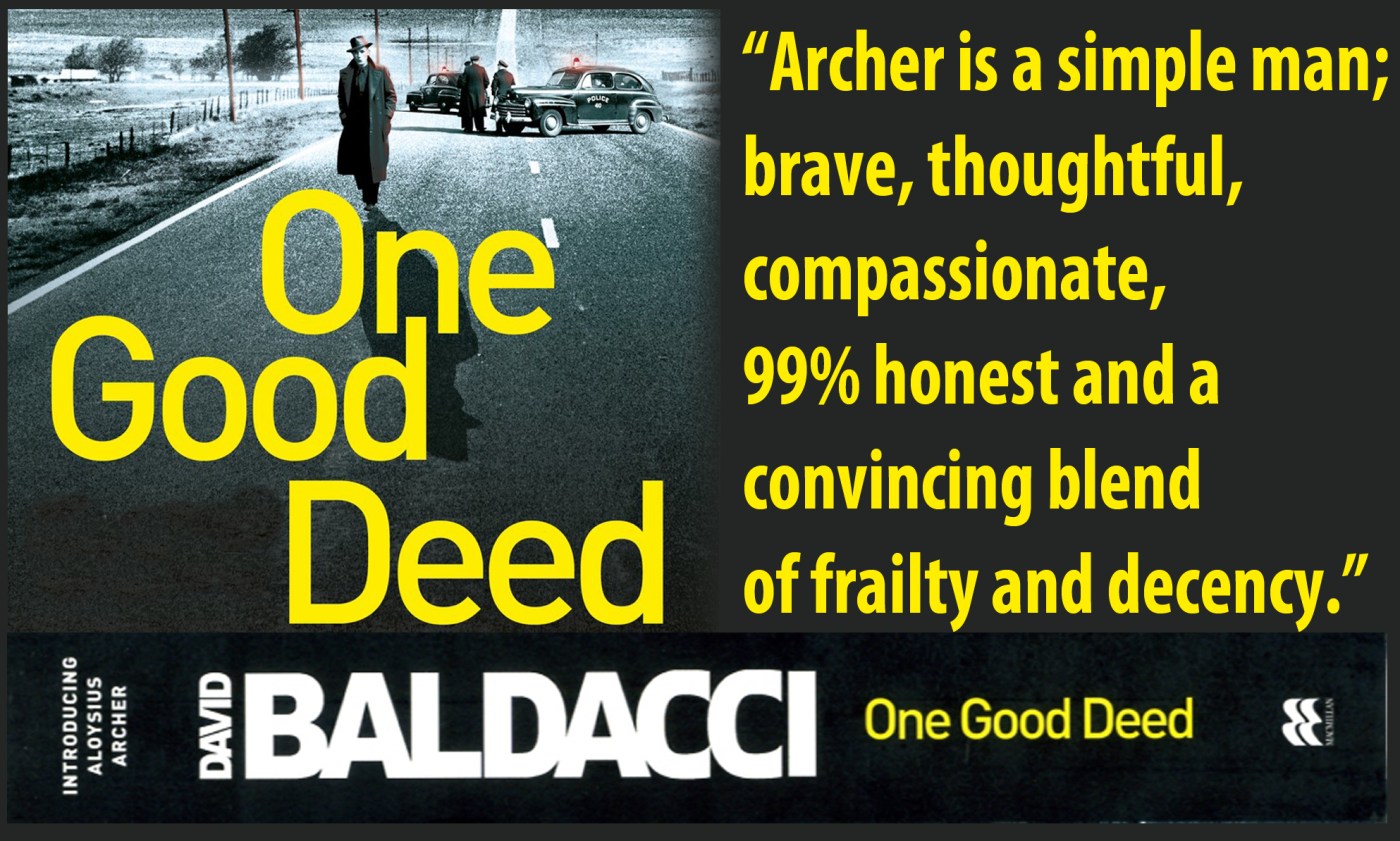

 rcher served his country with distinction in the war, fighting his way up the spine of Italy, watching his buddies die hard, and wondering about the ‘just cause’ that has trained him to shoot, throttle, stab and maim fellow human beings while, at the same time, preventing him from being at the deathbeds of both parents.
 Wearing a cheap suit, regarded as trash by the local people, and with every cause to feel bitter, Archer checks into the Derby Hotel and contemplates the future. His immediate task is to check in with his Probation Officer, Ernestine Crabtree. Quietly impressed by her demeanour – and her physical charm – Archer goes, in spite of his parole restrictions, for a drink in a local bar, The Cat’s Meow
 ven before Lucas Tuttle answers the door to Archer’s knock by pointing a cocked Remington shotgun at his unwelcome visitor, Archer has learned that the floozie on Pittleman’s arm in the bar is none other than Jackie, Tuttle’s estranged daughter. Archer finds the coveted motor car hidden away on Tuttle’s ranch, but it has been deliberately torched. Cursing his involvement in this blood feud, Archer’s equilibrium and freedom both take a severe knock when Pittleman’s body is found in a bedroom just along the floor from Archer’s room in The Derby. Thrown into the cells as the obvious suspect, Archer is released when he meets up with Irving Shaw – a serious and competent detective – and convinces him of his innocence.
 Pretty much left on his own to solve the case after a violent attempt to silence Jackie, Archer has to summon up very ounce of his military experience and his innate common sense to put himself beyond the reach of the hangman’s noose.
 mplausible as it may sound, given the body count – stabbings, shootings, people devoured by hogs – One Good Deed is a wonderfully warm and feel-good kind of novel. Archer is a simple man; brave, thoughtful, compassionate, 99% honest and a convincing blend of frailty and decency. Baldacci (right) is such a skilled storyteller that the pages spin by, and anyone who loves a crime novel where goodness prevails would be mad to miss this. Mr B also gives us a rather unusual romance – for 1949, at least. One Good Deed is published by Macmillan and is
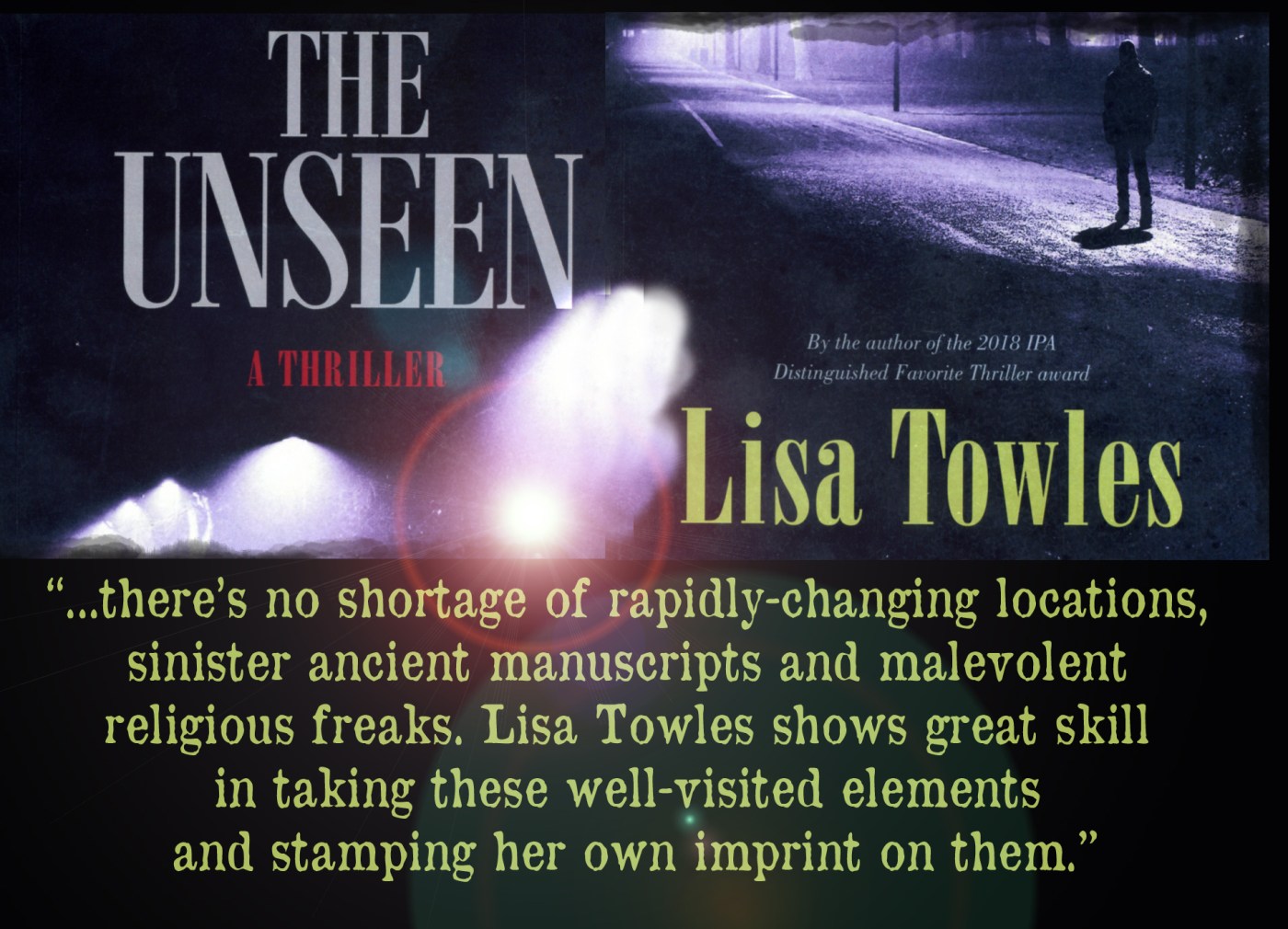

 isa Towles is a California Girl by residence, but she hails from New England. She writes crime novels when she isn’t putting her IT Management MBA to good use in The Sunshine State’s tech industry. Long time followers of Fully Booked will recall my enthusiastic review of her earlier book Choke (2017) and will remember that I began that review with the words:
 She is back with a vengeance – and that same imaginative flair – with her new mystery thriller The Unseen and the action is just as breathless. We have a story that spans five decades and whirls us between Dublin, the Egyptian desert, Boston Massachusetts, London and Rome. With a cast of larger-than-life characters including archaeologists, journalists, hit men – and a direct descendant of an Eastern Orthodox Pope – the story is never short of surprises and dramatic twists.

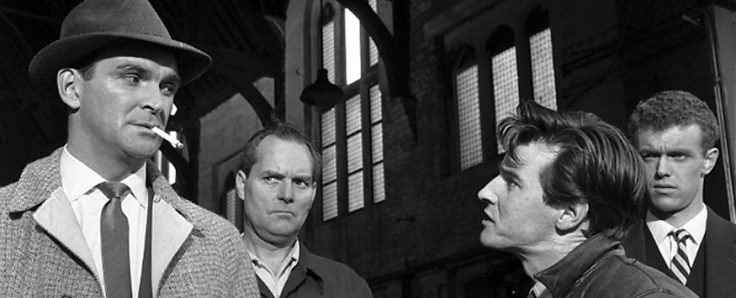
 The cast, if not stellar by international standards, was solid, with key roles for Stanley Baker as Martineau, Donald Pleasance as the bookmaker Gus Hawkins, and Billie Whitelaw as Mrs Hawkins (left). Strangely, the key role of Don Starling was given to John Crawford, (below) a journeyman American actor whose stock in trade was tough guys and villains. His American accent is obvious throughout and, although he puts in a good performance, it stretches credibility to believe he is the same man who fought with Martineau in their school playground. Regarding the oddity of his accent, it has to be said that the rest of the cast went for Stage Northerner rather than attempt the distinctive Mancunian twang.


 he name Maurice Procter is not one that is regularly bandied around at crime fiction festivals when the Great and The Good are discussing pioneering and innovative writers of the past. He is, just about, still in print thanks to the wonders of Kindle and specialist reprinters such as Murder Room. I’m reluctant to use the fatal words “in his day”, but Procter was a prolific and popular writer of crime novels between 1947 and 1969.
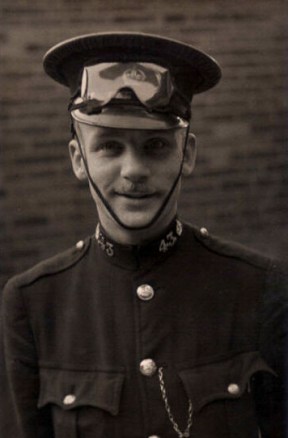 Born in the Lancashire weaving town of Nelson, Procter (left) joined the police force in nearby Halifax in 1927 and remained a serving officer until the success of his novels enabled him to write full time. In 1954 he published the first of a fifteen book series of police procedurals featuring Detective Inspector Harry Martineau. Martineau is a detective in the city of Granchester. Replace the ‘Gr’ with “M’ and you have the actual location pegged.
 tarling wastes no time in organising his next heist, and it is a daring cash grab. The victims are two hapless young clerks who work for city bookmaker Gus Hawkins. On their way to the bank with a satchel full of takings from Doncaster races, they are waylaid. Colin Lomax is coshed and left with a serious head injury but Cicely Wainwright fares even worse. Because the money bag is chained to her wrist, she is flung into the back of the getaway van and is killed by Starling as the gang make their escape over the moors to the east of the city. The bag is cut from Cicely’s wrist, and her body is dumped. Of course, this ups the stakes, much to the discomfort of Starling’s gang members, each of whom realises that they face the hangman’s noose if they are caught and convicted as accessories to murder. The hangman, by the way, is a well-known local resident:
 I was quickly hooked by this novel, for a variety of reasons. Anyone who has driven east out of Manchester in the direction of Sheffield (which makes a brief apparance as Hallam City) will recognise the changeless face of the moors, with their isolated pubs and gritstone houses clinging to the roadside. What has changed, however, is the view back towards Manchester. Where, in the early 1950s Martineau saw mill chimneys belching smoke, today we could probably, apart from the haze of vehicle emissions , see almost to the Irish Sea. We also know that Cicely Wainwright’s’s body would not be the last to be abandoned in the cottongrass, heather and bilberry of the Dark Peak.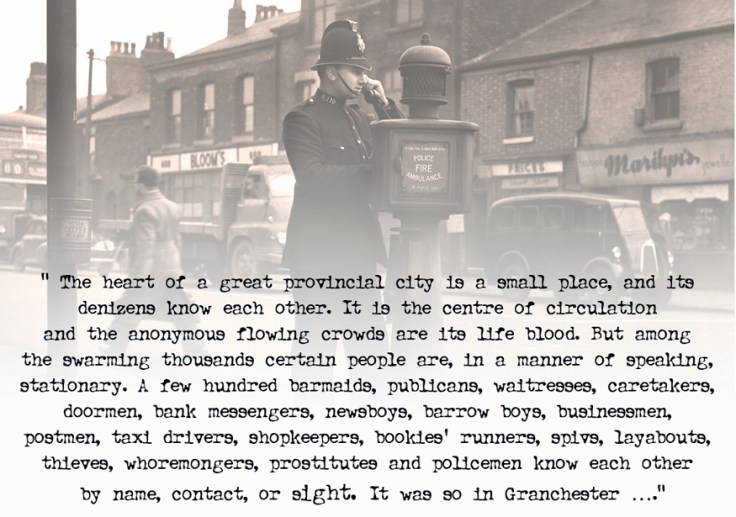
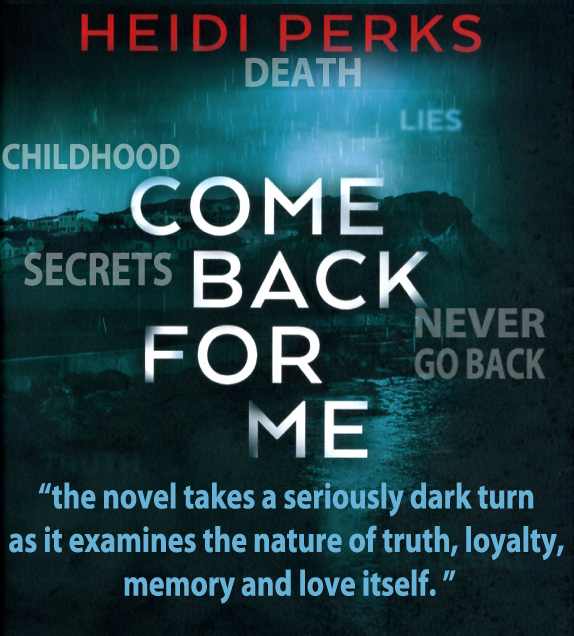
 On a tiny island off the Dorset coast of southern England, a little girl lives a dream childhood. Loving parents, the beauty of the sea and the sky, and the cloudless blue optimism of the young. But then, one terrible night, Stella Harvey’s idyll is shattered. On a September evening, with a violent storm lashing the tiny harbour of Evergreen Island, David Harvey ushers his family on board the ferry he runs for a living, and takes them away to the mainland. For ever.
 ears have flown by. Stella is now a consulting psychotherapist. Sister Bonnie is married with children. Their mother, Maria, is long dead, killed in a road accident. Father David, having left Maria for another woman, is now in the throes of dementia.
 When Stella’s long-since-estranged brother, Danny, is drawn into what has become a murder investigation, the novel takes a seriously dark turn as it examines the nature of truth, loyalty, memory and love itself. Heidi Perks (right) has written a novel which will entrance readers who like a good psychological thriller, and she leaves us with a sense of sadness, certainly, but also an affirmation that, in the words of St Paul:
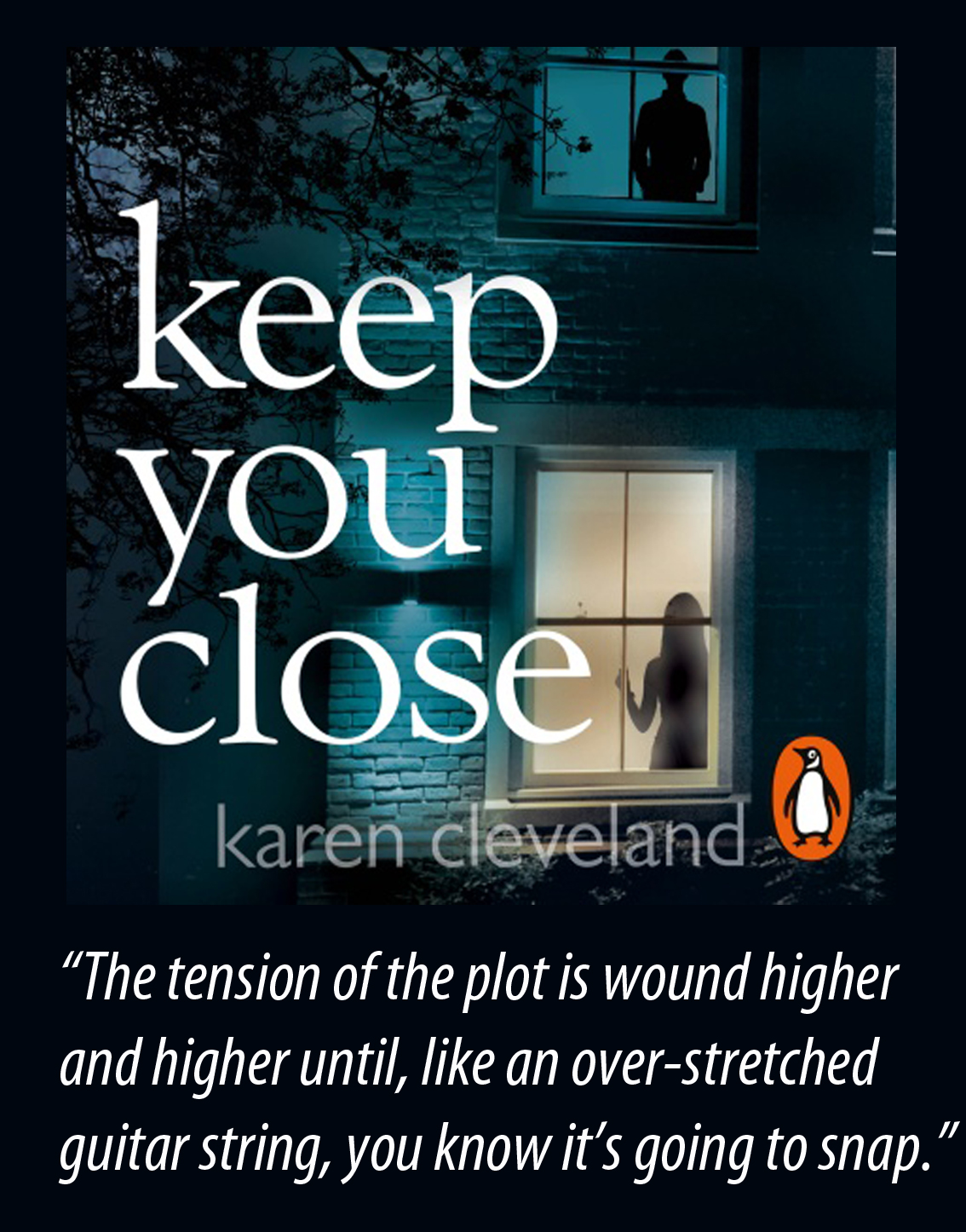

 For Agent Maddox, however, The FBI Experience is something other than a theme park visit. Gender equality has come at a price, and she is viewed with a certain degree of suspicion by many of her male colleagues, particularly as she is – and feel free to use the ‘woke’ description of your choice – a single mother, lone parent or head of a one-parent family. The blunt truth is that Steph has brought up Zachary largely on her own from day one. Not only that, but she has steadfastly refused to reveal the identity of his father.

 aren Cleveland, to say the very least, knows of what she writes. She is a former CIA analyst herself, and her experience translates into a swiftly moving and convincing narrative. Steph Maddox is torn between fighting her son’s corner – he is innocent, surely? – and preventing a major terrorist assassination attempt. As in the real world of political and military intelligence gathering, nothing is what it seems, and no-one is above suspicion.


 fullybooked2017