

This is a welcome return for Tim Sullivan’s distinctive copper, Detective Sergeant George Cross. Based in Bristol, the series is centred upon this unusual police officer – unusual in that he has a mental condition variously described as Autism, or Aspergers Syndrome. Common symptoms of the condition include lavish attention to detail, the inability to understand figurative speech and an intense reliance on pattern and repetition in personal life. I loved the previous book, The Monk, and you can read what I thought by clicking the link.
Now, in a village not far from Bristol an elderly man has been found dead at the foot of the stairs in his cottage. Alistair Moreton was not well-loved in Crockerne . The former headmaster of a private school was abrupt and aloof – except at parish council meetings when he objected to anything and everything on the agenda, mainly because he could, and because he took pleasure at being a contrarian.
A few years previously, he had been wrongfully implicated in the disappearance of a local schoolgirl, and much damage was done before she presented herself at a London police station, admitting she had just run away from home. Moreton had managed to alienate almost everyone in Crockerne, particularly the London couple – the Cockerells – who had a weekend cottage next to his, and with whom he had engaged in several lengthy – and expensive – legal battles.
Moreton’s son Sandy is an MP whose right-wing views have resulted in his being ‘recalled’ by his constituents, and so he faces a by-election. When George Cross’s temporary boss, DI Bobby Warner makes a premature arrest, and organises a press conference alongside Sandy Moreton, Cross quietly continues his own investigations, troubled by the fact that Alistair Moreton’s ‘set-in-stone’ daily routine had changed significantly over the two weeks prior to his death.
Cross discovers that Moreton’s tenure as headmaster of All Saints was characterised by brutality and a cruel disregard, and that there are many grown men whose childhoods were disfigured by beatings at the school – and the almost universal disbelief of their parents when they were told what was going on. A Facebook group of All Saints ‘survivors’ has been set up, and Cross comes to think that Moreton’s killer may be one of the members.
Along the way we have an intriguing glimpse into Cross’s family life. His father came out as gay later in life, but his partner has died, while Cross’s mother has remarried. A local priest is perhaps the closest thing Cross has to a friend and the cleric – Stephen – acts as an unofficial master of ceremonies in this unusual ménage.
The Crown Prosecution Service have been persuaded to put Barnaby Cotterell on trial for murder, but the case falls apart. Meanwhile disturbing information has come to light about the professional behaviour (or otherwise) of DI Bobby Warner.
Tim Sullivan leads us a merry dance and we whirl through a plethora of potential killers until, with just a few pages to go, we finally learn just who – from a classroom full of suspects – did away with the vicious and sadistic former schoolmaster. George Cross is a remarkable character – resolute, hugely intelligent, baffling to many of his colleagues, but blessed with insights that make him unique among modern fictional coppers. The Teacher is published by Head of Zeus and will be available on 18th January.








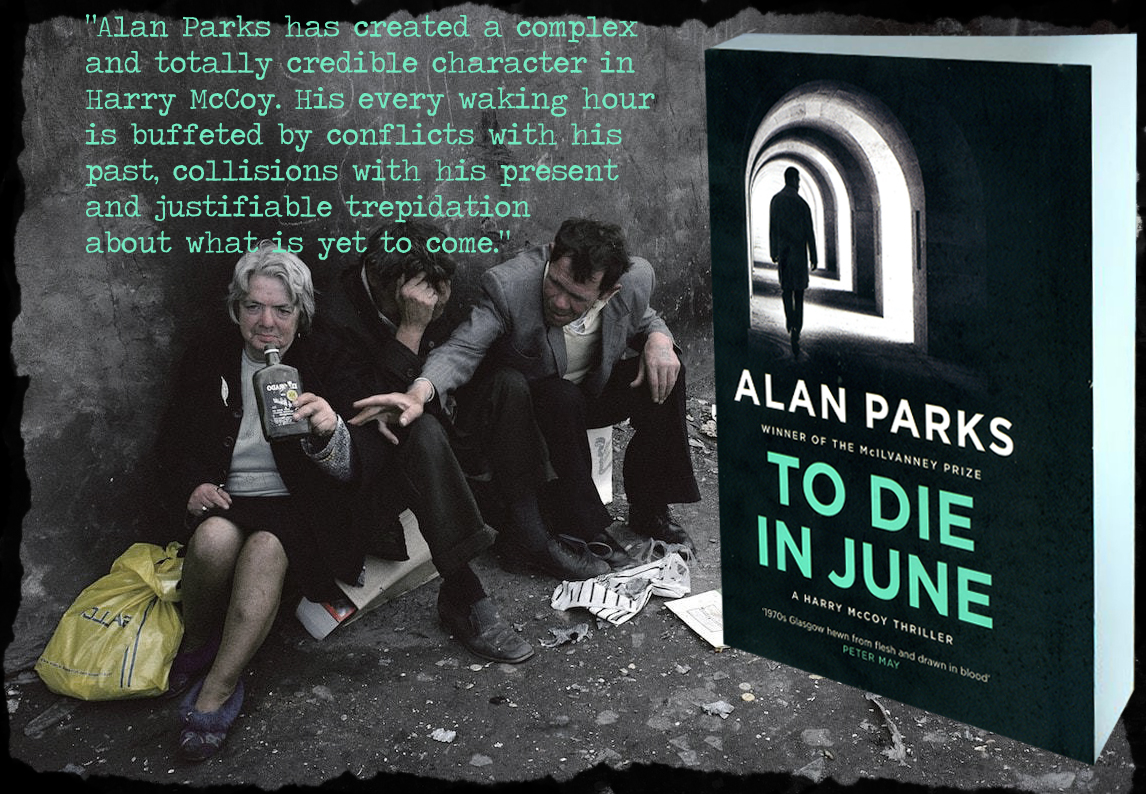

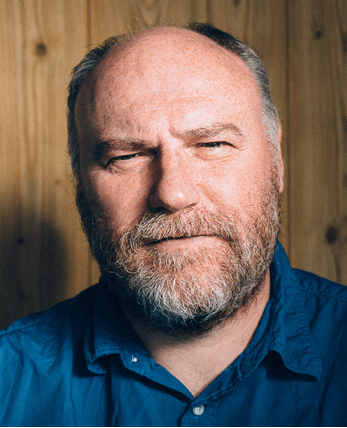 Alan Parks (left) introduced us to Glasgow cop


