

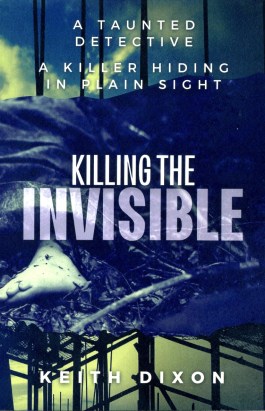
 Keith Dixon’s Porthaven is a fictional town on England’s south coast. It doesn’t seem woke or disfunctional enough to be Brighton, maybe neither big nor rough enough to be Portsmouth or Southampton, so it’s maybe a mix of all three, seasoned with a dash of Newhaven and Peacehaven. Inspector Walter Watts is a Porthaven copper. He is middle-aged, deeply cynical, overweight, and a man certainly not at ease with himself – or many others – but a very good policeman. When a young woman, later identified as Cheryl Harris, is found murdered on a piece of waste ground, the only thing Watts accomplishes on his visit to the scene is that his sarcastic exchanges with a female CSI officer result in in an official complaint, and him being moved off the case. From the sidelines, Watts knows that whoever killed the young woman was definitely trying to pass on a message. The woman’s face has been obliterated by a concrete slab, with her mobile ‘phone jammed into what was left of her mouth.
His new job is to liaise with Porthaven council over the security aspects for a proposed housing development. This is where Keith Dixon throws in the first of several delightful plot devices. Superintendent Tony ‘Frog’ French is Watts’ boss and the man who gave the order for the sideways move. Watts happens to be having an affair with Frog’s wife Felicity – and guess who is the council executive in charge of the building project? None other than Felicity (using her maiden name) Gable.
When the officer brought in to head up the murder enquiry is himself sidelined (due to some clever calling-in of old favours by Watts) our man is back in business. He senses that the murder of Cheryl Harris is somehow connected to the business dealings of Kurt Swanpool, a millionaire property developer (with a criminal record) who is working with Porthaven Council on the housing development with which Watts was – briefly – involved.
 Watts was brought up by his father – and in boarding schools – after his mother left the home. There has been no contact with her from that day to this, until he receives a message from the desk sergeant at Porthaven ‘nick’ simply saying that his mother had ‘phoned, and would he call her back on the number provided. This thread provides an interesting and complex counterpoint to the police investigation into the killing of Cheryl Harris. It also allows Keith Dixon (right) to better define Watts as a person; on the one hand he is aloof, selfish, socially abrasive and enjoys showing his mental superiority; on the other, he is vulnerable, unsure, and shaped by a childhood lacking conventional affection.
Kurt Swanpool may be modeled on a real life notorious Sussex millionaire landlord and part-time criminal with connections to southern Africa. Who knows? Swanpool retains dirty connections, even as he tries to establish his philanthropic credentials. Did anyone – or anything – decent ever come out of the Balkans? The jury is out, and two villains name Milo and Drago appear in the story, and don’t advance the cause of Serbia or Montenegro being nominated for an international human rights award one little bit.
Watts gets his murderer. That’s not me being intentionally oblique, but a rather gentle suggestion that you read a famous 1911 poem by Rudyard Kipling, which begins:
“When the Himalayan peasant meets the he-bear in his pride,
He shouts to scare the monster, who will often turn aside. “
Killing The Invisible – the second in the Porthaven Trilogy – is superior crime fiction. By turn intense, dark, literate and sardonic, it is published by Spellbound Books, and is available now.


 Without giving the game away, it is in Brother Dominic’s previous life where the clues are to be found, but answers don’t come easy for Cross and Ottey. Although there was a very clever plot twist involving the identity of the killer, I was far more involved with George Cross as a person than wondering who murdered Brother Dominic.The relationship between Cross and his father, the discombobulating effect of the re-emergence of his mother – lost to him since she left the family home when he was five – and his attraction to the unambiguous world of order, silence and simplicity of Dominic’s fellow monks, all contribute to the power of this compelling read.

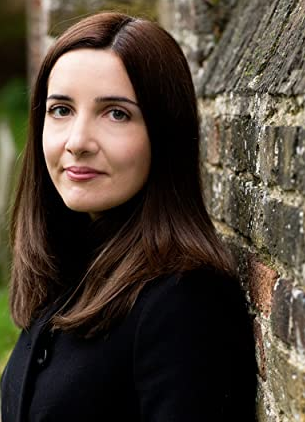


 This is the fourth book in a series featuring Norfolk copper DCI Greg Geldard, but author Heather Peck (left) wastes no time in providing all the back-story we need. Geldard is divorced from his former wife, Isabelle, who is a professional singer. She has now remarried a celebrated orchestral conductor, with whom she has a child, while Geldard is in a relationship with one of his colleagues, DS Chris Mathews. When he gets an early morning ‘phone call from Isabelle saying she and her son have been threatened by a foreign criminal connected to one of Geldard’s previous cases, he is forced to stay at arm’s length, but is disturbed to hear from a colleague that Isabelle may be making the story up.


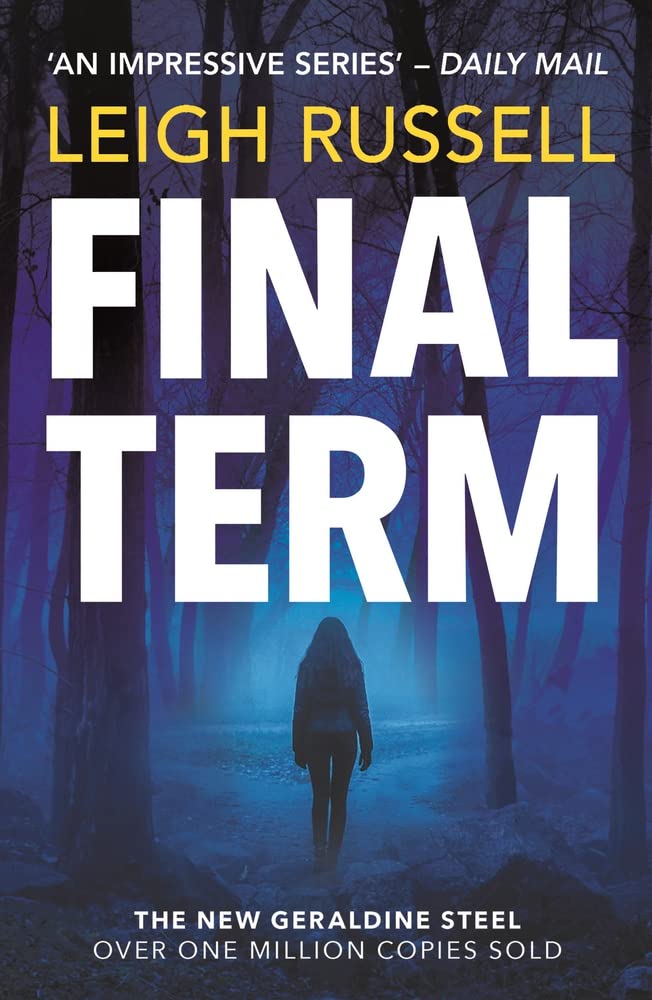
 Leigh Russell (right) studied literature at university, and spent four years immersed in books. After that,she became a teacher, a career that enabled her to share her enthusiasm for books with teenagers. For years, she read other people’s books


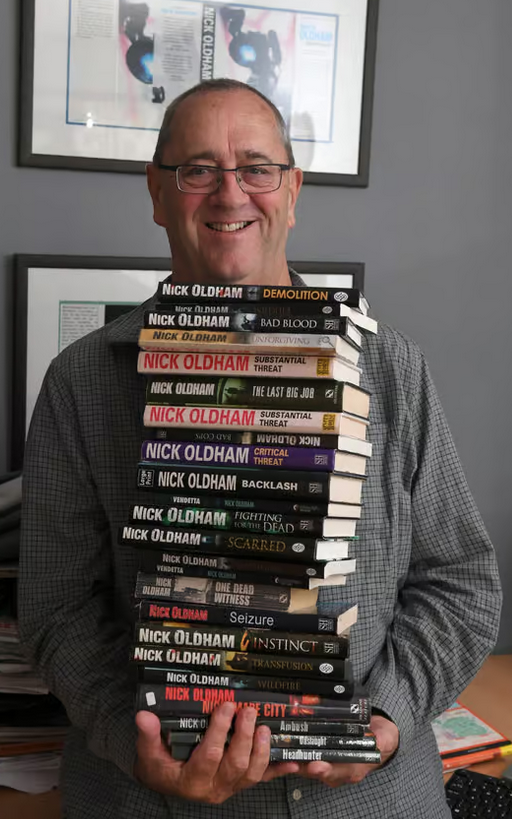



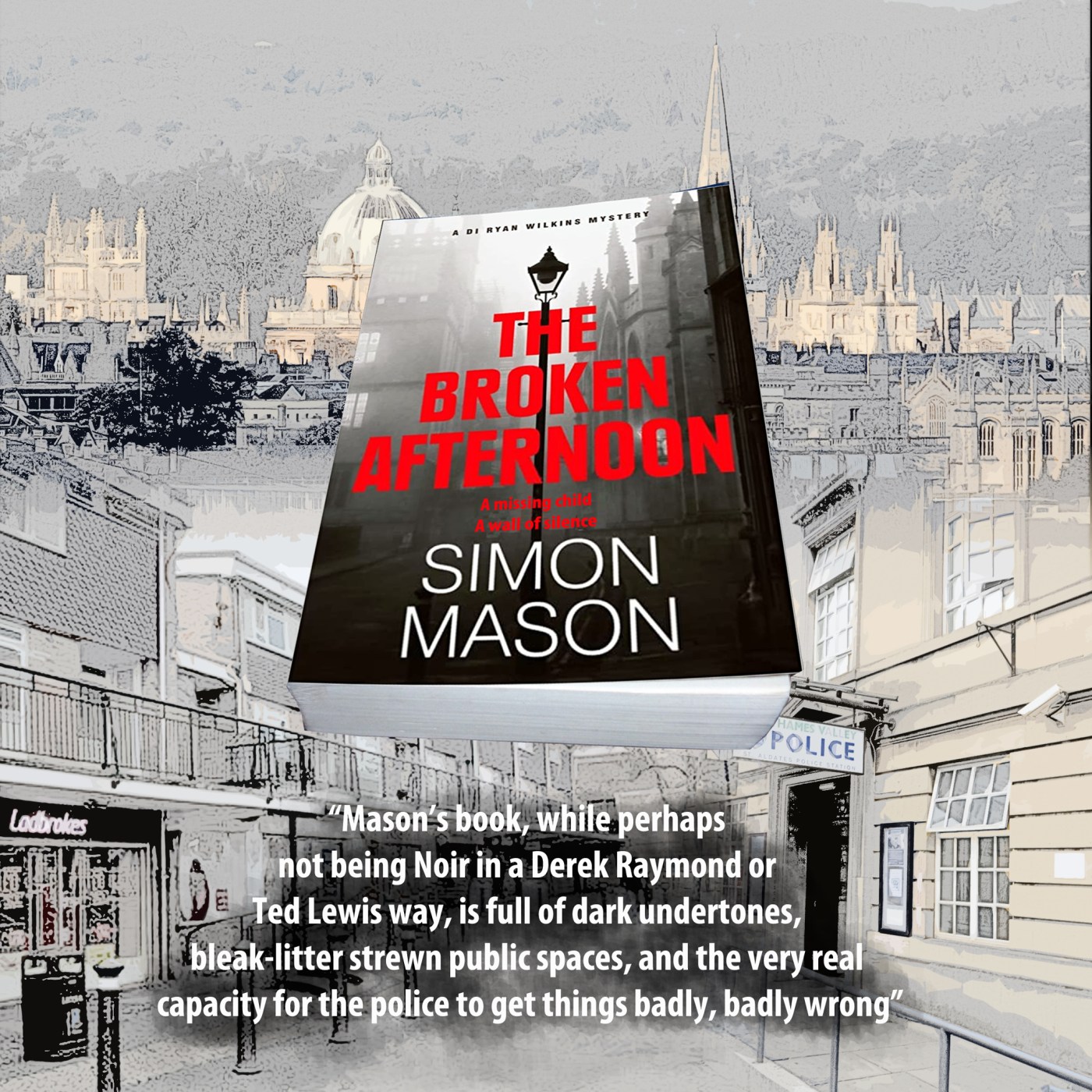

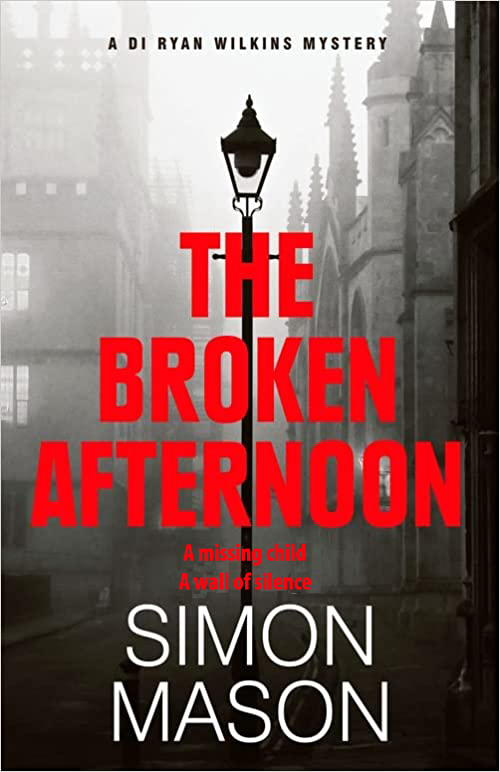 In Simon Mason’s A Killing In November we met Oxford DI Ryan Wilkins, and the book ended with his dismissal from the force for disciplinary reasons. In this book he is still in Oxford, but working as a security guard/general dogsbody at a van hire firm. His former partner, also named Wilkins, but Ray of that ilk, is now heading up the team that was once Ryan’s responsibility, and it is they who are tasked with investigating the abduction of a little girl from her nursery school.
 I am sorry, but that is not how I see this book. Yes, it is set in and around Oxford, but apart from The Broken Afternoon being every bit as good a read as, say, The Silence of Nicholas Quinn or The Remorseful Day, that’s where the resemblance ends. Mason’s book, while perhaps not being Noir in a Derek Raymond or Ted Lewis way, is full of dark undertones, bleak litter strewn public spaces, and the very real capacity for the police to get things badly, badly wrong. Simon Mason (right) has created coppers who certainly don’t spend melancholy evenings gazing into pints of real ale and then sit home alone listening to Mozart while sipping a decent single malt.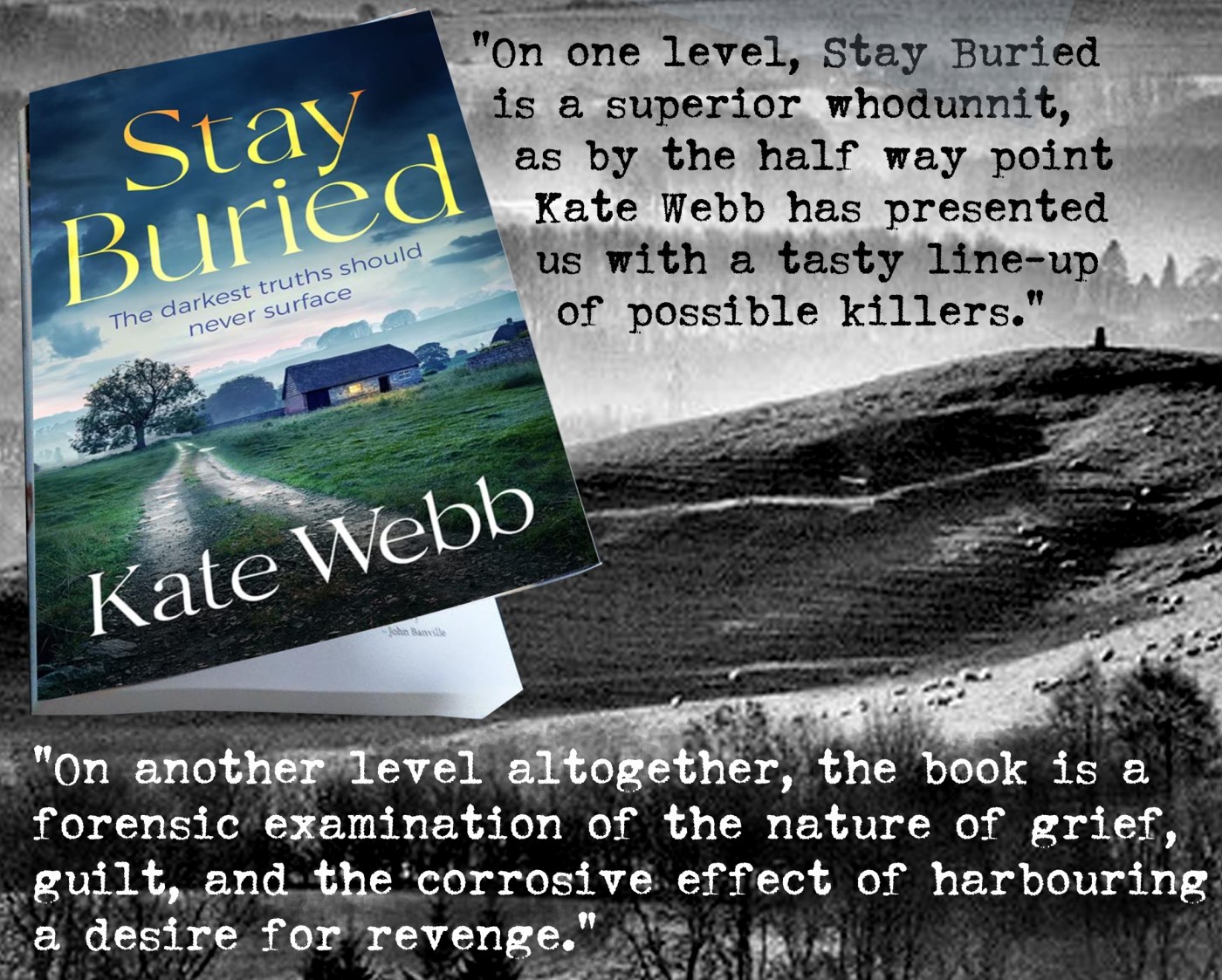

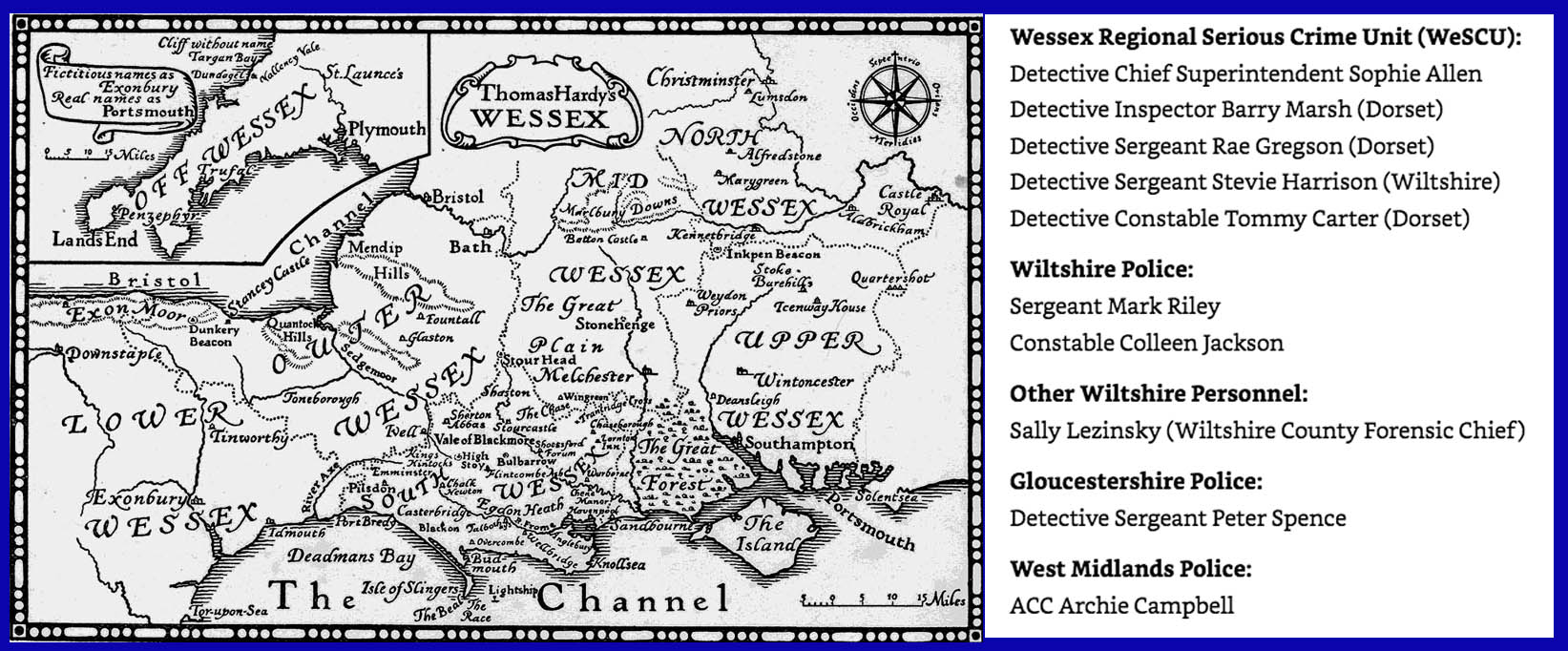
 Writing as Katherine Webb, the author (left) is a well established writer of several books which seem to be in the romantic/historical/mystery genre, but I believe this is her first novel with both feet firmly planted on the terra firma of crime fiction. Wiltshire copper DI Matthew Lockyer, after a professional error of judgment, has been sidelined into a Cold Case unit, consisting of himself and Constable Gemma Broad.


