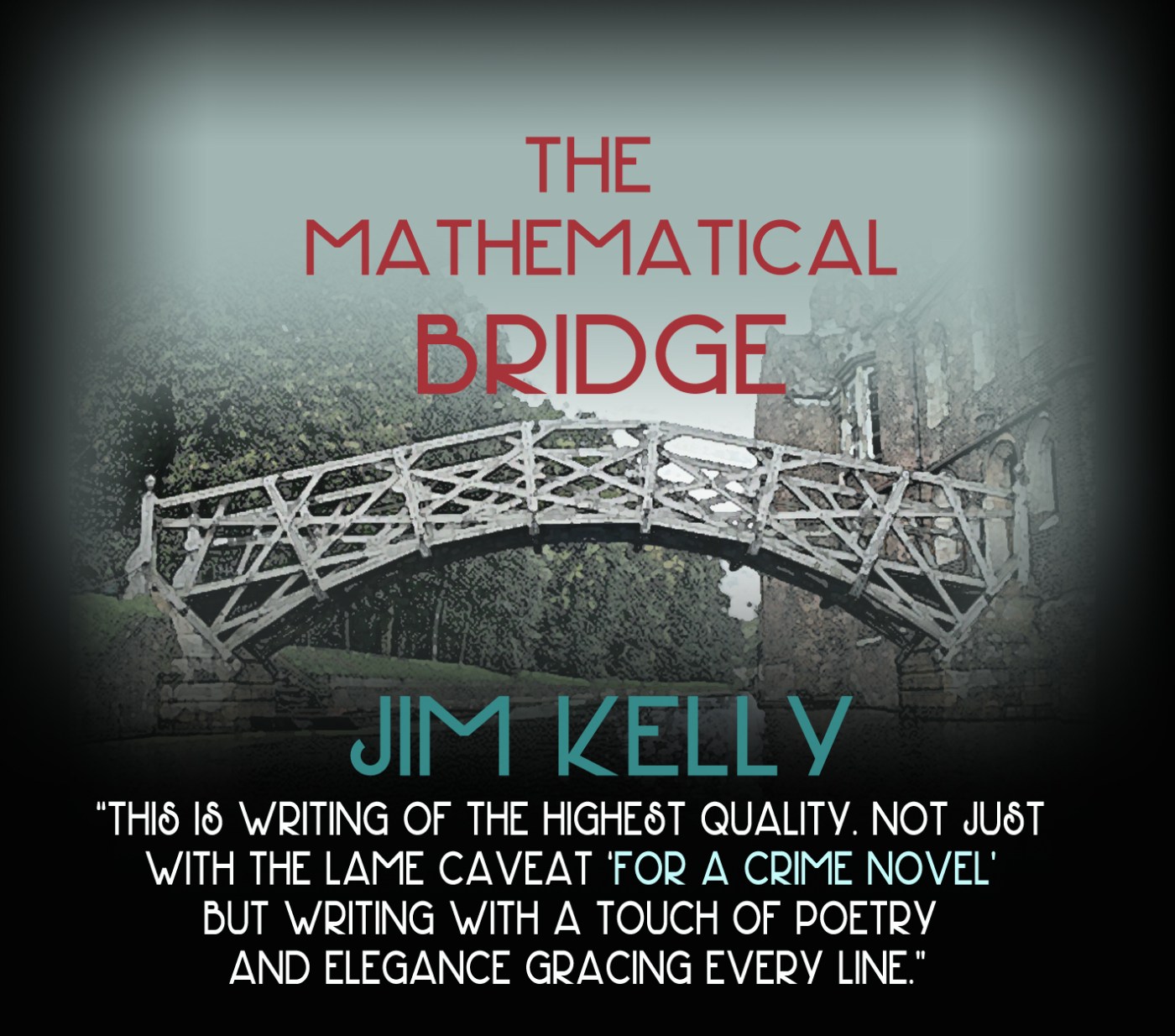
“Detective Inspector Eden Brooke trudged into Market Hill, the city’s great square, as snowflakes fell, thick and slow, each one a mathematical gem, seesawing down through the dead of night. Every sound was muffled, a clock striking the hour out of time, the rhythmic bark of a riverside dog, the distant rumble of a munitions train to the east, heading for the coastal ports. The blackout was complete, but the snow held its own light, an interior luminescence, revealing the low clouds above. Brooke stopped in his tracks, his last crisp footstep echoless, and wondered if he could hear the snow falling; an icy whisper in time with the sparkling of the crystals as they settled on the cobbles, composing themselves into a seamless white sheet.”
 “Begin as you mean to go on” says the old adage, and Jim Kelly sets himself a hard task with the brilliant and evocative first paragraph of The Mathematical Bridge. The beautiful use of language aside, Kelly’s first 126 words convey a wealth of information. A country at war. Midwinter. A city preparing for an attack from the air. A policeman out and about when honest men are abed.
Eden Brooke first appeared in The Great Darkness (2018) and you can read my review by clicking the blue link. A copper in the university city of Cambridge, he is a war veteran, not of the Western Front, but of the desert campaign, one of ‘Allenby’s Lads.’ We join him in that first winter of the Second World War, when German bombers have yet to inflict their terror on the houses and streets below them. Tragedy strikes when a boy, evacuated from his London home to the relative safety of a Roman Catholic community in Cambridge, is feared drowned in the fast-freezing River Cam. His body is eventually recovered, but not before Brooke has unearthed a plot to bring death and destruction to the streets of Cambridge.
The conspirators are not Germans but people from much nearer home who firmly believe that their enemy’s enemy is their friend. With two Irish republican conspirators sitting in a Birmingham jail, sentenced to death for a 1939 bomb atrocity in Coventry, Brooke realises that the next potential target for the IRA is Prince Henry, Duke of Gloucester, younger brother to the King. Henry is due to make a morale-boosting visit to Cambridge to boost the war effort, and Brooke is desperate to find the link between the dead boy in the river and the Irish community who worship at St Alban’s church.
Eden Brooke is an engaging character. Blighted by vision problems and chronic insomnia – both the result of his wartime treatment at the hands of brutal Turkish captors – he goes about his work with a steely intensity, much to the despair of his wife and daughter. Kelly’s portrait of provincial England in the first months of WW2 is mesmerising, more so given the added piquancy of our knowledge of what will happen, contrasted with the uncertainty of the characters in the novel.
Give Jim Kelly a landscape, a town, a city, an isolated village, and he will mobilise and send it off to war. Fans of his Philip Dryden novels will know the dramatic chiaroscuro he paints that shows how the comfortable middle-class cathedral city of Ely sits surrounded by dark and broken hard-scrabble villages out in the Fen. His Norfolk copper, Peter Shaw, knows only too well the contrast between the rough estates of King’s Lynn and the Chelsea-On-Sea second homes further up the Norfolk coastline. Eden Brooke’s Cambridge is a vivid and vital character in The Mathematical Bridge. Kelly makes it, despite the murders, an island of relative calm and rationality, for beyond it, out there in the flat darkness, lies The Fen.
 This is writing of the highest quality. Not just with the lame caveat ‘for a crime novel’ but writing with a touch of poetry and elegance gracing every line. Even when the crime is solved, the perpetrators are behind bars, and the delightfully complex contradictions of the plot have been explained, Kelly (right) still has the emotional energy to give us a last scene which manages to be poignant but, at the same time, life-affirming.
The Mathematical Bridge is published by Allison & Busby and is out on 21st February. For more about Jim Kelly and his writing click this link.


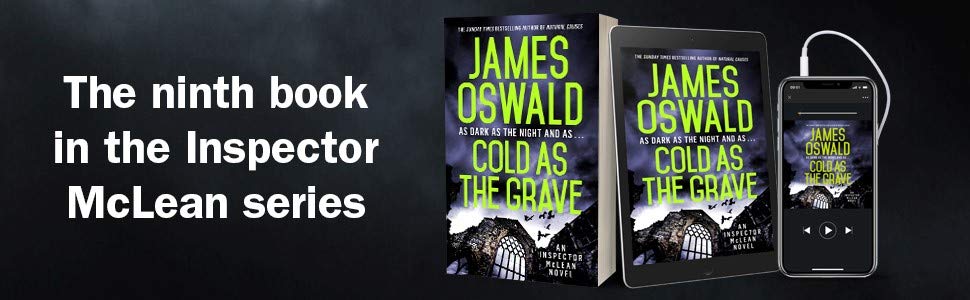
 Cold As The Grave is the ninth novel in the Tony McLean series, but fine writers – and Oswald is up there with the very best – make sure that it is never too late to come to the party. For anyone new to the series, McLean is something of an individual. Due to an inheritance, he is exceedingly wealthy, but has a modest lifestyle and chooses to remain a police officer. He has a long-standing ‘significant other’ in Emma Baird, but the previous novel,
 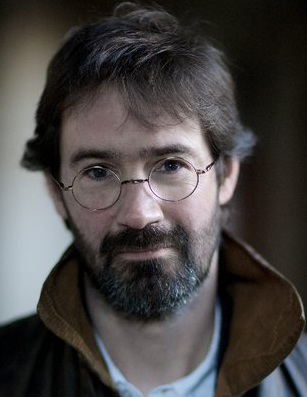 Does McLean follow his head or his heart? The road to the left or the right? Cold As The Grave is a brilliant police procedural, but there is more – so much more – to it. For those who love topographical atmosphere Oswald (right) recreates a wintry Edinburgh that makes you want to turn up the central heating by a couple of notches; for readers drawn by suggestions of the supernatural there is enough here to induce a shiver or three, while making sure the bedroom light remains on while you sleep. The sheer decency and common humanity of Tony McLean – and the finely detailed portraits of the people he works with – will satisfy the reader who demands authentic and credible characterisation.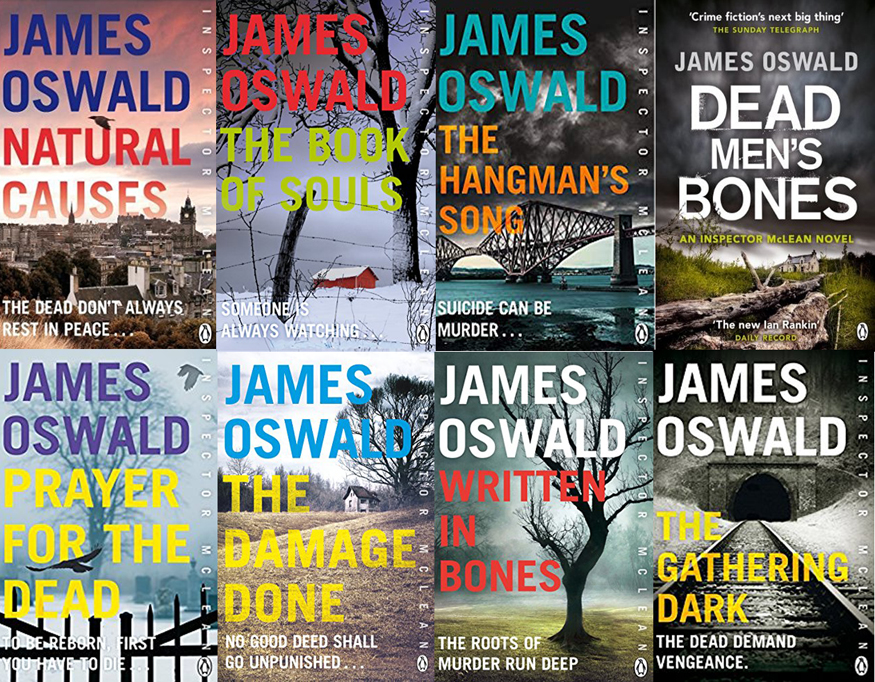
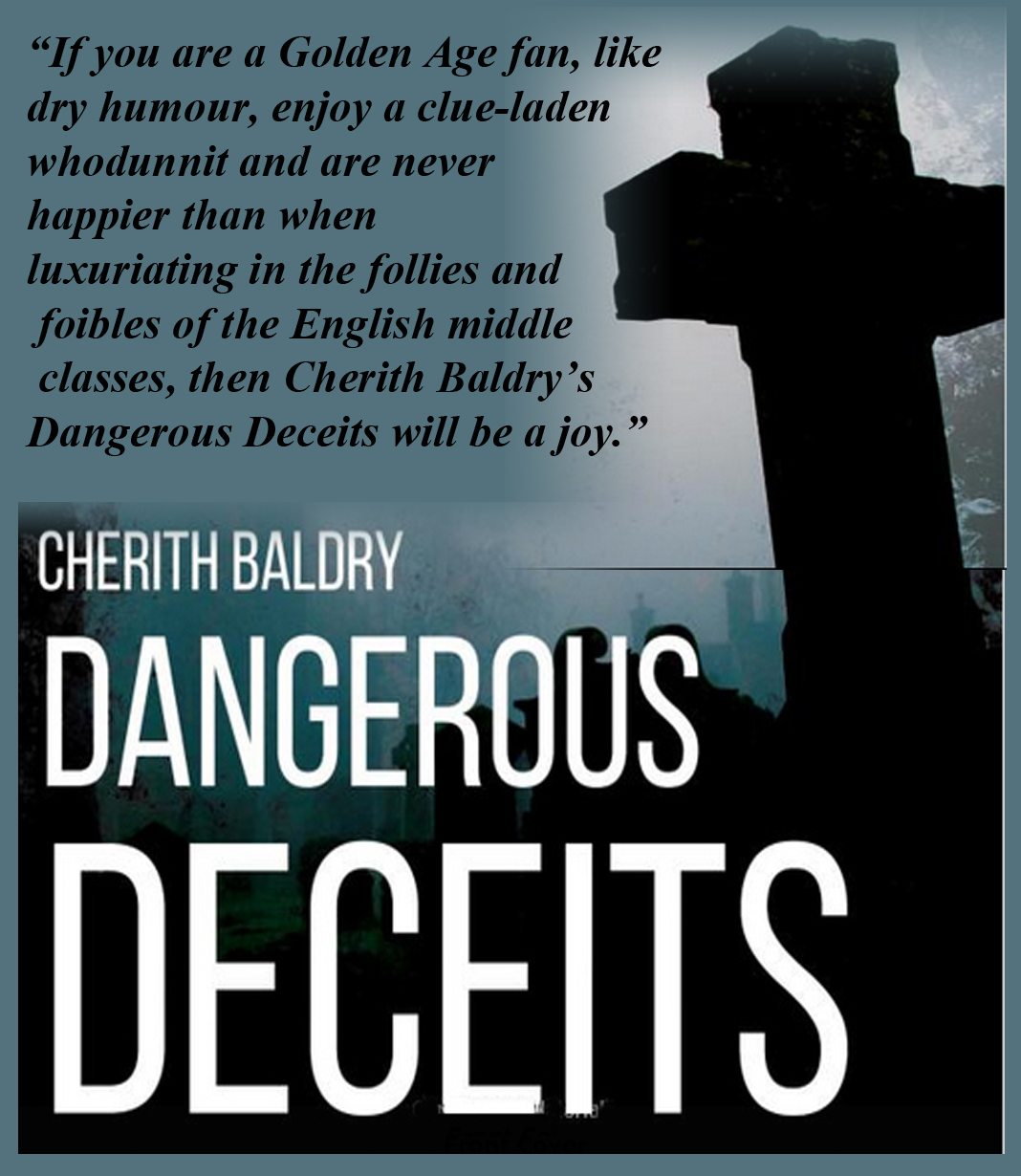
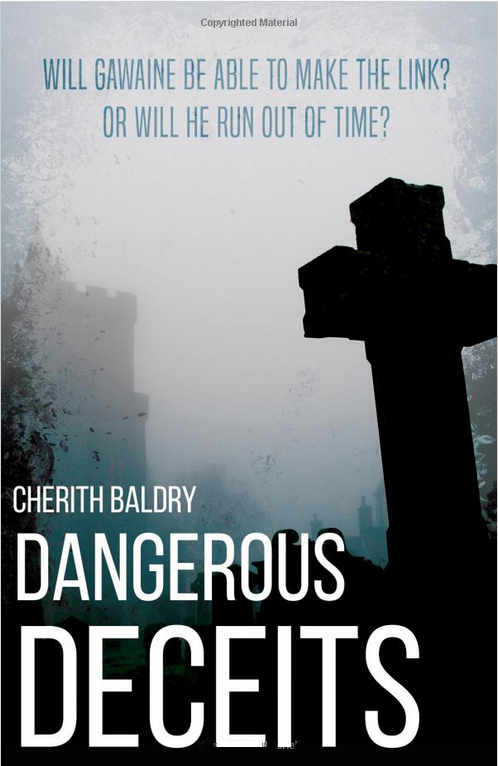 You might guess that a crime novel featuring an amateur detective called Gawaine St Clair is not going to take you down many mean streets; furthermore, were one to Frenchify its chromatic tint, then it would probably be nearer beige than noir. This being said, if you are a Golden Age fan, like dry humour, enjoy a clue-laden whodunnit and are never happier than when luxuriating in the follies and foibles of the English middle classes, then Cherith Baldry’s Dangerous Deceits will be a joy.
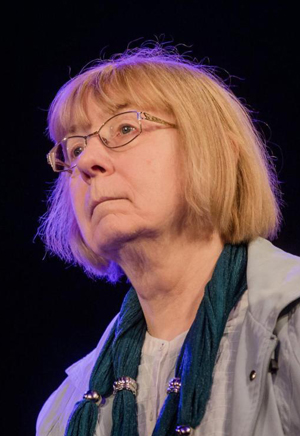 Gawaine may be too arch and precious for some tastes but he fits perfectly into the Home Counties landscape with its manicured village greens and faux Tudor dwellings. I thoroughly enjoyed Dangerous Deceits and Father Tom’s killer is unmasked not amid the dusty shelves of a country house library, but in the altogether more fractious atmosphere of an extraordinary (in the procedural sense) meeting of the Ellingwood PCC. The solution, as in many a whodunnit, rests with everyone – including Gawaine, the local coppers and, in this particular case, me – making a seemingly obvious assumption early in the piece.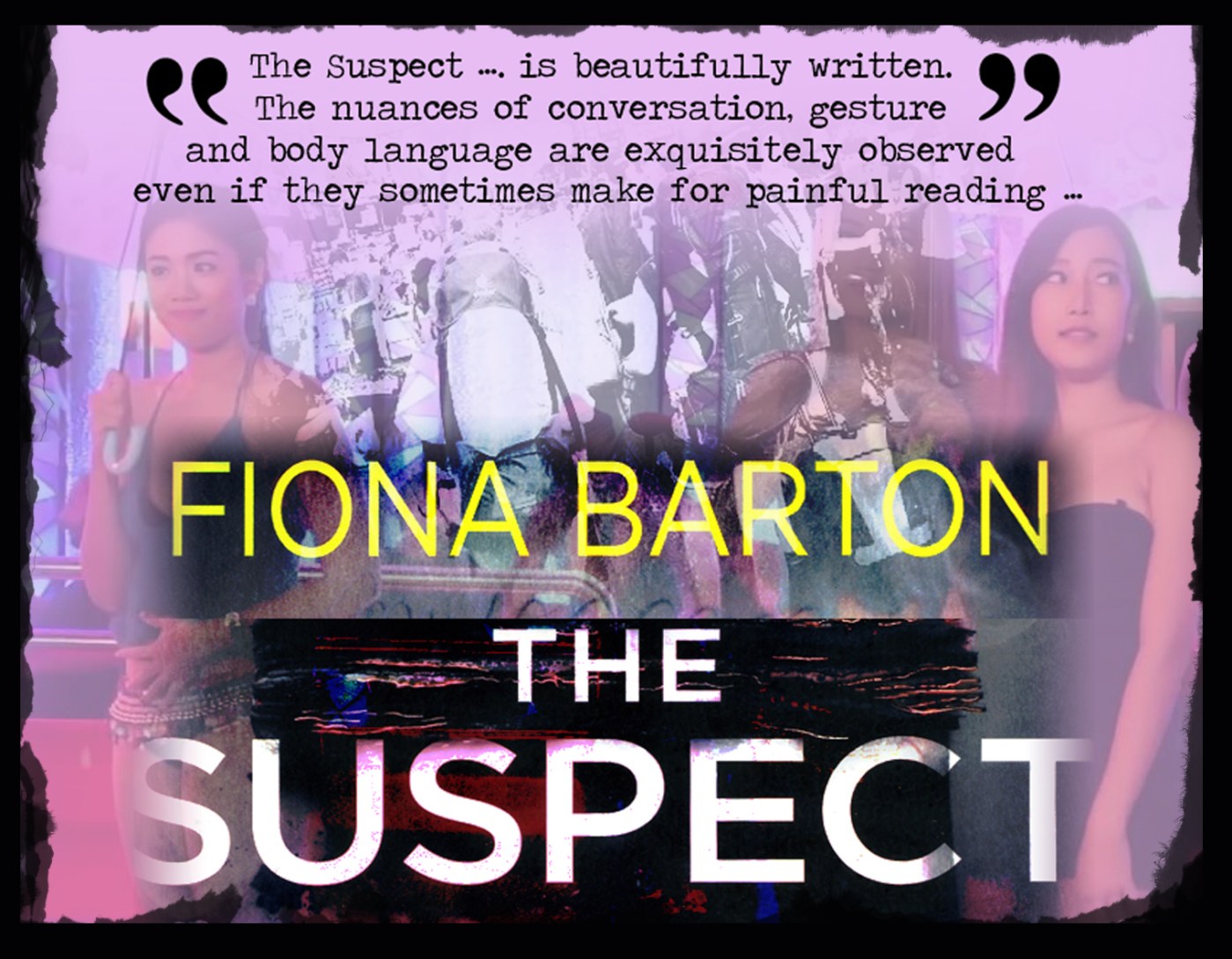

 Sensing a very productive headline story that will run and run, Kate Waters uses all her empathy and tricks-of-the-trade to get close to the girls’ families, and the story does indeed have the whole enchilda. Beautiful teenage girls, disappearance in a Bangkok drug den, frantic parents, the possibility of incompetence by foreign police – what could possibly go wrong? Jake Waters is what could possibly go wrong. Kate’s son has been away in Thailand “finding himself” after a failed spell at university, and her journalistic glee at the ramifications of the story is brutally brought up short when she finds that her errant boy might be at the very epicentre of the story she has claimed as her own.
 It must be said that this is a story long on personal misery and rather short on redemption, but it is beautifully written. The nuances of conversation, gesture and body language are exquisitely observed even if they sometimes make for painful reading, such as the bittersweet moments between Bob Sparkes and his dying wife. My own children are, thankfully, well past the age of “doing” Thailand, but my advice to those with gap-year offspring is, with all respect to Fiona Barton (right), don’t read this book! Once your teenagers have shouldered their backpacks and waved goodbye at the departure gate, your mind will hark back to The Suspect it will be nessun dorma for you!


 Bannerman initially lodges with an embittered fellow journalist, Tim Slater, who shares his apartment with his autistic daughter Tania. The child is looked after by a young Englishwoman, Sally Robertson, with whom Bannerman strikes up a relationship. Kale’s victims are Slater himself and a senior British politician but when he strikes he is unaware that Tania is watching from the next room. Mute, she is later unable to tell the police anything, but she draws a picture of what she has seen. The drawing is intensely detailed and very graphic with one exception. The killer has no face.
 How has the book fared, nearly forty years on? Whatever revisions the author has made, he hasn’t pushed the time slot on by four decades, so we are still in the late 1970s, so in a sense the book has become historical crime fiction by default. I don’t know what Peter May (right) thinks about the vexed question of Brexit, but here he paints a picture of the EEC in its all-too-familiar guise as a fraud-riven monolithic haven for thousands of bureaucrats, men and women pushing paper around at huge expense to taxpayers across the continent, but achieving very little except the perpetuation of their own jobs.


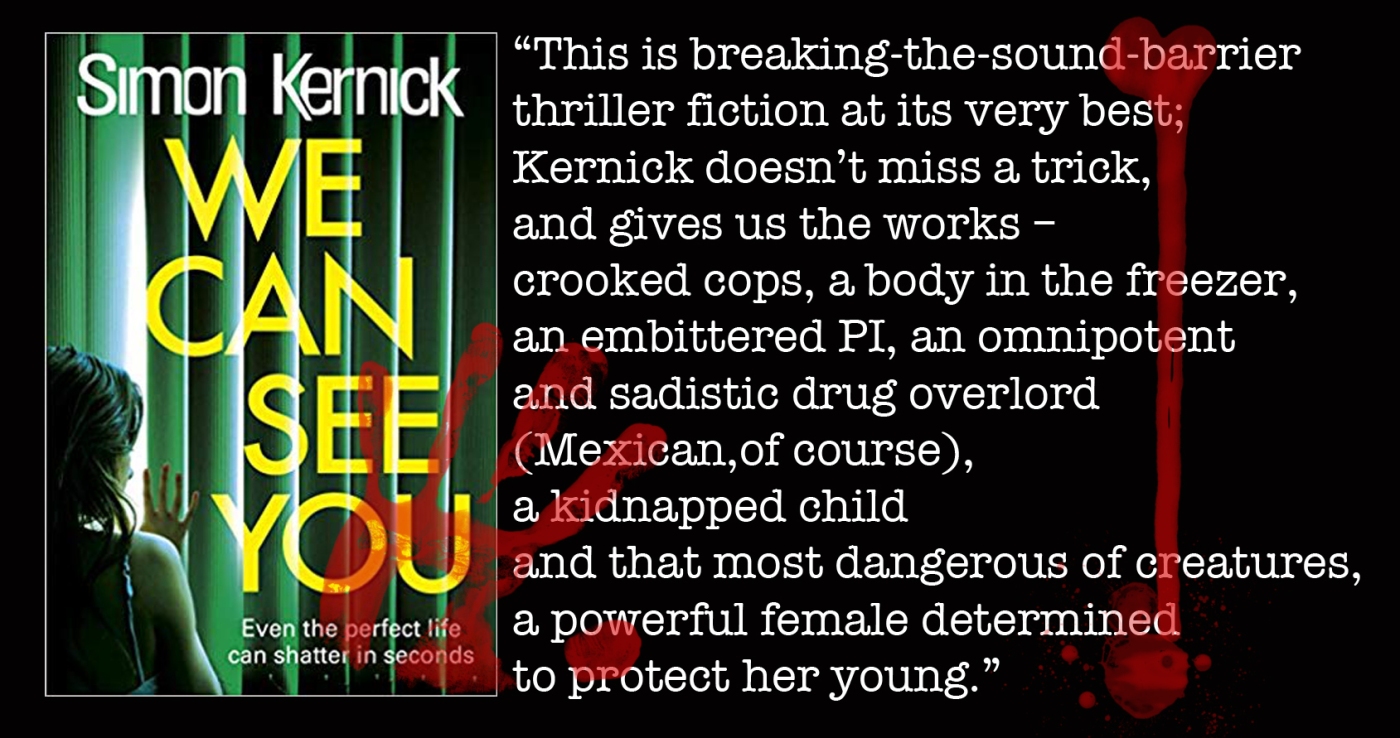





 For those of you who are unfamiliar with the first book in this series, The Word Is Murder (and you can read my review
  The abundance of questions will give away the fact that this is a tremendous whodunnit. Horowitz (right) tugs his forelock in the direction of the great masters of the genre and, while we don’t quite have the denouement in the library, we have a bewildering trail of red herrings before the dazzling final exposition. But there is more. Much, much more. Horowitz’s portrayal of himself is beautifully done. I have only once brushed shoulders with the gentleman at a publisher’s bash, so I don’t know if the self-effacing tone is accurate, but it is warm and convincing. More than once he finds himself the earnest but dull Watson to Hawthorne’s ridiculously clever Holmes.


