
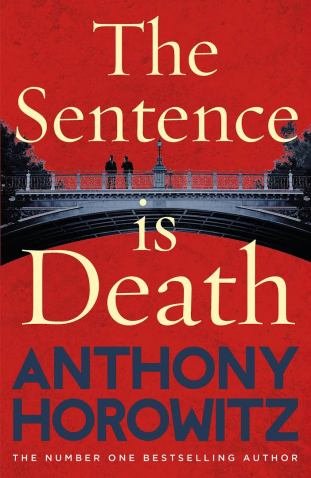
 For those of you who are unfamiliar with the first book in this series, The Word Is Murder (and you can read my review here) you need to know that Anthony Horowitz has created a quite delightful literary conceit, and it is this: the story is narrated by Anthony Horowitz, as himself, and along the way we get to meet other real people in his life, such as his wife, his literary agent, and even some of the actors in his Foyle’s War series. The principal fictional character is an ex Met Police officer called Daniel Hawthorne, who was drummed out of the service for misconduct, but now operates as a private investigator, paid by the day by his former employers to work on difficult cases. Hawthorne has persuaded Horowitz to be Boswell to his Johnson and to write up the investigations as crime fiction.
Hawthorne is an intriguing character. He is probably somewhere on the autistic spectrum, lives alone, and has few social graces, His powers of deduction and observation are, however, remarkably sound. He immediately sees through the statement one witness has just given:
“The MG was right in front of us. Hawthorn pointed with the hand holding the cigarette.
‘There’s no way that’s just driven down from Essex of Suffolk, or anywhere near the coast.’
‘How do you know?’
‘The house he showed us in that photograph didn’t have a garage and there’s no way this car has been sitting by the seaside for three days. There’s no seagull shit. And there’s no dead insects on the windscreen either. Your telling me he’s driven a hundred miles down the A12 and he hasn’t hit a single midge or fly?’”
The case which has forced the police to seek Hawthorne’s help concerns a rich divorce lawyer who has been found battered to death in his luxurious house on the edge of London’s Hampstead Heath. For a decade or more Richard Pryce has been the go-to man for wealthy people who have had enough of their wives or husbands and want a divorce, but more particularly a divorce which will leave Pryce’s clients with as much of the family loot as possible. So, it is inevitable that while Pryce is adored by some, he is bitterly hated by others, and thus there are one or two obvious initial suspects. First among these is a rather aloof literary author whose determination to conflate America’s 1940s nuclear strategy with gender politics has won her many admirers of a certain sort. Her expensively produced collection of pretentiously profound haikus (is there any other kind?) has also made her much in demand at soirées in upmarket bookshops.
Then there is Pryce’s art dealer husband who, Hawthorne soon discovers, has been ‘playing away’ with the svelte young Iranian man who is front-of-house in his so, so discreet gallery. Has his affair been rumbled? Was Pryce about to cut him out of his will? The most unlikely connection, however, relates to Pryce’s younger self when he and two university buddies were enthusiastic cavers. Did a tragedy years earlier, 80 metres beneath the Yorkshire Dales, set in train a slow but remorseless search for revenge?
 The abundance of questions will give away the fact that this is a tremendous whodunnit. Horowitz (right) tugs his forelock in the direction of the great masters of the genre and, while we don’t quite have the denouement in the library, we have a bewildering trail of red herrings before the dazzling final exposition. But there is more. Much, much more. Horowitz’s portrayal of himself is beautifully done. I have only once brushed shoulders with the gentleman at a publisher’s bash, so I don’t know if the self-effacing tone is accurate, but it is warm and convincing. More than once he finds himself the earnest but dull Watson to Hawthorne’s ridiculously clever Holmes.
Horowitz is, I suspect, too polite to be cruel to fellow writers, but he cannot resist a dig at earnest feminist authors who treat every moment of history as if it were a glaring example of man’s inhumanity to women. Trash fiction does not escape, either, and when his fictional self reads a page from the latest sub-Game of Thrones swords and sorcery shocker, it is horribly accurate. Above all, though, this is a classic 24 hour novel. You start reading, you dart off to do something like pick up the kids, or turn on the oven. Back you come to the book, and before you know it, you are 200 pages in. Time flies by, and then bang! It’s finished. You know who the killer is, but you just wish you could start the book all over again. It really is that good. Published by Century, The Sentence Is Death is out on 1st November.
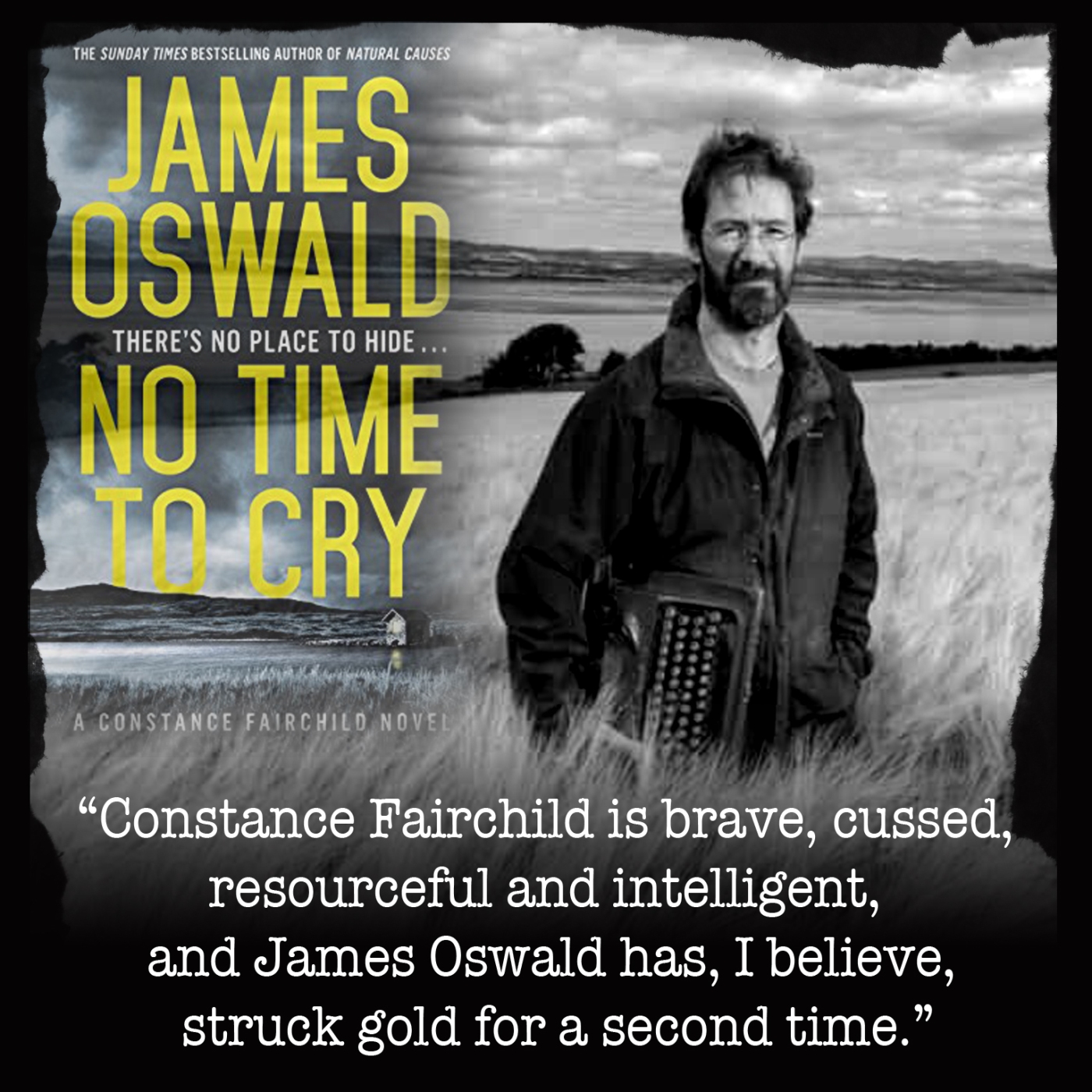

 James Oswald’s Tony McLean has not met with a Reichenbach Falls accident, but at the end of


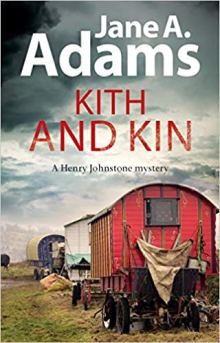 Coming across a very, very good book by an author one has never encountered before and then realising that she has been around for a while is a shock to the system, and if the downside is that the experience further highlights one’s own ignorance, then the blessing is that as a reviewer and blogger, there is something new to shout about. Jane A Adams made her debut with The Greenway back in 1995, and has been writing crime fiction ever since, notably with four-well established mystery series featuring Mike Croft, Ray Flowers, Naomi Blake and Rina Martin. She began the saga of London coppers Henry Johnstone and Micky Hitchens in 2016, with The Murder Book. Their latest case is Kith and Kin.
 The period is set to perfection, and Adams (right) skilfully combines past, present and future. The past? There can scarcely have been a man, woman or child who escaped the malign effects of what politicians swore would be the war to end wars. The present? 1928 saw devastating flooding on the banks of the River Thames, a book called Decline And Fall was published, and in Beckenham, not a million miles away from where this novel plays out, Robert ‘Bob’ Monkhouse was born. The future? Johnstone’s sister, who has married into money, has a head on her shoulders, and senses that in the financial world, a dam is about to break – with devastating effects.
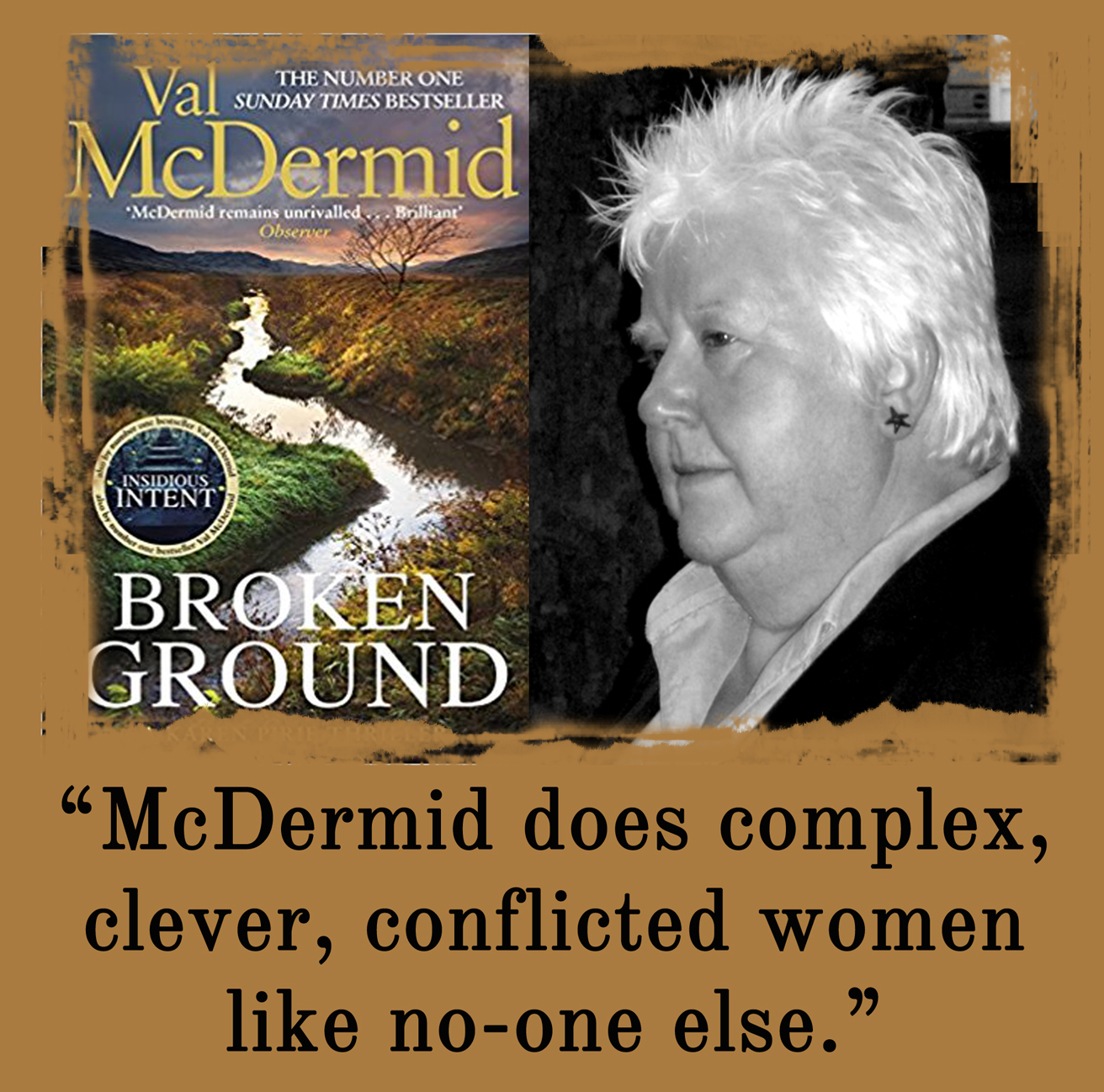

 The Body In The Bog is a nicely alliterative strapline normally used to liven up reports of archaeologists discovering some centuries-old corpse in a watery peat grave. The deaths of these poor souls does not usually involve an investigation by the local police force, but as Val McDermid relates, when the preserved remains are wearing expensive trainers, it doesn’t take the tenant of 221B Baker Street to deduce that the chap was not executed as part of some arcane tribal ritual back in the tenth century.
 If music halls were still in vogue, McDermid would be the dextrous juggler, the jongleur who defies gravity by keeping several plot lines spinning in the air; spinning, but always under her control. There is the Nike bog body, a domestic spat which ends in savagery, a cold-case rape investigation which ends in a very contemporary tragedy, and an Assistant Chief Constable who is more concerned about her perfectly groomed press conferences that solving crime. They say that the moon has a dark side, and so does Edinburgh: McDermid (right) takes us on a guided tour through its majestic architectural and natural scenery, but does not neglect to pull away the undertaker’s sheet to reveal the squalid back alleys and passageways which lurk behind the grand Georgian facades. We slip past the modest security and peep through a crack in the door at a meeting in one of the grander rooms of Bute House, the official residence of Scotland’s First Minister, even getting a glimpse of the good lady herself, although McDermid is far too discreet to reveal if she approves or disapproves of Ms Sturgeon.





 This very English mystery revolves around the death of a distinguished biographer, Ralph Maguire. Maguire is in the terminal throes of dementia, and in his moments of lucidity he is trying finish his book about a celebrated actor.

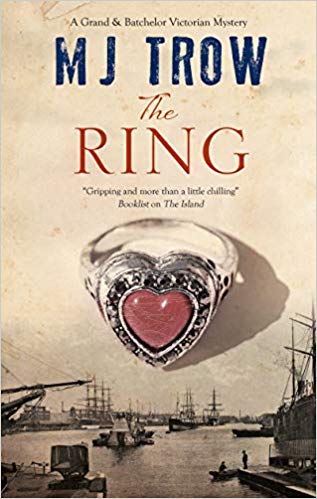 The River Thames plays a central part in The Ring. Although Joseph Bazalgette’s efforts to clean it up with his sewerage works were almost complete, the river was still a bubbling and noxious body of dirty brown effluent, not helped by the frequent appearance of human bodies bobbing along on its tides. In this case, however, we must say that the bodies come in instalments, as someone has been chopping them to bits. PC Crossland makes the first grisly discovery:
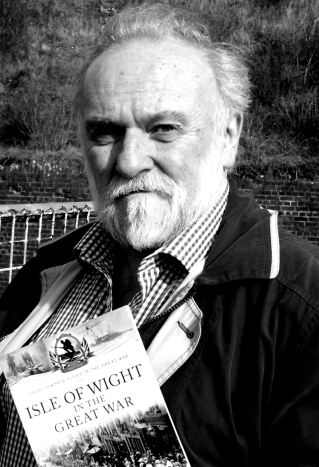 MJ Trow (right) has been entertaining us for over thirty years with such series at the Inspector Lestrade novels and the adventures of the semi-autobiographical school master detective Peter Maxwell. Long-time readers will know that jokes are never far away, even when the pages are littered with sudden death, violence and a profusion of body parts. Grand and Batchelor eventually solve the mystery of what happened to Emilia Byng, both helped and hindered by the ponderous ‘Daddy’ Bliss and a random lunatic, recently escaped from Broadmoor. Trow writes with panache and a love of language equalled by few other British writers. His grasp of history is unrivalled, but he wears his learning lightly. The Ring is a bona fide crime mystery, but the gags are what lifts the narrative from the ordinary to the sublime:
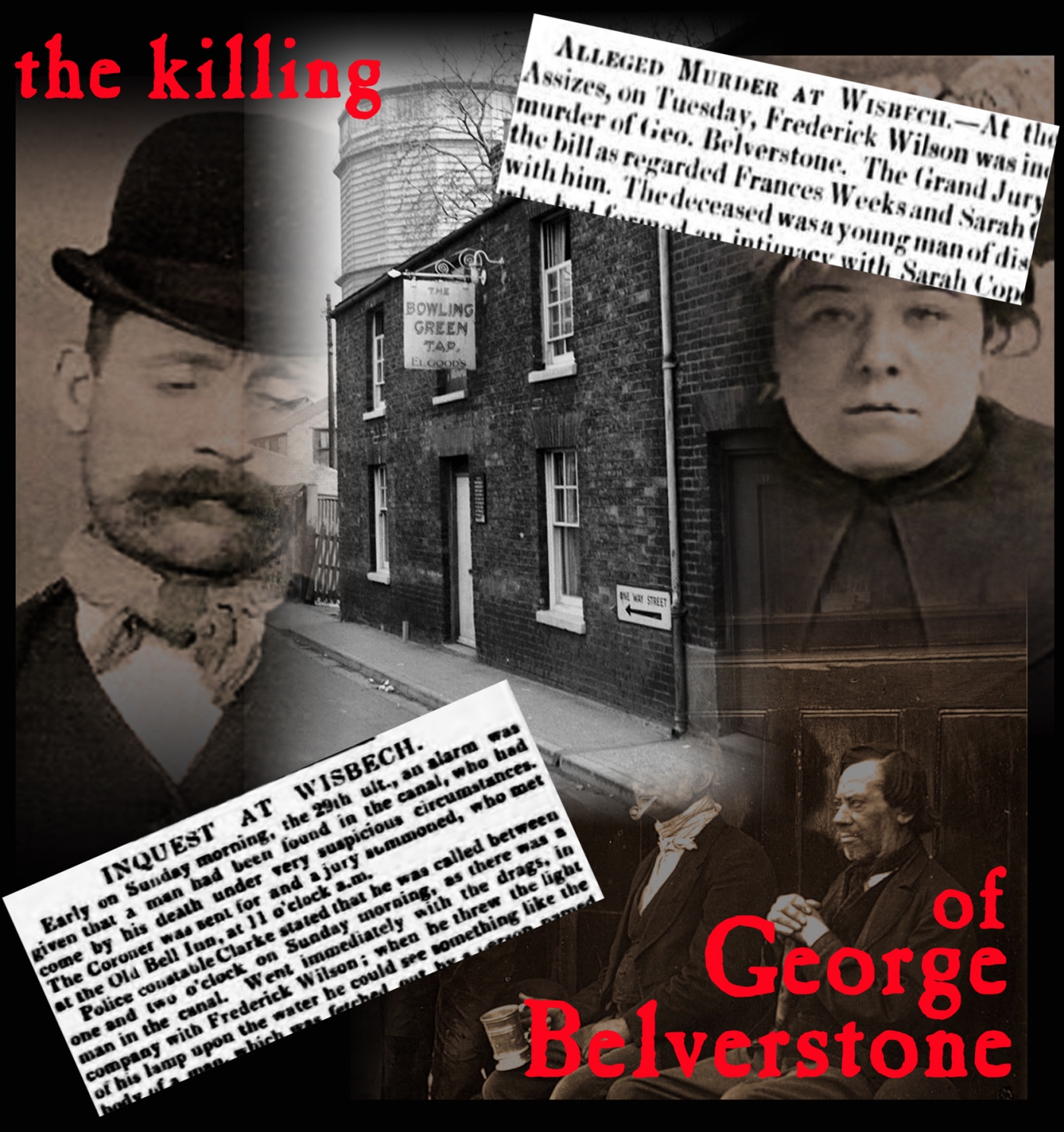

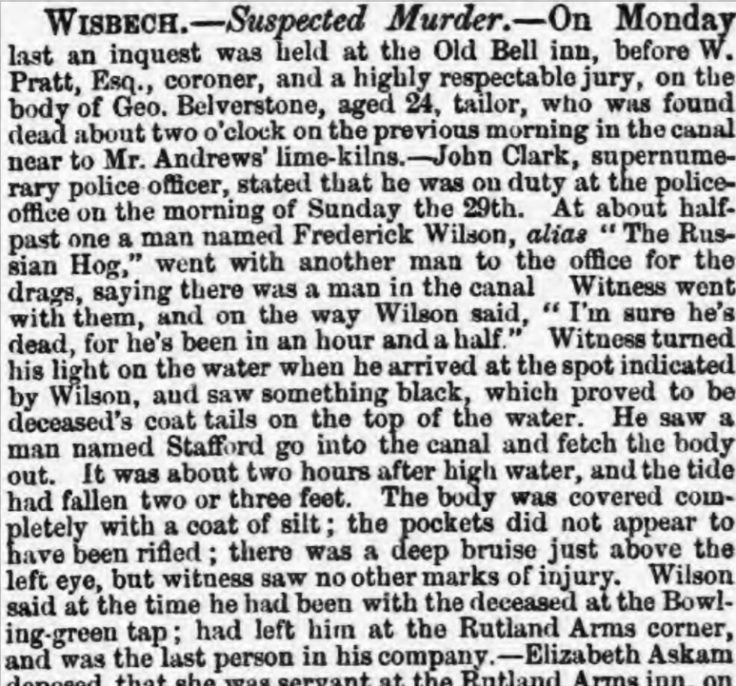

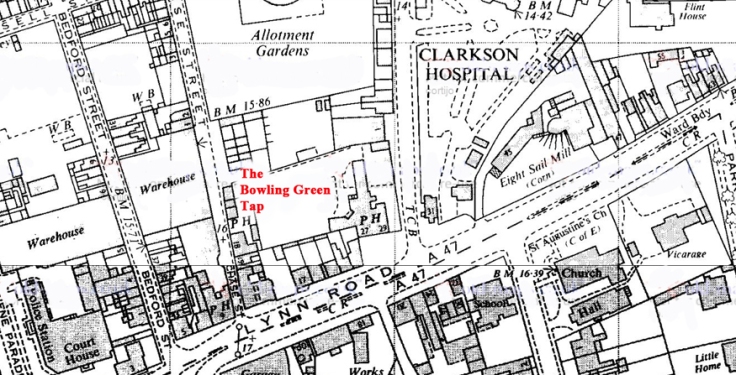
 After an elaborate summing up by Judge James Parke, 1st Baron Wensleydale, (left) the jury retired to consider the precise cause of Belverstone’s death. Not for them days of deliberation, or purdah in some hotel away from the public eye. After a full five minutes, they returned and the foreman stated that George Belverstone had been killed by a blow from Wilson’s fist. The prisoner, at this point, must have had visions of the hangman’s knot swimming before his eyes, but the 1st Baron Wensleydale was minded to differ. Unbelievably, he was of the opinion that although Wilson struck the fatal blow, “the violence was attributed to accident,” and pronounced: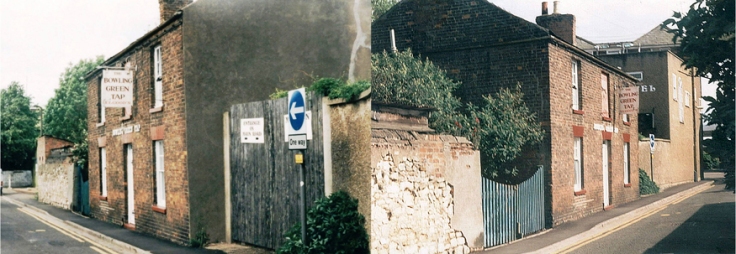


 With that grim discovery acting as a starting pistol, debut author Robert Scragg (left) starts a middle-distance race to discover who murdered Natasha Barclay. For she is the person, identified by simply reading the opened mail strewn around the tomb-like flat, and checking rental records, whose hand lies in the freezer drawer.
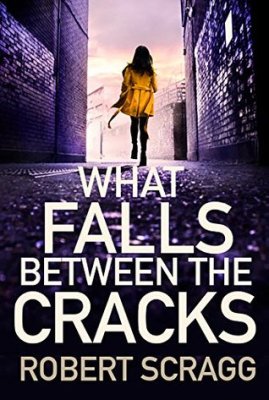 If ever there were an single implausible plot device, it might be the premise that a suburban London flat, complete with a severed hand sitting quietly in a freezer compartment, could remain untouched, unvisited and unnoticed for over thirty years. It is, however, a tribute to Robert Scragg’s skill as a storyteller that this oddity was so easily forgotten. The dialogue, the twists and turns of the plot, and the absolute credibility of the characters swept me along on the ride. Porter and Styles have made an impressive debut, and the author may well have elbowed them into that crowded room full of other fictional police partners. They are all out there; Bryant & May, Zigic & Ferrera, Rizzoli & Isles, Wolfe & Goodwin, Morse & Lewis, Jordan & Hill, Kiszka and Kershaw – watch out, you have company!


 fullybooked2017