

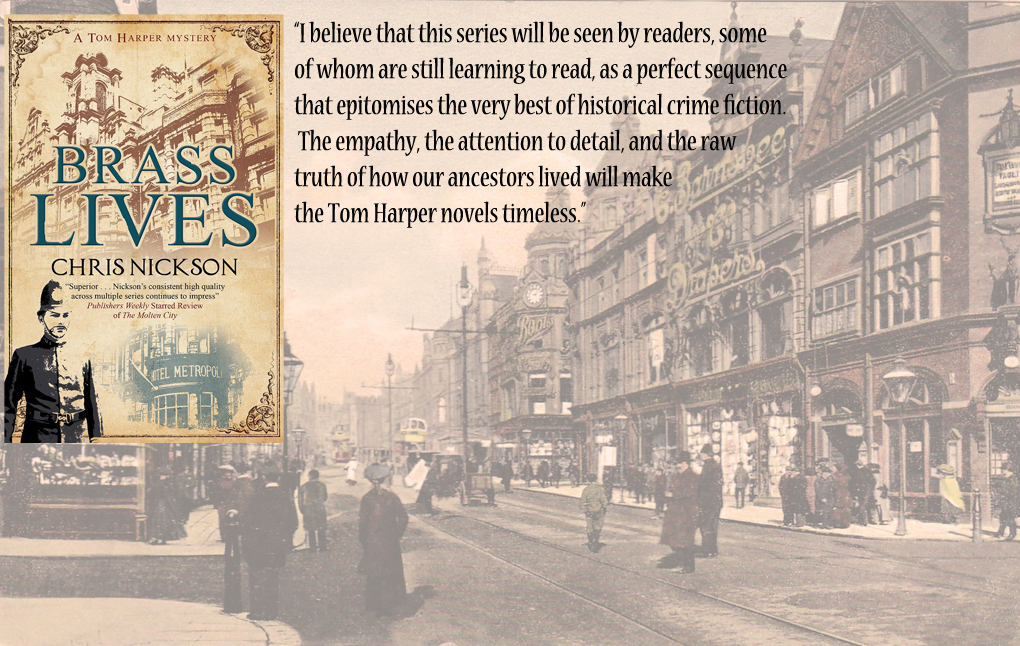
Chris Nickson’s long running saga about Leeds copper Tom Harper continues with our man now Deputy Chief Constable. We are in January 1917 and, like in other major cities, patrols are on the look out for the silent peril of Zeppelins, while Harper has a possible act of sabotage to investigate after a pile of newspaper and kindling is found inside a warehouse used for storing military clothing. The book begins, however, a month earlier with a true historical incident.
In nearby Barnbow, a huge munitions factory had been established from scratch in 1915. Its prime function was the filling of shells. With the constant drain of manpower to the armed forces, the workforce at Barnbow became over 90% female. On the night of 5th December 1916 a massive explosion occurred in Hut 42, killing 35 women outright, maiming and injuring dozens more. In some cases identification was only possible by the identity disks worn around the necks of the workers. It is believed that the explosion was triggered by a shell being packed with double the required amount of explosives. The dead women, at last, have their own memorial.

With the Barnbow investigation ongoing, Harper has more problems on his hands when a sentry outside a barracks in the city is shot dead with, it turns out, a SMLE (Short Magazine Lee Enfield) .303 rifle, adapted for sniping, which was stolen from the barracks own armoury.
There are so many things to admire about this series, not least being the meticulous historical research carried out by the author. One example is the development of police investigative techniques. Back at the beginning, in Gods of Gold (2014), the idea that people could be identified by their fingerprints would have been seen as pure fantasy but, as we see in this novel, it was an essential tool for the police by 1917.

Back to Tom Harper’s current case. As he and his detectives sift what little evidence there is, they seem to be chasing their own tails. Harper’s worries don’t end as he closes his office door each evening. In an earlier book, we learned the grim news that his vivacious and beautiful wife Annabelle, a tireless campaigner for female equality, has developed early-onset dementia. Harper has employed a Belgian refugee couple to run Annabelle’s pub, and keep a close eye on his wife, but he never knows from one day to the next what state she will be in. If he is lucky, she will show glimpses of her old self; when she is having a bad day, she inhabits a totally imaginary world and slips from all the anchors of reality. The most painful moments for Harper come when Annabelle believes that he is her late first husband, Harry.
Eventually the case breaks. Harper and his team are astonished to find they are facing not just one killer, but a partnership. Two former soldiers, Gordon Gibson and James Openshaw were virtually buried alive when a shell exploded near them on the Western Front. Openshaw was a sniper and Gibson, not much of a shot but with superb eyesight, was his spotter. Both men were invalided out, but Openshaw, after a spell at the famous Edinburgh hospital, Craiglockhart, remains under constant medical care at Gledhow Hall, a Leeds stately home used as a hospital for the duration of the war. It seems that for whatever motive, Gibson smuggled Openshaw and the rifle out of the hospital to commit the murder of the sentry. Now, Gibson is at large with the rifle and, despite his poor marksmanship, has shot at Tom Harper’s official car, and badly wounded a policeman.
The endgame takes place as Gibson uses all his fieldcraft to find his way into a heavily guarded Gledhow Hall to liberate Openshaw and resume their killing spree. The finale is breathtaking, powerfully written – and deeply moving. A Dark Steel Death is published by Severn House and is available now.
FOR MORE ON THE TOM HARPER SERIES CLICK THE IMAGE BELOW

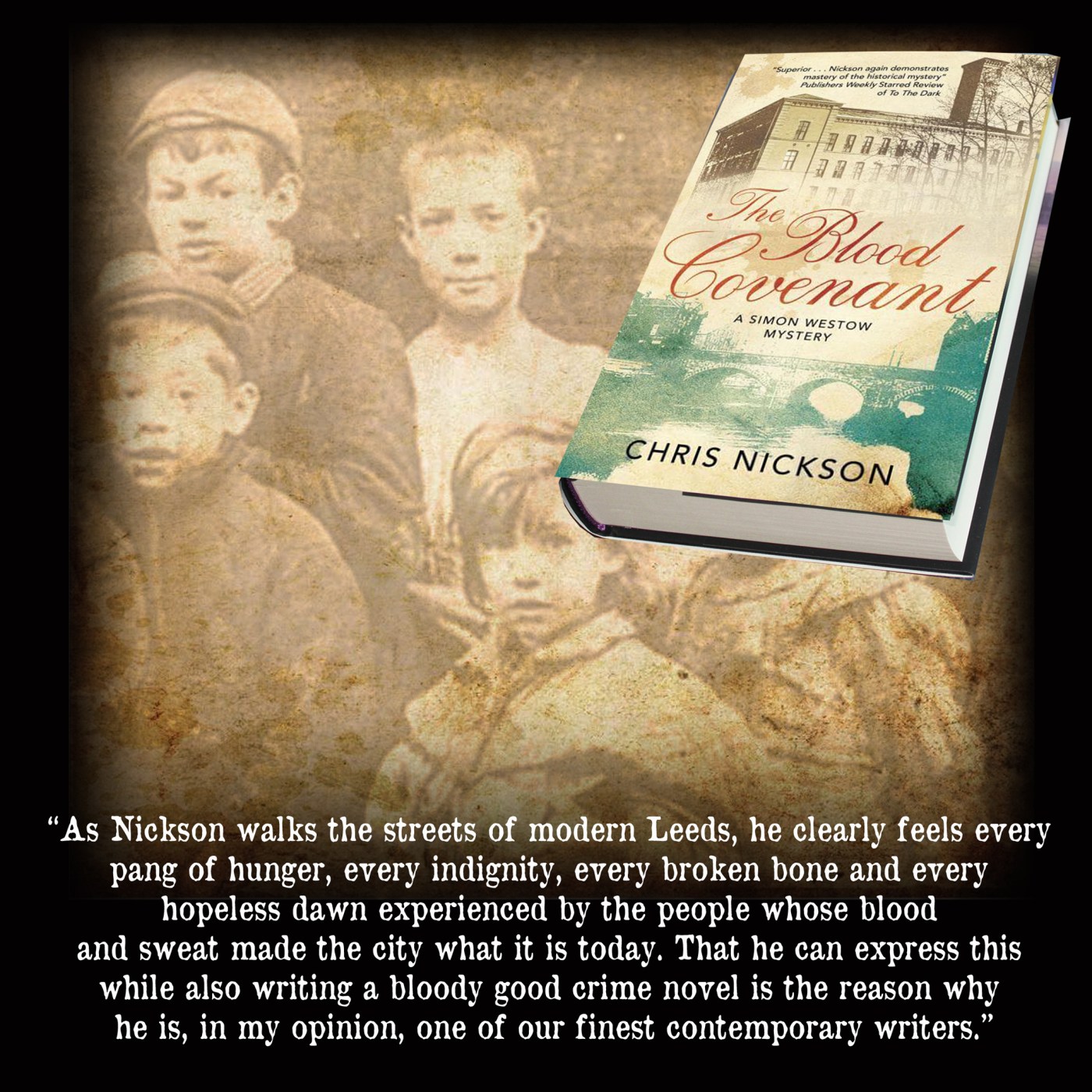

 Chris Nickson’s Leeds is a very different place. In the
 A trip to Scunthorpe might not be too high on many people’s list of literary pilgrimages, but we are calling in for a very good reason, and that is because it was the probable setting for one of the great crime novels, which was turned into a film which regularly appears in the charts of “Best Film Ever”. I am talking about Jack’s Return Home, better known as Get Carter. Hang on, hang on – that was in Newcastle wasn’t it? Yes, the film was, but director Mike Hodges recognised that Newcastle had a more gritty allure in the public’s imagination than the north Lincolnshire steel town, which has long been the butt of gags in the stage routine of stand-up comedians.
 the river to attend Art college in Hull before moving to London to work as an animator. His novels brought him great success but little happiness, and after his marriage broke up, he moved back to Lincolnshire to live with his mother. By then he was a complete alcoholic and he died of related causes in 1982. His final novel GBH (1980) – which many critics believe to be his finest – is played out in the bleak out-of-season Lincolnshire coastal seaside resorts which Lewis would have known in the sunnier days of his childhood. In case you were wondering about how Jack’s Return Home is viewed in the book world, you can pick up a first edition if you have a spare £900 or so in your back pocket.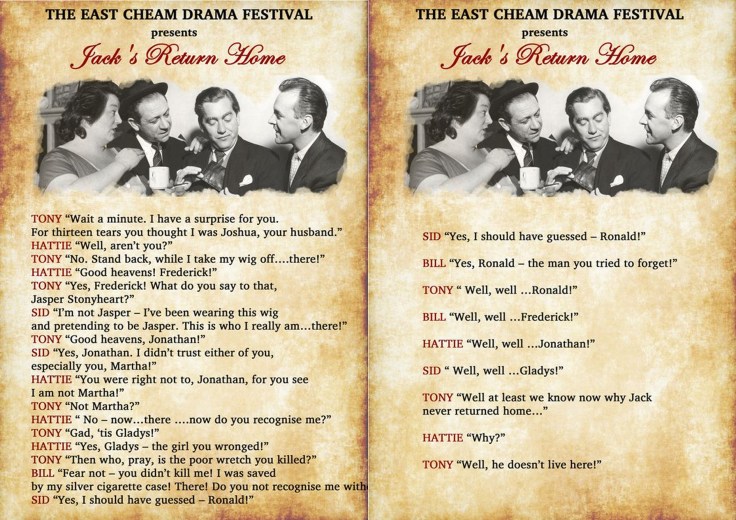



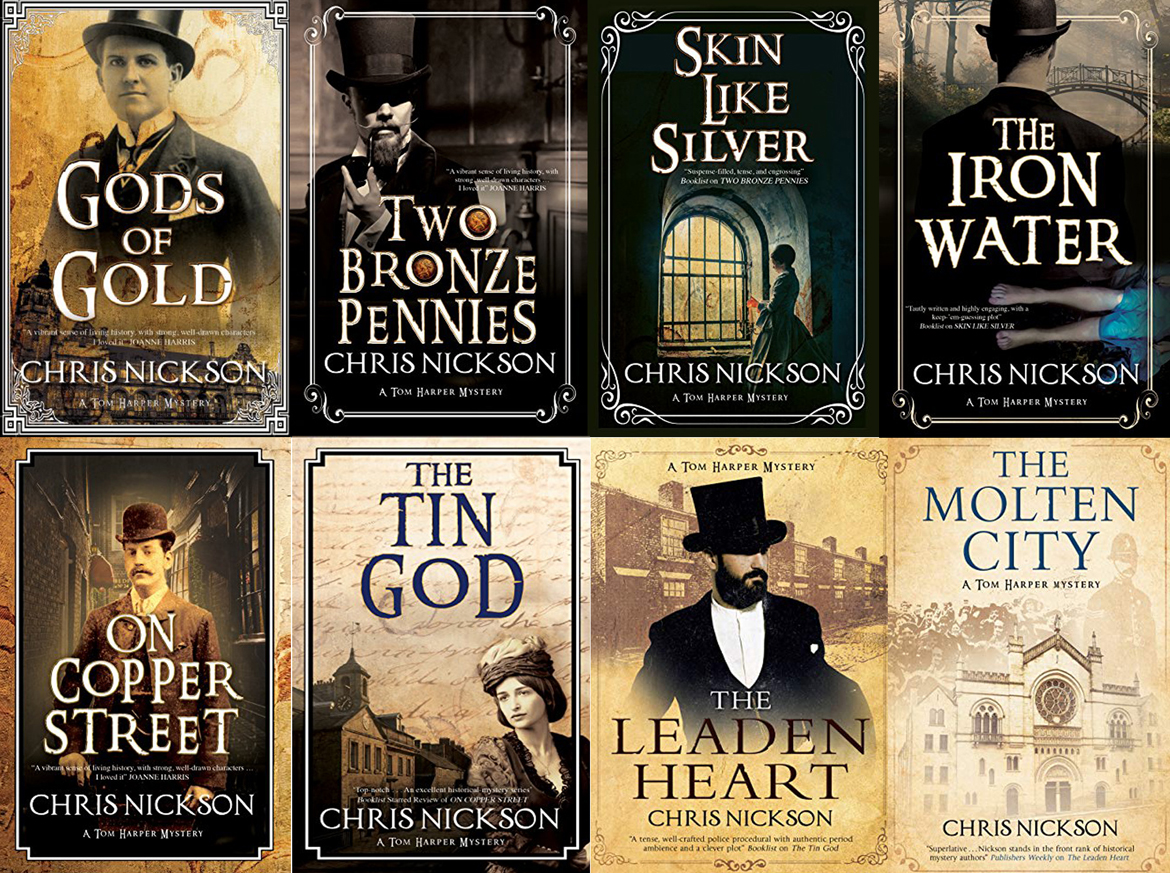





 We first met Leeds policeman Tom Harper in Gods of Gold (2014) when he was a young CID officer, and the land was still ruled by Queen Victoria. Now, in The Molten City, Harper is a Superintendent and the Queen is seven years dead. ‘Bertie’ – Edward VII – is King, and England is a different place. Leeds, though, is still a thriving hub of heavy industry, pulsing with the throb of heavy machinery. And it remains grimy, soot blackened and with pockets of degradation and poverty largely ignored by the wealthy middle classes. But there are motor cars on the street, and the police have telephones. Other things are stirring, too. Not all women are content to remain second class citizens, and pressure is being put on politicians to consider giving women the vote. Sometimes this is a peaceful attempt to change things, but other women are prepared to go to greater lengths.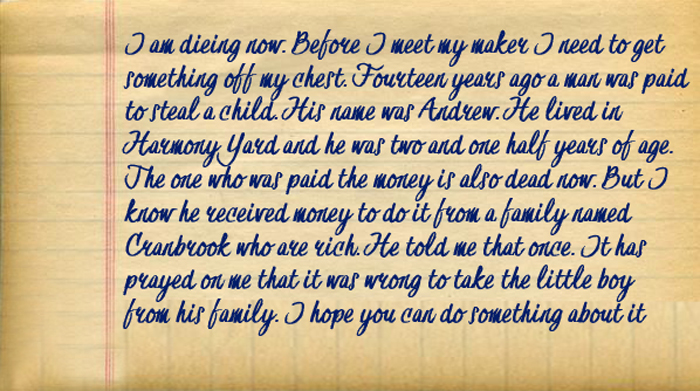


 t was not until the middle of the nineteenth century that Britain had anything like an organised police force. The Hocus Girl is set well before that time, and even a developing community like Leeds relied largely on local Constables and The Watch – both institutions being badly paid, unsupported and mostly staffed by elderly individuals who would dodder a mile to avoid any form of trouble or confrontation. There were, however, men known as Thieftakers. The title is self-explanatory. They were men who knew how to handle themselves. They were employed privately, and were outside of the rudimentary criminal justice system.
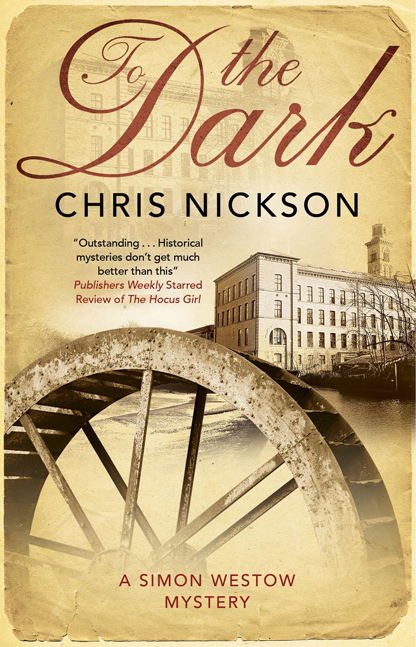
 Such a man is Simon Westow. He is paid, cash in hand, to recover stolen goods, by whatever means necessary. His home town of Leeds is changing at an alarming rate as mechanised cloth mills replace the cottage weavers, and send smoke belching into the sky and chemicals into the rivers. We first met Westow in The Hanging Psalm, and there we were also introduced to young woman called Jane. She is a reject, a loner, and she is also prone to what we now call self-harm. She is a girl of the streets, but not in a sexual way; she knows every nook, cranny, and ginnel of the city; as she shrugs herself into her shawl, she can become invisible and anonymous. Her sixth sense for recognising danger and her capacity for violence – usually via a wickedly honed knife – makes her an invaluable ally to Westow. I have spent many enjoyable hours reading the author’s books, and it is my view that Jane is the darkest and most complex character he has created. In many ways The Hocus Girl is all about her.
 he 1820s were a time of great domestic upheaval in Britain. The industrial revolution was in its infancy but was already turning society on its head. The establishment was wary of challenge, and when Davey Ashton, a Leeds man with revolutionary ideas is arrested, Simon Westow – a long time friend – comes to his aid. As Ashton languishes in the filthy cell beneath Leeds Moot Hall, Westow discovers that he is treading new ground – political conspiracy and the work of an agent provocateur.
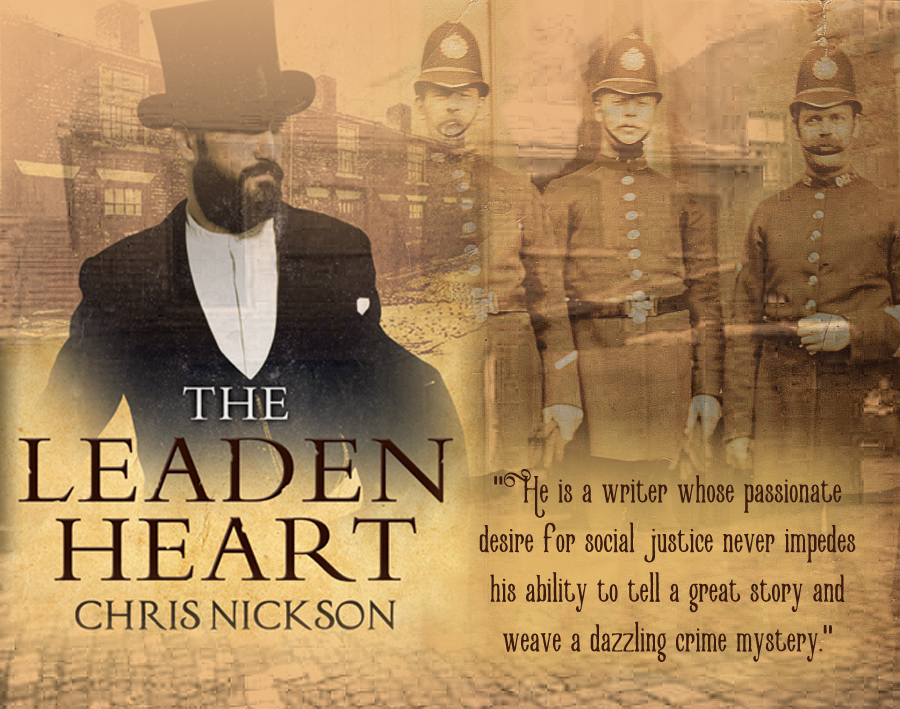
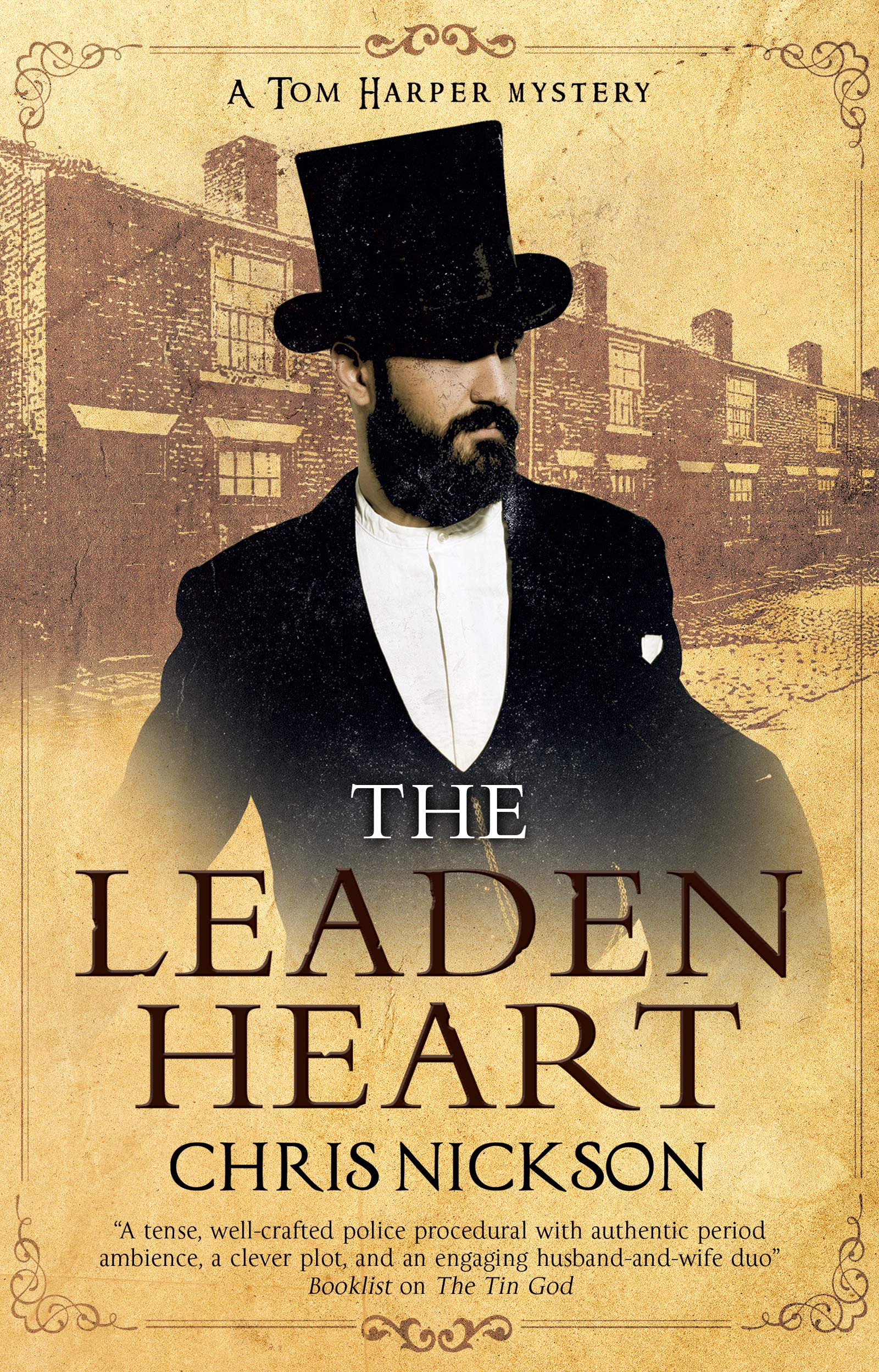 Harper lives above a city pub, the Victoria. His wife, Annabelle, is the landlady, but she is also a fiercely determined advocate of women’s rights, and she has made waves by being elected to the local Board of Guardians, a largely male-dominated organisation which is tasked with administering what, in the dying years of Queen Victoria’s reign, passed for social care. When the brother of Harper’s one-time colleague, Billy Reed, commits suicide the death is dismissed, albeit sadly, as commonplace, but Reed believes that his brother’s death is due to something more sinister, and he asks Harper to investigate.


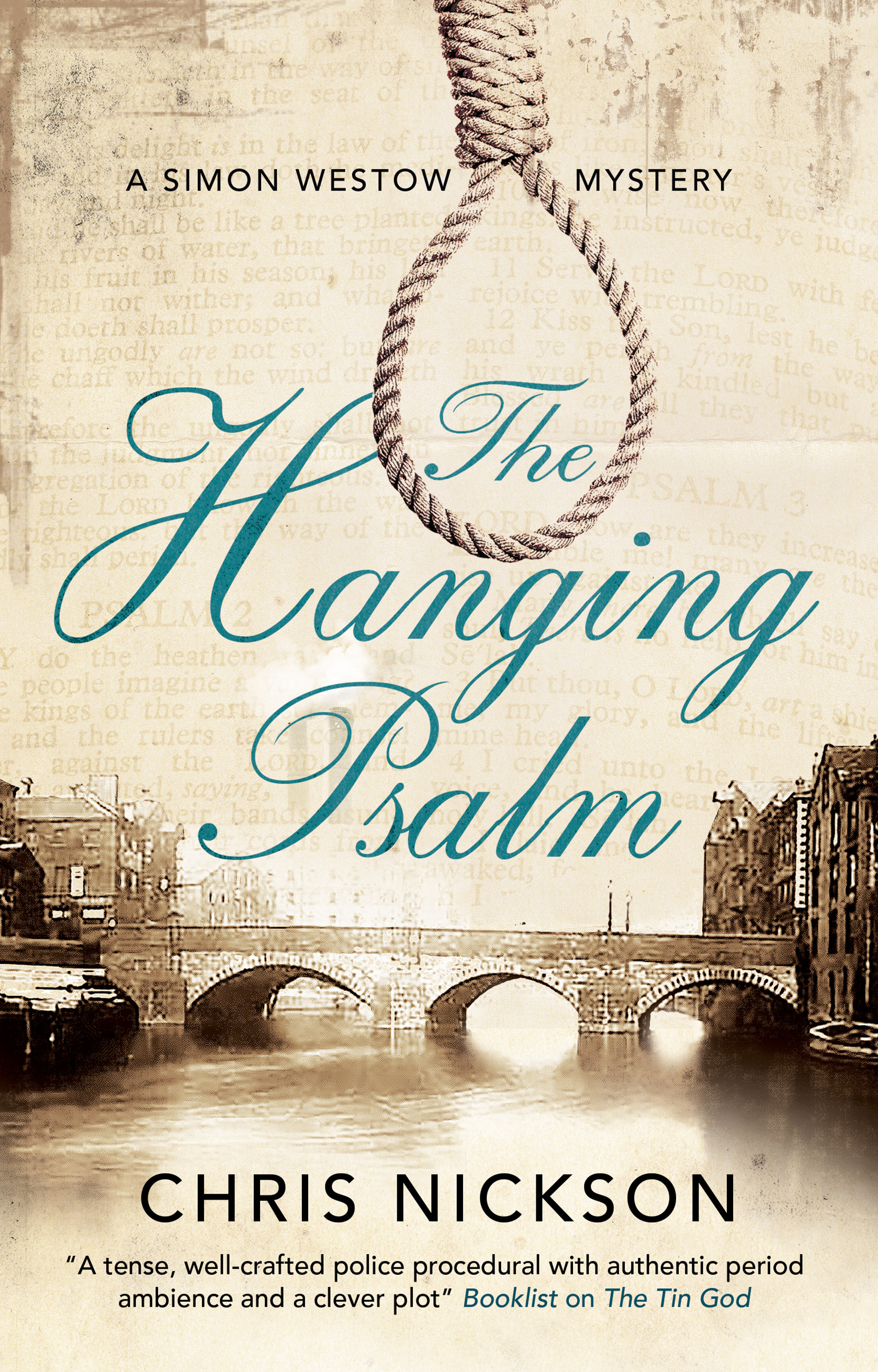 Nickson’s latest book introduces a new character, Simon Westow, who walks familiar streets – those of Leeds – but our man is living in Georgian times. England in 1820 was a kingdom of uncertainty. Poor, mad King George was dead, succeeded by his fat and feckless son, the fourth George. Veterans of the war against Napoleon, like many others in later years, found that their homeland was not a land fit for heroes. The Cato Street conspirators, having failed to assassinate the Cabinet, were executed.


