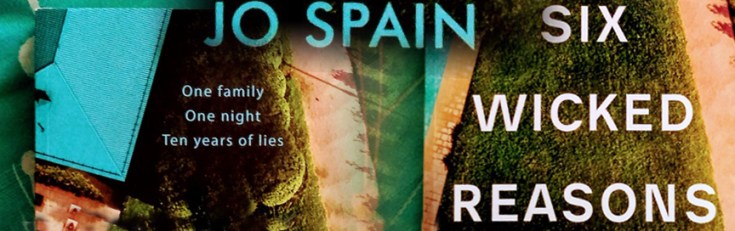
 artre insisted that the celebrated line from his 1944 play Huis Clos (No Exit), “L’enfer, c’est les autres.” was forever misinterpreted, but the idea that hell is other people has stuck, despite the protestations of the Great Existentialist. Some, like Jo Spain in her latest novel Six Wicked Reasons, would suggest – to mix and match poets – that Dante’s Nine Circles of Hell could be condensed into an overpowering tenth – Family.
 The Lattimer family, patriarch Frazer, sons James, Adam and Ryan, daughters Ellen, Kate and Clíodhna – Clio – have assembled at the family home in south east Ireland overlooking the waters of Spanish Cove in the Irish Sea, so called because of its earliest recorded casualties – sailors from a Spanish galleon blown adrift from the Armada and then shattered on the hidden rocks.
Something has gone badly wrong. With the family gathered aboard a luxury yacht moored just off-shore, and apparently partying, Frazer Lattimer has been hauled from the water, as dead as any Spanish sailor, with a mortal wound to his head. Now his children are huddled on shore, wrapped in space blankets, being interrogated by a member of the local Garda Síochána. And, of course, one of them must be the killer. Mustn’t they?
 eaders new to Jo Spain’s novels will welcome the apparently straightforward back-stories of Frazer Lattimer’s children, and their motives for wanting him dead. Those who know that the author is The Mistress of Misdirection will suspect, correctly, that this is only the start. But, for the record, I give you the Lattimer children. James is a big media name, with TV screenwriting and production credits on his CV. Lives in Dublin, of course with ex-model wife and step daughter. Adam – now there’s a tale. He now lives abroad, making money for fun, but he disappeared ten years earlier, broke the heart of his late mother Kathleen, and has now re-appeared, equally mysteriously, and it is his return ‘from the dead’ which has prompted the reunion. Ryan, alas poor Ryan. Drug addicted as a teenager, he has somehow survived industrial intakes of pharmaceuticals, and now lives in Italy, just about getting by as an odd-job man.
 llen Lattimer is the female equivalent of the Prodigal Son’s brother. Remember, the bloke who stayed at home while his brother was out on the town, giving it all away? Ellen has stayed at home, cleaning, cooking, dusting – and paying for the upkeep of the house. She is prim, joyless, and what Private Eye used to call “tight-lipped and ashen-faced.” Kate, on the other hand, has spread her wings and learned to fly. Having overcome a teenage weight problem which caused her to be known locally as King Kong, she is now svelte, lean and lovely. Also, married to a filthy rich Chinese businessman with a chain of luxury hotels. Clio, though has been in the wars. Summoned from a dingy bedsit in downtown New York to attend the family gathering, she is the most volatile of the children, the antithesis of the line from the old hymn which described Our Lord as “slow to chide and swift to bless.”
You could write what Jo Spain doesn’t know about plotting on the back of a postage stamp and still have room to inscribe the Lord’s Prayer, but she also has an ear for dialogue that is purely musical in its accuracy. We have the six Lattimer siblings, their father in flashback, plus his recently acquired Polish fiancée; to complete the line-up add Rob, an intriguing local policeman, and Danny, the grizzled mariner whose platonic love for Kathleen Lattimer broke his heart and yet made it sing. Ten totally different people, yet when each of them speaks, they are totally credible down to every word, every syllable and every inflection.
 s an amateur wordsmith I can only guess at Jo Spain’s writing technique; her prose is so assured, so fluent and has that sense of flair that cannot, surely, be the result only of endless hours of editing. No matter how long you spend polishing a piece of coal, you will never transform it into a gem stone. Six Wicked Reasons is a diamond, multi-faceted and reflecting both the light and the darkness of the human soul. It is published by Quercus and is out on 16th January.
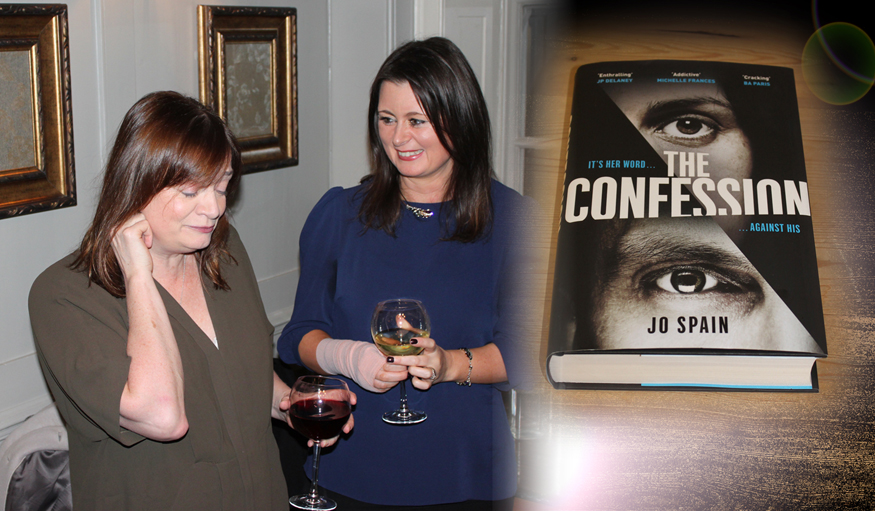
For more reviews of Jo Spain’s novels click the image below


 There are some very special Irish crime writers these days. Some mine the uniquely bitter and bleak seam of Belfast, with its raw and recent memories, while further south the city of Dublin, where “the girls are so pretty”, has its fair share of malcontents and evil doers. Olivia Kiernan and her Chief Superintendent Frankie Sheehan were new to me, but
  Staying in Ireland, it has to be said that Jo Spain is ridiculously talented. She has created a bankable stock character in the affable Dublin copper Tom Reynolds, but this has not stopped her from writing such brilliant stand-alones as
  Vulnerability as a character trait is perhaps more common in British fictional coppers that their American counterparts, and few fit that bill quite like James Oswald’s Edinburgh detective Tony McLean.
  In
In 

 This is a chillingly clever whodunnit shot through with a caustic examination of life among the moneyed classes of contemporary Ireland, particularly Dublin’s nouveau riche and their over-indulged teenage children. Fans of Jo Spain’s DI Tom Reynolds will be overjoyed to see him return for his fifth case, and those who know the author only through her spellbinding standalone novels such as
  his particular dark night ends in tragedy, as after he and his friends indulge in some horseplay with an ouija board, young Luke Connolly plunges to his death from an upstairs window. The youngsters involved in the escapade are not, however, from some run down social housing estate, the victims of neglect, poor schooling and brutalised by deprivation. No, Luke, Charlotte, Hazel, Brian, Jacob and Dylan are all students at the prestigious and very expensive Little Leaf College and their parents, while possibly having more money than sense, are pillars of the community. But. And there is a rather large but in the person of Daniel Konaté Jones. Daniel is mixed race, has a ‘job’ as a DJ, and is tolerated by the group as something rather exotic, like a strange tropical orchid springing up in the herbaceous border . The police investigating the death are quick to arrest Daniel, and their case against him is sewn up with speed and, to mix metaphors, seen as tighter than a camel’s arse in a sandstorm.
 aniel is related to one of Tom Reynolds’ most respected officers, and when she asks him to take a look at the case, he reluctantly agrees. There are just one or two complications, though. First, Daniel is refusing to say anything – not a word – to investigating officers or his lawyer. Then, Reynolds becomes aware that Daniel is gay, and that, despite protestations from parents and friends, it appears that Danny and Luke were “an item.” Thirdly, the grief of Luke’s parents at his death has to run alongside the tragic demise of Luke’s twin brother Ethan, who is near death in a local hospice.
 Jo Spain is the literary Diva of Deviousness, and while we learn early in the piece that Glenmore House has a bloody history, she waits for some while before reconnecting the earlier slaughter with the death of Luke Connolly. When she does – and Reynolds realises the connection a paragraph or three before we do – the investigation takes on a whole new slant.
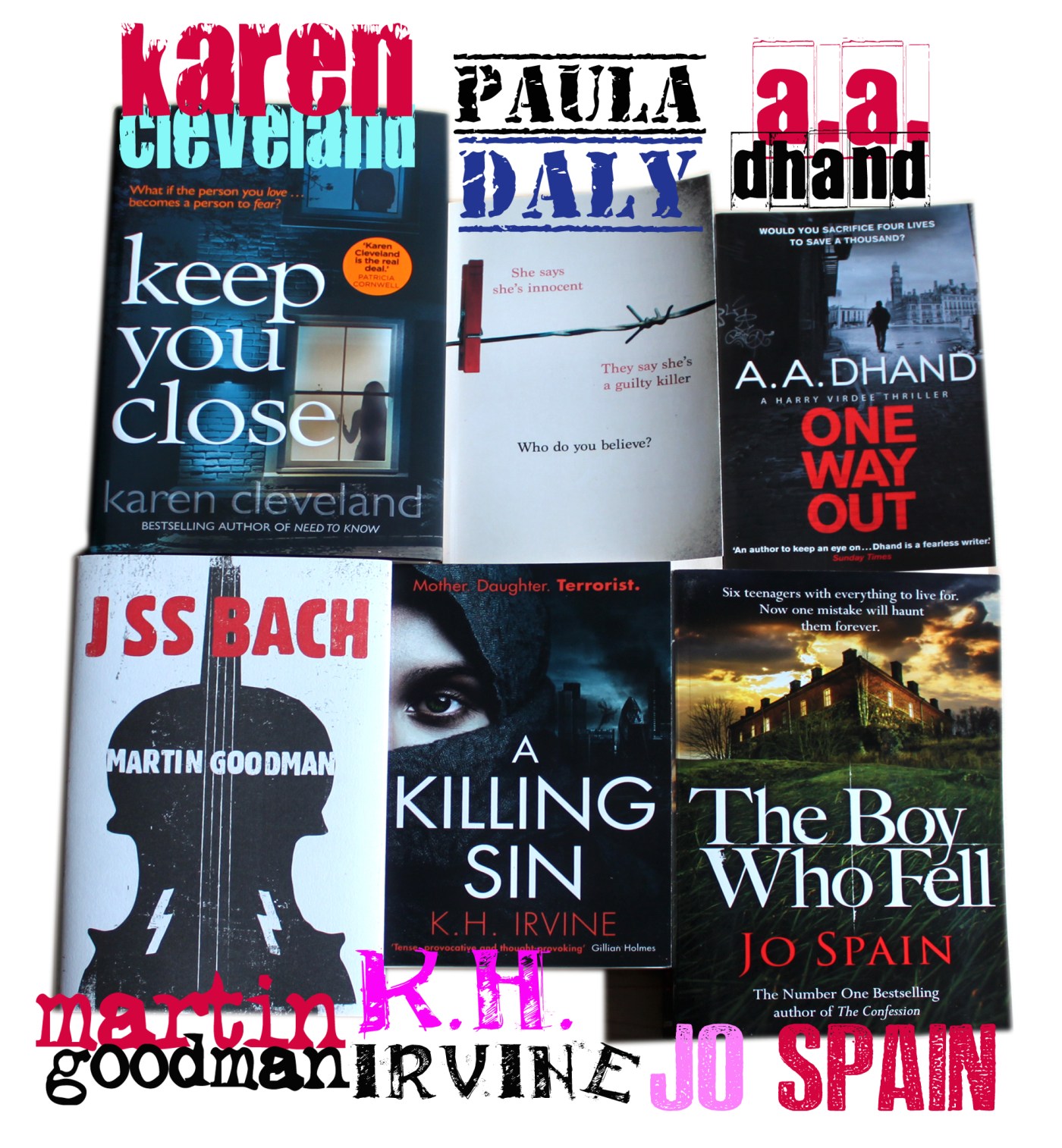
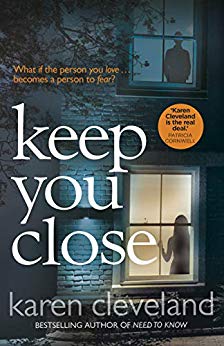 A writer who spent years working for the CIA and the FBI – as well as graduating from Trinity College Dublin and Harvard – is going to be an author to be reckoned with. Karen Cleveland’s 2018 best-seller Need To Know hit all the right buttons for readers who like psychological anxiety, tension and that delicious schadenfreude that washes over us when we watch someone’s domestic bliss unravel. Cleveland taps into her FBI background with her latest thriller, as FBI analyst Steph discovers something in her teenage son’s bedroom which turns her world on its head. This is out in Kindle on 13th June,
 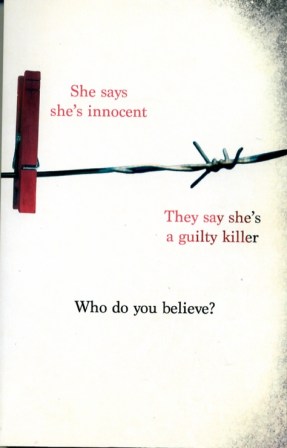 Carrie Kamara languishes in prison, sent down after an open-and-shut investigation and trial where she was convicted of murdering her husband’s mistress in a cold blooded attack fueled by humiliation and jealousy. The evidence? DNA. Conclusive, isn’t it? Or is it? Tess Gilroy is a tireless campaigner for Innocence UK, a charity which exists to overturn miscarriages of justice. When she takes on Carrie’s case she is initially swept along by her burning desire to establish the truth, but as she mines down into the detail of the case, she realises, to her horror, that she will be forced to confront some very uncomfortable issues of her own if she is to secure Carrie’s freedom. Again, this is from Bantam Press but you will have to wait until
 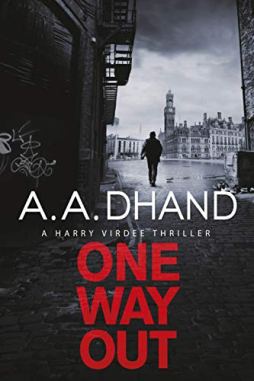 The issue of Muslims in Britain, and the extent to which they do – or don’t – integrate with mainstream non Islamic communities is a source of continuous political and social media debate where, as a rule, more heat than light is generated. Dhand has established his Bradford-based copper D.I. Harry Virdee with three previous novels, Streets of Darkness (2016), Girl Zero (2017) and City of Sinners (2018). Now, Virdee becomes personally involves in a campaign by an extreme right wing group who are targeting Muslims in the Yorkshire city of Bradford. The Patriots have one specified target, the leaders of a group of Islamic extremists known as Almukhtaroon. Virdee has to make decisions which threaten not only his own life, but the lives of his family – and the future well-being of thousands of fellow Bradford citizens. I promise I am not it the pay of Bantam Press, but this is one of theirs, too, and it will be
 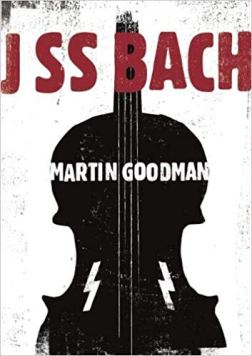 The author is a distinguished British academic who has written extensively on Roman and Jewish history. There are no Romans in his latest book – a work of fiction – but the fate of European Jews in the late 1930s is examined here in painful detail. Otto Schalmik and his family are dragged from their Vienna home and sent first to Dachau, and then to Birkenau. Due to his consummate skill as a cellist, and the intense love of Bach displayed by the camp commandant and his wife, Otto survives. Years later, when he is an internationally revered artist, his world and that of the commandant’s wife and granddaughter collide, with unexpected personal consequences. Published by Wrecking Ball Press,
  Irvine’s novel, like One Way Out, visits the fraught and potentially explosive world of relations between British Muslims and their host country. Islam. Is it a religion? Certainly. Is it a race? Well. clearly not, as the faith bestrides many nationalities. Is Islam immune from criticism? Here lies the rub, explored in painful detail in this startling debut from an author who grew up in Scotland and now lives near London. The book was her 50th birthday gift to herself, believing you are never too old to try something new. Her day job has taken her to board rooms, universities and governments all over the world and has included up close and personal access to special forces. In A Killing Sin, three women from across the religious, political and racial divide in modern Britain find that their lives mesh together against the backdrop of a national political and social emergency.
 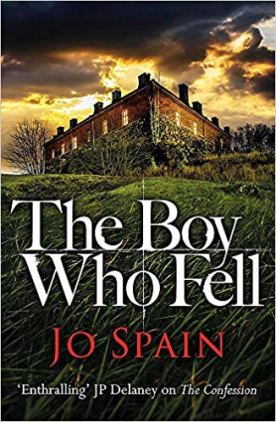 Jo Spain has a dazzling ability to write stand-alone crime novels which hit the spot every time, but she is also canny enough to know that most crime readers like a good series, and hers is right at the top of the ‘unmissable’ list of modern police procedurals. In his latest case, Dublin copper Tom Reynolds has just been promoted, but he is asked to take an interest in an uncomfortable case which is well below his new pay grade. A teenager appears to have been pushed to his death from the window of an abandoned house. The case has extra spice because the house was the scene of a savage domestic murder years earlier and the dead boy is judged by the pathologist to have been the victim of a homosexual rape shortly before his death. Reynolds takes on the case as a favour to a fellow Garda Síochána officer who is related to the mixed race teenager suspected of the rape and murder. Quercus will be publishing this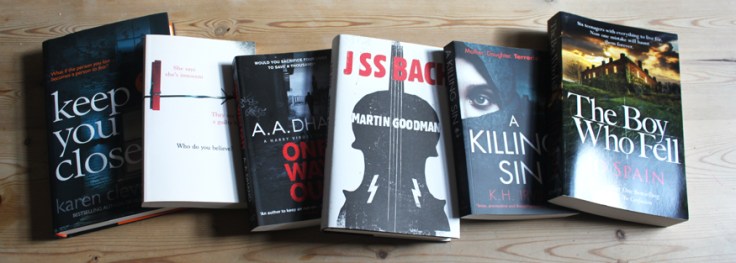

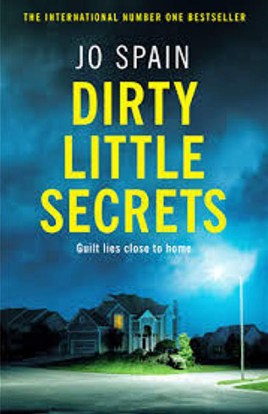 Withered Vale? Hardly your standard estate agent euphemism. Honeysuckle Meadows, Skylark Leys, Virginia Reach, Lakeside View, maybe, but Withered Vale? Years ago, the man who farmed the fields now built over was over-zealous with his pesticide, and nothing grew ever again. The enterprising developer, alert to a possible marketing triumph, chose to retain the local name, thinking that it had a certain ironic snap to it which might appeal to wealthy young professionals. He was right. No. 4 The Vale – Olive’s cottage – dates from before the development, however, and is dwarfed by the arrivistes.
 Thus Spain sets up a writhing nest of vipers, every one of whom has a very good reason for wanting Olive Collins dead and out of its life. The narrative darts back and forth between the homes as we learn the hopes, sins and insecurities of the residents, each with a flimsy alibi and united by a mixture of fear and loathing for the apparently mild-mannered resident of No. 4 The Vale. As we scratch our heads wondering whodunnit, could we be looking at some kind of collective guilt, à la An Inspector Calls? The solution, when it comes, is deliciously perverse and very satisfying. Jo Spain (right) has a talent to enthrall, and in an afterword to this book she writes of her early love of reading:





 Dublin copper DI Tom Reynolds is summoned from the dubious delights of his family Christmas to solve a murder. Readers of the previous three Tom Reynolds books might think there is little remarkable about that, but this time the corpse has been in the ground for rather longer than usual. Forty years, in fact. On the island of Oileán na Caillte, the pathologists have been disinterring corpses from a mass grave of the unfortunates who passed away as patients of the long-defunct psychiatric institution, St Christina’s. Those involved in the grim task discover nothing illegal, as all the residents of the burial pit were laid to rest in body bags, tagged and entered onto the hospital records. With one exception. That exception is the corpse of one of St Christina’s medical staff Dr Conrad Howe, who mysteriously disappeared forty Christmases ago. No body bag or tag for Dr Howe, but a rather surreptitious last resting place wedged between two other corpses.
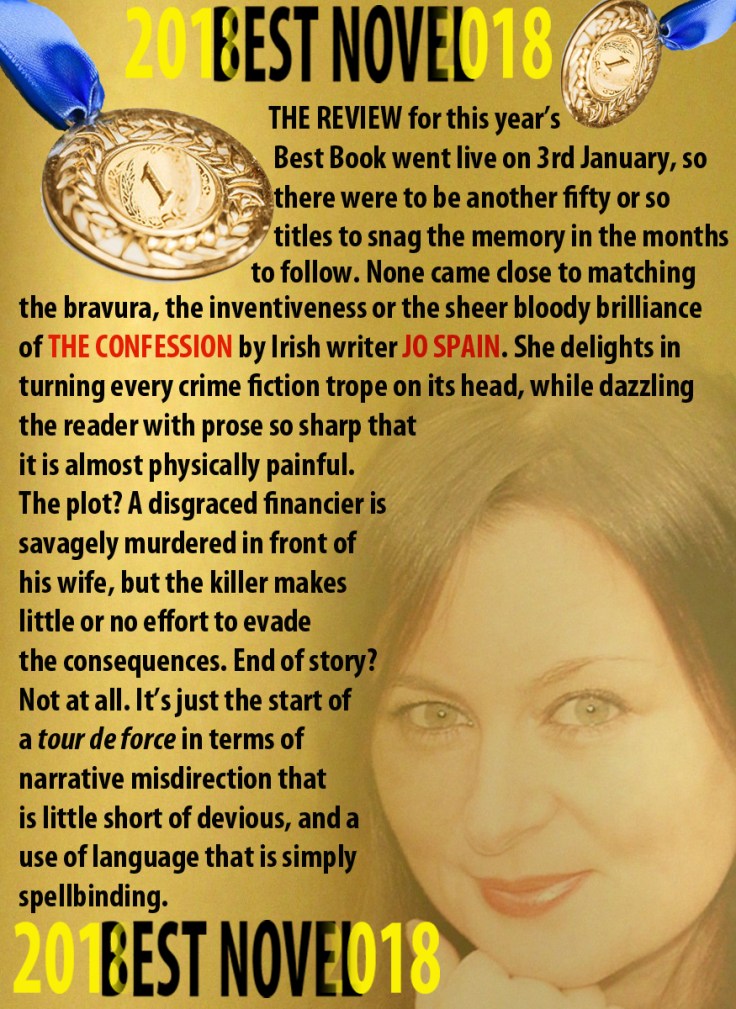
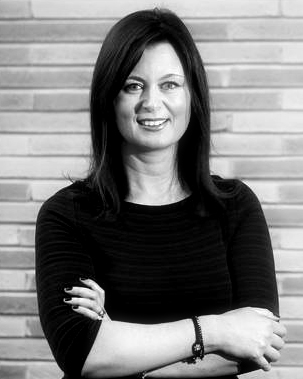 Other than that dark angel, the cast of suspects includes another former physician, now himself just days away from death, and others whose culpability in the inhuman treatment of St Christina’s patients has left psychological scars, some of which have become dangerously infected. Of course, this being, among other things, a brilliant whodunnit, Jo Spain (right) allows Tom Reynolds – and us readers – to make one major assumption. She then takes great pleasure, the deviously scheming soul that she is, in waiting until the final few pages before turning that assumption not so much on its head as making it do a bloody great cartwheel.