
Search

fullybooked2017

Tag

James Oswald

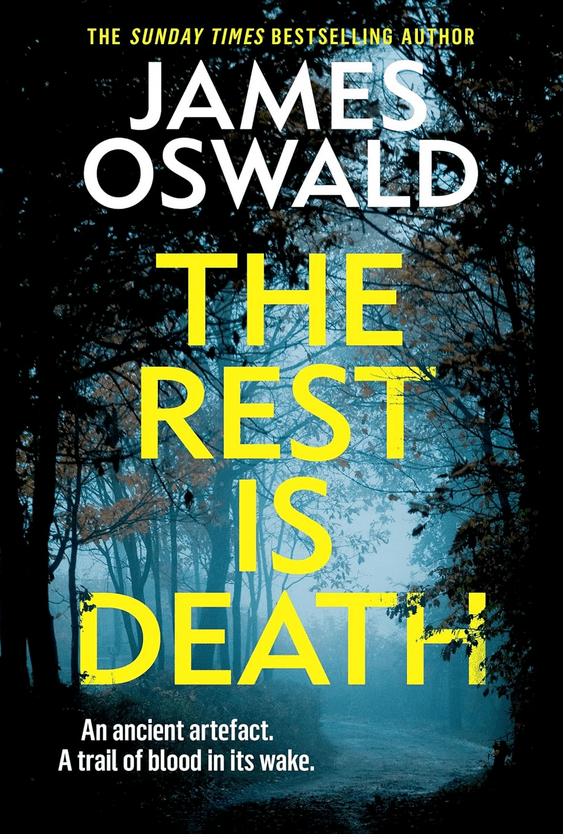
THE REST IS DEATH . . . Between the covers

In a silky smooth segue from 2024’s For Our Sins, Edinburgh copper Tony McLean has returned from temporary retirement and is asked to investigate an apparently trivial break-in at a Biotech facility. Nothing seems to have been taken, no-one was harmed, so why is a Detective Chief Inspector sent on the job when it would normally be handled by a uniformed Sergeant? The answer is simple. Drake Biotech is owned and funded by billion are Nathanial Drake, who just happens to be on WhatsApp terms with Scotland’s First Minister.

When an old school chum approaches DI Janie Harrison with a request to look, for her missing boyfriend, a Serbian carpenter, Janie does a perfunctory search, but assumes the man has gone to ply his trade elsewhere. She has logged the photos from her chum’s phone, and is horrified to find, that when she is called out to woodland where a hastily buried body has been found, the remains are that of Vaclav Mihailovic.When the autopsy is carried out on the Serbian, the pathologist is both baffled and shocked. The unfortunate man is opened up, but there is no stench of decay. It seems that the gut bacteria that continue working away after the heart stops beating are mysteriously absent. There is no bloating and no breakdown of tissue.

Halfway through the book, Oswald escalates and complicates the narrative. First, the driver of the van that took the intruders to Blake Biotech is identified, but then rapidly disappears. McLean suspects he is working for an external intelligence agency. A professional protester called Sanderson, believed to be one of the Biotech vandals is found sitting on a park bench, stone dead. Then the bodies of both Sanderson and Mihailovic are stolen from the city mortuary. Long time fans of the Tony McLean novels have become accustomed to an element of the supernatural appearing in the narrative. Here, it comes in page one, but it is another 60 pages before we realise the relevance to Nathaniel Drake and his interests.

McLean ponders the situation:

“We’ve got a break-in at the lab by animal rights activists who turn out to be a diversion for some MI5 spook doing God knows what. One of the team turns up dead in the park, looking like he’s not eaten in months and shouldn’t have had the strength to wield a spray can, let alone smash up a lab. I’d really like to know what he died from, just in case I’ve got a new disease about to spread through the city.

But someone breaks into the mortuary and steals his body before the pathologist can have a proper look. And whoever does that has the ability to break the servers of a sophisticated security services company to order.

A company that, it turns out, is a fully owned subsidiary of Drake Corporation, whose labs were broken into. And am I going round in circles?”

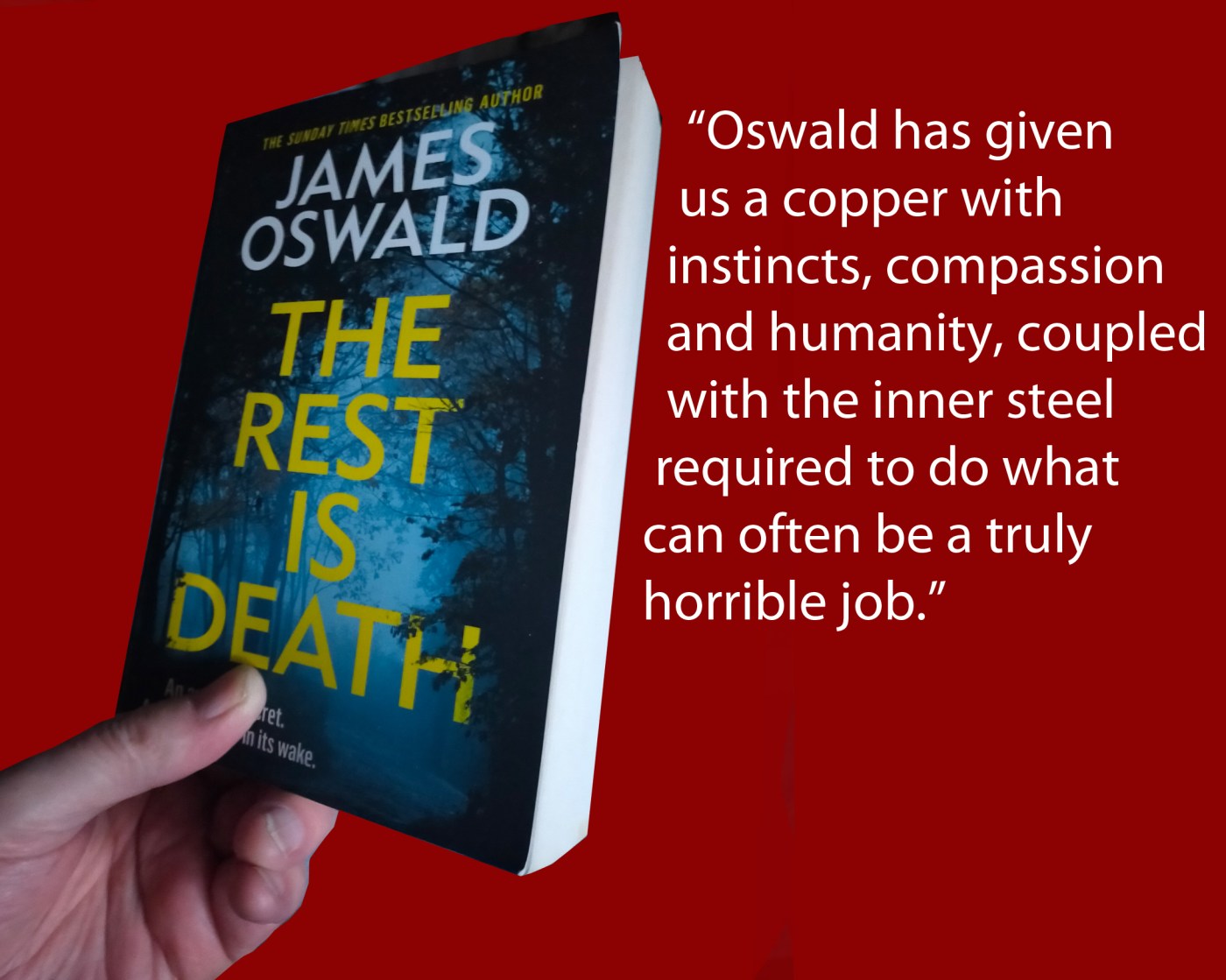
Within the CriFi genre, police procedural investigations are not natural bedfellows with the paranormal. The late Phil Rickman made it work – in spades – and James Oswald does a pretty good job. He certainly pushes the boundaries here, and gives us a finale with an archetypal mad professor locked in a life or death struggle with McLean, Harrison, and the mummified heart of a man who was court magus to Vlad Dracul in the medieval Carpathian Mountains. All this aside, Oswald has given us a copper with instincts, compassion and humanity, coupled with the inner steel required to do what can often be a truly horrible job. The Rest is Death is published by Headline, and is available now.
 

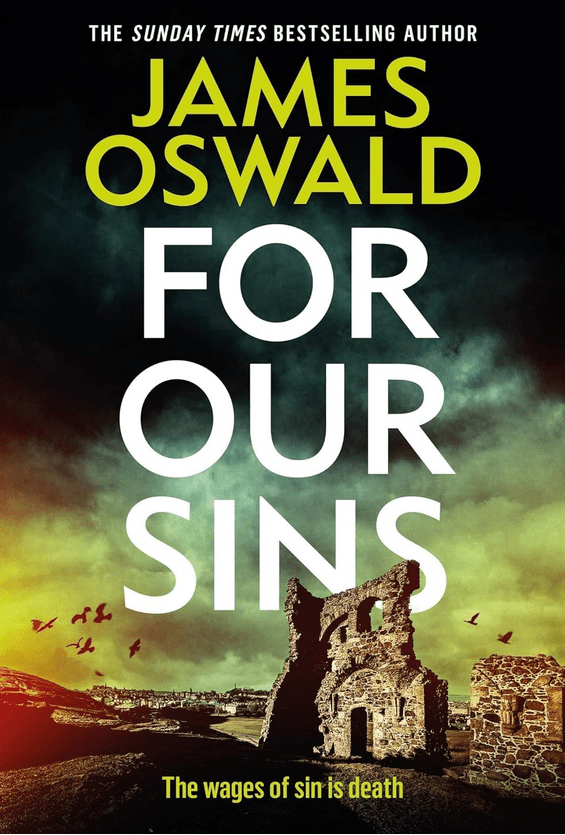
FOR OUR SINS . . . Between the covers

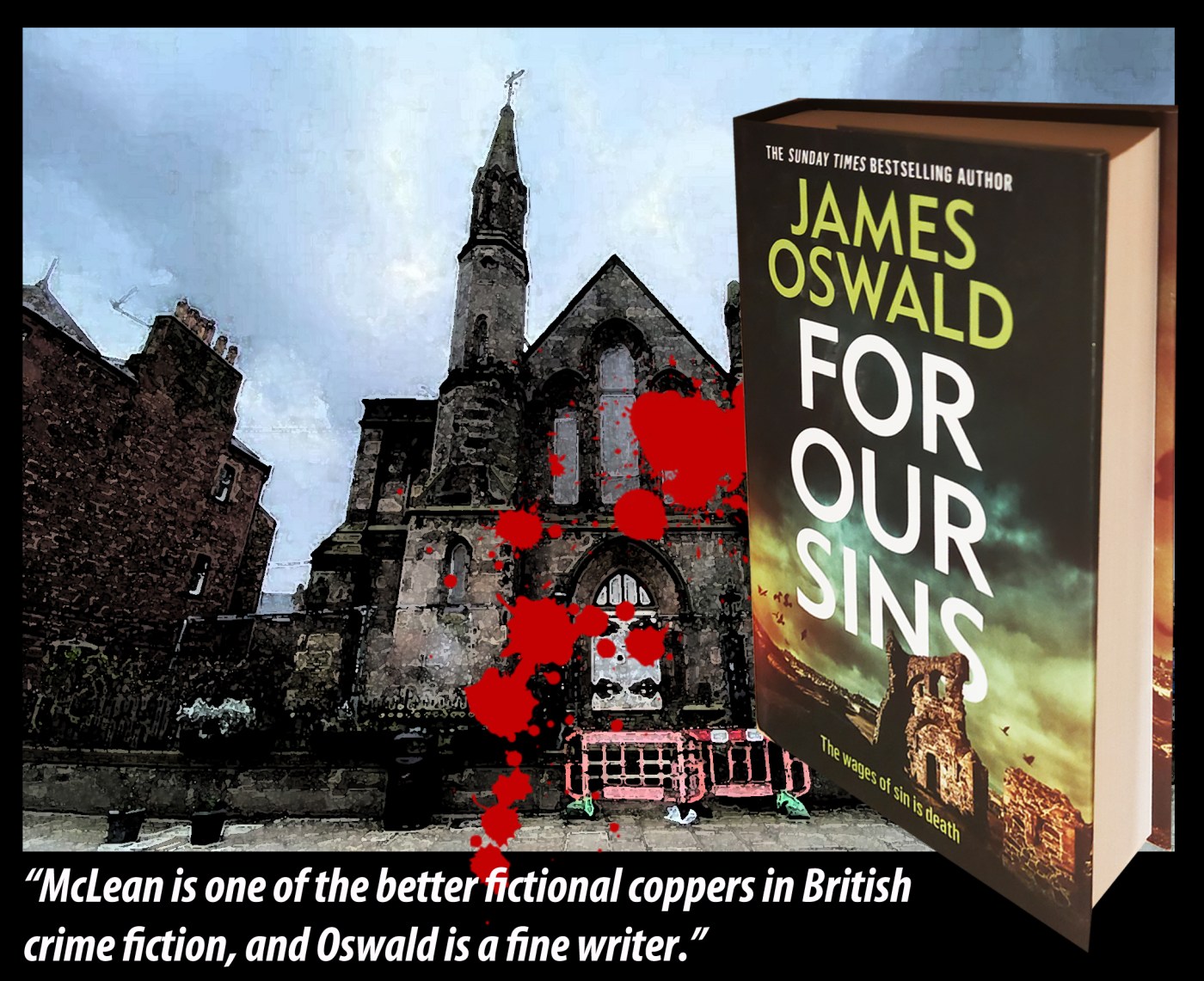
Edinburgh, the present day. A man is found dead in near-derelict church, his head crushed by a collapsed wall. His wallet reveals that he was Kenneth Morgan, an elderly ex-criminal who had been living quietly on his own since coming out of jail five years earlier. In charge of the case is Detective Sergeant Janie Harrison, who remains central to the story, despite the distant presence of her former boss, Tony McLean who has retired from the force. McLean is contacted by investigative journalist Jo Dalgliesh, who asks him to meet a middle-aged man, Robert Murphy who, as a child, was the victim of sexual abuse by his parish priest. The priest was murdered in what appeared to be an interrupted robbery of church silver. Murphy has the strangest of tales to tell.

I was a witness. And nobody listened to me when I told them what he’d done. And if he died, then how come I saw him on the street just a few weeks ago?”.

When another elderly man is found dead on the floor of a church, this time definitely by foul play, the police realise they have something strange on their hands. Both men were long-term associates of notorious gang boss, Archibald Seagram, a man who has remained conspicuously untainted by criminal convictions, despite being at the helm of an organisation responsible for much of the city’s serious crime for decades.

Meanwhile, Tony McLean is making the best of his ‘retirement’ and dutifully looking after his girlfriend Emma, who is slowly recovering from a stroke. He is acutely aware, however, that with the lack of mental and intellectual challenge that his job provided, One of the ‘ever presents’ in the excellent Tony McLean series is the transvestite spiritual medium Madam Rose, and it is his/her intervention that finally persuaded our man to do what his inner soul has been pressing him to do for months – offer himself back to Police Scotland.his life seems hollow and empty of purpose. Softly, softly, James Oswald is preparing us for some kind of comeback.

Every good police procedural novel needs a bad cop, and few are as loathsome as Detective Superintendent Pete Nelson. Detective Sergeant Jamie Harrison is at the core of the first half of this book, and Nelson is ‘on her case’ in all manner of ways, from professional vindictiveness to drunken groping in the pub. McLean’s former office still lacks a new tenant, and the department is worryingly understaffed, and so he returns, ostensibly just to help with this particular investigation.What we know, as readers, thanks to the short and intermittent flashbacks to 1980s, seen through the eyes of teenage altar boys, is that there is a religious aspect to this case and, specifically, connected to the Roman Catholic church.

McLean is one of the better fictional coppers in British crime fiction, and Oswald is a fine writer. Although McLean’s return to work is, to a degree, successful, we are left with no neat and conclusive answer to the reason why the three former criminals died. Nor do we learn why the severely disturbed Robert Murphy killed them, and his conviction that his church vestry abuser is still out and about is never explained, except perhaps because of his own mental state – or something paranormal has happened. For Our Sins was published by Headline in 2024, and there will be a new Tony McLean novel later this month.

ALL THAT LIVES . . . Between the covers

atl011 copy

Back in the day I was a school music teacher, and I remember one Christmas – always the busiest time of year – turning out one cold night for yet another carol service. I remember saying something along the lines of, “I never want to hear ‘O Little Town of Bethlehem’ ever again in my life!” An older and wiser colleague said, “Yes this is the sixth carol service you’ve played at in as many days, but you need to remember that for most of the people here tonight, it’s their only one this Christmas, and those are the people you are playing for.”

ATL coverThat reminiscence may seem unrelated to a book review, but it is relevant. When reviewing the latest book in a long and successful series it is tempting to think that all prospective readers will be fully up to speed with the quirks and history of the main characters. But that’s not so. Thankfully, people come to books at different times and for different reasons, so a paragraph about Edinburgh copper DI Tony McLean won’t be wasted. If you already know, then just skip ahead.
DI Tony McLean is a middle-aged police officer, but not your normal fictional copper. For a start he is very rich, thanks to a family inheritance. He was educated privately at a boarding school in England, an experience he hated at the time, and it still gives him nightmares. His significant other is a woman called Emma, and author Oswald gives her an interesting role in the books. She has been subject to various health scares in the past – including a tragic miscarriage – and she has always seemed the vulnerable one in the partnership. McLean has been gifted – or cursed – with a certain sensibility towards things paranormal, and although the supernatural is not overplayed in the books, there is a sense that McLean sees – and feels – things that his colleagues cannot. One of his acquaintances is a person who lives his life as a female psychic called Rose, and she is frequently warns McLean of things which he may not yet be aware of. McLean’s nemesis (apart from his various bosses) is a mysterious woman called Mrs Saifre, ostensibly a rich patron of charitable causes, but with a sinister hand in all manner of more dubious enterprises.

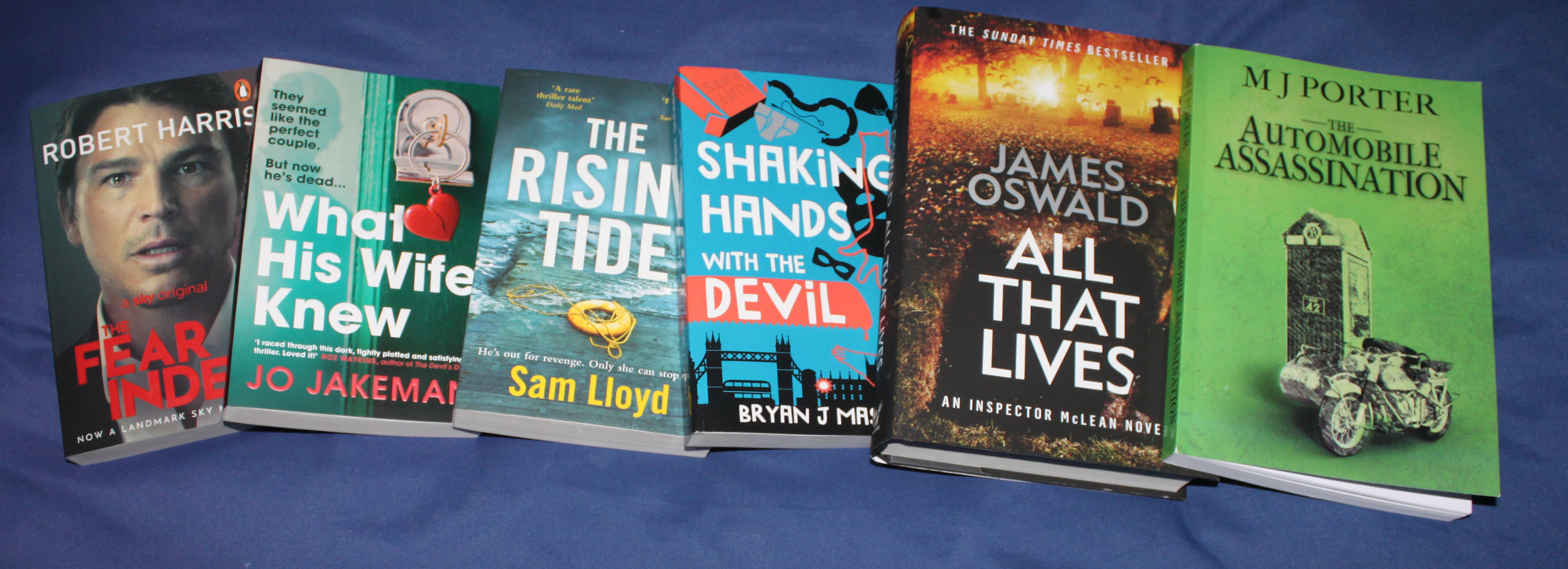
Still with me? Good! So, to All That Lives, the twelfth in an unfailingly brilliant series. The core of the novel is the police search for the source of a virulent narcotic which, when ingested, causes extremely violent – and fatal –  seizures. Just as troubling for McLean is a pair of discovered bodies – one from medieval times, and another from the 1990s. What disturbs him, is that the positioning of the bodies is unusual – and identical in both cases. A third body is discovered and the circumstances match the previous two. What hellish connection links the three corpses over a period of 700 years?

Things go from bad to worse for McLean’s major Incidents Team. First McLean is distracted by Emma falling seriously ill, and he wears himself thin between being at her bedside and trying to solve the case. When he himself disappears, the investigation is in danger of imploding. Detective Sergeant Janie Harrison, with the help of Grumpy Bob – the pensioned-off copper who is in charge of old case files – manages to find what links the bodies and the fatal drug, and the conclusion is violent and dramatic. James Oswald always likes to end these stories with a shock, and the final few paragraphs of All That Lives which is published by Wildfire on 17th February – are no exception. For reviews of earlier books in this series, click the author’s image below.

JO

ON MY SHELF . . . February 2022

OMS header

tfi

THE FEAR INDEX by Robert Harris

Harris is best-known for his best-selling historical novels such as  Pompeii, Enigma, Fatherland and Munich, but here he is bang up to date with a thriller set in the cut-throat world of modern financial markets, where fortunes can be made and destroyed with a keystroke. Alex Hoffmann has developed an algorithm for playing the financial markets that generates billions of pounds – and feeds on one essential aspect of human nature – the tendency to panic. When his system is threatened by an intruder who breaches the elaborate security of his lakeside home, his life becomes a living nightmare of violence and paranoia. This is a new Penguin edition of the novel that originally came out in 2011, and is a tie-in with a forthcoming Sky mini-series.

whwk

WHAT HIS WIFE KNEW by Jo Jakeman

Domestic Noir seems to be the go-to genre these days, and this looks as though it ticks all those particular boxes. Beth’s husband Oscar has disappeared after leaving a scribbled note – which appears to be an apology for something. As she tries to unravel the mystery of his disappearance – and the mysterious apology – she becomes immersed in a nightmare of recrimination, revenge and betrayal. Jo Jakeman was born in Cyprus and  worked for many years in the City of London before moving to Cornwall with her husband and twin boys. What His Wife Knew is published by Vintage, and will be available from 17th February

trt

THE RISING TIDE by Sam Lloyd

The story centres on Lucy, one of those women crime writers love to put at the heart of their stories. She has the lot: a beautiful home high on the clifftops, a devoted husband and two beloved children. Then one morning, tit all goes pear-shaped. Their family yacht is recovered, abandoned far out at sea. Lucy’s husband is nowhere to be found and as the seconds tick by, she begins to wonder – what if he was the one who took the boat? And if so, where is he now? As a violent storm frustrates the rescue operation, Lucy pieces together what happened onboard. Then she makes a fresh discovery and it is one which makes a nightmare into a reality.

Sam Lloyd grew up in Hampshire, but now  lives in Surrey with his wife, three young sons and a dog that likes to howl. His debut thriller, The Memory Wood, was published in 2020. Out on 17th February, The Rising Tide is published by Penguin.

shwtd

SHAKING HANDS WITH THE DEVIL by Bryan J Mason

Set in the dying days of Margaret Thatcher’s premiership, this black – and bleakly funny – novel tells the tale of a Dennis Nilsen-like character who enjoys dismembering young men, and DCI Dave Hicks, a larger than life policeman determined to catch him. The killer – Clifton Gentle, DCI Hicks – and the next intended victim are on a collision course that Mason turns into a strange mixture of noir and slapstick.
This is from Vanguard Press and is available now

atl

ALL THAT LIVES by James Oswald

I am a huge fan of the Inspector Tony McLean novels by James Oswald. I love the way that there is a often a  subtle hint of the supernatural about these stories, and there is usually some connection with historical events, which draws me in like a magnet. In this case, an archaeological dig at the old South Leith parish kirkyard has turned up a mysterious body dating from around seven hundred years ago. Some suspect that this gruesome discovery is a sacrifice, placed there for a specific purpose. Then a second body is unearthed. This victim went missing only thirty years ago – but the similarities between her death and the ancient woman’s suggest something even more disturbing.

Drawn into the investigation, Inspector McLean finds himself torn between a worrying trend of violent drug-related deaths and uncovering what truly connects these bodies. When a third body is discovered, and too close for comfort, he begins to suspect dark purpose at play – and that whoever put them there is far from finished. Published by Wildfire, this will be out on 17th February

taa

THE AUTOMOBILE ASSASSINATION by MJ Porter

I read, reviewed –  and thoroughly enjoyed – the first book in this series, The Custard Corpses, and so I was delighted to see that Chief Inspector Mason of Birmingham’s Erdington Police is once more prevailed upon to solve a seemingly impossible case. Called to the local mortuary where a man’s body lies, shockingly bent double and lacking any form of identification, Mason and his assistant O’Rourke find themselves at Castle Bromwich aerodrome seeking answers that seem out of reach to them. The men and women of the royal air force stationed there are their prime suspects. Or are they? Was the man a spy, killed on the orders of some higher authority, or is the place his body was found irrelevant? And why do none of the men and women at the aerodrome recognise the dead man? From MJ Publishing, this is available now.

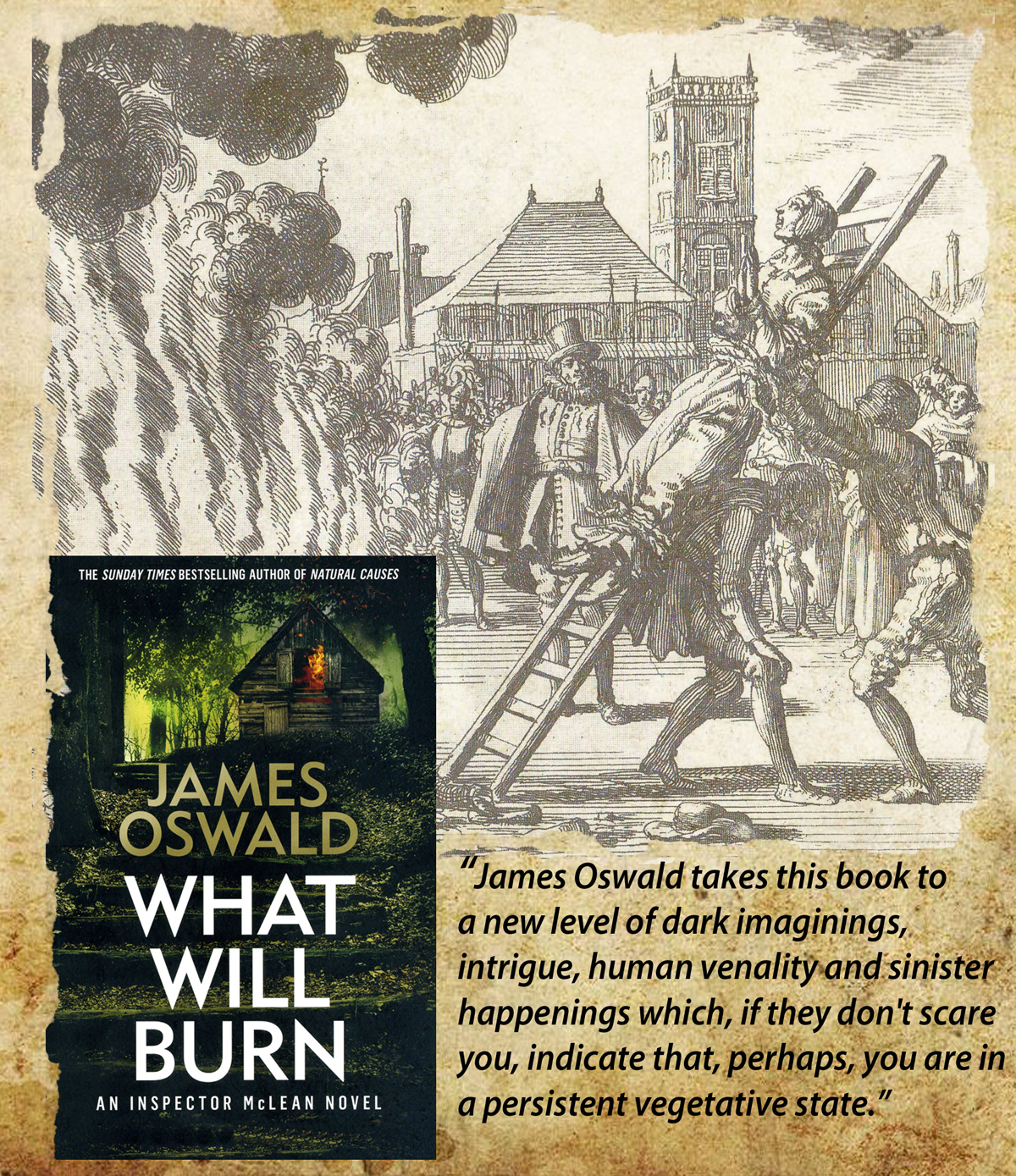
WHAT WILL BURN . . . Between the covers

WWB030

As the title suggests, What Will Burn is all about fire. It begins with an old woman, badly beaten and then set alight. There are passages which hark back to the late sixteenth century, and describe the dreadful end of women who were accused of witchcraft and burnt at the stake. A man apparently spontaneously combusts as he sits in his basement flat. It ends with a grim parallel to those scenes when one of the book’s main characters, suffers a similar fate in a grim parody of those historical executions.

So, what has all this to do with James Oswald’s Edinburgh copper
, Detective Chief Inspector Tony McLean? Or, to be more accurate, Detective Inspector McLean, as he returns to duty busted down a rank after a lengthy investigation into misconduct.

His ‘welcome back Tony” case is that of the agonising death of Cecily Slater, an elderly member of an aristocratic family, who has lived alone in a crumbling cottage in the woods above Edinburgh. Her charred remains have gone unnoticed for some time, until an estate worker who runs the odd errand for the old woman makes a grisly discovery.

McLean also becomes involved with a controversial campaign called Dad’s Army. They are not the avuncular dodderers from Walmington-on-Sea, but a group of embittered men who, for one reason or another, have been denied access to their children. They are led – and empowered – by a lawyer called Tommy Fielding, a man who who has a seemingly pathological hatred of women, and is undeterred by the fact that many of his clients have been separated from their children due to allegations of serious sexual abuse.

All good police procedural series
need a repertory company of regular characters, and the Tony McLean books are no exception. There’s Grumpy Bob, guardian of the cold case records down in the basement, Detective Constable Janie Harrison – now Acting Detective Sergeant Harrison, the lugubrious Detective Constable ‘Lofty’ Blane. McLean himself is a fascinating character. Thanks to a legacy, he has the luxury of being financially independent of his job, but loves the work. He also has the mixed blessing of being someone who is sensitive to things paranormal, and beyond the ken of the Police Scotland operational handbook. Away from the station, there is the strange character of Madame Rose, a transexual psychic who can always be relied upon to provide a sense of things “not dreamt of in our philosophy”.Last but not least, there is Mrs McCutcheon’s cat. We never see the owner, but the moggie is a permanent resident in McLean’s house.

There is a new member of the cast
in this novel, in the person of Chief Superintendent Gail Elmwood, freshly signed from the Metropolitan Police to head up Tony’s team. Let’s just say that she is not your conventional senior police officer.

WWB029

As the reviewers’ cliché has it, the body count gets higher. Readers expecting a conventional solution to the criminal activity in What Will Burn will search in vain. James Oswald takes this book to a new level of dark imaginings, intrigue, human venality and sinister happenings which, if they don’t scare you, it perhaps means that you are in a persistent vegetative state. What Will Burn is published by Wildfire, and is out today, 18th February.

I am a confirmed and long-standing fan of the Tony McLean series. To read reviews of earlier novels, click here.

BOOKS OF THE YEAR 2020 . . . Best Police Procedural

Blurb

BOTYPPheader

For many of us, the Police Procedural remains the staple of our crime fiction reading diet. That the genre remains so lively after so many decades is a tribute to the ingenuity and assiduous research of the authors. Here are the four books that I enjoyed the most in 2020. To read the full review, just click the titles.

STILL LIFE by VAL McDERMID

PP4

CRY BABY by MARK BILLINGHAM

PP3

AFTER THE FIRE by JO SPAIN

PP2

BEST POLICE PROCEDURAL 2020
BURY THEM DEEP by JAMES OSWALD

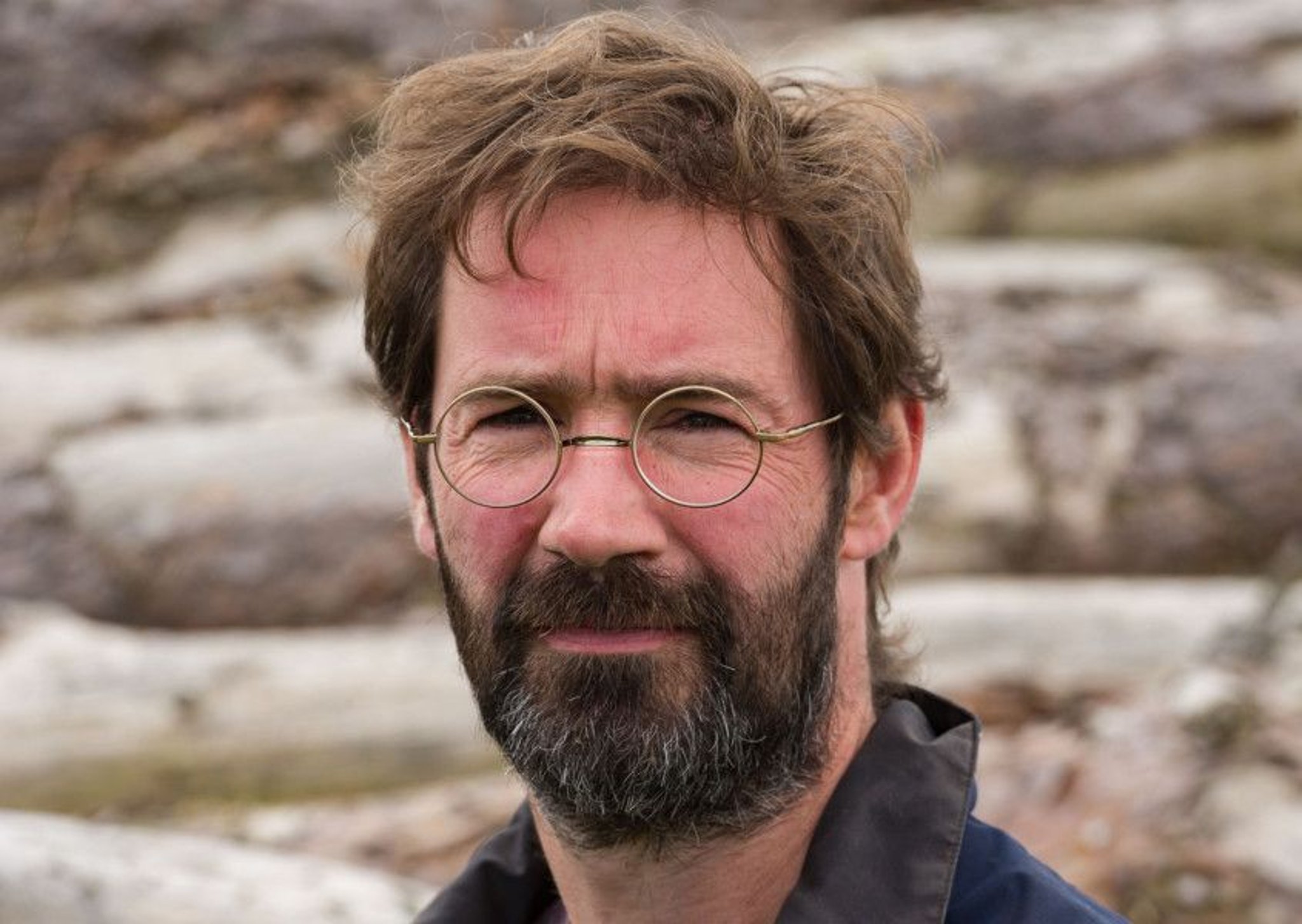
Screen Shot 2020-12-11 at 18.53.09The most crowded room in the mansion of Crime Fiction is the one containing all the Detective Inspectors. Why so many? Probably because in real life a DI’s seniority allows them to become involved in serious criminal cases, but they are not so elevated that they spend most of their time behind a desk juggling budgets and ticking boxes on diversity surveys. So, for a fictional DI to standout from the throng, they must have something a little bit different. With due apologies for execuspeak, Tony McLean’s USP is that he has an awareness of another world beyond the one inhabited with fellow – living – human beings. This is both a blessing and a curse, but James Oswald handles it with a great deal of nuance and restraint. There are no Woman In Black type shocks, and McLean certainly doesn’t “see dead people”. What we do have is a growing sense of unease, with something just at the corner of our peripheral vision maybe, and that something is certainly not benevolent. For more about James Oswald, click his picture (above left).

ppbest

BURY THEM DEEP . . .Between the covers

BTD header

James Oswald’s Edinburgh copper Tony McLean is something of a fixture in the crime fiction firmament these days, and Bury Them Deep is the tenth in the series. For those readers picking up one of his cases for the first time, a little of his back story might be helpful. He is based in Edinburgh and now, of course, works for Police Scotland. He was (unhappily) educated in English independent schools thanks to his wealthy family, some of whose riches he has inherited, thus making him ‘a man of means’. He lives in an old and impossibly roomy house, left to him by his grandmother. He has a fragile relationship with partner Emma, and it is fair to say that their life together has been punctuated by both drama and tragedy. McLean drives a very plush Alfa Romeo, enjoys an occasional glass of cask-strength single malt whisky and, aside from his instinct for police work, has been known to be susceptible to stimuli and influences that are not, as Hamlet remarked, “dreamt of in your philosophy.” After many successful cases, he is now Detective Chief Inspector McLean, but if his superiors imagine he will settle for a life behind a desk, they are very much mistaken.
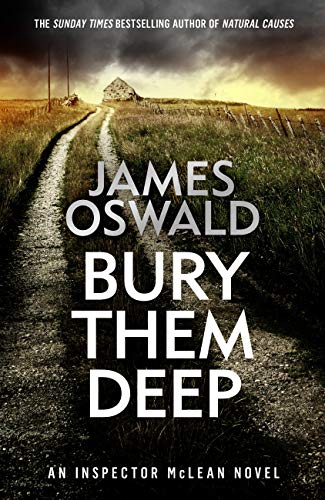
BTDAnya Renfrew is a rather dowdy and dull police civilian worker who seems devoted to her job, which is mastering the many databases which keep investigations fed with information. She has never had a day off in her life, and so when she goes missing it is considered rather unusual. Her mother is a former – and legendary – police superintendent, but Grace Ramsay is now old and infirm, living in a care home. Police are never more active than when investigating actual or possible harm to one of their own, and when McLean searches Anya’s house, what he finds hidden in her wardrobe indicates that Ms Renfrew’s private life was more exotic – and dangerous – than colleagues might have imagined.

A chance bit of tomfoolery by two schoolboys, bored out of their minds during the long hot summer holiday, leads not only to the discovery of Anya Renfrew’s car, but a moorland wildfire of tinder-dry heather. When the fire service manage to douse the flames, they make a disturbing discovery. Bones. Human bones. Bones that the post-mortem investigation reveals have been deliberately stripped of their flesh.

McLean’s professional life already has one big complication. A five-times serial killer called Norman Bale is in a secure mental hospital, thanks to McLean’s diligence and bravery. Now, he asks to speak to McLean, and what he has to say is both shocking and improbable. Are his words just the ramblings of a psychological disturbed killer, or does his suggestion – that Anya Renfrew’s disappearance and the moorland bone-pit are linked to a sinister piece of folklore – have any substance?

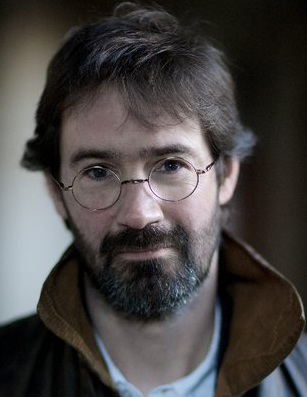
joIt takes a bloody good writer to mix crime investigation with touches of the supernatural. John Connolly, with his Charlie Parker books is one such, but James Oswald (right)  makes it work equally as well. The finale of this novel is as deeply frightening as anything I have read for a long time. Despite the drama, Oswald can use a lighter touch on occasions. There is dark humour in the way McLean sometimes needs to ingratiate himself with Edinburgh’s smart set. At an art gallery opening night he listens politely as two guests discuss one of the objets d’art:

“Fascinating how she blends the surreal and the horrific in a melange of sensual brushwork, don’t you think?”
“It all seems a bit brutal to me. The darkness crushes your soul, sucks it in, and you become one with the oils.”
Definitely Tranent, by way of the Glasgow School of Art department of pseudo-intellectualism. He’s been just as much of a twat at that age of course; in his case a student trying to impress with his rather flawed knowledge of basic psychology…”

Bury Them Deep is published by Wildfire (an imprint of Headline Publishing) and will be available on 20th February.


For reviews of other books by James Oswald click the link

BOOKS OF THE YEAR 2019 . . . Best police procedural

PPheader

While police procedurals, at least in recent years, don’t tend to attract as much publicity as, say, domestic noir (or books with ’Girl’ in the title) they are the solid and dependable backbone of crime fiction. A true cynic might say that the police procedural scene is a roomfull of Detective Inspectors moaning about their desk-bound box-ticking superior officers, but in the hands of writers who are prepared to take a few risks and move away from the norm, a good police novel is hard to beat.

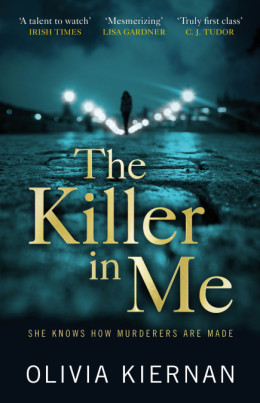
tkim-coverThere are some very special Irish crime writers these days. Some mine the uniquely bitter and bleak seam of Belfast, with its raw and recent memories, while further south the city of Dublin, where “the girls are so pretty”, has its fair share of malcontents and evil doers. Olivia Kiernan and her Chief Superintendent Frankie Sheehan were new to me, but The Killer In Me was a beguiling read. I called it “dark, complex, but full of compassion.” and the story of Sheehan’s search for a killer, while trying to decide if a newly released killer is a wrongly convicted media cause célèbre or a murderous con artist, is beautifully told.
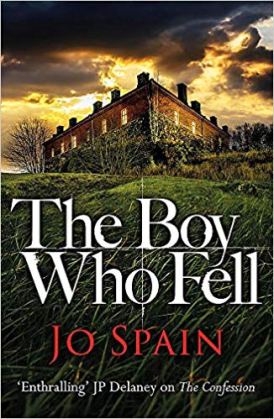
tbwfStaying in Ireland, it has to be said that Jo Spain is ridiculously talented. She has created a bankable stock character in the affable Dublin copper Tom Reynolds, but this has not stopped her from writing such brilliant stand-alones as The Confession. In reviewing her books I have used adjectives like ‘bravura’, ‘intense’, ‘breathtaking’ and ‘mesmerising’, so will gather that I am a fan. It was good to welcome back Tom Reynolds this year in The Boy Who Fell. On one level this is a firecracker of a whodunnit, and Spain’s ability to misdirect the reader and lead us – Pied Piper-like – in the wrong direction, is proudly displayed. On a more reflective level her observations on moneyed Dublin society are sharp and salutary, as Reynolds tries to discover why a teenager died while partying with his privileged and privately educated friends.
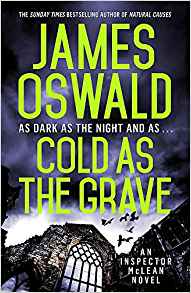
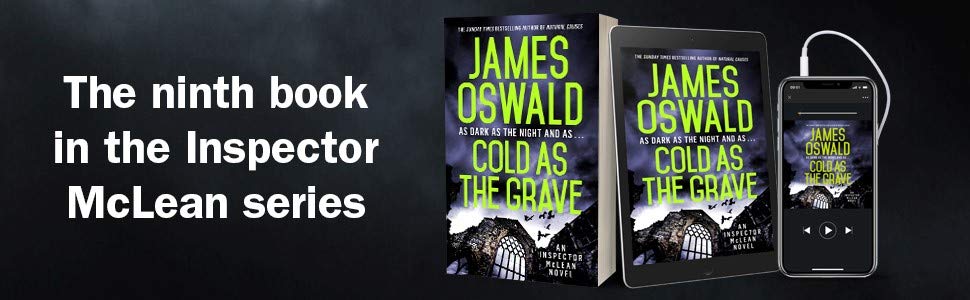
CATGVulnerability as a character trait is perhaps more common in British fictional coppers that their American counterparts, and few fit that bill quite like James Oswald’s Edinburgh detective Tony McLean. Cold As The Grave is his ninth outing, and his quest for the truth behind a series of corpses found in strange locations in the old city brings the frayed edges of his character into focus. He has always had an awareness of the fact that there are “more things in heaven and earth … than are dreamt of in your philosophy.” Oswald never goes full-on supernatural, but McLean is ever more aware that the solution to the Edinburgh deaths may lie beyond the dry pages of the Police Scotland training manual.
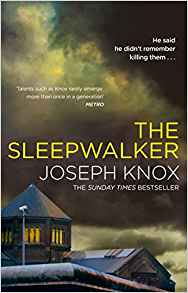
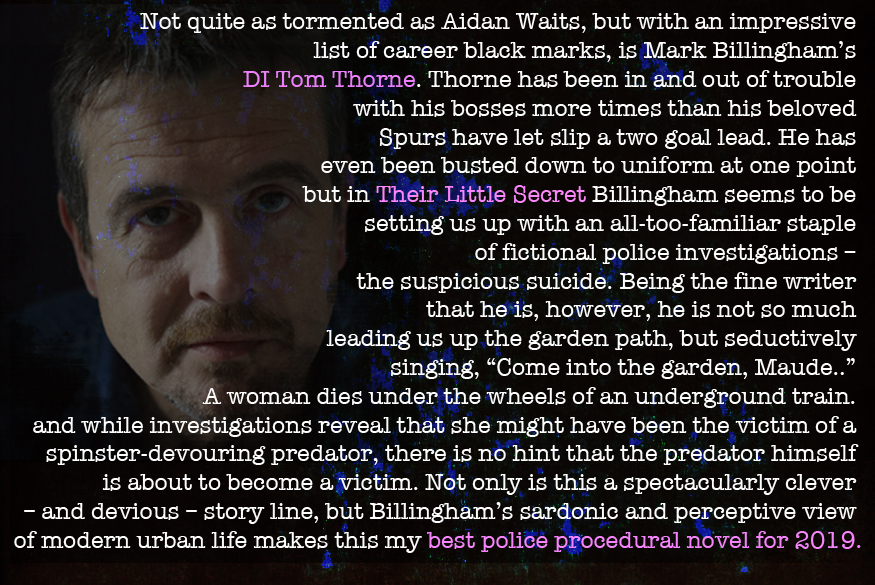
SleepwalkerIn The Sleepwalker, Joseph Knox reintroduced us to his troubled Manchester Detective Constable, Aidan Waits, who we first met in Sirens (2017) and The Smiling Man (2018). To say that Waits’s Manchester is dystopian is rather like saying that there can be a certain frisson between supporters of City and United. In The Sleepwalker it rarely seems to be daylight as the pallid and pinched faces of drug abusers and petty crimInals are caught in the flickering neon lights of the late night clubs and drinking dens. Waits and his loathsome immediate superior Sergeant Sutcliffe have been tasked with waiting at the bedside of a dying serial killer, in the hope that his final breath will reveal the burial place of one of his victims. Inevitably, everything goes bloodily wrong, and when the dust settles, and the final autopsy is done, Knox asks us – perhaps, maybe, possibly – to bid Waits a fond farewell.

PP

Click this link for a full review of Their Little Secret.

COLD AS THE GRAVE . . . Between the covers

CASTG header

This is a welcome return to the world of Edinburgh copper Tony McLean. He is now Chief Inspector, and to quote, appropriately enough, the Scottish Play, he feels he is dressed in ‘borrow’d robes’. On his desk are small mountains of files, reports, initiatives and consultation documents: beyond the door of the nick are thieves, rapists and murderers. McLean knows where his heart is leading him, and it is out away from his desk and onto the mean streets.

When McLean uses the excuse of a potential clash between rival demonstrators to desert his office, he discovers a corpse abandoned in a derelict cellar. As the technicians and medics swarm round the body it seems obvious that the remains – of a young girl – have been there for some considerable time. When, however, the pathologist is able to take a closer look under the spotlight above the mortuary slab, he comes to the astonishing conclusion that the girl has only been dead for a matter of days, despite her desiccated and leathery skin.

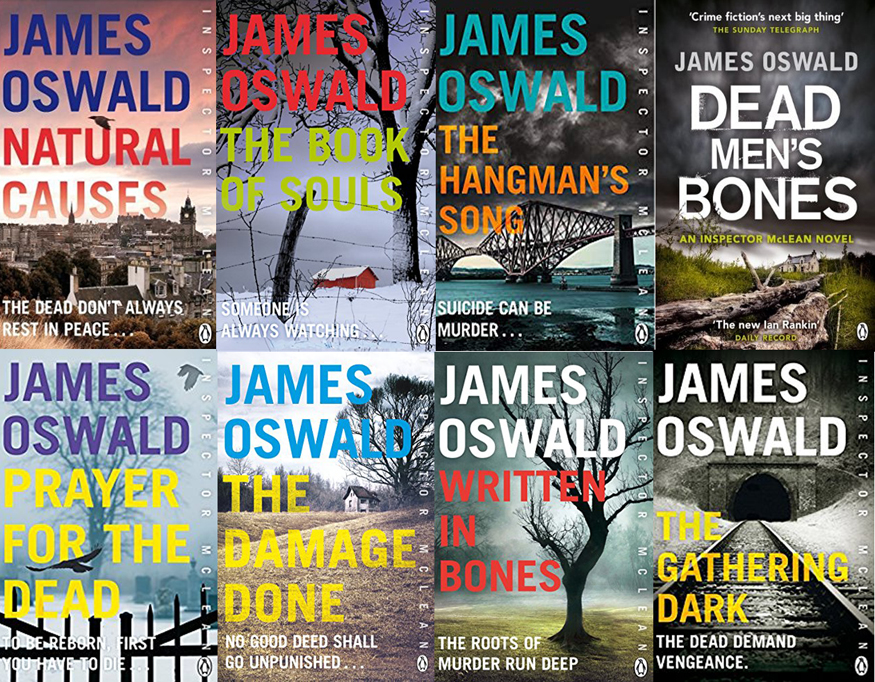
indexCold As The Grave is the ninth novel in the Tony McLean series, but fine writers – and Oswald is up there with the very best – make sure that it is never too late to come to the party. For anyone new to the series, McLean is something of an individual. Due to an inheritance, he is exceedingly wealthy, but has a modest lifestyle and chooses to remain a police officer. He has a long-standing ‘significant other’ in Emma Baird, but the previous novel, The Gathering Dark, (click to read the review) ended with her having a disastrous miscarriage. McLean is a fine detective, but he is blessed, or perhaps cursed, with an awareness of the supernatural. The two characters in the books who operate in this sphere are Madame Rose, a bizarre but benign transvestite clairvoyant, and the considerably more sinister Mrs Saifre. She is, on the surface, merely a very rich and influential owner of newspapers and media outlets, but McLean senses that there is something existentially evil and elemental behind her smooth corporate image.
Back in Cold As The Grave, more bodies are found, each apparently mummified in the same way as the poor child found in the tenement cellar. McLean makes an important connection between the deaths and the rising tide of people trafficking which has hit the city. Girls and young women from the war zones of the Middle East are being brought in and, at best, set to work for a pittance in local factories but, at worst, forced into prostitution.

With his bosses exasperated at the amount of time he is spending away from his paper shuffling duties, McLean’s investigation reaches a crucial fork in the road. To the left is the grim possibility that someone at the heart of the trafficking gang is using some kind of deadly serum, derived from snake venom, to carry out murders and threaten other victims: to the right, however improbable, is the presence of some kind of evil djinn reincarnated from Aramaic legend and folklore. McLean knows that following the road to the right will lead only to ridicule by both his superior officers and those who work for him, but he has learned to trust his instincts, even if they terrify him.

joDoes McLean follow his head or his heart? The road to the left or the right? Cold As The Grave is a brilliant police procedural, but there is more – so much more – to it. For those who love topographical atmosphere Oswald (right) recreates a wintry Edinburgh that makes you want to turn up the central heating by a couple of notches; for readers drawn by suggestions of the supernatural there is enough here to induce a shiver or three, while making sure the bedroom light remains on while you sleep. The sheer decency and common humanity of Tony McLean – and the finely detailed portraits of the people he works with – will satisfy the reader who demands authentic and credible characterisation. Cold As The Grave is published by Wildfire/Headline and will be out on 7th February.
McLean books


Blog at WordPress.com.

Up ↑