

London, 1927, and Divisional Detective Inspector Ernest Hardcastle is summoned to the office of Chief Constable Frederick Wensley[1], who has received a letter from a Norfolk parson. The Rev. Percy Stoner is convinced that his nephew Guy has met with misfortune. The former army Captain has disappeared, and when Hardcastle despatches men to visit the business young Stoner had set up with another Great War veteran, they make a chilling discovery.
Hardcastle himself was too old to serve in the war, but for his younger colleagues who knew the Western Front, body parts hold few terrors. The human remains found in the burnt-out premises in Surrey are examined by none other than Sir Bernard Spilsbury[2] and his findings complicate Hardcastle’s case. Is the first body that of Guy Stoner, or is it that of his business partner? And who was the young woman whose butchered remains shared the same ignominious burial place?
 Forced to play cherchez-la-femme, the detectives stumble down one blind alley after another, but as they do so they learn a few home truths about the fate of the young men who went to fight in the war-to-end-all-wars, and returned home to find that their birthplace was not the ‘land fit for heroes’ glibly promised by politicians. There is a peacetime army with no place for young officers whose courage was welcome in the trenches, but whose humble upbringing is now seen as an embarrassment as the cigars are lit, and the port passed in the correct direction at mess dinners. Such young men, not all heroes, but men nevertheless, are forced to find civilian employment which is neither honest, decent nor lawful.
Eventually, after an investigation which takes the detectives on many a trip into the provinces and away from their metropolitan stamping grounds, the case is solved, and there is work for the hangman to do, but not before an intervention by the Home Secretary.
 Graham Ison is a master story-teller. The Hardcastle books contain no literary flourishes or stylistic tricks – just credible characters, excellent period detail and an engaging plot. Cosy? Perhaps, in the sense that we know how Hardcastle and his officers are going to react to any given situation, and their habits and small prejudices remain unchanged. Comfortable? Only because novels don’t always need to shock or challenge; neither do they always benefit from graphic descriptions of the damage humans can sometimes inflict on one another. Ison (right) credits his readers with having imaginations; he never gilded the lily of English life in the earlier Hardcastle cases which took place during The Great War, and he doesn’t start now, nearly a decade after the final shots were fired. The suffering and trauma of those four terrible years didn’t end at the eleventh hour on that eleventh day; they cast a long and sometimes baleful shadow which frames much of the action of this novel.
Hardcastle’s Quandary is a great read. As well as being a fascinating period police procedural, it is a gently reflective but sharply observant look at England in the 1920s. We sense that Hardcastle, deeply conservative and instinctively opposed to the steady advance of technology, has entered his autumn period. Colleagues like Marriott and Catto tolerate his idiosyncrasies and work around the fact that he sometimes appears to be a creature from a bygone age, preserved in his own block of amber. Hardcastle’s quandary? That is for the reader to judge, and it may only be resolved in the final pages. The novel is published by Severn House and is available here.
[1] Frederick Porter Wensley OBE KPM (28 March 1865 – 4 December 1949) was a British police officer from 1888 until 1929, reaching the rank of chief constable of the Scotland Yard Criminal Investigation Department. Serving in Whitechapel for part of his career, Wensley was involved in the investigation of the Jack the Ripper murders, details of which he would later publish in his memoirs in 1931.
[2] Sir Bernard Henry Spilsbury (16 May 1877 – 17 December 1947) was a British pathologist. His cases include Hawley Harvey Crippen and the “Brides in the Bath” murders by George Joseph Smith,. Spilsbury’s courtroom appearances became legendary for his demeanour of effortless dominance.

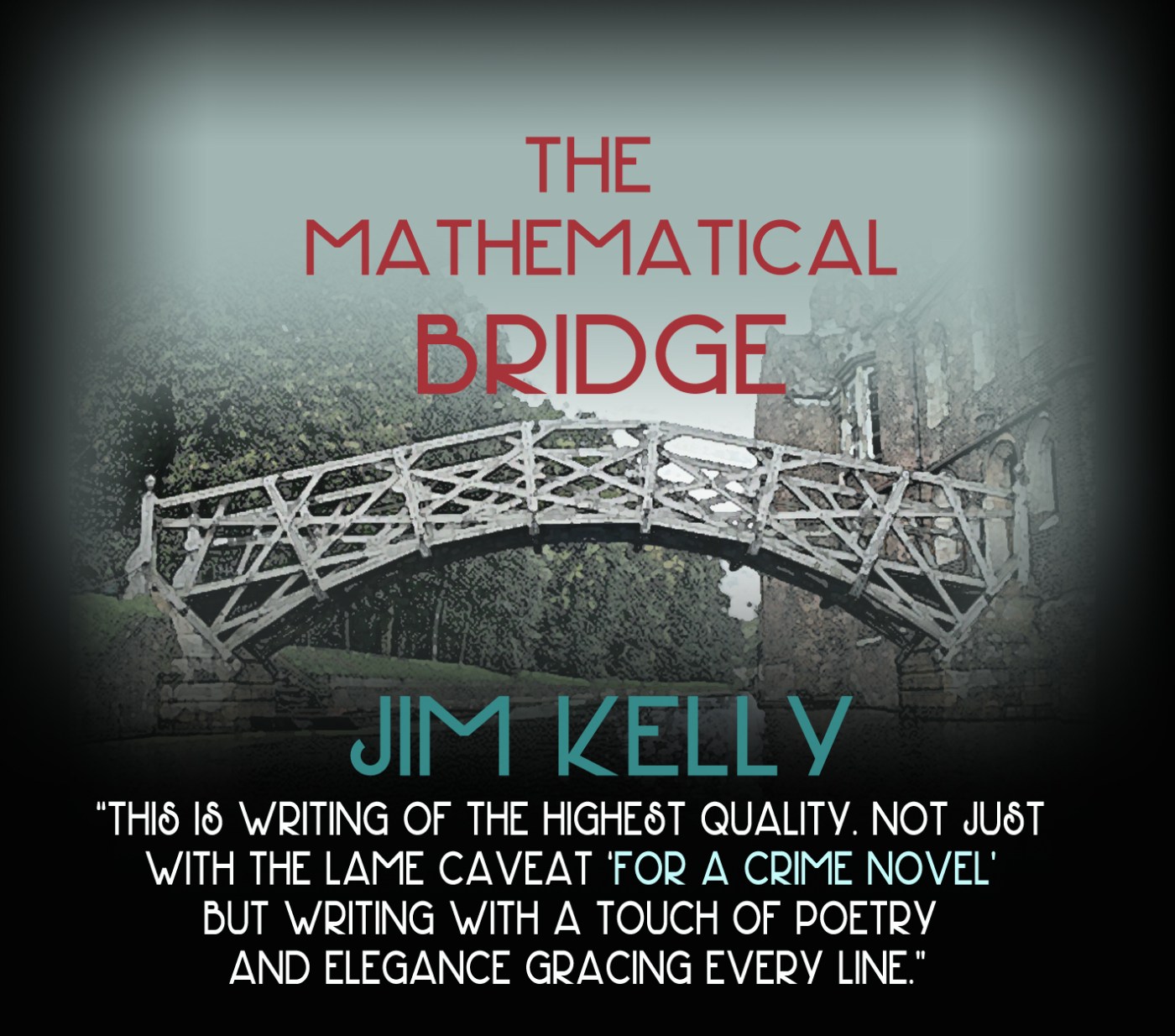
 “Begin as you mean to go on” says the old adage, and Jim Kelly sets himself a hard task with the brilliant and evocative first paragraph of The Mathematical Bridge. The beautiful use of language aside, Kelly’s first 126 words convey a wealth of information. A country at war. Midwinter. A city preparing for an attack from the air. A policeman out and about when honest men are abed.
 This is writing of the highest quality. Not just with the lame caveat ‘for a crime novel’ but writing with a touch of poetry and elegance gracing every line. Even when the crime is solved, the perpetrators are behind bars, and the delightfully complex contradictions of the plot have been explained, Kelly (right) still has the emotional energy to give us a last scene which manages to be poignant but, at the same time, life-affirming.


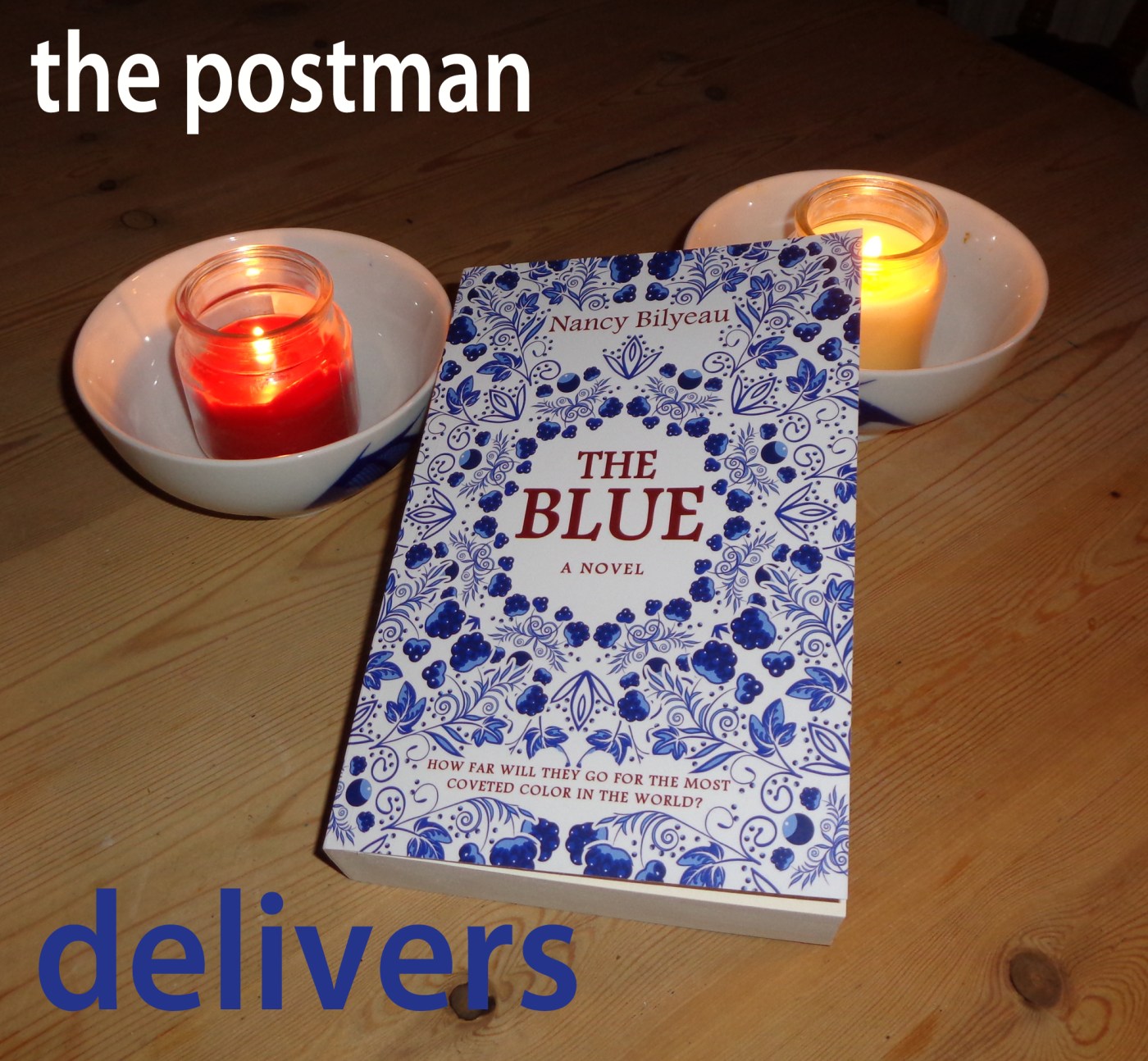

 The Blue by Nancy Bilyeau is a perfect novel for those long winter evenings, even though The Great Darkness is getting slightly shorter as each day passes. Lovers of historical adventure and romance should find plenty to engage them in this story of Genevieve Planché, a young and rebellious Huguenot artist on a quest for a colour: the most exquisite shade of blue.
 Her ambition is to travel to Venice to learn the secrets of Tintoretto, Veronese and Giorgioni, but her only chance is in the hands of an urbane – but possibly dangerous – English aristocrat, Sir Gabriel Courtenay.
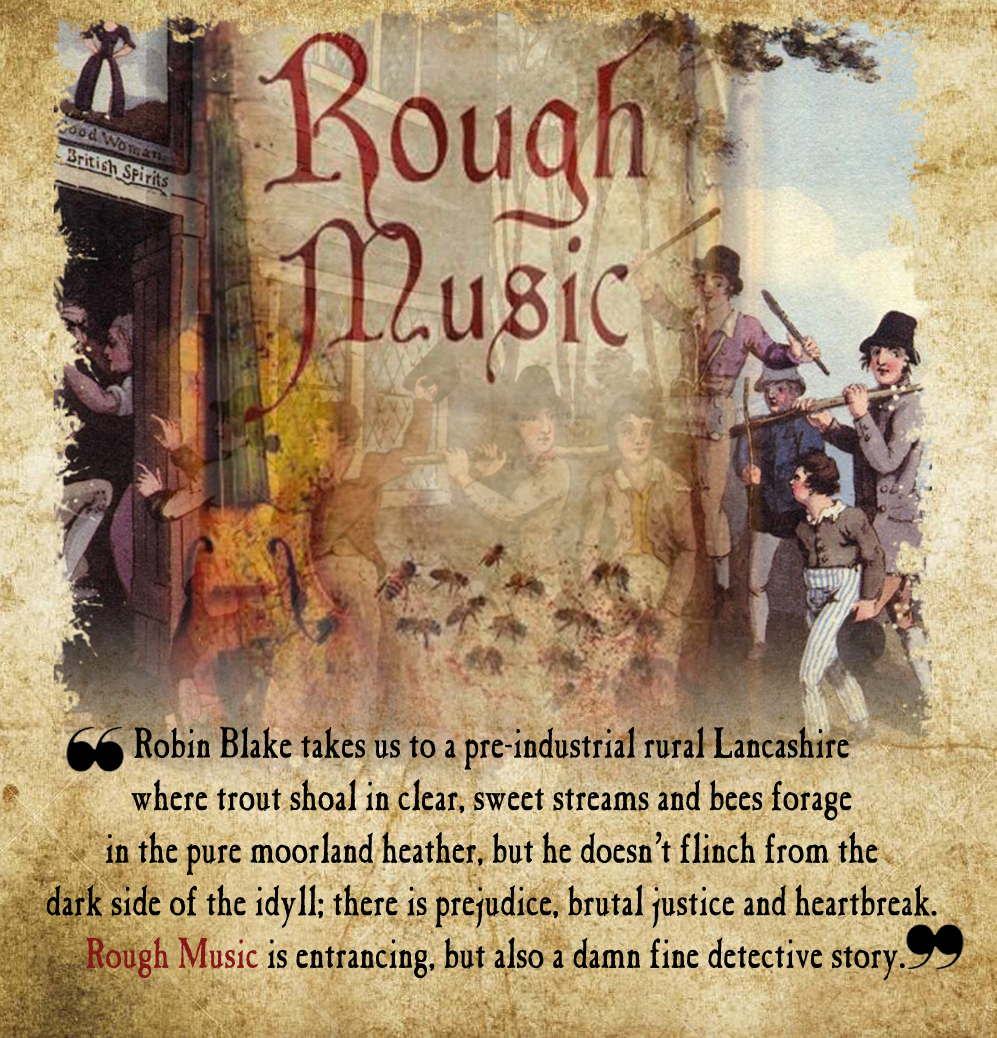

 Robin Blake (left) introduced us to Preston coroner Titus Cragg and his physician friend Luke Fidelis in A Dark Anatomy back in 2015, and the pair of eighteenth century sleuths are back again with their fifth case, Rough Music.
 Titus Cragg with his wife and child have retreated from Preston to escape the ravages of a viral illness which has claimed the lives of many infants. They have fetched up in a rented house in Accrington, then little more than a scattering of houses beside a stream. Cragg is drawn into the investigation of how it was that Anne Gargrave died at the hands of her fellow villagers, but his work is complicated by a feud between two rival squires, a mysterious former soldier who may have assumed someone else’s identity, and the difficulty created by Luke Fidelis becoming smitten by the beguiling – but apparently mistreated – wife of a choleric and impetuous local landowner.
 I have to admit to a not-so-guilty-pleasure taken from reading historical crime fiction, and I can say with some certainty that one of the things Robin Blake does so well is the way he handles the dialogue. No-one can know for certain how people in the eighteenth century- or any other era before speech could be recorded – spoke to each other. Formal written or printed sources would be no more a true indication than a legal document would be today, so it is not a matter of scattering a few “thees” and “thous” around. For me, Robin Blake gets it spot on. I can’t say with authority that the way Titus Cragg talks is authentic, but it is convincing and it works beautifully.




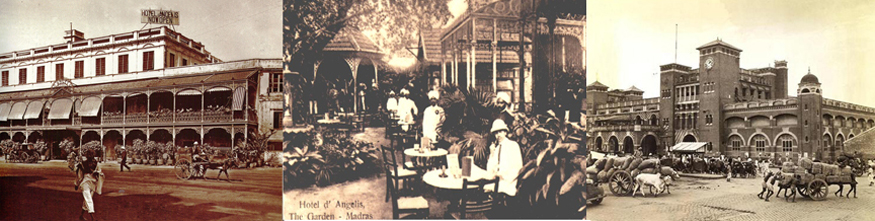
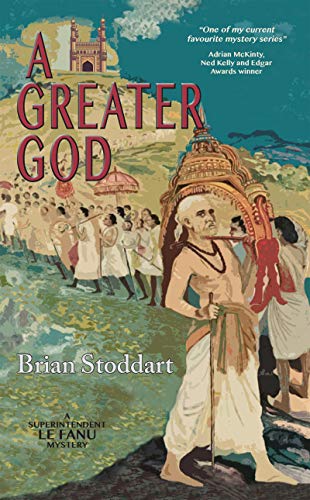 Superintendent Christian Le Fanu makes a welcome return in A Greater God, the fourth in the excellent series of historical crime novels by Brian Stoddart. The previous novel,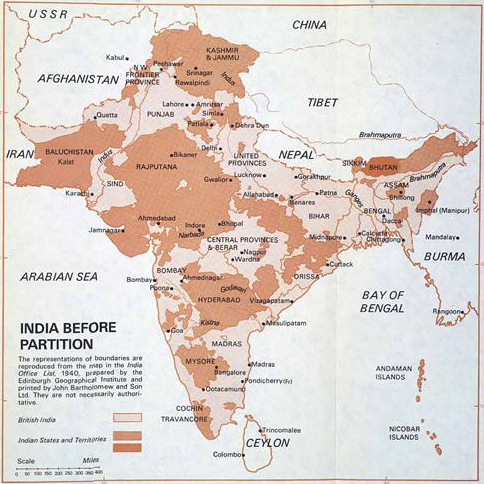

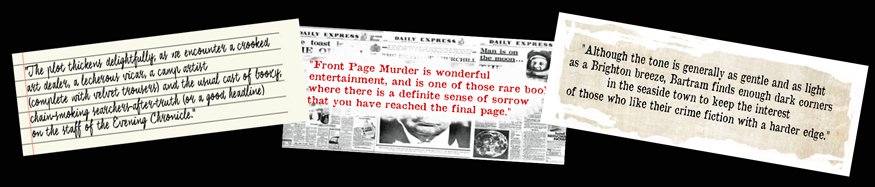
 Peter Bartram (left) is an old school journalist who has turned his life’s work into an engaging crime series set in 1960s Brighton, featuring the resourceful reporter on the local paper, Colin Crampton. Peter now reveals how he came to invent his alter ego. You can read reviews of three Crampton of The Chronicle novels by clicking the title links below.
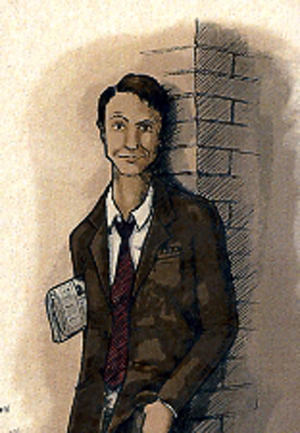 And that was when I remembered my first news editor. I never saw him without a Woodbine hanging off his lower lip. And so Frank Figgis, news editor of the Evening Chronicle, was born. Of course, there was still lots to think about – especially more regular characters. But with Colin (right) and Frank I felt I was on my way. Both of them have big roles to play – along with other regulars, especially Colin’s girlfriend Shirley Goldsmith – in the latest tale The Mother’s Day Mystery.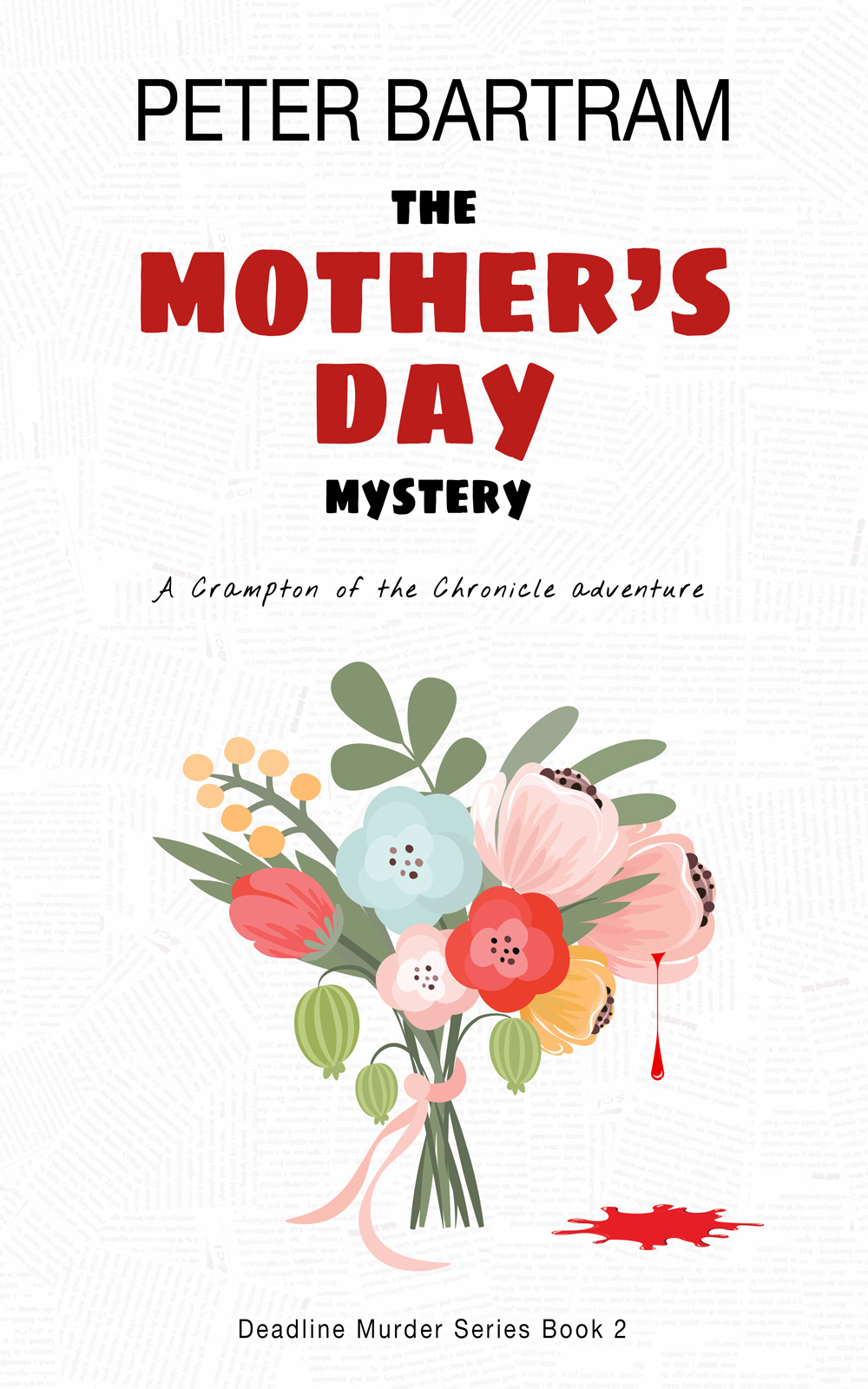


 Coming across a very, very good book by an author one has never encountered before and then realising that she has been around for a while is a shock to the system, and if the downside is that the experience further highlights one’s own ignorance, then the blessing is that as a reviewer and blogger, there is something new to shout about. Jane A Adams made her debut with The Greenway back in 1995, and has been writing crime fiction ever since, notably with four-well established mystery series featuring Mike Croft, Ray Flowers, Naomi Blake and Rina Martin. She began the saga of London coppers Henry Johnstone and Micky Hitchens in 2016, with The Murder Book. Their latest case is Kith and Kin.
 The period is set to perfection, and Adams (right) skilfully combines past, present and future. The past? There can scarcely have been a man, woman or child who escaped the malign effects of what politicians swore would be the war to end wars. The present? 1928 saw devastating flooding on the banks of the River Thames, a book called Decline And Fall was published, and in Beckenham, not a million miles away from where this novel plays out, Robert ‘Bob’ Monkhouse was born. The future? Johnstone’s sister, who has married into money, has a head on her shoulders, and senses that in the financial world, a dam is about to break – with devastating effects.


 fullybooked2017