

In all my 76 years, I have never visited Brighton. Nothing personal, but I have never had a reason to go there. As a locus for crime novels it is certainly up there with its not-so-near northern neighbour, London. It probably all started with the evil doings of Charles ‘Pinky’ Hale in Graham Greene’s classic 1938 novel. In more recent times Peter James, with his Roy Grace series, has dispelled any notion that the resort is a happy and cheerful place of innocent fun, handkerchief hats, deck chairs and donkey rides. In a totally different vein, the Colin Crampton novels written by another Peter – this time Bartram – have hinted at a less malevolent Brighton in the 1960s.
Graham Bartlett’s Brighton is simply foul. Drug addicts from all over the country huddle in their rancid blankets in shop doorways. In summer, the warm breezes from the south still entice Londoners to take the trains from Victoria, and the shingle beaches still remain attractive. Walk just a hundred yards or so from the promenade, however, and you come face to face with the unique dangers generated by shattered human lives colliding with the vicious criminals who provide the drugs on which their victims have become reliant.
When Ged, a Liverpudlian undercover cop briefed to penetrate the Brighton drug scene announces that, after this current job, he is looking forward to a spell of paternity leave to welcome his firstborn, it is an obvious ‘tell’. You don’t need to have a PhD in contemporary crime fiction to know that this means he is not long for this world. He gets on the wrong side of Sir Ben Parsons, a Brighton legend, and a man who has worked his way from the metaphorical barrow boy to be CEO of an international pharmaceutical giant. Parsons’ latest money spinner is Synthopate, a drug that replicates the peaceful oblivion of heroin, but has no need of drug cartels, murderous enforcers, and street trash addicts.
Chief Superintendent Jo Howe has a dog in this fight. Her sister Caroline is not long dead, a victim of her opiate addiction. She is spearheading an initiative to get as many addicts as possible off the street , cleaned up, and into rehab. It is working well, but it is the last thing that Parsons wants, as it will hit the sales of Synthopate. Parsons has powerful friends everywhere – in politics, business, the media – and even the police. Together with Brighton crime boss Tony Evans, he starts to target the police officers themselves, and their families. All of a sudden, officers are calling in sick, becoming unavailable for court cases and showing a marked reluctance to volunteer for extra duties. Howe is furious but then it hits her world, too. Her journalist husband Darren is arrested by the Metropolitan Police for alleged corruption, and he looks to be facing serious jail time.
Things get even worse. Service companies employed by Sussex police – court staff, mortuaries, vehicle maintenance – all suddenly become unavailable – and there is a killer blow. Jo Howe’s two young sons go into convulsions after eating their school packed lunches and are on life support. There is a trope which suggests that there is no more dangerous being in creation than a mother when she realises her children’s lives are threatened. So it is here. Jo Howe becomes a blistering force of nature, and in a literally explosive finale she saves her sons, her own career – and ends the malevolent reign of Ben Parsons and Tony Evans.
One of the trademarks of the great film director Roger Corman (and he is still with us, aged 97) was to end his Hammer films with a fire – mansion, castle, cottage, it didn’t matter. Graham Bartlett makes a nod in his direction at the end of this book. Good prevails in the end, but the author paints a picture of a police force and justice system that is just a few malign keystrokes away from dystopia – and we should all be very worried. City On Fire is published by Allison & Busby and is available now.
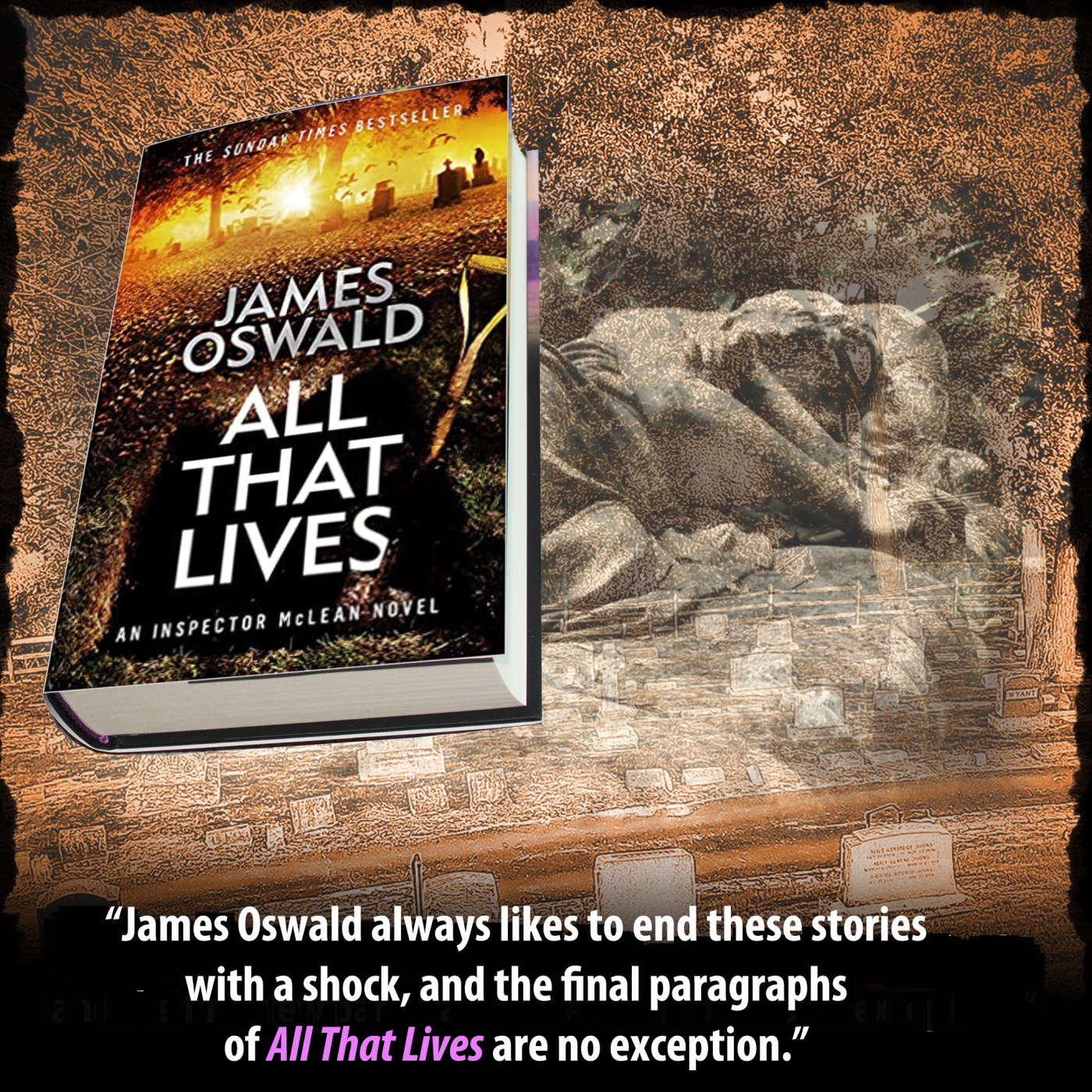

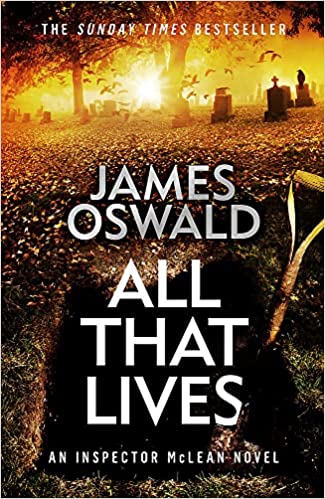 That reminiscence may seem unrelated to a book review, but it is relevant. When reviewing the latest book in a long and successful series it is tempting to think that all prospective readers will be fully up to speed with the quirks and history of the main characters. But that’s not so. Thankfully, people come to books at different times and for different reasons, so a paragraph about Edinburgh copper DI Tony McLean won’t be wasted. If you already know, then just skip ahead.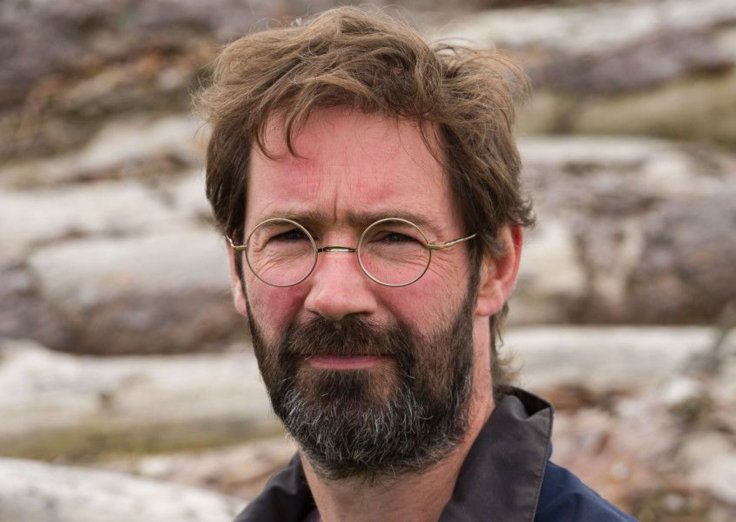


 Wiley Cash is at his best when describing the complex social history of his home state, and the ways in which it affects families and relationships, and he is on good form here. Where the book didn’t work so well, for me at least, was in the ending. In literally two and a half pages, everything we thought we knew about what was happening on Oak Island is turned violently on its head. Abrupt? Yes. Enigmatic? Certainly. There’s no rule that says every plot has to end neatly tied up like a parcel with every question answered, and many readers may enjoy the ambiguity at the end of this book. You could say that Cash (right) gives us the dots and leaves it up to us how we join them up. When Ghosts Come Home is published by Faber and Faber, and is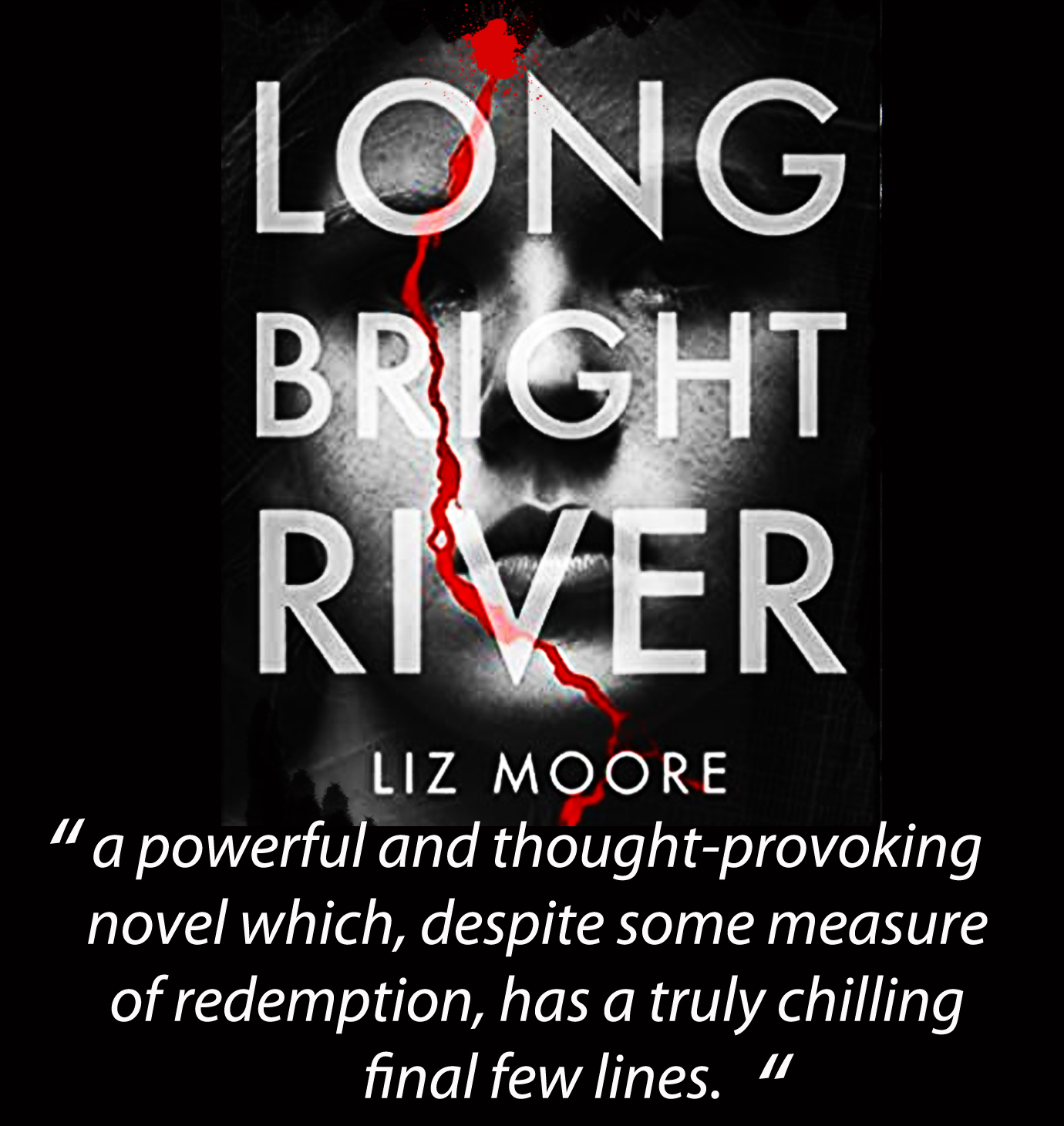
 This is not a crime novel in the traditional sense, and it certainly isn’t a police procedural, despite Mickey’s profession. The plot partly involves the search for someone who is killing young women who have been forced into prostitution to feed their drug habit but, although this is resolved, it is eventually incidental to the main thrust of the novel.
 Liz Moore (right) treats Mickey’s search for her sister on two levels: the first, and more obvious one, is a nightmare trip through the squats and shoot-up dens of Kensington in an attempt to find Kacey – a search, find and protect mission, if you will. On a more metaphorical level, the books becomes a journey through Mickey’s own past in the quest for a more elusive truth involving her family and her own identity.
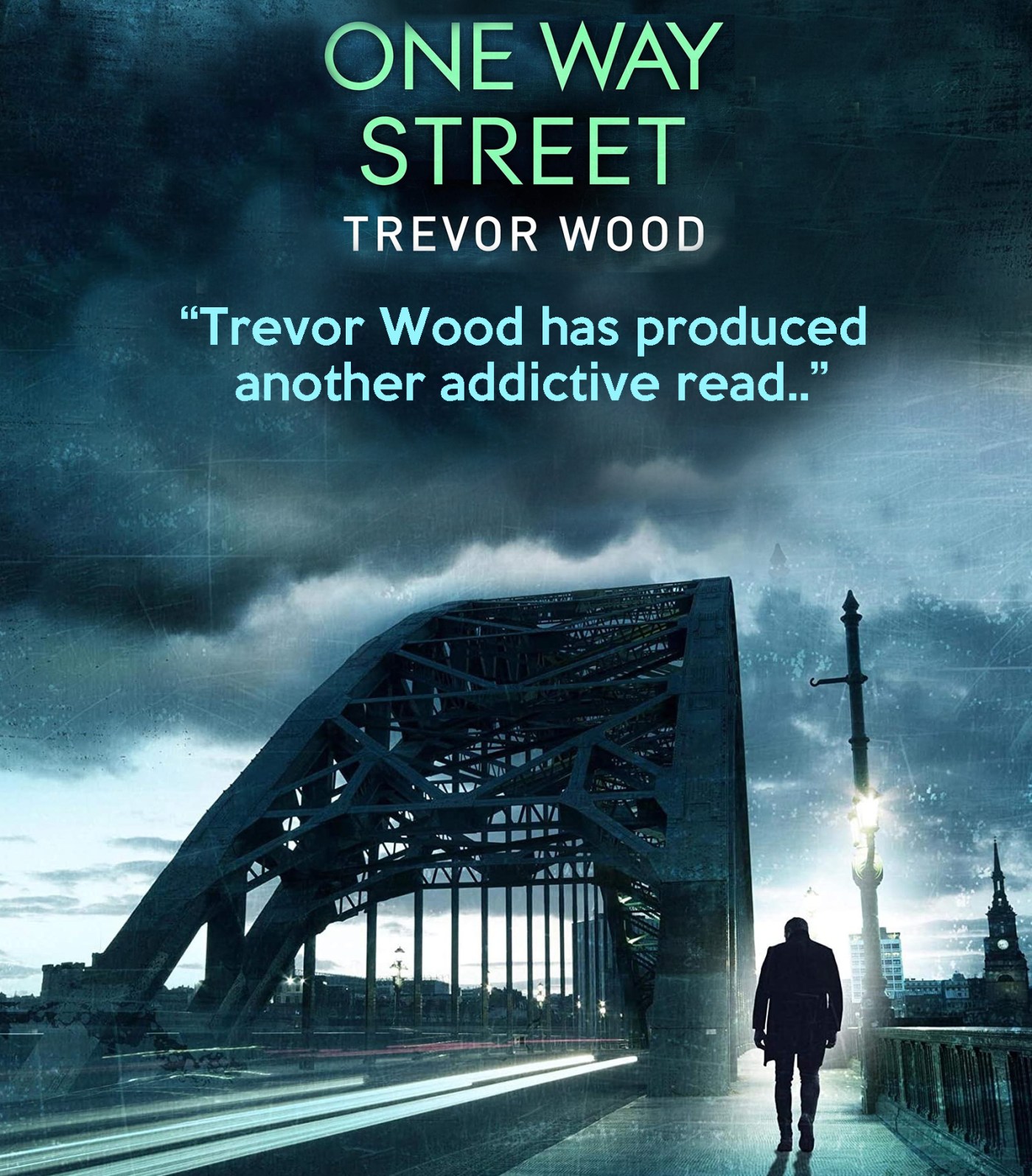

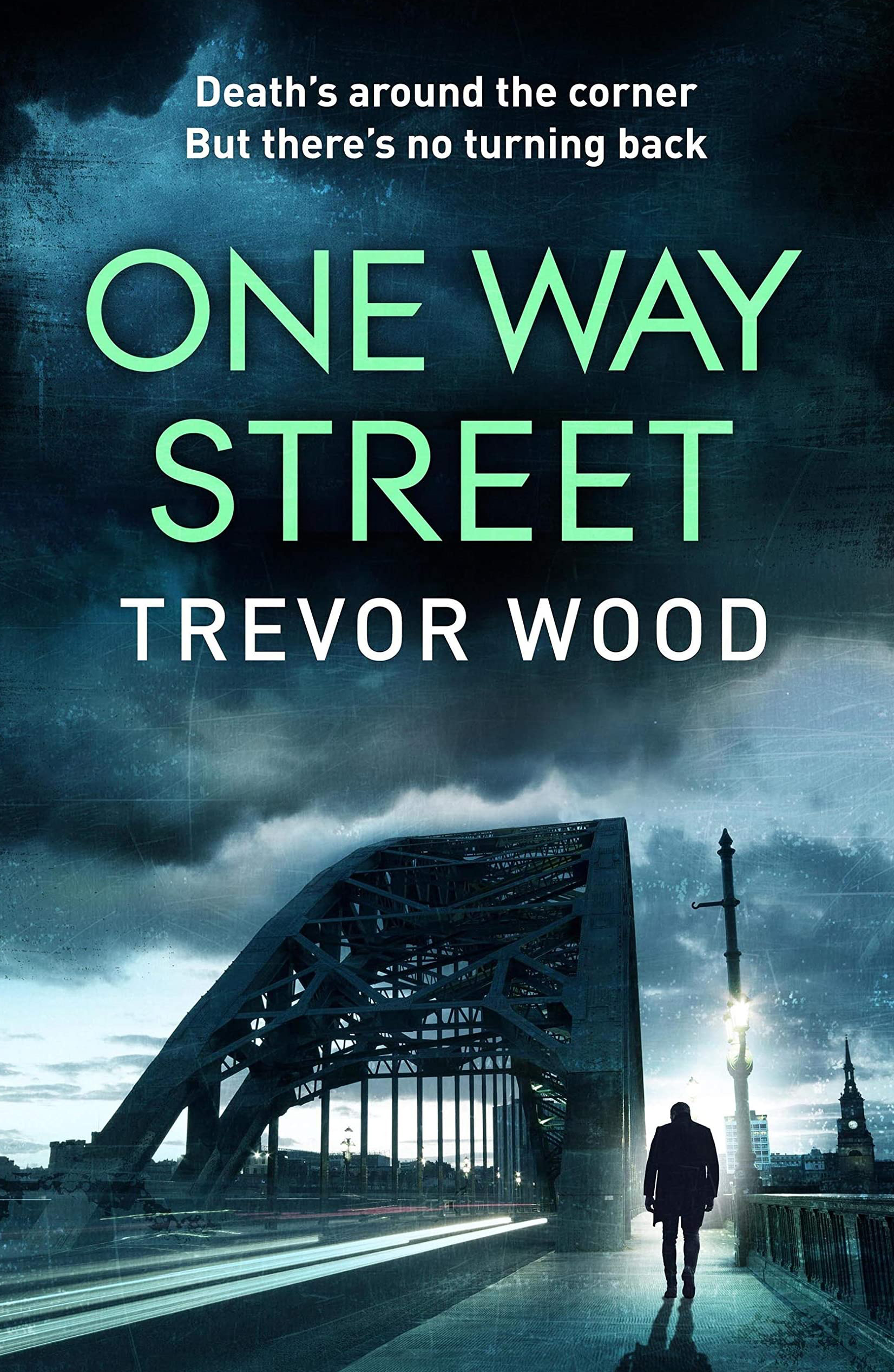
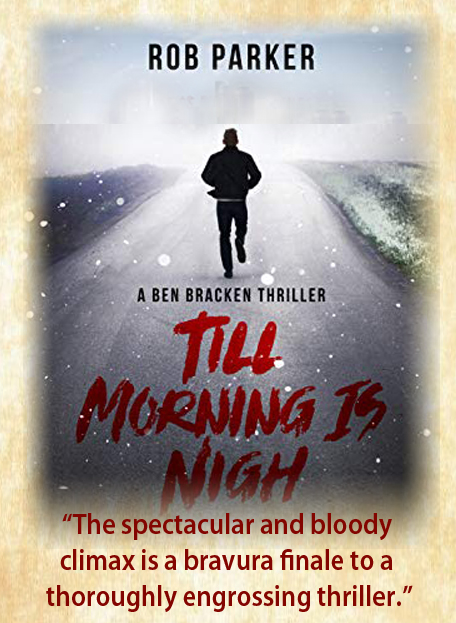
 here is an debate in the Twittersphere at this time of year about whether Die Hard is, or isn’t a Christmas movie. Maybe there is also a discussion to be had as to whether this latest adventure for Rob Parker’s invincible iron man, Ben Bracken, is a Christmas thriller. Those with young children, or fond memories of their own childhood, will surely recognise the source of the book’s title. Preface it with the words “And stay by my cradle ..” and you should have the answer.
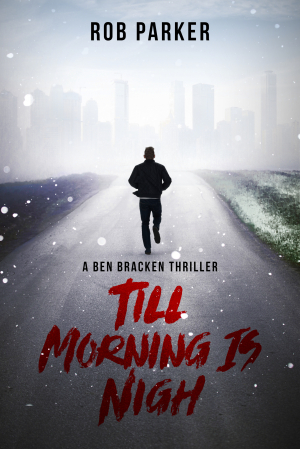 We are in a wintry Manchester. The time is the present. As usual, the giant plastic Santa is hoist by his breeches on the Victorian gothic façade of the town hall, dispensing silent jollity to the shoppers and merry-makers scurrying beneath his furry boots. In Albert Square, homeless men try to find solace in their threadbare coats, wondering where the next coffee, the next Greggs pasty – or the next fix of chemical oblivion – is going to come from.
 mong these sad footnotes to the tidings of comfort and joy, Ben Bracken moves, asking questions. The former soldier, imprisoned in nearby Strangeways for something he didn’t do, has escaped and now leads a perilous existence employed by a shadowy government agency who have uses for his particular skillset, which involves an immense capacity for violence and superb fieldcraft honed both in the killing fields of Afghanistan and the mean streets of Britain’s cities.
 ack in the real world for a moment, we are told by experts that the biggest terrorist threat to our society in Britain comes from right wing extremist organisations. Only a few days ago a number of men – all fans of Hitler, Breivik and other assorted homicidal lunatics – were convicted of planning terrorism via social media. The fictional group which Ben Bracken infiltrates are, however, not pimply twenty-somethings operating out of a bedroom in their mum’s house, but serious players, ex-military and financing their ambitions via the trade in hard drugs. They are well trained, armed with more than just a Facebook account, and they mean business.
 Parker is a fine young writer. He can muse ruefully on the inadequate protection the human body has against steel wielded with extreme malice:


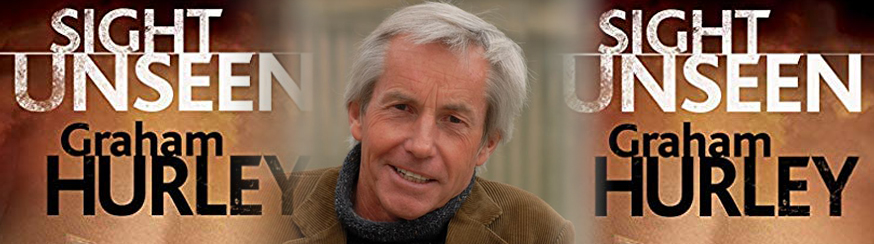
 nora Andresson is a distinguished English actress. Perhaps slightly past her youthful allure, she remains a beauty who can pick and choose her projects, and her films are highly thought of. She has three problems clouding her horizon. The first is, as they say, a bastard. She has a brain tumour. It has been treated but she is only too aware that she may have won a battle, but not the war. Problems two and three are related – literally. She is separated from her Swedish husband, but they have a son – a young man called Malo – who is something of a wrong ‘un. The third problem relates to the words “they have a son”. Fact is, she does – her husband doesn’t. Malo’s father is actually a millionaire businessman named Hayden Prentice, and Malo was conceived during a drunken one-nighter just before Enora’s wedding. So why is Harold a problem? Although he is now an honest man, with legitimate investments and business interests, he made his initial fortune as a drug baron.
 he main plot of Sight Unseen hinges around the kidnapping of Malo’s Colombian girlfriend Clemmie. When a ransom demand of a million dollars is received her father, who, like many rich men from that benighted republic, has kidnap insurance, simply hands the case over to the experts. H, however, has other ideas, and decides to do things his way.
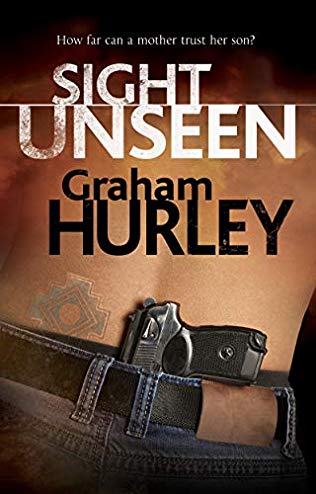 Hayden Prentice is a brilliant creation and is, in many ways, at the centre of the book, as he was when we first met Enora in

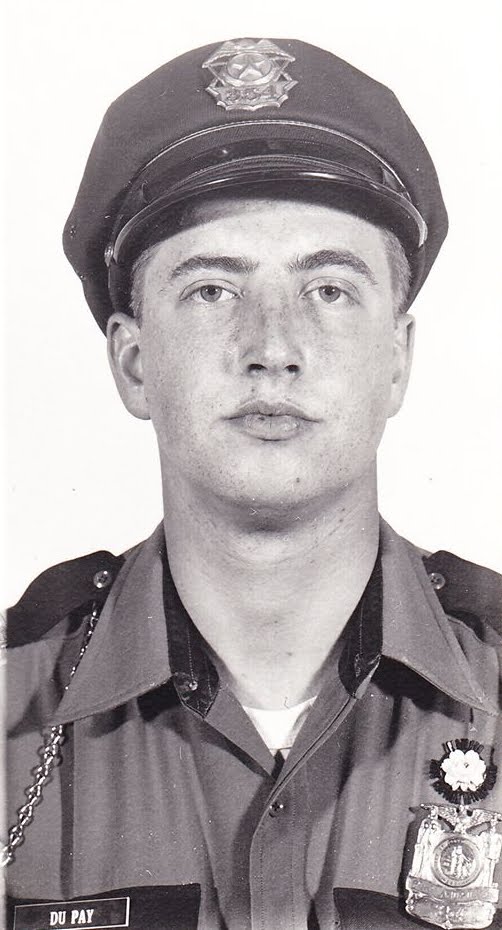 “April 6, 1961, I was sworn in as a brand new police officer in a ceremony held in the office of Ray Smith, the city auditor, in City Hall. I was nervous, proud of myself for passing all the tests, not least of all surviving an interview with the shrink, and now I stood with my hand up, swearing to serve the citizens in an honorable manner.”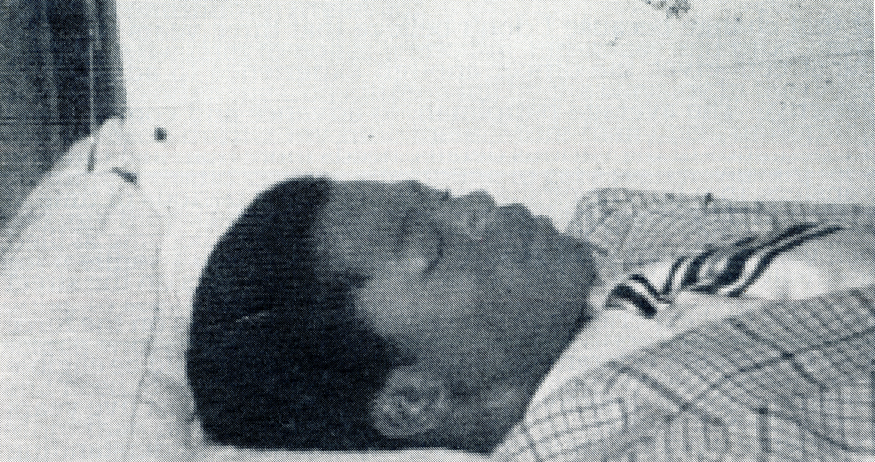
 Dupay was convinced that Manning had been killed for some infraction or a bad debt in the violent and ruthless world of those who deal in narcotics. But why were senior officers of the Portland Police Bureau determined to bury the case? Why did Dupay arrive at the office the day after the body had been found, and found that all the details had been wiped from the status board listing ongoing and unsolved cases?
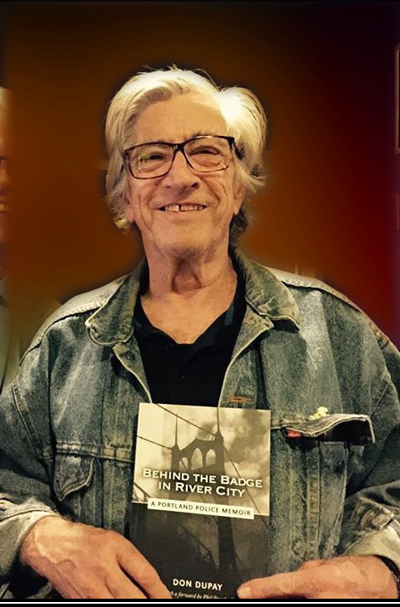 “I tossed my badge on the Captain’s desk, telling him that I was sick of the job and tired of the hypocrisy of people like him. I told him my health had been suffering and I hated the work, only because I hated some of the people I was forced to work with. I also hated being told that I could not investigate a particular 1975 ‘suicide’ that I knew to be a murder.”


 fullybooked2017