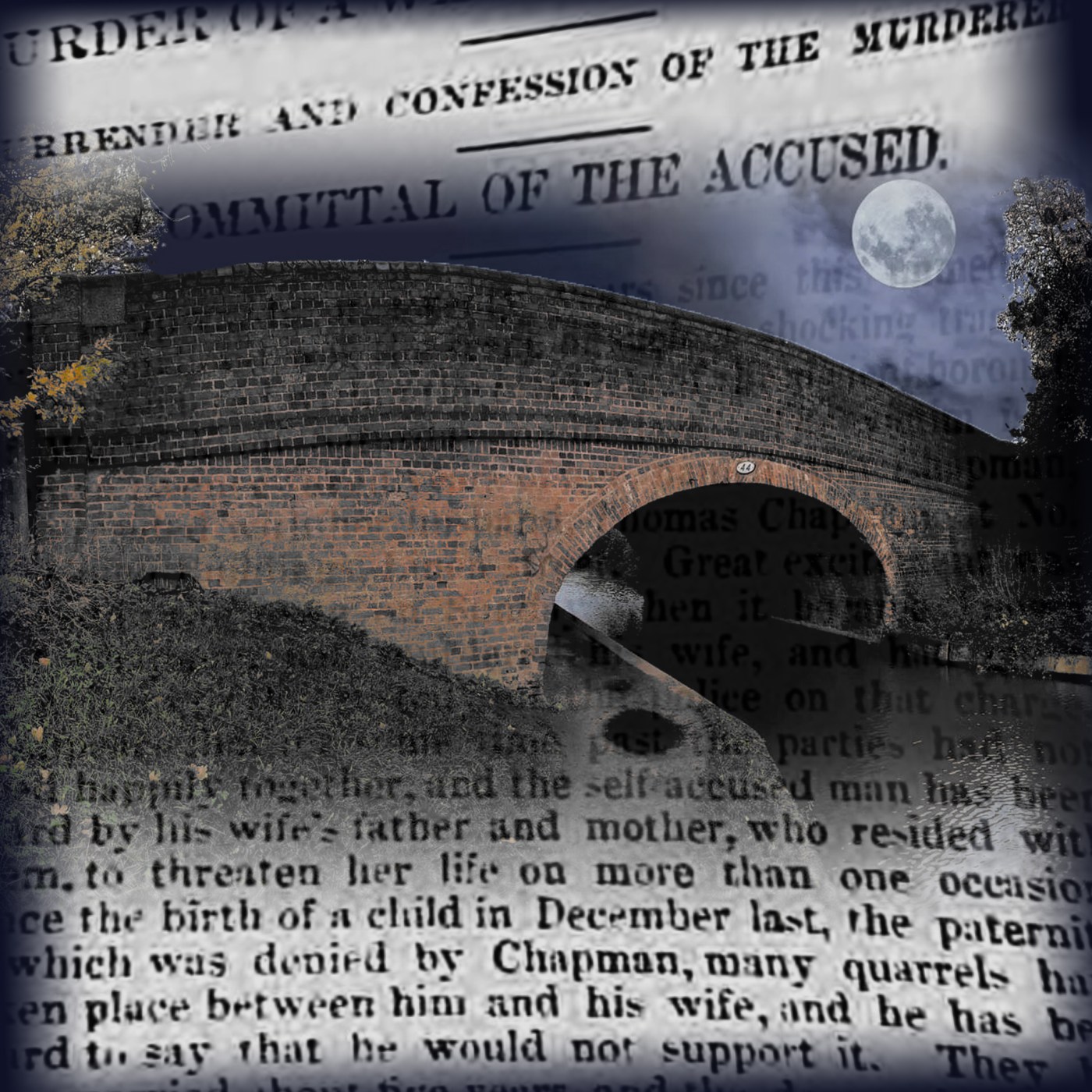
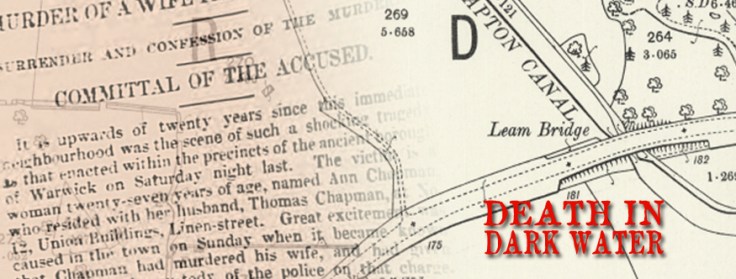
I have always had an irrational – but very real – fear of canals. Rivers are something else altogether. They flow, sometimes with great energy and beauty, and they are older than mankind itself. Towns and cities throughout history have based themselves around rivers, and celebrated them. Canals, on the other hand, seem to skulk out of sight and out of mind, hidden from view, especially in built up areas. As an angler, I never took to canal fishing, unlike countless other Midlanders.
I am an old Leamington lad and can still remember working barges chugging along the Warwick and Napton Canal where it runs parallel to Myton Road. The bargees seemed to come from the same stock as the old-time Romany gypsies who would occasionally knock on our door in Victoria Street, selling this and that. Their faces were weathered by exposure to the elements, and they certainly lived a harder life than we did. My discomfort about canals probably is due to the fact that they are often dark and dispiriting places where generations of unfortunates have seen fit to end their lives.
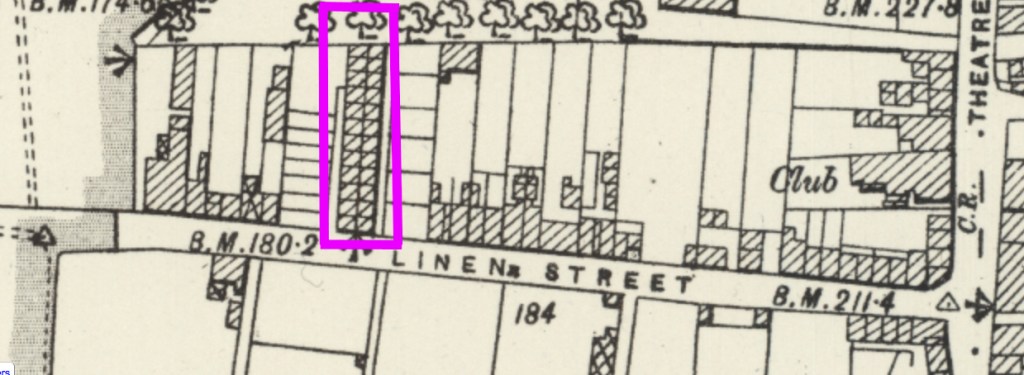
This story begins in Warwick in 1870. Thomas Chapman, his wife Ann and their young children lived with Ann’s parents – the Dodsons – in Union Buildings. Linen Street, Warwick. The website British History Online says:
“South of Marble House, dwellings in Linen Street were built between 1820 and 1825, now replaced. By 1851 these included 24 back-to-back houses known as Union Buildings which are still (1966) standing.”
I suspect that the houses outlined on this early 20th century map (below) may well be Union Buildings. Warwick experts will no doubt set me right on this.
Thomas Chapman was not a skilled man, and he had a seasonal job, during winter months, working for a gas company in Primrose Hill, Birmingham. In the warmer months he took work where he could get it nearer to home, and newspaper reports say that at the time of this affair, he was working for a Mr Cundall in Leamington. The only Cundall in the 1871 Leamington census was a man with a grocers’ shop in Regent Street, but this is of no matter. At this point, it is relevant to mention that Chapman had a nagging fear that his wife had been unfaithful to him during the winter months when he was working in Birmingham. Jokes at his expense and behind-the-hand comments made in various pubs had done little to reassure him.
Ann Chapman was 27 years old, and already had given birth six times. Three children still lived and the elder of these was born before she married Chapman. It is Saturday 16th April and Thomas Chapman, after finishing his work in Leamington for the week, has walked home to Warwick, after having a couple of pints in the pub where his employer paid out his men. Chapman gives the remainder of his wage to his mother in law, Mary Dodson, and sits down to what seems to have been a peaceable dinner. Afterwards, he plays with the children for a while, and then suggests to Ann that they step out for the evening. After a drink in a pub in Smith Street, They walk on to Emscote, where Chapman suggests they follow the canal towpath in direction of Leamington.
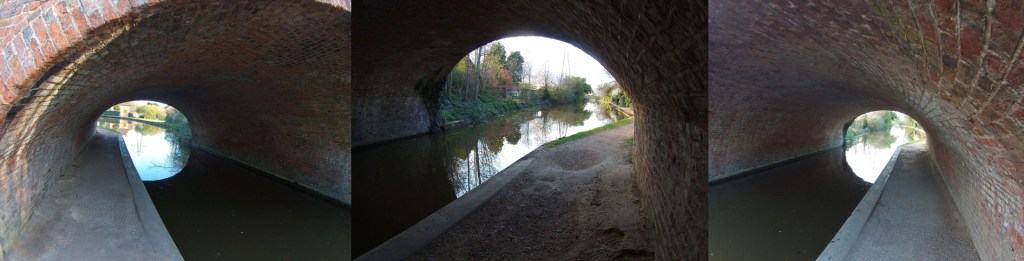
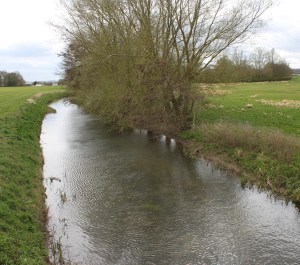
In later testimony Chapman revealed that Ann did not like walking by the canal bank, as it made her “all of a tremble.” He evidently calmed her fears, and they carried on their walk. The route they took is, as best as I can reconstruct it, from modern GPS systems, a two mile walk – maybe a tidy hike to us in our car-dominated era – but nothing at all to most people in 1870. What happened when they reached what was known to locals as Leam Bridge, but Bridge 44 to the Warwick & Napton Canal Company, was to horrify the neighbourhood for weeks to come.
Many thanks to both Simon Dunne and Steve Bap
who saved me a 200 mile round trip by taking photographs of Bridge 44.
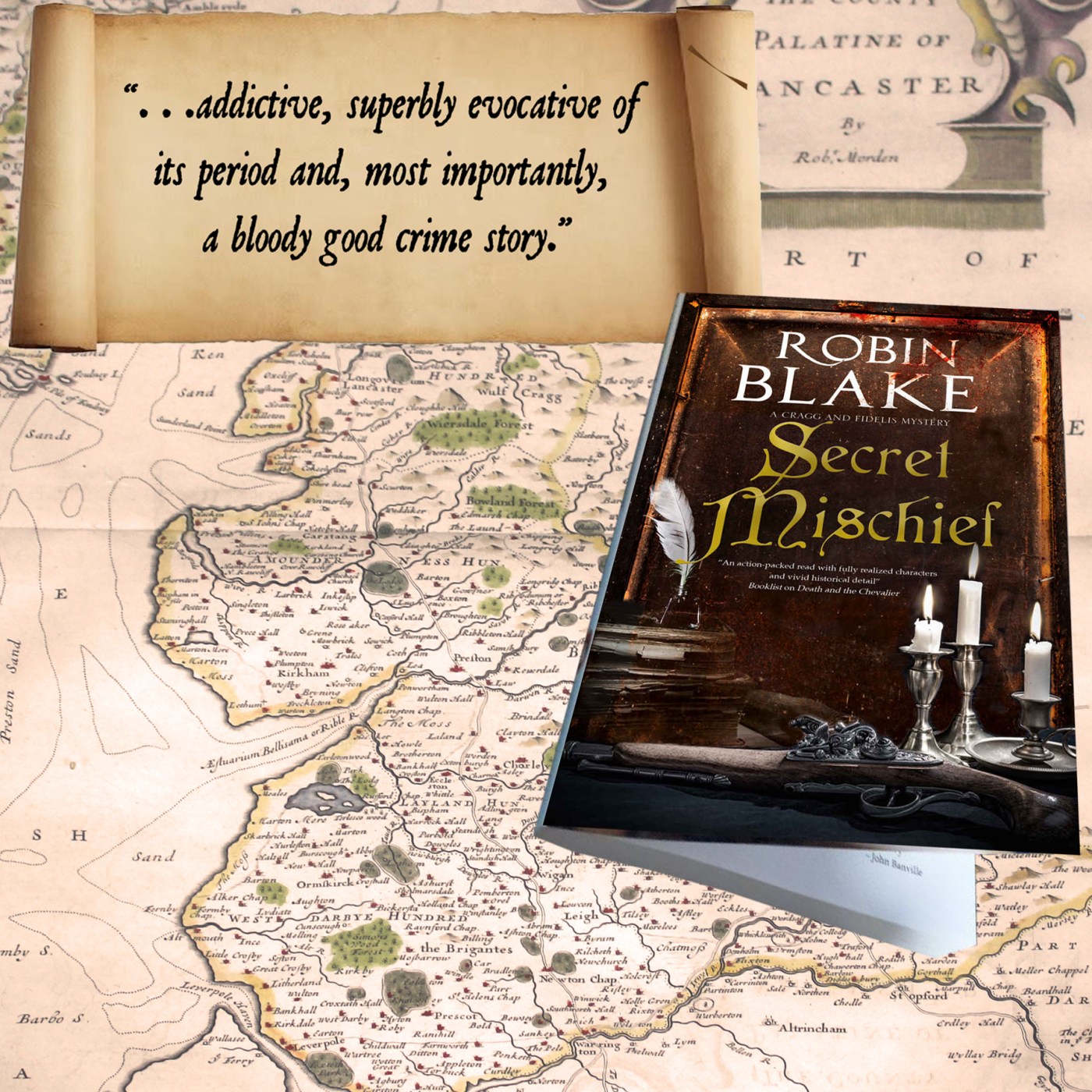

 As ever, murder is the word, and a series of deaths in and around the town of Omskirk are linked to an archaic form of business plan for raising money, known as a Tontine. The investment plan was named after Neapolitan banker Lorenzo de Tonti and, to put it simply, was a pot of money where a number of people contributed an equal sum. The money would either be invested, with interest paid to the members, or used to fund capital projects. As time went on, and investors died, the fund became the property of the remaining members, until the last man (or woman) standing hit the jackpot.
 One by one the Tontine signatories come to sticky ends: one is, apparently, hit by the sail of a windmill; another is found dead on Crosby beach, apparently drowned, but Luke Fidelis conducts a post mortem and finds that the dead man’s body has been dumped on the seashore. Things become even more complex when a reformed ‘lady of the night’, now a maid, is accused of pushing the poor woman into the path of the windmill sail. Cragg is convinced she is innocent, but faces an uphill struggle against a corrupt judge.
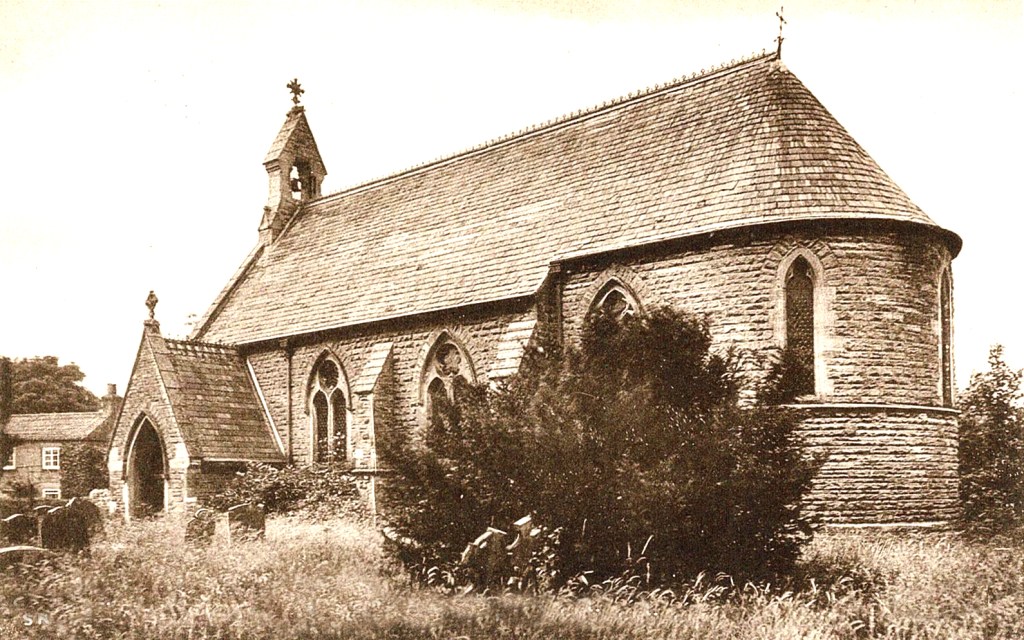

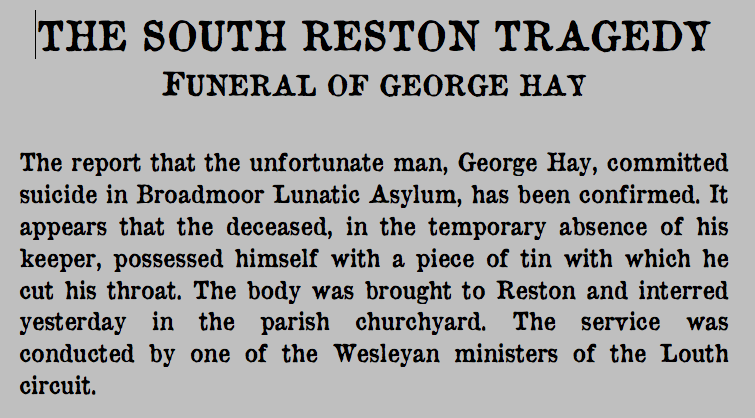


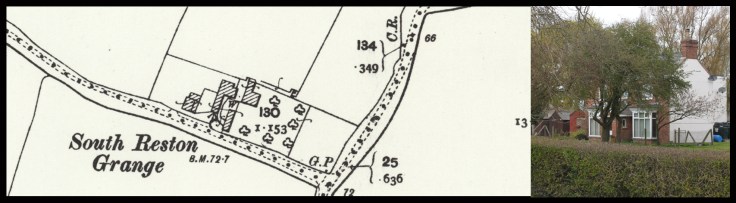
 I have been researching and writing about true crimes for many years now and, by their very nature, the events I have described rarely make easy reading. On display is a journey through the very worst of human character, from weakness, via jealousy and insanity, through to pure and simple evil. I can say, however, that the story I am about to tell has been hard to write. It contains descriptions of madness and physical violence which may not be to everyone’s taste, so, if you are squeamish, then maybe this is not for you. Every word of this story is taken from contemporary newspaper reports and transcriptions from a criminal trial that horrified readers in the early summer of 1890.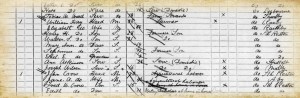


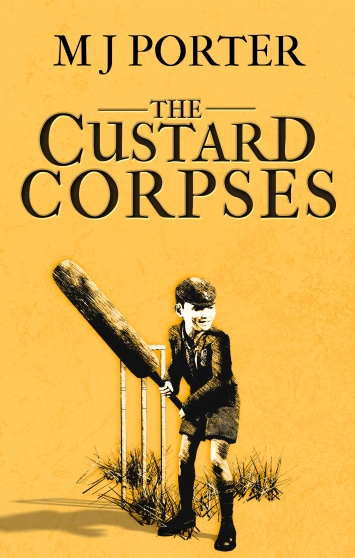 Mason is a man given to reflection, and a case from his early career still troubles him. On 30th September 1923, a boy’s body was found near the local church hall. Robert McFarlane had been missing for three days, his widowed mother frantic with anxiety. Mason remembers the corpse vividly. It was almost as if the lad was just sleeping. The cause of death? Totally improbably the boy drowned. But where? And why was his body so artfully posed, waiting to be found?


 After a few days

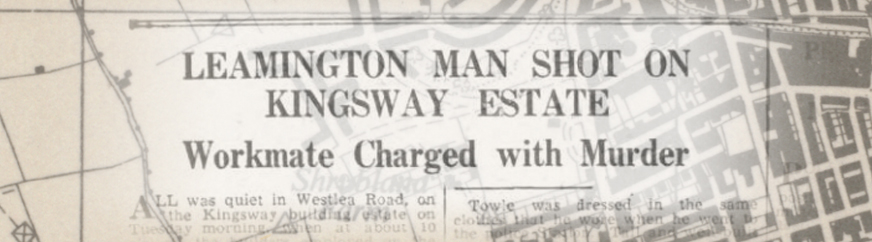
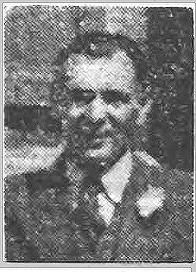


 Swadling Street in Leamington is an unassuming thoroughfare, with houses which were built on the old Shrubland Estate between the wars. It was named after a Leamington councillor of the 1920s, and in 1931 it boasted twenty addresses. In January 1949, number 6 was occupied by Edward Sullivan. A 49 year-old Irishman and father of six children – three sons and three daughters – he worked as a builder’s labourer. Known to his mates – inevitably – as Paddy – he was working on a council house building project on Westlea Road, which was another between-wars development on what had been the Shrubland Estate.