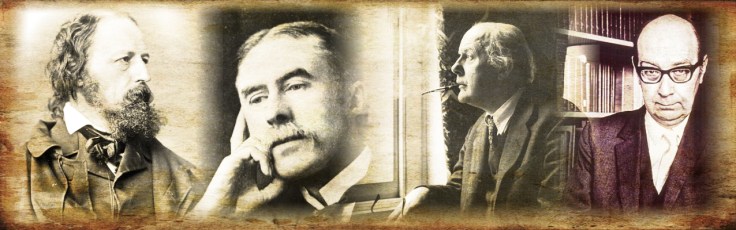
For no other reason than that I am old but still with an enduring passion for the written word, I set myself the task of writing about four poets who, for me, define England. There are omissions, inevitably, and the one I wrestled longest with and perhaps the most glaring is Thomas Hardy. In my defence, I suggest that while his novels brilliantly portray the England he knew, in his poems he chose to focus more on the universal absurdities and tragic ironies that occur in human nature. They could have happened in Dorset, but also in Lancashire, London or even Paris or Rome. People may also ask, “why no John Clare, or Wordsworth?” Clare’s nature poetry has probably never been bettered, but it is intensely detailed, looking at the world a few feet in front of him as opposed to the wider view around him, while Wordsworth, although he is forever associated with the Lake District had, one might say, bigger fish to fry, with his espousal of Romanticism and revolutionary politics. I have chosen four poets who, for me, encapsulate that elusive quality of Englishness which, sadly, some modern commentators find offensive.
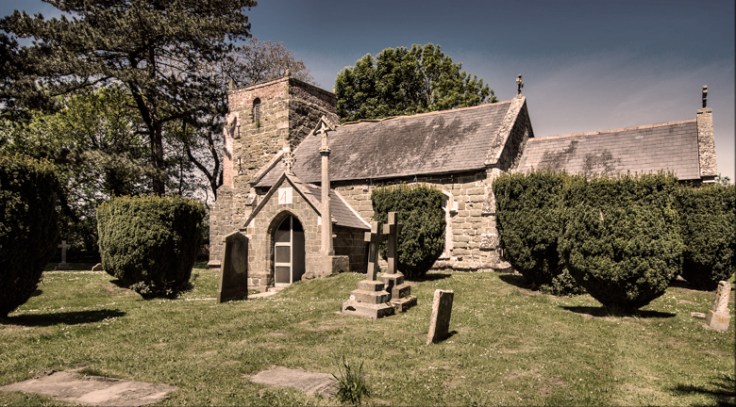
 I’ll start with Tennyson, but offer a word of caution. Look hard at his poetry and you may not see obvious indicators of his Lincolnshire roots. But let me turn it on its head. Visit the village of Somersby, an isolated and lonely hamlet deep in the Wolds of Lincolnshire, the place where he spent his boyhood. His father was rector of the church (above), and he would have wandered the isolated lanes thereabouts as a boy. The streams, the rustic bridges, the grand old houses still exist, and are little different from when he knew them. The walled garden in Maud could be that of Somersby Rectory. His most famous poems – especially those he wrote as Poet Laureate – seem to be set far away from his Lincolnshire home, but the first five lines of The Lady of Shallot puts Camelot firmly in a Lincolnshire context with his use of the word ‘wold’.
“On either side the river lie
Long fields of barley and of rye,
That clothe the wold and meet the sky;
And thro’ the field the road runs by
To many-tower’d Camelot;”

In his intensely moving poem The May Queen he gives voice to a consumptive young woman in the months leading to her death. She sees a summer, and a winter, but it is the spring that finally takes her. She says:
“All in the wild March-morning I heard the angels call;
It was when the moon was setting, and the dark was over all;”
I have stood in Somersby churchyard and heard these words in my head:
“Upon the chancel-casement, and upon that grave of mine,
In the early early morning the summer sun ’ill shine,
Before the red cock crows from the farm upon the hill,
When you are warm-asleep, mother, and all the world is still.
When the flowers come again, mother, beneath the waning light
You’ll never see me more in the long gray fields at night;
When from the dry dark wold the summer airs blow cool
On the oat-grass and the sword-grass, and the bulrush in the pool.”
We are only four lines into his poem In Memoriam A.H.H. ( Arthur Henry Hallam, a university friend who died tragically young) and we have his beloved wold again:
“Calm and deep peace on this high wold,
And on these dews that drench the furze.
And all the silvery gossamers
That twinkle into green and gold:”
Somersby is many miles from the Hampshire coast he imagined in Crossing The Bar, and as for what is, for me, his masterpiece Ulysses, the Lincolnshire Wolds are a long way from the Aegean coast. But at the back of every word he wrote is that silent and isolated Lincolnshire countryside. where he grew up. I’ll end with the words of Tennyson which immortalise the man and his vision, and which will find resonance among all those of us who are approaching life’s end.
Tho’ much is taken, much abides; and tho’
We are not now that strength which in old days
Moved earth and heaven, that which we are, we are;
One equal temper of heroic hearts,
Made weak by time and fate, but strong in will
To strive, to seek, to find, and not to yield.
IN PART TWO
The poet who immortalised an English county but rarely visited it.
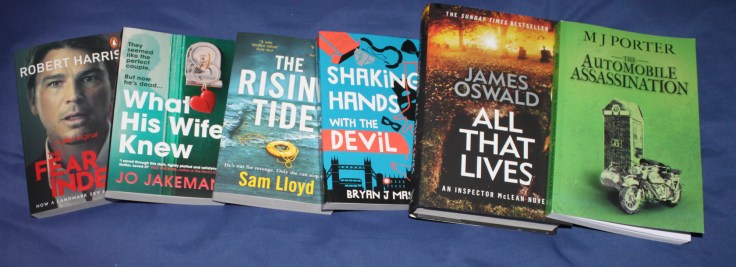
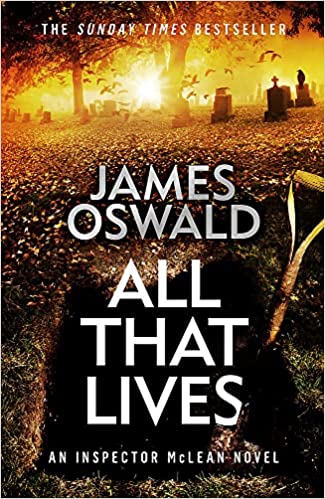 That reminiscence may seem unrelated to a book review, but it is relevant. When reviewing the latest book in a long and successful series it is tempting to think that all prospective readers will be fully up to speed with the quirks and history of the main characters. But that’s not so. Thankfully, people come to books at different times and for different reasons, so a paragraph about Edinburgh copper DI Tony McLean won’t be wasted. If you already know, then just skip ahead.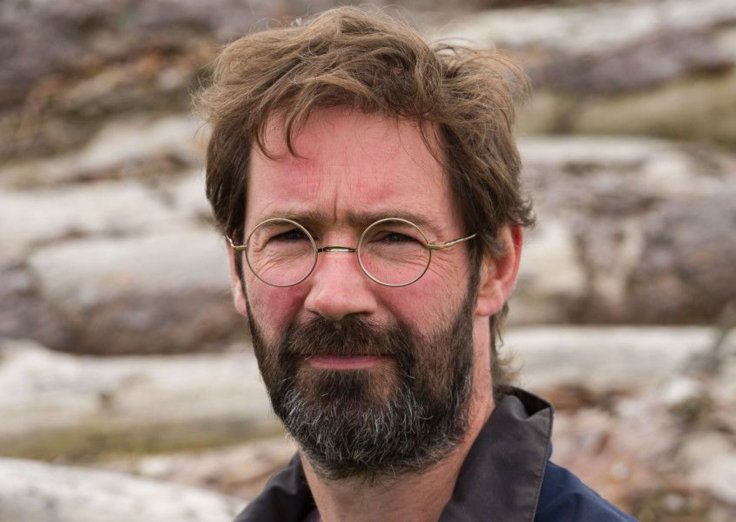











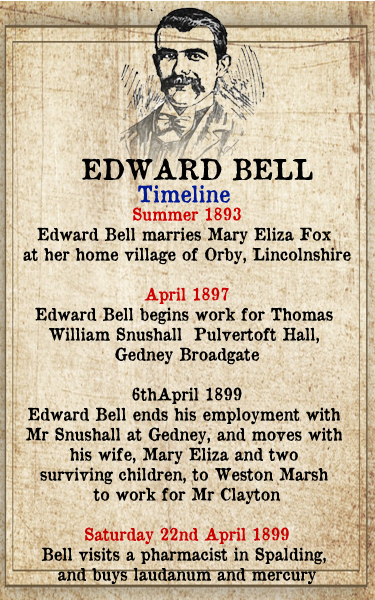
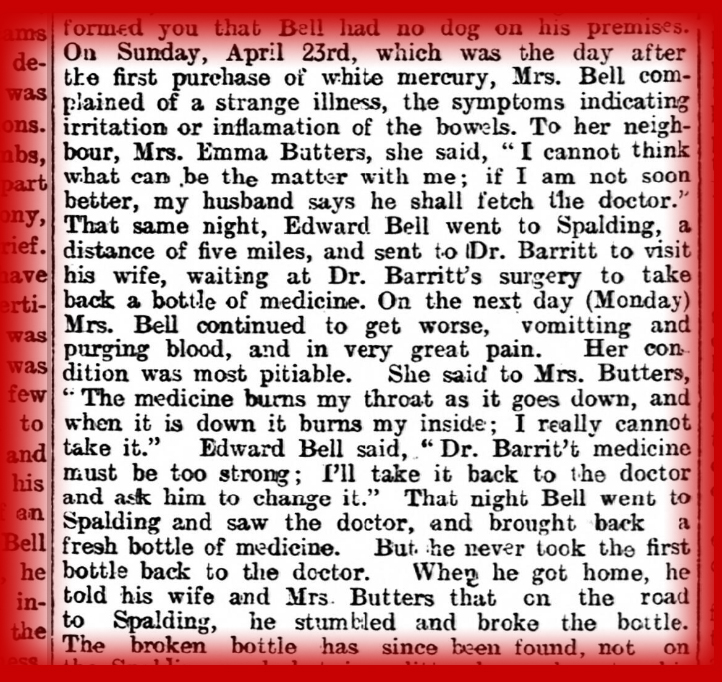

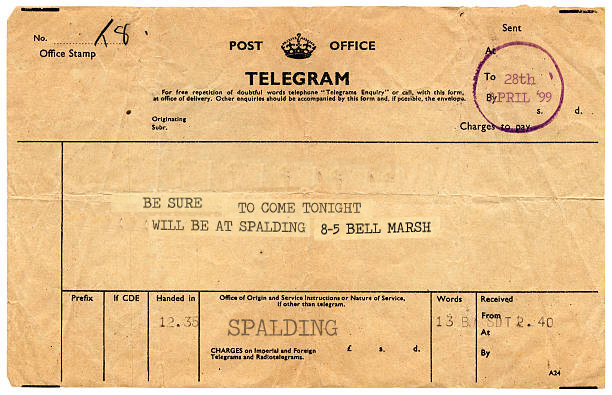
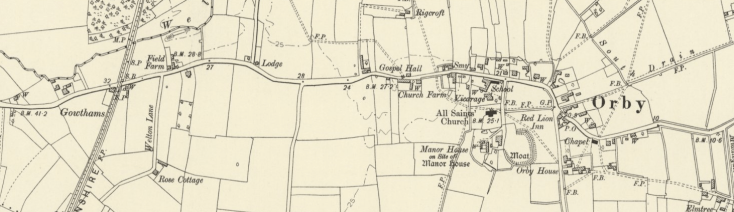

 Edward Bell clearly saw a golden future in the person of Mary Hodson, and all that stood in his way was the presence of his wife. On Saturday 22nd April, Bell walks into Spalding and visits a shop in Spalding. Its manager, Algernon Molson, represents the Talboy Herbal Remedies Company. Bell says he has two problems. Firstly, toothache, for which he buys a quantity of laudanum (a tincture of opium in wine), and a plague of rats, for which Mr Molson sells him some mercury. The following Monday, Bell returns to the shop, and buys more mercury. He says his rat problem hasn’t been solved, and so the obliging Mr Molson sells him some strychnine. Come Wednesday, Bell pays another visit to the Talboy Herbal Remedies Company and asks for some prussic acid, saying he needs to poison an ailing dog. Finally, Mr Molson says, “no”, but does sell Bell another dose of strychnine.