

Celebrity killings in Britain are rare, and in London itself almost unheard of. But on the morning of 26th April 1999, a woman who was, ironically best known to millions of TV viewers as the co-presenter of a True Crime TV show, became the UK’s most talked about victim. To this day, her killer remains unknown to the police and, in all probability, will ever remain so.
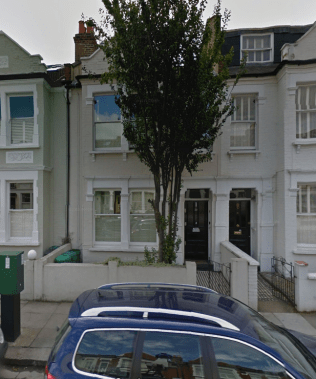 Jill Dando was an elegant woman, a typical English Rose with more than a little of the Princess Diana about her. As on-screen partner to Nick Ross in BBC’s Crimewatch, she had become one of the best known faces in living rooms across the country. Dando had spent the night with her fiancee in Chiswick, West London, but as she turned the key to enter her own house in nearby Gowan Avenue, Fulham (right), she was attacked. The investigative journalist Bob Woffinden describes what he believes happened next.
“As Dando was about to put her keys in the lock to open the front door of her home in Fulham, she was grabbed from behind. With his right arm, the assailant held her and forced her to the ground, so that her face was almost touching the tiled step of the porch. Then, with his left hand, he fired a single shot at her left temple, killing her instantly. The bullet entered her head just above her ear, parallel to the ground, and came out the right side of her head.”
Dando was found slumped on her front porch, but her final journey to Charing Cross Hospital need not have been accompanied by sirens and a speeding ambulance. The single shot, from a 9mm handgun, had killed her instantly.
It had been a mere two years since the British public had been robbed of another celebrity icon, Diana Princess of Wales, and there was an intense clamour for Jill Dando’s killer to be brought to justice. No-one was really sure who was responsible for Diana’s death, but surely it wouldn’t be beyond the wit and wisdom of the London police to track down a man assassinating a much-loved public personality, in broad daylight, on a peaceful suburban street?
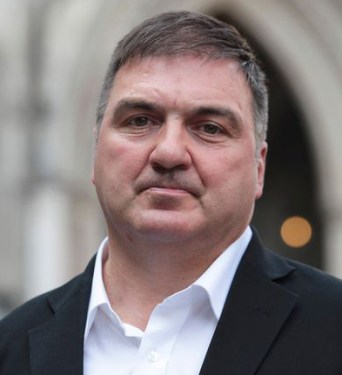 In a move which seems more bizarre as every day passes, police arrested a man named Barry George (left) for the killing. George had extensive mental problems, was a fantasist, and had form as being a total indaquate who was obsessed with celebrities. He was convicted of Jill Dando’s muder on 2nd July 2001 but, beyond the jury at his trial, and a few desperate police officers, no-one really believed that he was the killer. After a retrial, he was acquitted of the killing in August 2008. To say he was a loser is misleading, because since his acquittal he has won substantial damages from various newspapers and media outlets. How much of this money has been retained by the wronged man is uncertain: what is more likely is that opportunist lawyers and publicists have trousered much of the loot as a reward for their services.
Dando’s killer will never be found. It was clearly a professional job, and has all the hallmarks of a state-sponsored hit. The hats of many possible suspects have been thrown into the ring including a killer in the employ of the Serbian government. As off-the-wall as this sounds, there is a faint thread of logic running through the claim. Dando had presented televised appeal for donations to a fund in aid of Kosovan refugees fleeing Serbian aggressors. Bear in mind that in the late 1990s the Balkans were the scene to some of the worst atrocities of an already blood-besmirched 20th century. Remember that Serbian military and political leaders at the time have subsequently been convicted for war crimes. Consider the unpalatable fact that execution, assassination and brutality had been a common tactic used by Serb nationalists over decades.
Jill Dando’s murder remains one of the enduring unsolved killings to have occurred on a London street. Usually murders are personal and the killers are so stoked up with passion or the desire for revenge that they leave traces and are soon brought to justice. Not so with the death of the much-loved TV presenter. The conspiracy theorists have had a field day, but the case is cold. As Blackadder might have said, as cold as a frozen icicle clinging to an ice-wall in a Siberian refrigerator.



 Inspector Kosuke Iwata’s personal life is as scarred and trauma-ridden as the human tragedies he faces daily as a member of the Homicide division of the Tokyo Municipal Police Department. He was abandoned by his mother in a bus station when he was a child, but has become partly Americanised since she reappeared, now married to a prosperous US citizen, to reclaim him. In the intervening years, Iwata grew up in a Catholic orphanage, and his sleep is frequently disturbed by fretful dreams of those days, with the voices of both his disturbed best friend, as well as the abusive head of the institution, forever whispering in his ear.
 This a superb novel and goes way beyond the restraints and conventions of crime fiction. In his afterword, Obregón says of Iwata:
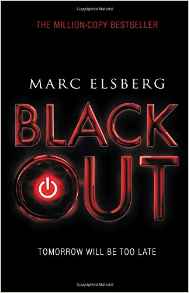
 This fiendish competition has been devised by American crime writer Mike Mayo. He says:
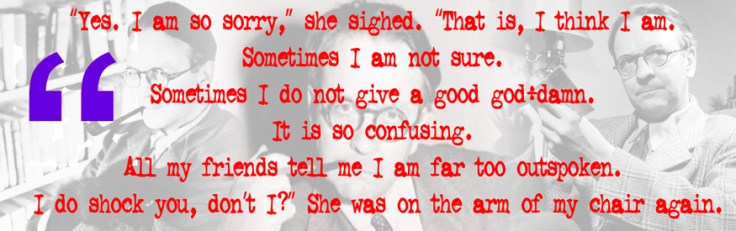
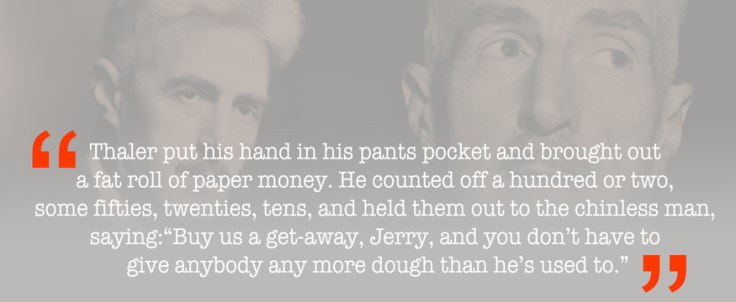
 THE PRIZE? A copy of Marc Elsberg’s new bestseller, Blackout. This has been around in one form or another since 2012, but since it is billed as “a 21st century high-concept disaster thriller”, it is probably safe to assume that the latest edition has been made future-proof. Elsberg (aka
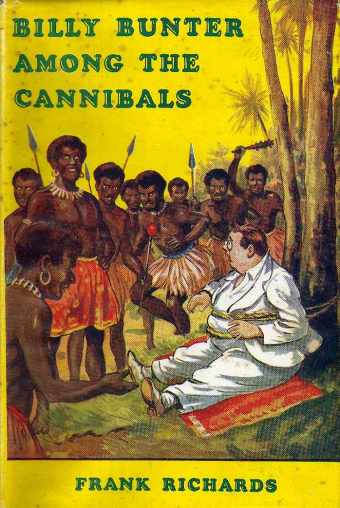 Hamilton. The tales were strewn with classical and biblical references which, in those days, most of us understood. One of my favourites was used whenever Bunter was at low point in life, but then, miraculously, found a forgotten toffee in his pocket, or perhaps an unguarded slice of chocolate cake in the common room. Richards would say, “but for Bunter, there was Balm in Gilead.” This meant, of course, that the woes of the world inhabited by The Fat Owl of The Remove were, temporarily, eased. Gilead is a hilly region in modern day Jordan, and the balm was a herbal medicine known to the inhabitants in biblical times.
 David R Ewens (right) lives and works in Kent, and Fifth Column is the fourth book featuring PI Frank Sterling. We are in the world of international skullduggery, but it isn’t all first class lounges and dangerous blondes. Sterling says:
 one of the best things about it is that I can pretty much do as I damn well please, and that wasn’t the case when I was on the job and had a sergeant or inspector breathing down my neck. One thing is certain. I was never a team player so how I currently earn my living suits me just fine…”
 “April, come she will,
 DC Max Wolfe has become established in the crime fiction firmament, thanks to his creator, Tony Parsons (left). Of the previous book in the series, The Hanging Club, I wrote:
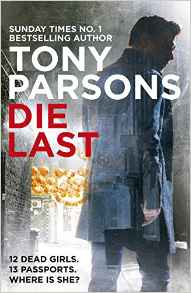 abomination that we thought we had seen the back of in the nineteenth century – slavery. Parsons doesn’t flinch from portraying evil for what it is, but neither does he preach. Wolfe’s latest case starts when a refrigerated lorry is found abandoned in London’s Chinatown. Inside are twelve women. Twelve corpses – frozen to death. But in the cab of the lorry are thirteen passports. Where is the missing woman? Max Wolfe’s determination to solve this conundrum takes him to darker places than even his world-weary soul could ever have imagined. Die Last is published by Century,
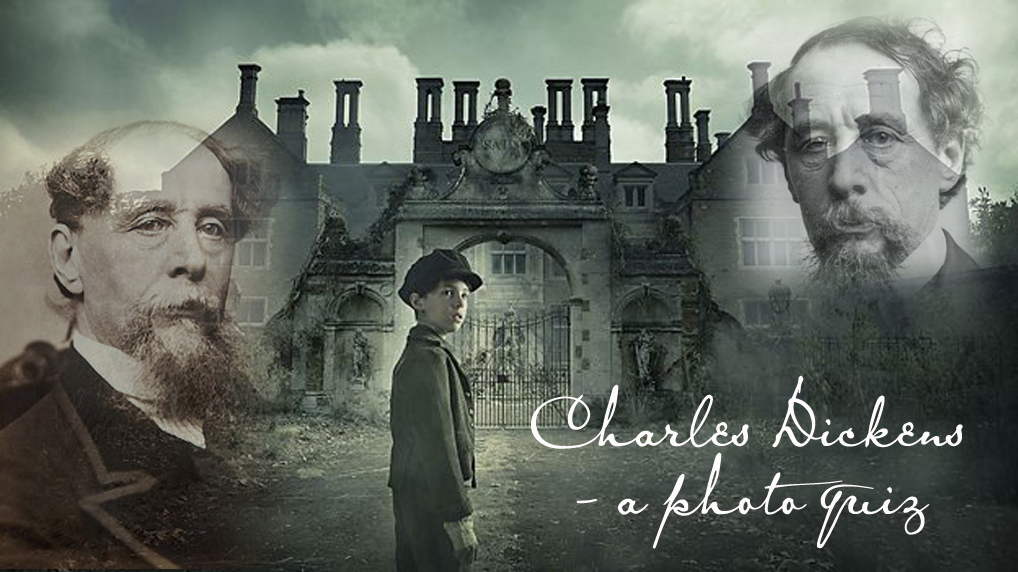
 To celebrate the birthday of Charles Dickens on 7th February, we have a tasty quiz involving six of the great man’s most memorable villains. To enter the draw for the prize – Claire Tomalin’s highly regarded Charles Dickens – A Life – you need to look at the six photographs, taken from screen versions of Dickens novels. To be in with a chance of winning, identify three things. First, the name of the book. Second the name of the character. Third, the name of the actor pictured. For those of you who love a touch of the cryptic crossword, there are six fairly helpful clues to go with each picture, and folk who are adept at pub trivia questions should enjoy the references. Do the best you can – all entries will go into the hat, and the person most correct answers gets the prize!


 Not the least of Eva Dolan’s achievements in this remarkable novel is to pinpoint with painful accuracy and honesty what happens to children and wives when a father – originally Colin Sawyer – decides to abandon the male role and become a woman. Even after the nightmare scene where Sawyer’s daughters come back to the house unexpectedly, and find their father en femme at the sink, doing the dishes, Jessica and Lily have come to think of their dad as ‘mum’. The pain that this must cause a biological mother in this situation can only be imagined, and it is interesting that Nina Sawyer is drawn as a fairly unpleasant piece of work.
 Aside from the nuanced description of gender politics and psychological challenges faced by the characters in this novel, we have to ask the burning question. Does Watch Her Disappear work as a crime story? My answer is a resounding and emphatc ‘Yes”. The whodunnit aspect of the story is teasingly effective, with Dolan (right) scattering little hints, false leads and blind alleys in her wake as she races along ahead of us. Crime fiction is full almost to the brim with Detective Inspectors and their trusty Sergeants, but Dolan breathes on those particular embers and makes them fire up afresh in the shape of Detective Inspector Dushan Zigic and Detective Sergeant Mel Ferreira of the Hate Crimes Unit. The neat twist is, of course, that both Zigic and Ferreira are themselves children of immigrants, and the chemistry between the two is potent and complex.


 With a father, Leif Gustav Willy Persson a Swedish criminologist and novelist who was a professor in criminology at the Swedish National Police Board, it is hardly surprising that
 Barbara Nadel (right) is best known for her long running and highly successful crime series set in Istanbul, featuring the established cast of Çetin İkmen, a chain-smoking and hard-drinking detective on the Istanbul police force, and his colleagues Mehmet Süleyman, Balthazar Cohen and Armenian pathologist Arto Sarkissian.
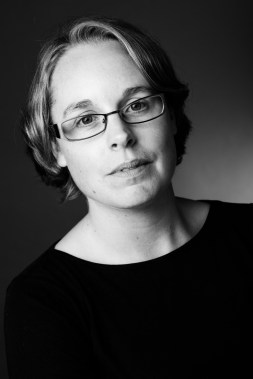 Falling Creatures by Katherine Stansfield will appeal to those who like a good period drama, a dead body or two, an atmospheric setting and a sense of Gothic looming over everything. 1844? Tick. Beautiful girl found with throat cut? Tick. Bodmin Moor, beloved of Arthur Conan Doyle and Daphne du Maurier? Tick. Mists, marshes and malevolent men? Tick. The author grew up on Bodmin Moor, and her debut novel The Visitor, won the Holyer an Gof Fiction Prize in 2014. You can find out more about the author (pictured left) by visiting her website

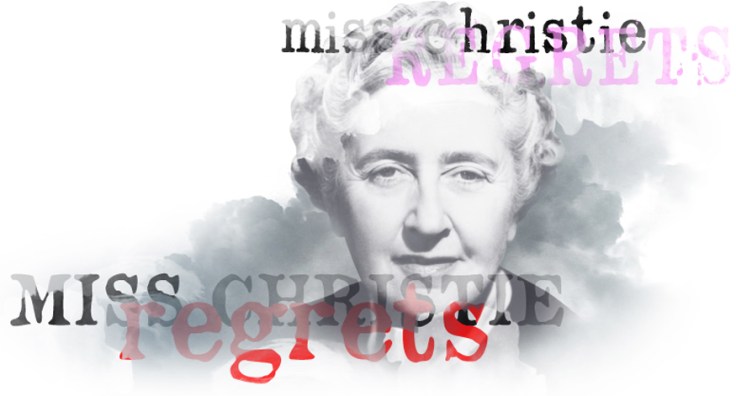
 Being as this book is, in one sense, a police procedural, an introduction to the investigating officers is essential. Detective Sergeant Karen Willis is an elegant and well educated woman, whose personal life is complex. She is courted by two suitors; the first, Dr Peter Collins, is a consultant psychologist who, although undeniably clever, may not be entirely of sound mind himself, as he is prone to nervous attacks. When with Karen, he also tends to drop into a Lord Peter Wimsey persona and, yes, he does insist on calling Karen “Harriet”. The other claimant to the hand of Willis is Detective Inspector Bob Metcalfe, a much more grounded fellow who certainly does not mimic characters from Golden Age fiction. In fact, he could be said to be very worthy, but rather dull. Overseeing the investigations is Detective Superintendent Simon Collison, an urbane and civilised man who is regarded with a certain suspicion by more belt-and-braces officers such as Chief Inspector Tom Allen. One stock police character who is very much noticeable by his absence is a badly dressed, misanthropic and foul mouthed Detective Inspector type, much loved of many crime authors. If any such person did operate out of Hampstead nick, he must long ago have been transferred elsewhere.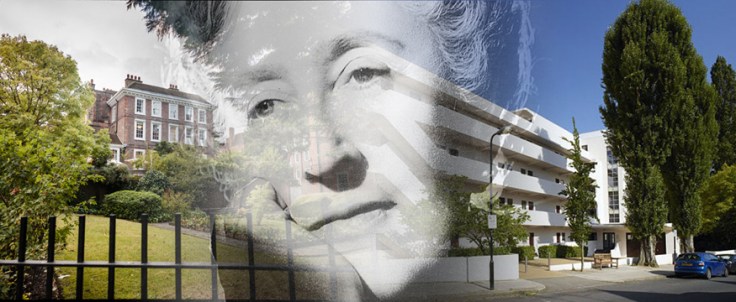


 fullybooked2017