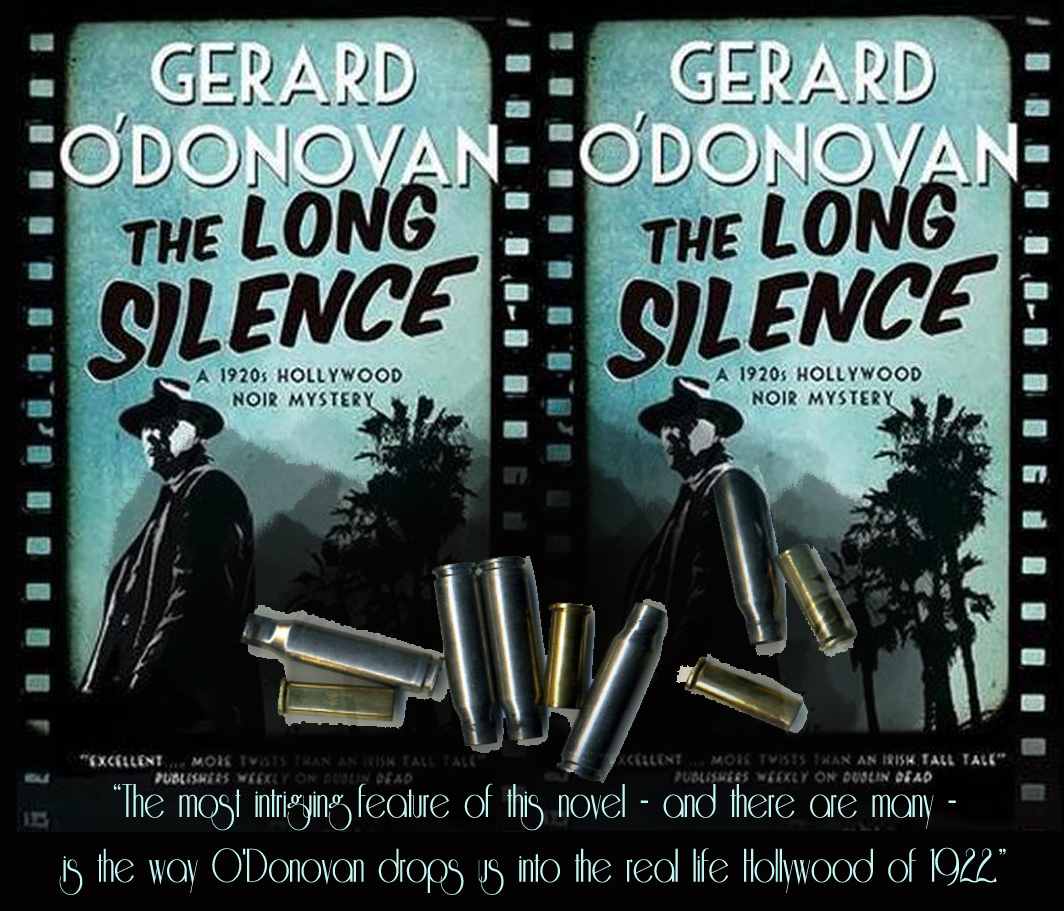
Tom Collins is a former cop. He has been persuaded by an American Irish compatriot to give up the blue uniform and night stick and move to Los Angeles where, in 1922, the burgeoning movie industry can use a guy who is handy with his fists and can be a reassuring and intimidating presence around stars besieged by reporters and other opportunists.
After a bright start working for the Famous Players-Lasky outfit, Collins has blotted his copybook and been sacked. He is now picking up scraps, albeit those dropped by the king of movie comedy, Mack Sennett. Sennett is not alone in his adoration of actress Mabel Normand, and when she is implicated in the sensational murder of top director William Desmond Taylor, he sets Collins the near-impossible task of solving Taylor’s shooting.
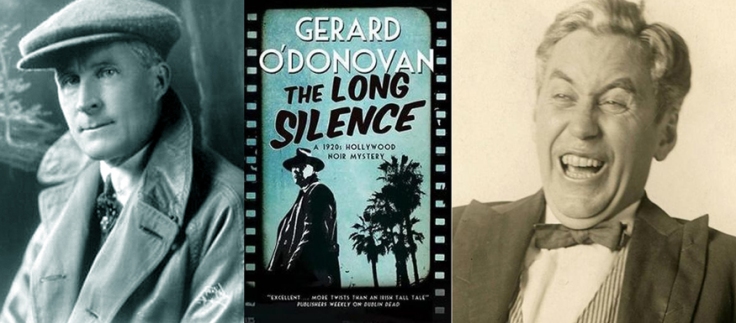
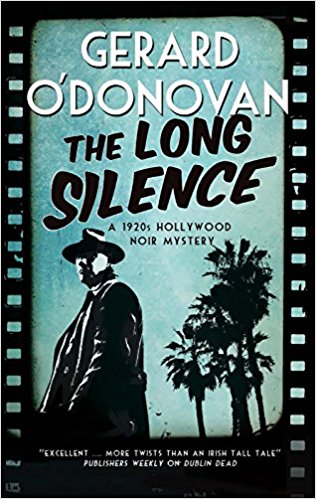 The most intriguing feature of this novel – and there are many – is the way O’Donovan drops us into the real life Hollywood of 1922. I knew something about the demise of Roscoe ‘Fatty’ Arbuckle, was aware of Mack Sennett and, of course, the names Douglas Fairbanks and Mary Pickford resonate with people of my generation who are reasonably well-read. But I had neither heard of – nor seen pictures of – Mabel Normand and, thanks to the wonders of Google, I could see instantly how she was able to mesmerise a generation of movie goers and readers of magazines. Those eyes! Tom Collins tells us about them quite early in the book.
“She was an odd-looking creature, with those huge, half-hooded eyes. Beautiful, no doubt about it, with that little-girl ringlety innocence so favored by the movie-going public. Once, at a party, he saw her light up a room with her laughter.”

Collins is stranded in a Hollywood sea full of different kinds of sharks, but all of them deadly.The local cops figure him for the shooting of a Shorty Madden, a drug dealer who has been supplying cocaine, but they are minnows compared with the repulsive and vindictive Aloysius Divine, who was busted for corruption when serving with Collins back in New York. He blames Collins for his downfall, and has sworn vengeance. Now, Divine is in The City of Angels working as a customs officer; he smells blood, and it belongs to Collins. Even more vindictive and remorseless is mob boss Tony Cornero. His business has been seriously compromised by the death of Madden, and he wants either the actual killer’s head – or that of Collins – on a plate.
 This is a cracker of a book. To the casual observer, looking on from the safe distance of the best part of a century, Hollywood in the 1920s appears innocent and other-worldly. We might smile at the fluttering eyelashes and coy gestures of the female stars, and the black-and-white (both figuratively and literally) lack of ambiguity of the male heroes and villains but in reality the movie world was just as venal, corrupt and hard nosed as it is today. Gerard O’Donovan (right) lifts the stone from the ground and we see all manner of unpleasant – and deadly – creatures scurrying around in the unwelcome light. The first pages of the book might suggest that Tom Collins has told us all that he has to say, but I hope this is not the case. The Long Silence is published by Severn House, is available now in hardback and will be available as a Kindle on 1 May.
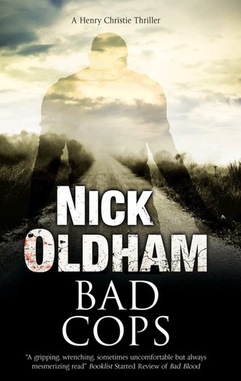 His resolve weakens, however, when he is visited by two of his more senior officers, his own Chief Constable and the newly appointed boss of the Central Yorkshire force, John Burnham. The Yorkshire police has suffered a disastrous inspection, and Burnham has been appointed to cleanse the Augean Stables.
 Oldham (right) is a retired copper himself, so readers are guaranteed procedural details which are described with total authenticity, whether they be the smelly reality of unmarked police cars used for observation, complete with the detritus of discarded fast food wrappers and the inevitable flatulent consequences, and an intriguing – and quite scary – use for Blutac and two pence pieces.
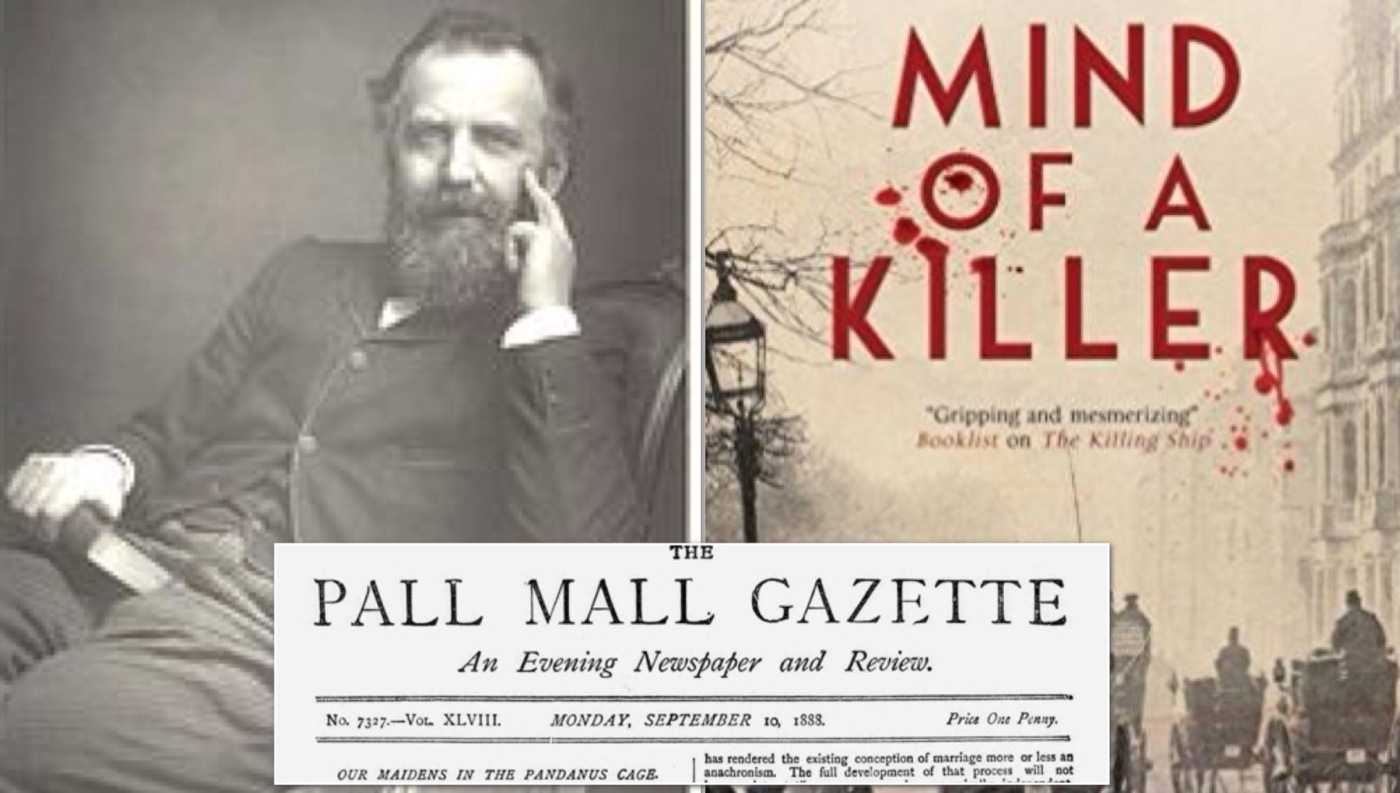
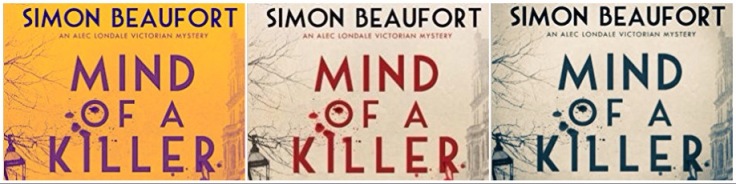
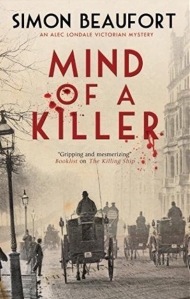 Simon Beaufort provides an exhilarating and madcap journey through the contrasting mileus of Victorian London. We experience gentlemen’s clubs with their subtle ambience of brandy and fine cigars, the visceral stench of low-life pubs and doss houses and the clatter of the hot lead printing presses of a vibrant daily newspaper. Lonsdale – with the assistance of Hulda Friedrichs, a fiercely independent early feminist journalist – painstakingly uncovers a nightmarish plot hatched by scientists who are obsessed with eugenics, and believe that the future of the human race depends on selective breeding and the suppression of ‘the undeserving poor’.

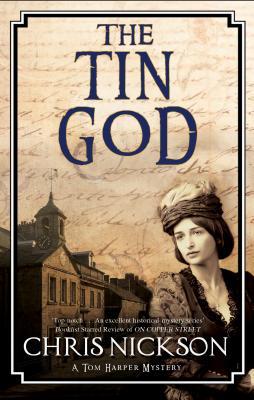 Outraged leading articles appear in local newspapers, but someone believes that the sword – or something equally violent – is mightier than the pen, and a homemade bomb destroys a church hall just before Annabelle Harper is due to speak to her supporters. The caretaker is tragically killed by the explosion, and matters go from bad to worse when more bombs are found, and several of the women candidates are threatened.


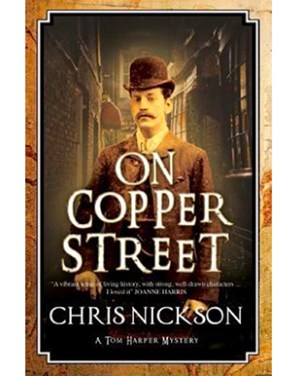


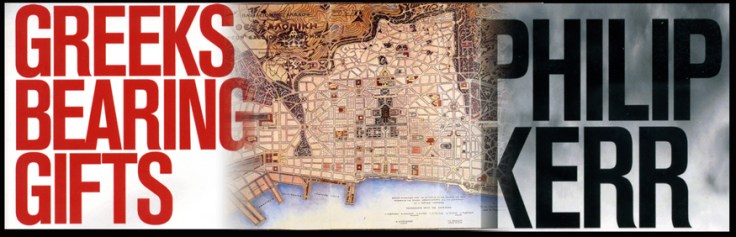
 “One of the greatest anti-heroes ever written,” says Lee Child of Bernie Gunther, the world weary, wise-cracking former German cop, and sometime acquaintance of such diverse historical characters as Reinhard Heydrich, Joseph Goebbels, Eva Peron and William Somerset Maugham. I was several chapters into this, the latest episode in Gunther’s career, when I heard the dreadful news of the death of his creator, Philip Kerr (left) at the age of 62. “No age at all,” as the saying goes.
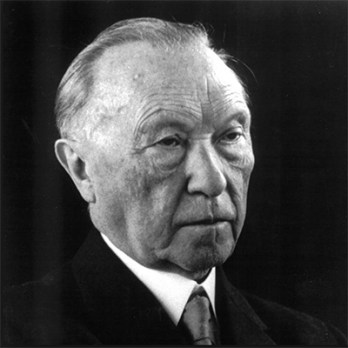 Hitler could certainly have taken a lesson from the Old Man (Adenauer, left) It was not the men with guns who were going to rule the world but businessmen …. with their slide rules and actuarial tables, and thick books of obscure new laws in three different languages.”


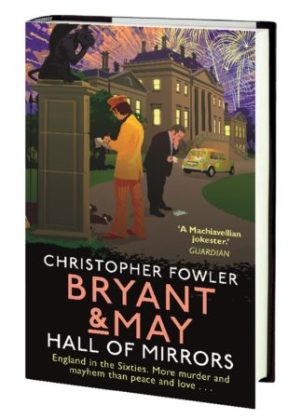 If a more extraordinary duo of fictional detectives exists than Christopher Fowler’s Bryant & May, then I have yet to discover them. The peculiar pair return in Hall of Mirrors for their fifteenth outing, and this time not only are they far from their beloved London, but we see a pair of much younger coppers on their beat in the 1960s. Fowler’s take on the period is typified by each of the fifty chapters of the novel bearing the title of a classic pop hit. We are also reminded of the strange fashions of the day.


 East London cop DI Steve Fenchurch makes a welcome return for the fourth book in this popular series by Ed James (left). It is part of urban folklore that attractive female students are sometimes tempted to use their charms to attract Sugar Daddies who will help with their fees and living costs. When one such young woman is found strangled in her bedroom, Fenchurch soon discovers that she was in the pay of a notorious city gangster. With his superiors poised to pounce on him at the first sign of a professional mistake, and his family in mortal danger, Fenchurch is faced with a no-win dilemma. If he persists in finding out who killed the young woman, he will attract incoming fire from very powerful people. If he just keeps his head down and allows the investigation to drift into the ‘unsolved’ file, his bosses will have him clearing his desk and locker before he can utter the word ‘sacked’.
  This is first in what promises to be a popular series with readers who love their novels spiced with the double-dealing and other shenanigans which are part and parcel of the work of American intelligence organisations. Nathan Stone is a former CIA covert operative who has been critically wounded, and thought to be dead. But behind closed doors, he has been rehabilitated by a highly secretive government organization known as the Commission, given a new identity and appearance, and remoulded into a lethal assassin. His brief: to execute kill orders drawn up by the Commission, all in the name of national security. Turner (right) provides enough thrills to keep even the most jaded reader on their toes.
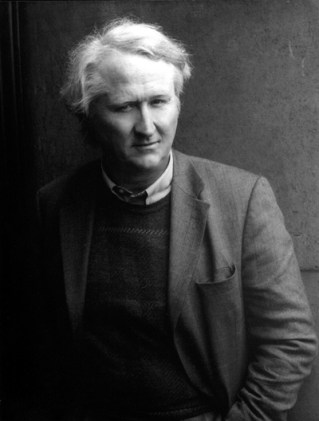 I first came across Pattison (left) and his Revolutionary Wars hero Duncan McCallum when I was writing for Crime Fiction Lover. I reviewed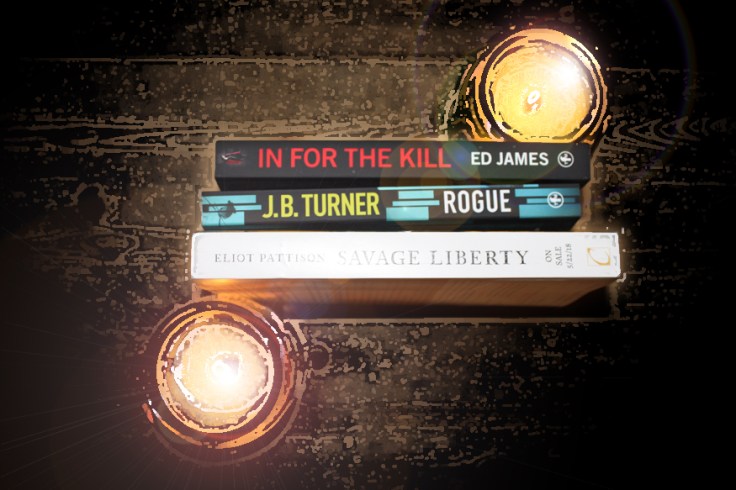


 RILEY SAGER (aka Todd Ritter) however takes a darker view. When Emma goes to Camp Nightingale, it is her first summer away from home. She learns how to play games, but she also learns a more sinister skill – how to lie. That golden summer dream becomes a twisted and feverish nightmare when three of Emma’s new-found friends set off to explore the woods, but are never seen again. It is inevitable that he subsequent furore spells the end for Camp Nightingale as a safe holiday destination for teenage girls. But times change. memories fade. Years after the terrible events of that summer, Emma is asked to return to the newly reopened camp. Will her return lay old ghosts to rest, or wake the spirits of the dead and rip away the veil of innocence to reveal a much darker truth?


