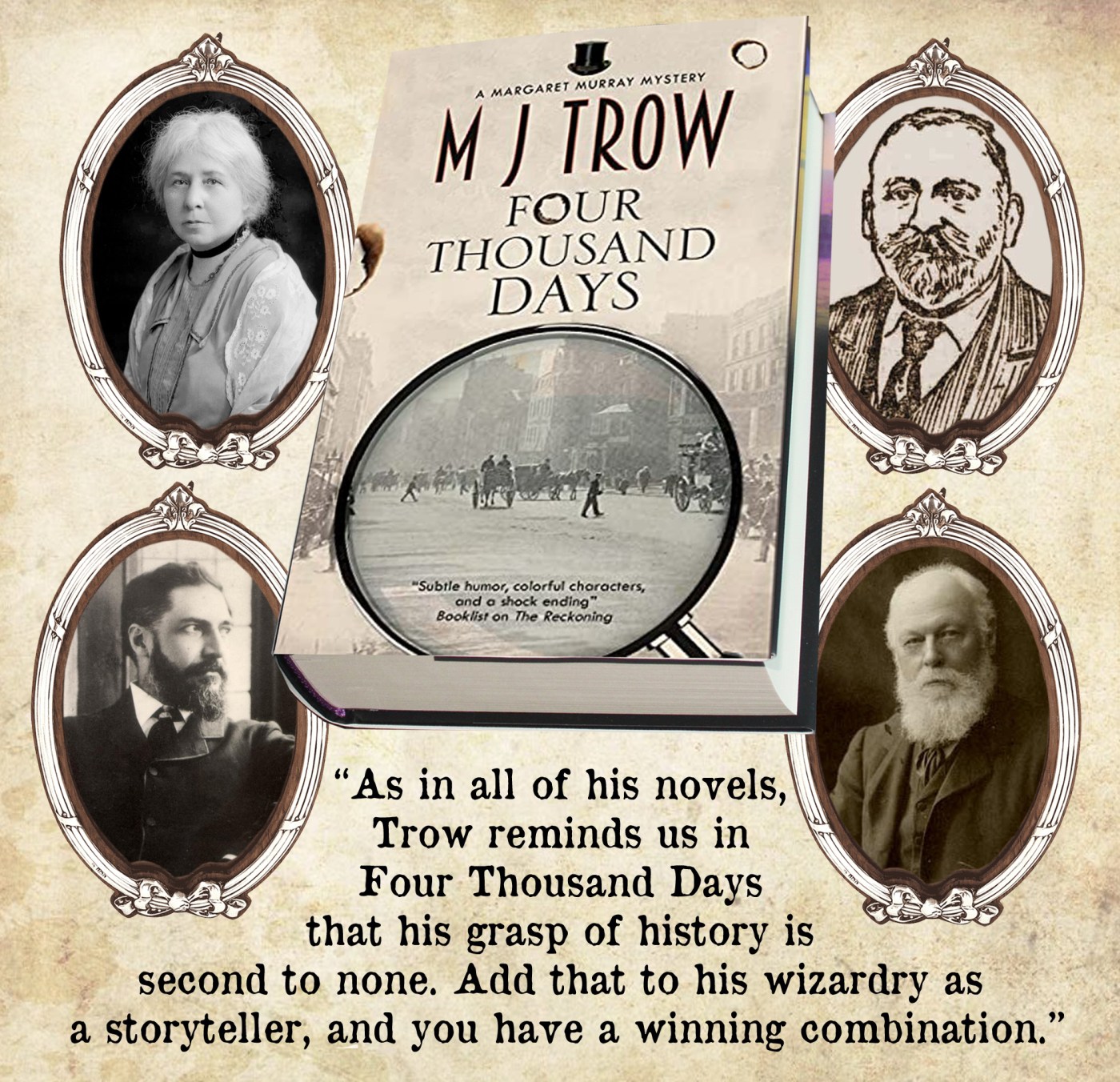

I am pushed to think of another modern writer who is more prolific, but yet so consistently readable as MJ Trow. Not only that, until a few years ago he actually ‘worked for a living’ outside of his writing career. He and I walked along one or two shared paths. We went to the same school, but I was a couple of years ahead of him, and neither of us noticed one another’s presence. We both took up a career in teaching, and shared a deep contempt for the corporate management styles in English comprehensive schools. He exploited that in his superb series centred on the world of Peter ‘Mad’ Maxwell, Head of History at a fictional school in the Isle of Wight. I say fictional, but Maxwell was, to all intents and purposes, the author himself. One imagines (and hopes) that the murders in the books were purely imaginary ones, but the troubled and often complex teenagers and preposterous members of the Senior Leadership Team were all too true to life.
Before Maxwell came Trow’s homage to Conan Doyle’s Inspector Lestrade. Bumbling and incompetent in the original books, Lestrade is portrayed by Trow as a decent copper, nobody’s fool, and doing his best, but frequently upstaged by his flashier nemesis from Baker Street. There are also series featuring Kit Marlowe, the Elizabethan dramatist, here recast as one of Gloriana’s secret agents. I have also enjoyed the Grand and Batchelor Victorian mysteries. Trow is a great humorist and punster. mixing comedy and word play with superb plotting and – the real pull, for me – the introduction of real historical characters in to the narrative. In addition he has written extensively in other genres, including True Crime.
Having just realised I am over 200 words into the review without mentioning the book in question, I must get back on task. Margaret Murray was the first celebrated woman archaeologist, and in Four Thousand Days she is at the centre of an intriguing mystery. We are in London, October 1900, and while the Boer War is still very much alive, the Boer leader Paul Kruger has fled to Europe, the ‘game’ is pretty much over, and the first British troops are returning from South Africa.
A young woman is found dead, apparently by her own hand, in a sleazy tenement bedroom. Further investigation reveals that she led at least two different lives, one as a prostitute, but another as a modest and attentive student, a regular attendee at Margaret Murray’s free Friday afternoon lectures at University College London. Another student of Em-Em, (Margaret Murray) Angela Friend, is drawn into the case by her soon-to-be boyfriend, Police Constable Andrew Crawford.
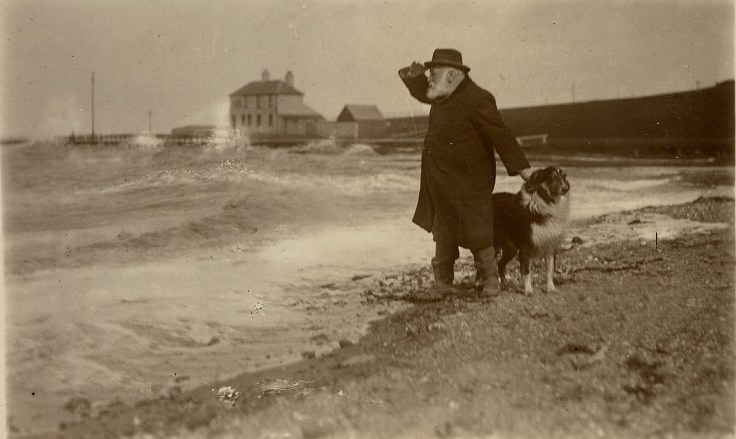
Enter another real-life character in the shape of retired copper, Edmund Reid (above). Troubled by the recent death of his wife and his conspicuous failure a dozen years earlier to catch Jack the Ripper, he has resigned himself to a solitary existence down in Hampton on Sea, a village near Herne Bay in Kent. Hampton would eventually be obliterated by erosion and the force of the waves, but an early part of this process – the collapse of a sand dune – reveals to Reid the body of another woman, dead for some time. The fact she was another archaeologist, is too much of a coincidence. It transpires that she was attempting to excavate a Roman coastal fort. What she found – and was murdered for – has the potential to turn Christian history on its head. He teams up with Margaret Murray to solve the mystery. The book’s enigmatic title? All is revealed in the final pages, but I will not spoil it for you.
Trow introduces other historical characters, and one of his many skills is to make us believe that how they behave in his book is just how they were in real life. As in all of his novels, Trow reminds us in Four Thousand Days that his grasp of history is second to none. Add that to his wizardry as a storyteller, and you have a winning combination. Four Thousand Days is published by Severn House and is available now.
For more on the novels of MJ Trow, click the image below.

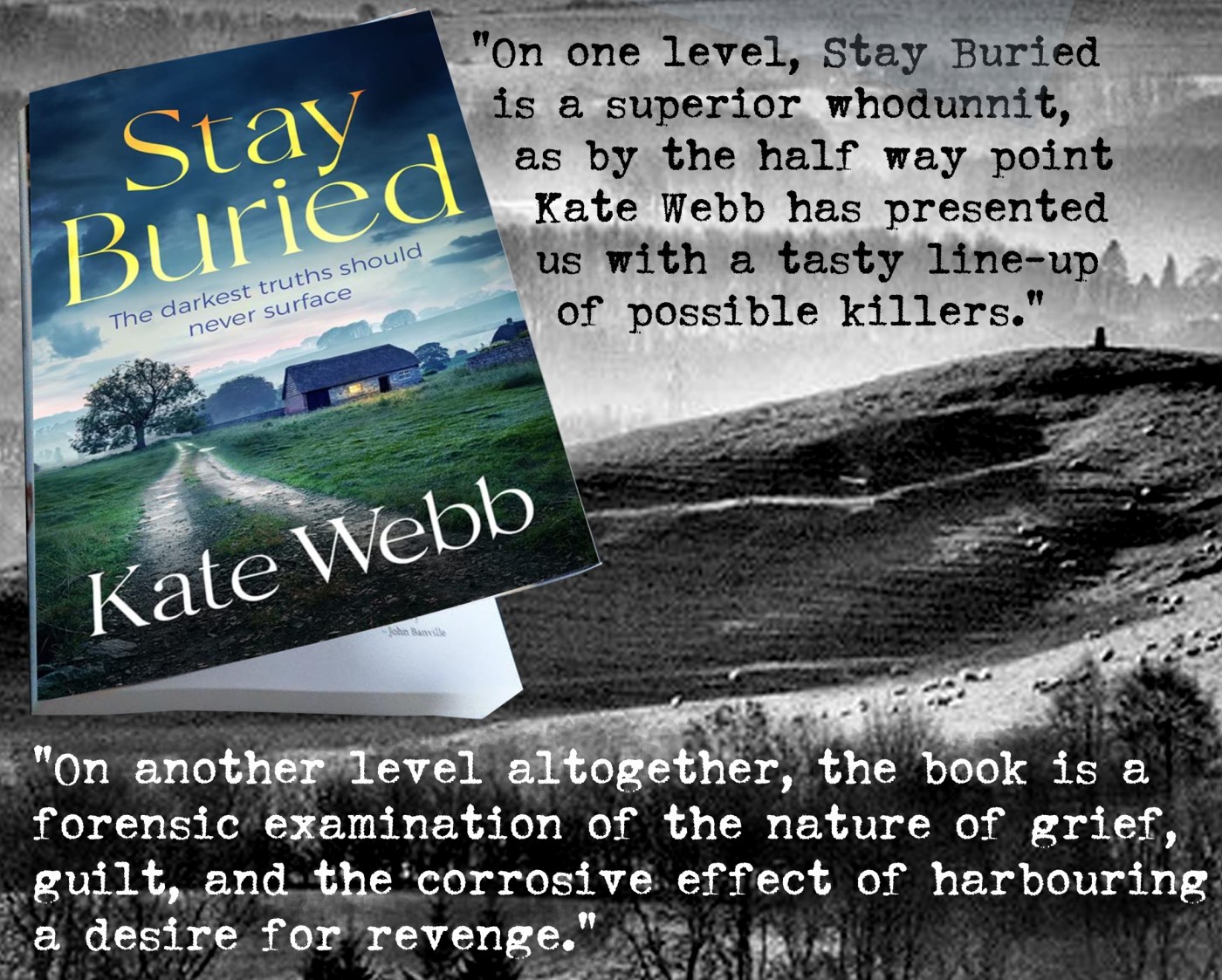

 Writing as Katherine Webb, the author (left) is a well established writer of several books which seem to be in the romantic/historical/mystery genre, but I believe this is her first novel with both feet firmly planted on the terra firma of crime fiction. Wiltshire copper DI Matthew Lockyer, after a professional error of judgment, has been sidelined into a Cold Case unit, consisting of himself and Constable Gemma Broad.





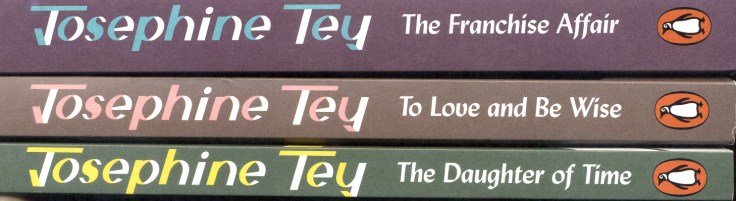
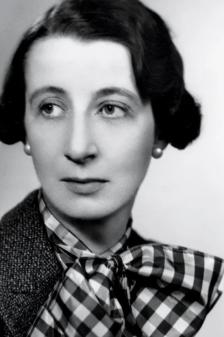 Penguin have a treat in store for fans of British ‘Golden Age’ crime novels. On 22nd September they are publishing new editions of three novels by a woman who many people feel deserves to be up there with Allingham, Christie, Marsh and Sayers in the Pantheon of female crime fiction giants.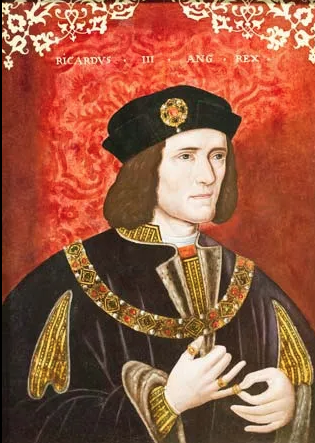









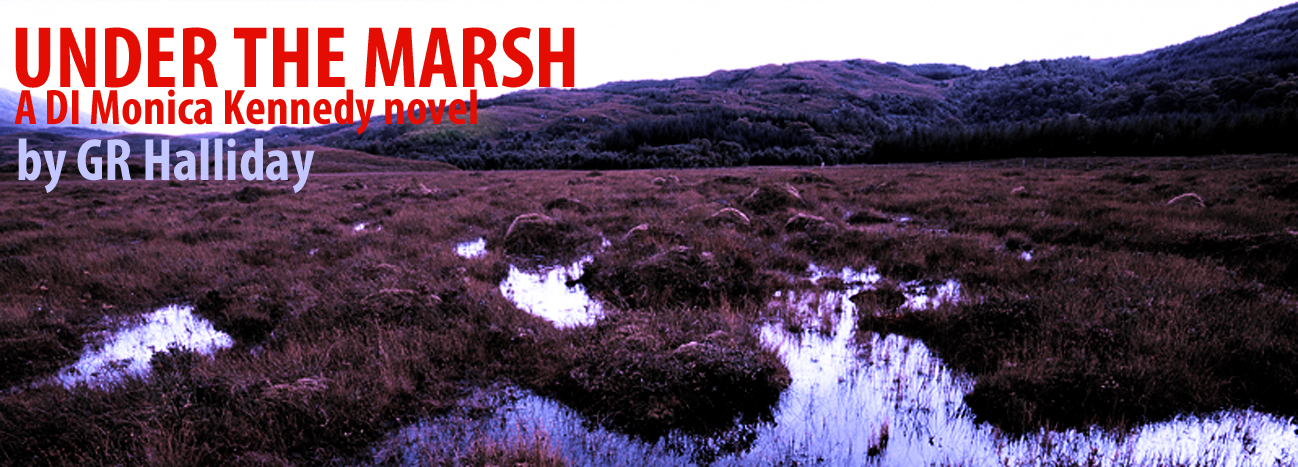
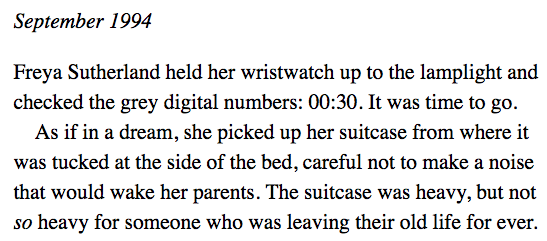
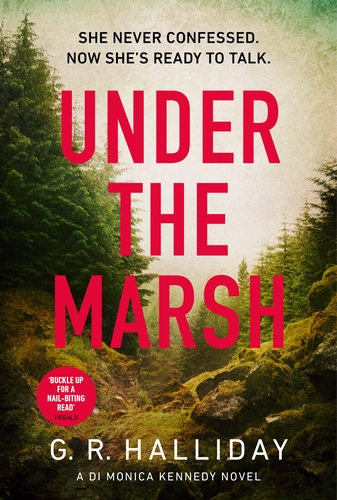 One of Kennedy’s chief scalps was serial killer Pauline Tosh, who now faces spending the rest of her days in a remote high security jail. Out of the blue, Tosh requests a visit from the officer who ended her murderous career, and what she reveals sets off a search for a body. When it is discovered, and is revealed to be that of the long-since missing Freya Sutherland, what is in effect a massive cold-case-murder hunt is put into place.
 As with all good crime writers, Halliday (right) leads us up the garden path, and killers (plural) are actually found, but the solution is surprising and beautifully complex. Oh yes, I almost forgot. From his bio, GR Halliday is a lover of cats, so if you share his passion, there are cats in this story. Several of them.


