
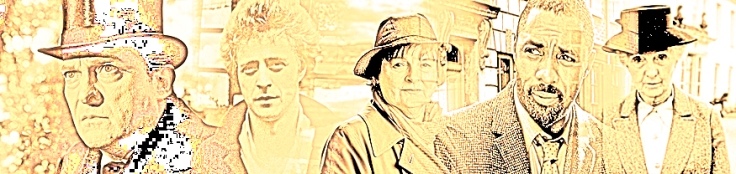
While nothing beats a good book, detectives on TV come a close second. At the age of 72 I have seen a fair few of these small screen sleuths, and I’ve made a purely subjective list of the best twenty five. My shortlist ran to well over sixty, and if some who didn’t make the cut are your personal favourites, then please accept my commiserations. It’s also worth saying that of my twenty five, the majority are adaptations of books.
First, my criteria for inclusion. My choices are all British productions featuring British actors and, with two exceptions, mostly British settings. I’ve excluded ensemble police procedurals such as Z Cars, The Bill and Waking The Dead. I have, regretfully, left out my all time classic TV crime drama Callan, because dear old David wasn’t so much a detective as an enforcer or a cleaner-up of the messes created by his shadowy employers. Each of my choices has a readily identifiable – and sometimes eponymous – leading character, to the extent that were the man or woman on the proverbial omnibus shown a photograph of, for example, George Baker, they would say, “Ah yes – Wexford!” Please feel free to vent your outrage at omissions or inclusions via the usual social media networks, but here goes:
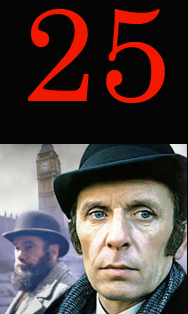 Victorian coppers were not new to TV when this Sergeant Cribb, based on the excellent Peter Lovesey novels, first aired. There had already been several attempts at the Holmes canon, and way back in 1963 John Barrie starred as Sergeant Cork. Although a serial, rather than a series, the 1959 version of The Moonstone featured the great Patrick Cargill as Sergeant Cuff, possibly the first fictional detective. Where Sergeant Cribb came to life was through the superbly dry and acerbic characterisation of Alan Dobie, aided and abetted by the ever-dependable William Simons. Neither did it hurt that most of the episodes were written by Peter Lovesey himself. (1980 – 1981)
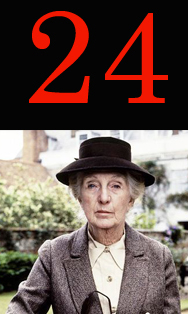 I am sure the loss is all mine, but of the Golden Age female crime writers I have found Agatha Christie the least interesting, despite her ingenious plotting and ability to create atmosphere. Mea Culpa, I suppose, but it would be reckless not to include Miss Marple in this list. Geraldine McEwan and Julia McKenzie have their admirers, but Joan Hickson is, surely, the Miss Marple? Her series (1984 – 1992) was certainly the most canonical and, if the anecdote is to be believed, Agatha Christie herself once sent a note to the younger Hickson hoping that she would, one day, play the Divine Miss M.
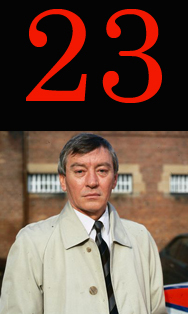 Small, aggressive, punchy and with hard earned bags under his eyes, Mark McManus was Taggart. Before he drank himself to death, McManus drove the Glasgow cop show, repaired its engine and polished its bodywork to perfection. It was Scottish Noir before the term had come into common parlance. Bleak, abrasive, unforgiving and with a killer theme song, Taggart was a one-off. The series limped on after McManus died but it was never the same again. (1983 – 1995)
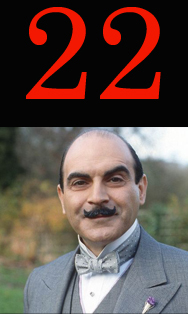 Who knows what the lady herself would have made of David Suchet’s Poirot? Her family are said to have approved, and for sheer over-the-top bravura, Suchet’s mincing and mannered portrayal has to be admired. The production values were always immense from day one in 1989 and by the time the series finished in 2013, every major work by Agatha Christie which featured Poirot had made its way onto the screen. The supporting cast was every bit as good, with Hugh Fraser as Hastings and Philip Jackson as the permanently one-step-behind Inspector Japp.
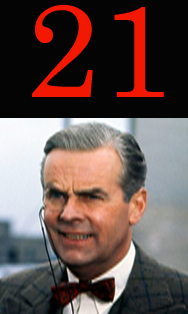 For me, the Golden Age Queen was Dorothy L Sayers and my permanent Best Ever Crime Novel is The Nine Tailors, so it is a relatively brief series (1972 – 1975) featuring Lord Peter Wimsey that makes its way into this list. Some DLS buffs refer the slightly more cerebral Edward Petherbridge version, but my vote goes to Ian Carmichael. He played up the more foppish and scatty side of Wimsey’s nature, but he also managed to convey, underneath the gaiety, the fact that Wimsey was something of a war hero, and his recovery from wounds and shell shock was due in no small part to his relationship with his former Sergeant, Mervyn Bunter.
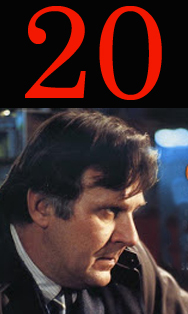 Just as on the printed page, TV crime series have more Detective Inspectors than you can shake a retractable police baton at. The first to make it into my selection is, perhaps, not so well known to the general reading public, but a firm favourite with those of us who kid ourselves that we are connoisseurs. Charlie Resnick is a creation of that most cerebral of crime novelists, John Harvey. He is distinctly downbeat and his ‘patch’ is the resolutely unfashionable midlands town of Nottingham. There were eleven novels featuring the jazz loving detective, but only two of them were televised. Lonely Hearts screened in three parts in 1992, while Rough Treatment had two parts, and was broadcast a year later. Both screenplays were written by John Harvey himelf, and Tom Wilkinson brought a lonely and troubled complexity to the main role.
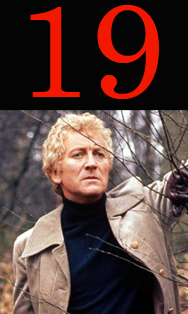 Van der Valk took us to Amsterdam for an impressive five series, based on the novels by Nicolas Freeling. Freeling tired of his creation, and killed him off after eleven novels. He resisted the clamour to resurrect him, but did write two more books featuring the late cop’s widow. The TV series was, by way of contrast, milked for all it was worth, and Barry Foster played Commissaris Piet van der Valk against authentic Dutch settings. Amsterdam’s reputation for sleaze, sex and substances did the series no harm at all in the eyes of British sofa-dwellers. Theme tunes are an integral part of any successful series and Eye Level took on a life of its own, improbably reaching No. 1 in the British pop charts in 1973. Noel Edmunds’ barnet is irresistible, is it not?https://www.youtube.com/watch?v=zvesdlGe-EI
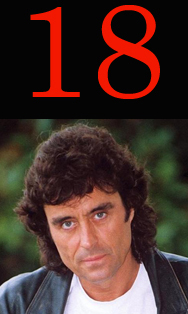 Most of my TV detectives are upright beings, not to say moral and public spirited. The East Anglian antique dealer Lovejoy was, by contrast, one of life’s chancers and, to borrow a phrase much used by local newspapers when some petty criminal has met a bad end, ‘a lovable rogue.’ Ian McShane and his impeccable mullet brought much joy to British homes on many a Sunday evening between 1986 and 1994. Lovejoy was always out for a quick quid, but like an Arthur Daley with a conscience, he always had an eye out for ‘the little guy’. McShane was excellent, but he had brilliant back-up in the persons of Phyllis Logan as the ‘did-they-didn’t-they’ posh totty Lady Jane Felsham, and the incomparable and much missed Dudley Sutton as Tinker Dill.
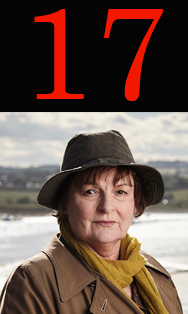 The TV version of the Vera books by Ann Cleeves is now into its quite astonishing tenth series and the demand for stories has long since outstripped the original novels. Close-to-retirement Northumbrian copper Vera Stanhope is still played by Brenda Blethyn, but her fictional police colleagues – as well as the screenwriters – have seen wholesale changes since it first aired in 2011. Why does the series do so well? Speaking cynically, there are several important contemporary boxes that it ticks. Principally, its star is a woman and it is set in the paradoxically fashionable North of England.The potential for scenic atmosphere is limitless, of course, but the core reason for its enduring popularity is the superb acting of Blethyn, and the fact that Cleeves has put together a toolkit of very clever and marketable elements. Vera will probably outlast me, and a new series is already commissioned for 2021.
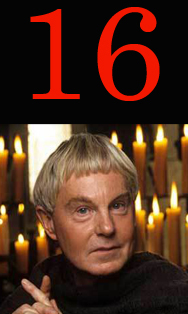 The creation of Cadfael was an act of pure genius by scholar and linguist Edith Pargetter, better known as Ellis Peters. Not only was the 12th century sleuth a devout Benedictine monk, but he had come to the cloisters only after a career as a soldier, sailor and – with a brilliant twist – a lover, as we learned that he has a son, conceived while he was fighting as a Crusader in Antioch. In the TV series which ran from 1994 until 1998, Derek Jacobi brought to the screen a superb blend of inquisitiveness, saintliness and a worldly wisdom which his fellow monks lacked, due to their entering the monastery before they had lived any kind of life. Modern times prevented the productions from being filmed in Cadfael’s native Shropshire, and they opted instead for Hungary!
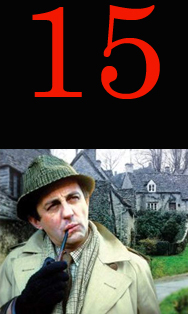 When my next series choice was aired in 1977, the producers had no confidence that either the name of its author, or that of its central character, would be a crowd puller, and so they called it Murder Most English. The four-part series consisted of adaptations of novels written by Colin Watson, and in print they were part of his Flaxborough Chronicles, twelve novels in total. Inspector Purbright, played by Anton Rodgers, is an apparently placid small town policeman, but a man who sees more than he says, and someone who has a sharp eye for the corruption and scheming endemic among the councillors and prominent citizens of Flaxborough – a fictional town loosely based on Boston, Lincolnshire, where Watson worked as a journalist for many years. The TV Purbright was perhaps rather more Holmesian – with his pipe and tweeds – than Watson had intended, but the original novels Hopjoy Was Here, Lonelyheart 4122, The Flaxborough Crab and Coffin Scarcely Used, were lovingly treated. Unusually, for a TV production, the filming was done in a location not too far from the fictional Flaxborough – the Lincolnshire market town of Alford, just 25 miles from Watson’s Boston workplace. Click this link to learn more about Colin Watson and his books.
The next ten choices in my survey of the best TV detectives
follows soon – keep an eye out on TWITTER




 Val McDermid’s wonderful odd couple Tony Hill and Carol Jordan don’t have it in them, for a variety of complex reasons, to love each other in any conventional sense, and
  James Lee Burke celebrated his eighty third birthday earlier this month and, thankfully, shows no sign that his powers have deserted him. His brooding and haunted Louisiana lawman Dave Robicheux returned in
  There is an understandable temptation to lionise a book, irrespective of its merit, when it is published posthumously, the last work of a fine writer who died far too soon.
  Sometimes, the sheer bravura, joy and energy of a writer’s work makes us happily turn a blind eye to improbabilities. Let’s face it, Christopher Fowler’s Arthur Bryant and John May have been solving crimes since the Luftwaffe was raining bombs down on London and, by rights, they should be, like Betjeman’s Murray Posh and Lupin Pooters “Long in Kelsal Green and Highgate silent under soot and stone.” But they live on, and long may they defy Father Time. In
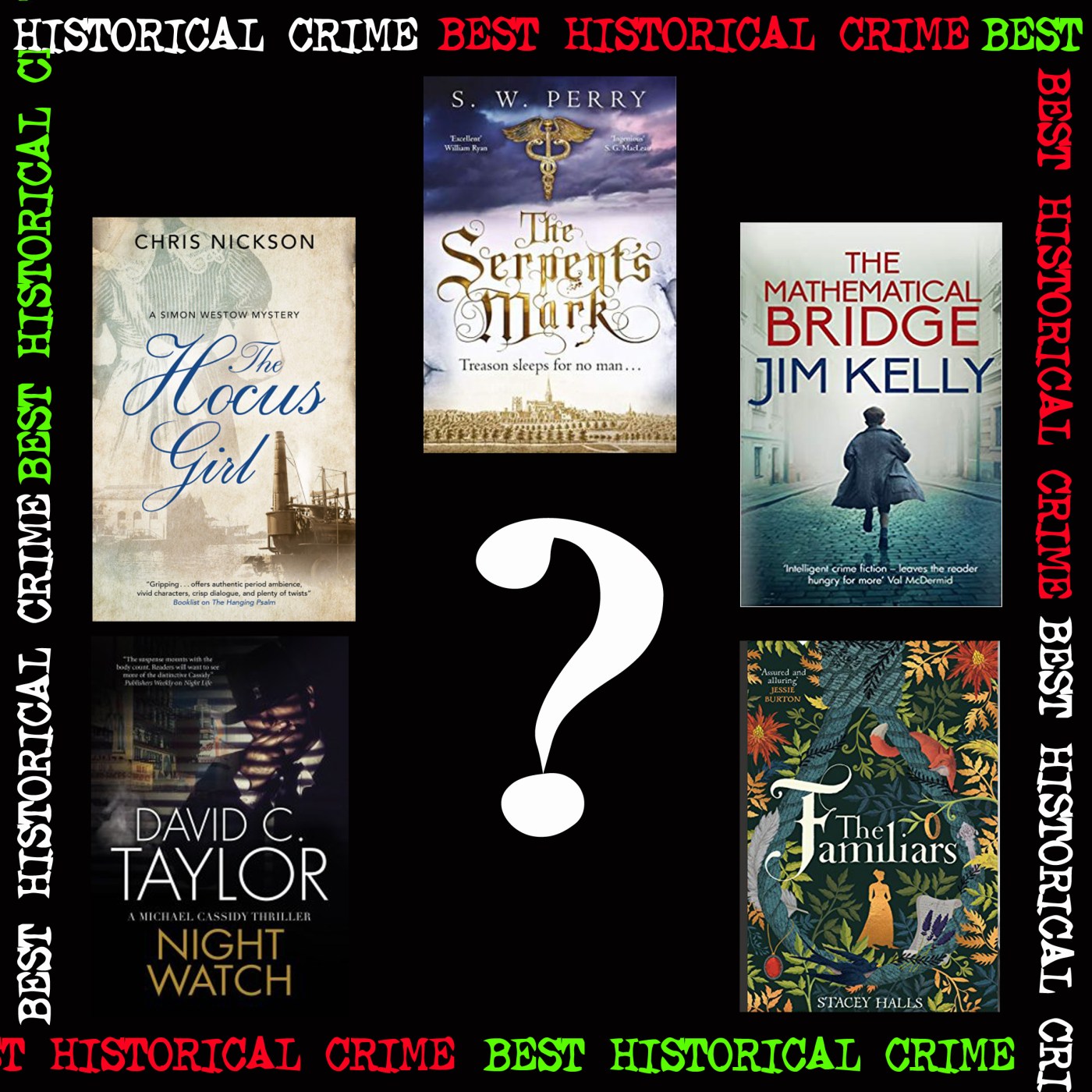

 The Familiars
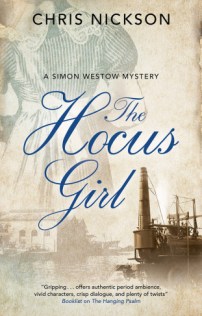 Chris Nickson’s historical novels may be narrow in geographical scope – they are mostly set in Leeds across the centuries – but they are magnificent in their emotional, political and social breadth. In
  SW Perry has written an excellent thriller about religious extremism, media manipulation and political treachery. The fact that
  For all that the era was in my lifetime, the 1950s may just as well be the 1650s given the gulf between then and the modern world. In


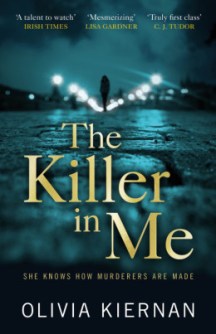 There are some very special Irish crime writers these days. Some mine the uniquely bitter and bleak seam of Belfast, with its raw and recent memories, while further south the city of Dublin, where “the girls are so pretty”, has its fair share of malcontents and evil doers. Olivia Kiernan and her Chief Superintendent Frankie Sheehan were new to me, but
 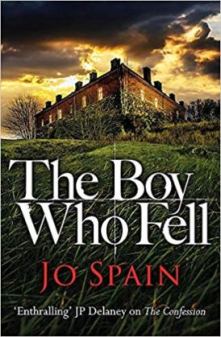 Staying in Ireland, it has to be said that Jo Spain is ridiculously talented. She has created a bankable stock character in the affable Dublin copper Tom Reynolds, but this has not stopped her from writing such brilliant stand-alones as
  Vulnerability as a character trait is perhaps more common in British fictional coppers that their American counterparts, and few fit that bill quite like James Oswald’s Edinburgh detective Tony McLean.
  In
In 


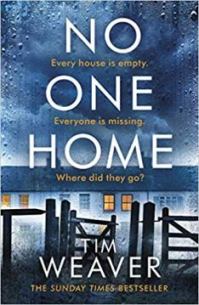 Tim Weaver’s intrepid searcher for the physically lost, David Raker, faced his hardest challenge yet in
  Clergymen writing crime novels? That can only mean cosy village mysteries centred around tweedy villages and eccentric old ladies, surely? Not if Peter Laws has his way. He is a minister in the Baptist Church in Bedforshire, but his Matthew Hunter novels are dark, scary and blood-spattered. In
  Ben Bracken is a Jack Reacher do-alike transported to contemporary England. Much as I have enjoyed the invincible Reacher over the years, Rob Parker has created a more thoughtful and vulnerable – at least psychologically – version in Ben Bracken, a former soldier who exists in the shady hinterland which lies between law enforcement, special services and officially-sanctioned skullduggery.
 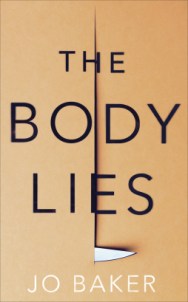 Sad to say, there is no-one more vulnerable in modern society – at least in novels – than a single mother trying to bring up her child. In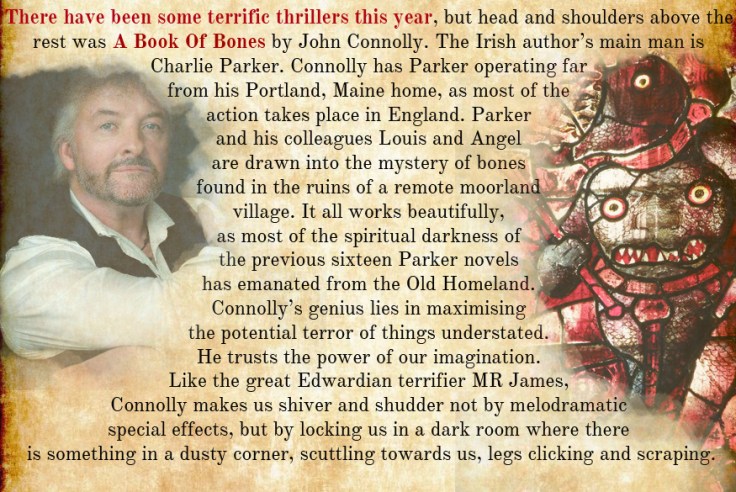
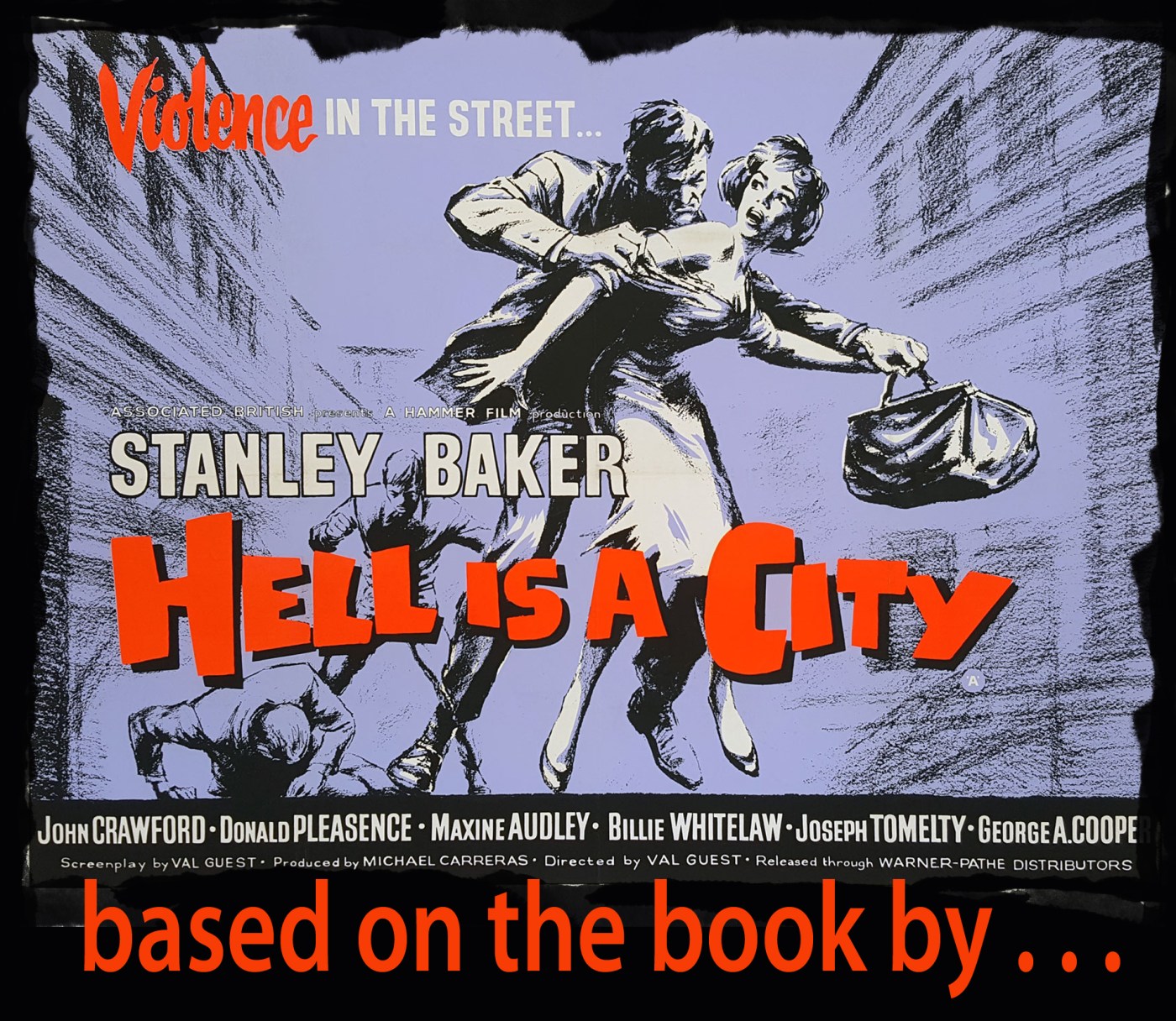
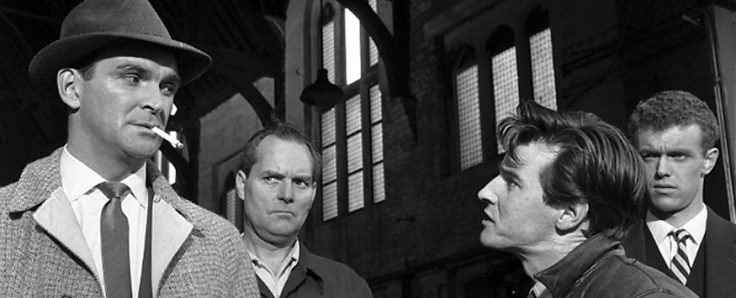
 The cast, if not stellar by international standards, was solid, with key roles for Stanley Baker as Martineau, Donald Pleasance as the bookmaker Gus Hawkins, and Billie Whitelaw as Mrs Hawkins (left). Strangely, the key role of Don Starling was given to John Crawford, (below) a journeyman American actor whose stock in trade was tough guys and villains. His American accent is obvious throughout and, although he puts in a good performance, it stretches credibility to believe he is the same man who fought with Martineau in their school playground. Regarding the oddity of his accent, it has to be said that the rest of the cast went for Stage Northerner rather than attempt the distinctive Mancunian twang.


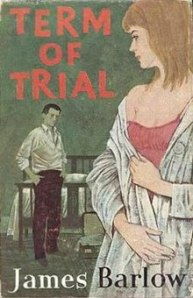 In 1968 Hamish Hamilton (by then part of the Thomson Organisation and subsequently to be bought by Penguin) published The Burden Of Proof, a novel by the Birmingham born author James Barlow. The firm had something of a hit seven years earlier with Barlow’s Term of Trial. That novel, about a teacher accused of indecency with a pupil, was made into a successful film starring Laurence Olivier, Simone Signoret, Sarah Miles and Terence Stamp. The Burden Of Proof was a different beast altogether, but first a little bit of history.
 n 8th May 1968, led by Detective Chief Superintendent Leonard ‘Nipper’ Read, the Metropolitan Police arrested Reg and Ron Kray, along with sundry members of their gang. Neither of the Kray twins was ever to see freedom again, apart from when Reg spent his final hours dying from cancer in the honeymoon suite at the Beefeater Town House Hotel in Norwich. In 1968, the particular character of Ron Kray was not widely known to the general public, as the whole Kray ‘industry’ of ghosted memoirs and personal accounts of ‘The Twins I Knew’ by minor London villains had yet to take wing. Ron Kray was a homosexual psychopath, and it’s as simple as that. Whether brother Reg was any better for being heterosexual is neither here nor there, but Ron’s peccadillos were mirrored in dramatic fashion in The Burden Of Proof.
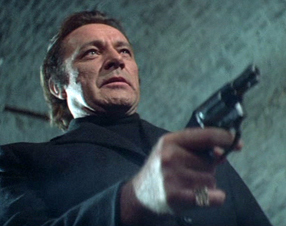 Vic Dakin is a London gangster who has political connections, and has yet to have his collar properly felt, despite a string of serious crimes. He also enjoys a spot of sexual sadism, usually with his unofficial boyfriend, Wolfie, who accepts the beatings as a fact of life. Oh yes, and before I forget, Vic loves his dear old mum (who is blissfully unaware of Vic’s career choices) In the novel, Vic plans a daring wages raid on a suburban factory, in between doing all kinds of other unpleasant things to people he both likes and dislikes. Before we turn to the movie version of the book, check out my review of
  he film was released in 1971, renamed Villain. The key issue, of course, was that of who would play Dakin? The choice – Richard Burton – was a surprise at the time, and the actor later wrote that he was drawn to the role because it represented a change from his usual heroic fare. Younger folk reading this will not know what a huge star Burton was at the time. For a modern comparison you need to think Hanks, Clooney, Cruise, Fiennes or Craig. Film and TV historians will be surprised to know that the screenplay for Villain was written by none other than Dick Clement and Ian La Frenais. The duo’s lightness of touch and feeling for the vernacular of British comedy created pure gold in later works such as Whatever Happened To The Likely Lads?, Porridge, Auf Wiedersehen, Pet and Lovejoy. Maybe all that shows is that good writers are good writers, end of.
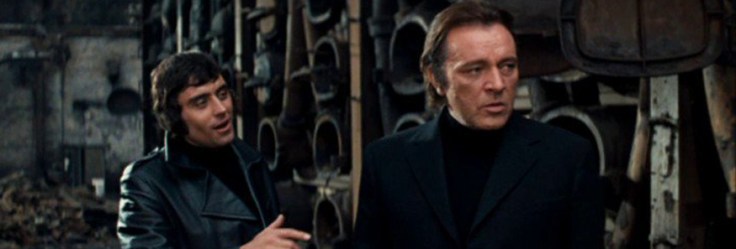
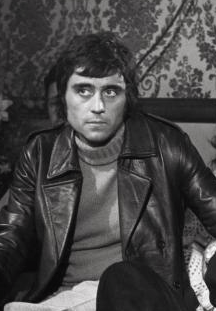 With a link worthy of BBC Radio 4, I can reveal that the role of Vic Dakin’s much-abused boyfriend in Villain was played by none other than the excellent Ian McShane (right), whose many credits include the long running Sunday night TV show, Lovejoy. Back to the film, directed by Michael Tuchner (Fear Is The Key, Mister Quilp). The supporting cast was stellar. The two coppers pursuing Dakin were the much-missed. moustache-twirling Nigel Davenport and Colin Welland. The villains were equally stalwarts of the day; TP McKenna as Frank Fletcher and Joss Ackland as Edgar Lowis, not to mention Donald Sinden as the compromised politician, and regular ‘baddies’ such as Tony Selby and Del Henney (composite below)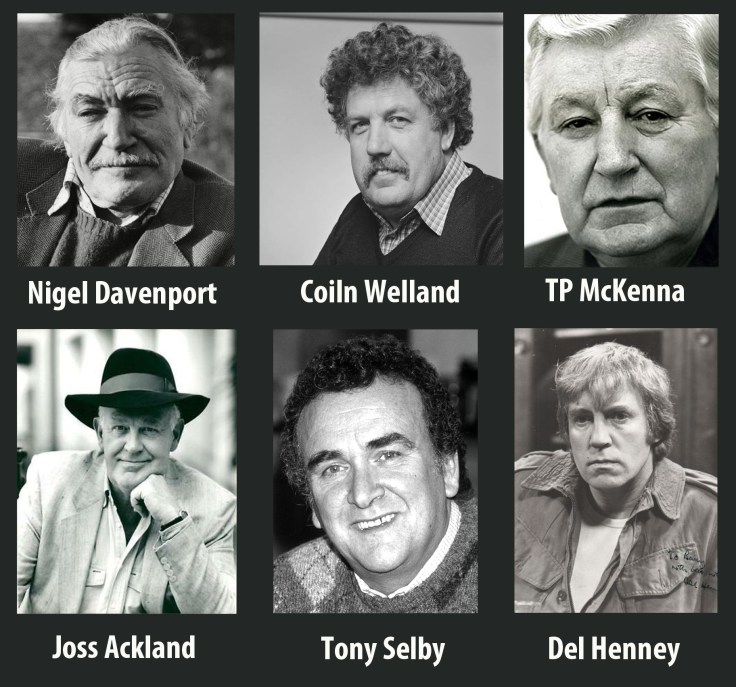

 id the film work? For me, it was something of a Curate’s Egg. Despite his passable snarling London accent, Burton never totally convinced me, even though he was never less than mesmeric when on screen. Villain will never be known as ‘the great London gangster movie’ – nothing will ever surpass The Long Good Friday – but that doesn’t make it a bad film. Donald Sinden was wonderful as the oily and glib politician, and Davenport and Welland were convincing, if hardly original, as the coppers. A final word of praise for the late, great TP McKenna. Check his filmography. He was never just the stage Irishman, but brought dignity and conviction to every role he played.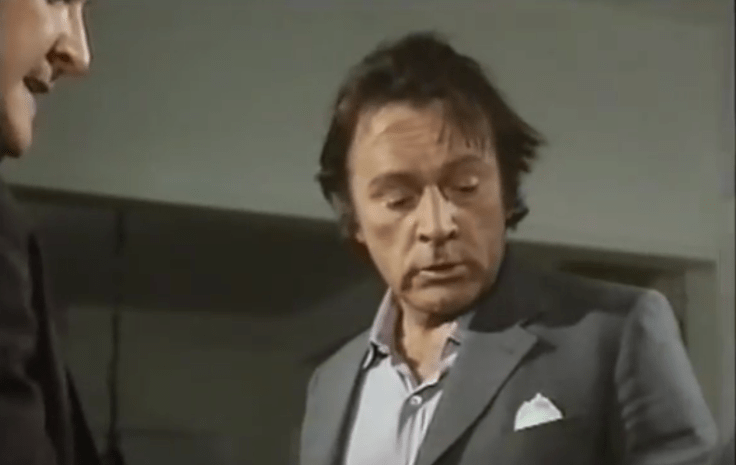

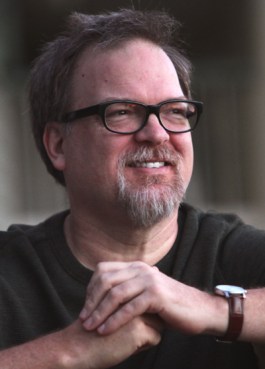 Greg Iles was born in Stuttgart where his father ran the US Embassy medical clinic. When the family returned to the States they settled in Natchez, Mississippi. While studying at the University of Mississippi in Oxford, Iles stayed in a cottage where Caroline ‘Callie’ Barr Clark once lived. Callie was William Faulkner’s ‘Mammy Callie’ and different versions of her appear in several of Faulkner’s books. Iles began writing novels in 1993, with a historical saga about the enigmatic Nazi Rudolf Hess, and has written many stand-alone thrillers, but it is his epic trilogy of novels set in Natchez which, in my view, set him apart from anyone else who has ever written in the Southern Noir genre.
 enn Cage, though, has made his own money. He is a hugely successful author, long-time DA for the County and now, after a bitter political struggle, The Mayor of Natchez. He has made many enemies in his rise to fame, not the least of which are the corrupt Sheriff Byrd and the deeply ambitious and oleaginous public prosecutor Shadrach Johnson. Cage is not without his own ghosts, however, and he is haunted by the death of his wife Sarah, crippled and then tortured by cancer. He has, however, established an unofficial second marriage with the campaigning journalist, Caitlin Masters.

 o why are the books so good? Penn Cage is a brilliant central character and, of course, he is politically, morally and socially ‘a good man’. His personal tragedies evoke sympathy, but also provide impetus for the things he says and does. Some might criticise the lack of nuance in the novels; there is no moral ambiguity – characters are either venomous white racists or altruistic liberals. Maybe the real South isn’t that simple; perhaps there are white communities who are blameless and tolerant and shrink in revulsion from dark deeds committed by fearsome ex-military psychopaths who seek to restore a natural order that died a century earlier.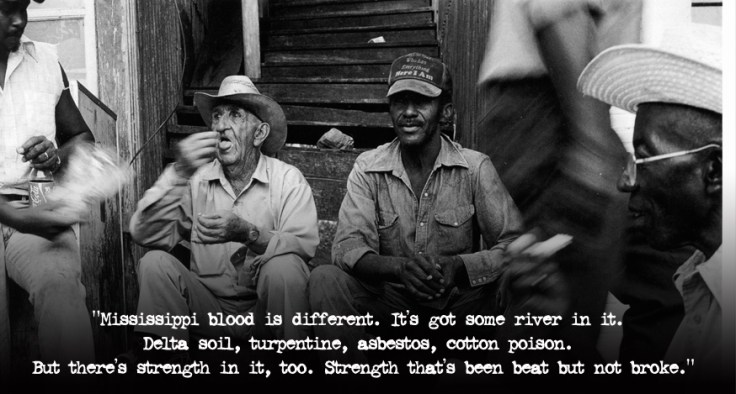


 fullybooked2017