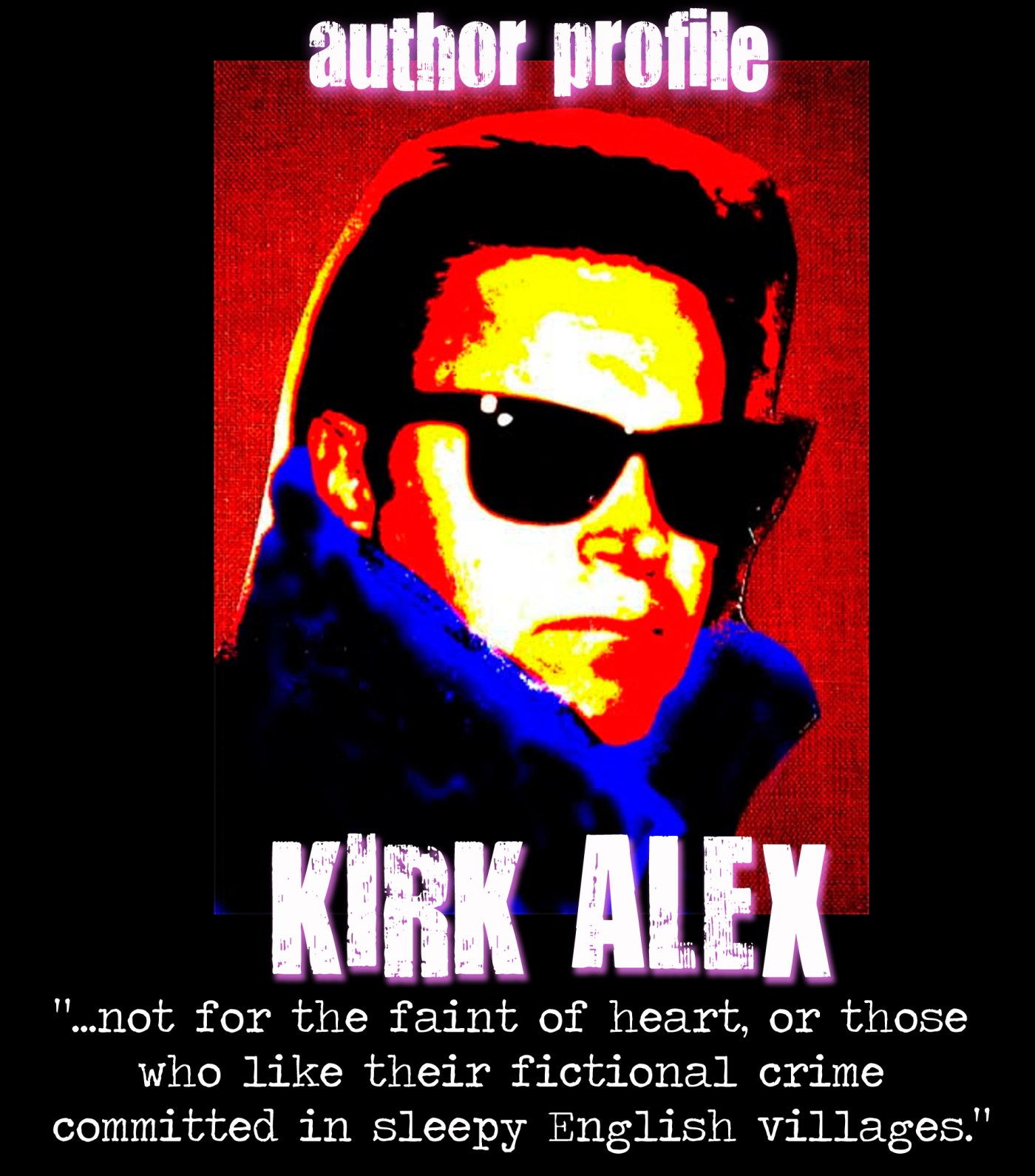

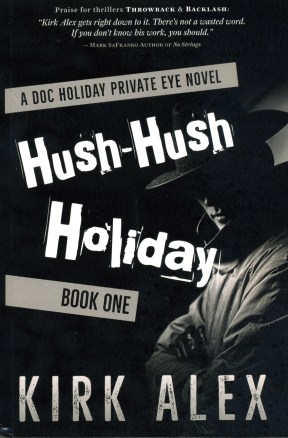
 The Tucumcari Press is based in Tucson, Arizona, and they have kindly sent me a couple of books by Kirk Alex. So who is he? He can tell us:
“I was born in Sarajevo in 1951. My family moved to Brussels when he was eight. I loved Brussels and wanted to stay on. Had the French language down in no time and wished to remain in Europe, at the least. But no, my parents felt like moving again, and there we were, two years later, U.S.-bound. Chicago, to be exact.
After finishing out my two-year military bit returned to Chicago in pretty sorry shape, dealing with bad dreams and a general state of numbness; I was dead inside. Got myself a slave-wage job not far from the Loop, picked up a typewriter for thirty bucks (on layaway; they had layaway back then) and started writing short stories. Got nowhere. After six months of that, tossed what few possessions I had (some paperbacks and clothes) into the used convertible I owned at the time, and headed west. Thought that’s what I had to do, go along with the Pull of the Mythical West, to pursue a dream or two.
I was young and naive, didn’t realize I could just as easily have remained in the Windy City like the great Nelson Algren and written my ass off right there. Live and learn. Instead, ended up in a vicious pit called L.A. for too many years to count.
 In L.A., unless you have the flashy car, luxury apartment, good paying job, you can forget about having a woman in your life to be with, any of that; so yeah, we hung in there alone. What doesn’t break you makes you stronger, so they say.
Was a furniture mover, delivered phone books door-to-door, drove a taxi, was a movie extra, did factory work, painted apartments, did TV repos even, sold rebuilt mattresses to Sunset Strip prostitutes and out-of-work Hollywood actor types. Kept writing and reading. Amassed my share of rejection slips.
Bottom line: My olivetti/LETTERA provided the only light at the end of the tunnel. Granted it may have been a weak light, still, it was the only lifeline available. Without books/writing, I might easily have ended up in a straightjacket in a rubber room somewhere, or dead.
Found myself in the jungles of ‘Nam at nineteen, ducking sniper fire and mortar shrapnel, when I wasn’t busy burning leeches off my testicles and side-stepping snakes and boobytraps.”
Kirk Alex’s novel Lustmord: Anatomy of a Serial Butcher was a finalist in the Kindle Book Review’s Best Book Awards of 2014. He is also the author of Zook, Fifty Shades of Tinsel, the story collection: Ziggy Popper at Large, and the Love, Lust & Murder series:
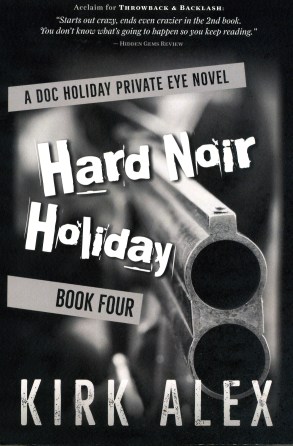
So what about the Edgar ‘Doc’ Holiday books? You might meed to be a fan of Westerns to get the nickname. The LA private eye’s near namesake (there’s an extra ‘L’) wasn’t a doctor at all, but an infamous gambler and gunfighter, who happened to be a dentist. He was a chum of Wyatt Earp, and took part in the legendary shoot-out at the OK Corral in Tombstone. One thing is for sure, the Edgar ‘Doc’ Holiday books are long – the two I have run to 573 and 631 pages respectively. Alex is also an admirer (as am I) of one of the all-time geniuses of crime fiction, and he includes a couple of quotes from the great man in the frontispiece to the books.

To give you an idea of Alex’s prose style, there’s a vivid scene (probably not for pet lovers) in Hard Noir Holiday where the detective ends up at an Arizona dogfight as part of his investigation.
“The MC waved his arms and the killers were released. NightDemon’s lunge was so fierce and carried so much force that the black pit bull not only knocked the other down, but was already plowing his jaw back into the other’s snout. He was tearing away at the left side of Max Pain’s mouth. The tan pit bull attempted to pull away and only managed to lose a chunk of his snout in the process.”
With characters called Biffle, McCrud, Jack Spot and Ilsa Goth, there is no mistaking that we are deep in Noir territory, and this novel is clearly not for the faint of heart, or those who like their fictional crime committed in sleepy English villages. I intend to make a start on these books as soon as I can fit them in around blog tour commitments, but for now, they are available on Amazon.



 I have spent longer on the biographical details of John Betjeman because, in what was his longest and most profound poem, Summoned By Bells (1960), he writes his autobiography in blank verse.
 So what are we to make of Betjeman’s poetry today, the age of cancel culture, triggered university graduates, and the most virulent class war that I can remember in my seventy-odd years of being sentient? He has been described – by lesser writers – as mediocre. His prevailing themes included the foibles and rituals of the English middle class, churches, railways, Victorian buildings and London. Hardly the stuff to bring him to the cutting edge of the literary razor in 2022, admittedly. But his detractors – or those who see him as an anachronistic bumbler, mugging it up for TV cameras and radio microphones – miss the point, big time. Time and space forced me to ignore the sheer joy found in his description of railway stations, gymkhanas, Edwardian suburbs and churches and look at his compassion. In
 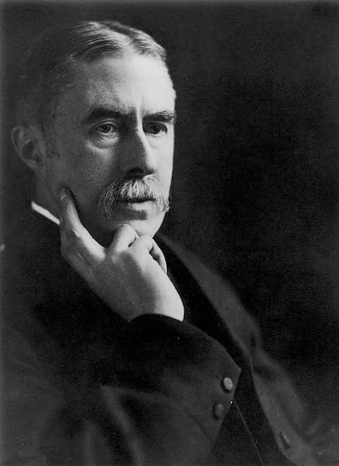 Was there ever such a yawning gulf between a man and his words as with AE Housman? By all accounts he was prissy, pedantic and and vindictive towards Cambridge undergraduate pupils who failed to meet his expectations in their studies of the classics. He was memorably described as “
 It is a matter of record that the love of Housman’s life was a fellow Oxford student, Moses John Jackson (right). The passion was in one direction only, and Jackson later placed some geographical distance between himself and Housman. So what has this to do with the poetry? The pervading theme in A Shropshire Lad is a longing, a yearning for something that can never come again, places and people irretrievably lost, a memory of earlier years. Housman never courted a lass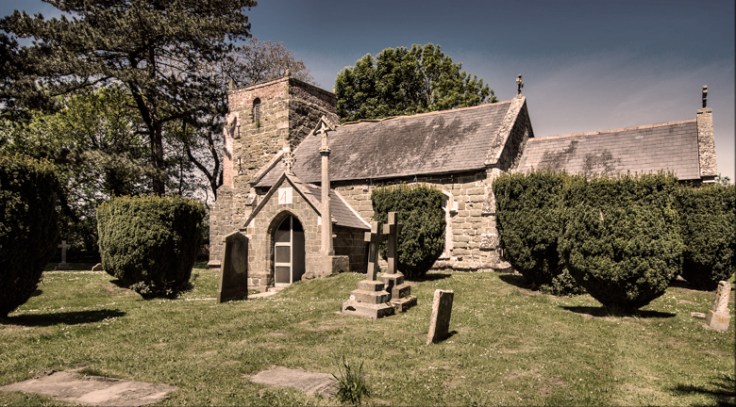
 I’ll start with Tennyson, but offer a word of caution. Look hard at his poetry and you may not see obvious indicators of his Lincolnshire roots. But let me turn it on its head. Visit the village of Somersby, an isolated and lonely hamlet deep in the Wolds of Lincolnshire, the place where he spent his boyhood. His father was rector of the church (above), and he would have wandered the isolated lanes thereabouts as a boy. The streams, the rustic bridges, the grand old houses still exist, and are little different from when he knew them. The walled garden in
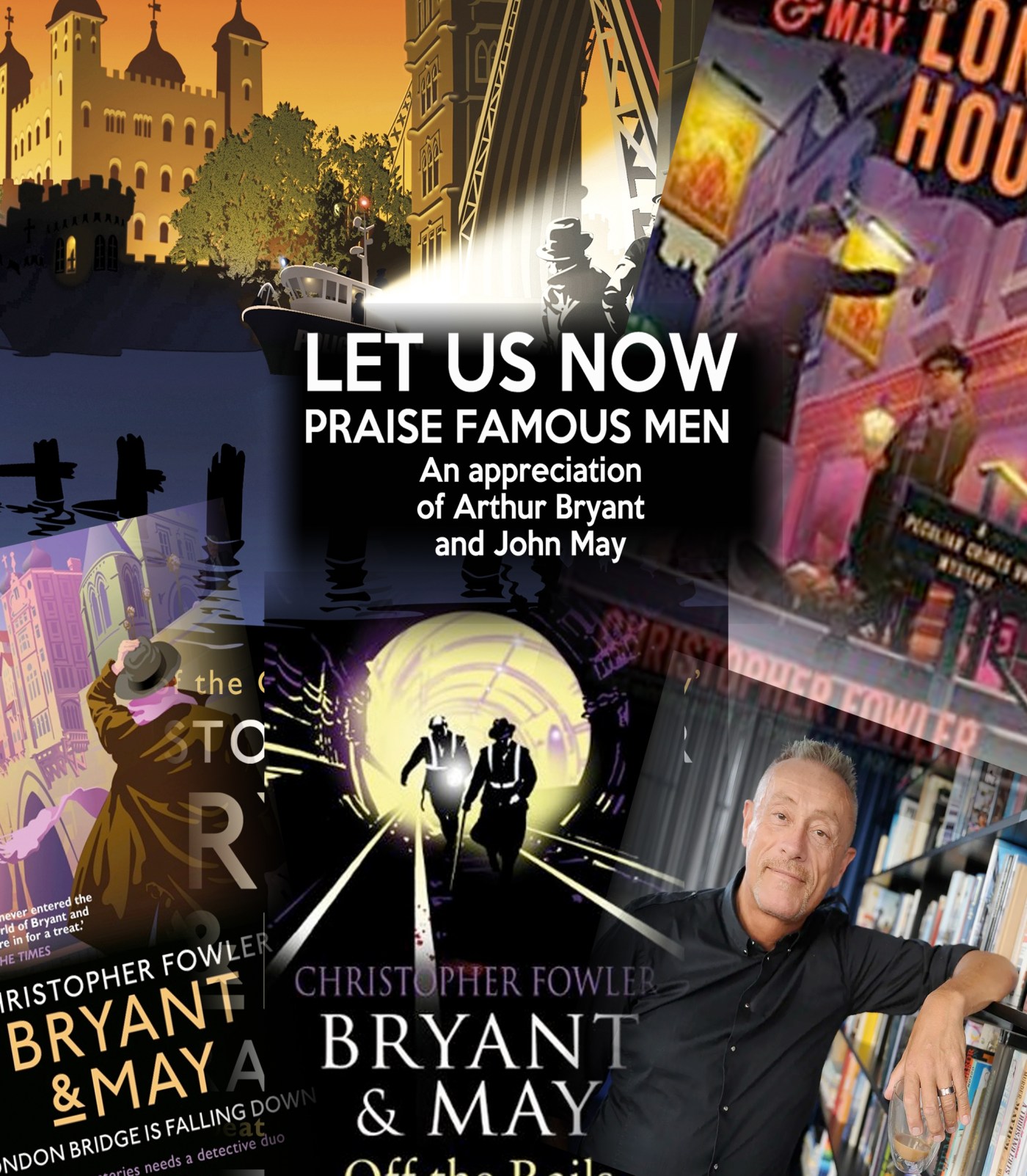







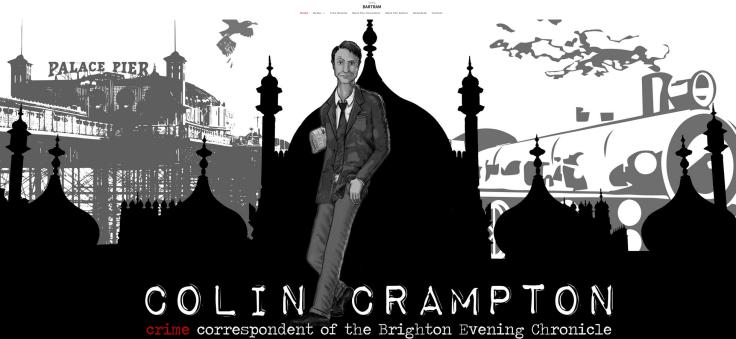

 There were nineteen B & M novels, beginning with Full Dark House in 2003, plus a quartet of graphic novels and short story collections. I say ‘were’, because although Christopher Fowler (left) is still with us, those who have read London Bridge Is Falling Down (2021) will know – and I am sorry if this is a spoiler – that old age and infirmity finally catches up with the venerable pair of detectives. Where to start to talk about this series? The author himself is, as far as I can judge, a modern and cosmopolitan fellow, but his love – and knowledge – of London is all embracing. Christopher Fowler is a one-off in contemporary writing, and completely individual, but speaking as an elderly chap with many years of reading behind me, I can best put him in context with great English writers of the last 150 years or so by looking at various aspects of the novels.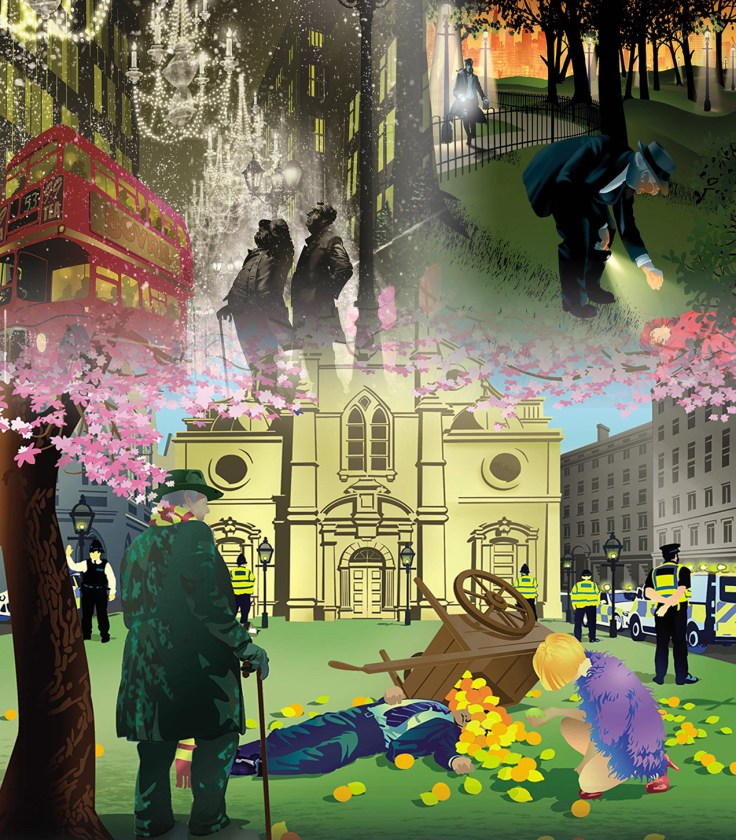



 MJ is alive and well, and still writing, and Peter Maxwell appeared as recently as 2020 with Maxwell’s Summer. The series started in 1994 with Maxwell’s House, a title which (if you were around in the 1960s) will give you some idea of MJ’s wonderful sense of English domestic history – and his inability to resist a pun. The books are highly enjoyable, but never cosy. There is a streak of melancholy never far from the surface, and we are reminded that Maxwell’s first wife died when the car they were in was involved in a fatal collision. Max has never driven since, and his trusty bicycle is a regular prop in the stories. Max eventually marries his policewoman girlfriend Jackie Carpenter, which is only right and fair, since she is the plot device that has given him a very convenient ‘in’ with local murder investigations. MJ Trow has several other CriFi series to his name, and I list them below.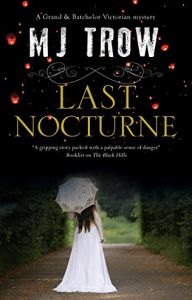
 Inspector Lestrade – in which Trow ‘rehabilitates’ the much maligned copper in the Sherlock Holmes stories. 17 novels, beginning in 1985.


 fullybooked2017