

A maintenance man is called to a nondescript block of London flats. Water is dripping through a ceiling. Up he goes to the flat above. Problem solved. It’s a broken down fridge-freezer. He opens the door of the offending item of kitchen furniture. No problem? Big problem. Among the usual items – past-sell-by yoghurts, limp lettuce, yellowing chunks of Cheddar and a couple of shriveled courgettes – is something that really, seriously, does not belong. I mean, who would put a severed hand (minus a finger) in a domestic freezer?
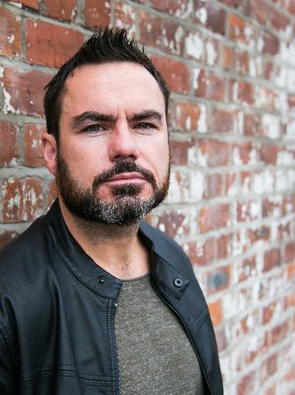 With that grim discovery acting as a starting pistol, debut author Robert Scragg (left) starts a middle-distance race to discover who murdered Natasha Barclay. For she is the person, identified by simply reading the opened mail strewn around the tomb-like flat, and checking rental records, whose hand lies in the freezer drawer.
Detective Inspector Jake Porter and Sergeant Nick Styles face enough questions to serve a whole series of University Challenge. Why did Natasha Barclay simply disappear from the radar in 1983? Is she dead? If so, where is the rest of her body? Why have those in her extended family – a stepmother and her second husband – remained silent about her disappearance. Why did her blood father shoot himself all those years ago?
Porter and Styles certainly have the required chemistry to succeed as fictional cop duos. Porter is the senior: he tries not to be trapped in a mindset dominated by the senseless death of his wife Holly, mown down by a hit-and-run driver. Porter seems to be the thinker, while Styles is the doer.
“Styles had his weakness for all things Hugo Boss, his image neat and orderly, close cropped hair, number two all over. A few had referred to him as the Met’s answer to Thierry Henry, until they saw him play five-a-side football. Porter was from Irish stock, his wardrobe more high street fashion and his appearance, while not unkempt, had a more lived-in feel to it; hair so dark it bordered on black, refusing to be fully tamed by gel, but with a sense of messy style to it.”
Porter and Styles scrape away like archaeologists. First one layer of deception is removed, then another, until they uncover substantial foundations hidden beneath decades of criminality, terrible violence and – most shocking of all – police corruption on a devastating and appalling scale. A thrilling shoot-out as a team of officers raid the HQ of the villains involved seems to bring the novel to an end, but Scragg has a couple more twists yet to apply to what is already a very complex and riveting story.
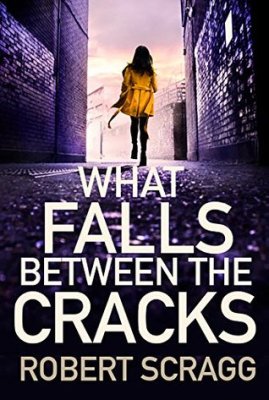 If ever there were an single implausible plot device, it might be the premise that a suburban London flat, complete with a severed hand sitting quietly in a freezer compartment, could remain untouched, unvisited and unnoticed for over thirty years. It is, however, a tribute to Robert Scragg’s skill as a storyteller that this oddity was so easily forgotten. The dialogue, the twists and turns of the plot, and the absolute credibility of the characters swept me along on the ride. Porter and Styles have made an impressive debut, and the author may well have elbowed them into that crowded room full of other fictional police partners. They are all out there; Bryant & May, Zigic & Ferrera, Rizzoli & Isles, Wolfe & Goodwin, Morse & Lewis, Jordan & Hill, Kiszka and Kershaw – watch out, you have company!
What Falls Between The Cracks is published by Allison & Busby and is available on 20th September.


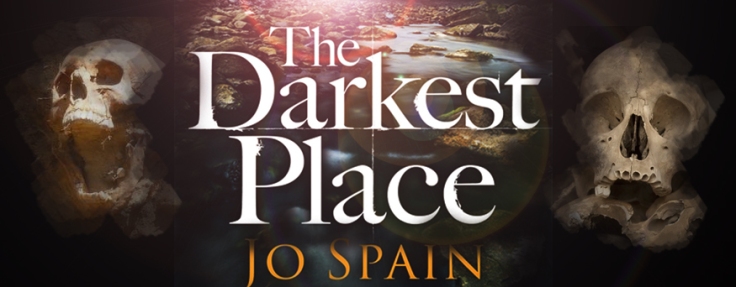
 Dublin copper DI Tom Reynolds is summoned from the dubious delights of his family Christmas to solve a murder. Readers of the previous three Tom Reynolds books might think there is little remarkable about that, but this time the corpse has been in the ground for rather longer than usual. Forty years, in fact. On the island of Oileán na Caillte, the pathologists have been disinterring corpses from a mass grave of the unfortunates who passed away as patients of the long-defunct psychiatric institution, St Christina’s. Those involved in the grim task discover nothing illegal, as all the residents of the burial pit were laid to rest in body bags, tagged and entered onto the hospital records. With one exception. That exception is the corpse of one of St Christina’s medical staff Dr Conrad Howe, who mysteriously disappeared forty Christmases ago. No body bag or tag for Dr Howe, but a rather surreptitious last resting place wedged between two other corpses.
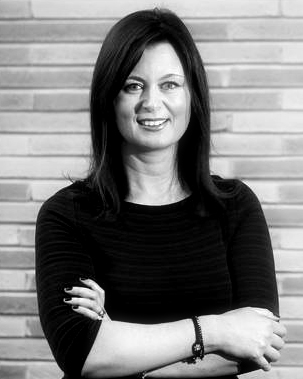 Other than that dark angel, the cast of suspects includes another former physician, now himself just days away from death, and others whose culpability in the inhuman treatment of St Christina’s patients has left psychological scars, some of which have become dangerously infected. Of course, this being, among other things, a brilliant whodunnit, Jo Spain (right) allows Tom Reynolds – and us readers – to make one major assumption. She then takes great pleasure, the deviously scheming soul that she is, in waiting until the final few pages before turning that assumption not so much on its head as making it do a bloody great cartwheel.
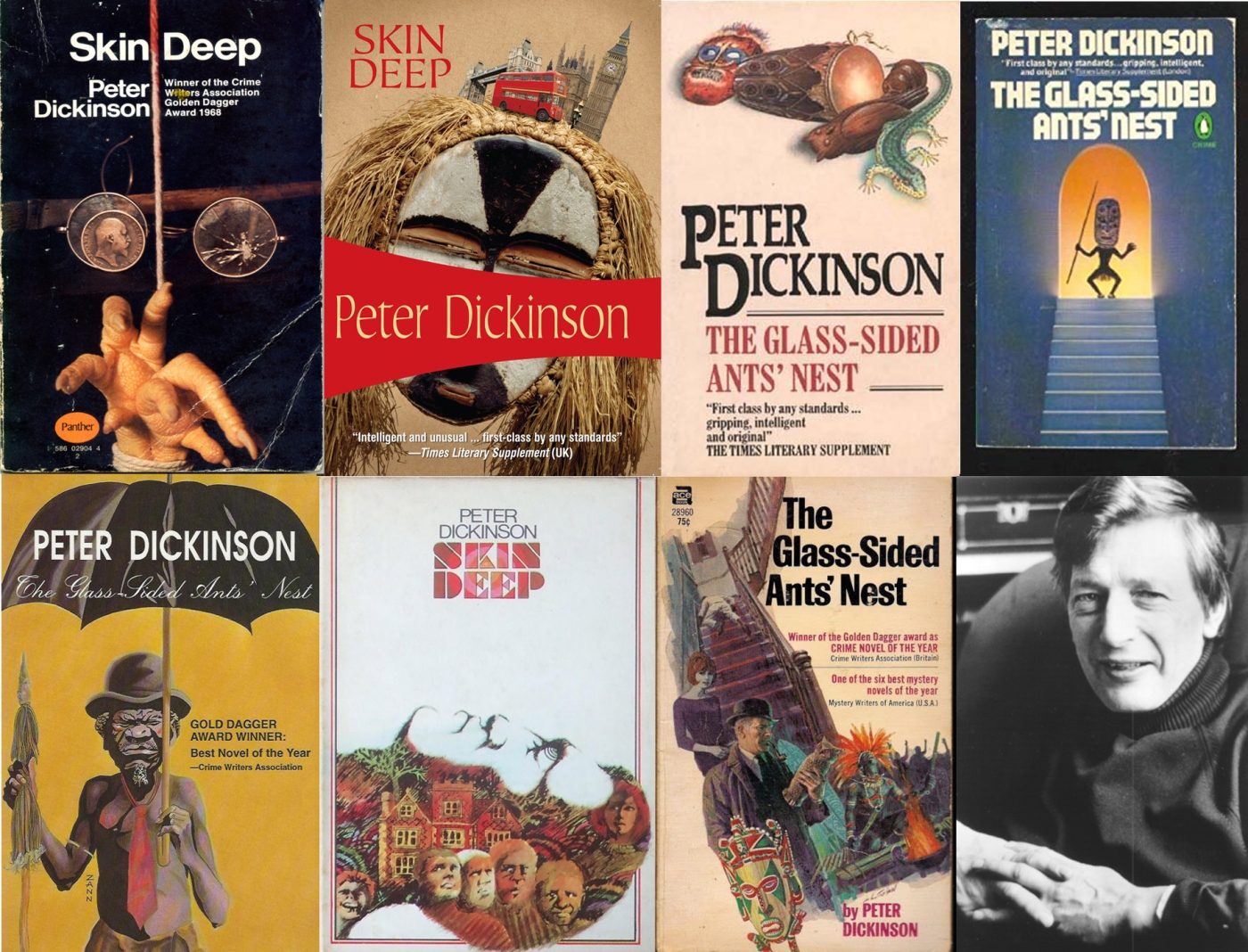
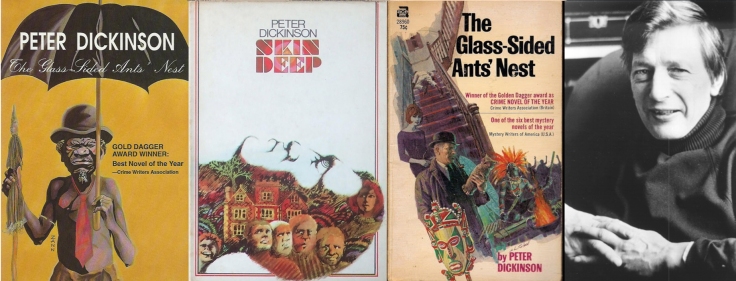
 Incidentally, I don’t think there are many Old Etonian authors around these days, but Dickinson (left) was there from 1941 to 1946, and it is tempting to wonder if he ever rubbed shoulders in those years with another Eton scholar by the name of Robert William Arthur Cook, better known to us as the Godfather of English Noir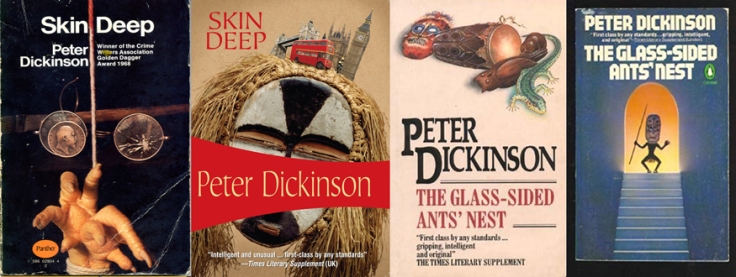
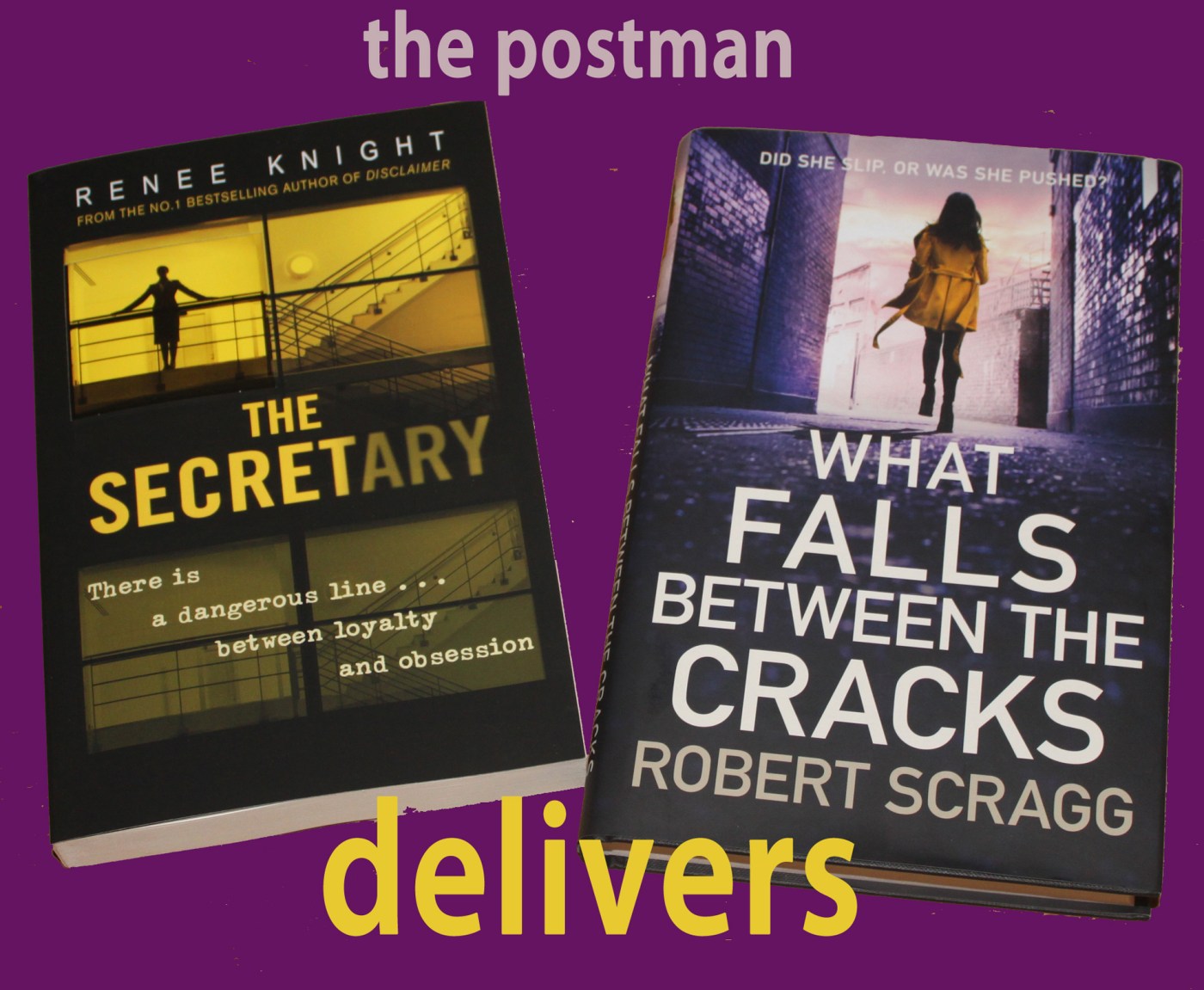

 Renée Knight worked for the BBC directing arts documentaries before beginning her writing career. She has written television and film scripts for the BBC, Channel Four and Capital Films. Her first screenplay, Mother’s Day, made it onto the 2010 Brit List of best unproduced scripts of that year.
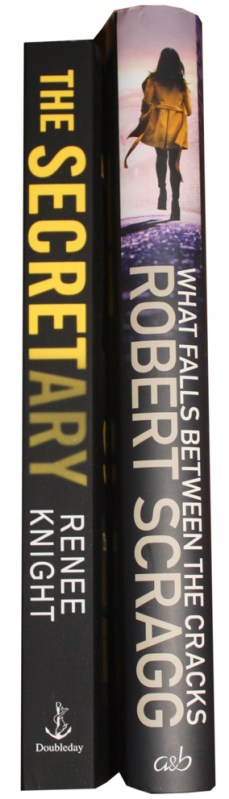 What Falls Between The Cracks is the first published novel from Robert Scragg.He is a northerner born and bred, and has had a random mix of jobs to date, including bookseller, pizza deliverer, Karate instructor, and Football Coach. He originally intended to join the legal profession, but after getting his degree, ended up with a job in Telecoms.

 James Barlow was a Birmingham-born novelist who served as an air gunner with the RAF in WWII. Invalided out of service when he contracted tuberculosis, he faced a long convalescence. He began writing at this time, and after he worked in his native city as, of all things, a water rates inspector, he made the decision to write for a living. His first novel, The Protagonists, was published in 1956, but made little impact. It wasn’t until Term of Trial (1961) that he began to make a decent living from writing, and then more because film director Peter Glenville saw the cinematic potential in the story of an alcoholic school teacher whose career is threatened when he is accused of improper behaviour with a female pupil. The subsequent film had a star-studded cast including Sir Laurence Olivier, Simone Signoret, Sarah Miles, Terence Stamp, Hugh Griffith, Dudley Foster, Thora Hird and Alan Cuthbertson.
 Term of Trial was a powerful and controversial film, but clearly had nothing to do with crime fiction. Barlow’s 1968 novel The Burden of Proof was another matter. By the time it was published, the Kray twins’ days as despotic rulers of London’s gangland were numbered. They were arrested on 8th May in that year and the rest, as they say, is history. The Burden of Proof is centred on a Ronnie Kray-style gangster, Vic Dakin. Dakin is psychotic homosexual, devoted equally to his dear old mum and a succession of pliant boyfriends, while finding time to be at the hub of a violent criminal network.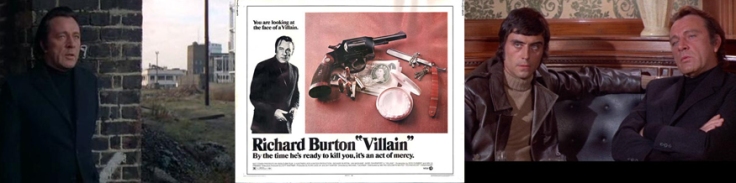
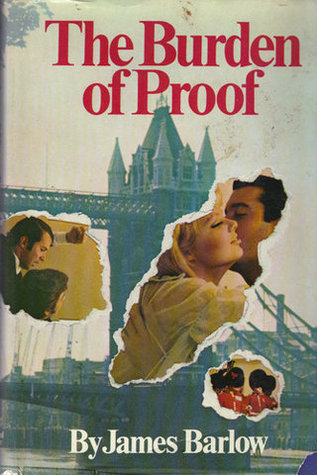 In the city which is portrayed as little more than a moral sewer, we have the vile Dakin and his criminal associates; we have an earnest and incorruptible copper, Bob Matthews who Barlow sets up – along with Bob’s mild-mannered and decent wife Mary – as the apotheosis of what England used to be before the plague took hold. We have Gerald Draycott, a dishonest and manipulative MP who flirts with the dangerous world of gambling clubs, casinos, girls-for-hire and drugs-for-sale, but still dreams of becoming a cabinet minister.
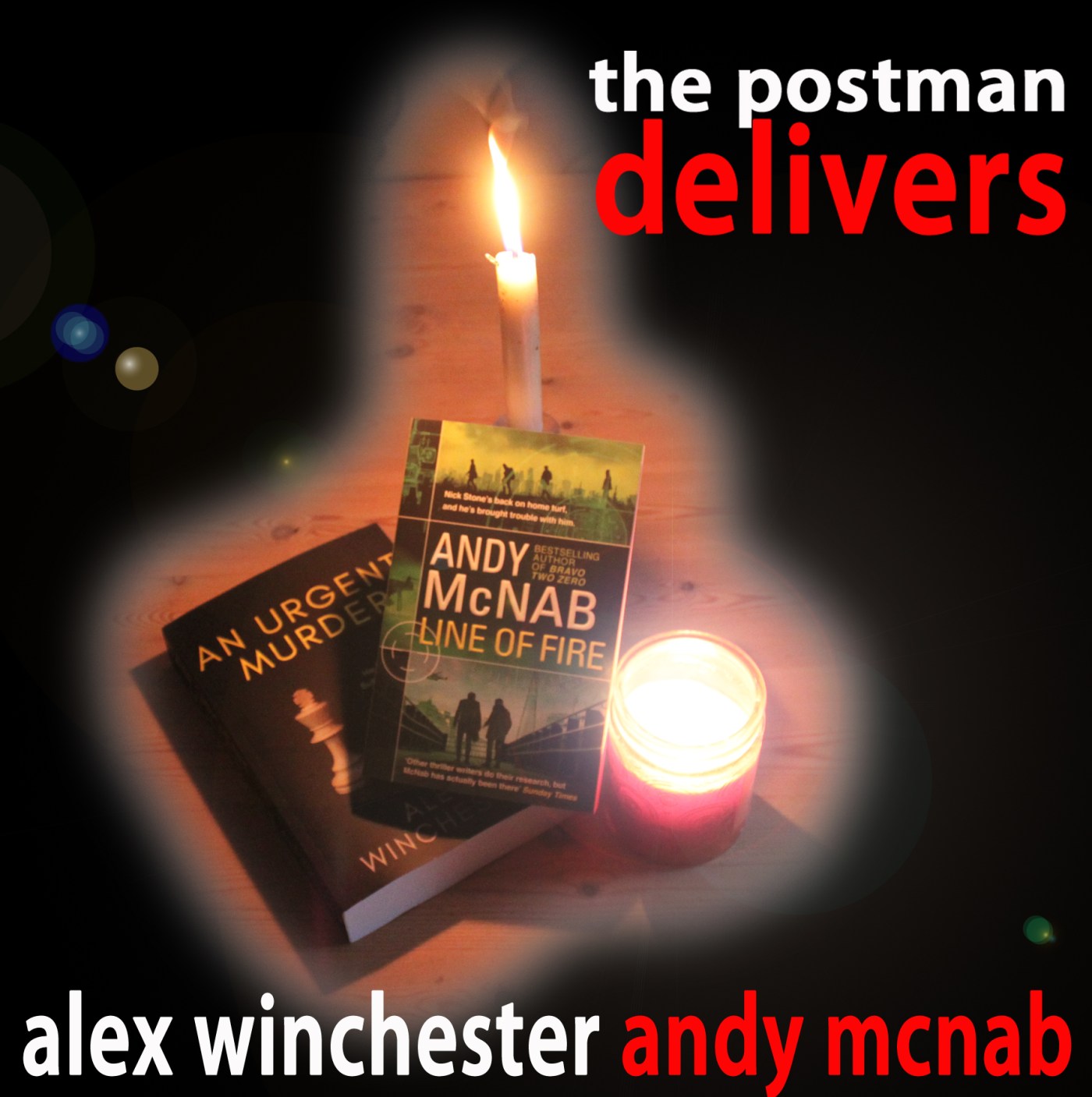

 It is tempting to add the cliché “who needs no introduction” but it won’t hurt to remind potential readers that the man known as Andy McNab is, in real life, a highly decorated soldier. You don’t receive the Distinguished Conduct Medal for services to military administration, nor is the Military Medal awarded for excellence in ceremonial drill. McNab’s most popular fictional hero returns in Line of Fire, and former Special Forces operator Nick Stone is, as usual, up to his eyes in trouble. He has been given the job of taking out an unusual target. One, it’s a woman and, two, she is a hacker so skilled that her clattering keyboard can potentially disrupt commerce, destroy communications and bring down governments. Line of Fire is published by Corgi/Transworld/Penguin Random House and will be available
 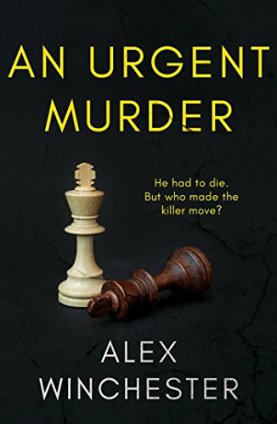 Ex Met-Police detective Winchester says of his debut novel:

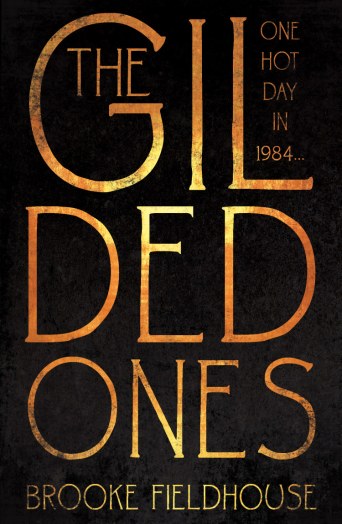
 This is a curious and quite unsettling book which does not fit comfortably into any crime fiction pigeon-hole. I don’t want to burden it with a flattering comparison with which other readers may disagree, but it did remind me of John Fowles’s intriguing and mystifying cult novel from the 1960s, The Magus. I am showing my age here and, OK, The Gilded Ones is about a quarter of the length of The Magus, it’s set in 1980s London rather than a Greek island and the needle on the Hanky Panky Meter barely flickers. However we do have a slightly ingenuous central character who serves a charismatic, powerful and magisterial master and there is a nagging sense that, as readers, we are having the wool pulled over our eyes. There is also an uneasy feeling of dislocated reality and powerful sensory squeezes, particularly of sound and smell. Author Brooke Fieldhouse (left) even gives us female twins who are not, sadly, as desirable as Lily and Rose de Seitas in the Fowles novel.
 Lloyd Lewis is the Magus-like figure. He is so thumpingly male that you can almost smell him, and he rules those around him, with one exception, with an almost feral ferocity. So who are ‘those around him’? Ever present psychologically, but eternally absent physically, is his late wife Freia, the subject of Pulse’s dream. Martinique is Patrick’s girlfriend, and loitering in the background are his children, step-child and office gofer Lauren. Lauren, who has “thousand-year-old eyes”, is of the English nobility, but quite what she is doing in the Georgian townhouse we only learn at the end of the book. The one person to whom Patrick defers is his Sicilian friend Falco. Equalling the Englishman’s sense of menace, the sinister Falco appears briefly but is, nonetheless, memorable.


 Also Sprach, in no particular order (put the name to the quote for a bit of fun, but no prizes, sadly) Napoleon, Jack Nicholson, Hitler, Sartre, and Nietzsche. In this brilliant new novel by Simon Lelic we have, in theatrical terms, an intense two-hander between Susanna (a counsellor) and Adam (a troubled young man). Just a couple of problems here, though. First, neither person is exactly who they claim to be and, second, Adam has abducted Susanna’s daughter Emily and, for reasons which emerge as this extraordinary dialogue develops, wants her dead.
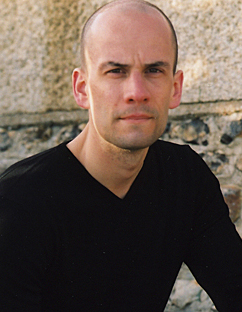 is a writer who views the human condition with what some might term a jaundiced eye, as witnessed in his previous novel,


 Lowery sets out his narrative stall with those four threads which will eventually weave together to powerful effect. Ibrahim, his puppet strings pulled from afar courtesy of the internet, plans a terrorist bomb attack which goes spectacularly wrong and he goes on the run. A revered and respected fighter, Karl, has to watch in frustration while his ISIL soldiers are outgunned and overwhelmed by coalition forces, and his position is undermined by over-promoted jobsworths in his own organisation. Faqir has finally had enough of living in the shell-torn morgue that Mosul has become, and gathers together his hard-earned savings and is determined to find a better life for his family. Battling German privacy laws which prevent him from publishing photos of his suspect, Kellerman presses on and is determined to bring his man to justice.
 This is a big, sprawling novel – nearly 450 pages – but it is grimly readable. I say ‘grimly’ because it goes behind bland newspaper headlines and ten-second TV news video clips, to reveal the whole Iraq – Syria situation as the ruinous, depressing and insoluble shambles it has become. It would be impossible to write a novel like this with it being political, but I don’t think Lowery (right) allows himself to become partisan. For sure, he pulls no punches in his scathing depiction of the social intolerance of many Muslim communities, and the genocidal fanaticism of ISIL which is as close to mental illness as makes no difference. He is, however, just as clear sighted in his scepticism about the real reasons why America and its allies – most pointedly Britain – became involved in Iraq in the first place.


 fullybooked2017