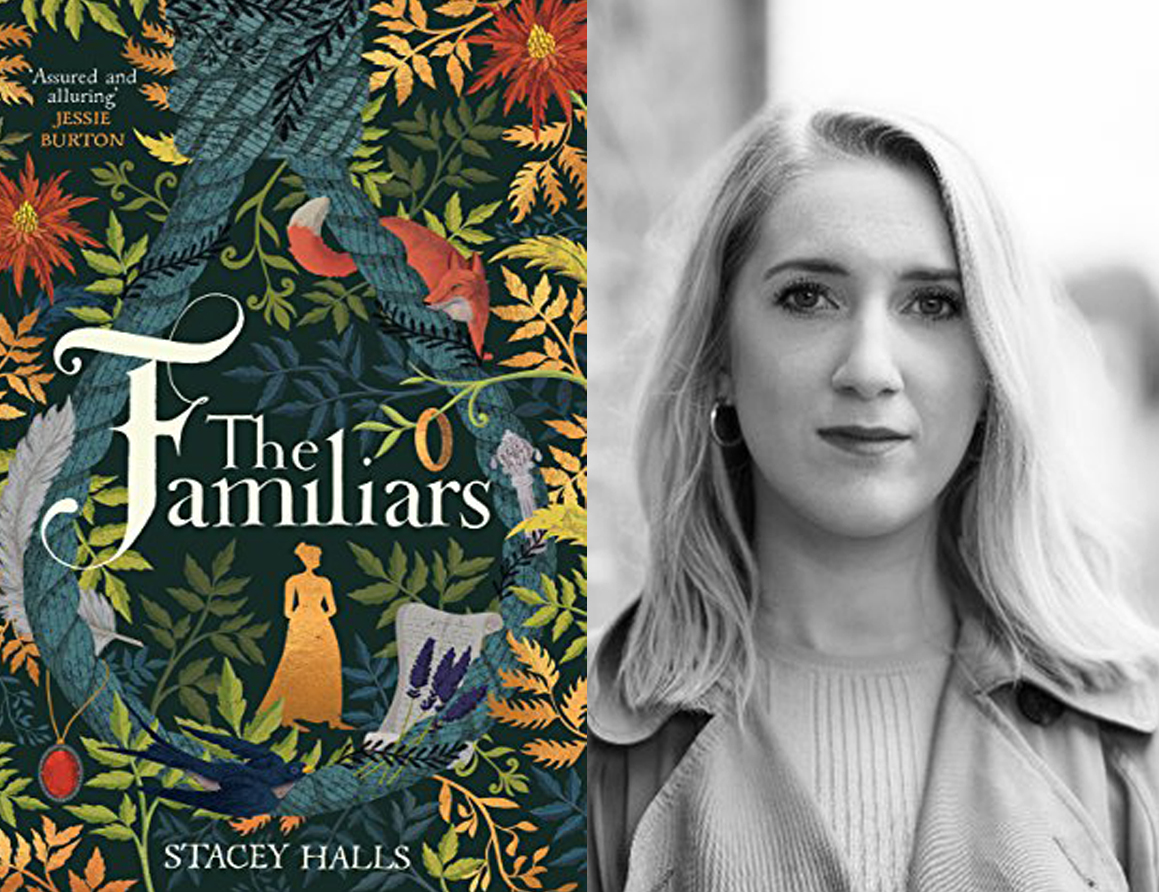
 AT THE APPROPRIATELY NAMED DEAD DOLLS HOUSE in Islington, the inventive folks at publishers Bonnier Zaffre launched Stacy Halls’ novel The Familiars with not so much a flourish as a brilliant visual fanfare.
The novel was at the centre of a vigorous bidding war and, having won it, Bonnier Zaffre celebrated in style. The book is set in seventeenth century Lancashire, and the drama plays out under the lowering and forbidding bulk of Pendle Hill. If that rings a bell, then so it should. The Pendle Witch Trials were a notorious example of superstition and bigotry overwhelming justice. Ten supposed witches were found guilty and executed by hanging.
Stacey Halls takes the real life character of Fleetwood Shuttleworth, still a teenager, yet mistress of the forbidding Gawthorpe Hall. Despite being only 17, she has suffered multiple miscarriages, but is pregnant again. When a young midwife, Alice Grey, promises her a safe delivery, the two women – from such contrasting backgrounds – are drawn into a dangerous social upheaval where a thoughtless word can lead to the scaffold.
Back to modern London. Francesca Russell, now Publicity Director at Bonnier Zaffre, has masterminded many a good book launch, and she and her colleagues were on song at The Dead Dolls House. We were able to mix our own  witchy tinctures using a potent combination of various precious oils. I went for Frankincense with a dash of Patchouli. I managed to smear it everywhere and such was its potency that my wife was convinced that I had been somewhere less innocent than a book launch.
We were encouraged to give a nod to the novel’s title, and draw a picture of our own particular familiar, and pin it to a board for all to see. I decided to buck the trend towards foxes, cats and toads, and went for a fairly liberal interpretation of that modern icon, the spoilt and decidedly bratty Ms Peppa Pig.
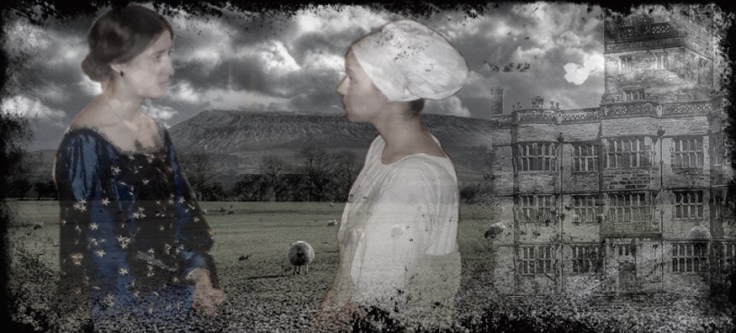
The absolute highlight and masterstroke of the evening was, however, a brief dramatisation of a scene from the novel. Gemma Tubbs was austere and elegant as Fleetwood, while Amy Bullock, with her Vermeer-like simple beauty, brought Alice to life.
That’s the good news, and I have a copy of the novel. The bad news is that it isn’t out on general release until February 2019. Here’s wishing everyone a happy winter, and I hope you all survive another one. If you need an incentive to get through the long hours of cold, darkness and northern gloom, The Familiars should fit the bill. It will be published by Bonnier Zaffre and can be pre-ordered here.


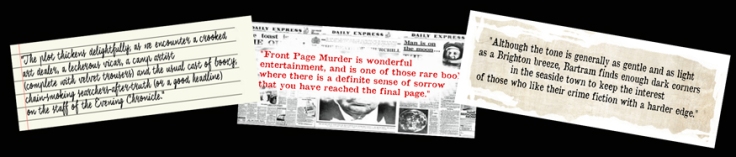
 Peter Bartram (left) is an old school journalist who has turned his life’s work into an engaging crime series set in 1960s Brighton, featuring the resourceful reporter on the local paper, Colin Crampton. Peter now reveals how he came to invent his alter ego. You can read reviews of three Crampton of The Chronicle novels by clicking the title links below.
 And that was when I remembered my first news editor. I never saw him without a Woodbine hanging off his lower lip. And so Frank Figgis, news editor of the Evening Chronicle, was born. Of course, there was still lots to think about – especially more regular characters. But with Colin (right) and Frank I felt I was on my way. Both of them have big roles to play – along with other regulars, especially Colin’s girlfriend Shirley Goldsmith – in the latest tale The Mother’s Day Mystery.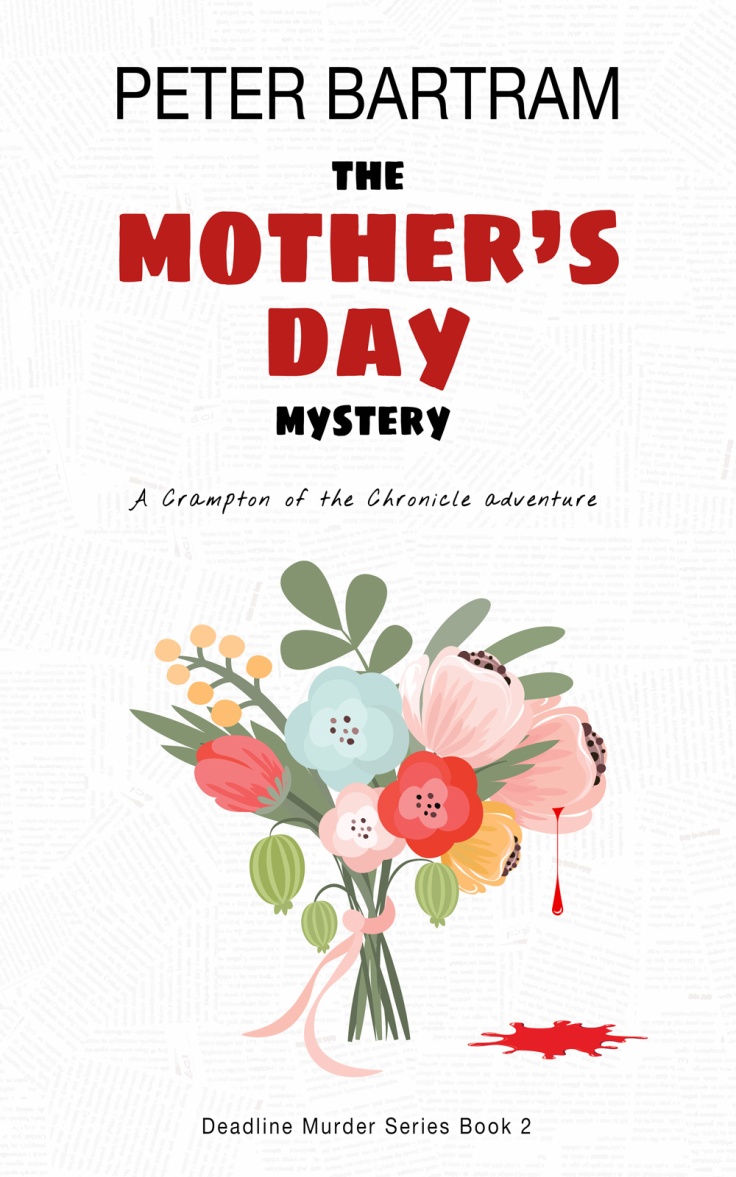

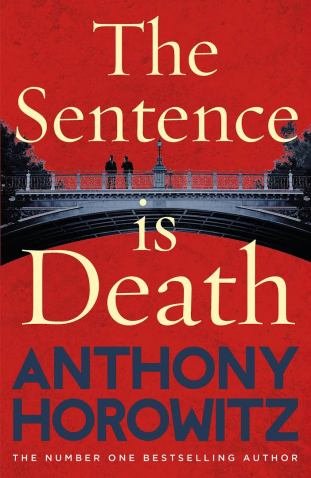 For those of you who are unfamiliar with the first book in this series, The Word Is Murder (and you can read my review
  The abundance of questions will give away the fact that this is a tremendous whodunnit. Horowitz (right) tugs his forelock in the direction of the great masters of the genre and, while we don’t quite have the denouement in the library, we have a bewildering trail of red herrings before the dazzling final exposition. But there is more. Much, much more. Horowitz’s portrayal of himself is beautifully done. I have only once brushed shoulders with the gentleman at a publisher’s bash, so I don’t know if the self-effacing tone is accurate, but it is warm and convincing. More than once he finds himself the earnest but dull Watson to Hawthorne’s ridiculously clever Holmes.
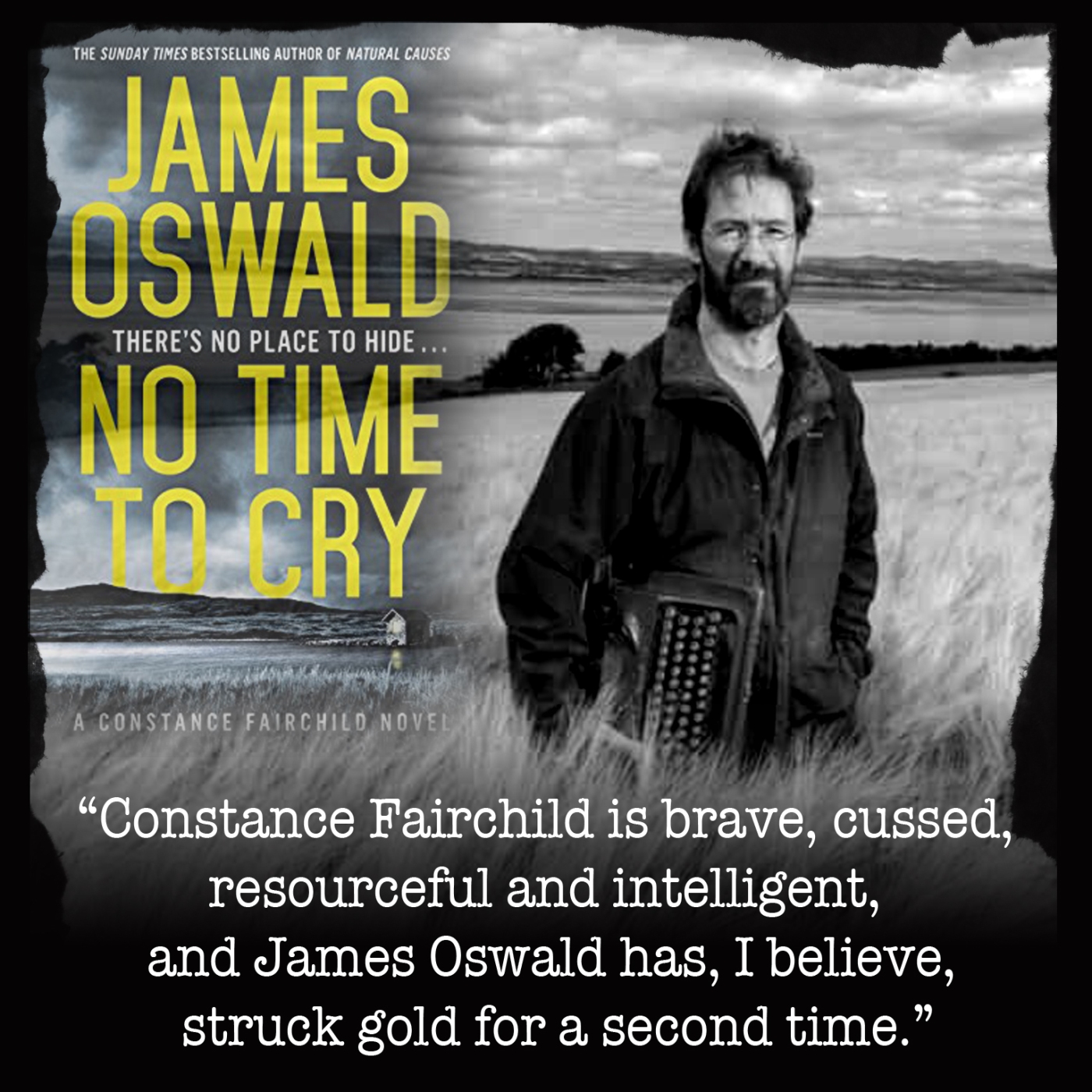

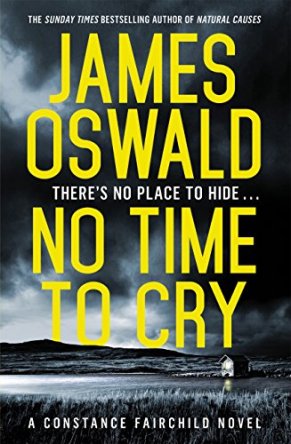 James Oswald’s Tony McLean has not met with a Reichenbach Falls accident, but at the end of
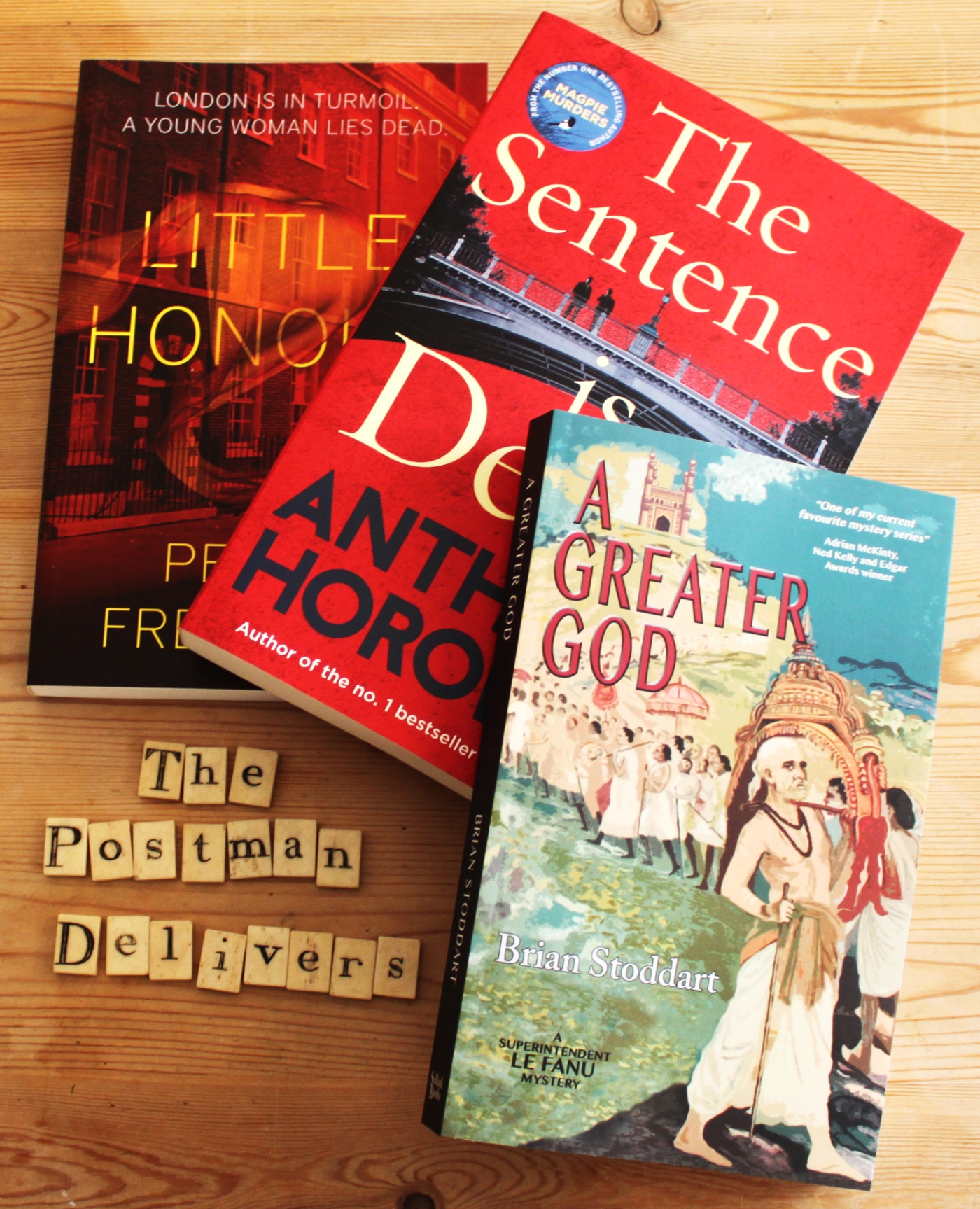

 Penny Freedman (left) has been many things; a teacher, theatre critic, actor, director, counsellor and mother, but she also writes intriguing crime fiction. Her heroine Gina Gray has appeared in previous novels including Weep A While Longer and Drown My Books, but now we learn more about her granddaughter Freda, in a murder mystery which encompasses hate crime in a post-referendum London, the arcane world of legal chambers in Grey’s Inn and – for good measure – a missing dog. Available now, Little Honour is published by
  Anthony Horowitz has a glittering array of successes on his CV, including reincarnations of both Sherlock Holmes and James Bond , Foyle’s War, and the Alex Rider series. This is the latest book in a more recent series centred on a London private investigator, Daniel Hawthorne. When a high profile lawyer best-known for handling celebrity divorces is found dead in his luxury home overlooking Hampstead Heath, the police investigation gets nowhere, and they reluctantly bring in former copper Hawthorne. Hawthorne’s usual cool detachment from the case is disturbed when he becomes personally involved, with his own life very much on the line. The Sentence Is Death will be on the shelves on 1st November and is
  One of my favourite historical policemen returns in the latest episode in the eventful life of Superintendent Chris Le Fanu. We are in Madras (Chennai) in the 1920s, and while the British grip on India is becoming weaker and weaker, there is still police work to be done. The city is blighted by a wave of violent clashes between Muslims, revolutionaries, and the blundering attempts by Le Fanu’s boss to restore order. Expect a brilliant narrative, impeccable historical background and authentic dialogue. A Greater God is published by Selkirk Books and will be

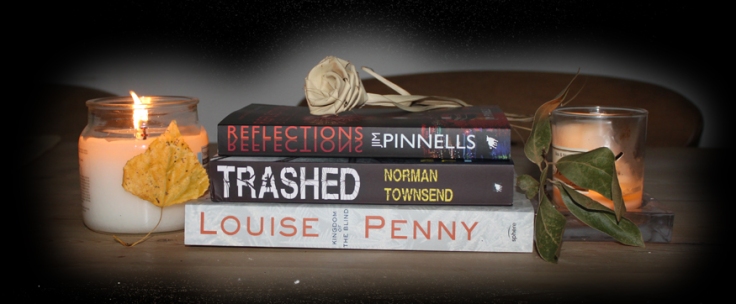
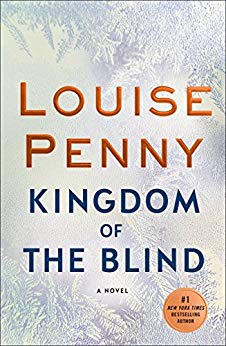 Chief Inspector Armand Gamache
 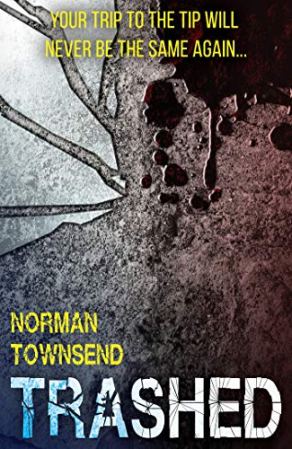 Some ex-military men find that civilian life is hard to deal with, but Paul Stafford is coping well. He has used his retirement pot to start a small recycling business and everything in the scrapyard seems to be rosy, until he wins a lucrative contract to run a further five sites. What should be a business triumph turns into a nightmare for Stafford when he realises that his new sites have been previously used by a powerful criminal organisation, and the bad guys do not take kindly to their work being interrupted. Murder and violence come as second nature to them, and when his own employees begin to feel the full clout of the gangsters, Stafford must stand and fight – both for them and his own integrity.
 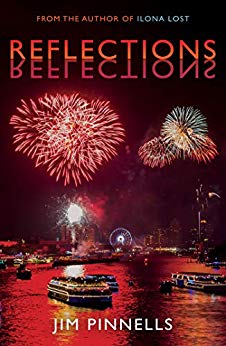 Jim Pinnells is an international project manager who has worked in such diverse concerns as the oil industry, military hardware, renewable technology and national security. His knowledge of Thailand stems from a spell there working for the UN, and Reflections is set in Bangkok, where a poignant human drama is played out against a backdrop of one of the world’s most secretive criminal enterprises – the trade in human blood. Ed and Diana seem to have it all – beauty, talent and love for each other – but when their first child is born irreparably brain damaged, their world fall apart. Ed pursues the heartbroken to Diana to Thailand but a case of mistaken identity plunges him into a nightmare world of violence, kidnap and espionage. Reflections is published by Troubador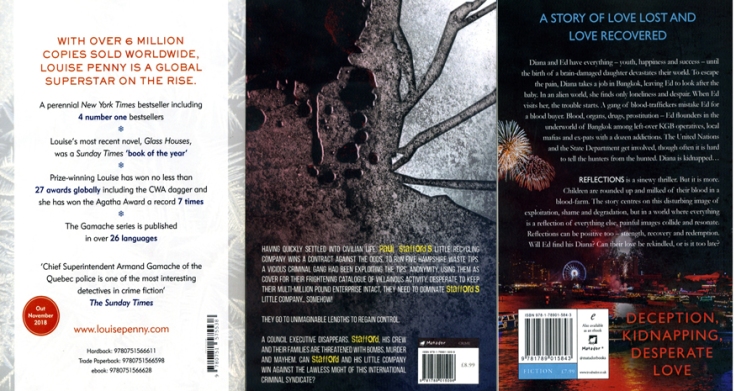


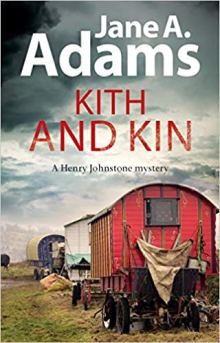 Coming across a very, very good book by an author one has never encountered before and then realising that she has been around for a while is a shock to the system, and if the downside is that the experience further highlights one’s own ignorance, then the blessing is that as a reviewer and blogger, there is something new to shout about. Jane A Adams made her debut with The Greenway back in 1995, and has been writing crime fiction ever since, notably with four-well established mystery series featuring Mike Croft, Ray Flowers, Naomi Blake and Rina Martin. She began the saga of London coppers Henry Johnstone and Micky Hitchens in 2016, with The Murder Book. Their latest case is Kith and Kin.
 The period is set to perfection, and Adams (right) skilfully combines past, present and future. The past? There can scarcely have been a man, woman or child who escaped the malign effects of what politicians swore would be the war to end wars. The present? 1928 saw devastating flooding on the banks of the River Thames, a book called Decline And Fall was published, and in Beckenham, not a million miles away from where this novel plays out, Robert ‘Bob’ Monkhouse was born. The future? Johnstone’s sister, who has married into money, has a head on her shoulders, and senses that in the financial world, a dam is about to break – with devastating effects.

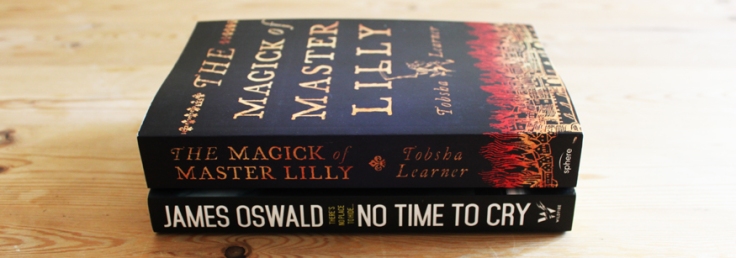

 The Tony McLean novels have established James Oswald as one of the stars in the current British crime fiction firmament. We reviewed the most recent,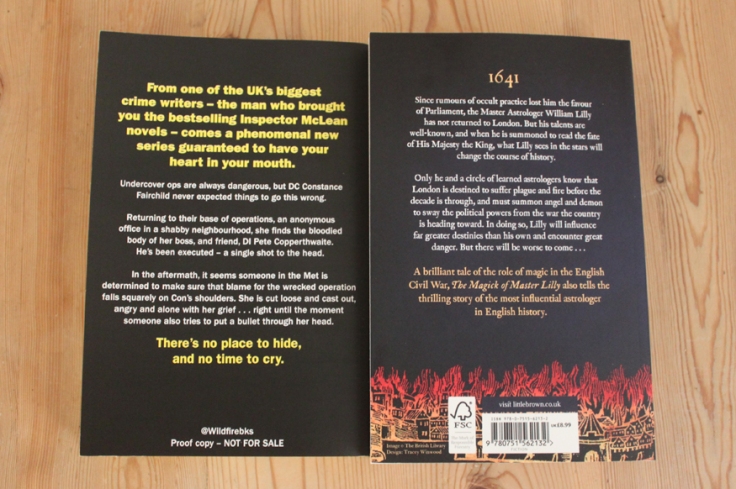


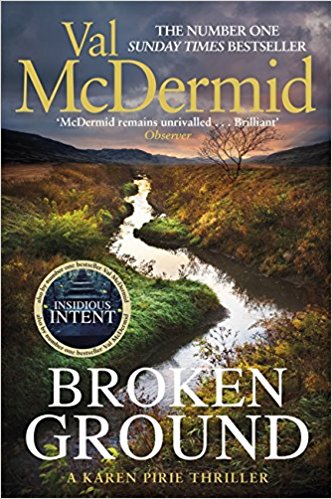 The Body In The Bog is a nicely alliterative strapline normally used to liven up reports of archaeologists discovering some centuries-old corpse in a watery peat grave. The deaths of these poor souls does not usually involve an investigation by the local police force, but as Val McDermid relates, when the preserved remains are wearing expensive trainers, it doesn’t take the tenant of 221B Baker Street to deduce that the chap was not executed as part of some arcane tribal ritual back in the tenth century.
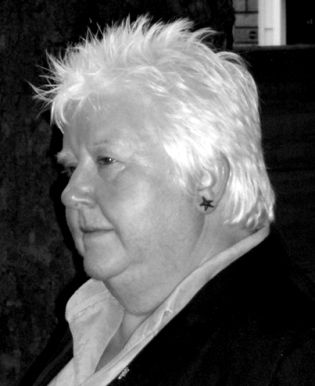 If music halls were still in vogue, McDermid would be the dextrous juggler, the jongleur who defies gravity by keeping several plot lines spinning in the air; spinning, but always under her control. There is the Nike bog body, a domestic spat which ends in savagery, a cold-case rape investigation which ends in a very contemporary tragedy, and an Assistant Chief Constable who is more concerned about her perfectly groomed press conferences that solving crime. They say that the moon has a dark side, and so does Edinburgh: McDermid (right) takes us on a guided tour through its majestic architectural and natural scenery, but does not neglect to pull away the undertaker’s sheet to reveal the squalid back alleys and passageways which lurk behind the grand Georgian facades. We slip past the modest security and peep through a crack in the door at a meeting in one of the grander rooms of Bute House, the official residence of Scotland’s First Minister, even getting a glimpse of the good lady herself, although McDermid is far too discreet to reveal if she approves or disapproves of Ms Sturgeon.


 fullybooked2017