

The TBR pile is beginning to look menacing, but that’s fine. It’s January. It’s bleak outside. The rain sluices against the window panes. The central heating is working a treat, so all is good. How do I find the time? It’s called being retired, and I can thoroughly recommend it. So, in alphabetical order of author, here we go.
RUN AWAY by Harlan Coben
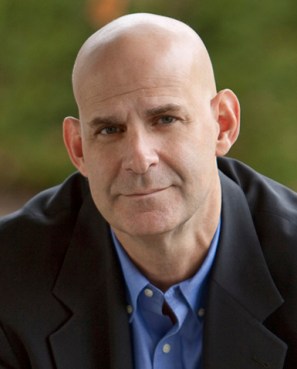 One of the more reliable tropes in crime fiction, and one that never fails to hit a nerve, is the one about the father whose daughter is taken from him by fate, circumstance or – memorably in the case of Bryan Mills/Liam Neeson – by the bad guys. In this case, however, Simon Greene has lost his daughter to a more complex enemy – drugs, disenchantment and mental instability. Greene’s wife has had enough of the wayward Paige and has shut her out of her life, but Greene never stops looking. And then he finds her. Emaciated, filthy, and addicted. His determination to follow her down into her own private hell and bring her back is a terrifying journey through New York’ dark side, and a stark portrait of human obsession. Century will be publishing Run Away on 21st March, and there’s plenty to read about Harlan Coben on the Fully Booked website
TOO CLOSE by Natalie Daniels
 Natalie Daniels is the pseudonym for screenwriter, author and actress Clara Salaman who starred as DS Claire Stanton in the long running British TV cop show The Bill. Her talent as a writer is on display here in a psychological drama about a woman who wakes up in a secure mental hospital, her hair torn out in clumps, emaciated and with no memory of how she got there. What is the connection between Connie’s present state and the friendly lady she met in the park watching their children play? Can psychiatrist Emma Robinson untangle the twisted knots that make up Connie’s memory, and come anywhere near to rationalising what Connie has done? Transworld Digital brought out Too Close in November 2018 as a Kindle, but people who like to get their hands on the printed page can get a paperback version on 7th March.
THE PASSENGERS by John Marrs
 If you are long in the tooth and a bit ‘old school’ like me, you may well share my bafflement at the concept of driverless cars. It will all end in tears, I say, and this entertaining mixture of crime fiction and SciFi may add weight to my argument. Eight driverless cars set off on their separate journeys. The passengers are: a TV star, a pregnant young woman, a disabled war hero, an abused wife fleeing her husband, an illegal immigrant, a husband and wife – and parents of two who are travelling in separate vehicles – and a suicidal man. What could possibly go wrong? Someone hacking into the IT system which controls these vehicles is precisely what goes wrong, with predictably disastrous consequences. Marrs is the author of best sellers The One, The Good Samaritan, When You Disappeared, Welcome to Wherever You Are and Her Last Move. The Passengers will be out in Kindle on 1st April, and there will be a paperback version from Del Rey at the end of May.
TAKEN by Tony Parsons
 There are few modern writers who know London as well as Tony Parsons, and his intrepid London copper Max Wolfe gets to explore the many nooks and crannies, foibles, eccentricities – and dark places – of England’s capital in the course of his investigations. When a gangland revenge kidnapping goes spectacularly wrong, Wolfe is drawn into the nightmare world of London’s underbelly, and he is pitted against men for whom power, money, sex and horrific violence are simply tools of their trade. I am a huge fan of Tony Parsons and his Max Wolfe novels, so while you wait for Taken to appear – on 18th April – check out my reviews of Die Last and Girl On Fire.
NO ONE YOU KNOW by Michelle Richmond
 Ellie Enderlin’s life has been blighted by the unsolved murder of her sister. Lila’s death cast its black shadow over her parents, too, but when Ellie finds her sisters notebook what she reads opens up the possibility that Lila’s killer may, at last, be identified. Knowledge, however, rarely comes without a price, and as Ellie reconstructs her sister’s life – and death – she comes to realise that when heavy stones are lifted, there may be unpleasant things scuttling around underneath. Set in San Francisco, this first came out in 2008, and second hand copies can be picked up fairly easily, but this is a brand new paperback reissue, and is out now,
KARIM, KING OF ENGLAND by Baz Wade
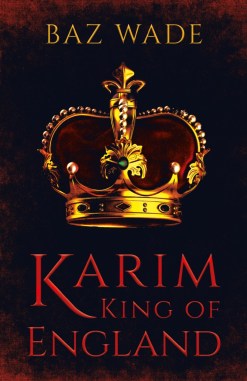 This is a futuristic political thriller which takes as its subtext the anxieties many British people share about the rise and rise of Islam in the commercial, educational and social life of the country. Readers will not need subtitles to recognise the real-life palimpsest of this story, where a dazzling English princess bears a child whose father is a wealthy middle-eastern playboy. Karim is that child, and when he returns to England after a Muslim upbringing in Dubai, he becomes involved in a political and social struggle which threatens to engulf the country, and turn his golden dreams into ashes. Karim, King Of England came out late last year and is readily available.


 Thus begins another case for Professor Matt Hunter, a university lecturer in religion and belief. He has previously helped the police in cases which involve sacred or supernatural matters (see the end of this review) and he is called in when it becomes clear that the wielder of the axe was none other than the teenage son of the Reverend David East, and that the boy was under the spell of a cult of deviant Christians whose central belief is that God The Father is a brutal tyrant who murdered his only son. They are also convinced that all other humans but them are ‘Hollows’ with evil in their eyes. Consequently, they shun all contact with the outside world, and live in a remote farmhouse, deep in the hills at the end of a rutted farm track.
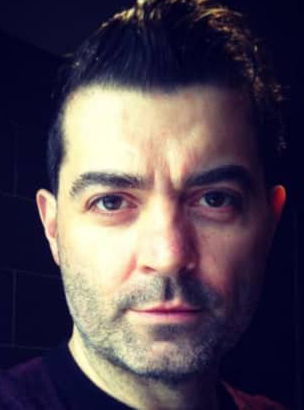 One of the most intriguing aspects of the Matt Hunter books is the relationship between the fictional former man of God and the very real and present minister in the Baptist church, the Reverend Peter Laws himself . We get a very vivid and convincing account of how Hunter has lost his faith, but also the many facets of that belief that he has come to see as inconsistent, illogical, or just plain barbaric. It suggests that Laws has identified these doubts in his own mind but, presumably, answered them. In these days of CGI nothing is impossible, so a live debate between Reverend Laws and Professor Hunter would be something to behold.
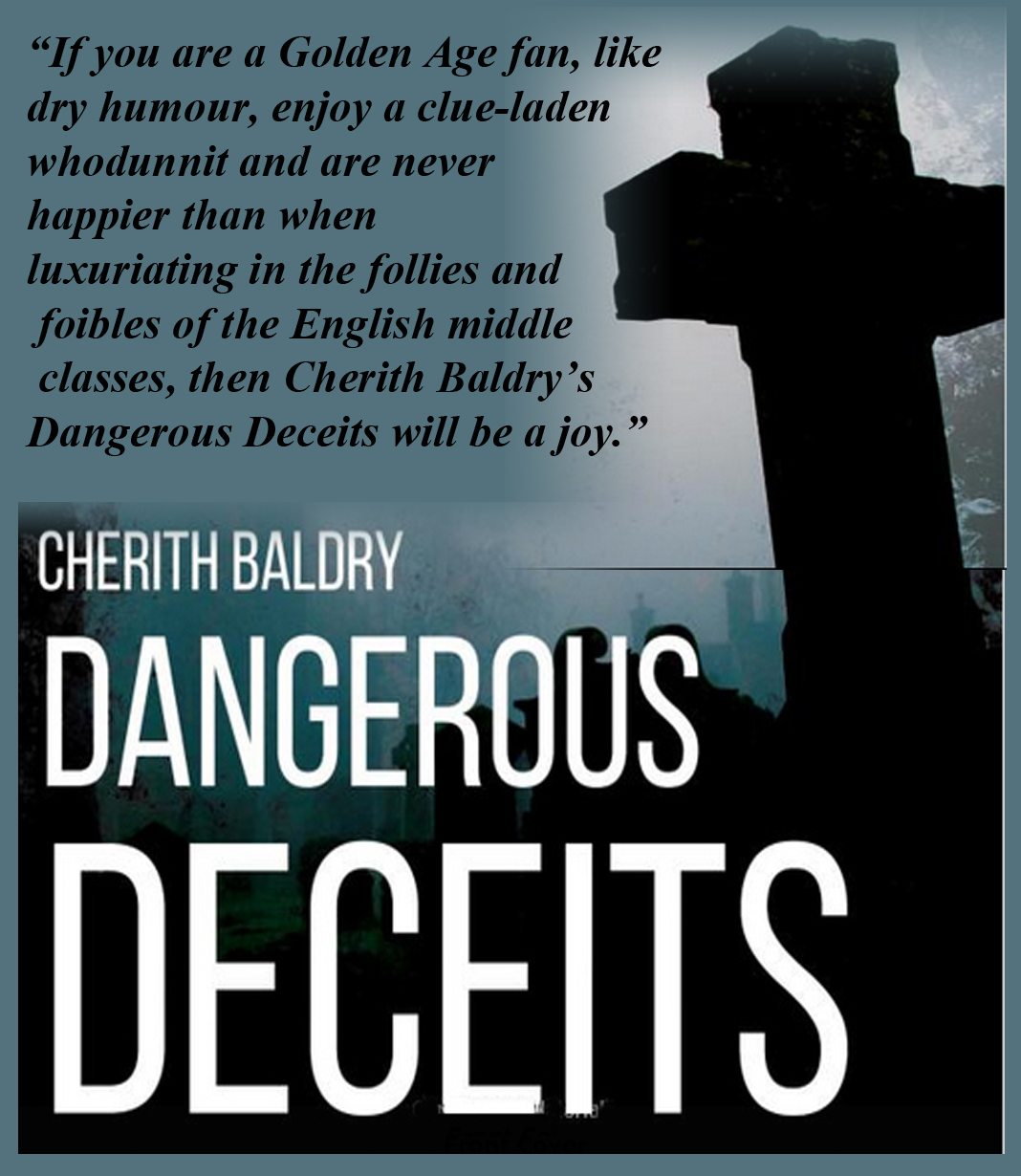
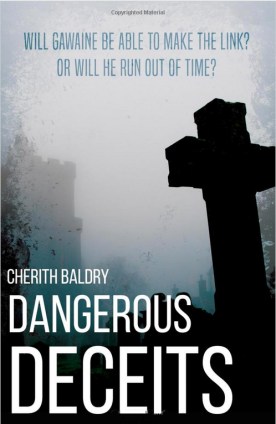 You might guess that a crime novel featuring an amateur detective called Gawaine St Clair is not going to take you down many mean streets; furthermore, were one to Frenchify its chromatic tint, then it would probably be nearer beige than noir. This being said, if you are a Golden Age fan, like dry humour, enjoy a clue-laden whodunnit and are never happier than when luxuriating in the follies and foibles of the English middle classes, then Cherith Baldry’s Dangerous Deceits will be a joy.
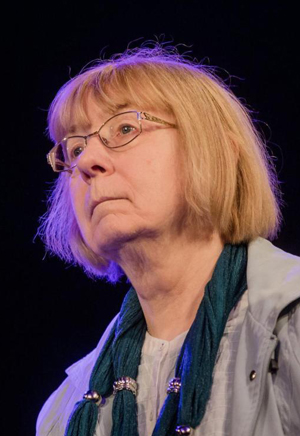 Gawaine may be too arch and precious for some tastes but he fits perfectly into the Home Counties landscape with its manicured village greens and faux Tudor dwellings. I thoroughly enjoyed Dangerous Deceits and Father Tom’s killer is unmasked not amid the dusty shelves of a country house library, but in the altogether more fractious atmosphere of an extraordinary (in the procedural sense) meeting of the Ellingwood PCC. The solution, as in many a whodunnit, rests with everyone – including Gawaine, the local coppers and, in this particular case, me – making a seemingly obvious assumption early in the piece.

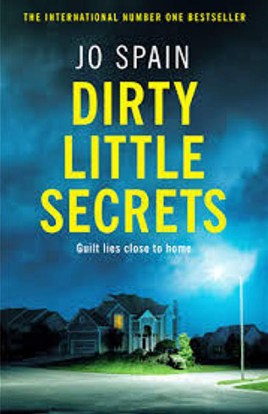 Withered Vale? Hardly your standard estate agent euphemism. Honeysuckle Meadows, Skylark Leys, Virginia Reach, Lakeside View, maybe, but Withered Vale? Years ago, the man who farmed the fields now built over was over-zealous with his pesticide, and nothing grew ever again. The enterprising developer, alert to a possible marketing triumph, chose to retain the local name, thinking that it had a certain ironic snap to it which might appeal to wealthy young professionals. He was right. No. 4 The Vale – Olive’s cottage – dates from before the development, however, and is dwarfed by the arrivistes.
 Thus Spain sets up a writhing nest of vipers, every one of whom has a very good reason for wanting Olive Collins dead and out of its life. The narrative darts back and forth between the homes as we learn the hopes, sins and insecurities of the residents, each with a flimsy alibi and united by a mixture of fear and loathing for the apparently mild-mannered resident of No. 4 The Vale. As we scratch our heads wondering whodunnit, could we be looking at some kind of collective guilt, à la An Inspector Calls? The solution, when it comes, is deliciously perverse and very satisfying. Jo Spain (right) has a talent to enthrall, and in an afterword to this book she writes of her early love of reading:
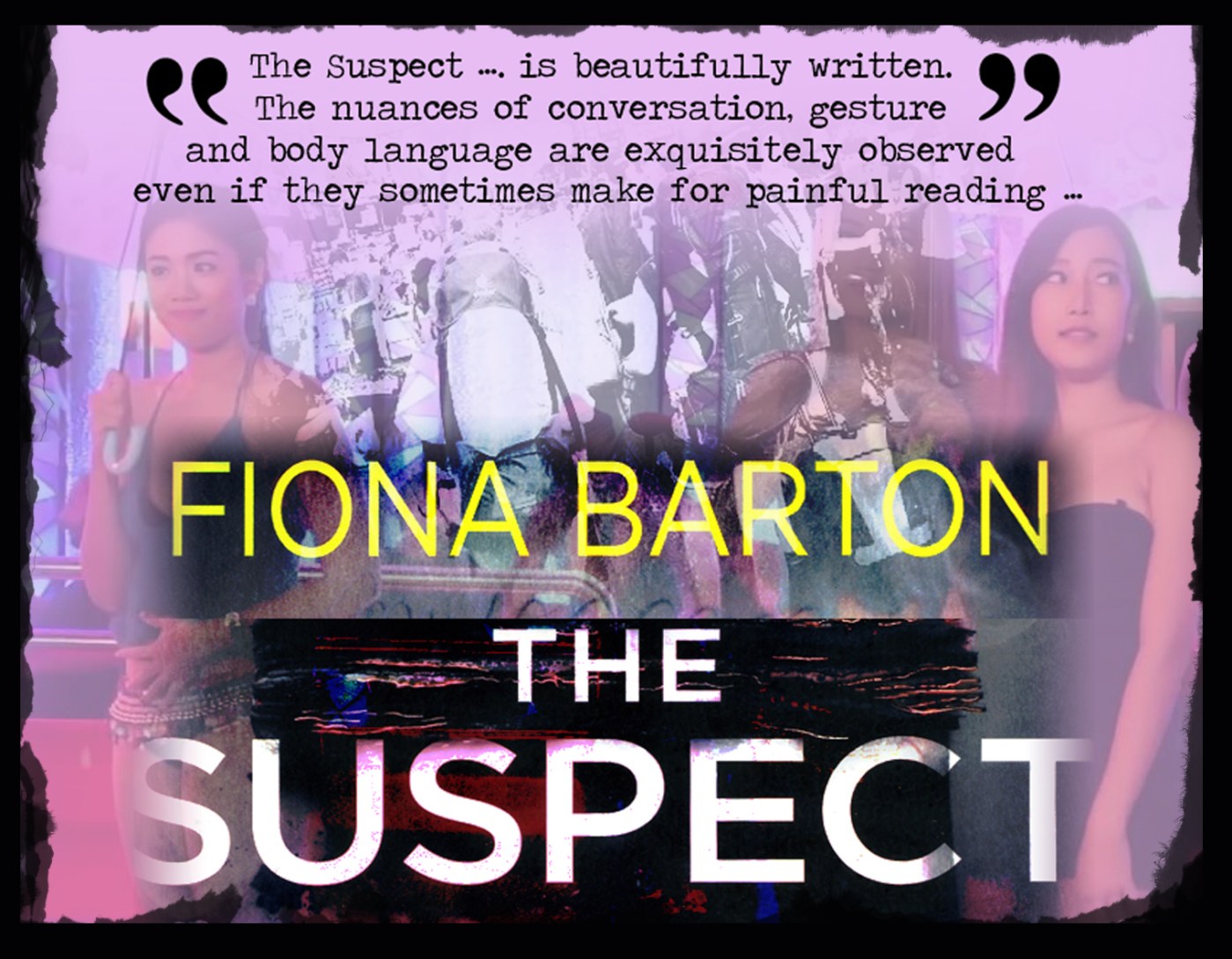

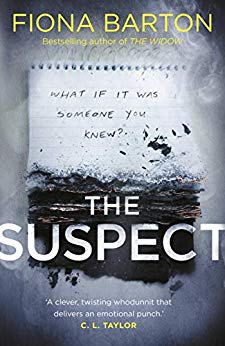 Sensing a very productive headline story that will run and run, Kate Waters uses all her empathy and tricks-of-the-trade to get close to the girls’ families, and the story does indeed have the whole enchilda. Beautiful teenage girls, disappearance in a Bangkok drug den, frantic parents, the possibility of incompetence by foreign police – what could possibly go wrong? Jake Waters is what could possibly go wrong. Kate’s son has been away in Thailand “finding himself” after a failed spell at university, and her journalistic glee at the ramifications of the story is brutally brought up short when she finds that her errant boy might be at the very epicentre of the story she has claimed as her own.
 It must be said that this is a story long on personal misery and rather short on redemption, but it is beautifully written. The nuances of conversation, gesture and body language are exquisitely observed even if they sometimes make for painful reading, such as the bittersweet moments between Bob Sparkes and his dying wife. My own children are, thankfully, well past the age of “doing” Thailand, but my advice to those with gap-year offspring is, with all respect to Fiona Barton (right), don’t read this book! Once your teenagers have shouldered their backpacks and waved goodbye at the departure gate, your mind will hark back to The Suspect it will be nessun dorma for you!
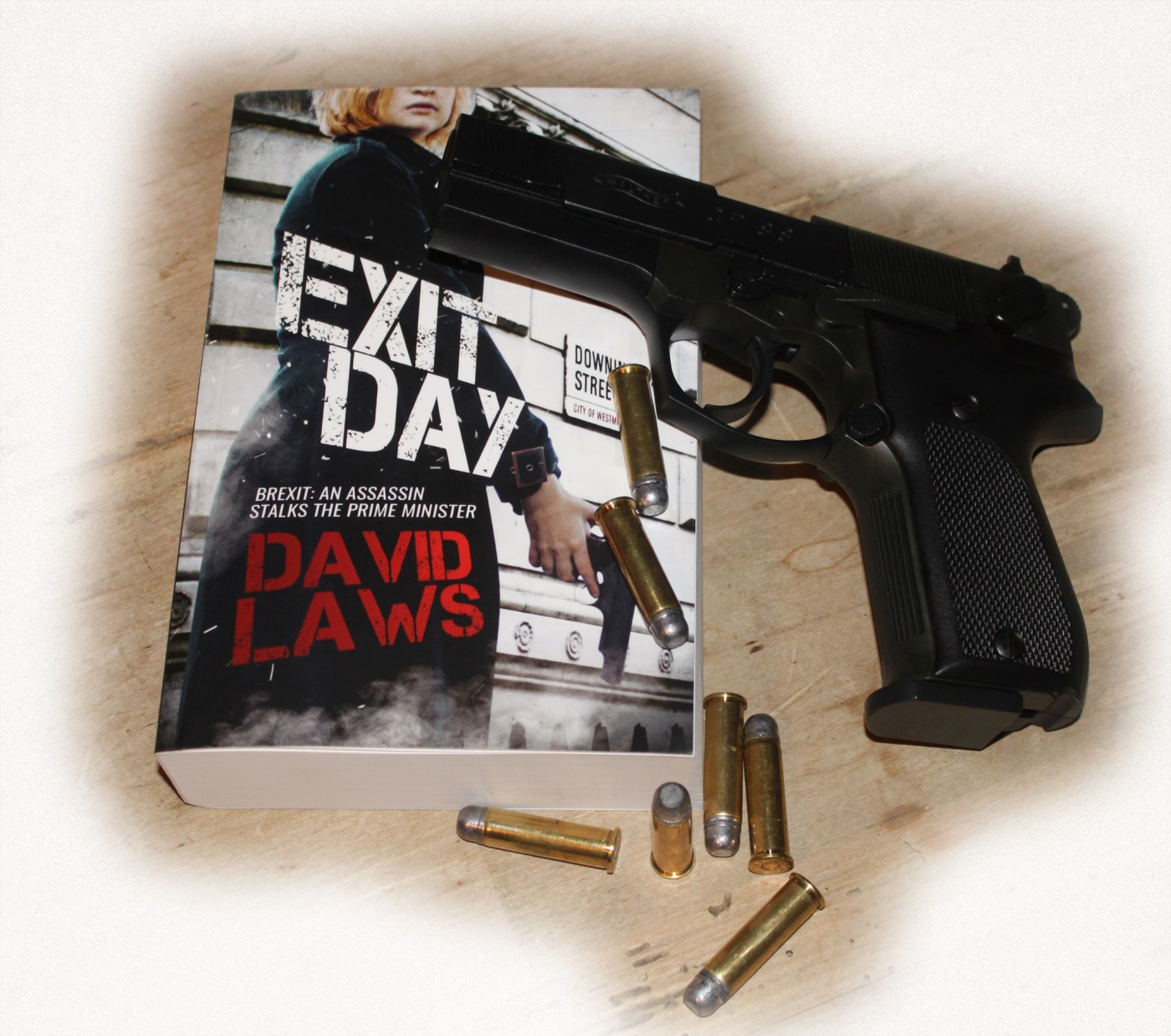
 Those last seven words kill, and journalist David Laws (left) has written a novel about the “passionate intensity” which sparks political assassination. The fateful day of Britain’s exit from the EU is dawning, and a vicious conspiracy is about to make all the previous months of political bickering seem like a garden party in comparison. Inadvertently, a journalist called Harry Topp has embedded himself at the heart of the plot, and he blunders on in search of a lifetime scoop, blissfully unaware of what is unfolding around him.
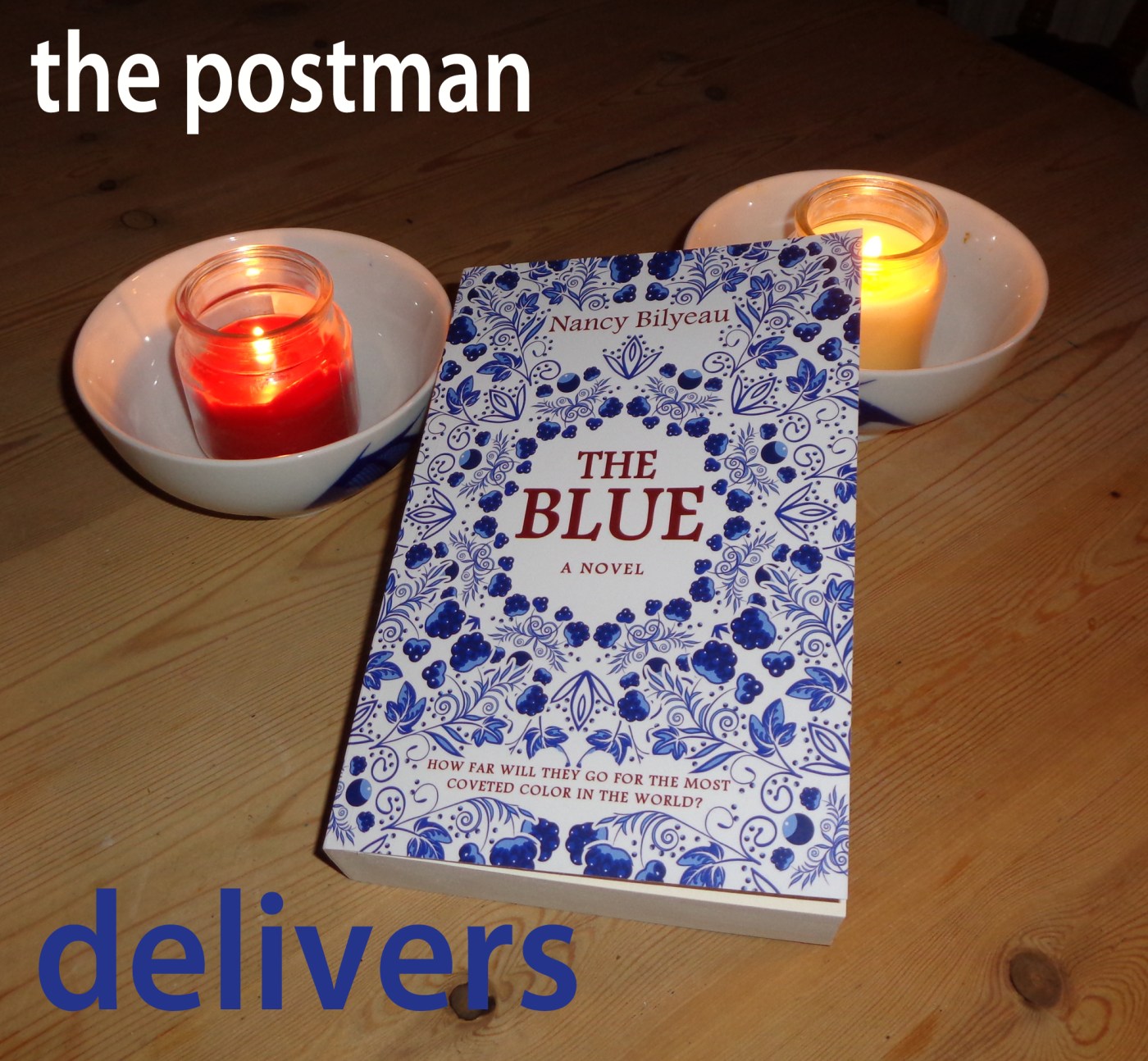
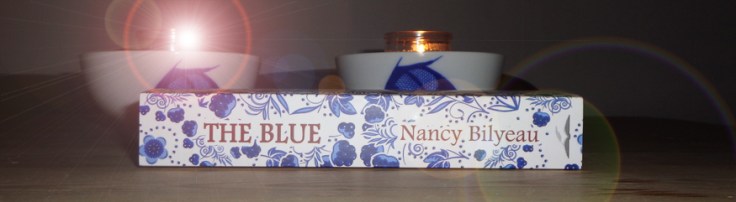
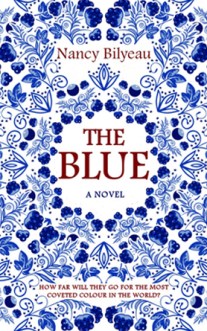 The Blue by Nancy Bilyeau is a perfect novel for those long winter evenings, even though The Great Darkness is getting slightly shorter as each day passes. Lovers of historical adventure and romance should find plenty to engage them in this story of Genevieve Planché, a young and rebellious Huguenot artist on a quest for a colour: the most exquisite shade of blue.
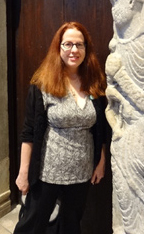 Her ambition is to travel to Venice to learn the secrets of Tintoretto, Veronese and Giorgioni, but her only chance is in the hands of an urbane – but possibly dangerous – English aristocrat, Sir Gabriel Courtenay.


 Bannerman initially lodges with an embittered fellow journalist, Tim Slater, who shares his apartment with his autistic daughter Tania. The child is looked after by a young Englishwoman, Sally Robertson, with whom Bannerman strikes up a relationship. Kale’s victims are Slater himself and a senior British politician but when he strikes he is unaware that Tania is watching from the next room. Mute, she is later unable to tell the police anything, but she draws a picture of what she has seen. The drawing is intensely detailed and very graphic with one exception. The killer has no face.
 How has the book fared, nearly forty years on? Whatever revisions the author has made, he hasn’t pushed the time slot on by four decades, so we are still in the late 1970s, so in a sense the book has become historical crime fiction by default. I don’t know what Peter May (right) thinks about the vexed question of Brexit, but here he paints a picture of the EEC in its all-too-familiar guise as a fraud-riven monolithic haven for thousands of bureaucrats, men and women pushing paper around at huge expense to taxpayers across the continent, but achieving very little except the perpetuation of their own jobs.
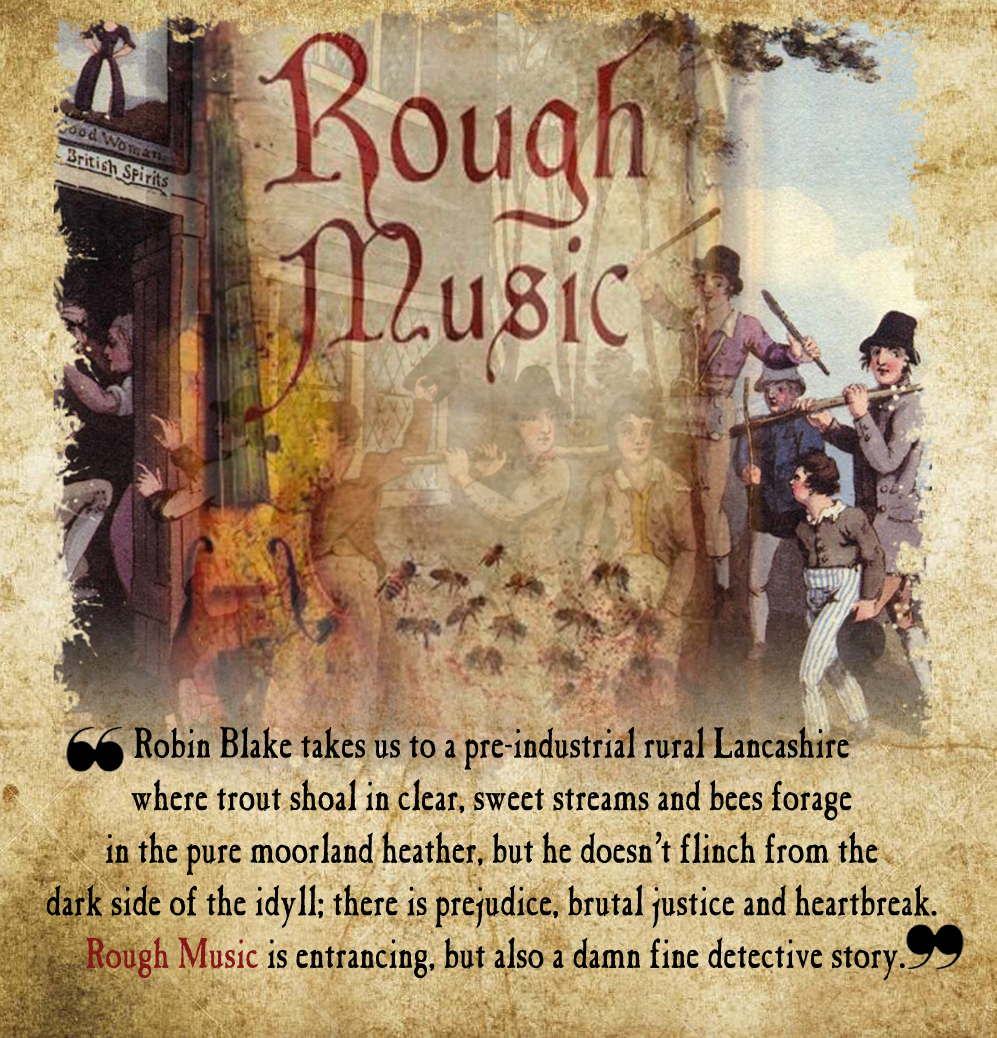

 Robin Blake (left) introduced us to Preston coroner Titus Cragg and his physician friend Luke Fidelis in A Dark Anatomy back in 2015, and the pair of eighteenth century sleuths are back again with their fifth case, Rough Music.
 Titus Cragg with his wife and child have retreated from Preston to escape the ravages of a viral illness which has claimed the lives of many infants. They have fetched up in a rented house in Accrington, then little more than a scattering of houses beside a stream. Cragg is drawn into the investigation of how it was that Anne Gargrave died at the hands of her fellow villagers, but his work is complicated by a feud between two rival squires, a mysterious former soldier who may have assumed someone else’s identity, and the difficulty created by Luke Fidelis becoming smitten by the beguiling – but apparently mistreated – wife of a choleric and impetuous local landowner.
 I have to admit to a not-so-guilty-pleasure taken from reading historical crime fiction, and I can say with some certainty that one of the things Robin Blake does so well is the way he handles the dialogue. No-one can know for certain how people in the eighteenth century- or any other era before speech could be recorded – spoke to each other. Formal written or printed sources would be no more a true indication than a legal document would be today, so it is not a matter of scattering a few “thees” and “thous” around. For me, Robin Blake gets it spot on. I can’t say with authority that the way Titus Cragg talks is authentic, but it is convincing and it works beautifully.


 fullybooked2017