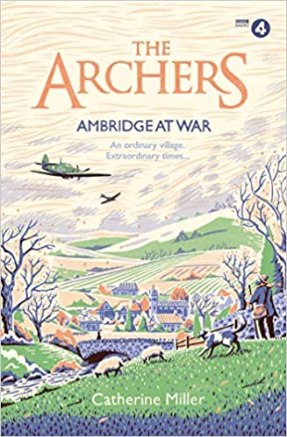
Followers of these pages will know well that my strapline is Crime For The Cogniscenti and might wonder what I am doing reviewing a book about the Archers. I was intrigued to be offered this, written by Catherine Miller, but was prepared to be underwhelmed. It just shows how wrong one can be, and why it is never a good idea to prejudge things.
There may well be some transatlantic readers of my reviews who have never heard of Ambridge or the Archers, but I won’t waste words on the background other than to say that Ambridge is a fictional village in Worcestershire, and the long-running radio serial – it first broadcast on 1st January 1951 – was described as “an everyday story of country folk.”
I have to say at this point that I parted company with BBC Radio 4 in general, and The Archers in particular some time ago. Both have become far too ‘woke’ and socially aware for this curmudgeonly man in his 70s to be bothered with, but this book reminded me of what I used to enjoy about the programme.
It is January 1940, and rural England is having to come to terms with the expression, “don’t you know there’s a war on?” Dan Archer and his wife Doris run Brookfield Farm, and Dan is now the Ambridge representative on the ‘War Ag’ – The War Agricultural Executive Committee, whose main job it is to put every available acre of land under the plough to grow food. And that means everything from grazing land to rose gardens. The first evacuees from London have arrived, and Doris is in charge of checking that the newcomers are being looked after.
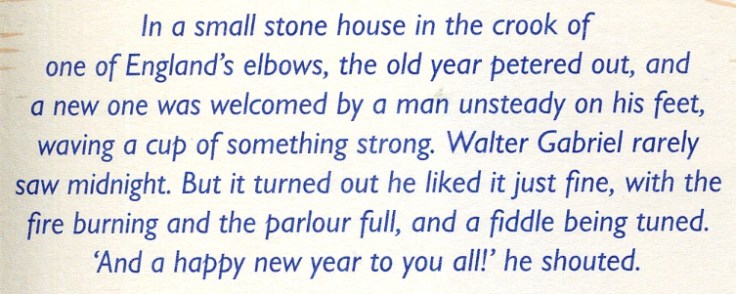
Archers fans can find the family tree elsewhere on the internet, but who else would they recognise? That depends on the longevity of their Archers ‘habit’. Walter Gabriel and his son Nelson put in an appearance, as do various members of the disreputable Horobin family. A central figure in the story is the village Squire, Alec Pargetter, who is having an affair with a comely young widow, but not doing too well at concealing it from the nosy villagers – or his aloof wife Pamela. Their rather strange son, Gerald, will go on to be the father of the nice-but-dim Nigel who was, of course, controversially killed off by the producers when he fell off a roof in 2011.
 Someone is leaving handwritten notes around the village hinting at various moral indiscretions taking place. The notes are, naturally, anonymous, but are the slurs true? Unfortunately, the author of the allegations seems to be uncannily wired into the private lives of the people of Ambridge, and has the unfortunate ability to see through closed doors and curtained windows.
Aside from those we might call canonical characters, whose descendants serious Archer buffs will know and love, Catherine Miller has assembled an intriguing cast; there is the bedridden and pampered Blanche Gilpin – “plump and sweet-smelling, like an apple left to rot.” – who is waited on hand and foot by her downtrodden sister Jane; Kitty Dibden-Rawles is a beautiful young Irish woman, widowed and left in debt by a profligate husband; Dr Morgan Seed, keeper of many a village secret, is long a widower, but has he the chance to love again? And Lisa – poor Lisa Forrest – Doris Archer’s mother, in the terrifying grip of what we now call Alzheimers.
It took just nine words – and these were quoted on the first chapter heading – to alert me to the possibility that this book might be something special.

Catherine Miller is clearly – like me – a lifelong devotee of Thomas Hardy. Not only does each chapter heading use a line or two from one of his bitter-sweet poems, she shapes plot resolutions as Hardy-esque ironies, of which the great man would have been proud. Another little in-joke is that when Kitty writes love notes to her lover, they are signed “G.Oak.“
Make no mistake. This is not a cosy rural idyll – the war claims more casualties than are caused by bombs or bullets and, despite the bedrock decency of Dan and Doris Archer, the cruelties of fate are explored with raw honesty. The book is billed as Volume 1, so enthusiasts – of which I am one – will have more joys to come. The Archers – Ambridge At War is published by Simon & Schuster and is out now.


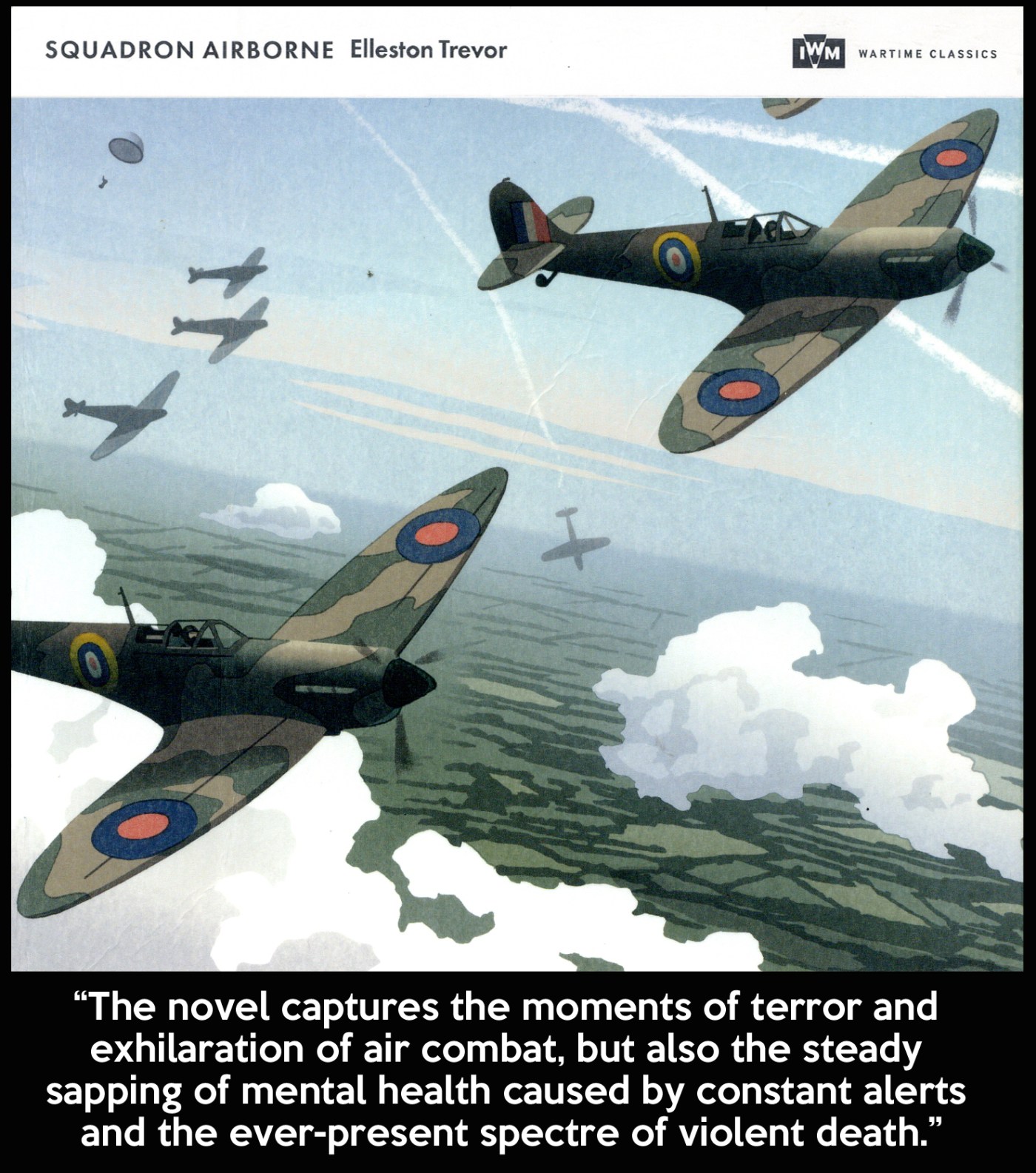













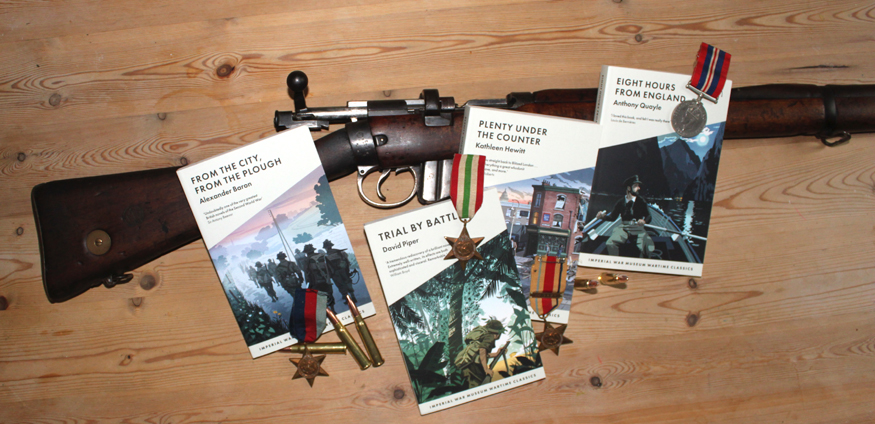
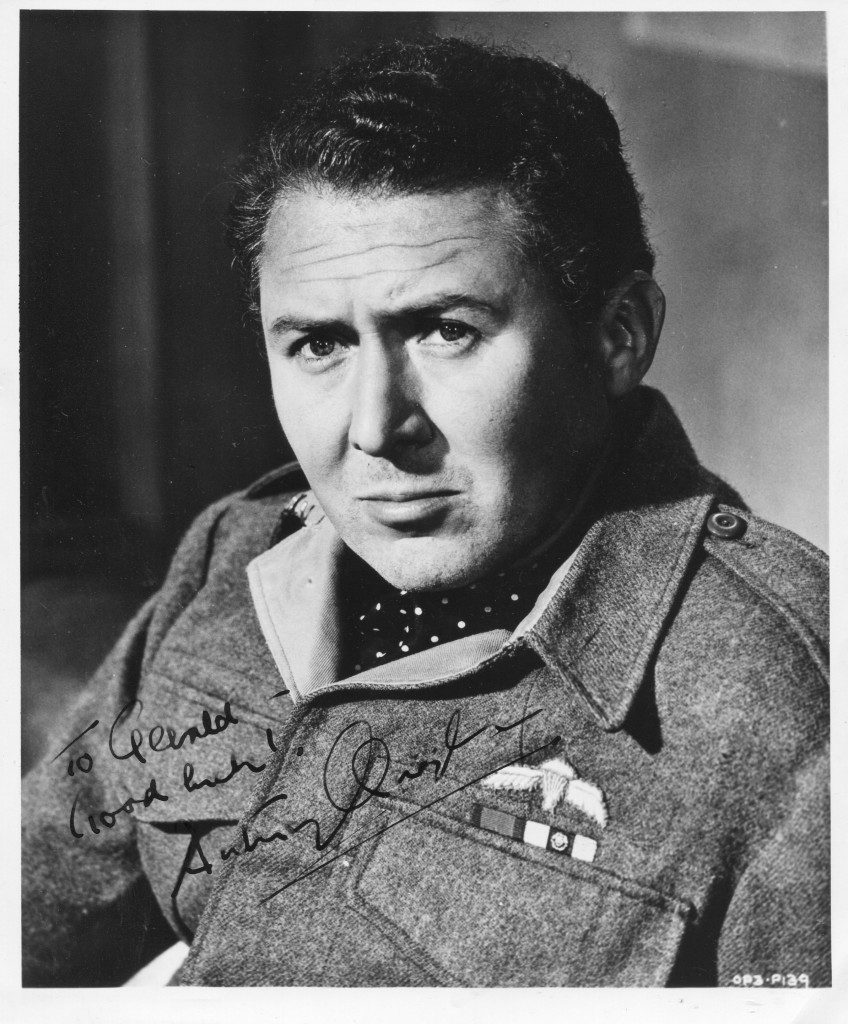 To many of us who grew up in the 1950s Anthony Quayle was to become one of a celebrated group of theatrical knights, along with Olivier, Gielgud, Richardson and Redgrave. Until recently I had no idea that he was also wrote two novels based on his experiences in WW2. The first of these, Eight Hours From England was first published in 1945 and is the fourth and final reprint in the impressive series from the Imperial War Museum.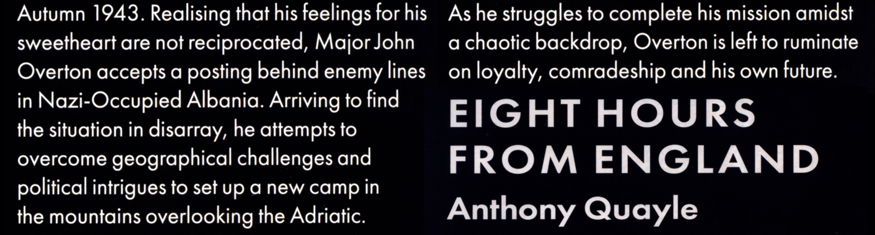
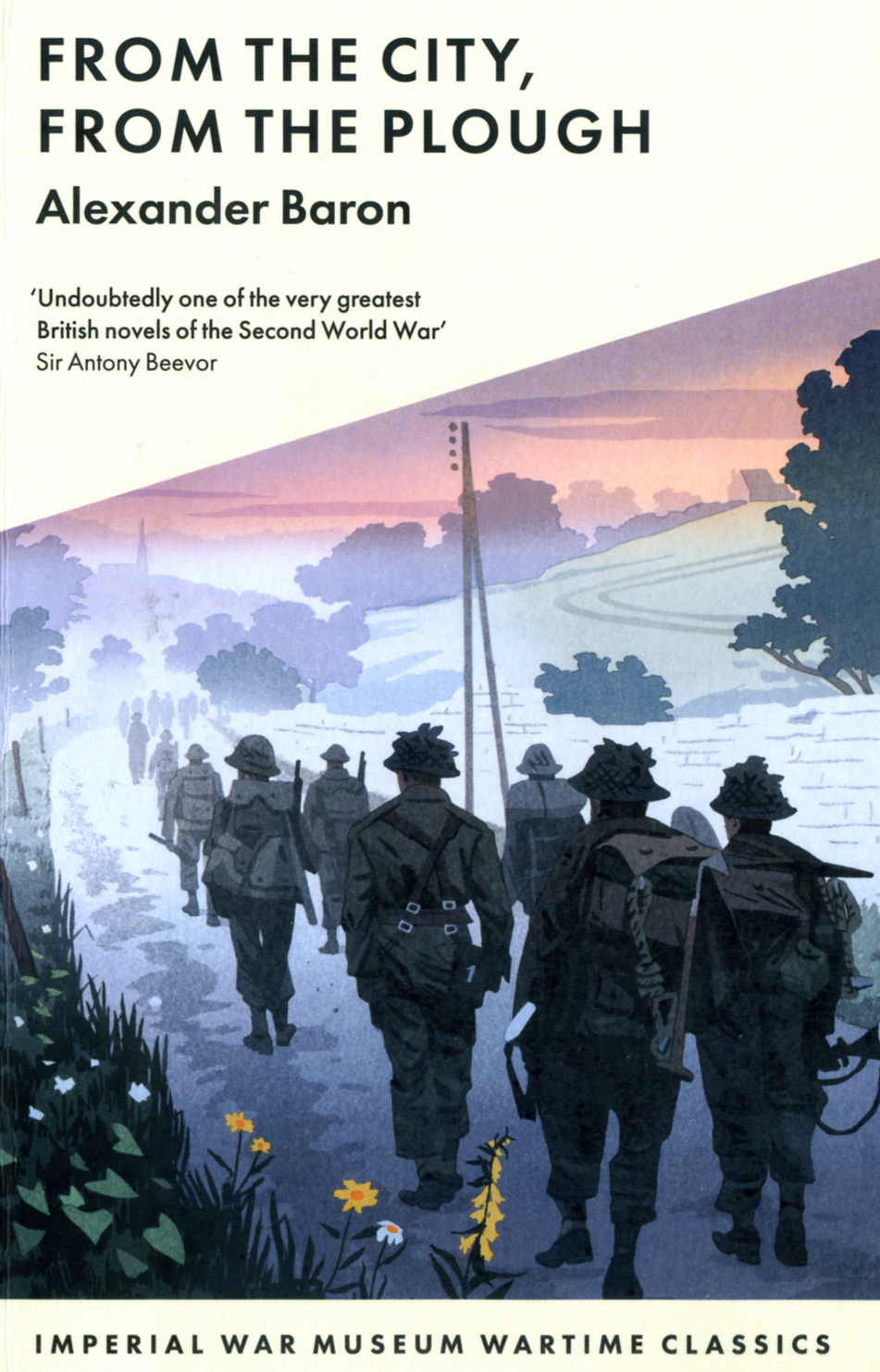
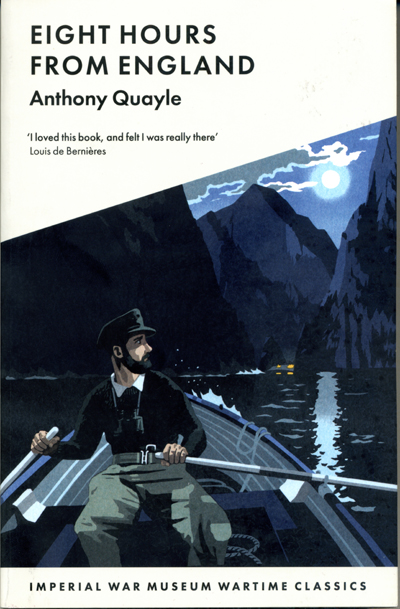 Of the three classic reprints which feature overseas action Eight Hours From England is the bleakest by far. The books by Alexander Baron and David Piper bear solemn witness to the deaths of brave men, sometimes heroic but often simply tragic: the irony is that Overton and his men do not, as far as I can recall, actually fire a shot in anger. No Germans are killed as a result of their efforts; the Allied cause is not advanced by the tiniest fraction; their heartbreaking struggle is not against the swastika and all it stands for, but against a brutally inhospitable terrain, bitter weather and, above all, the distrust, treachery and embedded criminality of many of the Albanians they encounter.

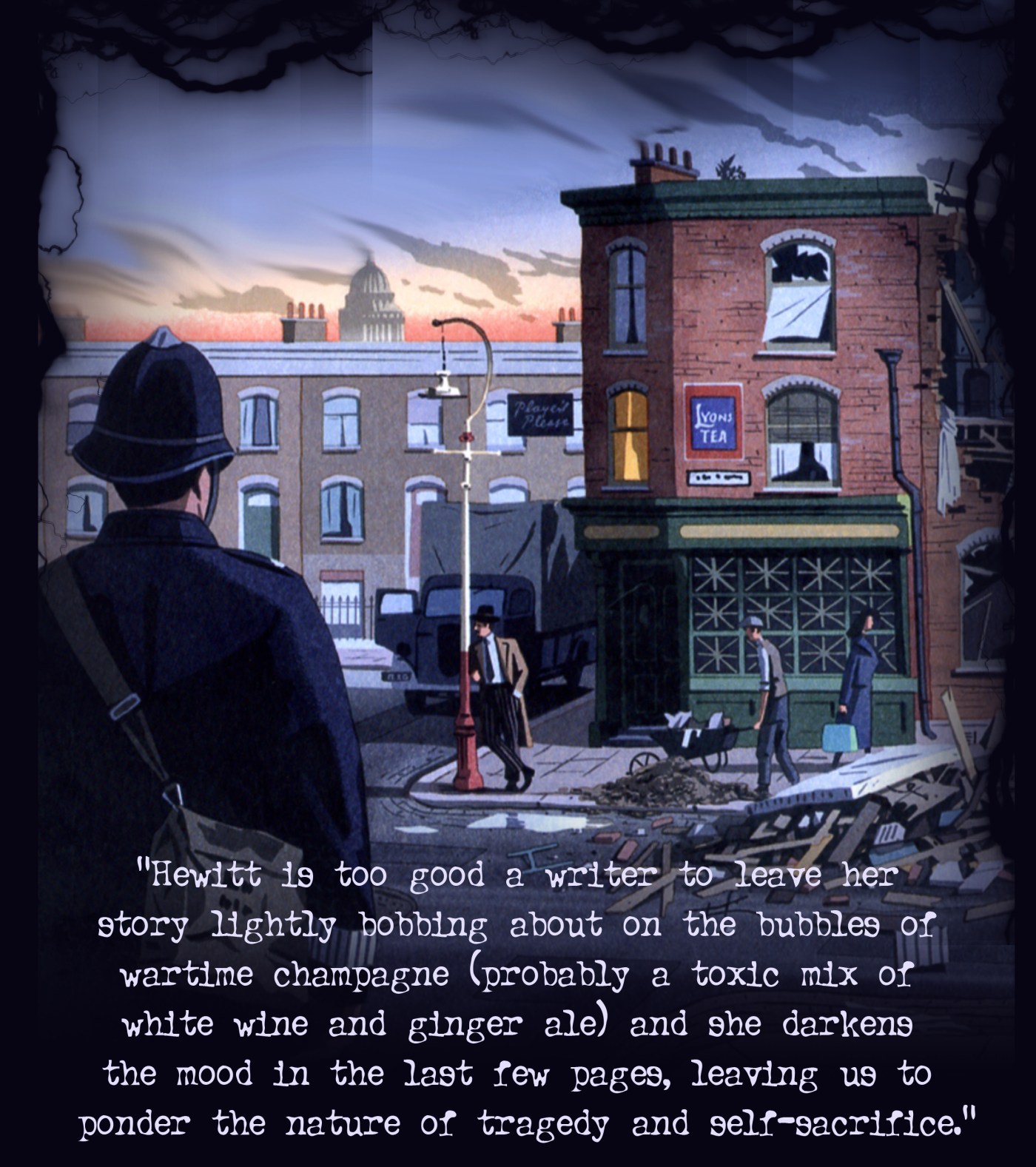
 his 1943 novel by Kathleen Hewitt is the third in the excellent series of Imperial War Museum reprints of wartime classics, but couldn’t be more different from the first two,
  eaders will not need a degree in 20th century social history to recognise that the book’s title refers to the methods used by shopkeepers to circumvent the official rationing of food and fancy goods. More sinister is the presence – both in real life and in the book – of criminals who exploit the shortages to make serious money playing the black market and for whom deadly violence is just a way of life.
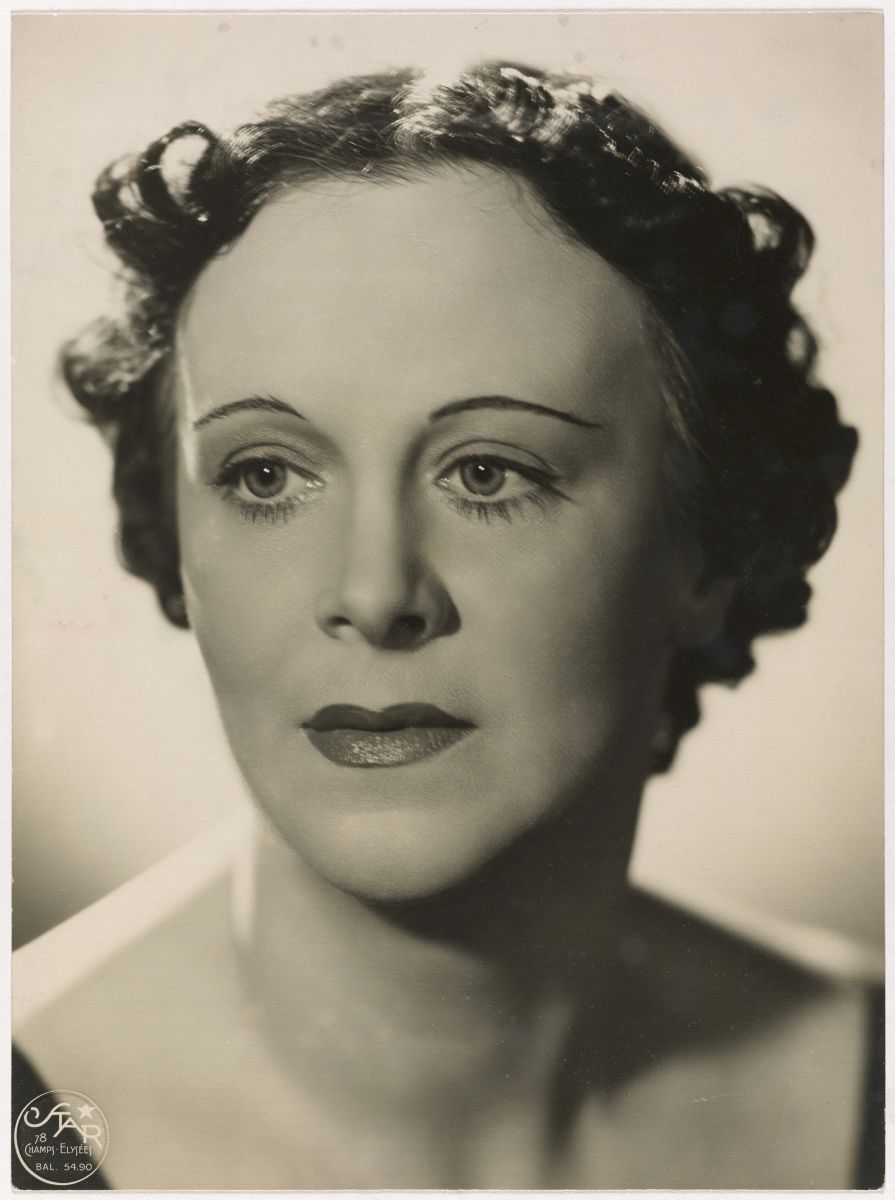 The story rattles along in fine style as the hours tick by before David has to return to the war. He has two pressing needs. One is to buy the special licence which will enable him to marry Tess, and the other is to find the Terrapin Road murderer. Hewitt (right) is too good a writer to leave her story lightly bobbing about on the bubbles of wartime champagne (probably a toxic mix of white wine and ginger ale) and she darkens the mood in the last few pages, leaving us to ponder the nature of tragedy and self-sacrifice.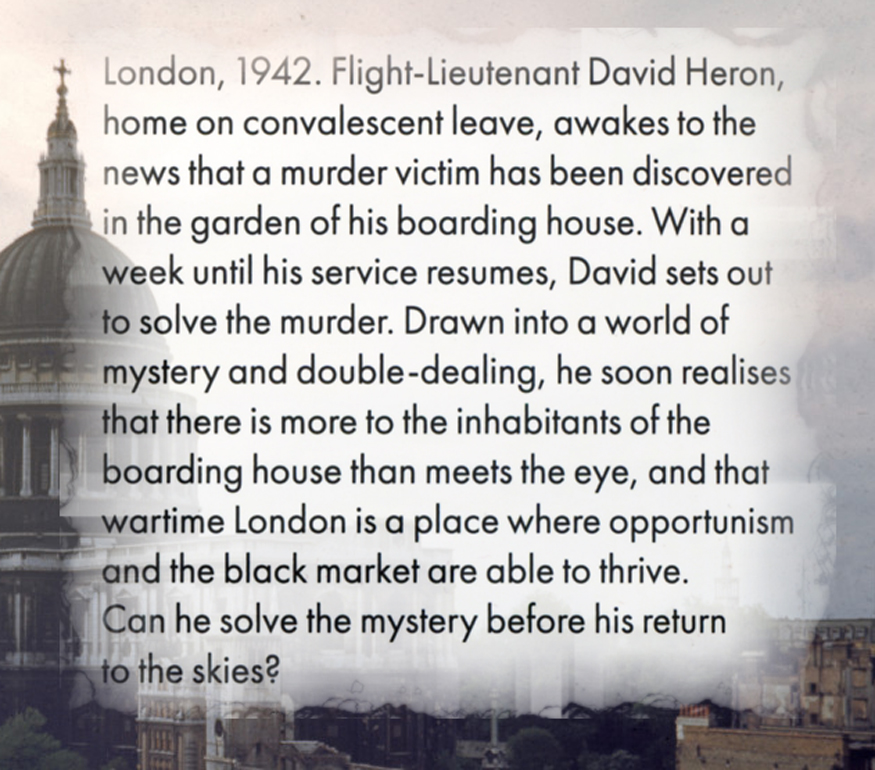
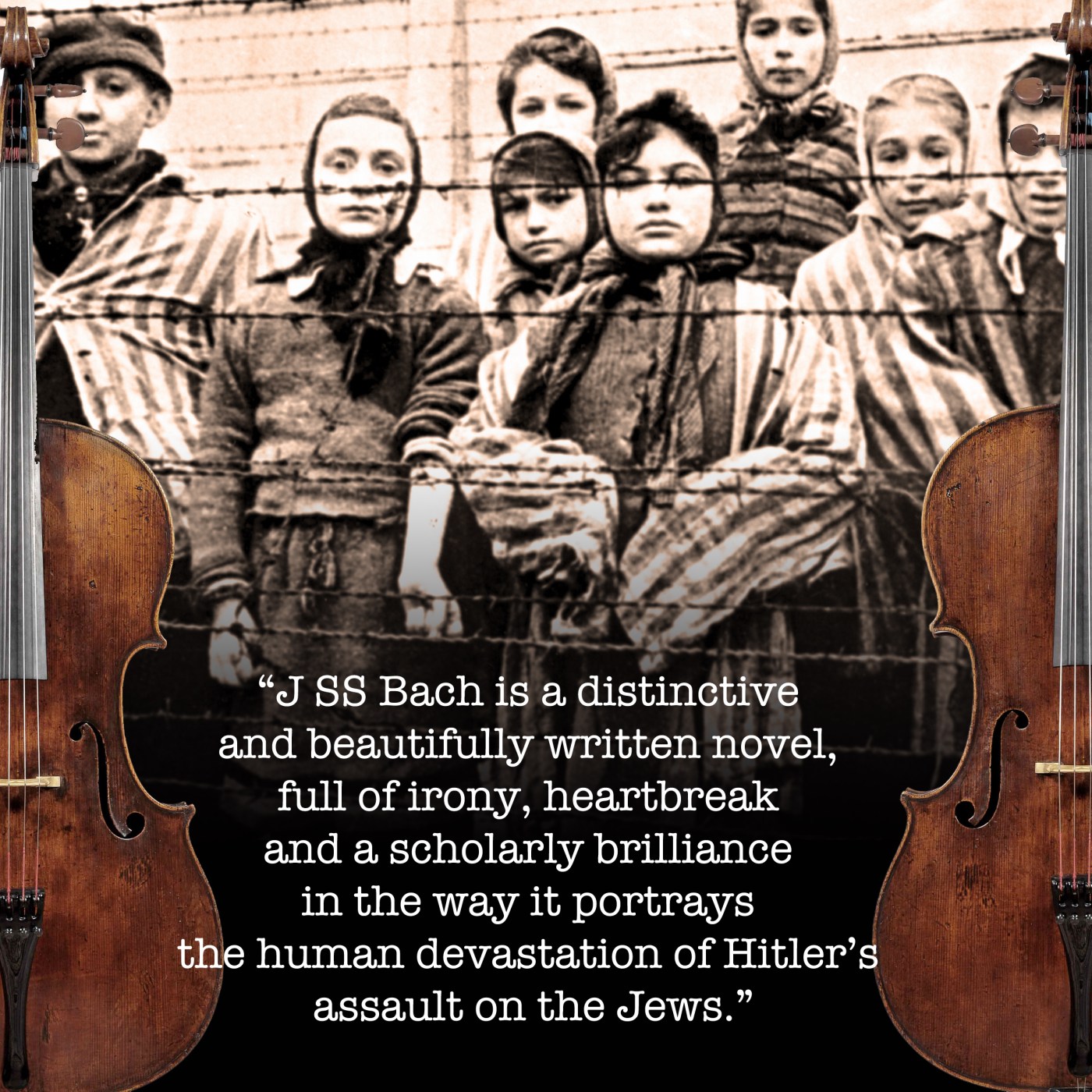
 his is not a conventional crime novel. There are victims, for sure, and perpetrators of terrible acts which still, when described, take the breath away in their depravity and cold, organised manifestation of evil. English academic Martin Goodman (right)
  has written a starkly brilliant account of Nazi oppression in Central Europe in the late 1930s. He achieves his broad sweep by, paradoxically focusing on the fine detail. One family. One teenage boy, Otto Schalmek. One fateful knock on the door while Vienna and most of Austria are waving flags to welcome ‘liberation’ in the shape of the Anschluss.
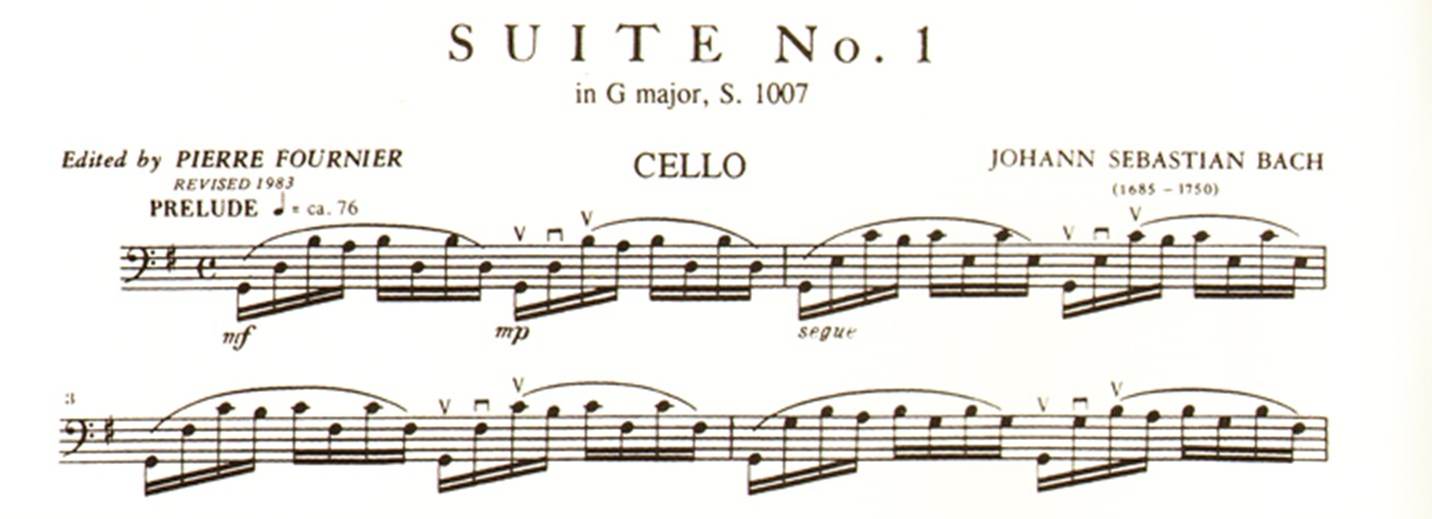
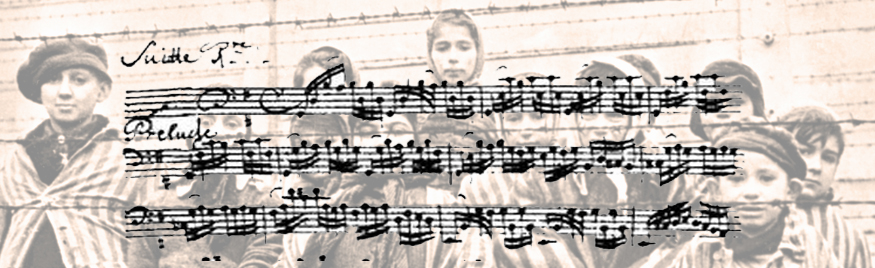
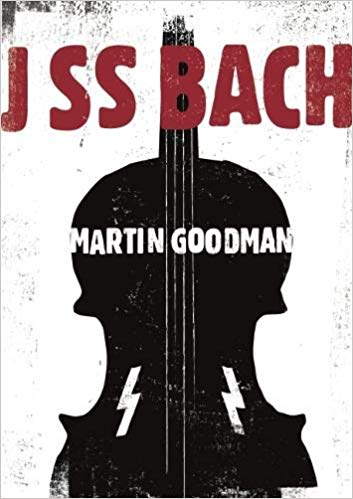 The Schalmek family are Jewish. That is all that needs to be said. The family becomes just a few lines on a ledger – immaculately kept – which records the ‘resettlement’ of Jewish families. Otto is taken to Dachau and then to Birkenau. His ability as a cellist precedes him, and he is sent to play in the house of Birchendorf, the camp Commandant. His wife Katja is the artistic one, and her husband merely seeks to keep her entertained by using Schalmek as a kind of performing monkey who plays Bach suites on the cello in between sanding floors and mopping up shit in the latrines.
 oodman’s book spans the years and the continents. Having been shown the shattering of the Schalmek family we go from the Nuremburg trials to late 1940s Canada and then, via Sydney in the 1960s, on to 1990s California, where Katja’s grand-daughter Rosa, an eminent writer and musicologist, seeks an audience with the elusive and very private genius Otto Schalmek. Rosa Cline is determined to write the definitive biography of Otto Schalmek, but their relationship takes an unexpected turn.
 is a distinctive and beautifully written novel, full of irony, heartbreak and a scholarly brilliance in the way it portrays the human devastation of Hitler’s assault on the Jews. Yes, there is the almost obligatory account of the depravity and sheer horror of the camps, but Goodman also brings a sense of great intimacy and a telling focus on the small personal tragedies and discomforts – an interrupted family meal, a tearful and hurried “goodbye”, and a new grandchild never to be cuddled by grandparents. Crime fiction? Probably not, in the scheme of things. Thrilling, often painful, and full of psychological insight? Certainly. J SS Bach is published by