
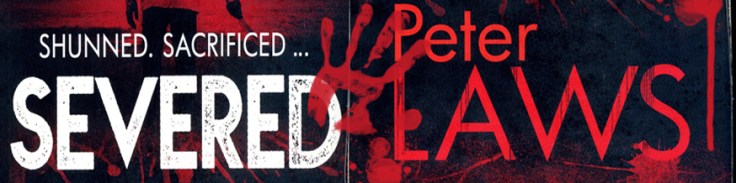
In a structurally ramshackle – but otherwise unremarkable – rural parish church in the gently undulating Chiltern Hills, the scant congregation is watching their parish priest reach the most sacred part of the Sunday morning Holy Communion service, where they join together in the belief that “God was man in Palestine, and lives today in Bread and Wine”. In a few violent seconds, however, the wine symbolising Christ’s blood is dramatically spilled and mixed with real human blood, as the vicar is savagely attacked by a young man wielding an axe.
 Thus begins another case for Professor Matt Hunter, a university lecturer in religion and belief. He has previously helped the police in cases which involve sacred or supernatural matters (see the end of this review) and he is called in when it becomes clear that the wielder of the axe was none other than the teenage son of the Reverend David East, and that the boy was under the spell of a cult of deviant Christians whose central belief is that God The Father is a brutal tyrant who murdered his only son. They are also convinced that all other humans but them are ‘Hollows’ with evil in their eyes. Consequently, they shun all contact with the outside world, and live in a remote farmhouse, deep in the hills at the end of a rutted farm track.
Laws manages to recast the relatively benign uplands of the Chilterns as a scarred and brooding landscape with many a nameless terror lurking in its valleys, waiting to pounce on the unwary. There is blood by the pint, a coven of homophobic Christian evangelicals, a storm of biblical ferocity plus every Gothick image you could ever think of – plus a few more besides. Oh yes, I almost forgot – a very convincing and horribly plausible shape-shifter.
As the chapters spin by, Laws dusts off one of the oldest tricks in the book of narrative devices, but deftly breathes new life into it. There are basically two stages in his theatre of horrors; one shows us what is happening around Matt Hunter, while on the other, the members of the sect enact their weird dance of death. Each chapter ends with a cliffhanger, so we whirl through the next few pages to see what is going to happen, but then that chapter leaves us in suspense too, so we become caught up in an addictive mad scramble. It’s a ridiculously simple ploy but, good heavens, how well it works.
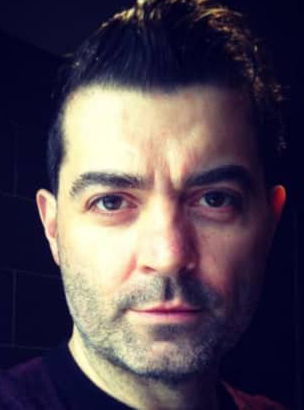 One of the most intriguing aspects of the Matt Hunter books is the relationship between the fictional former man of God and the very real and present minister in the Baptist church, the Reverend Peter Laws himself . We get a very vivid and convincing account of how Hunter has lost his faith, but also the many facets of that belief that he has come to see as inconsistent, illogical, or just plain barbaric. It suggests that Laws has identified these doubts in his own mind but, presumably, answered them. In these days of CGI nothing is impossible, so a live debate between Reverend Laws and Professor Hunter would be something to behold.
The finale of this brilliant thriller is apocalyptic enough to satisfy the most ardent fan of the horror genre, but Laws is smart enough – like Phil Rickman in his Merrily Watkins novels – to give everything (well, almost everything) a natural explanation, and when the emotional roller-coaster finally comes to rest we know that it is human beings, images and clones of ourselves if you will, that are capable of far more dreadful deeds than any supernatural monster conjured up from the bowels of Hell. Severed is published by Allison & Busby, and will be available at the end of January 2019.
For more on the extraordinary adventures of Professor Matt Hunter, read the reviews of:

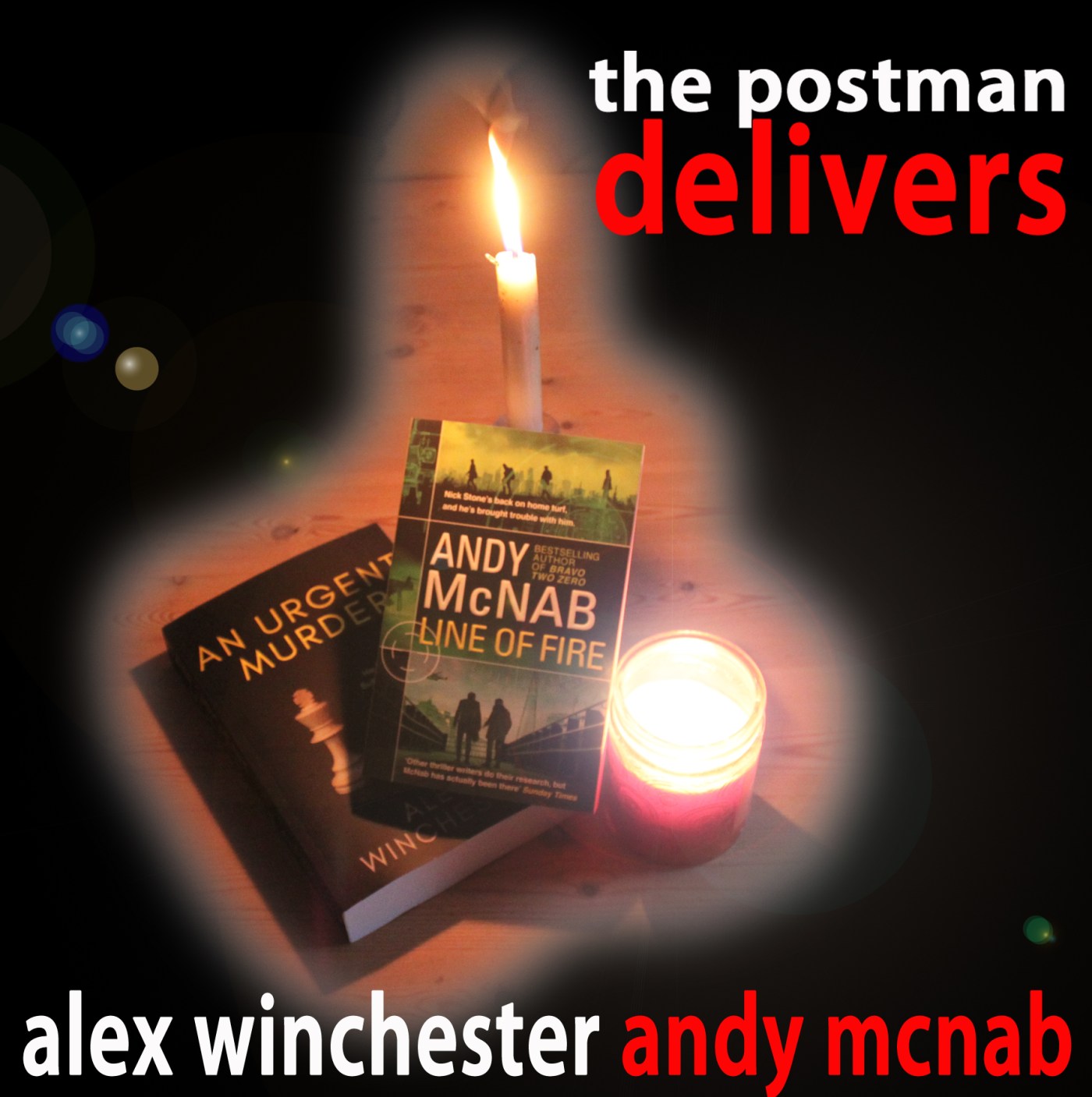

 It is tempting to add the cliché “who needs no introduction” but it won’t hurt to remind potential readers that the man known as Andy McNab is, in real life, a highly decorated soldier. You don’t receive the Distinguished Conduct Medal for services to military administration, nor is the Military Medal awarded for excellence in ceremonial drill. McNab’s most popular fictional hero returns in Line of Fire, and former Special Forces operator Nick Stone is, as usual, up to his eyes in trouble. He has been given the job of taking out an unusual target. One, it’s a woman and, two, she is a hacker so skilled that her clattering keyboard can potentially disrupt commerce, destroy communications and bring down governments. Line of Fire is published by Corgi/Transworld/Penguin Random House and will be available
 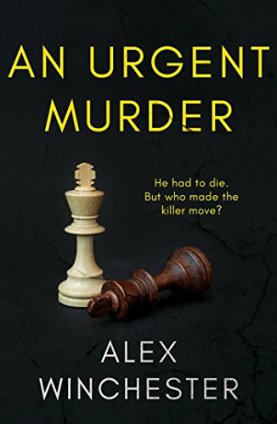 Ex Met-Police detective Winchester says of his debut novel:
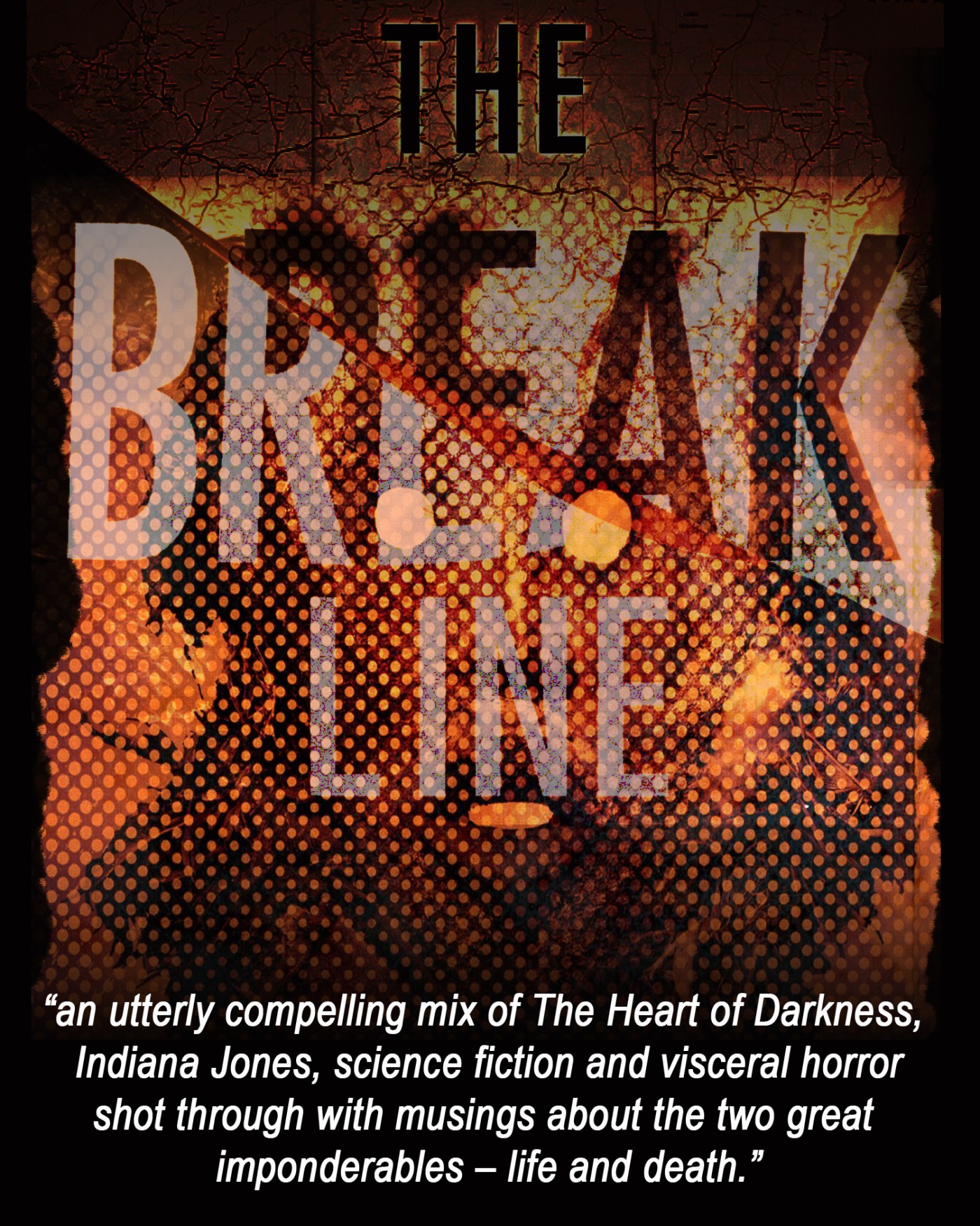
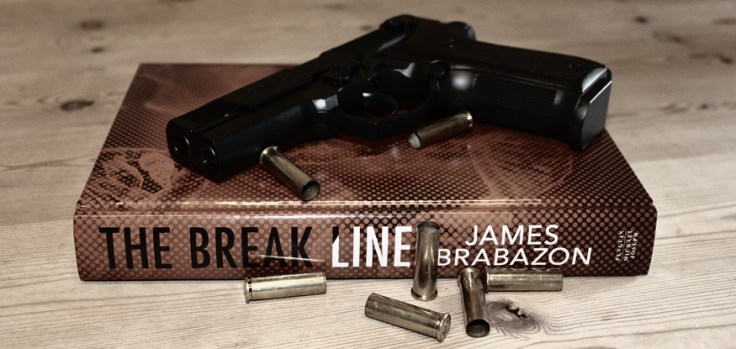
 One of my sons was, in his teens, an avid fan of the Andy McNab books and acquired several signed copies of the SAS man’s adventures, and even had a couple of autographed photos of the great man (complete with the obligatory black rectangle across his features, naturally). I have to confess that I didn’t share his enthusiasm, and military thrillers are not normally high on my TBR pile. When the publicists at Michael Joseph sent me a copy of The Break Line by James Brabazon two things aroused my interest. The first was the frankly terrifying background of the author, a documentary film maker and journalist who has been to some of the darkest and most dangerous spots in the world and lived to tell the tale. Second was my admiration for the team at Michael Joseph and my awareness that they don’t, in my experience, publish bad books. If The Break Line had convinced their editorial team, then maybe I should take a closer look?
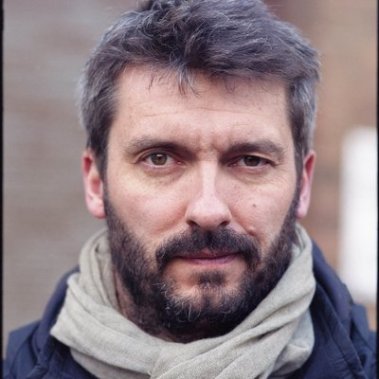 Exactly what it is that McLean faces will only be learned when you read the book. The instant you begin to read the first-person narrative, you will rightly assume that McLean survives his ordeal, as an action novel has yet to be written where the protagonist convincingly records his own death, but what happens between the first page and the last is a curious but utterly compelling mix of The Heart of Darkness, Indiana Jones, science fiction and visceral horror shot through with musings about the two great imponderables – life and death. Thriller fans will be able to fill their boots with the usual tropes; Le Carré style double and treble dealing at the highest level, fierce fire-fights, fascinating military detail, treacherous Russians and a cataclysmic body count. Brabazon (right) is not, however, simply ticking genre boxes. He shows an assured and convincing style of writing that puts him way above many of his contemporaries in the genre.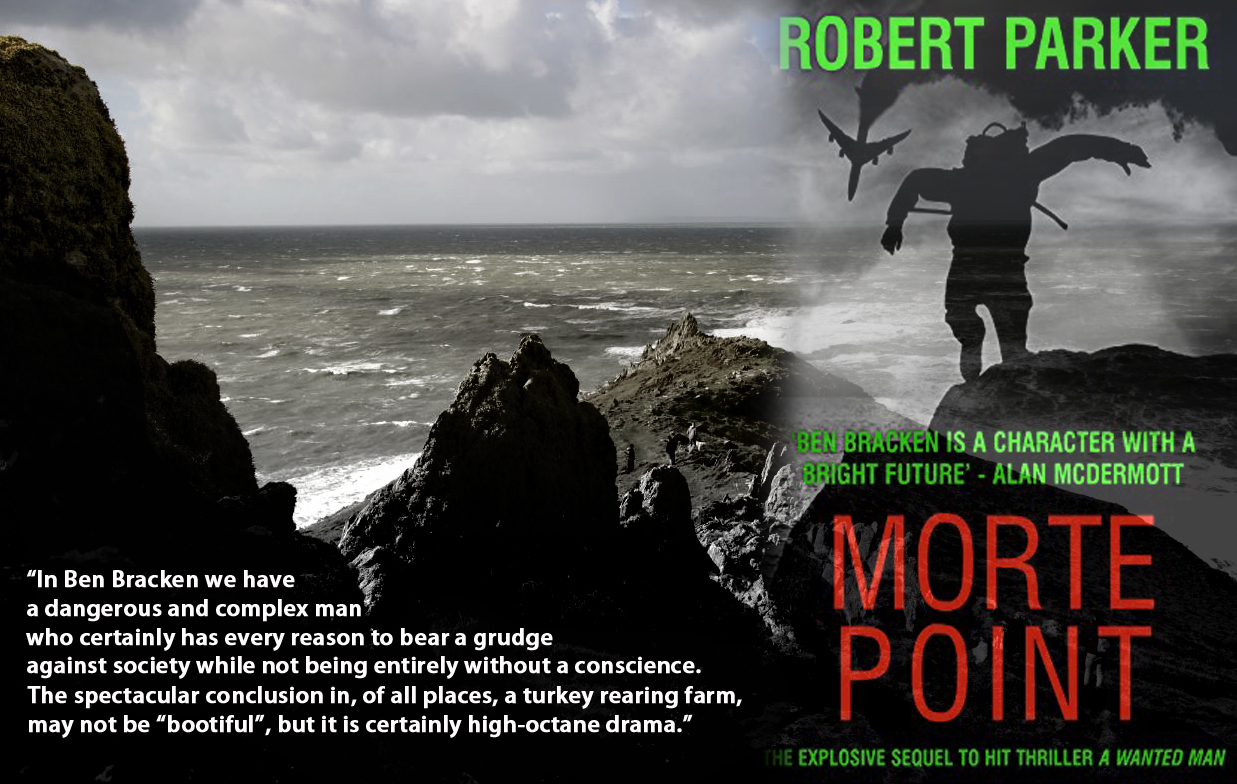
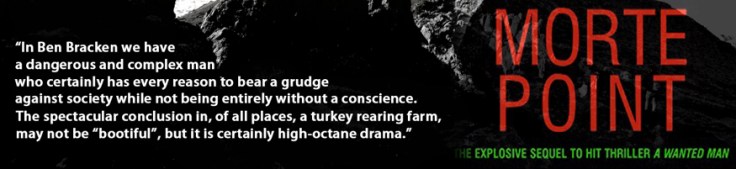
 Parker is on similar form here in Morte Point which, as Devonians know, is a rocky peninsula on the north west coast of that county. Rather than the bitterly feuding rural families in Crook’s Hollow, Mr P gives us a jailbird ex SAS soldier, a mysteriously beautiful Kosovan biochemist, a sunken plane wreck containing only the body of a woman (minus her head), a senior British government minister determined to engineer the biggest international shock since Hitler declared war and Stalin, a bloody shoot-out in London’s most prestigious hotel and – at the centre of the drama – a phial containing a synthesised botulism capable of killing millions.
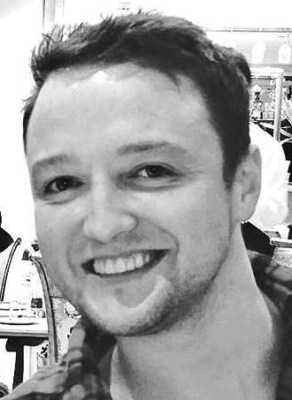 What follows is, to my mind, the best part of the book. Back in the day when the mysterious Andy McNab (and his ever-present black rectangle) was the media’s darling, survival skills, initiative in the wild and hiding in plain sight were familiar tropes in thrillers and on the screen, but Parker (right) has revitalised the idea. Bracken manages to stay half a step – but no more – ahead of his pursuers as he travels rough on his way north to meet up with Salix. You might scoff, and say that rural Devon is hardly the Iraqi desert, but Bracken realises that he is Britain’s most hunted man and, in these days of 24 hour news coverage on a bewildering range of devices, he knows that he has no friends, and no ally except his own resources and awareness of nature. He comes unstuck, however, after a chance encounter with vipera berus, and from this point the story takes a very different direction.


 I was working in Australia when Peter Weir’s 1975 film Picnic At Hanging Rock premiered. I remember pub and dinner party talk for months after being dominated by interpretations and explanations about what might have happened to the ‘lost girls’. In the endpapers of Last Time I Lied American author Riley Sager, (left) acknowledges his debt to this film (and the short story on which it was based). Instead of a 1900 Melbourne, Sager beams us into up-country New York State in, more or less, our times.
 Emma’s summer idyll is destined to come to an abrupt and tragic end, however, when the three older girls in the cabin disappear one night, never to return. Despite the massive search and rescue operation, Vivian, Natalie and Allison remain missing, and Franny is forced to close the camp in disarray.


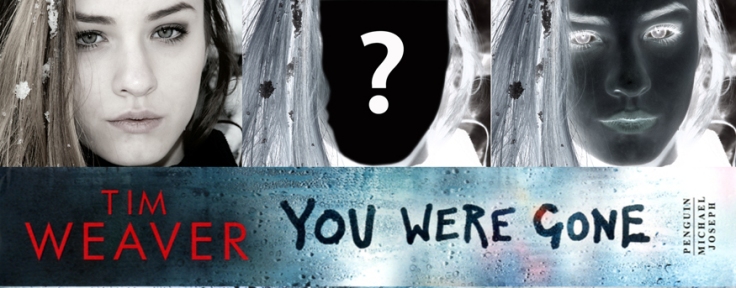
 But he has, as far as is possible, moved on. He has an unexpected family in the form of a daughter from an early relationship, and he keeps his chin up and his eyes bright. Because to do otherwise would mean self destruction, and he owes the physically absent but ever-present spirit of Derryn that much. His world, however, and such stability as he has been able to build into it, is rocked on its axis when a woman turns up at a West End police station claiming to be his wife. Derryn. Dead and buried these nine years. Her fragile remains consigned to the earth. He sees the woman through a viewing screen at the police station and he is astonished. In front of him sits his late wife, the love of his life, and the woman for whom he has shed nine years of tears.
 So many questions. The answers do come, and the whole journey is great fun – but occasionally nerve racking and full of tension. Tim Weaver (right) has crafted yet another brilliant piece of entertainment, and placed a further brick in the wall built for people who know that there is nothing more riveting, nothing more calculated to shut out the real world and nothing more breathtaking than a good book.




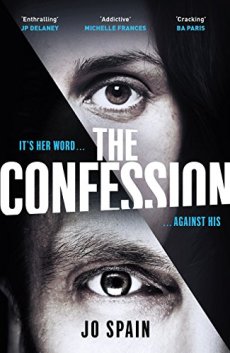 Jo Spain not only takes on the challenge, but she meets it head on and completes it with subsequent pages of The Confession which manage to be, as night follows day, bravura, intense, full of authentic and convincing dialogue, utterly mesmerising and, in places, literally breathtaking. A countryman of Spain’s began his most famous novel with “Stately, plump Buck Mulligan came from the stairhead, bearing a bowl of lather on which a mirror and a razor lay crossed.” She counters with:
 Of course, we get there in the end, and understand why JP Carney has exacted such an emphatic revenge on the handsome, charismatic and plausible Harry McNamara, but sometimes book reviews have to stop dead in their tracks, and say, “Trust me, this is a brilliant novel, but to tell you any more would be little short of criminal.” Yes, The Confession is a brilliant novel. Yes, I read it through in one sitting, deep into the early hours of a winter morning. Yes, I am a fan of Jo Spain (right). Yes, if you don’t get hold of your own copy of this, you will receive scant sympathy from me. The Confession is published by Quercus, and will be on sale as a Kindle from 11th January, and as a hardback from 25th January. Check online buying choices


 fullybooked2017