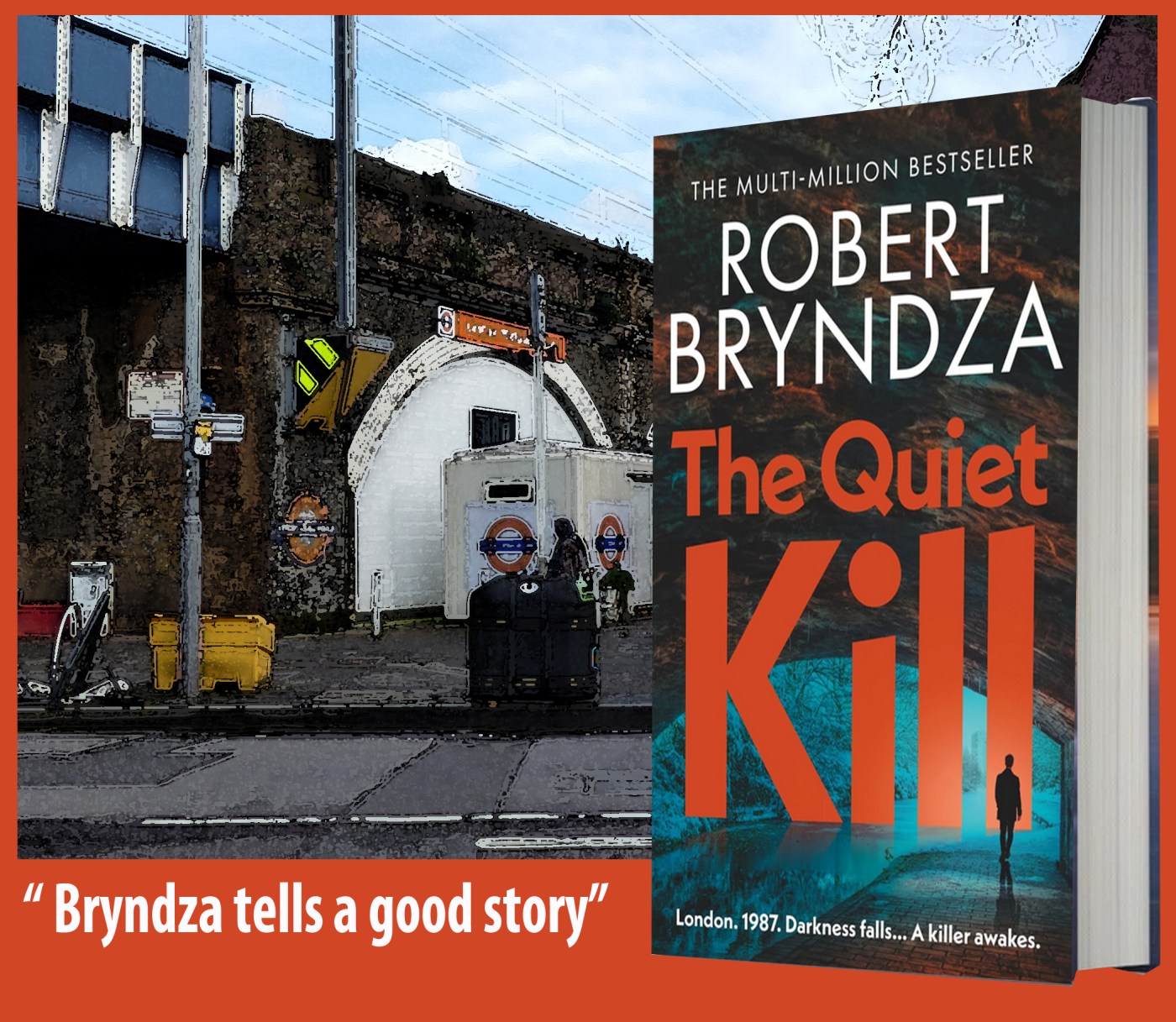

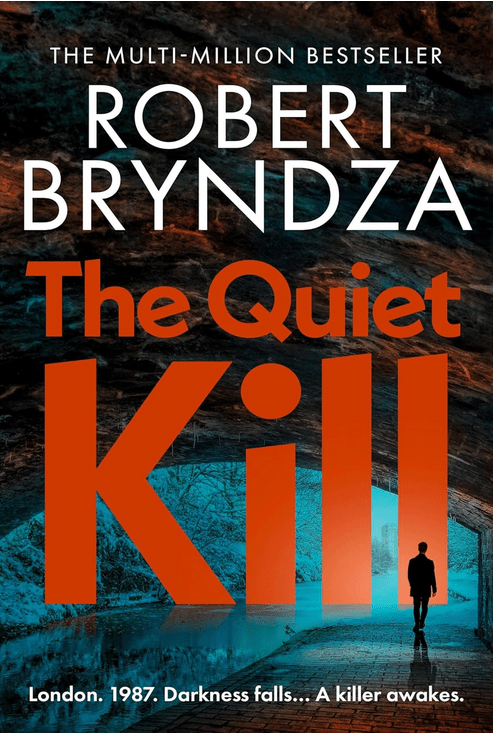
London, early December, 1987. Detective Constable Jamie Day has been transferred from his relatively peaceful Suffolk home town to work with the Met, and his introduction to the decadent grimoire of the capital couldn’t be more horrific. He is first on the scene at Leyton railway station in east London, where the station master (with the help of urban foxes) has discovered body parts dumped in bin liners. It turns out to be the remains of Callum Michaels, a young man from Yorkshire who had recently arrived to begin work on a construction site.
It transpires that Callum was gay, and had effectively been kicked out of home by his rather puritanical father, after Callum and another lad had been rather indiscreet in a local park. Then, the frozen body parts of a middle aged homosexual, Johan Hendriks, is found in his chest freezer. The link between Callum and Johan is that they both had copies of the same ‘Tart Card’ (a business card advertising sexual services of all kinds, mostly to be found in public telephone boxes back in the day)
A third young man meets his maker, while police Top Brass are trying to keep a lid on things, due to Johan Henriks’ connection to people in High Places. In his innocence, Jamie Day is tricked into revealing details of the case to an unscrupulous journalist (is there any other kind?) and is suspended.
Robert Bryndza, like Jamie Day, is a native of Lowestoft. The Suffolk coastal town was once a thriving port but, even in 1987, it was beginning its downward spiral into being considered a significantly deprived town, with some areas ranked among the 10% most deprived in England, particularly regarding education, skills, and income. Like its near-neighbour, Yarmouth, it is a shadow of its former self.
It needs saying that this book is not a murder mystery, in the sense that there is any doubt over the identity of the killer is resolved fairly quickly. The tension comes from wondering just how the police are going to find him. It needs to be emphasised that the storyline is centred on the Gay scene in 1980s London and, in places, it is very graphic. Robert Bryndza spares us none of the gory details, but he always tells a good story, and you can read my thoughts on his earlier books by clicking this link. The Quiet Kill is published by Raven Street Books and is available now.

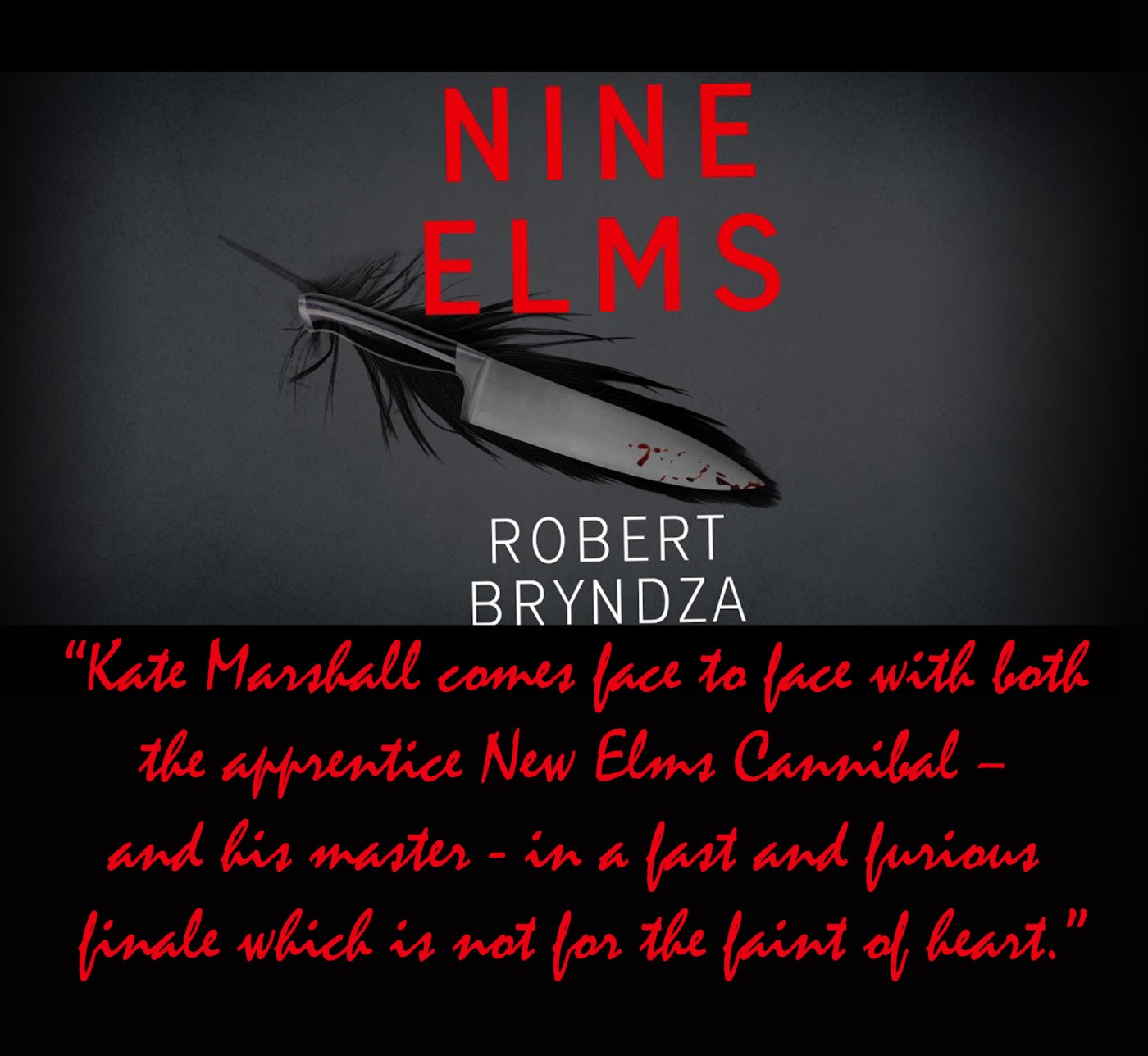

 ate Marshall lectures in criminology at a university in the south west of England, but when she speaks to her students it is not as an academic, making judgments based purely on the research of others; neither does she approach the subject as an outsider, albeit one who is well read and well prepared. Fifteen years earlier, when she was a humble detective constable with London’s Metropolitan Police, she brought to justice one of the country’s most prolific and perverted serial killers. In doing so, she paid a heavy price; only skilled surgeons prevented her death from terrible injuries, but her career – and personal reputation – were both beyond saving.
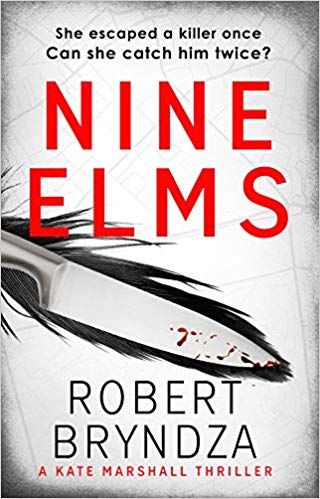 Fifteen years on, the former police officer dubbed The Nine Elms Cannibal is serving multiple life sentences in a secure mental institution, and Kate Marshall, if not exactly dining out on her experiences, uses her involvement in the case as part of the course she delivers. She lives alone and while not exactly lonely, she is a changed woman from her days as part of London’s police force. She battles alcoholism, but with the support of Alcoholics Anonymous and, in particular, a local AA member called Myra, Kate sips her iced tea and pretends it contains a hefty shot of Jack Daniels.
 ith her research assistant Tristan Harper, Kate tries to reassemble the pieces of an increasingly complex puzzle, but it is not until events take a spectacular turn that she comes face to face with both the apprentice New Elms Cannibal – and his master – in a fast and furious finale which is not for the faint of heart.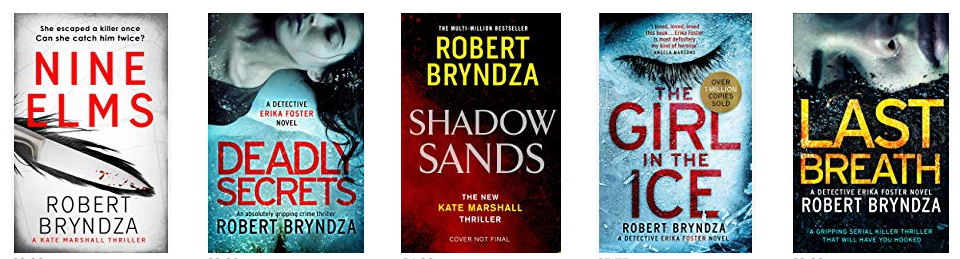

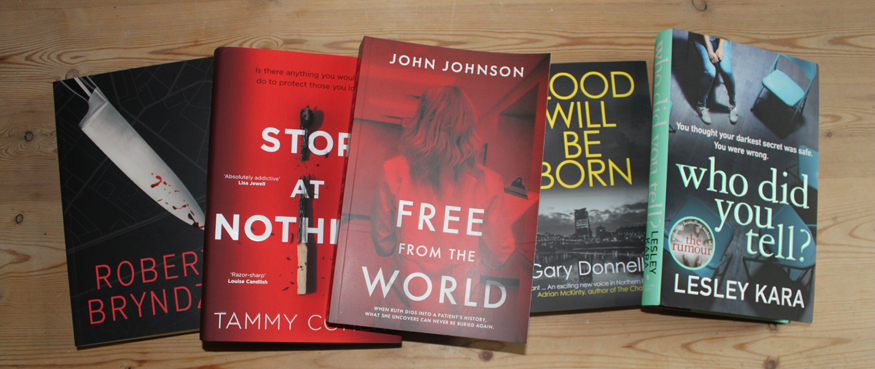
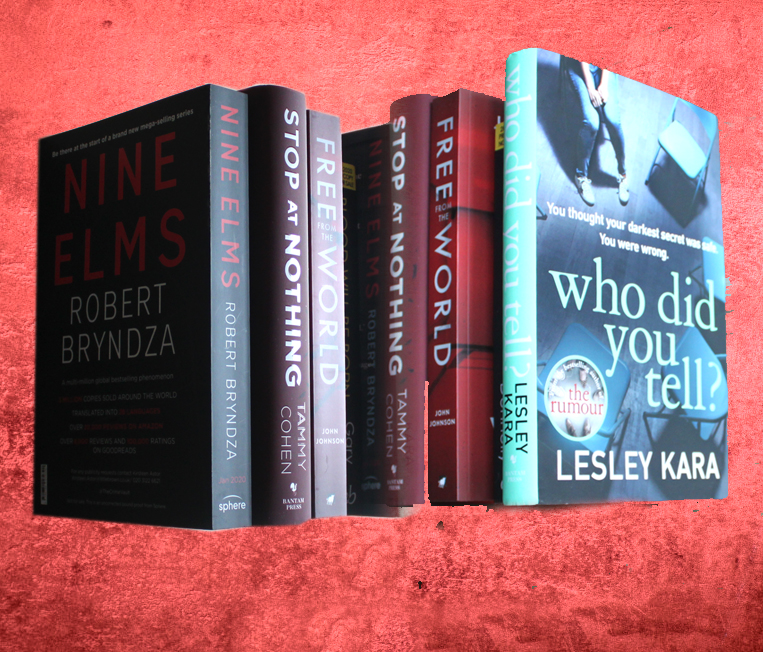
 Bryndza already has an established audience for his Detective Erika Foster series, and he now introduces another female copper to the crime scene. Fifteen years earlier, Kate Marshall was an emerging talent with London’s Met Police – until a near fatal encounter with a serial killer ended her career. When a copycat killer starts to mimic the work of the man who nearly killed her, she is inexorably drawn back into the investigative front line. Nine Elms is published by Sphere, is out now as a Kindle and in hardback
 This came out in Kindle back in the summer of this year, but now readers who like the feel of a printed book in their hands get to join the party. They say there is nothing as ferocious, either in the animal world or the human sphere, as a mother protecting her young. A woman has to look on helplessly as the man accused of attacking her daughter is set free. Tess’s quest for justice, however, plunges those she loves most into a cauldron bubbling with hatred and danger. Out on 26th December,
  It may well be that someone, somewhere, has written a cosy ‘feet up in front of the fire’ crime novel set in Belfast. If they have, it has passed me by, as the streets of that city, their very stones stained to the core with the ancient bitterness of sectarian violence, always seem to provide a natural backdrop for gritty thrillers. When London Detective Inspector Owen Sheen returns to his home turf to set up a special crime unit, he is sucked into an investigation which, in double quick time, becomes political – and personal. This, Gary Donnelly’s debut thriller will be out on 20th February and is
  Set in a 1960s mental hospital with the ominous name of Black Roding, this is the story of an idealistic and progressive young psychiatrist, Ruth, whose ideas for a more enlightened regime find no favour with the suspicious staff. Becoming rather too close to a complex and troubled inmate of Black Rodings, Ruth’s determination to find new ways of doing things draws her into a horrifying vortex of hidden crimes and shocking revelations. Published by Matador,
  Lesley Kara captured the potentially poisonous dynamic of small town gossip in her 2018 thriller