
Jo Spain’s latest stand-alone crime novel begins with a death which is as sudden as it is violent. The victim of this savagery is only a bluebottle fly, slain by a passing bird, but the important part is where the fly has been before it became a Blackbird’s breakfast. Like countless thousands of its fellow Calliphora Vomitoria it has been innocently feasting and laying its eggs on a corpse. A very human corpse. The mortal remains (and not much does) of Olive Collins has been gently liquefying inside her cottage for months. Her neighbours in the exclusive gated hamlet of Withered Vale have been going about their business oblivious to Olive’s fate.
 Withered Vale? Hardly your standard estate agent euphemism. Honeysuckle Meadows, Skylark Leys, Virginia Reach, Lakeside View, maybe, but Withered Vale? Years ago, the man who farmed the fields now built over was over-zealous with his pesticide, and nothing grew ever again. The enterprising developer, alert to a possible marketing triumph, chose to retain the local name, thinking that it had a certain ironic snap to it which might appeal to wealthy young professionals. He was right. No. 4 The Vale – Olive’s cottage – dates from before the development, however, and is dwarfed by the arrivistes.
Once Olive’s demise is discovered, the police descend. Frank Brazil, desperate for retirement and a quiet life, has said his prayers hoping that it is a suicide. His young partner Emma Child gleefully discovers taped up ventilation outlets and a boiler that has been fatally tinkered with, thus suggesting something darker, however, and Spain sets to work describing the other residents of the Vale as, one by one, they all become suspects – and what a brilliantly wicked job she makes of it.
There’s poor porn-addicted George Richmond, set up in his designer home, No. 1, by his wealthy showbiz father, and No. 7 houses debonair ladies’ man Ron Ryan with his sunbed tan and simple philosophy of ‘get it while – and when – you can’. At No. 5 live the Hennessys, Matt, Chrissy and their rather odd son Cam. Spain has shown flashes of dark humour in her previous novels, but she lets her considerable talent for satire off the leash when she lays into David and Lily Solanke, in their self-righteous vegetarian paradise within the walls of No.2. David is so exasperatingly ‘woke’ that Lily, pregnant with the twins, curses his kindness:
“Soon, David was playing music to her bump and lying with his head in her lap so her could hear the twins gurgling in the amniotic fluid. He treated her belly with reverence, gentle and worshipping. She felt like a Fabergé egg. A Fabergé egg that wanted her husband to do her doggy-style because she was so damned horny.”
We meet Ed and Amelia Miller from No. 6 while they are soaking up the sun in their Andalusian apartment, but their reaction when they hear of Olive’s death suggests that her passing lifts a shadow that has been cast over their lives. No. 3 is home to Alison and Holly Daly, single mum and teenage daughter and, like the Millers, neither of them sheds anything resembling a tear.
 Thus Spain sets up a writhing nest of vipers, every one of whom has a very good reason for wanting Olive Collins dead and out of its life. The narrative darts back and forth between the homes as we learn the hopes, sins and insecurities of the residents, each with a flimsy alibi and united by a mixture of fear and loathing for the apparently mild-mannered resident of No. 4 The Vale. As we scratch our heads wondering whodunnit, could we be looking at some kind of collective guilt, à la An Inspector Calls? The solution, when it comes, is deliciously perverse and very satisfying. Jo Spain (right) has a talent to enthrall, and in an afterword to this book she writes of her early love of reading:
“My heart was won by the written word. It’s been a lifelong affair. If I can give anybody the gift of a good story, a gift I still treasure when I cuddle up in the chair with a book at night, then my job is done.”
Her job is indeed done, and done with a sense of élan and literary devilment unmatched by anyone currently writing crime fiction. Dirty Little Secrets is published by Quercus and will be available on 7th February.
Click the links below to read reviews of earlier novels by Jo Spain.
The Darkest Place
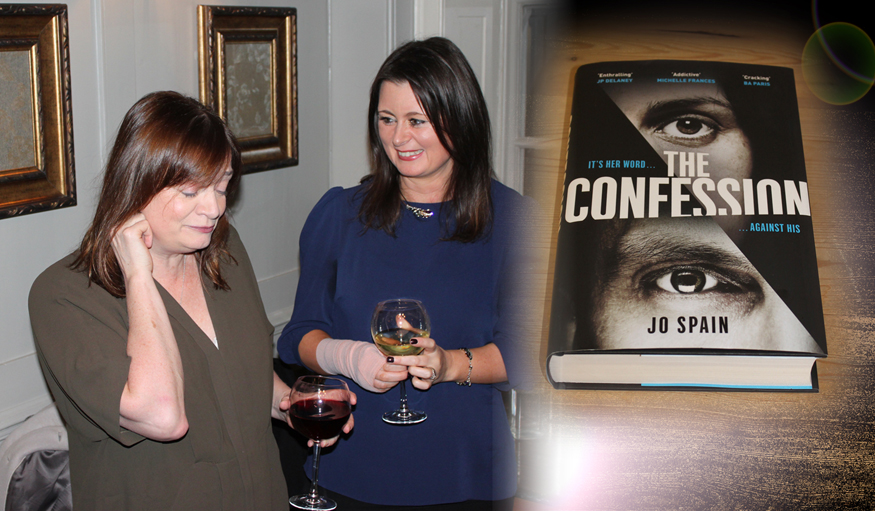
The Confession
Sleeping Beauties
Beneath The Surface

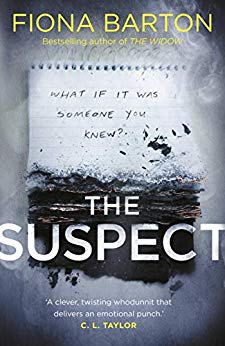 Sensing a very productive headline story that will run and run, Kate Waters uses all her empathy and tricks-of-the-trade to get close to the girls’ families, and the story does indeed have the whole enchilda. Beautiful teenage girls, disappearance in a Bangkok drug den, frantic parents, the possibility of incompetence by foreign police – what could possibly go wrong? Jake Waters is what could possibly go wrong. Kate’s son has been away in Thailand “finding himself” after a failed spell at university, and her journalistic glee at the ramifications of the story is brutally brought up short when she finds that her errant boy might be at the very epicentre of the story she has claimed as her own.
 It must be said that this is a story long on personal misery and rather short on redemption, but it is beautifully written. The nuances of conversation, gesture and body language are exquisitely observed even if they sometimes make for painful reading, such as the bittersweet moments between Bob Sparkes and his dying wife. My own children are, thankfully, well past the age of “doing” Thailand, but my advice to those with gap-year offspring is, with all respect to Fiona Barton (right), don’t read this book! Once your teenagers have shouldered their backpacks and waved goodbye at the departure gate, your mind will hark back to The Suspect it will be nessun dorma for you!


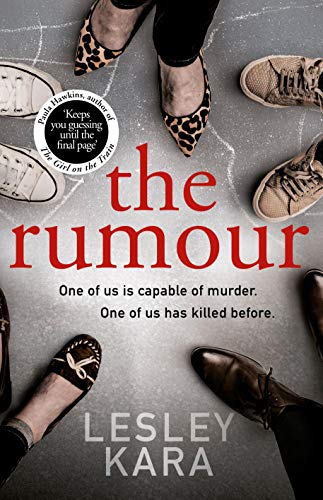





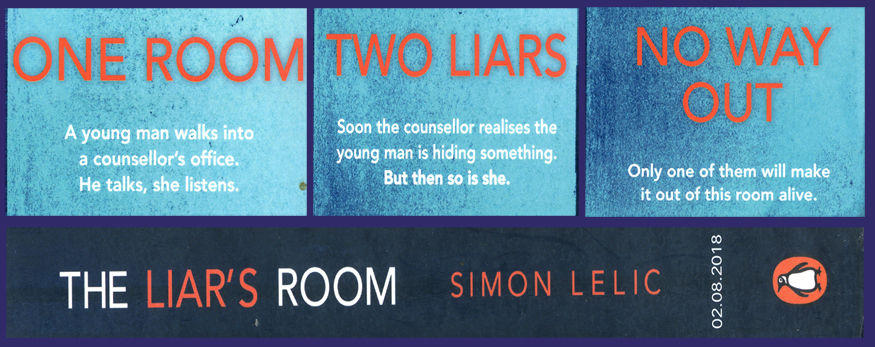
 Also Sprach, in no particular order (put the name to the quote for a bit of fun, but no prizes, sadly) Napoleon, Jack Nicholson, Hitler, Sartre, and Nietzsche. In this brilliant new novel by Simon Lelic we have, in theatrical terms, an intense two-hander between Susanna (a counsellor) and Adam (a troubled young man). Just a couple of problems here, though. First, neither person is exactly who they claim to be and, second, Adam has abducted Susanna’s daughter Emily and, for reasons which emerge as this extraordinary dialogue develops, wants her dead.
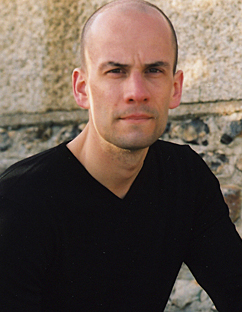 is a writer who views the human condition with what some might term a jaundiced eye, as witnessed in his previous novel,


 Hal Westaway is no crook. She is not an opportunist. She has a conscience. She instinctively understands the difference between meum and teum. And yet. And yet. The gangster from whom she unwisely took out a desperation loan is angry and anxious for his 300%. Hal’s Brighton flat has already been turned over, and she knows that broken bones are next on the agenda. So, she accepts the invitation from the late Mrs Westaway’s solicitor to travel down to Cornwall to meet the family she never knew she had.
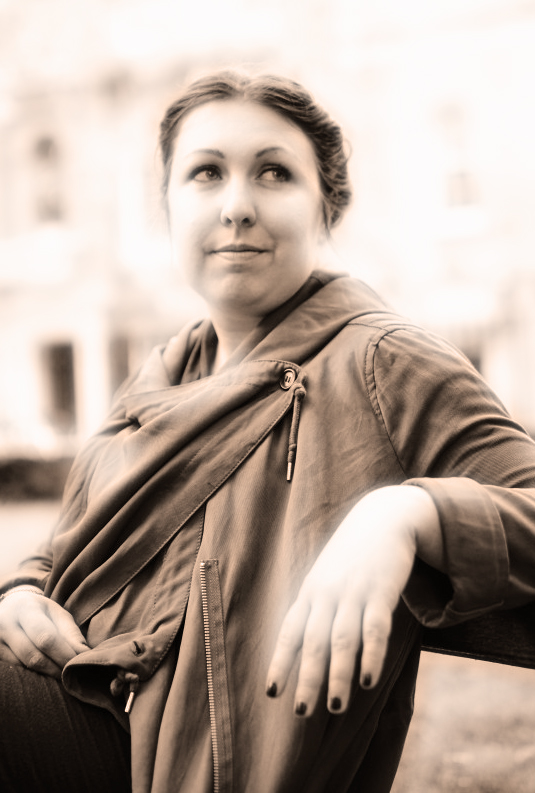 Ruth Ware (right) is not the first writer – nor will she be the last – to explore the lurid charms of a decaying mansion, its ghosts both real and imagined, and the dusty terrors of death, but she makes a bloody good job of it in The Death of Mrs Westaway. Hal Westaway is a delightful character, and you would require a heart of the hardest granite not to sympathise with her and the exquisite dilemma she faces. The plot is a dazzling mix of twists, surprises, and just the right amount of improbability. The Death of Mrs Westaway is a thriller which makes you keep the bedroom light on, and long for the safety of daylight. It looks like being another bestseller for Ruth Ware, and you can judge for yourselves on June 28th, when the book will be published by
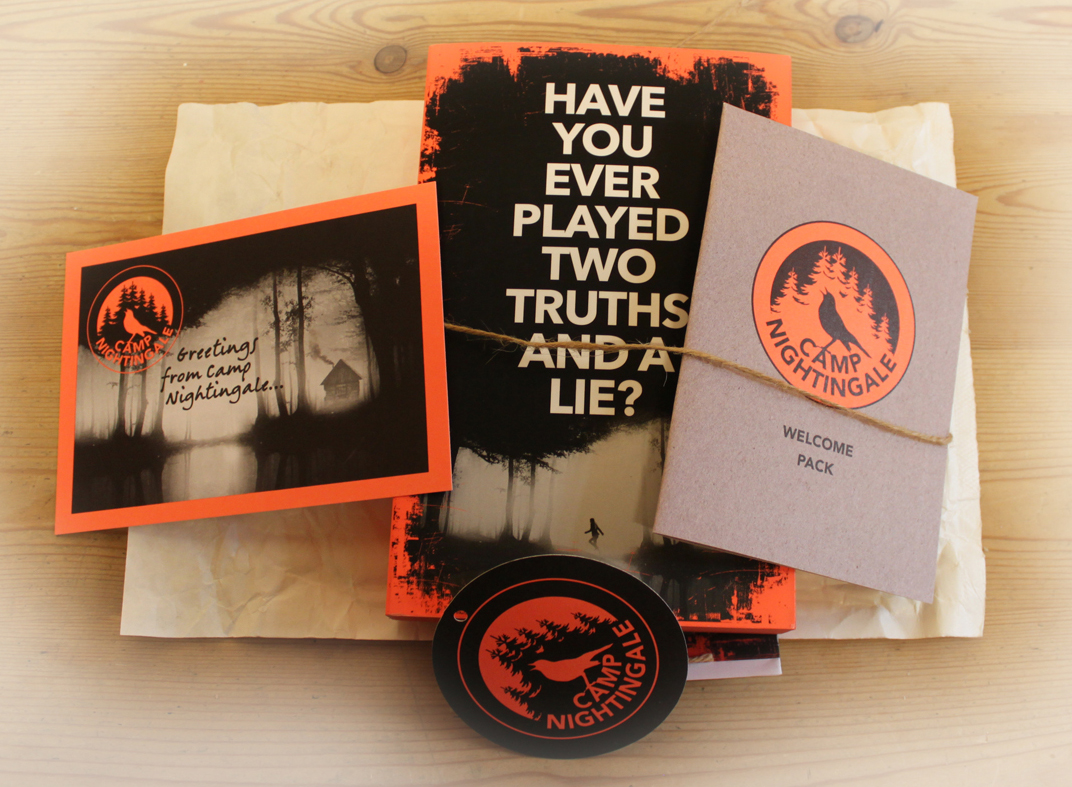

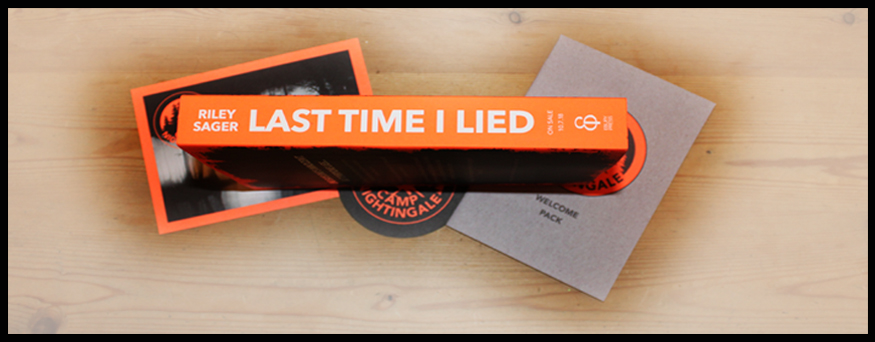
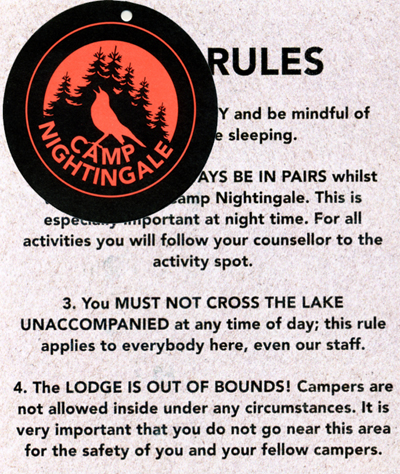 RILEY SAGER (aka Todd Ritter) however takes a darker view. When Emma goes to Camp Nightingale, it is her first summer away from home. She learns how to play games, but she also learns a more sinister skill – how to lie. That golden summer dream becomes a twisted and feverish nightmare when three of Emma’s new-found friends set off to explore the woods, but are never seen again. It is inevitable that he subsequent furore spells the end for Camp Nightingale as a safe holiday destination for teenage girls. But times change. memories fade. Years after the terrible events of that summer, Emma is asked to return to the newly reopened camp. Will her return lay old ghosts to rest, or wake the spirits of the dead and rip away the veil of innocence to reveal a much darker truth?
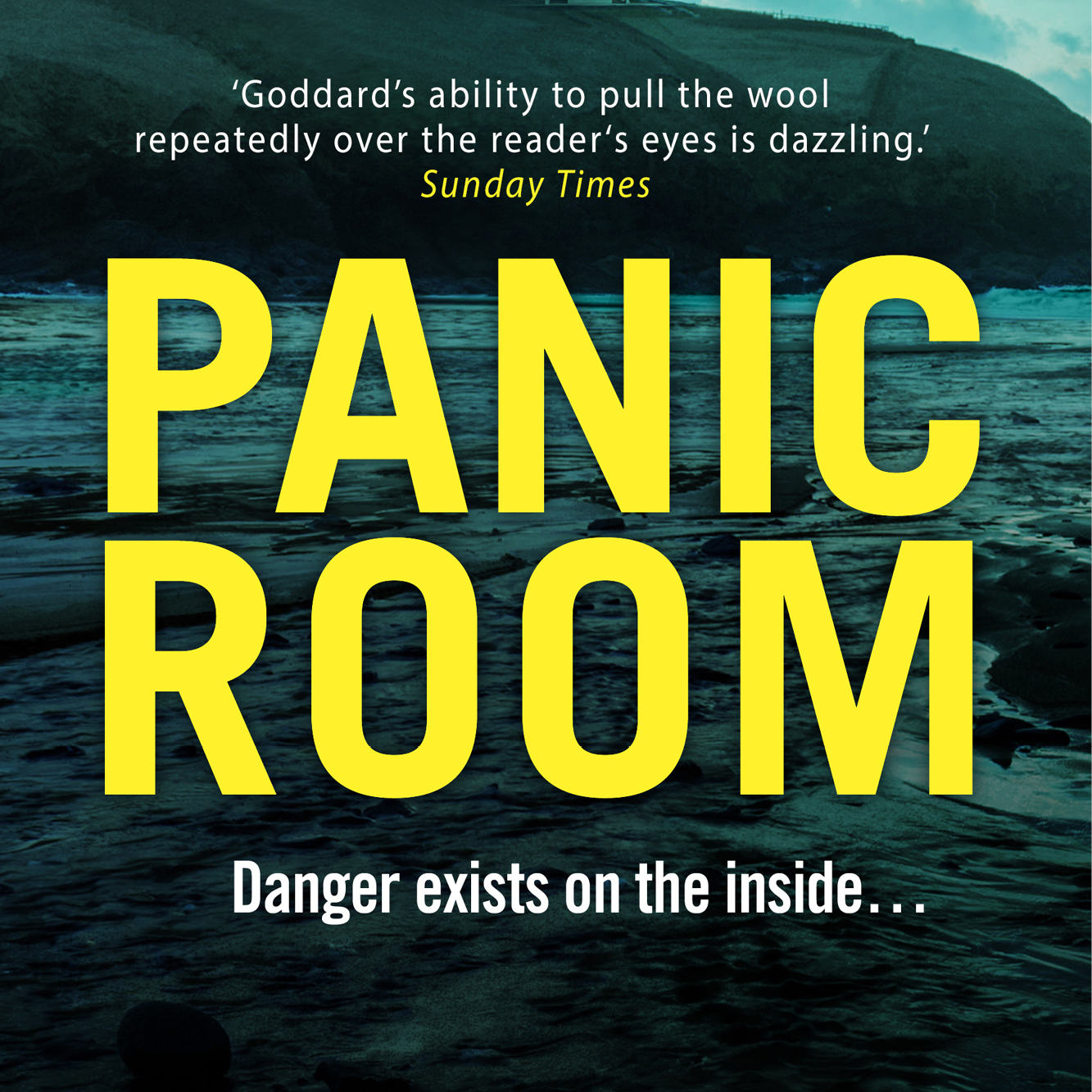

 Don Challenor is what Monty Python might have called at ex-estate agent. He is no more. He has over-egged his last pudding and hyped up his last hovel. The prestigious London property sellers Mendez Chinnery have, as the saying goes, let him go. He has been, to quote the late lamented Alan Clark, economical with the actualité once too often. He is at that stage of life when it is becoming harder and harder to slip into a new job. Not only is he sans employment, but he is also sans wife. Fran has married again and is still lawyering away, but with a new husband and his children. Challenor is surprised, then, when she makes contact to offer him a cash in hand one-off job. It sounds simple. He is to travel down to Cornwall, assess an executive-style property, and present her with a glowing file which will attract well-heeled buyers like moths to a flame. The house, Wortalleth West, was formerly owned by millionaire businessman Jack Harkness, but it has now been signed over to his former wife as part of a divorce settlement.



 fullybooked2017