
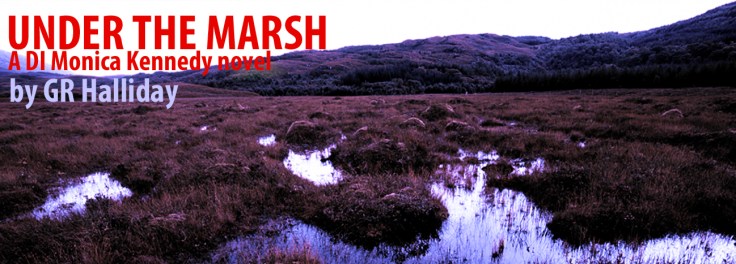
This is the third novel by GR Halliday featuring Inverness copper DI Monica Kennedy, and you can read my review of the previous book, Dark Waters, by clicking on the title link. DI Kennedy’s life revolves around being the best mother she can be for her five year-old daughter Lucy, and solving serious crime for Police Scotland. When those two vocations collide, she is helped out by her willing, but rather reproachful mother.
The novel begins with one of those “She’s Leaving Home” moments, but there is a difference. The worst that we know of what became of the girl in the Beatles song is that she went off with a man from the motor trade. What happens here is worse. Much, much worse.
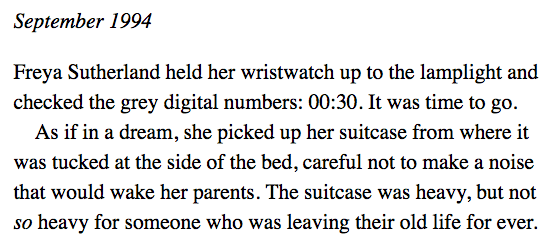
 One of Kennedy’s chief scalps was serial killer Pauline Tosh, who now faces spending the rest of her days in a remote high security jail. Out of the blue, Tosh requests a visit from the officer who ended her murderous career, and what she reveals sets off a search for a body. When it is discovered, and is revealed to be that of the long-since missing Freya Sutherland, what is in effect a massive cold-case-murder hunt is put into place.
I am not the greatest fan of the split time frame mode of storytelling, but Halliday uses it sparingly. Freya’s links with some minor celebrities back in the day provide leads for the investigation, but they are not necessarily fruitful. Along the way, the author has fun painting dark pictures of people who were once ‘something’ in the entertainment business, but whose best days are long behind them, but the questionable ethics and narcissism that brought them fame are as strong as ever. More troubling for Monica Kennedy is that one of the people who crops up in her investigation into what happened decades ago is now a prominent Scottish politician.
Monica Kennedy gets on really well with her professional partner, DC Connor Crawford, but then he goes AWOL at a time when the investigation is floundering. When he does surface, it is to tell Kennedy that he is in la merde profonde. He has become captivated with a Lithuanian stripper who works for one of Scotland’s major villains, who now has compromising footage of Crawford and Emilija. This footage will be revealed to all and sundry unless Crawford agrees to feed him with information. It is not all doom and gloom, however, as Crawford has had a bit of luck via a cassette tape which seems to indict several of Kennedy’s suspects in the search for Freya’s killer.
 As with all good crime writers, Halliday (right) leads us up the garden path, and killers (plural) are actually found, but the solution is surprising and beautifully complex. Oh yes, I almost forgot. From his bio, GR Halliday is a lover of cats, so if you share his passion, there are cats in this story. Several of them.
The author brings us a dark and compelling mystery set against the dramatic and occasionally unforgiving landscape of the Scottish Highlands. Monica Kennedy is a fully fleshed out character we can all believe in. Under the Marsh is published by Vintage, and is available now.
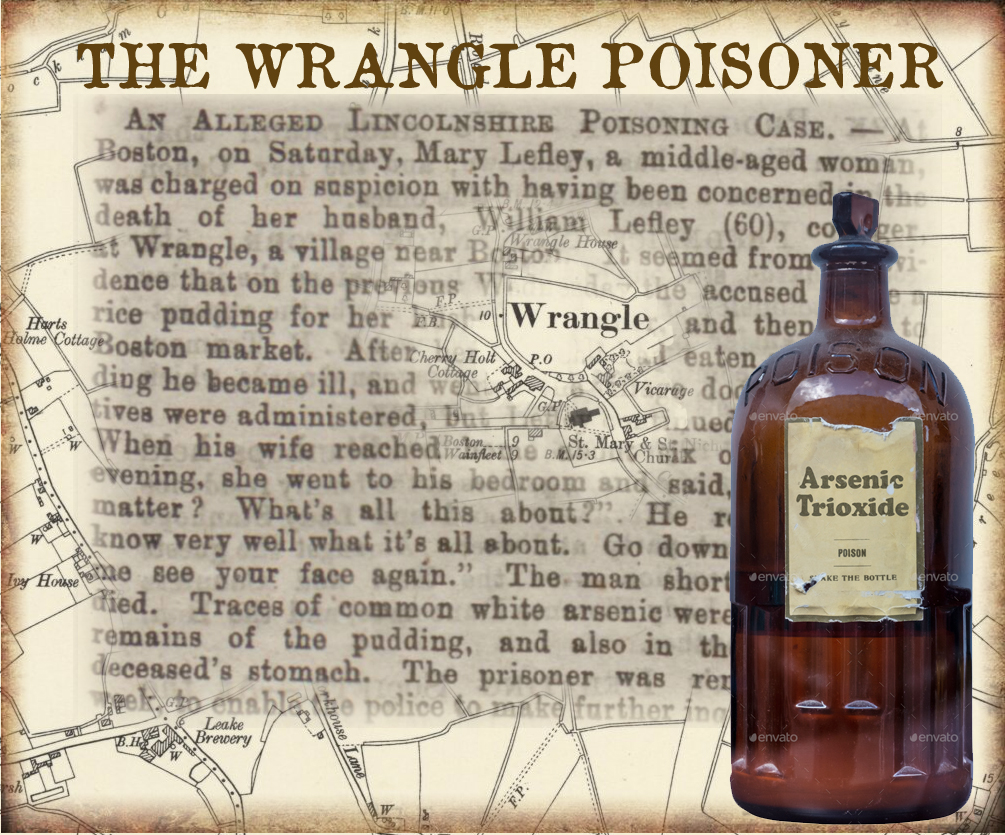
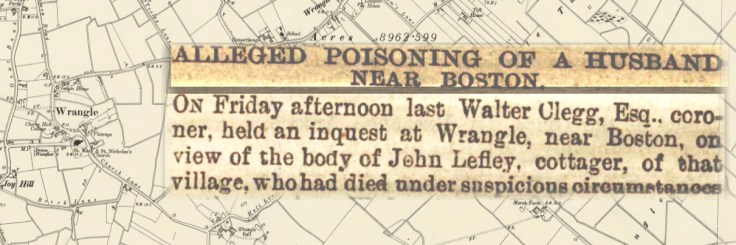
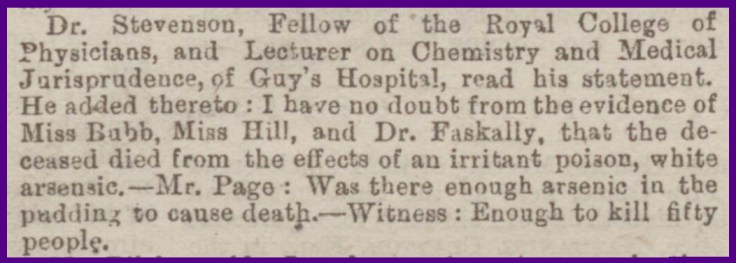
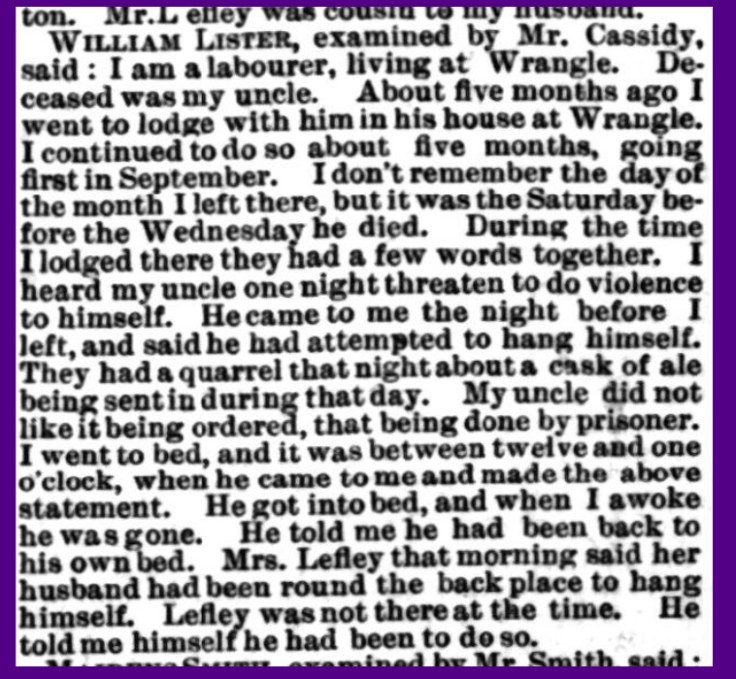
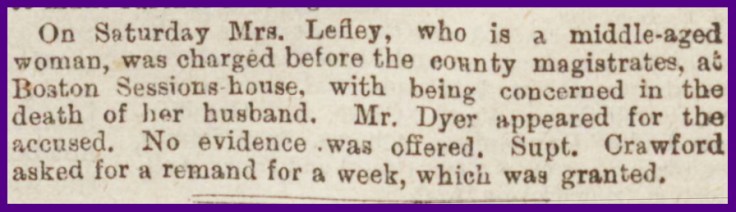
 Based mainly on the question, “Who else could have done it?” Mary Lefley was sent for trial at the Lincoln Assizes. She was to appear before Mr Justice North. Mary’s defence barrister made the point: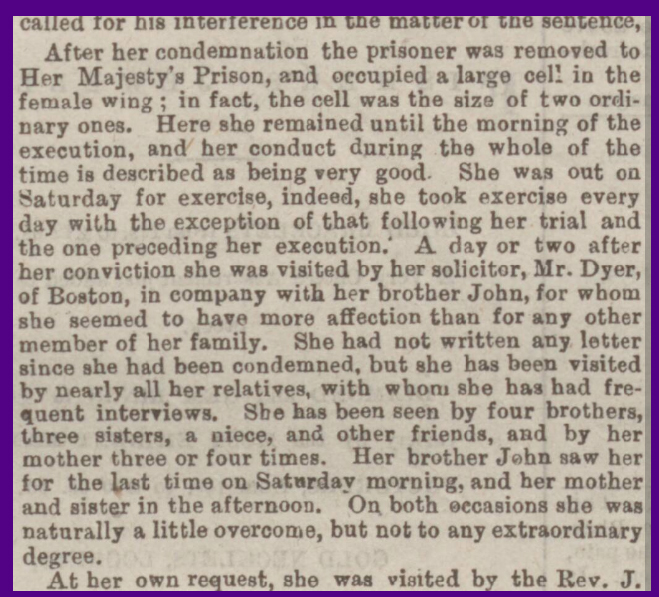


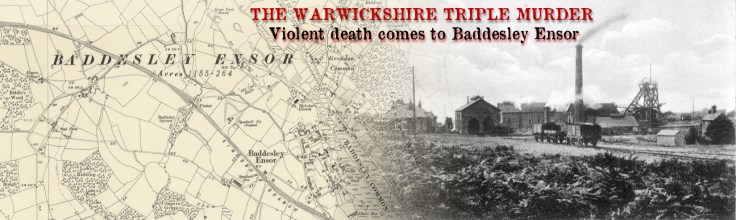

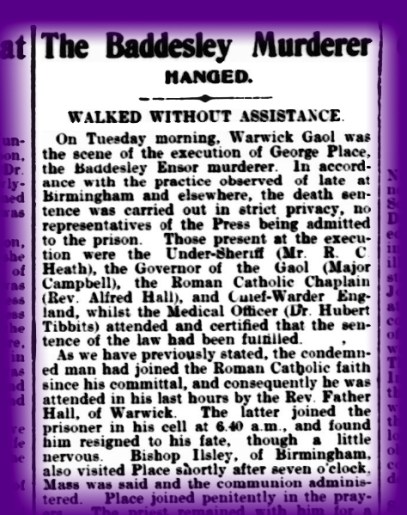 The rest of this grim tale almost tells itself. George Place, apparently unrepentant throughout, was taken through the usual procedure of Coroner’s inquest, Magistrates’ court, and then sent to the Autumn Assizes at Warwick in December. Presiding over the court was Richard Webster, 1st Viscount Alverstone, and the trial was brief. Despite the obligatory plea from Place’s defence team that he was insane when he pulled the trigger three times in that Baddesely Ensor cottage, the jury were having none of it, and the judge donned the black cap, sentencing George Place to death by hanging. The trial was at the beginning of December, the date fixed for the execution was fixed for 13th December, but George Place did not meet his maker until 30th December. It is idle to speculate about quite what kind of Christmas Place spent in his condemned cell, but for some reason, during his incarceration, he had converted to Roman Catholicism. It seems he left this world with more dignity than he had allowed his three victims. The executioner was Henry Pierrepoint.









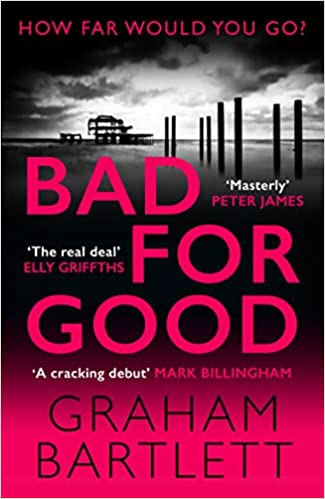 The plot hinges around a series of dire events in the life of Jo Howe’s boss, Detective Chief Superintendent Phil Cooke. Already trying to keep his mind on the job while his wife is dying of cancer, fate deals him another cruel blow when his son Harry, a promising professional footballer, is murdered, seemingly a casualty in a drug turf war. He steps down, but then comes into contact with a shadowy group of apparent vigilantes, who tell him that Harry was not the clean-cut sporting hero portrayed in the local media – he was heavily into performance enhancing drugs. The vigilantes – whose business plan is to provide a highly illegal alternative police force, where customers pay for the quick results that the Sussex Constabulary seem unable to provide – blackmail Phil into standing in the election of Police and Crime Commissioner. He is forced to agree, and is elected.
 Graham Bartlett (right) was a police officer for thirty years and mainly policed the city of Brighton and Hove, rising to become a Chief Superintendent and its police commander, so it is no accident that this is a grimly authentic police procedural. It is also very topical as, away from the violence and entertaining mayhem, it focuses on the seemingly insoluble problem of the divide between the public’s expectations of policing, and what the force is actually able – or willing – to deliver. Bartlett doesn’t over-politicise his story but, reading between the lines – and I may be mistaken – I suspect he may feel that, with ever more limited resources, the police should not be so keen to divert valuable time and resources away from their core job of catching criminals. My view. and it may not be his, is that effusive virtue signaling by police forces in support of this or that social justice trend does them – nor most of us – no favours at all.


