

Coming late to a well-established series can pose problems for a reviewer but, happily, this book is a prequel to the six published previously. The series is known as the Station Series, written by David Downing, and featuring the investigative crime reporter John Russell. The titles all take their names from railway stations around Berlin. They are Zoo Station (2007), Silesian Station (2008), Stettin Station (2009), Potsdam Station (2010), Lehrter Station (2012), and Masaryk Station (2013).
Fans of the books will have to excuse me while I paint a quick background picture. It is early 1933, and Hitler has been Chancellor for just a few weeks. We begin just hours after the Reichstag fire, and the SA – Sturmabteilung – are going about their grisly business with renewed vigour. Russell is English, a veteran of WW1 – and a former communist – but due to his marriage (now failed) to a German woman, he can happily say, “Ich bin ein Berliner.“
 While reporting on the death and mutilation of a young rent boy, Russell is asked by a friend to take on another case, this time on behalf of a senior army officer whose daughter is missing. It is a delicate business, because there is a strong suspicion that Lili Zollitsch has run off with a boyfriend who is an active member of the Kommunistische Partei Deutschlands.
Russell seems to collect mysterious deaths and disappearances like some men collect stamps. Hard on the heels of the Colonel’s missing daughter, he hears that a prominent genealogist has been killed in what seems to be a case of hit-and-run. One of Herr Mommsen’s most popular services had been producing evidence of racial purity – as in no trace of Jewish blood – for his clients. Had he made a rather unfortunate discovery and signed his own death warrant? If this weren’t enough, a well-known astrologer has gone missing – believed permanently – and when Russell investigates via one of Harri Haum’s customers he is astonished when she tells him that in a crystal ball-reading session a few days before the event, the seer had predicting the burning of the Reichstag.
But there is yet more for Russell to deal with. One of the friends of the murdered rent boy contacts the journalist and hands him the dead lad’s diary, in which he has faithfully recorded the names of his clients, as well as intimate physical descriptions. As Russell turns the pages, he finds the names of prominent members of the SA. Now while homosexuality is – along with communism, and being Jewish – a big no-no in the eyes of the Schutzstaffel (SS) it is a different matter in the rival organisation, the SA. The SA’s head, Ernst Röhm along with a good number fellow brownshirts are, as coy newspaper obituaries used to say, “confirmed bachelors.”
The final straw for Russell – and one that very nearly breaks the back of the proverbial desert beast of burden – is when a knock on the door of his apartment reveals a young woman called Evchen who, years earlier, was a communist comrade. Not only is she still a party member, she has just shot dead one SA trooper and seriously injured another. And now she seeks shelter. How Russell gets himself out of these various pickles is gripping stuff. Some of the tension is obviously diminished by the fact that we know that the journalist survives to feature in six further books, but it is still a very good read.
We are clearly in Bernie Gunther territory here, and comparisons are inevitable, but in no way negative. This is a compelling read and a chill reminder – if any were necessary – of the gathering storm facing Germany and the wider world in the 1930s. Wedding Station is published by Old Street Publishing. The hardback is available now, and the paperback version will be out on 4th May.


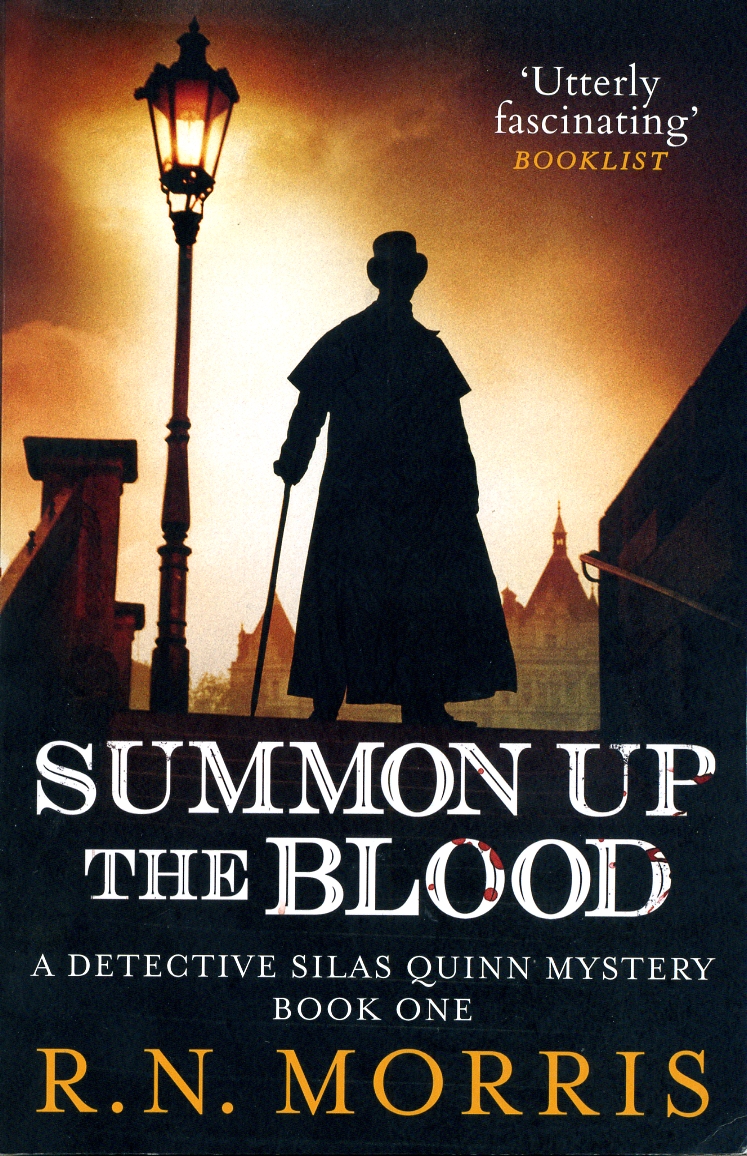 When a rent boy is found dead, his throat cut from ear to ear, there is initially little interest by the police, as the lad is just assumed to have paid the price for being in a risky line of business, but when the post mortem reveals that he has had every drop of blood drained from his body, Quinn is summoned and told to investigate. After a droll episode where Quinn decides to pose as a man smitten by “the love that dare not speak its name”, and blunders around in a dodgy bookshop, but he does find out that the dead youngster was called Jimmy, and had links to a ‘gentleman’s club’ where he would find men appreciative of his talents.
 Thankfully, Morris makes no attempt to get in the politics of homosexuality and the law: his characters simply inhabit the world in which he puts them, and their thoughts, words and deeds resonate authentically. In 1914, remember, the trial of Oscar Wilde and the Cleveland Street Scandal were still part of folk memory. It’s an astonishing thought that had Morris been writing about similar murders, fifty years later in 1964, virtually nothing would have changed – think of the scandals involving such ‘big names’ as Tom Driberg, Robert Boothby and Ronnie Kray, and how their lives have been written up by such novelists as Jake Arnott, John Lawton and James Barlow.

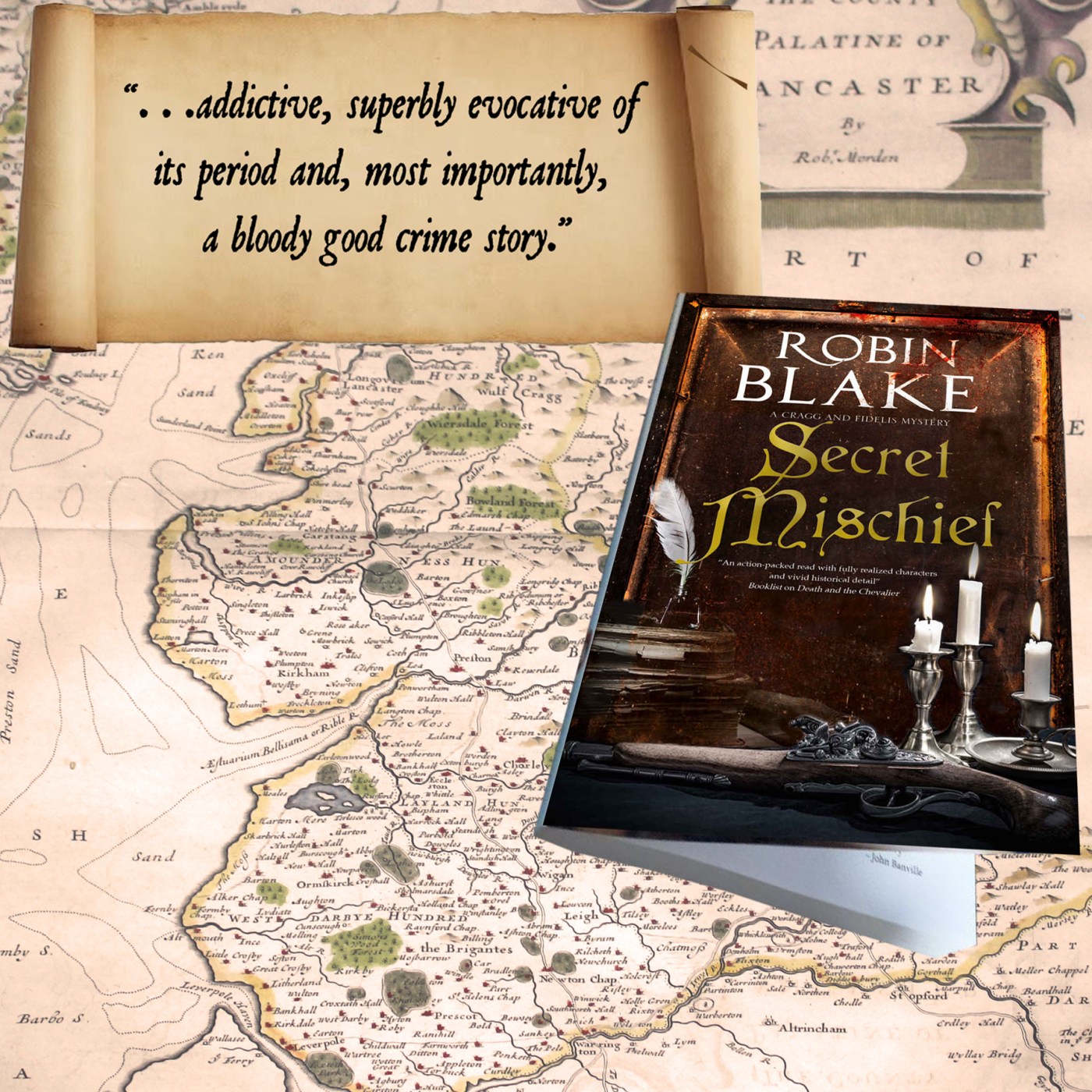

 As ever, murder is the word, and a series of deaths in and around the town of Omskirk are linked to an archaic form of business plan for raising money, known as a Tontine. The investment plan was named after Neapolitan banker Lorenzo de Tonti and, to put it simply, was a pot of money where a number of people contributed an equal sum. The money would either be invested, with interest paid to the members, or used to fund capital projects. As time went on, and investors died, the fund became the property of the remaining members, until the last man (or woman) standing hit the jackpot.
 One by one the Tontine signatories come to sticky ends: one is, apparently, hit by the sail of a windmill; another is found dead on Crosby beach, apparently drowned, but Luke Fidelis conducts a post mortem and finds that the dead man’s body has been dumped on the seashore. Things become even more complex when a reformed ‘lady of the night’, now a maid, is accused of pushing the poor woman into the path of the windmill sail. Cragg is convinced she is innocent, but faces an uphill struggle against a corrupt judge.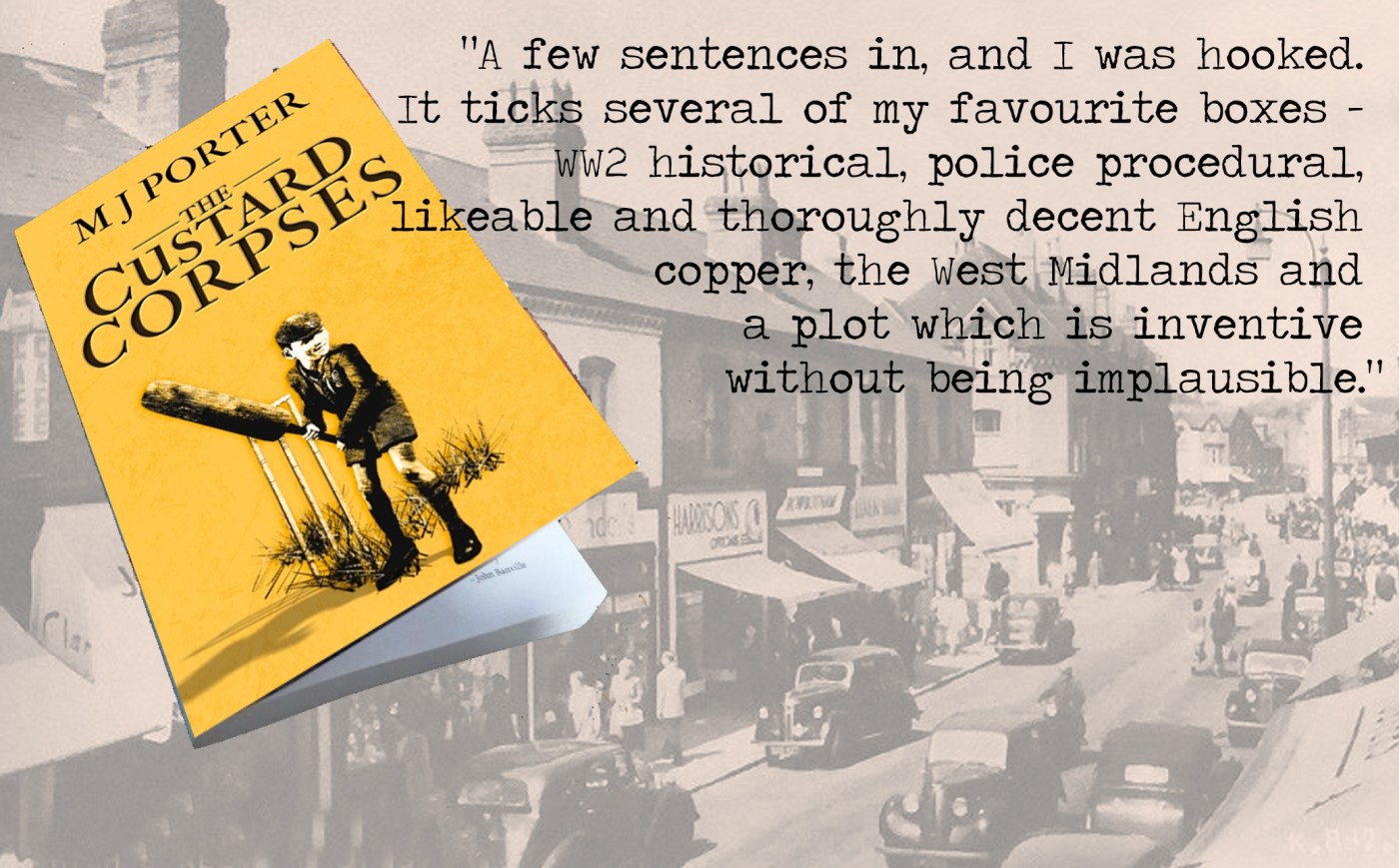
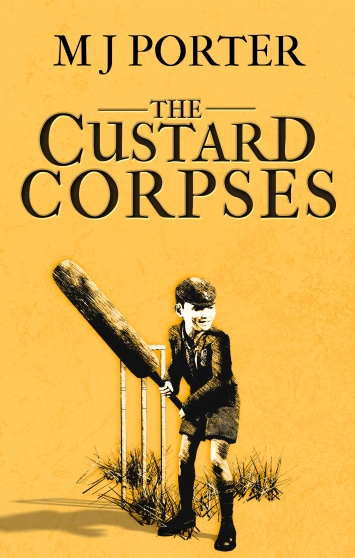 Mason is a man given to reflection, and a case from his early career still troubles him. On 30th September 1923, a boy’s body was found near the local church hall. Robert McFarlane had been missing for three days, his widowed mother frantic with anxiety. Mason remembers the corpse vividly. It was almost as if the lad was just sleeping. The cause of death? Totally improbably the boy drowned. But where? And why was his body so artfully posed, waiting to be found?



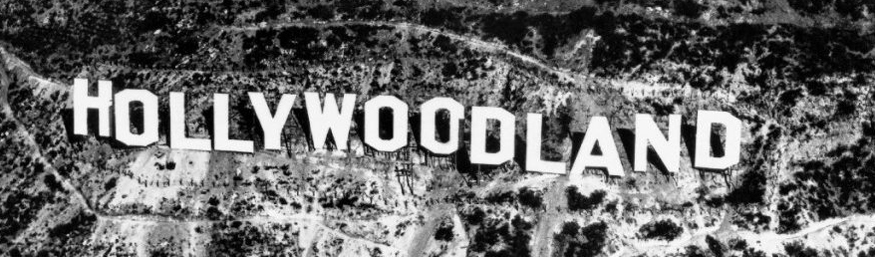
 Former city cop Collins has earned a reputation among movie producers and stars as a man who gets things done, but in a discreet way, and here he becomes involved in getting to the bottom of a nasty blackmail case involving one of Hollywood’s rising stars. José Ramón Gil Samaniego is a young man who was to become better know as Ramon Novarro, star of many hit movies, and an heir to the throne of screen heart-throb vacated by Rudolf Valentino after his untimely death. O’Donovan peoples his story with actual real life characters as far as possible, and it is a winning formula. Samaniego is in trouble because there are intimate photographs of him taken a notorious club for homosexuals. Both he and his studio bosses are desperate that these photos and the negatives are found and destroyed.

 In a sappingly hot Indian Summer in central London, Dr John Watson is sent – by a relative he hardly remembers – a mysterious tin box which has no key, and no apparent means by which it can be opened. Watson and his companion Sherlock Holmes have become temporarily estranged, not because of any particular antipathy, but more because the investigations which have brought them so memorably together have dwindled to a big fat zero.
 But then, in the space of a few hours, Watson shows his mysterious box to his house-mate, and the door of 221B Baker Street opens to admit two very different visitors. One is a young Roman Catholic novice priest from Cambridge who is worried about the disappearance of a young woman he has an interest in, and the second is a voluptuous conjuror’s assistant with a very intriguing tale to tell. The conjuror’s assistant, Madam Ilaria Borelli is married to one stage magician, Dario ‘The Great’ Borelli, but is the former lover of his bitter rival, Santo Colangelo. Are the two showmen trying to kill each other for the love of Ilaria? Have they doctored each other’s stage apparatus to bring about disastrous conclusions to their separate performances?


 Grand & Batchelor are private investigators based in 1870s London and – much to the relief of James Batchelor, who is a terrible traveller – Last Nocturne has its feet securely on home soil. Grand is from a wealthy New England family, and fought bravely for the Union in The War Between The States, while Batchelor is a journalist by trade. Murder – what else? – is the name of the game in this book, and the victims are, you might say ‘on the game’. Cremorne Gardens were popular pleasure gardens beside the River Thames in Chelsea, but after dark, the ‘pleasure’ sought by its denizens was not of the innocent kind. ‘Ladies of the Night’ are being murdered – poisoned with arsenic – but the killer doesn’t interfere with them, as the saying goes, but instead leaves books by their dead bodies.


