

It’s always a pleasure to find a new (to me) historical police series, and especially one set during The Great War. I have read most of the Inspector Hardcastle series but, sadly, Graham Ison is no longer with us. RN Morris’s Silas Quinn books are great fun too, but most of those I have read recently are re-published editions of books written some years ago. Orders To Kill, by the accomplished and prolific historical novelist Edward Marston, is bang up to date, publishing wise, and it is the ninth in what is called the Home Front Detective series.
 Investigating duos are always a reliable way to spin a police novel, and in this case we have Inspector Harvey Marmion and Sergeant Joe Keedy of the Metropolitan Police. Marmion is married to Ellen, with a son and daughter. Son Paul has been mentally damaged by his time on the Western Front, and has now disappeared leaving no clue as to his whereabouts, while daughter Alice – also a service police officer – is engaged to Keedy.
It is December 1917 and Marmion and Keedy are investigating the brutal murder of a prominent surgeon, Dr Tindall, who has been working at a military hospital in London. He is found dead in his house, horribly mutilated by – according to the pathologist – a large bladed weapon, perhaps a bayonet. The dead man was highly thought of at his hospital, and widely admired by others who knew him, but when attempts are made to establish a possible motive, serious questions arise. Why, for example, can police find no trace of George Tindall’s parents at the Scottish address listed on his file? Why does the current owner of what was named as his Brighton home say that she has never heard of him?
He was clearly a wealthy man, and one who paid cash for his elegant Savile Row suits, but what motive could he possibly have had for fabricating a personal background? As the equanimity of the Marmion household is disrupted by alarming family news from Somerset, the women take a train to Shepton Mallett, while Marmion himself is confronted with fresh discoveries about the George Tindall many thought they knew well.
 Edward Marston (real name Keith Miles, right) keeps us well tuned in to the news from abroad, as the Tindall case plays out against news of General Allenby’s triumphant entry into Jerusalem, and how the initial British success at Cambrai was tainted by a fierce German fight back. For Marmion and Keedy however, the Tindall case seems to be spiraling out of control as it seems his killers are two men taking their orders from a higher authority – and Tindall is not their first victim. The detectives travel to Brighton, Kent, Bristol and Staffordshire in their efforts to make the case make sense, but ultimately they must make one last – and infinitely more dangerous journey – before they reach a solution to this most intractable of mysteries.
Orders To Kill is highly readable, written by an author who clearly knows his history and is an accomplished storyteller. Published by Allison & Busby, it will be available on 21st October.

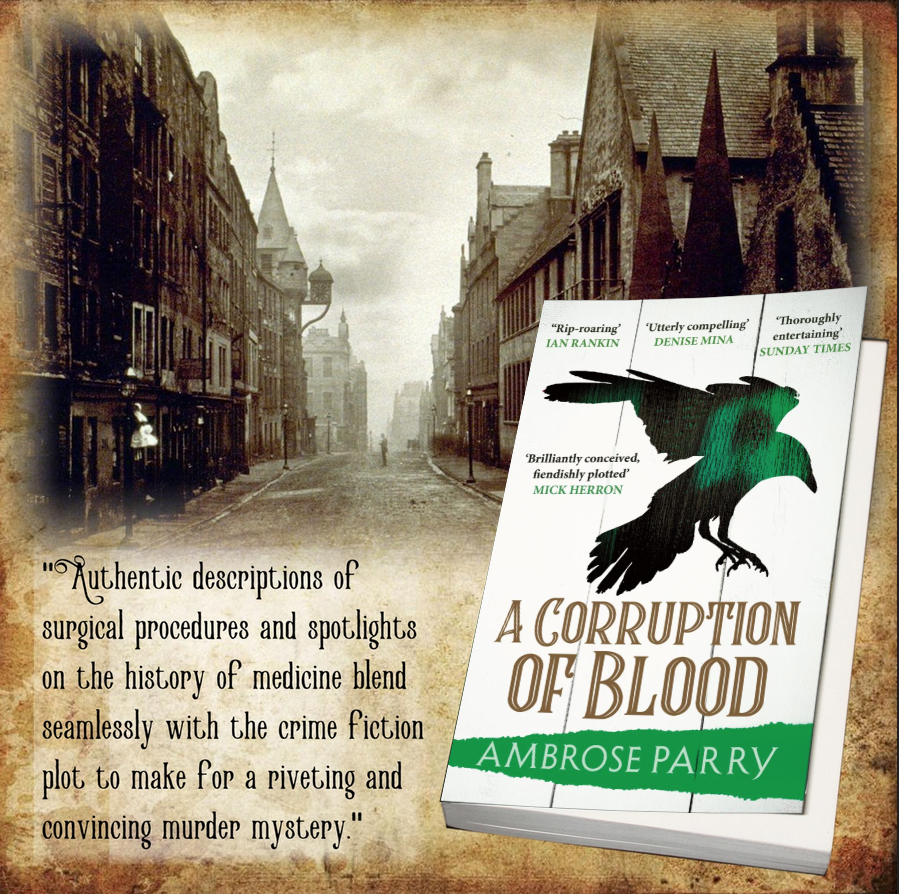

 Ambrose Parry is the pseudonym used by husband and wife writing team
  Meanwhile, Raven has met – and fallen in love with – Eugenie Todd, the beautiful and intelligent daughter of another Edinburgh doctor, and has also become involved in a murder mystery. Sir Ainsley Douglas, a powerful and influential man of means has been found dead, and the post mortem reveals traces of arsenic in his stomach. His wastrel son Gideon is arrested on suspicion of poisoning his father, with whom he has had a fairly unpleasant falling-out. Raven is an old acquaintance – but far from a friend – of Gideon. The two knew each other from university and Raven has a very low opinion of his former fellow student, and is very surprised when he is summoned to Gideon’s prison cell and asked if he will investigate Sir Ainsley’s death.


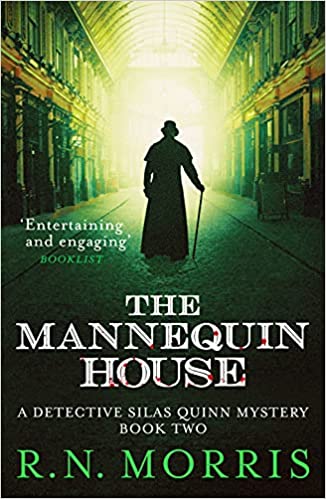 Quinn and his sergeants – Inchball and Macadam – are The Special Crimes Department of the Metropolitan Police. This department has a passing resemblance to Christopher Fowler’s


 Rather
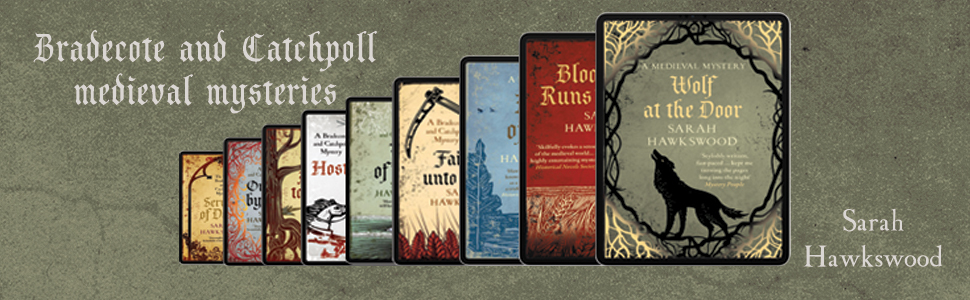

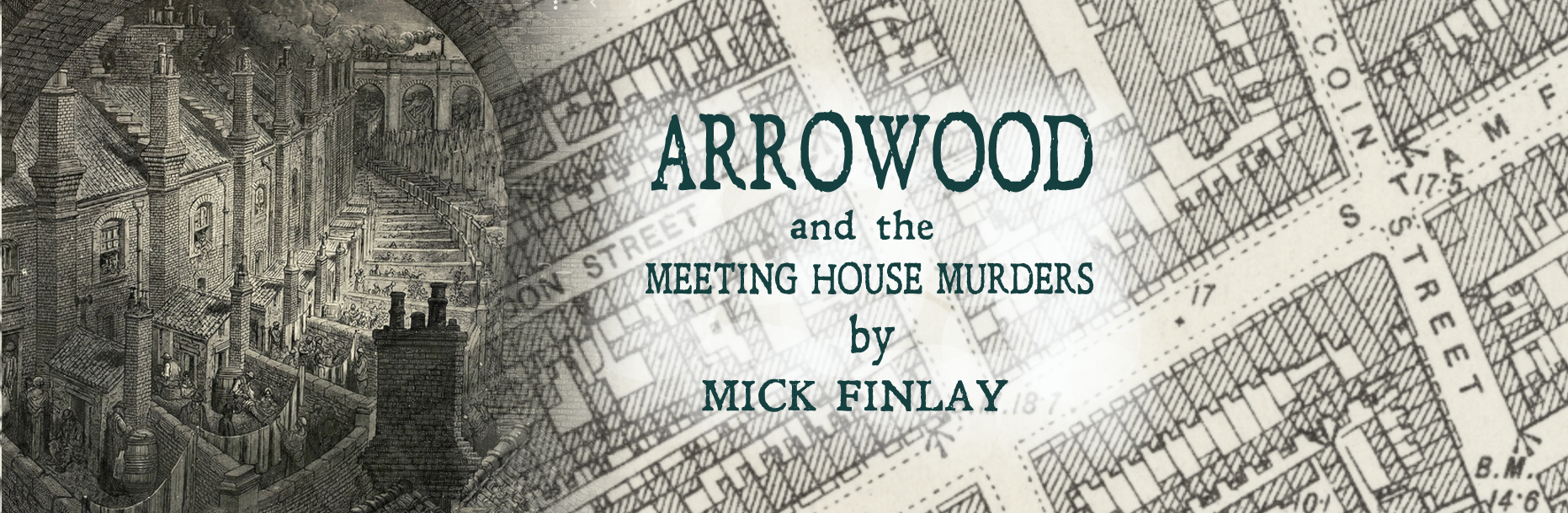
 The narrator is Norman Barnett, William Arrowood’s equally impoverished assistant. Neither man is a stranger to tragedy. Barnett’s wife, ‘Mrs B’ died some months previously, while Isabel Arrowood left her husband to live with a richer man in Cambridge. He died from cancer, leaving her with his baby in her womb. She has since been taken back by her husband, but all is far from well between them. We are in the final years of the 19th century, a few decades since Gustave Doré produced his memorable – and haunting – engravings of the darker side of London, but Arrowood’s London is hardly a shade lighter. Poverty, death and illness are everywhere – in the next room, or just around the corner.


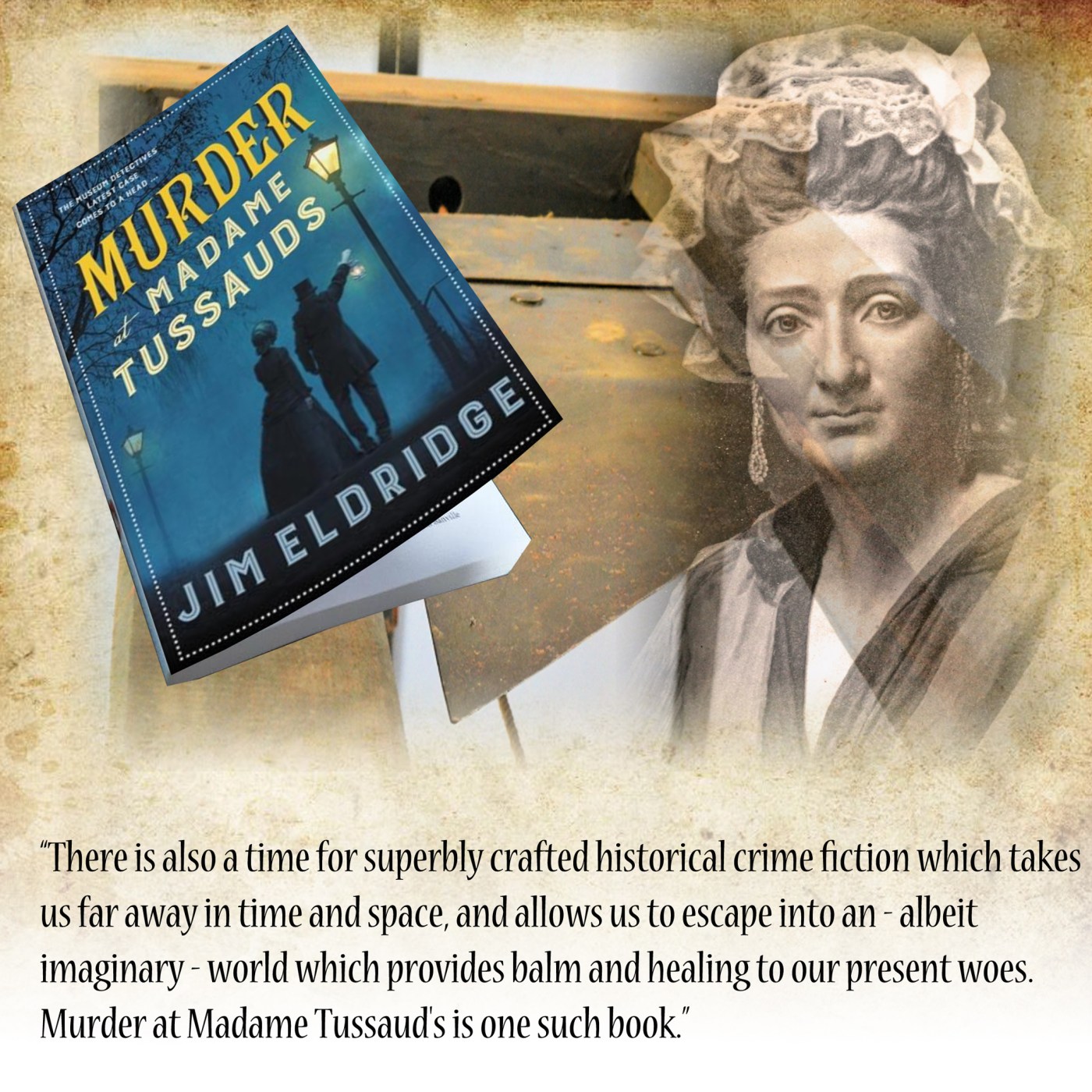
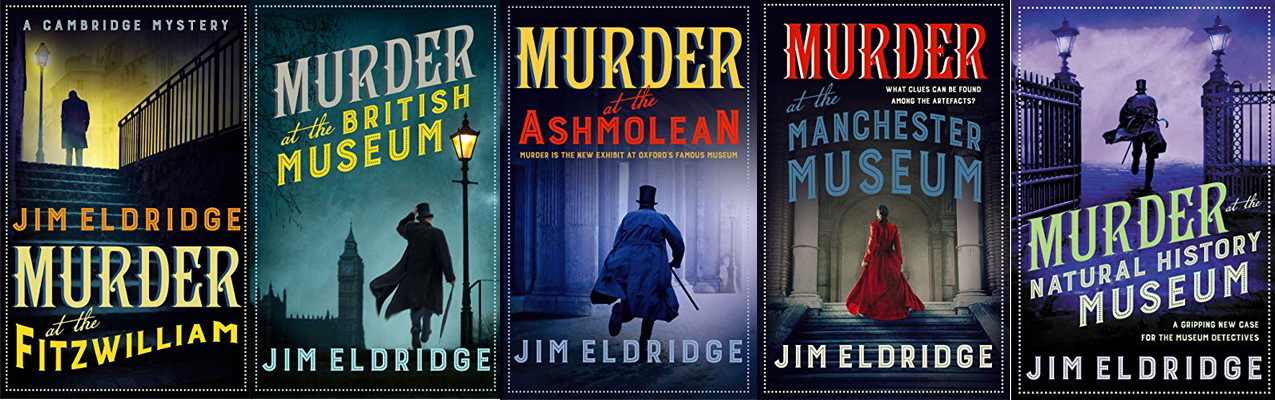
 This shouldn’t be dismissed as ‘comfort reading’. Yes, we know what we are going to get – the atmospheric late Victorian setting, the warm human chemistry between Daniel and Abigail, the absence of moral ambiguity and the certainty that good will prevail. Any genuine reader of fiction – and in particular, crime fiction – will know that, rather in the manner of Ecclesiastes chapter III , there is a time for everything; there is a time for the dark despair of Derek Raymond, there is a time for the intense psychological dramas of Lisa Jewell, and a time for workaday police procedurals by writers like Peter James and Mark Billingham. There is also a time for superbly crafted historical crime fiction which takes us far away in time and space, and allows us to escape into an – albeit imaginary – world which provides balm and healing to our present woes. Murder at Madame Tussaud’s is one such book. It is published by Allison & Busby and is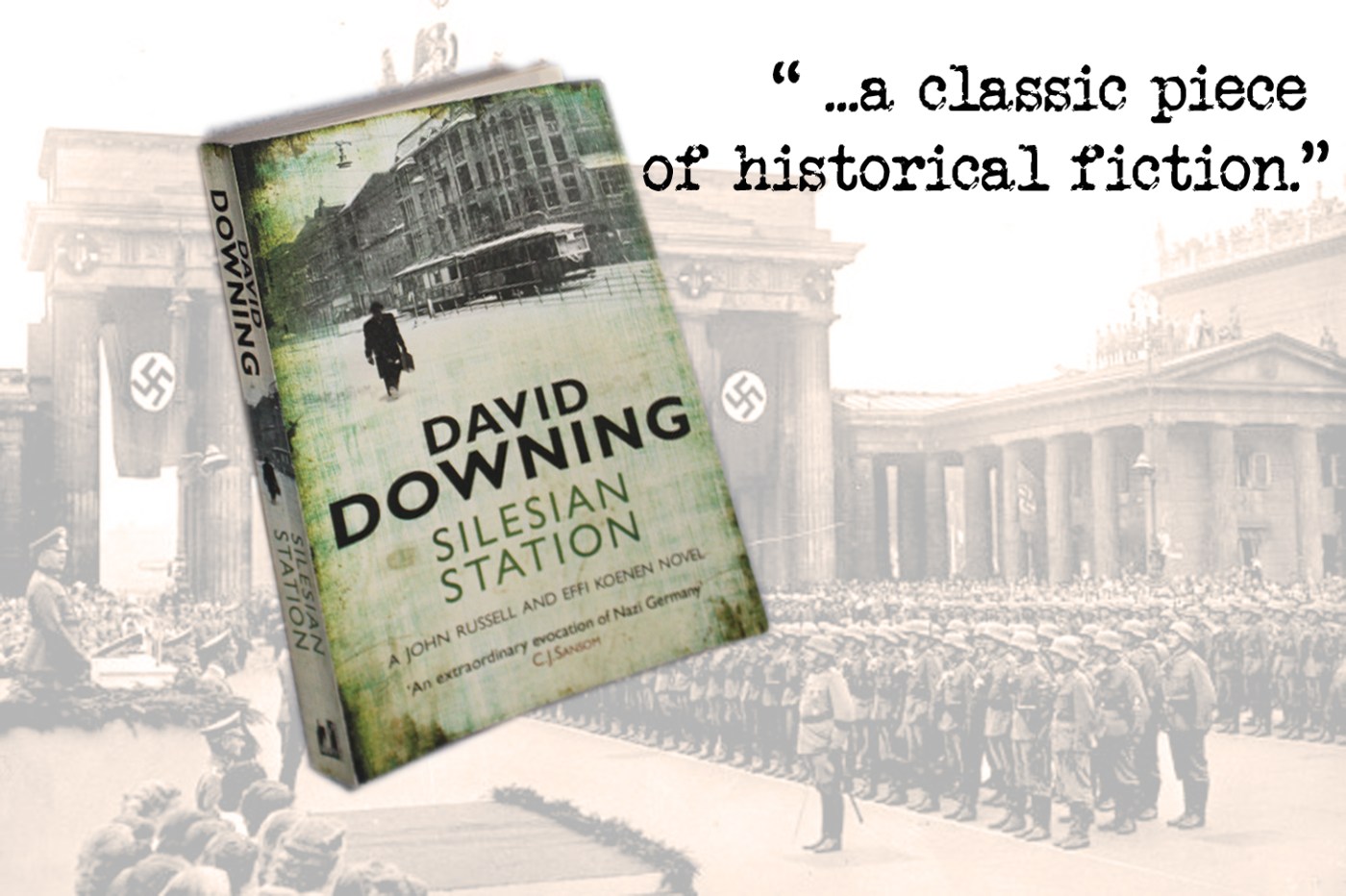

 Russell is a survivor, a man who can usually talk his way out of trouble. Multilingual, and with that all-important American passport, he keeps a wary eye on the features he wires back to his newspaper in the states, but has – more or less – managed to stay out of trouble with the various arms of the Nazi state – principally the Gestapo, the SS and their nasty little brother the Sicherheitsdienst. Russell fought in the British Army in The Great War, but in its wake became a committed Communist. Although he has now ‘left the faith’ he still maintains discreet contacts with the remaining ‘comrades’ in Berlin. With that in mind, it is unsurprising, perhaps, that he has been manoeuvred into the sticky position where both the German and Russian intelligence services believe that he is working uniquely for them, and he is being used to pass on false information from one to the other.


