Search

fullybooked2017

Tag

Historical Crime Fiction

CRIME ACROSS ENGLAND. . . 5: Manchester and Shrewsbury

CAE HEADER

I’m heading south to the urban sprawl of Manchester, to meet a very different kind of copper, one who lives at the dark end of the street. Aidan Waits was memorably brought to life (and death, I think) by Joseph Knox.

Aidan Waits inhabits a place where it never seems to be fully daylight, a world where he rubs shoulders with drug dealers and their customers, a city where violence is a common currency, and streets where broken hearts and disappointment walk hand in hand. Noir? Certainly, and probably the best British example of the genre in recent years. It’s not just Waits who is a creature of the darkness. His immediate boss, the ironically named DS Peter Sutcliffe, is a pretty awful specimen of both man and copper. They both glow with a certain righteousness only when they stand next to the repulsive Zane Carver, Waits’s sworn enemy and nemesis. If you click the image below, you will be able to read reviews of the three Aidan Waits novels, Sirens, The Smiling Man and The Sleepwalker.

Knox trio

Next, I am going to a different place and time altogether. Back through the centuries, and to a place that was considerably less dystopian than Joseph Knox’s Hieronymus Bosch-like Manchester. Shrewsbury in the early 12th century was, like most other towns, no stranger to dark deeds and the general venality of its inhabitants, but in the Brother Cadfael novels by Ellis Peters (Edith Pargeter) there is virtue to be found as well as kindness and redemption. There were 21 novels featuring the crime-solving Benedictine monk, beginning with A Morbid Taste for Bones (1977) and concluding with Brother Cadfael’s Penance (1994). It wouldn’t be fair to call the series ‘cosy’, but readers certainly became comfortable with the vividly authentic period settings, the intriguing crimes, and Cadfael’s own blend of worldliness – as befitted a man who was a former soldier – and Christian benevolence. So, what was Cadfael’s story?

CADFAEL body text

For many people, the Cadfael stories will have been defined by the excellent TV versions, starring Derek Jacobi. That’s absolutely fine, and his portrayal must be added to the surprisingly short list of definitive adaptations that matched and enhanced the printed word. In my view, only John Thaw’s Morse, David Jason’s Jack Frost, Roy Marsden’s Adam Dalgliesh and David Suchet’s Poirot should be included, although there is – due to the number of options – a separate debate about Sherlock Holmes. For the record, it is Jeremy Brett for me, but that’s a discussion for another day. Go back to the printed word, though, for the most subtle and  multi- layered portrait of  Brother Cadfael – one of crime fiction’s immortals.

CRIME ACROSS ENGLAND . . . 4. York and Preston

CAE HEADER

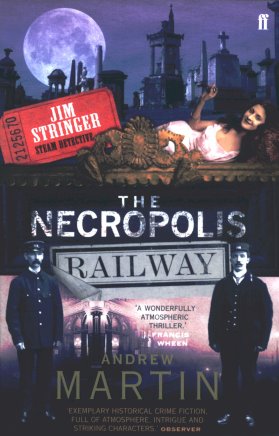
NecroEver onwards, and ever northward to the ancient city of York. For all that it houses the magnificent medieval minster and has a history going back to the Eboracum of Roman times, fewer people remember that York was also a great railway city, and there can be no more appropriate place to house the National Railway Museum. Like many men now in the autumn of their years I was an enthusiastic trainspotter back in the days of steam, so it is – I hope – perfectly understandable that I have chosen the Jim Stringer novels by Andrew Martin for this stop on our trip. Martin introduced Stringer in The Necropolis Railway (2002) when Stringer is very much at the bottom of the railway hierarchy, and working in London, but by 2004 in The Blackpool Highflyer, Stringer has married his landlord’s daughter – the beautiful Lydia – and has been promoted to a job in York.

JIM STRINGER HEADER

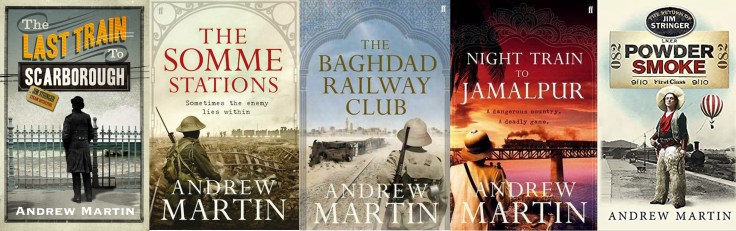
The next four novels see Jim rising steadily through the ranks of railway nobility, but in 1914 the world changes for ever, and Jim, like tens of thousands of other fathers, husbands, brothers and sons, answers the country’s call and joins up to fight the Kaiser, but with his expertise as a railwayman. The Great War, while not as completely global as the conflict that followed just twenty five years later, was not confined to the blood-soaked farmlands of France and Flanders. After solving a front-line murder in The Somme Stations (2011) Jim goes east in The Bagdhad Railway Club (2012) and Night Train To Jamalpur (2013) and emerges some years after the war, more or less unscathed and back home in York, in Powder Smoke (2021)

2345

Andrew Martin is many things – steeped in railway lore from his childhood, Oxford graduate, qualified barrister, performing musician, born in York and writer of novels light years distant from crime fiction. If he were ever to have a tombstone inscription, I do hope he would include (in brackets) “also known as Jim Stringer”. Stringer is a brilliant creation; not a ‘bish-bash-bosh’ hero, for sure, but a man with a well-defined moral compass and a gimlet eye for wrong-doing – be it in railway procedure or life in general.

Although I don’t quite belong to Jim Stringer’s era, when I read his books I am back in my relatively blameless youth (remember when Philip Larkin said sex was invented) and I am on a station platform somewhere in the Midlands, probably showered with soot from a venting steam engine, pen in one hand, notebook in the other, and with a school satchel containing sandwiches and a bottle of pop slung over my shoulder.
678910

We now face a long haul over The Pennines and, just after the ancient town of Skipton, we trade the white rose for the red, and pass into the County Palatine of Lancashire. It is just possible that we might pass within a stone’s throw of a moorland pub called The Tawny Owl. Were we to call in for refreshment we might be serves by a fifty-something chap called Henry Christie. More than likely, though he will be out somewhere between Preston and Blackpool ‘helping police with their inquiries’. In Henry’s case, however, this is not the standard police cliché for being ‘nicked’ but is to be taken absolutely literally, as retired copper Christie has a new role as a consultant to his former colleagues.

ATFJHis creator, Nick Oldham, knows of what he writes, as he is a former police officer, and the 29th book in this long running and successful series is due out at the end of November. So, what can readers expect from a Henry Christie story? It depends where you start, of course, because if you go back to the beginning in 1996, Peter Shilton was still in goal, but for Leyton Orient, England lost to Germany (on penalties, naturally) in the Euros semi-final, the trial of men accused of murdering Stephen Lawrence collapsed and John Major was in his second term as British Prime Minister. In A Time For Justice Christie is a relatively junior Detective Inspector – and someone who is seriously out of favour with his bosses, and has to tackle a cocky mafia hitman who thinks the English police are a joke. As the novels progress over the years, Christie rises through the ranks, but he is still someone who is viewed with some suspicion by the few officers who outrank him – the chief constables and their assistants.

NOHenry Christie is always hands on, and he has the scars – mostly physical, but one or two mental lesions – to prove it. His personal life has been a mixture of love, passion, tragedy and disappointment. His geographical battle grounds are usually confined to the triangle formed of Preston, Lancaster and Blackpool. This is an area that Oldham (right) himself knows very well, of course, thanks to his years as a copper, but it is also very cleverly chosen, because it allows the author to play with very different human and geographical landscapes. The brooding moorland to the east is a wonderful setting for all kinds of wrong-doing, while the seaside town of Blackpool, despite the golden sands, donkey rides, candy floss and cheerful seaside ambience, houses one of the worst areas of deprivation in the whole country, with run-down and lawless former council estates controlled by loan sharks, traffickers and criminal families of the worst sort.

What comes as standard in this superb series is tight plotting, total procedural authenticity, some pretty mind blowing violence and brutality but – above all – an intensely human and likeable main character. Click on the images below to read reviews of some of the more recent Henry Christie novels.

Bad Cops

Screen Shot 2021-11-02 at 19.18.23

Screen Shot 2021-11-02 at 19.20.12

Screen Shot 2021-11-02 at 19.21.27

CRIME ACROSS ENGLAND . . . 1: London and Cambridge

CAE HEADER

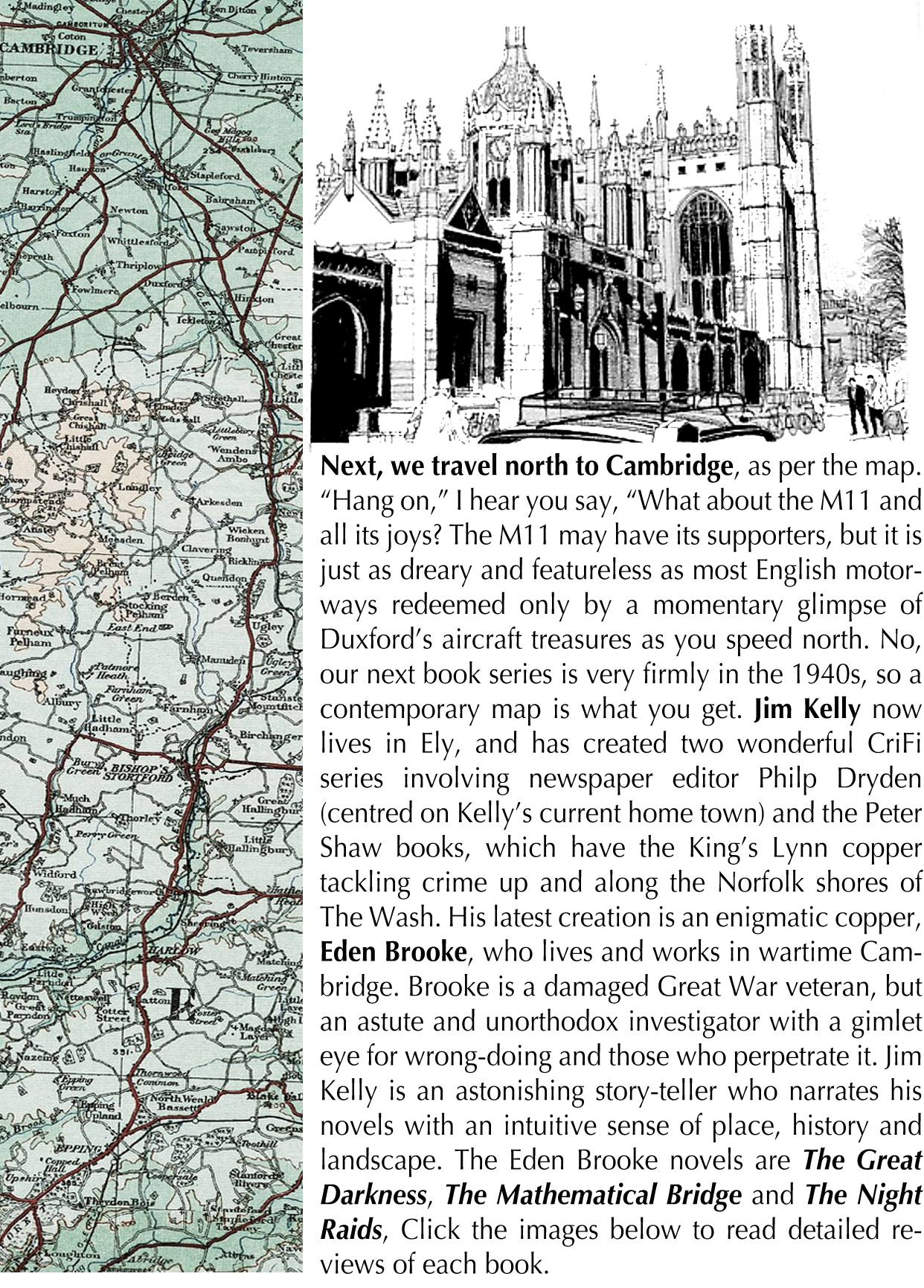
I am taking a journey around England to revisit places associated with great crime novels. One or two might be a surprise!

London is a great place to start, and one of its finest crime writers was Derek Raymond (real name Robert William Arthur Cook 1931 – 1994). His Factory series featured an un-named Detective Sergeant working out of a fictitious police station in Soho. He is part of the Unexplained Deaths division and a man already haunted by tragedy. His mentally unhinged wife killed their daughter, and he is alone in life except for her ghost. This is a London of almost impenetrable moral darkness, an evil place only infrequently redeemed by intermittent acts of kindness and compassion. The detective devotes himself to seeking justice or revenge (and sometimes both) for the victims.

DRWe are left to imagine what he looks like. He never uses violence as a matter of habit, but his inner rage fuels a temper which can destroy those who are unwise enough to provoke him. Why is he so bitter, so angry, so disgusted? Of himself, he says:
I’m a solitary man. Sometimes, mind, there’s happiness in solitude, still, it helps to talk to other people sometimes and  dig back together to a time when people felt that the past mattered and something good might happen in the future. But when I open the next door I’m sent to and find the dead inside, overturned bottles and tables, bloody, dishonoured, defamed people lying there, I sometimes accept that dreaming and hoping the way I do is absurd.”

Raymond is regarded as the Godfather of English Noir and is an acknowledged influence on most modern writers in the genre. A good novel to start with is He Died with His Eyes Open (1984) but you will need to steel yourself before tackling his brutal masterpiece I Was Dora Suarez. There’s more on Derek Raymond and his books here.

EB

TGD

TNRTMB


ORDERS TO KILL . . . Between the covers

OTK header

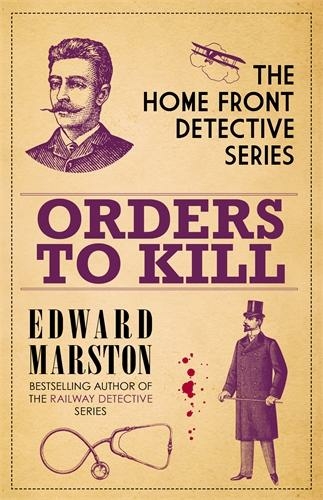
It’s always a pleasure to find a new (to me) historical police series, and especially one set during The Great War. I have read most of the Inspector Hardcastle series but, sadly, Graham Ison is no longer with us. RN Morris’s Silas Quinn books are great fun too, but most of those I have read recently are re-published editions of books written some years ago. Orders To Kill, by the accomplished and prolific historical novelist Edward Marston, is bang up to date, publishing wise, and it is the ninth in what is called the Home Front Detective series.

OTK cleanInvestigating duos are always a reliable way to spin a police novel, and in this case we have Inspector Harvey Marmion and Sergeant Joe Keedy of the Metropolitan Police. Marmion is married to Ellen, with a son and daughter. Son Paul has been mentally damaged by his time on the Western Front, and has now disappeared leaving no clue as to his whereabouts, while daughter Alice – also a service police officer – is engaged to Keedy.

It is December 1917 and Marmion and Keedy are investigating the brutal murder of a prominent surgeon, Dr Tindall, who has been working at a military hospital in London. He is found dead in his house, horribly mutilated by – according to the pathologist – a large bladed weapon, perhaps a bayonet. The dead man was highly thought of at his hospital, and widely admired by others who knew him, but when attempts are made to establish a possible motive, serious questions arise. Why, for example, can police find no trace of George Tindall’s parents at the Scottish address listed on his file? Why does the current owner of what was named as his Brighton home say that she has never heard of him?

He was clearly a wealthy man, and one who paid cash for his elegant Savile Row suits, but what motive could he possibly have had for fabricating a personal background? As the equanimity of the Marmion household is disrupted by alarming family news from Somerset, the women take a train to Shepton Mallett, while Marmion himself is confronted with fresh discoveries about the George Tindall many thought they knew well.

edward-marston-new-bestwbEdward Marston (real name Keith Miles, right) keeps us well tuned in to the news from abroad, as the Tindall case plays out against news of General Allenby’s triumphant entry into Jerusalem, and how the initial British success at Cambrai was tainted by a fierce German fight back. For Marmion and Keedy however, the Tindall case seems to be spiraling out of control as it seems his killers are two men taking their orders from a higher authority – and Tindall is not their first victim. The detectives travel to Brighton, Kent, Bristol and Staffordshire in their efforts to make the case make sense, but ultimately they must make one last – and infinitely more dangerous journey – before they reach a solution to this most intractable of mysteries.

Orders To Kill is highly readable, written by an author who clearly knows his history and is an accomplished storyteller. Published by Allison & Busby, it will be available on 21st October.

THE WRECKING STORM . . . Between the covers

TWS header

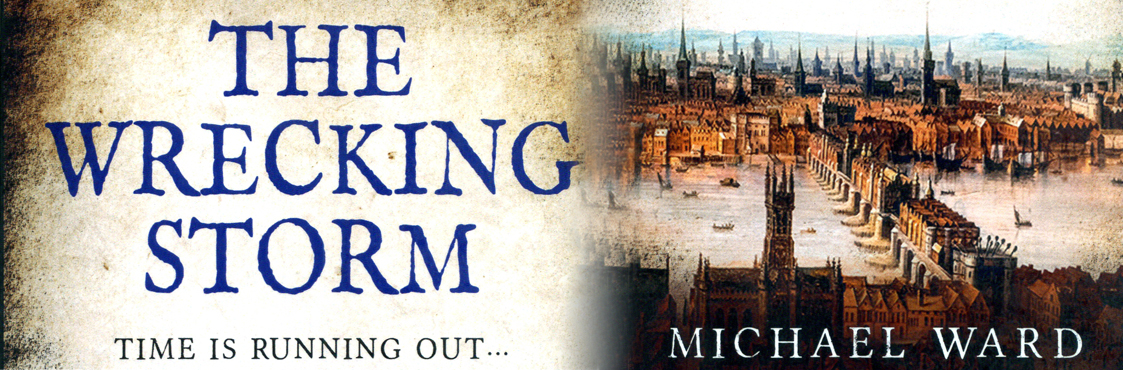
In the early summer of 1641, London is one of the most dangerous places in Europe. King Charles is facing growing challenges from Parliament and many of London’s people, stirred up by firebrand politicians such as John Pym, sense change is in the air. For Roman Catholics – such as the Tallant family – the mood is doubly dangerous. The Tallants are spice merchants, importing the precious condiments and selling them to those wealthy enough to afford to disguise badly-kept meat with pepper, cinnamon, cardamom and ginger. When two Jesuit priests disappear, Thomas Tallant is asked to investigate. When their bodies are found, it is obvious that they have been executed.

Both Sir Robert Tallant and his son Thomas are Members of Parliament, and they are about to witness one of the most famous scenes in British history, but first they must discover who is behind attacks on their premises – both their warehouse beside the River Thames, and their family home out in what was then countryside beyond the City. Are the attacks at the behest of rival merchants, jealous of the Tallants’ connections to the powerful Dutch East India Company, or is something more personal involved? And who is fomenting the violent activism of the Apprentice Boys?

These days we might think of The Apprentice Boys as purely a phenomenon of the political divide in Northern Ireland, but the Apprentice Boys in London predate the Derry incident by over forty years. The London Apprentices in the 1640s were a loosely organised group of many hundreds of young men who took to the street in protest at what they saw as exploitation by their masters. Inevitably but not necessarily correctly, they equated what they saw as their own servitude with the Royalist cause.

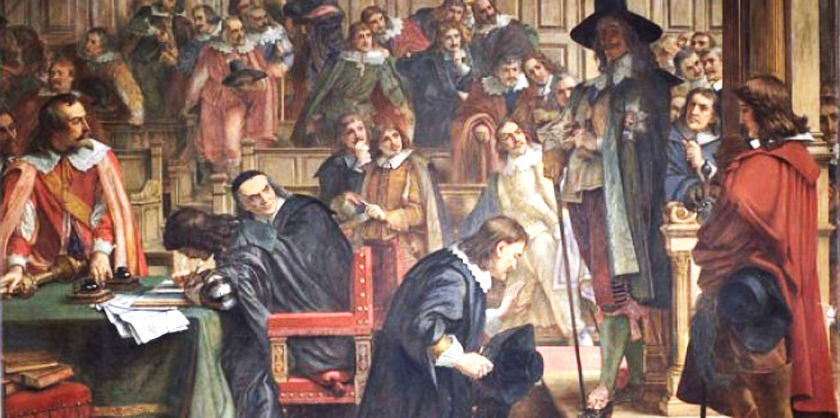
The author gives us a brilliantly described account (albeit moved a few months earlier) of the celebrated visit to the House of Commons by King Charles on 4th January 1642 in order to arrest the five members – John Hampden, Arthur Haselrig, Denzil Hollies, John Pym and William Strode – who he saw as central to the plot to bring him down. In this novel, their absence is attributed to a secret message passed earlier in the day to John Pym, and results in the King declaring ruefully, “All my birds have flown.

Birds

Michael Ward does a sterling job of recreating the political and social tensions on the streets of London during what was, arguably, the most turbulent period of British history. The Wrecking Storm is published by Sharpe Books and is available now.

A CORRUPTION OF BLOOD . . . Between the covers


ACOB header

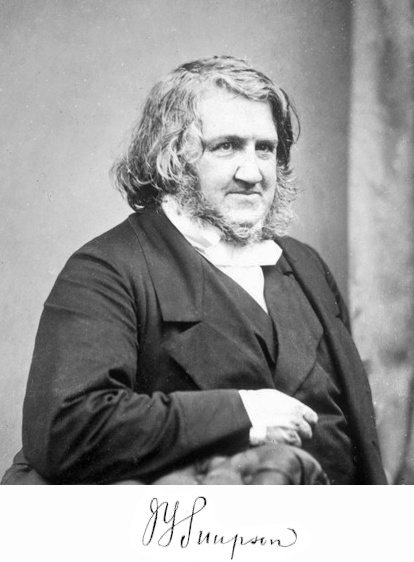
Simpson_James_Young_signature_pictureAmbrose Parry is the pseudonym used by husband and wife writing team Dr Marisa Haetzman and Chris Brookmyre. As a pseudonym goes, it is a pretty good one, especially for historical novels, as it has a rather convincing resonance to it. Writing partnerships are more common than you might think, and in some cases it remains a mystery as to who contributes what. Not so, possibly, in this case, as Dr Haetzman was a consultant anaesthetist at Wishaw General Hospital in Scotland, and the central characters in this novel are a young doctor in early Victorian Edinburgh – Will Raven – and his mentor, the real life James Young Simpson (left), a pioneer in the use of anaesthesia (chloroform in the early days) in surgical procedures.

This is the third novel in the series so, as ever, there is a back-story, part of which you can find in my review of the previous book The Art of Dying. Raven’s love interest in that book is a young woman called Sarah who was a domestic servant in the Simpson household. She had a brief flirtation with Raven, but then married another Edinburgh doctor. He died, but left Sarah a considerable fortune, which is helping her pursue her ambition to become a doctor. When this book begins, she has left Edinburgh on her version of The Grand Tour, during which she hopes to meet the first woman to be officially recognised as a professional physician, the American Dr Blackwell.

ACOB coverMeanwhile, Raven has met – and fallen in love with – Eugenie Todd, the beautiful and intelligent daughter of another Edinburgh doctor, and has also become involved in a murder mystery. Sir Ainsley Douglas, a powerful and influential man of means has been found dead, and the post mortem reveals traces of arsenic in his stomach. His wastrel son Gideon is arrested on suspicion of poisoning his father, with whom he has had a fairly unpleasant falling-out. Raven is an old acquaintance – but far from a friend – of Gideon. The two knew each other from university and Raven has a very low opinion of his former fellow student, and is very surprised when he is summoned to Gideon’s prison cell and asked if he will investigate Sir Ainsley’s death.

Sarah returns from her trip to the continent, but she is chastened by her meeting with Dr Blackwell, who suggested that she simply did not have the depth of education required to become a physician. Uneasy and uncertain at the news of Raven’s new romantic venture, she distracts herself from this unwelcome news by investigating an illegal trade which involves the selling of unwanted babies.

As Raven attempts to piece together the events of the last evening of Sir Ainsley’s life, the arsenic poisoning looks increasingly unlikely since – if it had been administered by Gideon – a former medical student would know that the poison is easily traced in the body. Raven has more personal matters on his mind, too, as he suspects that Eugenie and her father are keeping something from him about the young woman’s past.

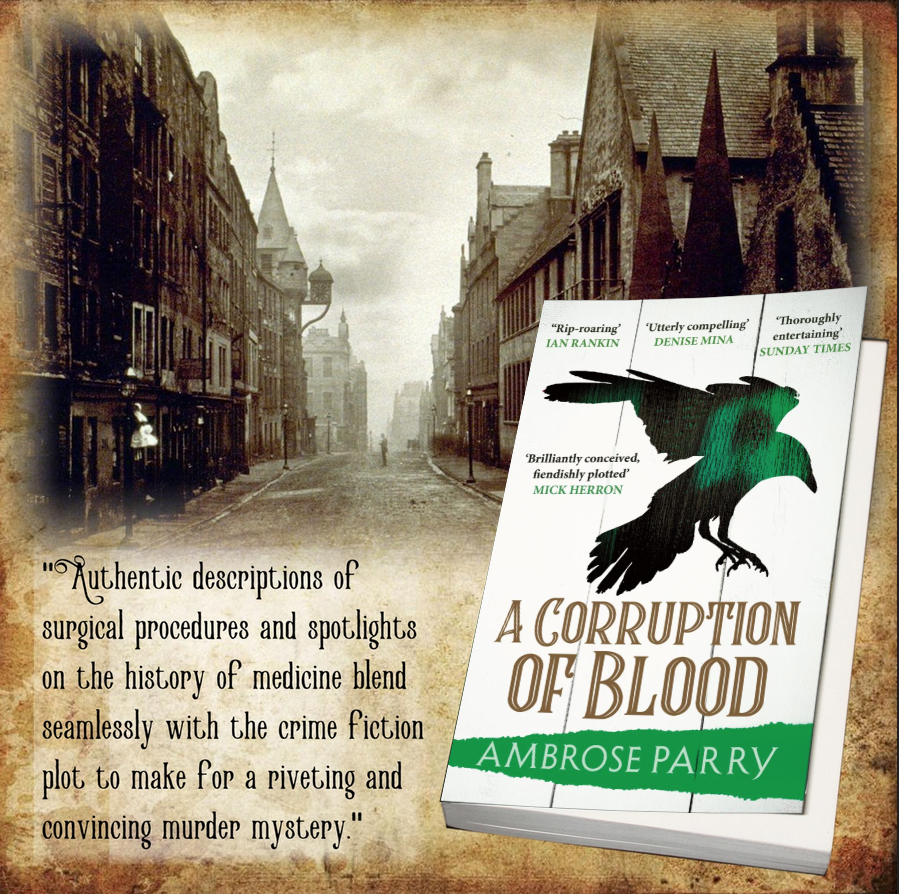
There are some grisly scenes in the novel involving both the living and the dead, but the story is suitably – and fiendishly – complex. Readers will have to wait until the very last few pages for all to be revealed and, for what it’s worth, I didn’t foresee how the plot eventually worked itself out. There are no prizes on offer for guessing which parts of the narrative are written by Dr Haetzman, but these authentic descriptions of surgical procedures and spotlights on the history of medicine blend seamlessly with the crime fiction plot to make for a riveting and convincing murder mystery. A Corruption of Blood is published by Canongate Books and is available now.

Screen Shot 2021-09-02 at 18.44.30

THE MANNEQUIN HOUSE . . . Between the covers

Mannequin header

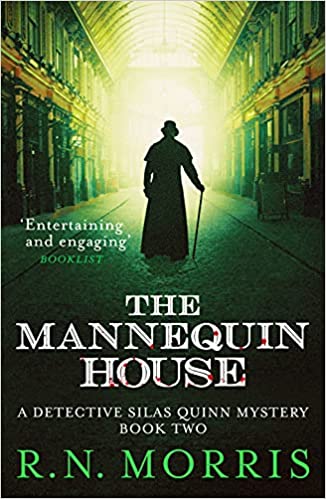
I do love the mysterious world of Detective Inspector Silas Quinn, RN Morris’s rather distinctive London copper from the 1900s. For reviews of earlier novels Summon Up The Blood, The White Feather Killer and The Music Box Enigma click the links. I say “earlier”, but it’s not that simple, as the Silas Quinn books are being reissued by a new publisher, having coming out a few years ago, but since the events they describe are all from a very narrow time frame, the actual chronology doesn’t matter too much.

MannequinQuinn and his sergeants – Inchball and Macadam – are The Special Crimes Department of the Metropolitan Police. This department has a passing resemblance to Christopher Fowler’s Peculiar Crimes Unit (Rest In Peace) insofar as the unit has been constructed around the unique talents of its lead investigator. Like Arthur Bryant, Silas Quinn has strange gifts, and is just as likely to exasperate his superior officers as win their praise, but he is a bloody good copper.
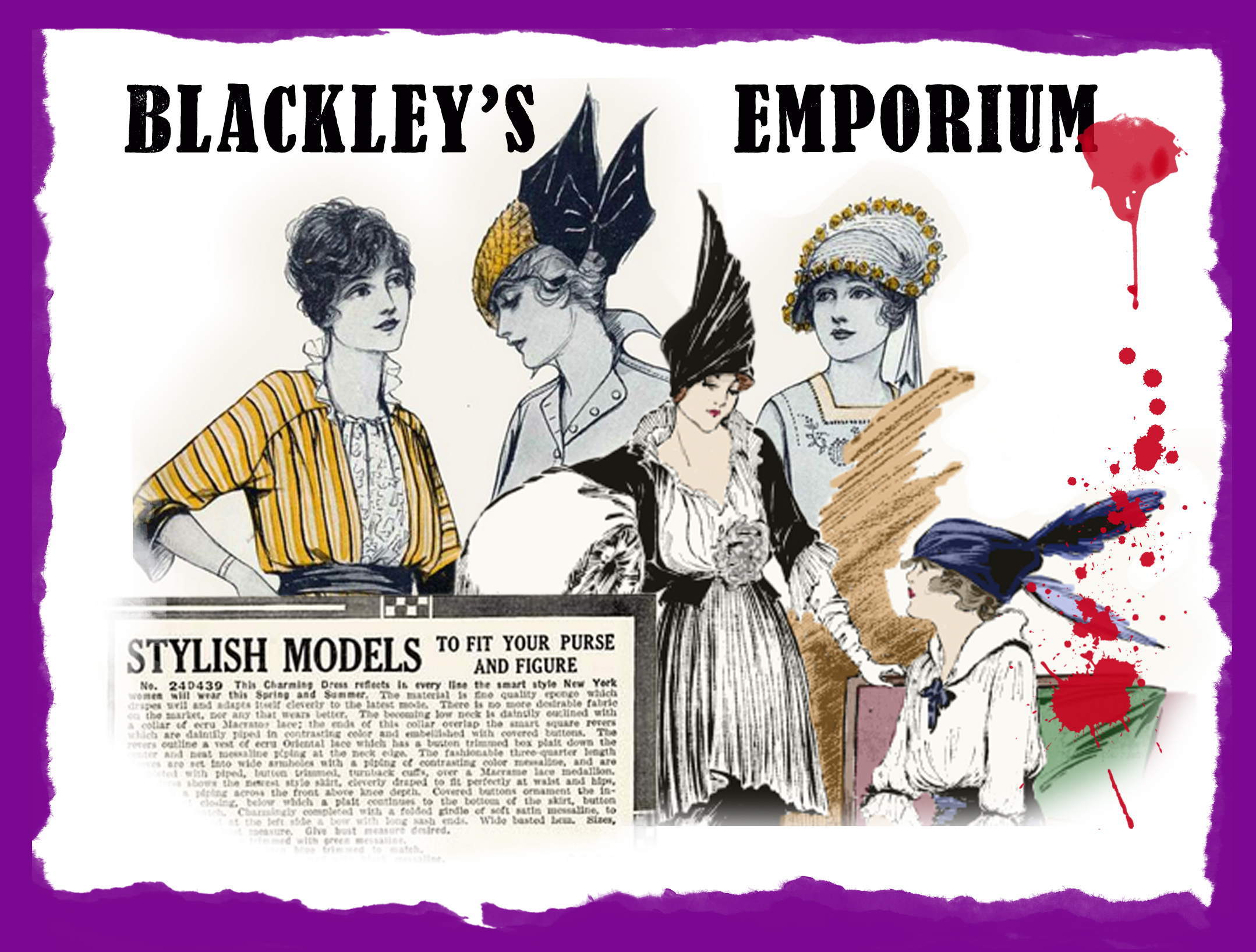
It is March 1914, and most of the citizens of London go about their bustling business oblivious to the gathering storm which would break over their heads in just a few months. Blackley’s Emporium is one of the most successful department stores in the city. You can buy anything and everything that is made, mined or grown on God’s earth, and you may even be greeted by the beaming proprietor himself as you walk through the doors. You can even – should you be minded to take a break from spending money – visit the in-house menagerie which is full of weird and exotic creatures.

One of Benjamin Blackley’s most profitable departments is his haute couture fashion house, where (plus ça change) slender young women wearing must-have gowns and fripperies parade in front of not-so-slender older women. Blackley ‘keeps’ – and I use the word advisedly – his slips of things in a suburban house, presided over by a formidable matron. When the most beautiful of these mannequins – Amélie – doesn’t turn up for work, and her room is found locked from the inside, the police are called. Two things happen when the door is eventually opened. First, an enraged Macaque monkey runs screaming from the room and, second, Amélie has a very good excuse for missing work, as she is dead on her bed, strangled with a silk scarf.The subsequent post-mortem examination reveals that the girl may have been raped, and also that she has maintained her desirability as a fashion model by disastrous self-abuse of her body. 

Morris takes the classic ‘locked room’ trope and has his wicked way with it. There is some knockabout comedy in this book, particularly with Quinn’s wildly contrasting underlings Inchball and Macadam, but there is a vein of darker material running through the narrative. Quinn may be a clever copper, but he is also psychologically damaged from a traumatic childhood. The uneasy personal dynamics between fellow lodgers at the house where Quinn sleeps are a signal that the detective is not at ease with other people. It has to be said, that later (already available) Silas Quinn novels shine a revealing light on this situation. There is great fun to be had within the pages of The Mannequin House, but we are never far away from the evil that men (and women) do, and you must be prepared for a rather shocking and violent end to the story.

As ever, Roger Morris gives us a delicious mystery, a totally authentic background and an absorbing book into which we can escape for a few precious hours. The Mannequin House was first published in 2013, but this new paperback edition from Canelo is out now.

Blackleys

WOLF AT THE DOOR . . . Between the covers

BRADECOTE

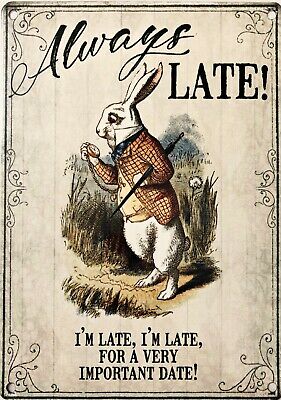
s-l400Rather like Charles Lutwidge Dodgson’s White Rabbit, I am always late. Late, that is, to many excellent crime fiction series that have been on the go for some years. I often come to them a few books in and, having enjoyed what I have read, try to solve the dilemma, which is this. Do I abandon everything else on the TBR pile to read the earlier books, or do I shrug my shoulders and convince myself that the books will always be there, and that I will get round to them “at some point”? Don’t get me wrong, I’m not complaining about being a book reviewer. Publishers send me free books on the understanding that I will read them and that my reviews will help to sell the novels. That’s all good, but one gets locked in to a reading timetable that can be very unforgiving, particularly when blog tours are involved. Reading for pure pleasure and relaxation has to take a back seat, I’m afraid.

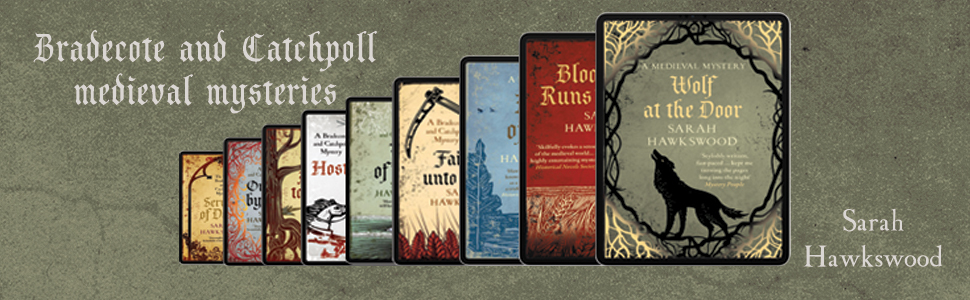
That long digression is a background to this review of the latest Bradecote and Catchpoll novel by Sarah Hawkswood. I read – and loved – two of the series, River of Sins and Blood Runs Thicker, and you can read my reviews by clicking the links. Now, the ninth in the series, Wolf At The Door, is with us, and it is every bit as good as the other two have read..

51oDlX1mapS.SX316.SY480._SL500_

For people who are even later arrivals to the party than I, we are in 12th century Worcestershire. Hugh Bradecote is the Under Sheriff of the county, and is of noble birth with a degree of hauteur, while Sergeant Catchpoll is Worcester through-and-through, rough and ready, but very street-wise. Walkelin – the apprentice – is something of a ‘gofer’, but is bright, perceptive, and not afraid to speak his mind. This story begins with the discovery of a man who has met a violent death. His face has been removed and his throat has been ripped out. Extensive damage to his limbs suggests an assault by a violent animal. A wolf, perhaps? But even in the Royal hunting Forest of Feckenham1, wolves have not been seen for many a year.

Hugh Bradecote is on what we could call paternity leave. He is particularly anxious about his heavily pregnant second wife, as his first wife died in childbirth. With some villagers of Feckenham convinced that Durand Wuduweard 2 was savaged by a wolf, and the more credulous of them even believing that the killing was the work of a werewolf, Bradecote has to return to duty.

We are some half way into the book before the officers have any concept of who – and what – is responsible for the death of Durand. More corpses and a savage attack on a landowner prompt an even greater sense of urgency to the quest, but then Bradecote, Catchpoll, Walkelin and their boss De Beachamp finally realise that the motive for the crimes is one of the oldest and deadliest – revenge, bitterly fermented and long standing.

One of the qualities of a natural and gifted storyteller is the ability to provide atmosphere. Sarah Hawkswood recreates a cold and grey Worcestershire at the onset of November. Many of the poorer folk will struggle to survive the next four months and will succumb to cold, hunger, disease – or a mixture of all three. The wolves may have mostly disappeared, but the forest is a dark and unforgiving place for the people who have hacked out space within it for their precarious lives. The grimly authentic setting aside, this is a bloody good detective story from one of our finest writers. Wolf at the Door is published by Allison & Busby and is out on 19th August.

  1. Feckenham Forest was a royal forest, centred on the village of Feckenham, covering large parts of Worcestershire and west Warwickshire. It was not entirely wooded, nor entirely the property of the King. Rather, the King had legal rights over game, wood and grazing within the forest, and special courts imposed harsh penalties when these rights were violated.
  2. A Wuduweard (old English) was the warden of a forest. It is probably the origin of the surname Woodward.

bf9d1108-c997-4fe8-862c-3d05467cea81.__CR0,0,970,300_PT0_SX970_V1___

ARROWOOD AND THE MEETING HOUSE MURDERS . . . Between the covers

Arrowood

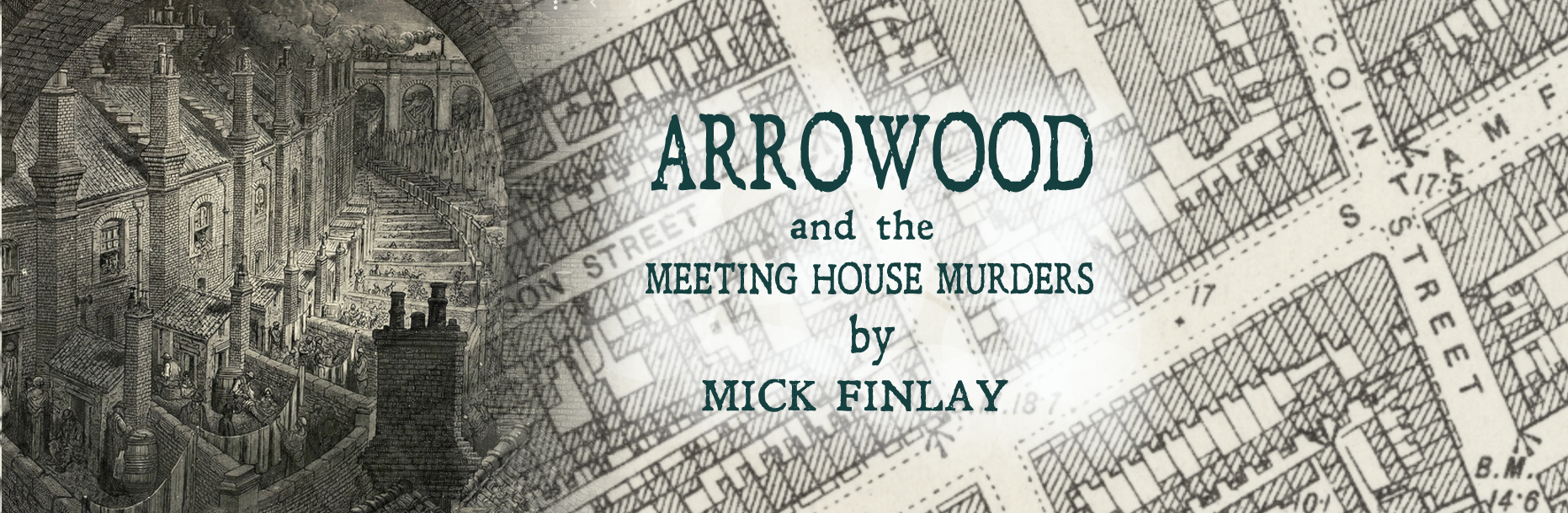
The publicity blurb says, “London Society takes their problems to Sherlock Holmes. Everyone else goes to Arrowood.” This is, indeed, a very different world to that of the occupant of 221B Baker Street.

“The Guvnor lived in rooms behind the pudding shop on Coin Street, just down the road from Waterloo Station. There were five of them there. His sister Ellie and wife Isabel slept in the bedroom with their two babies, Mercy and Leopold. Arrowood had a mattress on the parlour floor. Since I’d last been there, the Christmas decorations had been put out.: some holly and twigs strung up to nails on the wall, a few painted baubles hanging from the mantel, a little model of a manger with the baby Jesus on the dresser. The babies slept in their boxes on the table.”

ArrowoodThe narrator is Norman Barnett, William Arrowood’s equally impoverished assistant. Neither man is a stranger to tragedy. Barnett’s wife, ‘Mrs B’ died some months previously, while Isabel Arrowood left her husband to live with a richer man in Cambridge. He died from cancer, leaving her with his baby in her womb. She has since been taken back by her husband, but all is far from well between them. We are in the final years of the 19th century, a few decades since Gustave Doré produced his memorable – and haunting – engravings of the darker side of London, but Arrowood’s London is hardly a shade lighter. Poverty, death and illness are everywhere – in the next room, or just around the corner.

The plot has the lurid and fantastical quality of a magic lantern show. Four black South Africans have escaped the grinding poverty and oppression of their homeland and somehow made their way to Europe. They have been hired to part of a circus cum freakshow run by an unscrupulous showman called Capaldi. Billed to perform as Zulus, the quartet have escaped. Capaldi, having fed and housed them in anticipation of capitalising on their curiosity value to his audiences, is aggrieved and wants them back. They have taken refuge with Mr Fowler, a well-meaning Quaker who works with The Aborigines’ Protection Society 1

Fowler hires Arrowood and Barnett for a few days to act as night-time bodyguards to the Africans  who are sheltering in the Quaker Meeting House, but when they arrive for duty, they find Fowler shot dead and one of the Africans, Musa, tied up, his face battered, and dead from strangulation.  Inspector Napper of the Metropolitan Police takes charge of the murder enquiry but, short staffed, he asks Arrowood for help. The finger of suspicion points at Capaldi and his enforcers, but life is never that simple.

As the case becomes ever more complex, Arrowood faces professional failure, but tragedy looms at home. Finlay has created a complex character. He is physically unprepossessing, overweight, a face like a bloodhound and he is a martyr to piles. When, in order to earn the money for some quack medicine for one of the poorly babies back in Coin Street, he is forced to deputise for one of Capaldi’s freaks – The Baboon Woman – I didn’t know whether to laugh or cry.

MFThere is a rather melancholy soundtrack to the plot, including The Violet I Plucked From Mother’s Grave, reputedly a song frequently sung by the Ripper’s last victim, Mary Lane Kelly. Finlay’s research into the darker aspects of late Victorian life is impressive, particularly in the kinds of medicine available to the general public. Two such potions that probably killed as many as they cured were Godfrey’s Cordial and Black Drops2

Eventually, and with fatal consequences for more than one of the participants, the case is solved, but to no-one’s particular satisfaction. It being late December, there is barely a chink of daylight on the London Streets, and this is echoed by the sombre mood of the narrative. I don’t suppose there is such a thing as Victorian Noir, but if there were, it is here. It’s superbly written, and both chills and grips like a London fog. Arrowood and the Meeting House Murders is published by HQ, an imprint of Harpr Collins, and is out now. Author Mick Finlay has an informative website. Click on his image (right) to go there.

1.The Aborigines’ Protection Society (APS) was an international human rights organisation founded in 1837, to ensure the health and well-being and the sovereign, legal and religious rights of the indigenous peoples while also promoting the civilisation of the indigenous people who were subjected under colonial powers, in particular the British Empire.

2. Godfrey’s Cordial was a patent medicine, containing laudanum (tincture of opium) in a sweet syrup, which was commonly used as a sedative to quieten infants and children in Victorian England. Black Drop was a 19th-century  medicine made of opium, vinegar, spices, often sweetened with sugar and made into something resembling a boiled sweet.

Blog at WordPress.com.

Up ↑