
Back in the day when I’m Sorry I Haven’t A Clue was actually funny, and I’m talking about the late 1970s, one of my favourite rounds was Late Arrivals At The Ball, where a servant announces the arrival of . . . cue wonderful and bizarre puns, such as:
(The Astronauts’ Ball) Mr and Mrs Secondstoblastoff and their Scottish son, Fife
(The Booksellers’ Ball) Mr & Mrs Zeen, & their disgusting daughter, Margaret – known as ‘Dirty Maggie’
(The Butchers’ Ball) Mr and Mrs Poundamince and their son, Arfur
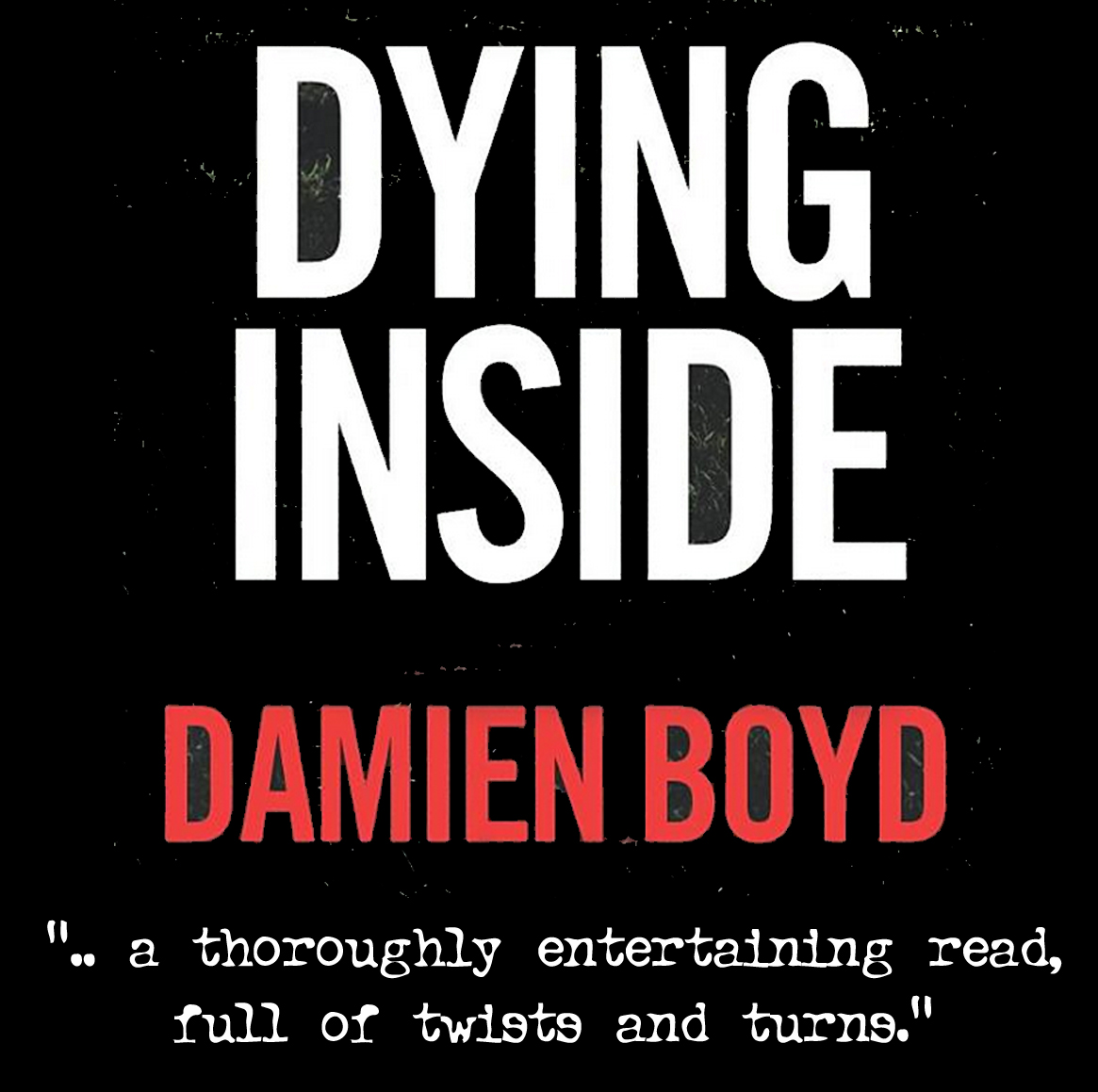
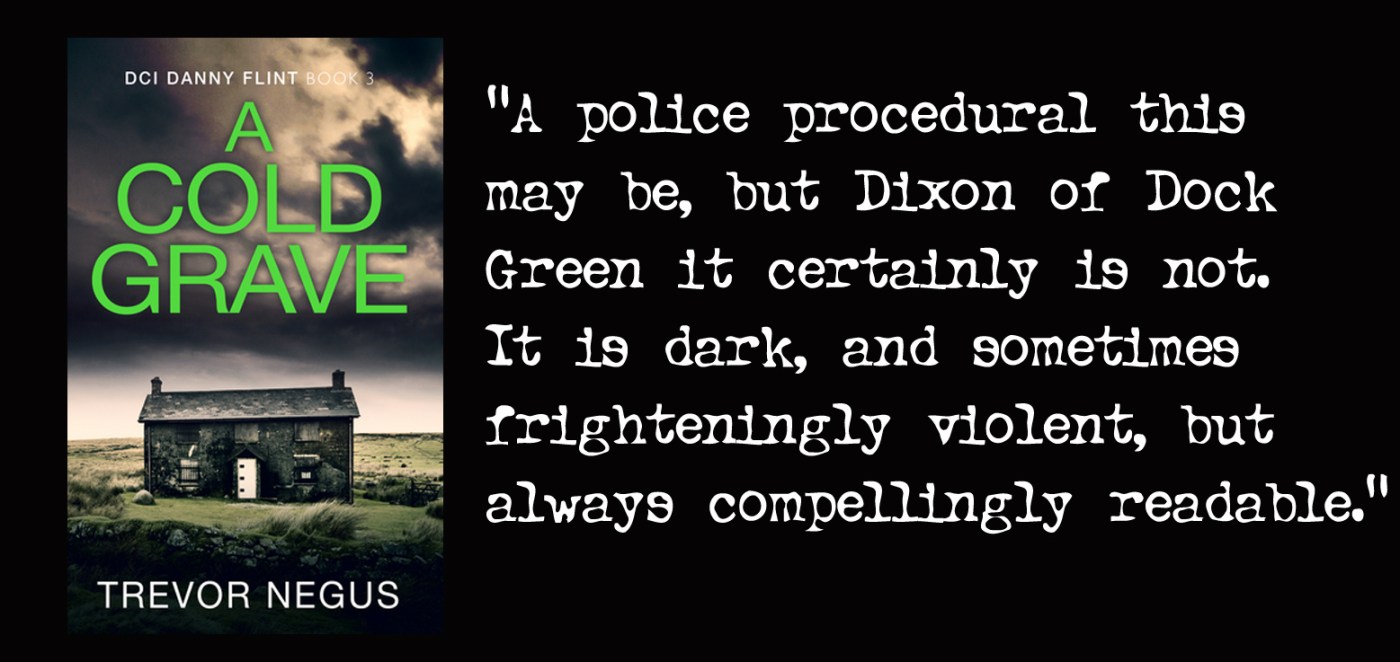
I only mention this because twice now, within a few days, I have found a crime series to which I have come very late. This, for an avowed fan of police procedural novels, is pretty damning. At least the Trevor Negus novels featuring Danny Flint was only a three book series, but much to my shame I find that there have been ten previous books in the DCI Nick Dickson series. All I can do, is review the eleventh – Dying Inside – and mutter “mea culpa.” Below, numbers one to five in the Nick Dixon Books.

 Nick Dickson works for Avon and Somerset Constabulary, so his beat covers much of England’s glorious West Country from Bristol down to Weston super Mare. He is relatively recently promoted, which is good for his salary and pension, but has dragged him into the vortex of tedium which includes mission statements, performance reviews and coma-inducing courses with titles like Developing Inclusive Management Styles In A Modern Police Service. ( I just made that up, but a pound to a penny something very like it actually exists) Dixon, like his creator, is a former solicitor, so he is very wise to the standard stunts pulled by defence lawyers, and it also accounts for his rapid promotion through the ranks. Witnesses often remark that he looks “too young to be such an important officer”, to which his response is usually a neutral smile
Here though, he has dead bodies to deal with. Not so good for the victims – firstly a number of sheep, secondly a dodgy accountant and then an HMRC manager investigating fraud – but good for Dixon’s state of mind. The two humans and the sheep have all been killed with fatal shots from a powerful crossbow. Were the sheep just practice targets while the killer honed his or her skills, or were they unrelated incidents? And what is the true story behind the ocean-going yacht owned by the dodgy accountant capsizing and sinking taking with it one of its crew, Laura Dicken?
Bit by bit, Dixon completes the jigsaw, and is convinced that the deaths are revenge attacks by one of the people who were lured into a scam which ruined their pensions and left them more or less destitute. With his bosses anxious for him to wrap the case up and devote himself to the serious business of Neighbourhood Watch Liaison Committees and Diversity Webinars, Dixon has one or two surprises up his sleeve before the case can finally be closed. Dying Inside is a thoroughly entertaining read, full of twists and turns, and is published by Thomas and Mercer. It is out in paperback and Kindle on 22nd June.


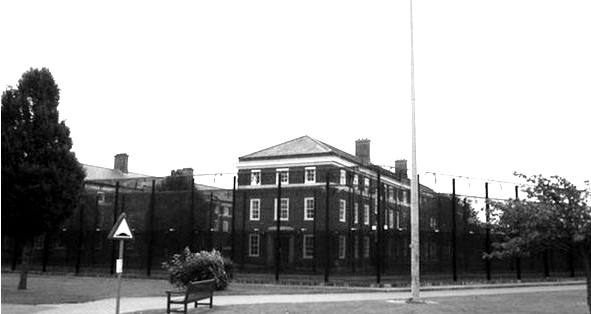

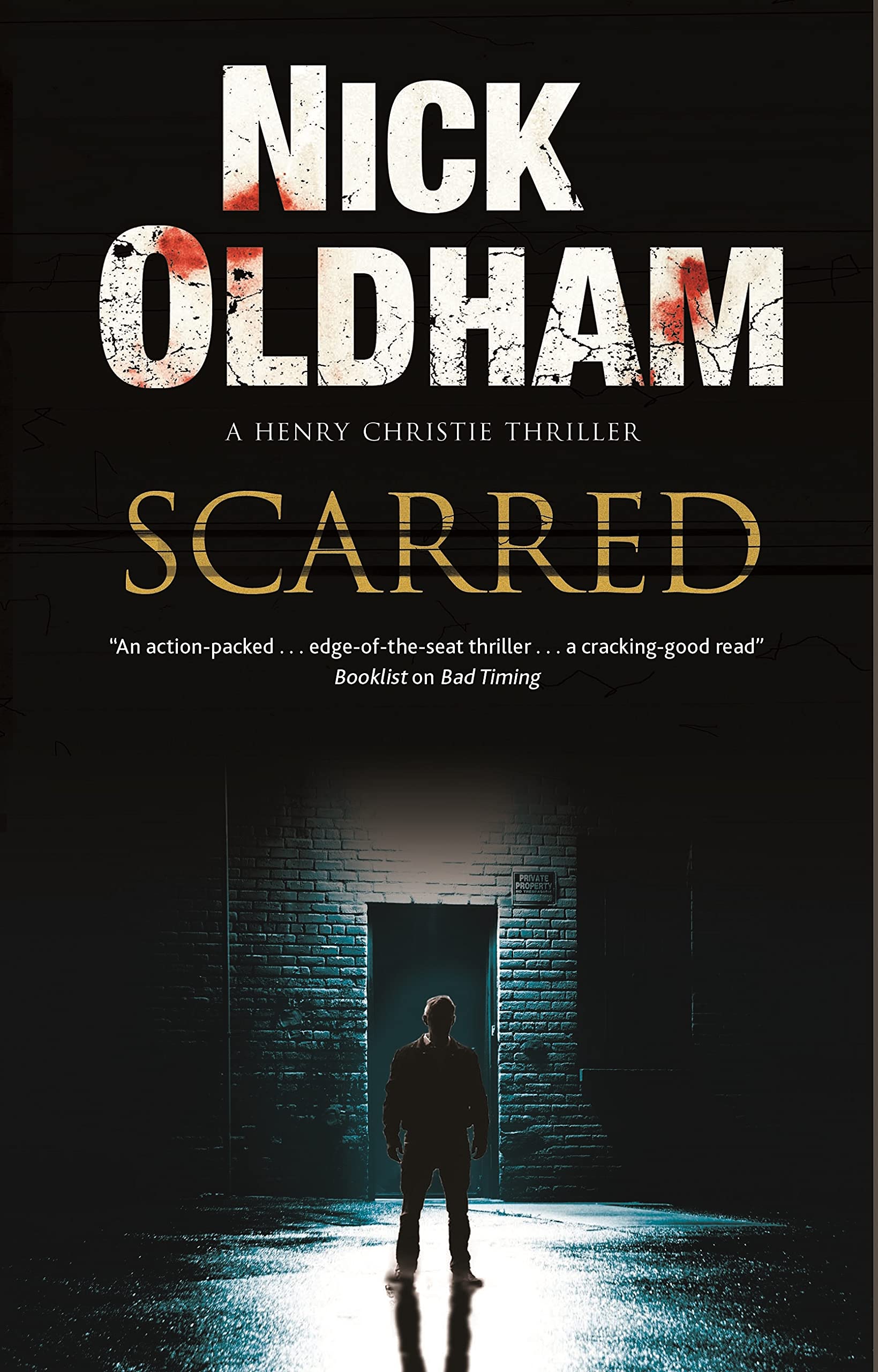 The 1985 episode links crucially with the second part of the book which is firmly in present day Covid-restricted Lancashire, complete with masks and elbow bumps. A teenage boy who was the object of Christie’s near fatal pursuit – but then disappeared off the face of the earth – turns up again, but in an unexpected and deeply disturbing way.


 Years later








 This has the most seriously sinister beginning of any crime novel I have read in years. DI Henry Hobbes (of whom more presently) is summoned by his Sergeant to Bridlemere, a rambling Edwardian house in suburban London, where an elderly man has apparently committed suicide. Corpse – tick. Nearly empty bottle of vodka – tick. Sleeping pills on the nearby table – tick. Hobbes is not best pleased at his time being wasted, but the observant Meg Latimer has a couple of rabbits in her hat. One rabbit rolls up the dead man’s shirt to reveal some rather nasty knife cuts, and the other leads Hobbes on a tour round the house, where he discovers identical sets of women’s clothing, all laid out formally, and each with gashes in the midriff area, stained red. Sometimes the stains are actual blood, but others are as banal as paint and tomato sauce.
 My verdict on House With No Doors? In a nutshell, brilliant – a tour de force. Jeff Noon (right) has taken the humble police procedural, blended in a genuinely frightening psychological element, added a layer of human corruption and, finally, seasoned the dish with a piquant dash of insanity. On a purely narrative level, he also includes one of the most daring and astonishing final plot twists I have read in many a long year.


 fullybooked2017