

A police detective may like to think he can just walk away from the job that has consumed most of his adult life. He is entitled to believe that a new life in a remote Cornish cottage will wash away the blood of the countless victims whose cases he has investigated, and wipe the images of their broken bodies from his eyes. If anyone is entitled to joys of retirement, it is Frank Elder.
But being a copper isn’t the only thing he has walked away from. There is the wife who betrayed his trust, but more crucially there is the daughter, Katherine whose own life has been fractured, partly by her parents falling out of love, but more savagely by the fact that she herself was at the heart of one of Elder’s cases, when she was abducted, abused and violated by a psychotic killer.
 While Elder whittles away his time helping out the local police force with difficult cases, and his wife gets on with her own life, Katherine is eking out an existence in a North London flat share, trying to hide the scars – both real and figurative – of her abduction. She has taken to modelling for life drawing classes in an effort to pay the rent independent of her mother’s generosity, and this has led her into a relationship with a highly respected artist whose career is on a definite upward surge.
When the artist is found brutally murdered on the floor of his studio, Elder is drawn into the case, first as a suspect himself, albeit briefly, but then in defence of Katherine who the police, in the absence of any other suspects or motives, have decided is a person of interest.
What follows is a multi-faceted precious stone. We have a police procedural, viewed largely through the eyes of the investigating officer in London. We have a whodunnit? with a clever set of misdirections – and clues both false and real. We have John Harvey’s quietly elegant prose, clever observation of character and deep sympathy for decent but flawed individuals who have made wrong choices in their lives. But then – and it is an explosive “but then” – something happens, something unthinkable, something potentially life-changing for Elder and his family, and the whole focus of the novel swings violently in an unforeseen direction.
In my mind I am moving this fine novel from the shelf marked Crime Fiction to the place where I put memorable books that leave a lasting impression. Call them literary fiction if you will, but names and categories aren’t worth a penny piece. Body and Soul is an elegy on everlasting themes that have seared the hearts of great writers down the years. It is about death; it is about regret and longing; it is about duty, loyalty and people who do what they think to be right despite a chorus of lesser mortals who are chanting, “leave it – forget it – don’t get involved.”
 Body and Soul also takes an unflinching look at how love in itself is sometimes not enough – or possibly too much. I read elsewhere that this is to be John Harvey’s last novel. If this is the case then regret is permissible, but dismay would be churlish. We can only thank John Harvey (right) for his matchless legacy. Body and Soul is published by William Heinemann, and is available now.
HOWEVER – and here’s a thing – if you would like a hardback copy of this brilliant novel, I have one (just the one, sadly) up for grabs. The winner will be decided by a draw from a proverbial hat (actually a random number generator, but scrupulously fair!) How do you enter? Dead easy, and you have three ways to enter.
- Email me at fullybooked2016@yahoo.com putting Body and Soul in the subject box.

- On Twitter, just click the ‘heart’ box under one of the many posts about this book. My Twitter name is @MaliceAfore

- On Facebook, go to the Fully Booked page and ‘Like’ the post.

JUST A FEW TaCs:
(1) One entry per person, please.
(2) The competition closes at 10.00pm GMT on Sunday 13th May.
(3) Because of postage costs, the competition is open only to readers in Britain, the Irish Republic and mainland Europe.
 His resolve weakens, however, when he is visited by two of his more senior officers, his own Chief Constable and the newly appointed boss of the Central Yorkshire force, John Burnham. The Yorkshire police has suffered a disastrous inspection, and Burnham has been appointed to cleanse the Augean Stables.
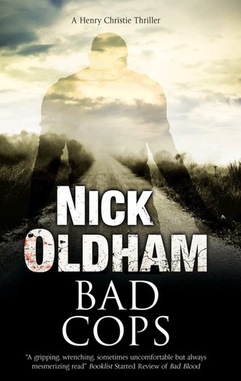
 Oldham (right) is a retired copper himself, so readers are guaranteed procedural details which are described with total authenticity, whether they be the smelly reality of unmarked police cars used for observation, complete with the detritus of discarded fast food wrappers and the inevitable flatulent consequences, and an intriguing – and quite scary – use for Blutac and two pence pieces.


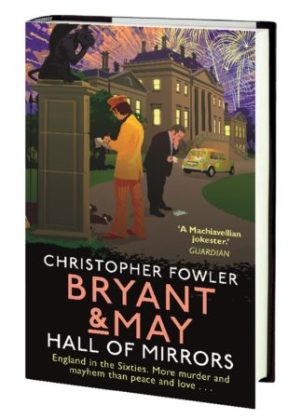 If a more extraordinary duo of fictional detectives exists than Christopher Fowler’s Bryant & May, then I have yet to discover them. The peculiar pair return in Hall of Mirrors for their fifteenth outing, and this time not only are they far from their beloved London, but we see a pair of much younger coppers on their beat in the 1960s. Fowler’s take on the period is typified by each of the fifty chapters of the novel bearing the title of a classic pop hit. We are also reminded of the strange fashions of the day.


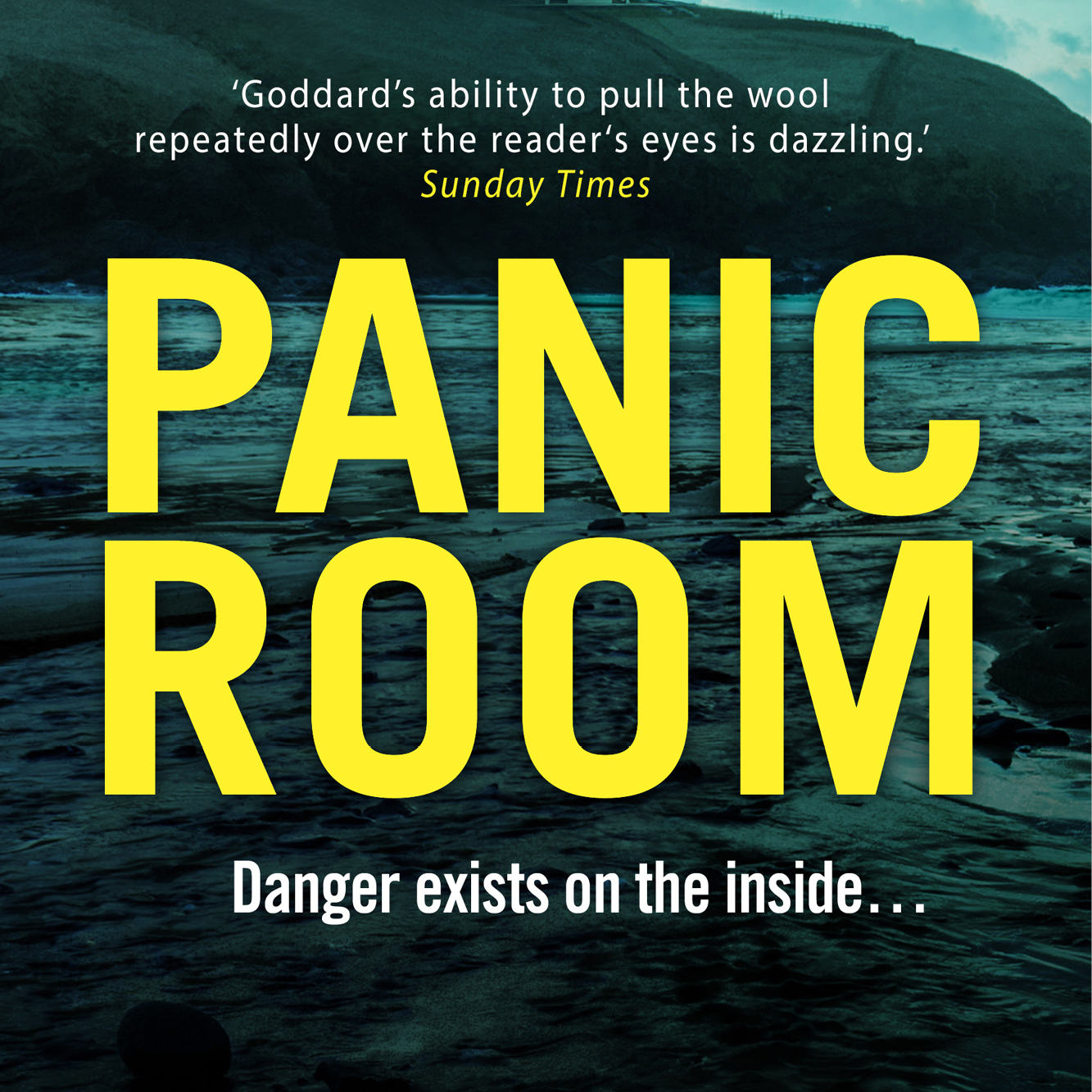
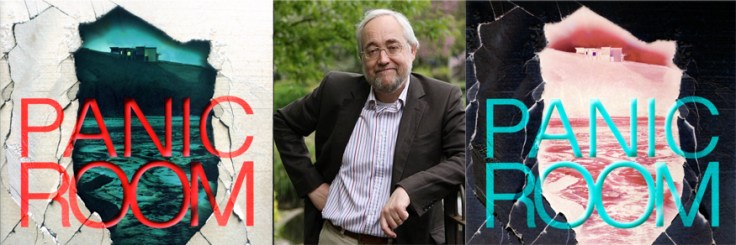


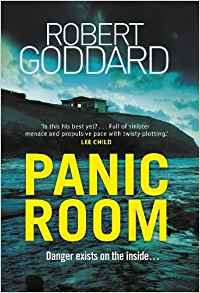 Don Challenor is what Monty Python might have called at ex-estate agent. He is no more. He has over-egged his last pudding and hyped up his last hovel. The prestigious London property sellers Mendez Chinnery have, as the saying goes, let him go. He has been, to quote the late lamented Alan Clark, economical with the actualité once too often. He is at that stage of life when it is becoming harder and harder to slip into a new job. Not only is he sans employment, but he is also sans wife. Fran has married again and is still lawyering away, but with a new husband and his children. Challenor is surprised, then, when she makes contact to offer him a cash in hand one-off job. It sounds simple. He is to travel down to Cornwall, assess an executive-style property, and present her with a glowing file which will attract well-heeled buyers like moths to a flame. The house, Wortalleth West, was formerly owned by millionaire businessman Jack Harkness, but it has now been signed over to his former wife as part of a divorce settlement.


 Thor scrapes by as a barman in a local pub, and has a rudimentary bedsit over the local post office, but his world is turned on its head when he discovers that someone is trying to kill him. Not without taking a knock or two, Thor survives, and concludes that the attempts on his life are connected to the efforts of developers to buy up his patch of the Loxley land to add to a much bigger chunk of Crook territory. The result will be thousands of newcomers to the area, complete with pressing demands for new schools, new infrastructure and new services.
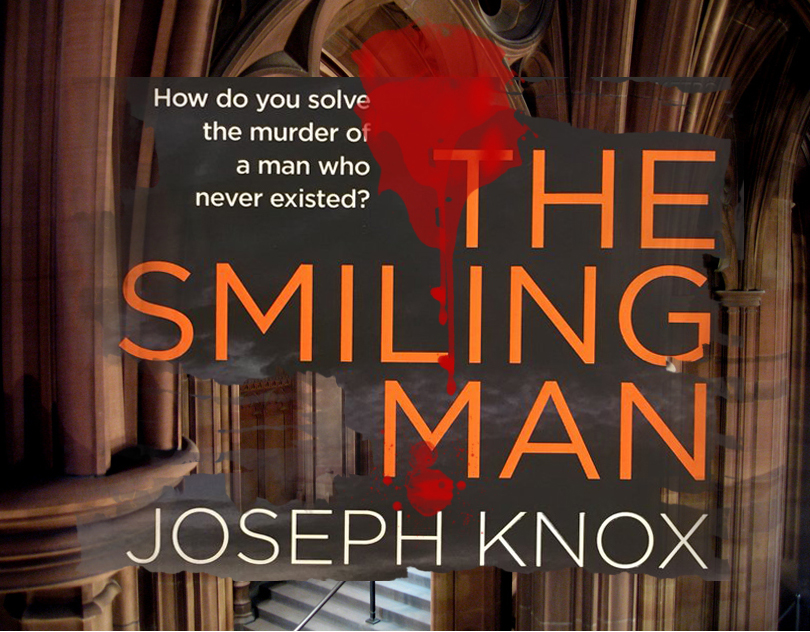

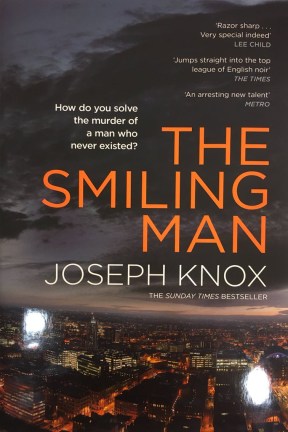 This is all too much like hard work for Sutcliffe, but despite warnings from his saturnine superior, Superintendent Parr, Waits digs deeper. He uncovers a labyrinthine series of connections between an absent solicitor doing his rich-white-man things among the bar girls of Thailand, an apparently gay businessman and his estranged wife, the corpse (now renamed The Smiling Man), and another hotel room, its floor saturated with pint after pint of human blood.
 This is little short of a modern masterpiece. You might imagine Joseph Knox (right) to be a weathered, life-weary cynical misanthrope, hunched in a corner of the pub, savouring a roll-up, rather like a latter day Derek Raymond, but anyone who has had the privilege of meeting Joseph will know that this is far from the case. He is well versed in the art of Noir, though, as he revealed when he spoke to us around the time that his first novel, Sirens, was published.
 In this febrile atmosphere are many men and women who have memories of “the last lot”. One such is the latest creation from Jim Kelly, (left) Detective Inspector Eden Brooke. He saw service in The Great War, but were someone to wonder if his war had been ‘a good war’, they would soon discover that he had suffered dreadful privations and abuse as a prisoner of the Turks, and that the most physical legacy of his experiences is that his eyesight has been permanently damaged. He wears a selection of spectacles with lenses tinted to block out different kinds of light which cause him excruciating pain. For him, therefore, the nightly blackout is more of a blessing than a hindrance.



 fullybooked2017