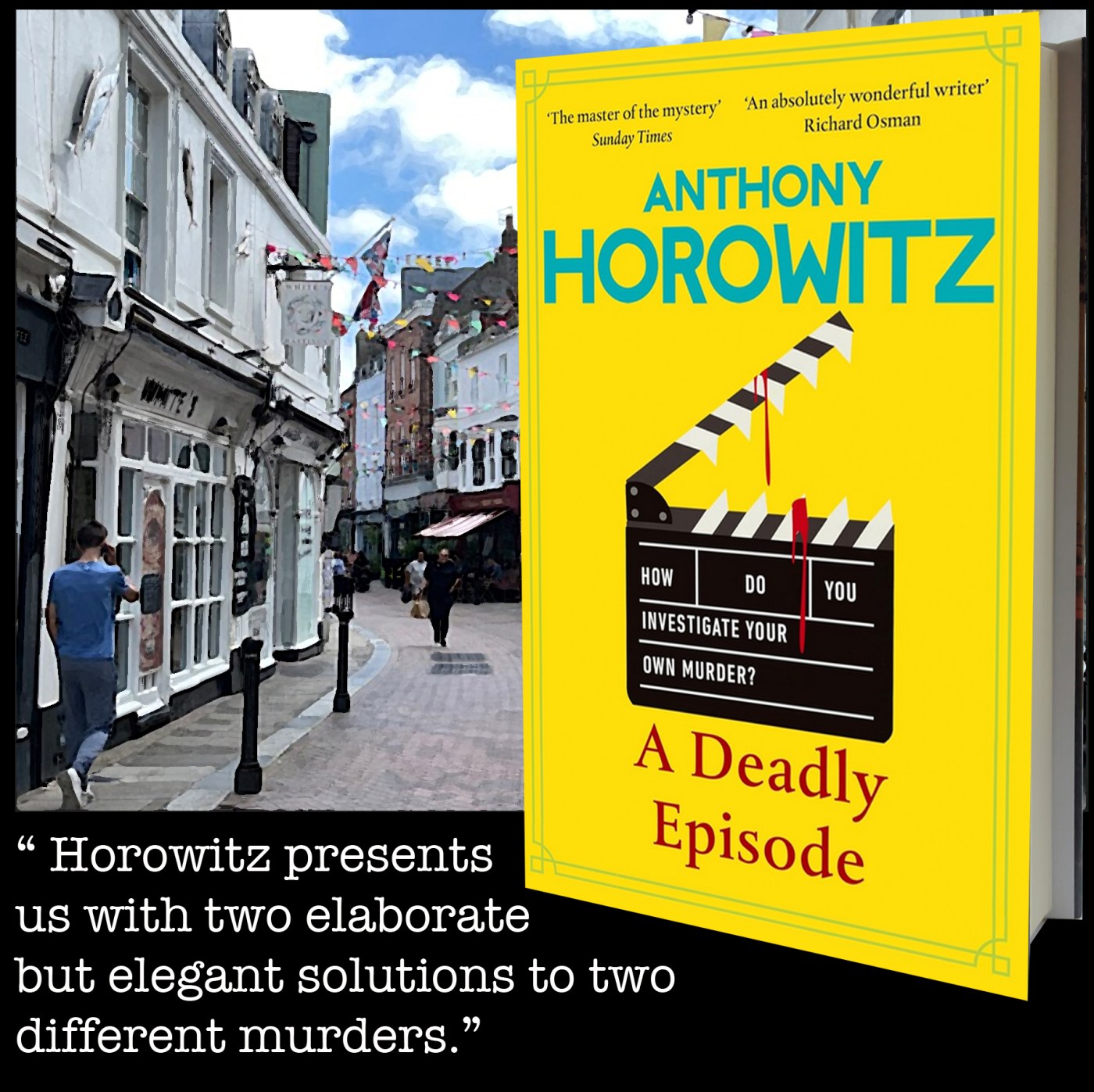

For those unfamiliar with the series, the concept is simple, if unusual. Central to the story, and narrator, is Horowitz himself in his real life persona of author and TV screenwriter. The fiction begins with the presence of a former police officer called Hawthorne who now works as a private investigator. The pair originally teamed up when Horowitz hired Hawthorne to provide him with real life mysteries that could be turned into CriFi plots.
Here, things become even more self-referential, as the first book in the series, The Word is Murder, is being turned into a major feature film, but the production, filmed in Hastings, the setting for Horowitz’s finest creation, Foyle’s War, is beset by problems.The screenwriter, producer and director are at each other’s throats, the project is way over budget already and the killer comes – literally – when the actor playing Hawthorne, David Caine, is found dead in his Winnebago, an expensive Japanese kitchen knife embedded in his throat.
Both Horowitz and Hawthorne are quickly called in by the Sussex police to help with the investigation. There are some tasty suspects. James Aubrey is Caine’s agent, but was about to be sacked, despite having played a huge part in the actor’s rise to fame. Teresa de Leon, the producer, having just been filleted for cash by a family dispute, knows that her only salvation is an insurance claim on the abandoned film. Next in the queue is director Cy (Cyril) Truman. He is, as they say, as camp as a row of tents, and admits that he fancied David Craig with a vengeance, and had done all in his power to boost the actor’s career. But was his largely unrequited passion enough to provoke him into a savage knife attack? Then we have the screenwriter. Horowitz is rather naughty in giving us a complete disconnect between her Christian name and her surname. Shanika Harris speaks in a studied Estuary English, and is as woke as a dawn chorus blackbird. She met Caine when she was a student, and was seduced by both his dynamic good looks and his Thunbergian zeal for the the environment and his hatred for those who enjoy a decent steak. Could the revelation that Caine occasionally ‘batted for the other side’ have provoked a frenzied attack?
Just over half way through the book, there is a dramatic shift in the narrative. Horowitz, knowing the stars’ Winnebagos bear the characters’ names, not than those of the actors, wonders if Hawthorne himself may have been the target, rather than the actor. Hawthorne reveals that there is, indeed, someone in Hastings who hates him with a vengeance. We then learn the story of the Murder at Foss Hall, which was Hawthorne’s first case as private detective. In a (rather large) nutshell, Rupert, the son of the Foss Hall owners, was involved in a fatal road accident. Duncan McClintock, the estate factotum, covered up Rupert’s culpability, but blackmailed the young man. When McClintock went missing, presumed dead, his blood was found in Rupert’s car. Hawthorne, a local man, was hired by the family to extricate Rupert from the mess. The result was that Harry Morgan, another estate employee, was convicted of the crime, and it is his widow – a barmaid in a Hastings pub – who has nursed a visceral hatred of Hawthorne since her husband’s death.
The detecting partnership between Horowitz and Hawthorne is Holmesian in one sense. Hawthorne is much the sharper of the two and frequently has to point out clues to his more affable and conciliatory partner. They aren’t even friends, let alone companions, Hawthorne never having had to bother with the drinks party social choreography that writers have to learn in order to pitch stories to agents and sell TV projects to programme commissioners.
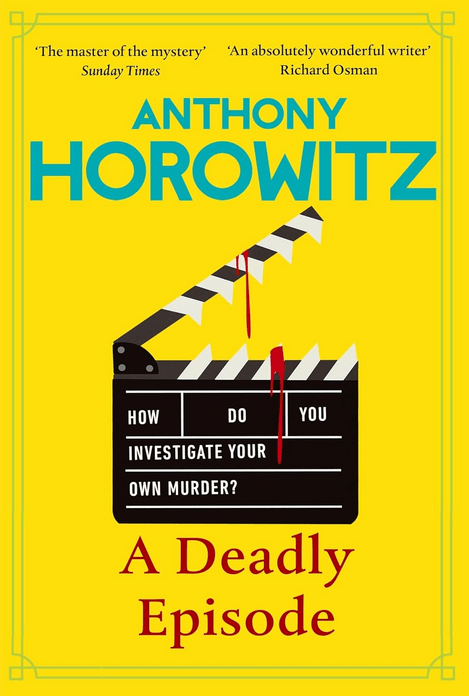
Despite one or two interesting discoveries by the fictional Horowitz, it is Hawthorne’s attention to detail that closes the case, and the real Horowitz presents us with two elaborate but elegant solutions to two different murders. You can read my reviews of previous books in the series – The Word is Murder, The Sentence is Death and Close to Death – by clicking the titles. A Deadly Episode will be published by Century on 23rd April.
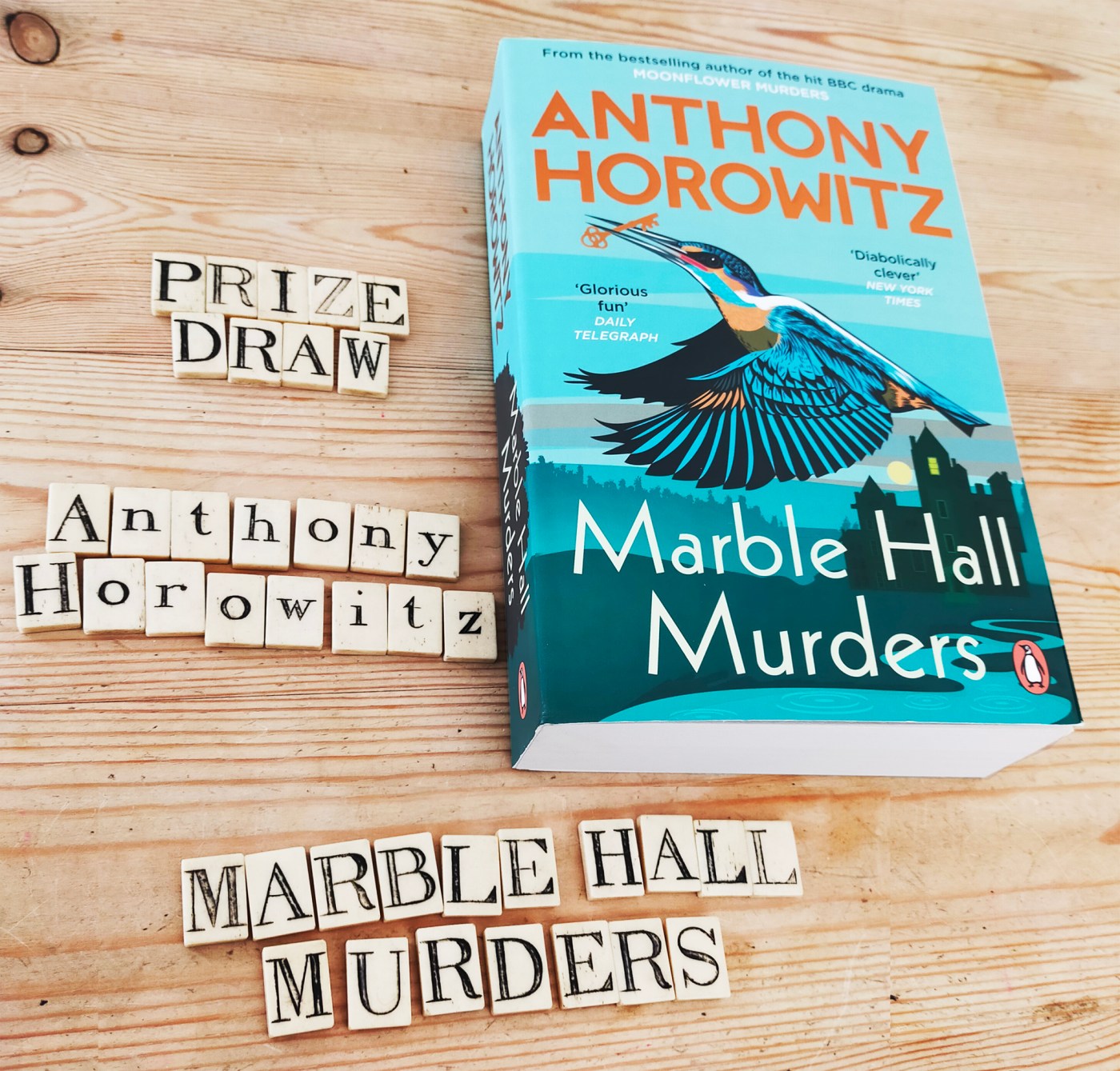


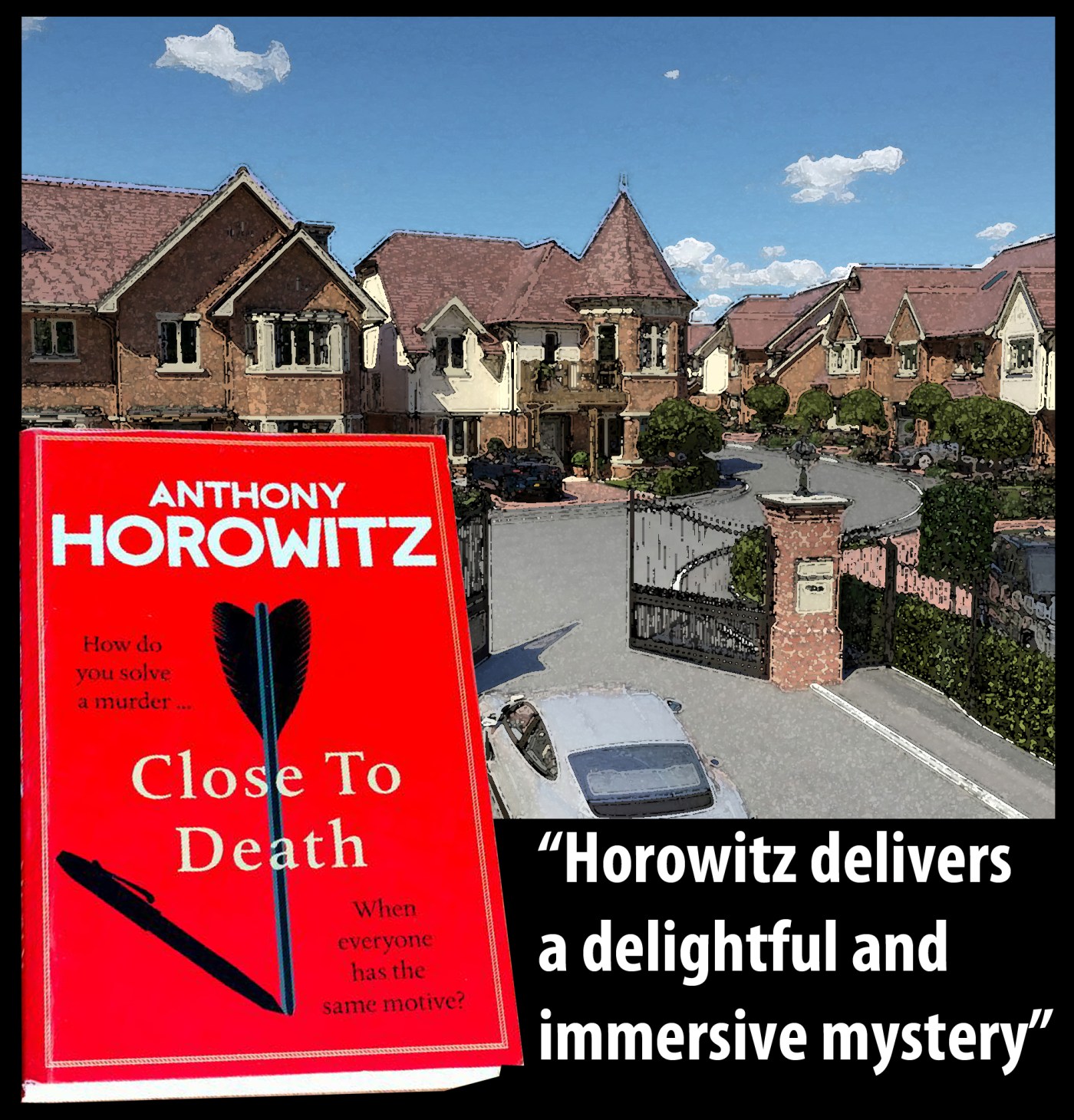


 For those of you who are unfamiliar with the first book in this series, The Word Is Murder (and you can read my review
  The abundance of questions will give away the fact that this is a tremendous whodunnit. Horowitz (right) tugs his forelock in the direction of the great masters of the genre and, while we don’t quite have the denouement in the library, we have a bewildering trail of red herrings before the dazzling final exposition. But there is more. Much, much more. Horowitz’s portrayal of himself is beautifully done. I have only once brushed shoulders with the gentleman at a publisher’s bash, so I don’t know if the self-effacing tone is accurate, but it is warm and convincing. More than once he finds himself the earnest but dull Watson to Hawthorne’s ridiculously clever Holmes.
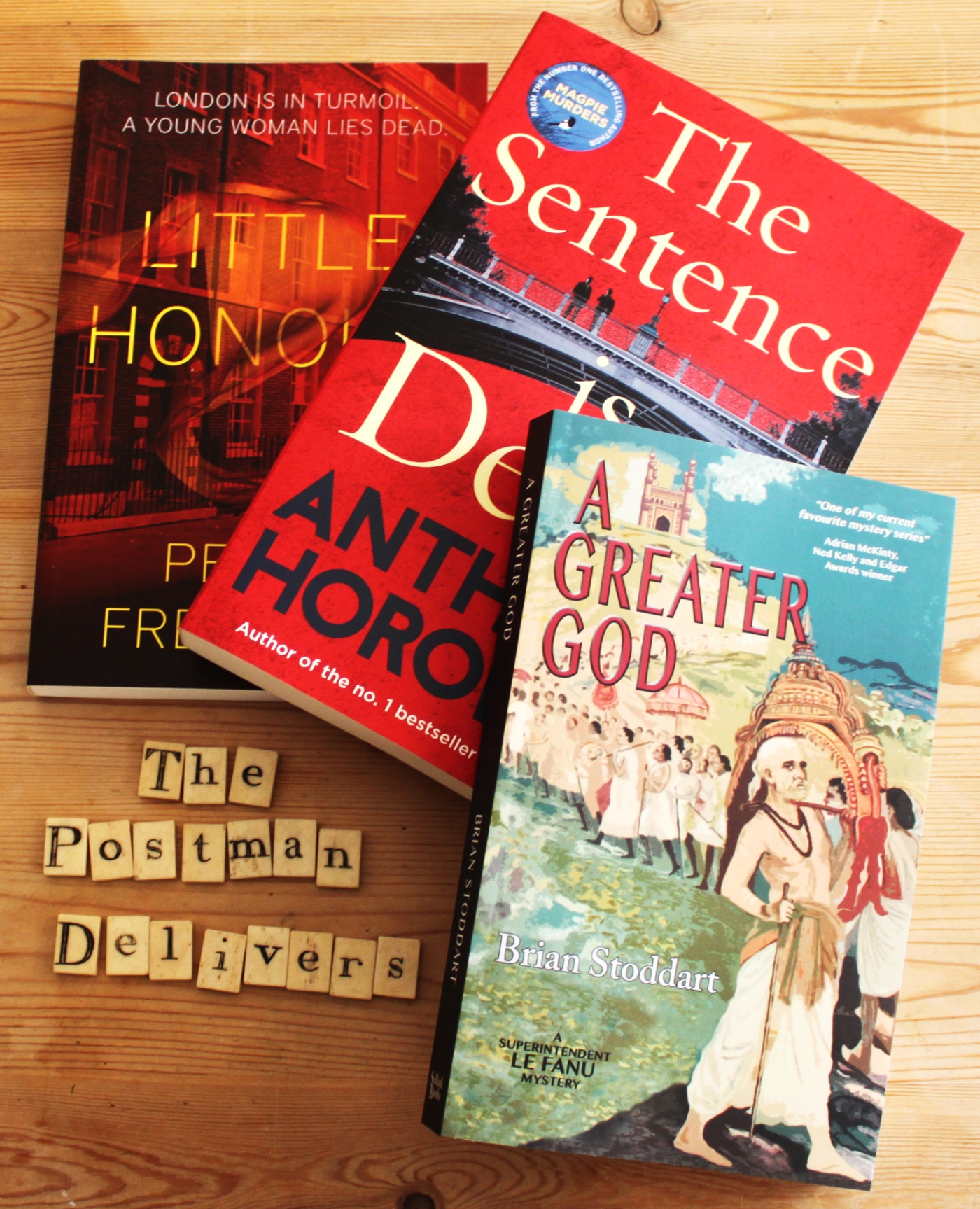

 Penny Freedman (left) has been many things; a teacher, theatre critic, actor, director, counsellor and mother, but she also writes intriguing crime fiction. Her heroine Gina Gray has appeared in previous novels including Weep A While Longer and Drown My Books, but now we learn more about her granddaughter Freda, in a murder mystery which encompasses hate crime in a post-referendum London, the arcane world of legal chambers in Grey’s Inn and – for good measure – a missing dog. Available now, Little Honour is published by
  One of my favourite historical policemen returns in the latest episode in the eventful life of Superintendent Chris Le Fanu. We are in Madras (Chennai) in the 1920s, and while the British grip on India is becoming weaker and weaker, there is still police work to be done. The city is blighted by a wave of violent clashes between Muslims, revolutionaries, and the blundering attempts by Le Fanu’s boss to restore order. Expect a brilliant narrative, impeccable historical background and authentic dialogue. A Greater God is published by Selkirk Books and will be
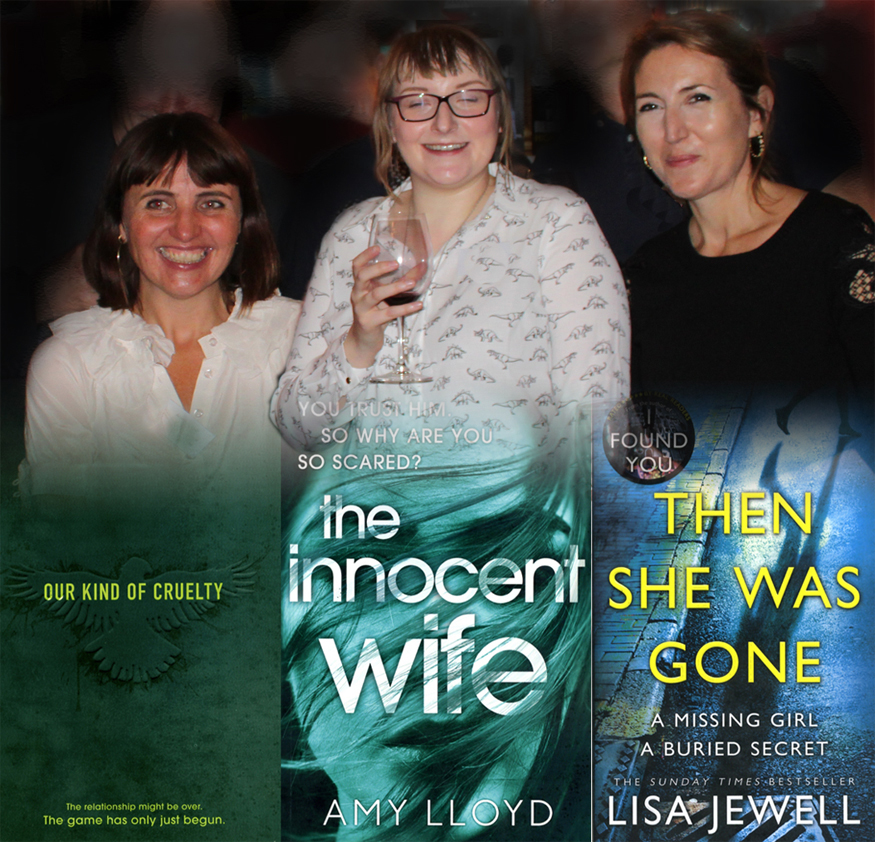


 It was a privilege to talk to two authors who represent the next generation of fine crime writers. Amy Lloyd is from Cardiff, but her debut novel is set far, far away in the badlands of Florida. The Innocent Wife tells the story of a convicted killer whose claims to innocence attract the attentions of the worldwide media – and those of Samantha, a young woman from England. She is obsessed with his case and, after an intense relationship based on letters, she leaves home and marries him. It is only when the campaign for his release is successful that Samantha’s problems begin in a deadly fashion. Amy, by the way, has already won the Daily Mail and Penguin Random House First Novel Competition with The Innocent Wife.
 Araminta Hall is no novice author, as she has written successful psychological thrillers such as
 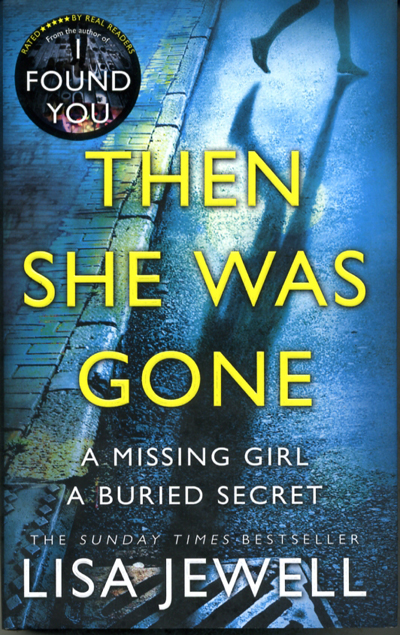 Lisa Jewell knows a thing or three about locating the strings that pull on a reader’s senses, particularly those of anxiety, sympathy and tension. In

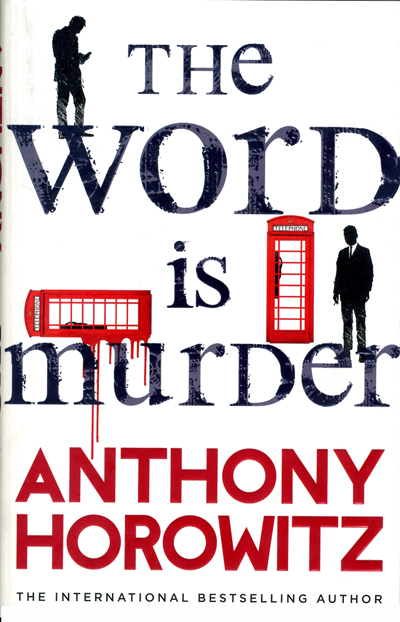 Many people in their sixties – particularly those who are comfortably off – plan ahead for their own funerals. Daytime television programmes are interspersed with advertisements featuring either be-cardiganed senior citizens smugly telling us that they have taken insurance with Coffins ‘R’ Us, or rueful widows plaintively wishing that they had been better prepared for the demise of poor Jack, Barry or Derek. However, it would be unusual to hear that the be-cardiganed senior citizen had died only hours after planning and paying for their own send-off from the world of the living.
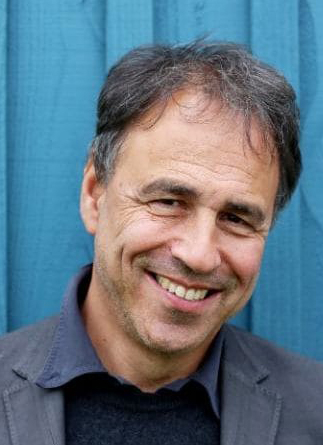 During the story, Horowitz (right) drops plenty of names but, to be fair, the real AH has plenty of names to drop. His CV as a writer is, to say the least, impressive. But just when you might be thinking that he is banging his own drum or blowing his own trumpet – select your favourite musical metaphor – he plays a tremendous practical joke on himself. He is summoned to Soho for a vital pre-production meeting with Steven and Peter (that will be Mr Spielberg and Mr Jackson to you and me), but his star gazing is rudely interrupted by none other than the totally unembarrassable person of Daniel Hawthorne, who barges his way into the meeting to collect Horowitz so that the pair can attend the funeral of Diana Cowper.


