

We are in the fictional Derbyshire town of Bainbridge. Recently divorced Ruth Prendergast has finished work for the day, done her shopping, and is keen to be inside her new house in Hollywell Close, warm, snug and out of the icy winter rain. She fancies a night in, with a pizza and a glass or two of wine. What she gets, however, is a ghastly shock. Turning on the bedroom light she finds a man apparently asleep under her duvet. When she plucks up the courage to wake him, she finds she cannot. Because he is dead. Stone dead, with a knife embedded in his body.
 The team investigating the murder is led by Detective Inspector Isabel Blood, her Sergeant and a brace of DCs. They soon learn that the dead man is Kevin Spriggs, a middle-aged car mechanic, with a failed marriage behind him, an estranged son – and an argumentative temperament often fueled by drink. The murder raises many questions for Blood and her people. How did Spriggs and the person who killed him gain access to a locked house? Who hated Spriggs – admittedly not one of life’s natural charmers – enough to kill him? After all, he was something of a nobody, tolerated rather than loved by most people who knew him, but why this brutal – and mysterious – death?
The investigation – code named Operation Jackdaw – has achieved precisely three-fifths of five-eighths of diddly-squat, when it is rocked by the discovery that Ruth Prendergast, who discovered the corpse of the unfortunate Spriggs has herself disappeared. She was due to go on a walking trip with a lady friend, but she failed to make the rendezvous and, to borrow from The Bard, she has “melted into air, into thin air ….. leaving not a rack behind.“
There are enough fictional Detective Inspectors out there in the world of crime fiction to run a large county police force, so what makes Isabel Blood – to steal a sporting cliché – achieve a podium finish? Refreshingly, she is middle-aged, comfortable in her skin and appears to have no hidden demons. She is happily married with two teenage daughters, and the only kink in this domestic bliss is that her father was apparently bigamously involved with Isabel’s mother, and now lives in France where he has two grown up sons with his legal wife. Now, Isabel’s father and her half-brother have arrived in Bainbridge for a visit at precisely the time that the unfortunate Kevin Spriggs is discovered in Ruth Prendergast’s bed. Eventually, the team discover how – and why – the man was murdered, and the solution is complex, but it very neatly echoes Isabel’s own difficulties with her double family and half-siblings.
Without A Trace is a well plotted and nuance police procedural with credible coppers and equally convincing villains. It is published by HQ Digital, and will be out in Kindle on 29th October. A paperback edition will be available in January.


 Investigating duos are always a reliable way to spin a police novel, and in this case we have Inspector Harvey Marmion and Sergeant Joe Keedy of the Metropolitan Police. Marmion is married to Ellen, with a son and daughter. Son Paul has been mentally damaged by his time on the Western Front, and has now disappeared leaving no clue as to his whereabouts, while daughter Alice – also a service police officer – is engaged to Keedy.
 Edward Marston

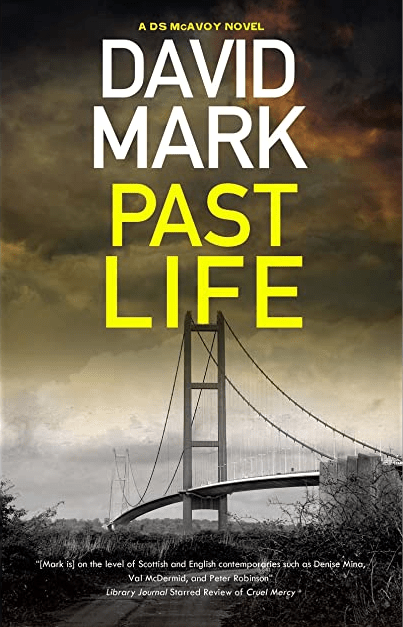 The story begins with a murder, graphically described and, at this point in the review, it is probably pertinent to warn squeamish readers to return to the world of painless and tidy murders in Cotswold manor houses and drawing rooms, because death in this book is ugly, ragged, slow and visceral. The victim is a middle-aged woman who makes a living out of reading Tarot cards, tea leaves, crystal balls and other trinkets of the clairvoyance trade. She lives in an isolated cottage on the bleak shore of the Humber and, one evening, with a cold wind scouring in off the river, she tells one fortune too many.
 “She has found herself some mornings with little horseshoe grooves dug into the soft flesh of her palms. Sometimes her wrists and elbows ache until lunchtime. She sleeps like a toppled pugilist: a Pompeian tragedy. She sees such terrible things in the few snatched moments of unconsciousness.”









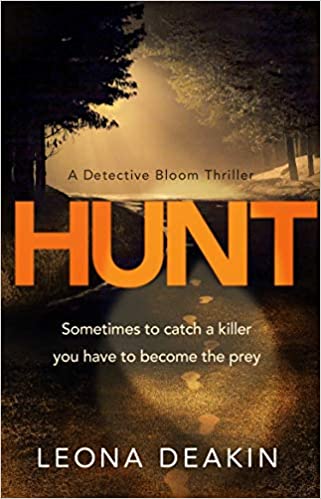 The answer to that conundrum forms the central premise of the book. Porter’s niece Scarlett has been drawn into the orbit of a feminist organisation called Artemis led by a charismatic woman called Paula Kunis. Porter will only answer police questions about his activities if Bloom undertakes to track down Scarlett and extract her from the clutches of Artemis. Bloom is smart enough to realise that Porter is up to something, but cannot work out why he is so worried about his niece, when every other aspect of his behaviour suggests that he is a cold and devious man, with psychopathological elements to his character.
 century Professor Moriarty, who has crossed swords with Bloom and Jameson before. Thirdly, Gerald Porter has inexplicably disappeared from police custody and, almost immediately, a huge social media campaign vilifying Paula Kunis and Artemis has been launched, with the result that scores of husbands and fathers of women “poached” by Artemis have headed to the Scottish retreat and are angrily congregating at its gates.




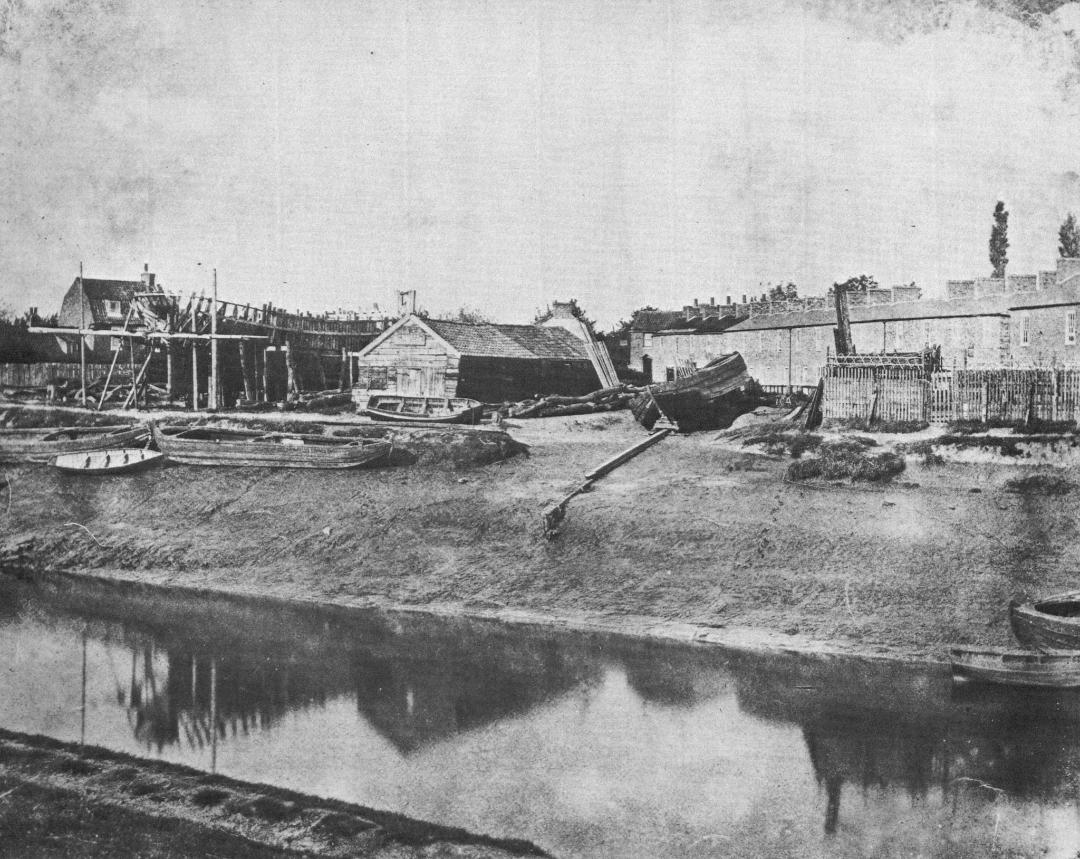
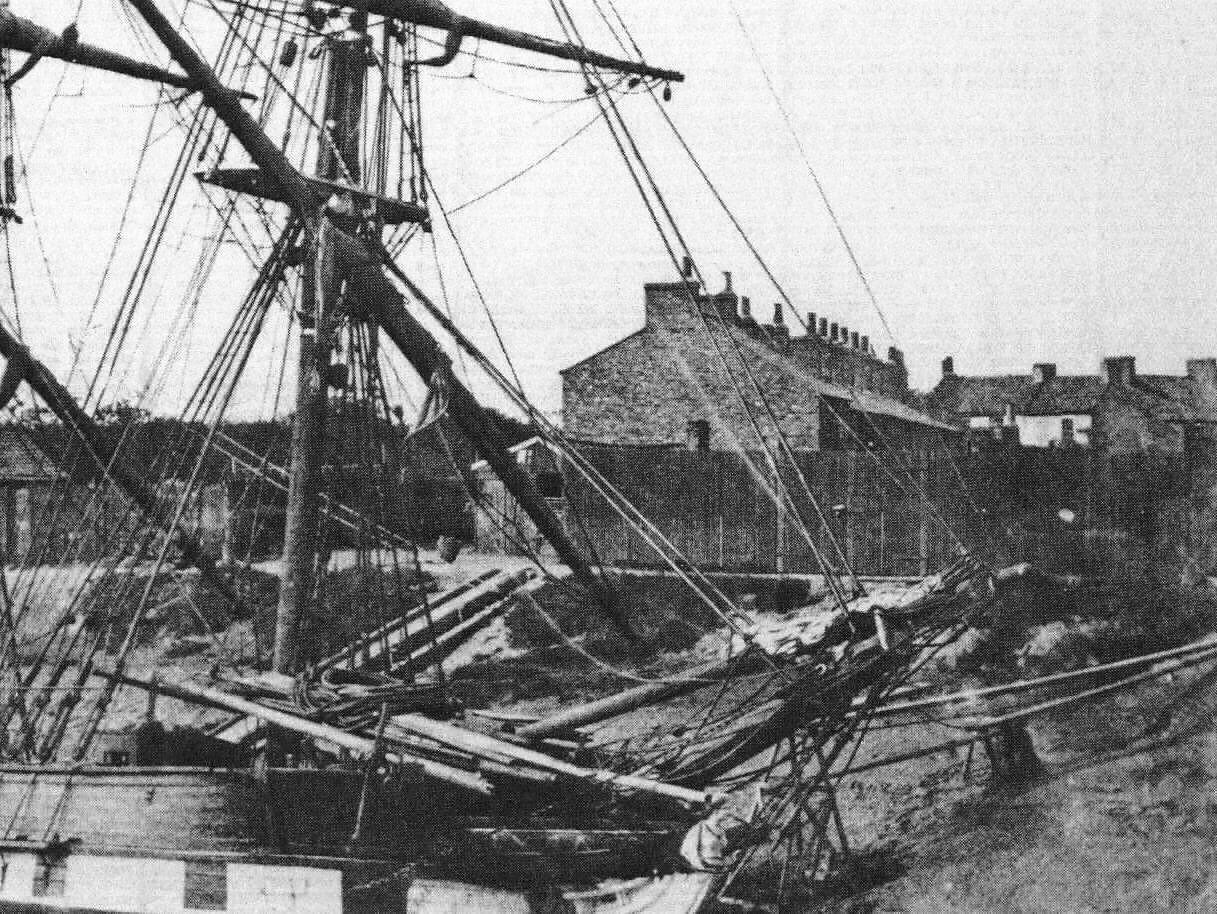
 “Charles Wright and George Oldham, two elderly men, were indicted for the manslaughter of Robert Roughton, at Wisbeach, on the 16th of December last. A bill for murder had been sent up to the Grand Jury, but was thrown out by them. Mr. Naylor appeared for the prosecution ; the prisoner Oldham was defended by Mr. Horace Browne. It appeared that a dispute had arisen between the prisoners and the deceased on the evening in question, and they were seen struggling together on the banks of the river, in which the body of the deceased was afterwards found on the 21st of January. The evidence showed that both the prisoners and the deceased were the worse for drink, and that the deceased, who was a much younger man than either of the prisoners, was the originator of the quarrel. The river bank at the place in question was sloping, and at the place where the cap of the deceased was found there was a gap in the rails by the river-side. Mr. Horace Browne, for the defence, urged that there was nothing in the evidence to show that it was any. thing but an accident. The Jury found the prisoners guilty, and his Lordship (Mr Justice Brett, left) passed a sentence of six months.”


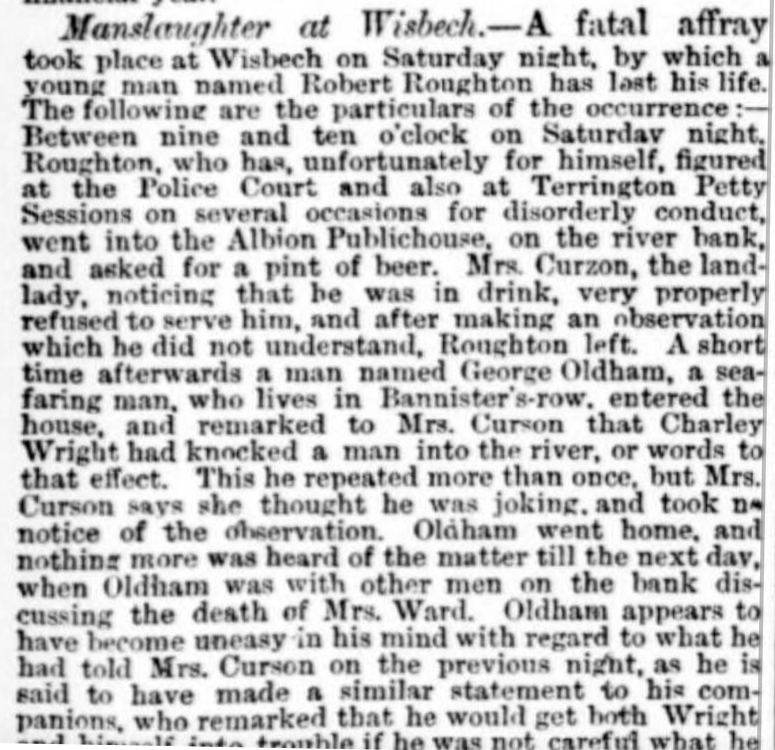

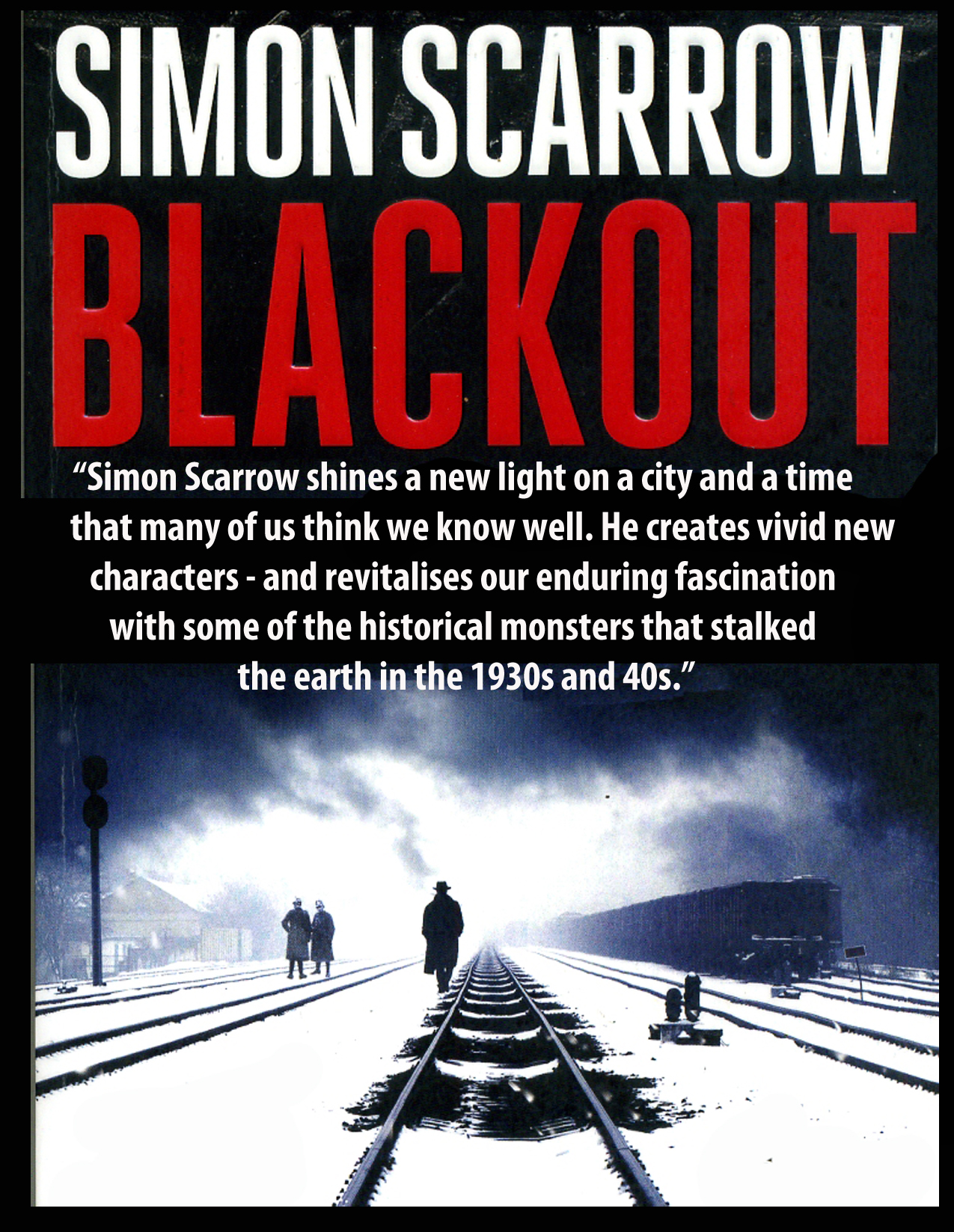

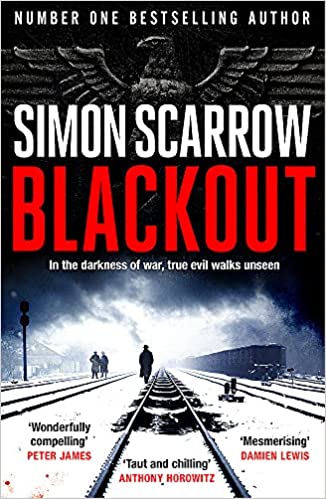 December 1939. Berlin. The snow lies deep and crisp and even, and Kriminalpolizei Inspector Horst Shenke is summoned to the Reich Security Main Office to meet Oberführer Heinrich Müller, a protege of Reinhardt Heydrich and recently appointed head of the Gestapo. Müller has a tricky problem in the shape of a former film star, Gerda Korzeny. Her husband is a lawyer and Nazi Party member who specialises in redrafting potentially awkward pieces of existing legislation in favour of the Party. And now Gerda is dead. Found by a railway track with awful head wounds. She had also been brutally raped. But what does this have to do with Heinrich Müller? His problem is that Gerda Korzeny was known to be having an affair with Oberst Karl Dorner, an officer in the Abwehr, Germany’s military intelligence organisation, and the Gestapo man wants the matter dealt with quickly and discreetly.
 Oberführer Müller, (right) in an attempt to keep tracks on what Schenke is doing, sends a young Gestapo officer called Liebvitz to shadow the Kripo officer, and that allows us to meet a rather unusual fellow. These days, we would probably say he has Asperger’s Syndrome, as he takes everything literally, has no sense of humour and a formidable eye for detail. He is also a crack shot, and this skill serves both Schenke and the department well by the end of the book.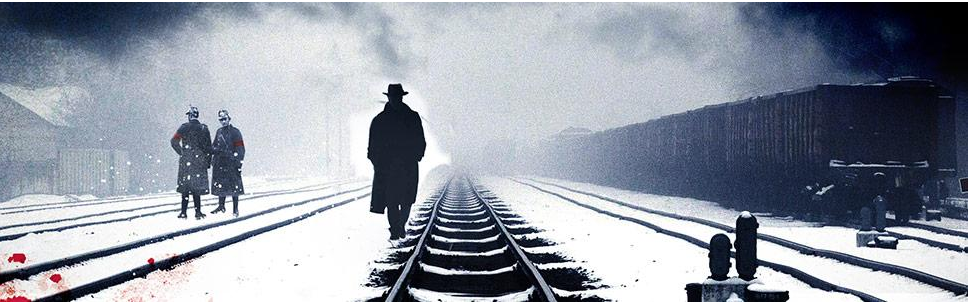


TO ALL THE LIVING . . . Between the covers
This is the latest in the series of excellent reprints from the Imperial War Museum. They have ‘rediscovered’ novels written about WW2, mostly by people who experienced the conflict either home or away. Previous books can be referenced by clicking this link.
We are, then, immediately into the dangerous territory of judging creative artists because of their politics, which never ends well, whether it involves the Nazis ‘cancelling’ Mahler because he was Jewish or more recent critics shying away from Wagner because he was anti-semitic and, allegedly, admired by senior figures in the Third Reich. The longer debate is for another time and another place, but it is an inescapable fact that many great creative people, if not downright bastards, were deeply unpleasant and misguided. To name but a few, I don’t think I would have wanted to list Caravaggio, Paul Gauguin, Evelyn Waugh, Eric Gill or Patricia Highsmith among my best friends, but I would be mortified not to be able to experience the art they made.

So, could Monica Felton write a good story, away from hymning the praises of KIm Il Sung and his murderous regime? To All The Living (1945) is a lengthy account of life in a British munitions factory during WW2, and is principally centred around Griselda Green, a well educated young woman who has decided to do her bit for the country. To quickly answer my own question, the answer is a simple, “Yes, she could.”
Another question could be, “Does she preach?“ That, to my mind, is the unforgivable sin of any novelist with strong political convictions. Writers such as Dickens and Hardy had an agenda, certainly, but they subtly inserted this between the lines of great story-telling. Felton is no Dickens or Hardy, but she casts a wry glance at the preposterous bureaucracy that ran through the British war effort like the veins in blue cheese. She highlights the endless paperwork, the countless minions who supervised the completion of the bumf, and the men and women – usually elevated from being section heads in the equivalent of a provincial department store – who ruled over the whole thing in a ruthlessly delineated hierarchy.
Amid the satire and exaggerated portraits of provincial ‘jobsworths’ there are darker moments, such as the descriptions of rampant misogyny, genuine poverty among the working classes, and the very real chance that the women who filled shells and crafted munitions – day in, day out – were in danger of being poisoned by the substances they handled. The determination of the factory managers to keep these problems hidden is chillingly described. These were rotten times for many people in Britain, but if Monica Felton believed that things were being done differently in North Korea or the USSR, then I am afraid she was sadly deluded.
The social observation and political polemic is shot through with several touches or romance, some tragedy, and the mystery of who Griselda Green really is. What is a poised, educated and well-spoken young woman doing among the down-to-earth working class girls filling shells and priming fuzes?
My only major criticism of this book is that it’s perhaps 100 pages too long. The many acerbic, perceptive and quotable passages – mostly Felton’s views on the more nonsensical aspects of British society – tend to fizz around like shooting stars in an otherwise dull grey sky.
Is it worth reading? Yes, of course, but you must be prepared for many pages of Ms Felton being on communist party message interspersed with passages of genuinely fine writing. To All The Living is published by the Imperial War Museum, and is out now.