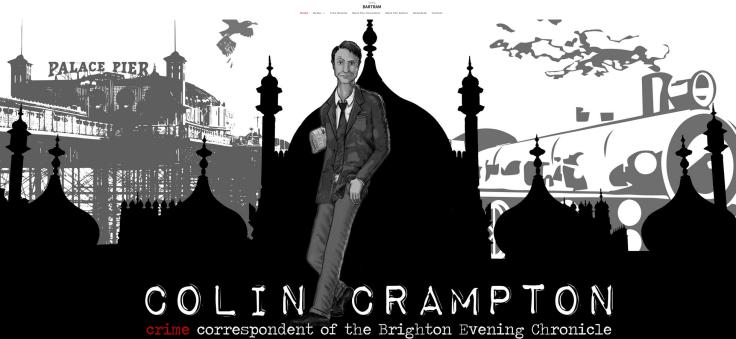
It has been, as the song goes, a long and winding road. Nearly 1000 miles, or thereabouts of rolling English highway and we are nearing the end. Just two more stops, and we will be back where we started, In London. Yes, there are places and authors we might have visited; Trevor Wood’s Newcastle, John Harvey’s Nottingham and Phil Rickman’s Hereford, to name just three. But both writer and reader can suffer fatigue, so this journey is what it is. Our penultimate stop-over is Brighton, seemingly a place of bizarre contrasts. There is the elegant watering place beloved of the Prince Regent, and the cheeky seaside town beloved of London day trippers, but with a scary undercurrent immortalised by Graham Greene. There is the contemporary Brighton, a place where outlandish political and social fads make its counterparts in California look reactionary. But our Brighton is a much sunnier place. We are in the 1960s, sex had just about been invented, mobile ‘phones were undreamt of in anyone’s philosophy, and a young man called Colin Crampton is the ace crime reporter for the Evening Chronicle.

Colin Crampton is the inspired creation of former journalist Peter Bartram, and I do wonder if Colin is, perhaps, a younger version of Peter, and I would like to think so. Peter, from, my online dealings with him, is a genial and astute fellow with a broad sense of humour, and someone with a fund of nostalgic cultural references from days gone by. In brief, Colin is as sharp as a tack, has a gorgeous Australian girlfriend called Shirley, vrooms around Brighton in his sports car, and his boss, deputy editor Frank Figgis, is permanently wreathed in a cloud of Woodbines smoke. The books are simply delightful. Escapist, maybe, comfort reading, probably, but superbly crafted and endlessly entertaining – yes, yes, yes. If you click the graphic below, a link will open where you can read reviews of the Crampton of The Chronicle series, and also features by Peter on the background to some of his stories.The author’s photograph contains a link to his own website.

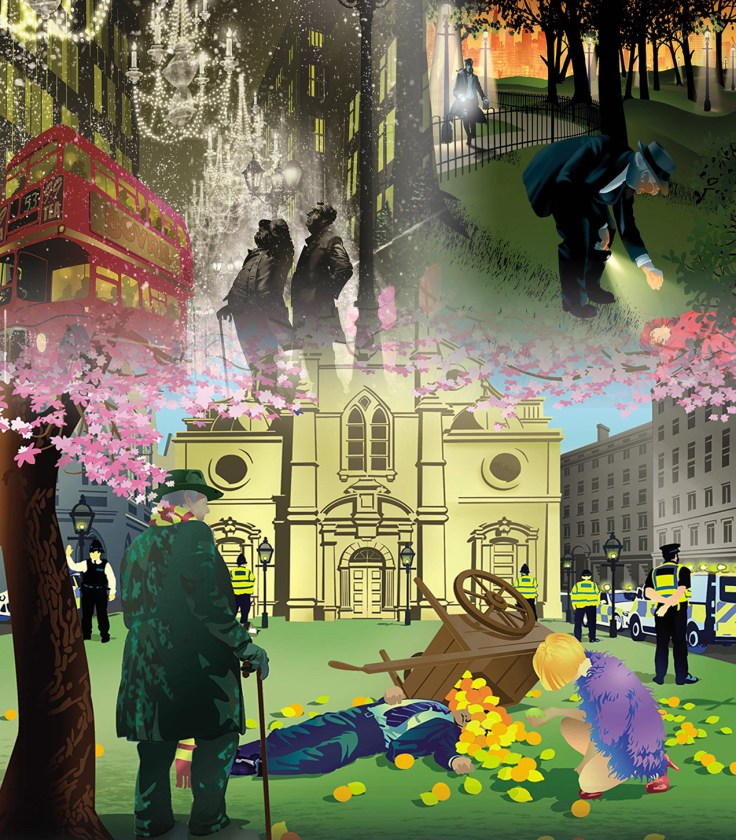
LONDON CALLING! And the voices are none other than those of Arthur Bryant and John May – and their creator, Christopher Fowler. Bryant & May are, of course, an in-joke from the very start. More elderly readers will remember the iconic brand of matches so familiar to those of us who grew up the middle and later years of the 20th century.
Fowler devised a brilliant concept. We have two coppers who began their investigative careers during Hitler’s war. One, Arthur Bryant, is an intellectual iconoclast, a fount of obscure knowledge, be it of Tibet, Inner Mongolia, Patagonia or the inner regions of the Hindu Kush. His expertise, however, is London. There is not a hidden river, an execution site, an ancient drovers’ trackway or site of an old graveyard that Arthur doesn’t have logged somewhere in his noggin. His colleague, John May, is slightly younger, but has adapted to the passing years. He wears decent suits, chooses conciliation rather than confrontation, and retains the razor sharp mind of his younger years. He is resolutely and remorselessly devoted to Arthur Bryant, and such is Fowler’s mastery of human chemistry that we know one could never exist without the other.
 There were nineteen B & M novels, beginning with Full Dark House in 2003, plus a quartet of graphic novels and short story collections. I say ‘were’, because although Christopher Fowler (left) is still with us, those who have read London Bridge Is Falling Down (2021) will know – and I am sorry if this is a spoiler – that old age and infirmity finally catches up with the venerable pair of detectives. Where to start to talk about this series? The author himself is, as far as I can judge, a modern and cosmopolitan fellow, but his love – and knowledge – of London is all embracing. Christopher Fowler is a one-off in contemporary writing, and completely individual, but speaking as an elderly chap with many years of reading behind me, I can best put him in context with great English writers of the last 150 years or so by looking at various aspects of the novels.
There is humour in the books, plenty of it and – as you might guess – it’s very English. Imagine a chain of writers which goes back to Victorian times, starting perhaps with Israel Zangwill and the Grossmith brothers. The torch is carried onwards by Wodehouse, JV Morton and – with a more abrasive edge – by Waugh. Tom Sharpe is largely forgotten now, but his anarchic view of English customs and behaviour fits in well.
Now the city of London itself. Imagine a writer with the nostalgic fondness of Betjeman, blended with the darker imagination of writers like Ackroyd and Sinclair, and you will find that Christopher Fowler fits the bill perfectly. He makes us aware that the streets of his home town are like a stage, with troupes of actors down the ages acting out their dramas, each set of footsteps eventually fading to give way to the next, but each leaving something indelible behind, eternally available for those with ears to listen
Let’s not forget, though, that this is crime fiction, and the B&M stories have a strong vein of the Golden Age running through them, particularly with the ‘impossible’ crimes. Not content with mere locked rooms, Fowler takes us into a world where pubs vanish of the face off the earth and an 18th century highwayman commits murder in an art gallery. We started our journey in Derek Raymond’s London, with its drab streets, mean hearts, cruelty and violence. The streets walked by Bryant and May certainly have their dark corners, but Christopher Fowler fills them with joyful quirks of history, ghosts (mainly benevolent) and a sense of gleeful iconoclasm.
For reviews and features about the Bryant and May novels,
click the image below.




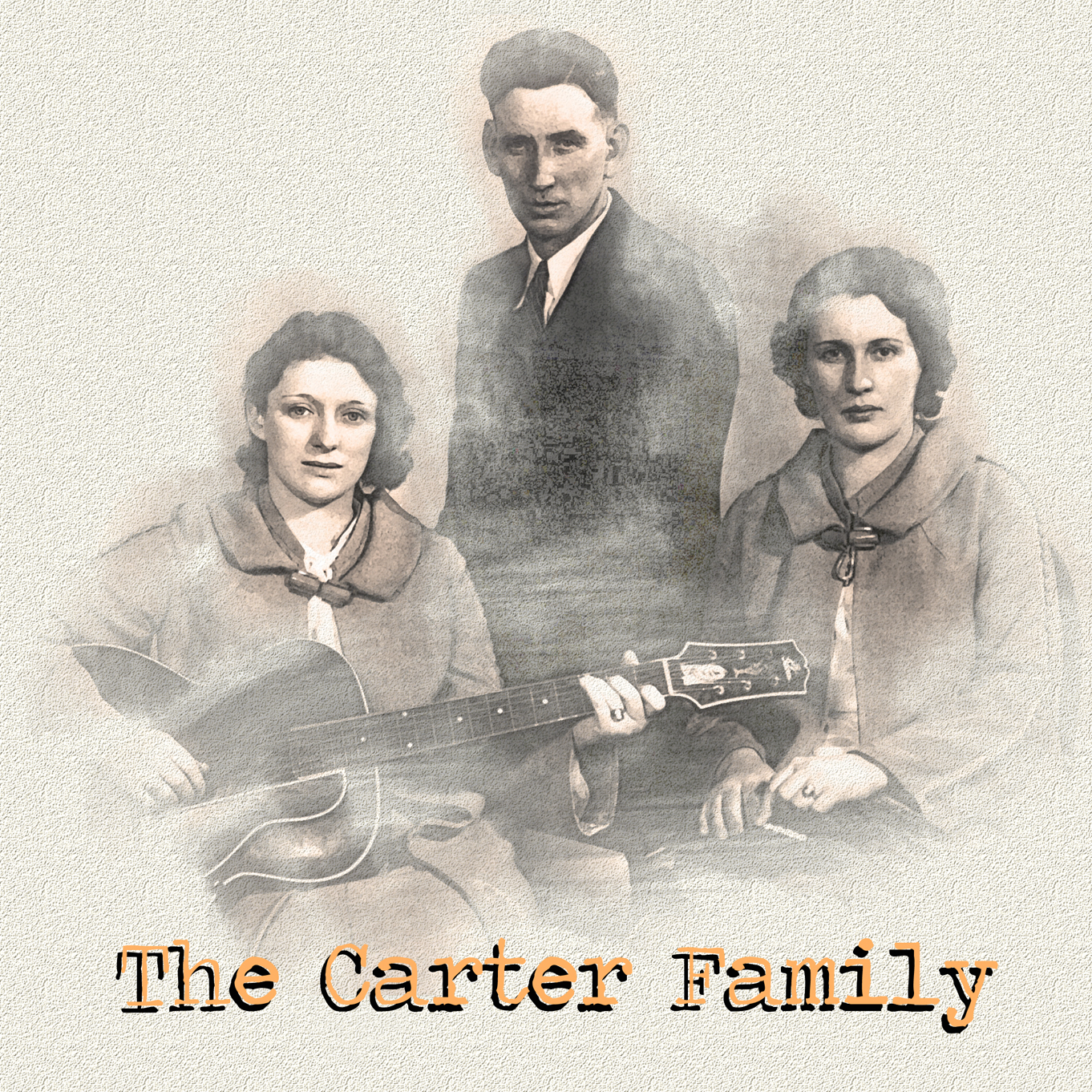
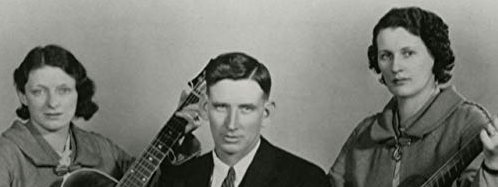
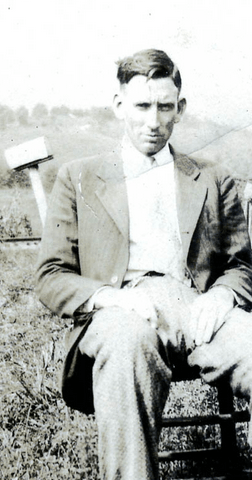 So, what is so special about the Carter Family and their songs? AP Carter’s ‘day job’ at one time, was traveling salesman.and he was a voracious collector of the songs that he heard as he moved from town to town. He clearly had a very good ear for melody. The words were almost certainly written down, but the tunes would have been just carried in his head. The songs are from a broad spread of different traditions. Some – in the lyrics at least – are clearly versions of songs that would have come over from the British Isles centuries earlier, while others are clearly 19th century American hymns and religious songs. Regarding the British songs, there is little or no sign of the modal tonality that you hear in later transcriptions of such songs by people like Ralph Vaughan Williams and Cecil Sharp. The astonishing thing is that overwhelming majority of Carter Family songs are what musicians call ‘three chord tricks’. In other words their harmonic structure is Tonic, Sub-Dominant and Dominant. Chord-wise, that means, if we are in the key of C, they use C major, F major G major and G seven. I have listened to dozens and dozens of recordings, and it is quite remarkable that they never seem to use a minor chord. The songs are almost always played using guitar chords in the key of C. That is not to say that the songs are in the absolute key of C, as Maybelle would use a capo. as well as detuning her guitar by as much as three or four semitones.
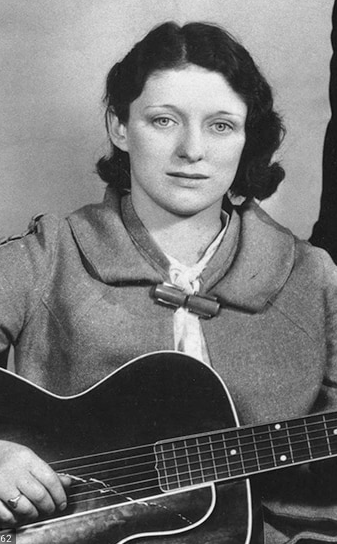 It is no exaggeration to say that Maybelle Carter was one of the great innovators of guitar music. In terms of what she achieved she is up there with the greats alongside Reinhardt, Hendrix, Clapton, Cooder and – in her own genre, players like Doc Watson and Chet Atkins. I am a guitarist myself, and have been playing for over fifty years. It’s a good job I never had to earn my living from it, but I consider myself a reasonable amateur player. What Maybelle Carter did sounds elementary on the records, but when one comes to try and copy the style it is very, very difficult. She had several different techniques, but her signature style was what is known as ‘The Carter Scratch’. She plays melody with her thumb on the lower guitar strings, while using her index finger to strum out a percussive rhythm of the higher strings. She occasionally uses a different finger picking style, picked up from black blues players, which is more akin to ragtime syncopation.
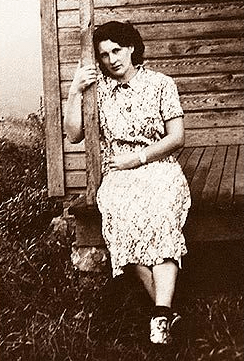 Sarah’s autoharp is an important feature on all the recordings. It backs up the incessant rhythm of Maybelle’s guitar, but because its strings are tuned much higher, it cuts through in the treble frequencies and provides an important texture to the music. Crucially, though, when you listen to a Carter Family recording it is mostly Sarah’s voice you hear. It would be wrong to call it a thing of beauty. It has a hard edge, with an almost masculine timbre. There is never any vibrato, but intonation-wise it is spot on every time, right in the middle of the note. The lyrics she sings are almost always shorn of pretension or ambiguity. They speak of simple truths – love, life, death, hardship, betrayal, joy and sorrow. Her voice tells it like it is. There is no doubt, no nuance but instead, utter conviction and sincerity.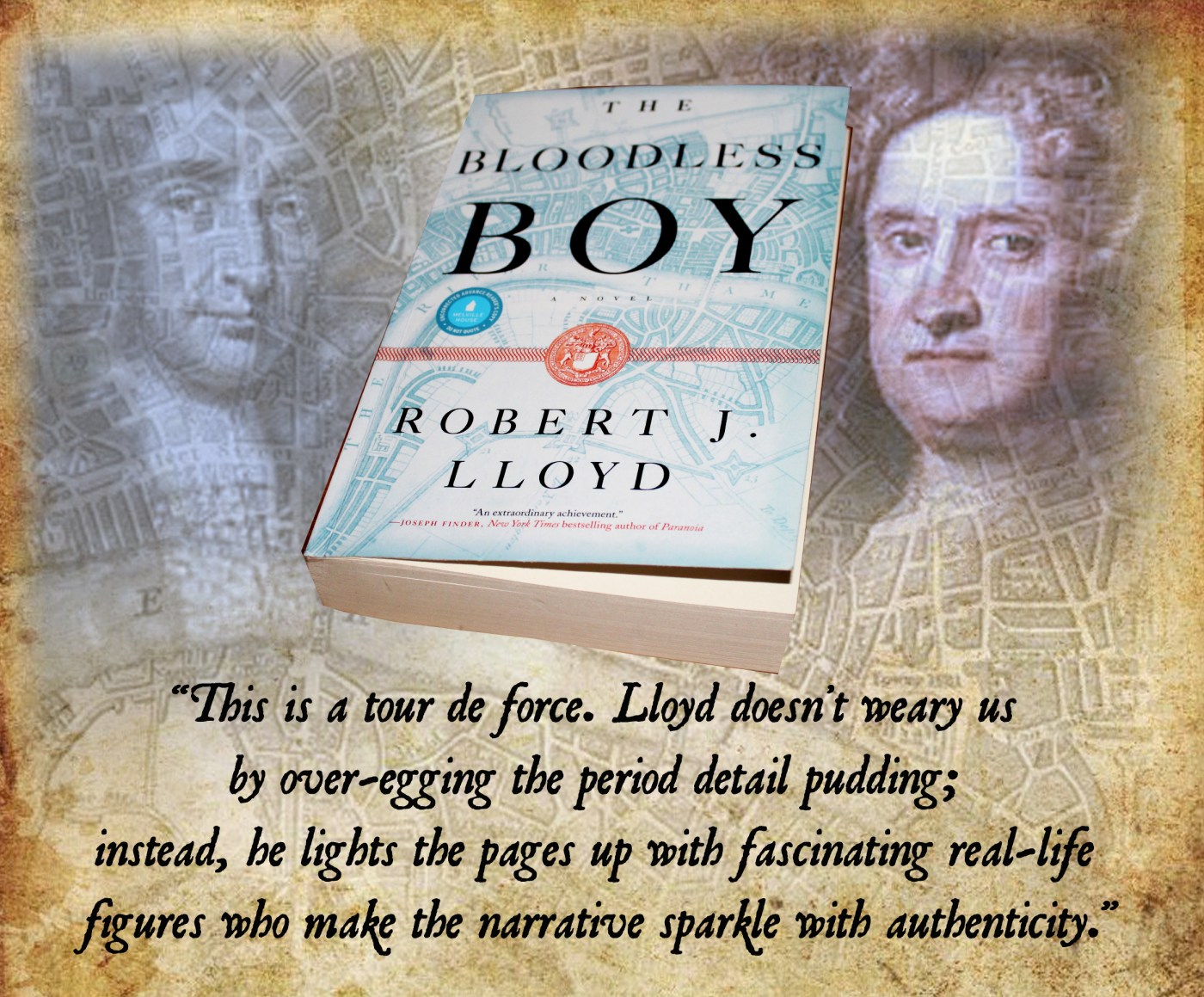

 Thus begins a thoroughly intriguing murder mystery, steeped in the religious politics of the time. For over one hundred and fifty years, religion had defined politics. Henry VIII and his daughters had burned their ‘heretics’, and although the strife between Charles I and Parliament was mainly to do with authority and representation, many of Oliver Cromwell’s adherents were strident in their opposition to the ways of worship practiced by the Church if England. Now, Charles II is King. He is reputed to have sired many ‘royal bastards’ but none that could succeed to the throne, and the next in line, his brother James, has converted to Catholicism. In most of modern Britain the schism between Catholics and Protestants is just a memory, but we only have to look across the Irish Sea for evidence of the bitter passions that can still divide society.
 How on earth this superb novel spent many years floating around in the limbo of ‘independent publishing’ is beyond reason. While not quite in the ‘Decca rejects The Beatles‘ class of short sightedness, it is still baffling. The Bloodless Boy has everything – passion, enough gore to satisfy Vlad Drăculea, a sweeping sense of England’s history, a comprehensive understanding of 17th century science and a depiction of an English winter which will have you turning up the thermostat by a couple of notches. The characters – both real and fictional – are so vivid that they could be there in the room with you as you read the book.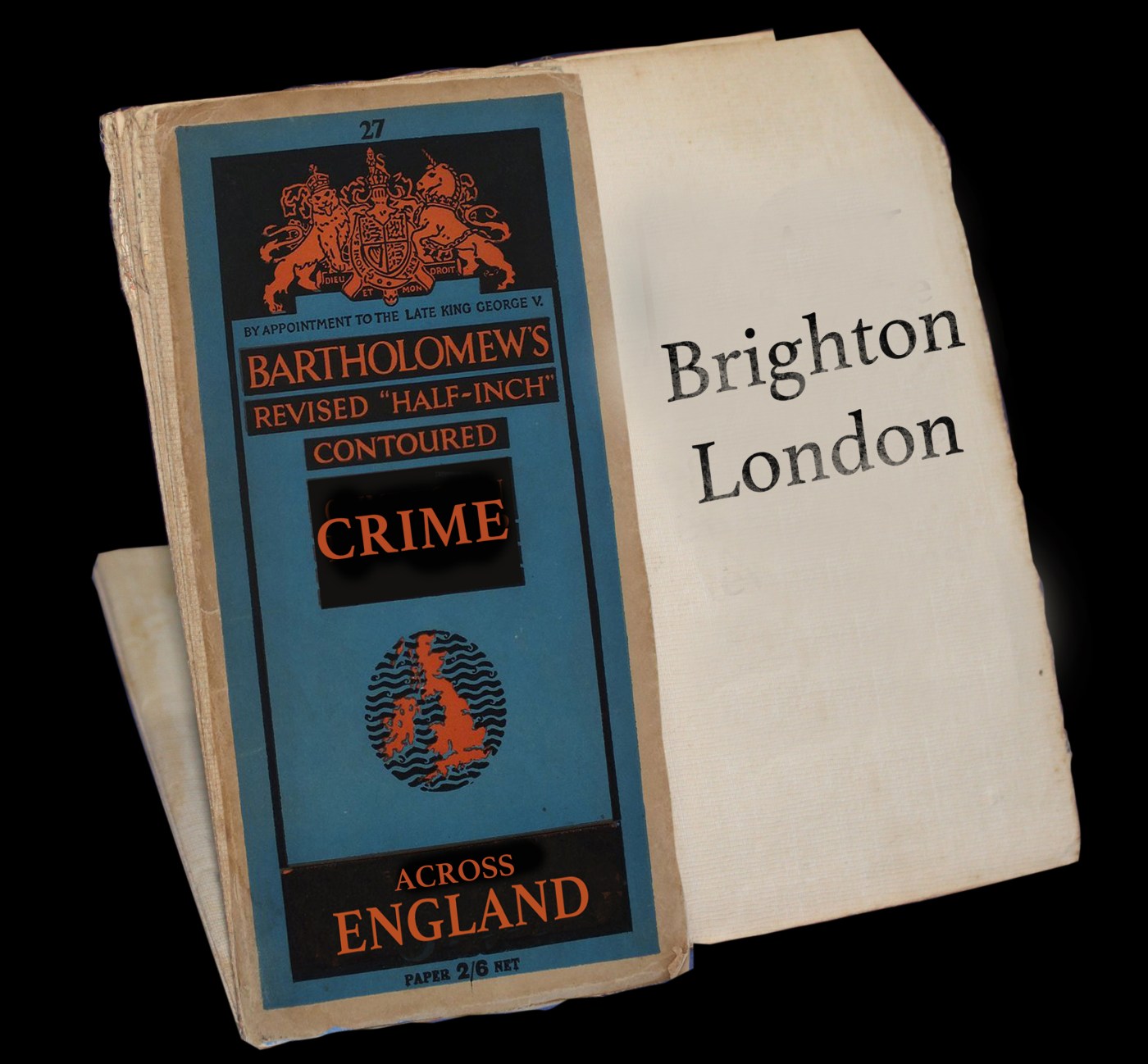



 MJ is alive and well, and still writing, and Peter Maxwell appeared as recently as 2020 with Maxwell’s Summer. The series started in 1994 with Maxwell’s House, a title which (if you were around in the 1960s) will give you some idea of MJ’s wonderful sense of English domestic history – and his inability to resist a pun. The books are highly enjoyable, but never cosy. There is a streak of melancholy never far from the surface, and we are reminded that Maxwell’s first wife died when the car they were in was involved in a fatal collision. Max has never driven since, and his trusty bicycle is a regular prop in the stories. Max eventually marries his policewoman girlfriend Jackie Carpenter, which is only right and fair, since she is the plot device that has given him a very convenient ‘in’ with local murder investigations. MJ Trow has several other CriFi series to his name, and I list them below.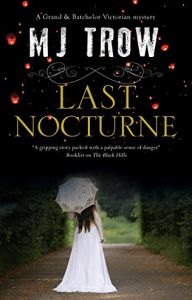
 Inspector Lestrade – in which Trow ‘rehabilitates’ the much maligned copper in the Sherlock Holmes stories. 17 novels, beginning in 1985.


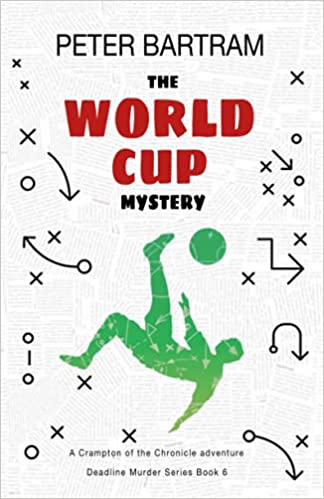 We are in Sicily, and it is the long hot summer of 1966. Brighton crime reporter Colin Crampton has taken his Aussie girlfriend Shirley Goldsmith abroad for a holiday. While the sun beats down, and gentle breezes blow in from the Mediterranean, Colin hopes to choose a romantic location – perhaps the ruin of a Greek temple – where he will go down on one knee and propose marriage to the beautiful Shirl. He has an expensive diamond ring in his pocket to help boost his case, but it is not to be.



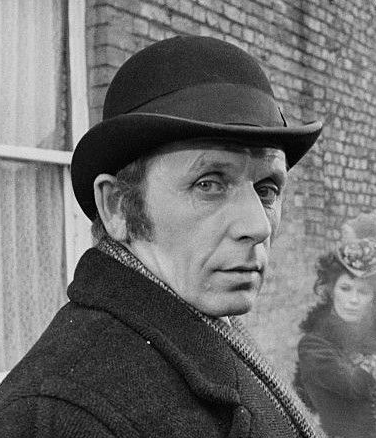 To Bath now, and a character created by (I think) Britain’s longest living (and still writing good books) crime author. Peter Lovesey was born in Middlesex in September 1936 and, after National Service and a career in teaching, he published his first novel in 1970. Wobble To Death was the first of a hugely successful series of historical novels featuring Sergeant Daniel Cribb and his assistant Constable Thackeray. Older readers will remember the superb BBC TV adaptations starring Alan Dobie (left) as Cribb. The stories were also dramatised by BBC radio.