

Psychopathy and comedy are not natural companions, but Guy Portman has this strange relationship down to a ‘T’ In his novels Necropolis (2014), Sepultura (2018) and Golgotha (2019) we followed the rise and fall of the elegant, analytical and ruthless killer Dyson Devereux. Then, in Emergence (2023), we learned that he had a love child. Well. let’s rephrase that. He had a child. The mother was a well-meaning but rather naive Antiguan social worker called Rakeesha Robinson and the youngster was christened Horatio.
Although Horatio never met his father he is, as they used to say, a chip off the old block. He is fascinated by trigonometry and algebra and is prone to instant acts of extreme violence, but also capable of meticulous planning to set up his deeds. An example of the latter was the way in which he disposed of mum’s loathsome boyfriend in Emergence. My review of that book described the killing in some detail, but as it caused me to be banned by Amazon, that’s all I will say here. You can find the hilarious details by clicking the link.
Seeking to give Horatio a new start, Rakeesha has taken him to Antigua, where the two of them are to stay with her extended family. Incidentally, as can sometimes happen with genetics, Horatio is as white as his father was, which makes him distinctive among the native Antiguans. He starts school, and soon establishes himself as brighter than average, but his Caribbean idyll is marred by the fact that he has to work weekends and holidays in his grandfather’s laundry centre, piling insanitary bedding from the tourist hotels into the washers, and then ironing the same hotels’ tablecloths with – as you would expect from Horatio – geometric precision.

As you might expect from our lad, he soon finds a way to boost his meagre wages from the laundromat. Antigua is full of low-rent tourists, many of who are anxious to score drugs, and Horatio finds that his innocent demeanour, coupled with his skin colour, enable him to establish a nice little business, buying product from a dissolute and disreputable dealer who lives in a shack just out of town, and then selling it to the European tourists (at a healthy profit).
Horatio, figuratively holding his nose when he goes to the dealer’s house, notices two things: first, a handgun badly hidden underneath a cushion and, second, a tin cash box in which the dealer keeps his cash. Putting these two observations to work allows Horatio to rid Antigua of a parasite and enrich himself to the tune of several thousand XCD (Eastern Caribbean Dollars) He also seizes an opportunity to exact revenge on a dimwitted local youth who has been harassing him.
Guy Portman is a wonderful satirist. He targets the cant, pomposity and box-ticking that have become ever-present backdrops to most people’s lives in Britain. In Horatio Robinson he has created a malevolent hero who continues to disprove Lincoln’s adage, in that – so far – he has managed to fool all of the people, and all of the time. However, like his late father, is his luck due to run out?













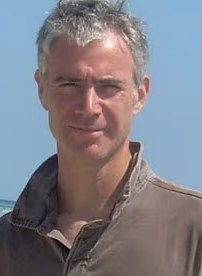 If the tags “Oxford”, “Murder” and “Detective” have you salivating about the prospect of real ale in ancient pubs, choirs rehearsing madrigals in college chapels, and the sleuth nursing a glass of single malt while he listens to Mozart on his stereo system, then you should look away now. Simon Mason (left) brings us an Oxford that is very real, and very now. The homeless shiver on their cardboard sleeping mats in deserted graveyards, and the most startling contrast is the sight of Range Rovers and high-end Volvos cruising into car washes manned by numerous illegal immigrants from God-knows-where, all controlled by criminals, probably embedded within the Albanian mafia.


