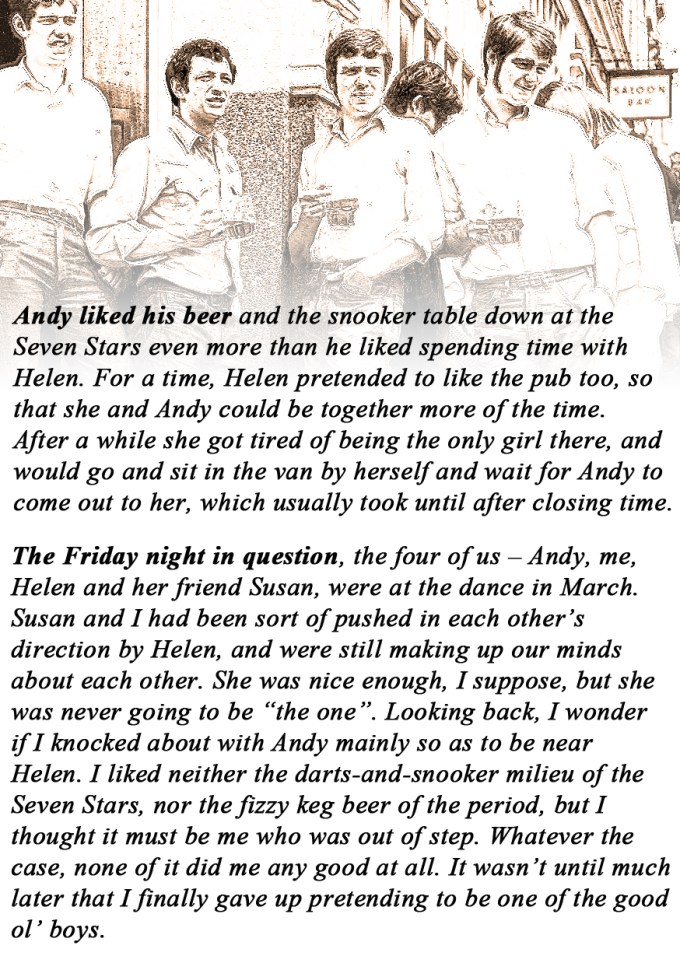
Andy and I were up at the bar as usual, while Helen and Susan were in the dance hall itself. The worst thing about these dances was that, sooner or later, the lads from March would pick a fight with the lads from Guyhirn or wherever, usually on the pretext that somebody had tried it on with their girlfriend or sister or whatever. Lads were always trying to get off with Helen, and would then fall out on Andy or me in a fit of jealous resentment. I noticed two or three groups from previous encounters. The atmosphere was tense, threatening. It was time to exit the premises.
Andy has had a fair bit to drink, but he knows the road across the fen and home to Christchurch like the back of his hand, could do it blindfold. We’re cruising along, no problems, when a white Ford Escort pulls alongside and a lager can smashes against Andy’s side window. The Escort is crammed full of goons from the dance-hall, shouting and screaming foul abuse, mainly directed at Helen. They want us to chase them, want a race. Sober Andy wouldn’t have risen to the challenge, but drunk Andy does.
The back roads across the Fens are dead-straight, but narrow and undulating, being laid down right on top of the river-banks, where the alluvial silt provides a firmer base than would the peat-soil of the adjacent fields, most of which have shrunk and subsided down to a level well below that of the roadway, or even of the rivers themselves. It is easy to go off the road and plunge down into the river on the one side, or into the deep, steep-sided ditches draining the adjacent fields on the other side. Sections of the tarmac have subsided, or are crumbling at the edges, through lack of maintenance. I never understood why they wasted so much time at school warning us about unsafe sex and drugs when far and away the commonest cause of early death amongst our schoolmates was through motor accidents, cars going off the road and ending upside-down in a freezing-cold river or ditch.

It takes me a while to come to, something warm trickling down my face. My right leg is at an unlikely angle and there are white shards of bone sticking out through my trouser-leg, below the knee, although I can’t feel anything yet. Andy is up against the steering-wheel, blood coming out of his mouth. Helen is between us, her head under the dashboard, not moving. Susan is lying on her front out on the bonnet; she must have gone straight through the windscreen, which is completely shattered. I can’t see her face, which is probably just as well.
A police car arrives, followed by an ambulance. I can only hear their voices, can’t see anything now.“Smells like a brewery in here – suppose they’re all pissed as usual. Cover that one’s face, for God’s sake, I can’t look at her like that. It’s worse when it’s a girl.”
 Andy was killed in a motor accident shortly after his 23rd birthday, when his car went off the Ramsey Forty-Foot road in the middle of the afternoon; no other vehicle was involved, but none of us was greatly surprised.
The Friday night dances were a cruel lesson in the realities of life and about where you stood in the pecking-order. Lads fought and competed over the lovely Helen Atkins, who wanted no-one but Andy, who in turn was inseparable from his drinking-mates down at the Seven Stars. Nice, plain-faced girls went home alone while the local lads drank themselves into a coma or got into fights with lads from neighbouring villages and towns. Nobody got what they wanted. As youngsters, we aimed high, stars in our eyes. Most of us learned to lower our sights and settled for the kind of life that was available to the likes of us, something on our level, somebody of our own class. We spent our salad days chasing rainbows, in pursuit of the lovely Helen, or others like her; but we mostly ended up marrying and settling down with one of those plump, plain-faced local girls, for better or worse. Some of us went away for a time, but we all came back sooner or later, because here is where we belong.
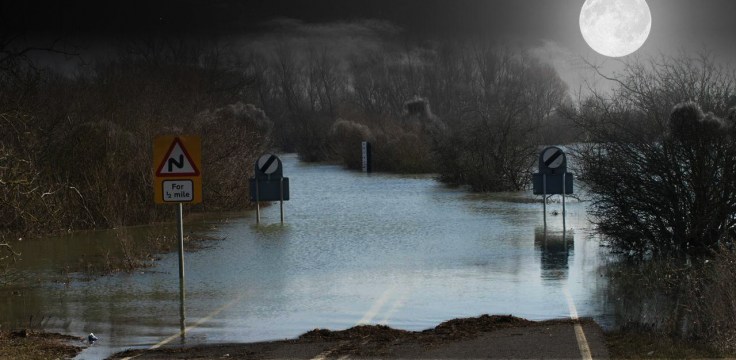
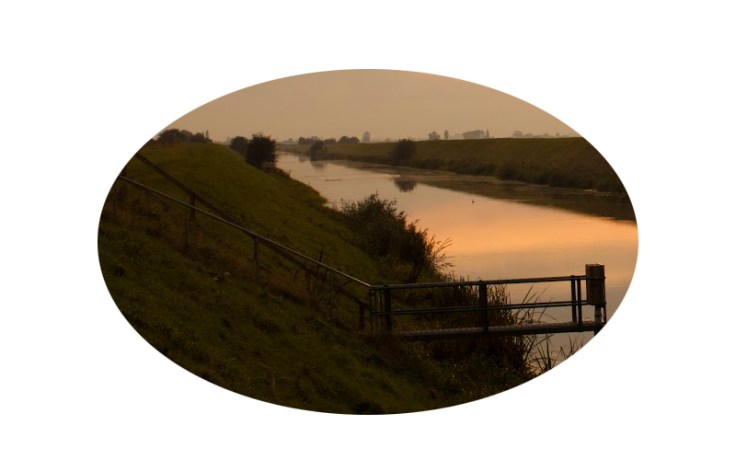
The back road between the Old and New Bedford rivers, my road home, is on a slightly lower level than the surrounding fields and water-meadows. Floodwater begins to spill off the fields and starts to trickle over the lowest section of the road ahead. Time to be getting back. This is what it will feel like when the world ends. This is what it will feel like for the last man left alive, as tidal waves cascade over the last remaining hillock of dry land.

But the worst is behind me now. The road rises steeply to the bridge across the Old River and the lights of the Lamb & Flag. So good to see the road surface again, and to feel dry land under my boots. Safe on the bridge, I look back at the opaque watery blackness and shiver.
I escaped, this time. But I know I will go back to the fen, and will keep going back, until such time as I escape no longer.
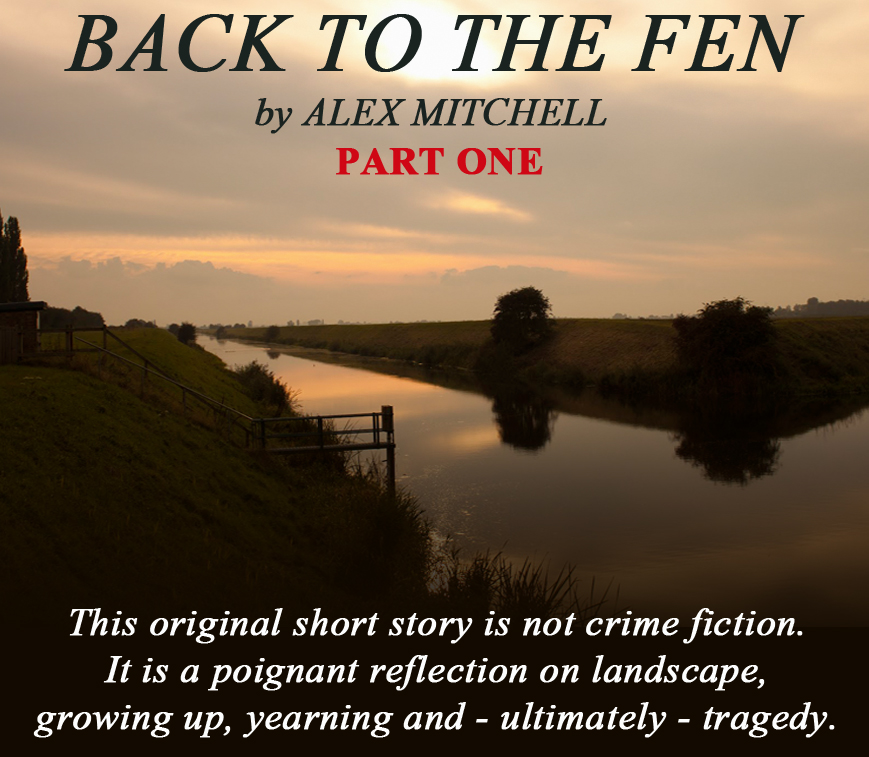
CLICK THE IMAGE BELOW TO READ PART ONE OF BACK TO THE FEN




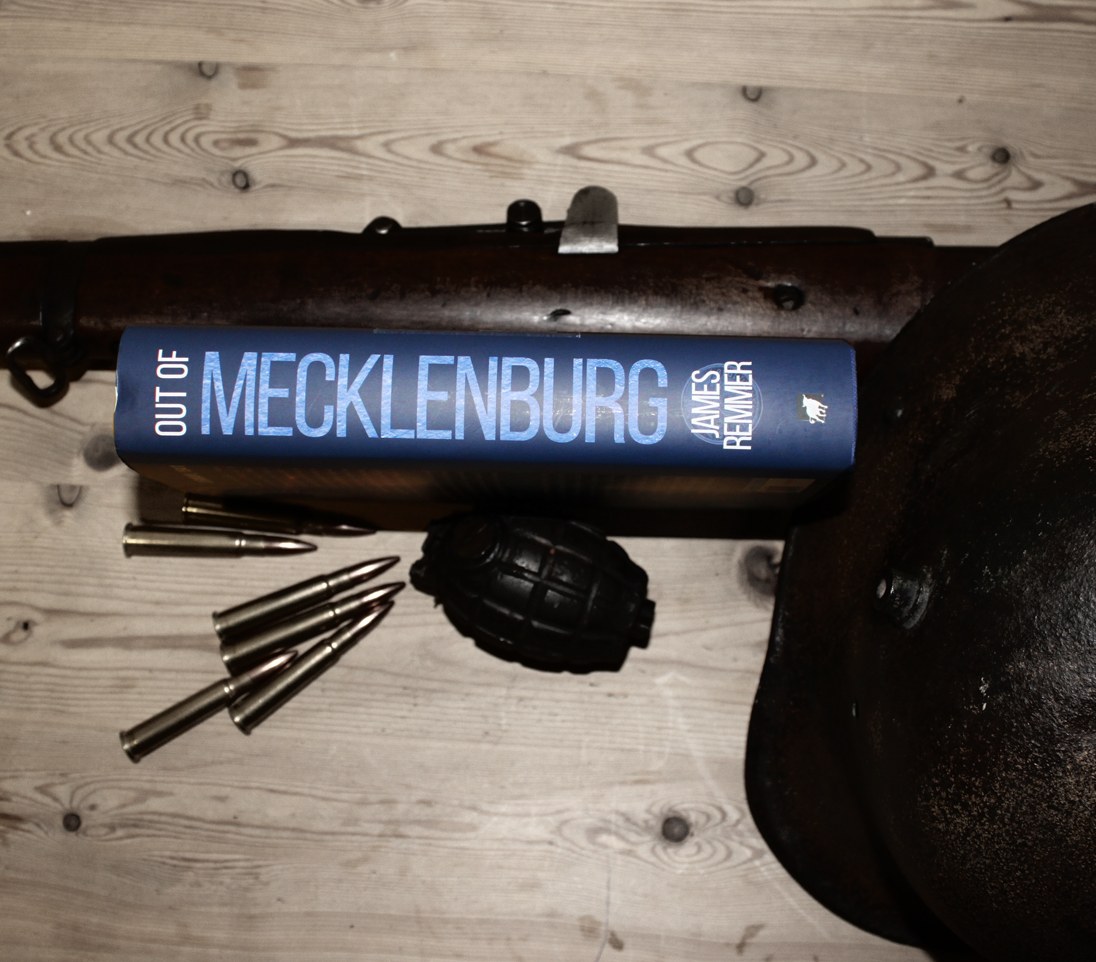

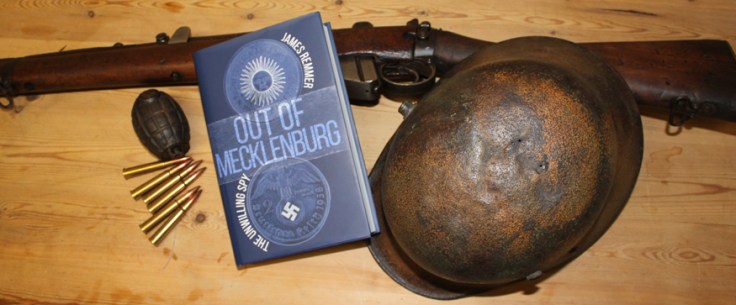
 The full title of this debut novel from former intelligence operative James Remmer is Out of Mecklenburg – The Unwilling Spy. All the elements of a good WWII thriller are in place, including the usual staples of fanatical Nazis, spies, U-Boats, love, lust – and gold bullion. What gives this novel a boost is the injection of an usual element – the early days of the soon-to-be-famous Argentine army officer, Juan Domingo Peron. Remmer (left) brings a distinctive authenticity to his story, having practiced the dark arts of intelligence gathering – and the spreading of disinformation – in a long and distinguished career in the service of this country.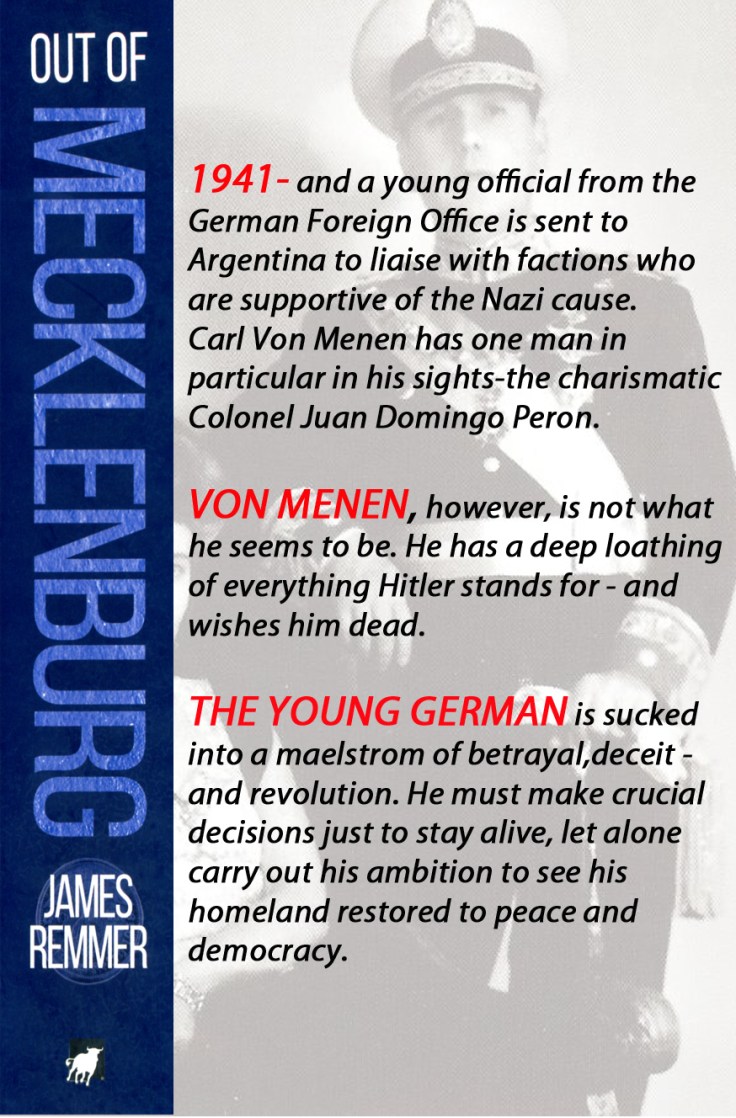

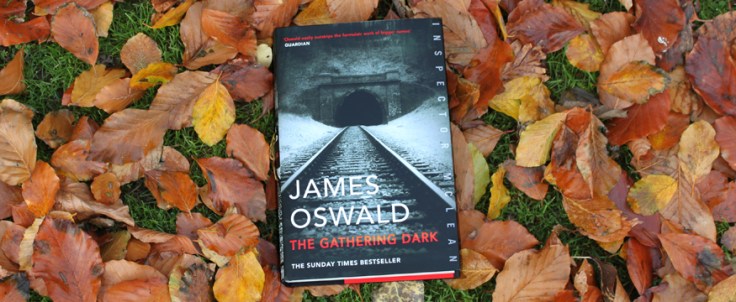

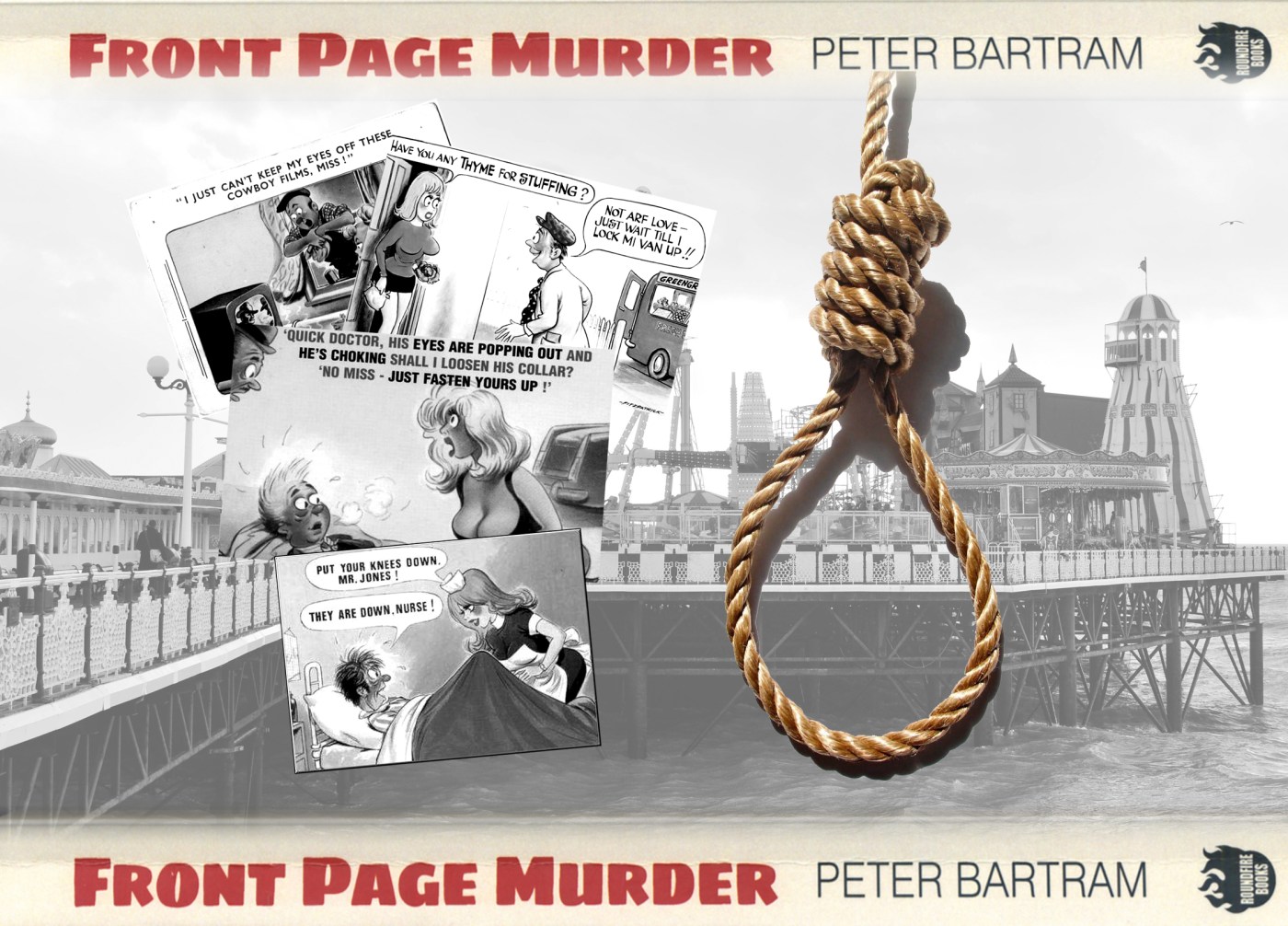

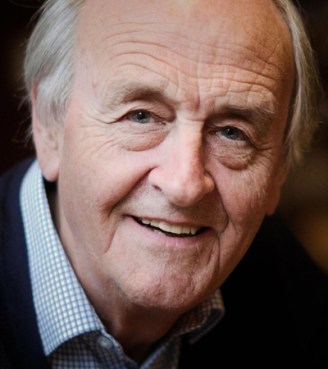 In the latest novel from Peter Bartram (left) his alter ego Colin Crampton, a reporter for the Evening Chronicle in 1960s Brighton, faces his toughest challenge yet. Local artist Archie Flowerdew is due to be hanged on Christmas Eve unless Crampton and his intrepid Australian girlfriend Shirley can stop this affront to Christmas cheer by proving that Flowerdew did not murder a rival artist.
 Persuaded by the condemned man’s niece, Tammy, Crampton gets to work, and finds no shortage of other Brighton folk who would have clapped their hands in glee upon hearing of Despart’s demise. The plot thickens delightfully, as we encounter a crooked art dealer, a lecherous vicar, a camp artist (complete with velvet trousers) and the usual cast of boozy, chain-smoking searchers-after-truth (or a good headline) on the staff of the Evening Chronicle.
 Bartram introduces a fascinating contemporary note by featuring the Home Secretary at the time, Henry Brooke. He was appointed by Harold Macmillan after the Prime Minister’s infamous ‘Night of The Long Knives in 1962. Brooke (left) was to prove one of the least distinguished holders of the post, however, and he was pilloried without mercy by the BBC’s satirical show That Was The Week That Was. They dubbed the hapless Brooke ‘The most hated man in Britain’, and Bartram recalls their mocking phrase, “If you’re Home Secretary, you can get away with murder.”
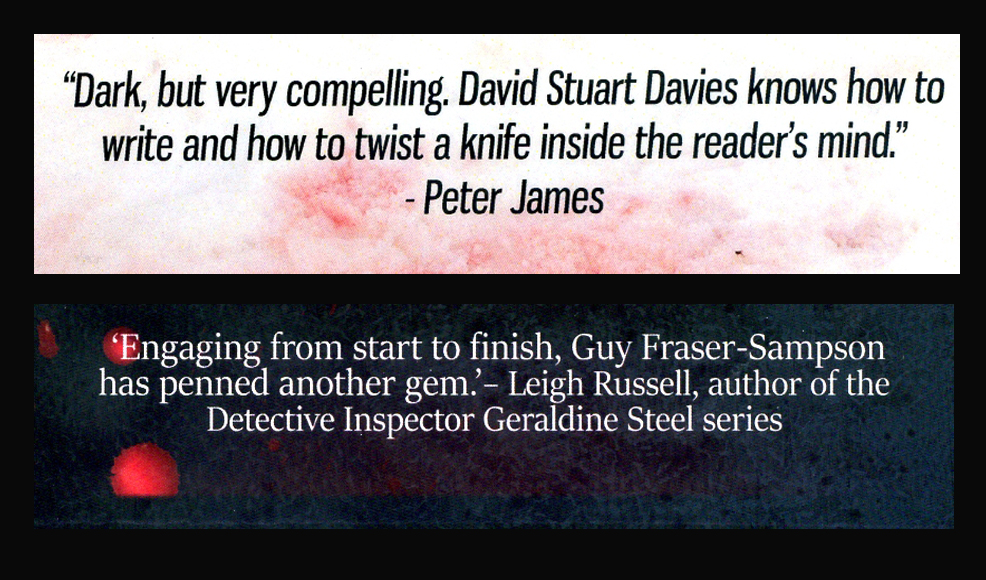

 Two books from Urbane Publications this week, and they both look very tasty. I’ve become an avid fan of Guy Fraser-Sampson’s quirky Hampstead Murders series, but David Stuart Davies (left) and his copper DI Paul Snow are, for me, unexplored territory. David Stuart Davies is, as well as being an original author, is a noted editor of ghost stories and classic detective fiction, and an expert on Sherlock Holmes. In Blood Rites, Paul Snow has a problem. A Yorkshire police station in the 1980s is not the most favourable place or time to announce that you are a homosexual, and so Snow remains firmly ‘in the closet’. The self doubt and personal turmoil do not sit easy with Snow, especially when he is trying to bring to justice a killer whose crimes are clearly connected but apparently random. Snow’s lack of success sees him removed from the case, but he is determined to find the killer, and sets about the task privately. You can buy Blood Rites
  Guy Fraser-Sampson (right) is clearly a man who has an affinity with an England which, sadly, no longer exists. Precision and subtlety of language, exquisite manners and faithful adherence to social niceties are all terribly unfashionable, but Fraser-Sampson’s respect for them is shown in his revival of EF Benson’s Mapp and Lucia characters, as in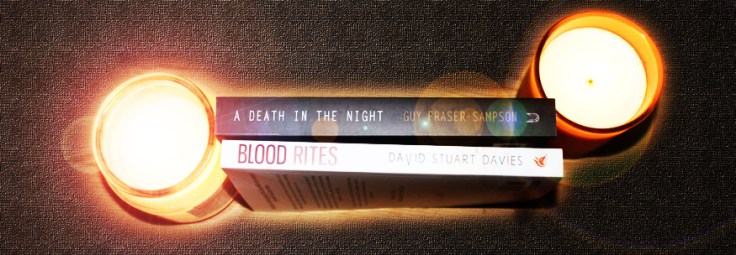
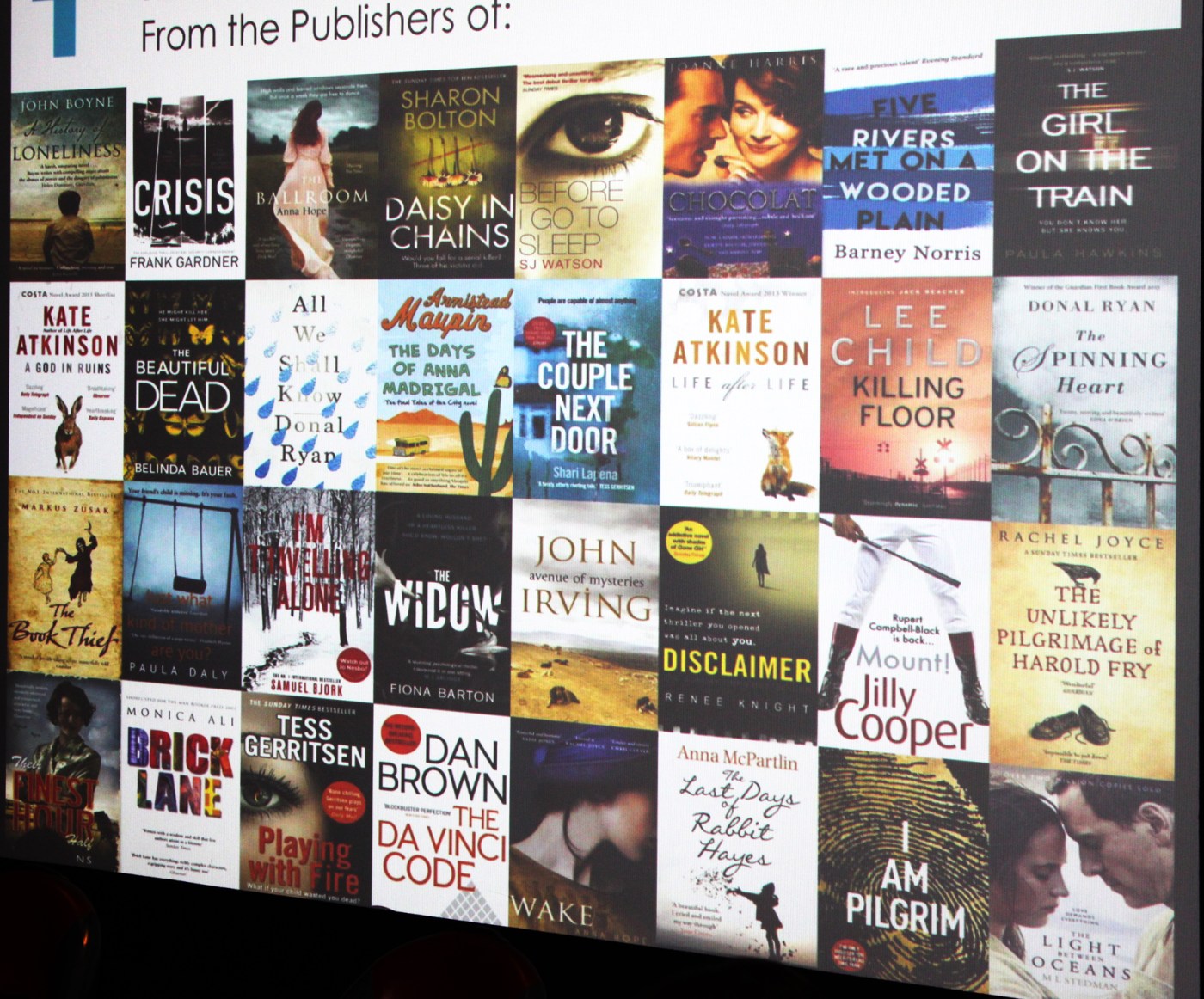

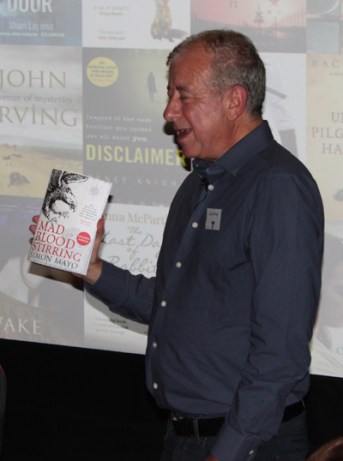 I was lucky enough to be invited to the distinctly upmarket Charlotte Street Hotel in London’s Fitzrovia, as a guest of Transworld for their evening showcasing what they hope will be their best-sellers for 2018. Managing Director Larry Finlay (left) took the stage first, and showed his perfectly justifiable pride in how the group’s editors had managed to pick some astonishingly successful novels over the last few years. Judging what readers might want to read months – if not years – ahead, taking a punt on the talent of someone as yet unknown to book fans, and then backing your judgment with publicity and marketing; these are the skills by which publishers stand or fall, and Larry and his team at Transworld seem to be getting the hard bits right.






 I have become a huge admirer of the writing of Chris Nickson (left) . He says on his website:
 You will be pushed to find better opening words to a novel even were you to search all year: